Breton
Author: Elliott Garber, DVM · Updated
The Breton is a French draft horse breed with two current morphological types: the compact, powerful Trait and the more extended Postier. Both belong to the same breed. If you are researching a Breton for driving, farm work or riding, the useful question is which individual has the build, training and soundness for your job.
The horse hub helps place the Breton among other breeds. This page separates the modern breed from loose uses of “Breton horse” for any horse associated with Brittany.
| Identity | French draft horse breed |
|---|---|
| Home region | Brittany and its historic breeding area |
| Current types | Trait and Postier |
| Key distinction | Type describes build, not proof of training |
| Buying priority | Studbook identity and demonstrated suitability |
Browse listings, public profiles, breeders, or add your animal.
Trait and Postier: one breed, different outlines
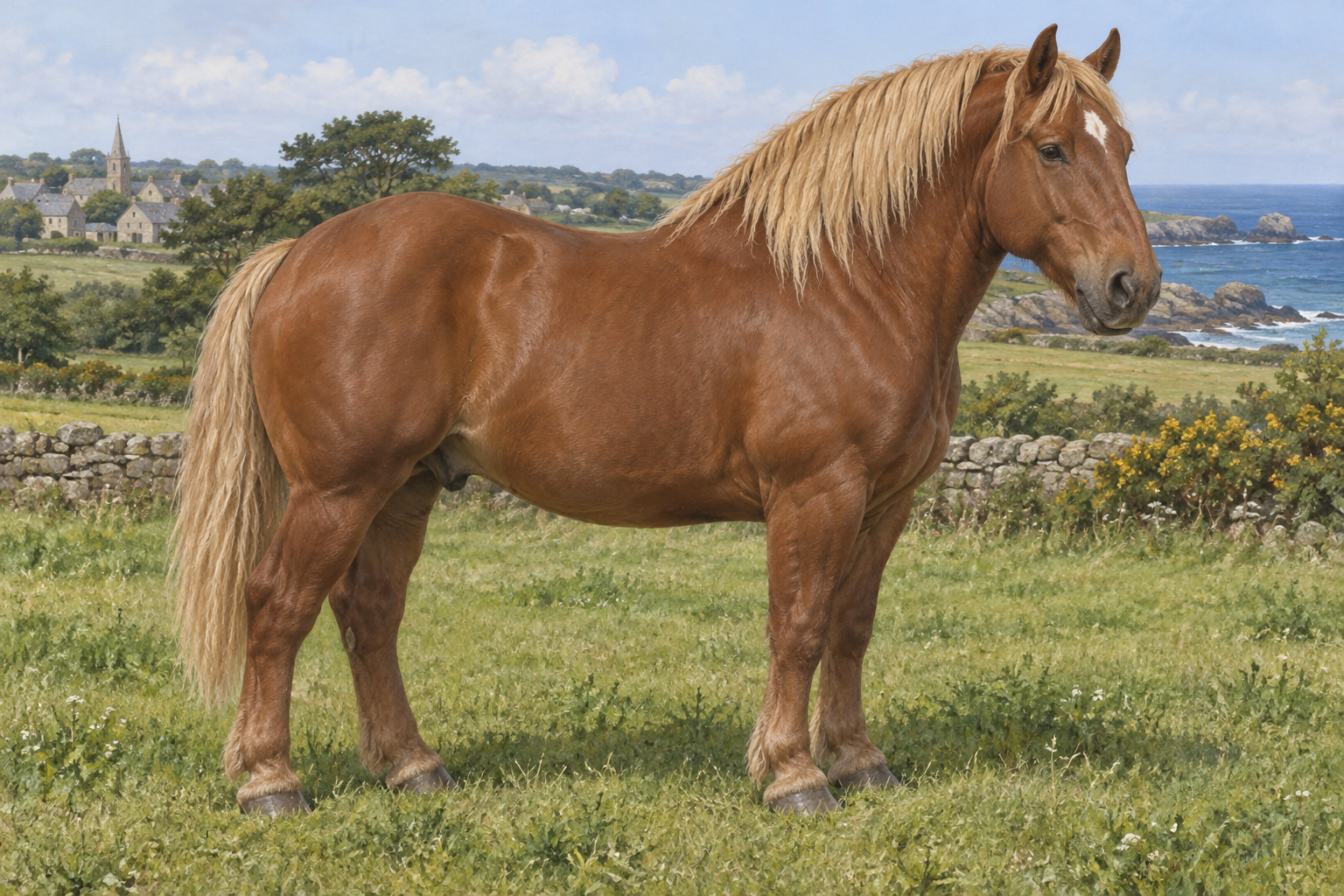
The Association Nationale du Cheval de Trait Breton describes the Trait as the more massive, compact type. The Postier has longer lines, a lighter outline and active movement. The association explicitly says that these types are distinguished in competition categories, not separated within the genealogical book.
The association gives an indicative height range of about 15.1 to 16.1 hands (155 to 165 cm), averaging about 15.3 hands (159 cm), and an indicative weight of about 1,760 lb (800 kg). These are reference figures, not limits that identify every individual or a feeding target. Measure the horse you are considering.
That distinction matters when reading an advertisement. “Postier” does not mean that a horse is already trained to drive, and “Trait” does not tell you how much it can safely pull. Ask the seller to describe the individual rather than allowing a type name to stand in for a work history.
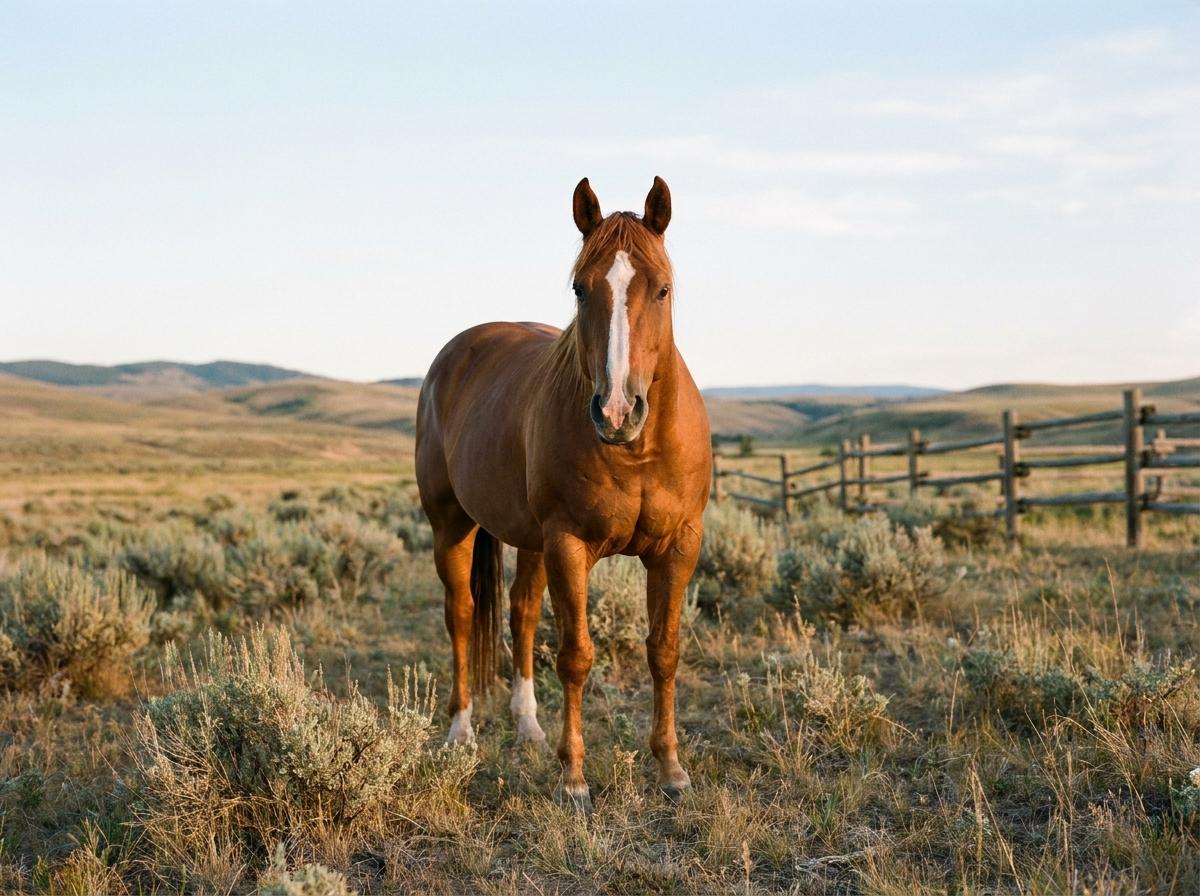
The association lists chestnut (alezan), red roan (aubère), bay, roan, black, noir pangaré and chocolate as admitted colors. Gray is not on that list. Chestnut with a pale mane is familiar, but color is not proof of ancestry. Check the current standard for showing and the individual horse’s identification for pedigree.
For registry naming and red coat terminology, use the chestnut versus sorrel guide.

What is different from a Boulonnais?
The Boulonnais is a separate French draft breed, strongly associated with gray coloring and its own breeding tradition. A Breton is not a brown version of a Boulonnais. Crossbreeding history and a family resemblance among draft horses do not make their registrations interchangeable.
Likewise, historical Breton terms should not be treated as a menu of equally current registered breeds. For a purchase, work from the issuing registry, the actual document and the horse’s identity. Ask the seller to explain any discrepancy between the advertisement and the paperwork before you decide whether to travel.
The Hispano-Bretón is a separate Spanish breed, developed from imported Breton stallions and local mares, as its official breeding program explains. Breton ancestry does not make its registration interchangeable with that of the French Breton.
A useful horse needs the right preparation
Write down the work you expect before viewing. Include the environment, the pace, the frequency and the experience of the person handling the horse. “Pleasure driving” on quiet familiar tracks is not the same request as traffic, public events or carrying paying passengers.
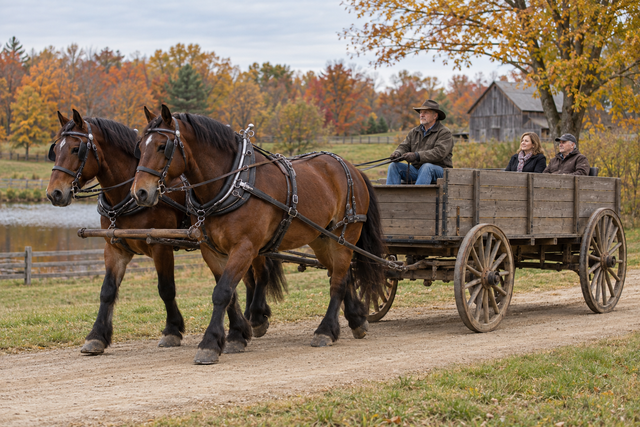
For a driving horse, ask to see ordinary preparation as well as movement: catching, grooming, lifting feet, harnessing, standing and loading. Find out whether it has worked singly, in a pair or in a team, and whether it has done so recently. For ridden use, request an appropriate demonstration under an experienced rider. Do not create a difficult test simply to see what happens.
A large horse also changes the logistics of care. Measure doors, transport space and equipment. Confirm farrier access, safe restraint arrangements and a plan for turnout, companionship and shelter. Ask for the current feed and workload history so that your veterinarian or nutrition adviser can help you plan the transition. An animal doing little work should not automatically receive the ration of a working draft horse.

Health records and breeding questions
Arrange an independent purchase examination that reflects your intended use. The AAEP’s purchase-exam guidance explains why the buyer and veterinarian need to agree on the scope. Share relevant training and veterinary records with the examining vet, including concerns you noticed during the visit.
The Breton association says foals of two Breton parents may enter the breed’s studbook wherever they are born in France. That is a registration rule, not a claim that any draft-looking foal qualifies; verify parentage, identification and the applicable registration process.
Breeding paperwork needs another check. The Breton association’s stallion guidance requires candidates for approval to have confirmed parentage and to be free of junctional epidermolysis bullosa, referred to as EBJ in its French guidance. Ask the breed authority which documents and tests apply to your prospect. Do not infer a horse’s test result from its appearance, or confuse a registered horse with an approved stallion.
That is a breeding-specific question, not a reason to diagnose a healthy-looking horse from an online photograph. Veterinary interpretation belongs with the veterinarian and the laboratory report for the identified animal.
How much does a Breton cost?
A useful quote is for one horse in one market. Age, training, registration, breeding approval, health history and transport can change what the purchase includes. This guide gives no universal price band because a local unstarted youngster and an imported experienced driving horse are not comparable transactions.
Request a written total with currency, included equipment, transfer charges and transport responsibilities. If importing, establish the current official requirements and a professional transport plan before committing. A low advertised figure is not the same as an affordable horse at your yard.
Common questions
Is the Postier a separate breed?
No. The French association presents Trait and Postier as morphological types within the Breton breed. Confirm the actual registration rather than assuming the type name indicates another studbook.
Is a Breton suitable for beginners?
Some individuals may suit supported novice owners. That judgment depends on training, handling, facilities and the owner’s support. A reputation for a pleasant temperament does not remove the need for a supervised trial.
Can I choose by color?
Choose the individual first. A chestnut coat and flaxen mane are an appearance, not evidence of ancestry, health or training.
Do this next on Creatures
The Breton hub is the relevant reference. This article does not promise local sellers or animals currently offered for purchase.