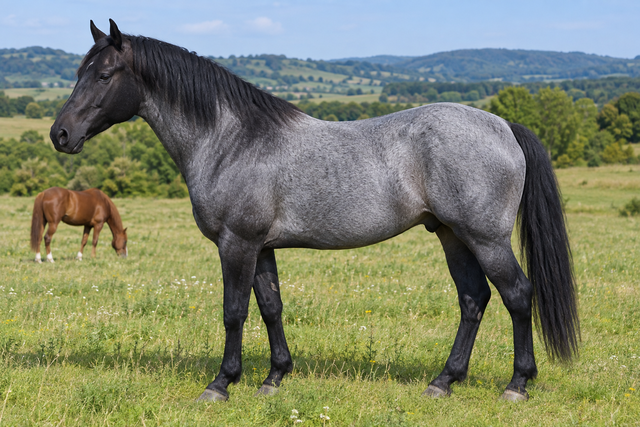
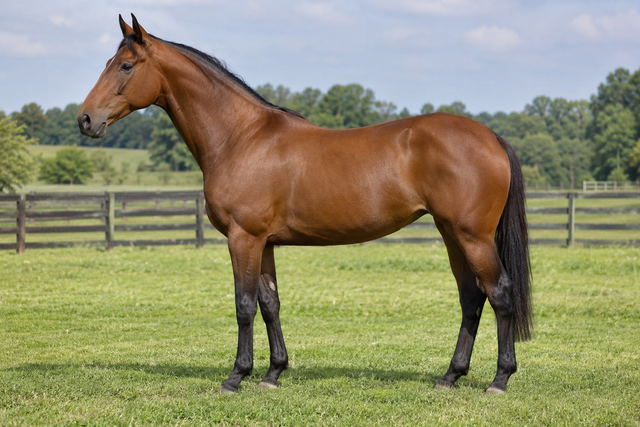
Racking Horse
Author: Elliott Garber, DVM · Updated
The Racking Horse is an American gaited saddle horse associated with the smooth, four-beat rack. Buyers often seek one for comfortable pleasure or trail riding, but a smooth gait and a useful riding horse are separate things to check. Soundness, training, fit with the rider and humane management matter more than an impressive action photograph.
Before comparing sale claims, use the free horse pedigree chart maker to organize the ancestry supplied by the seller, then verify it against the actual papers. An entered chart does not certify either parentage or a horse’s gait.
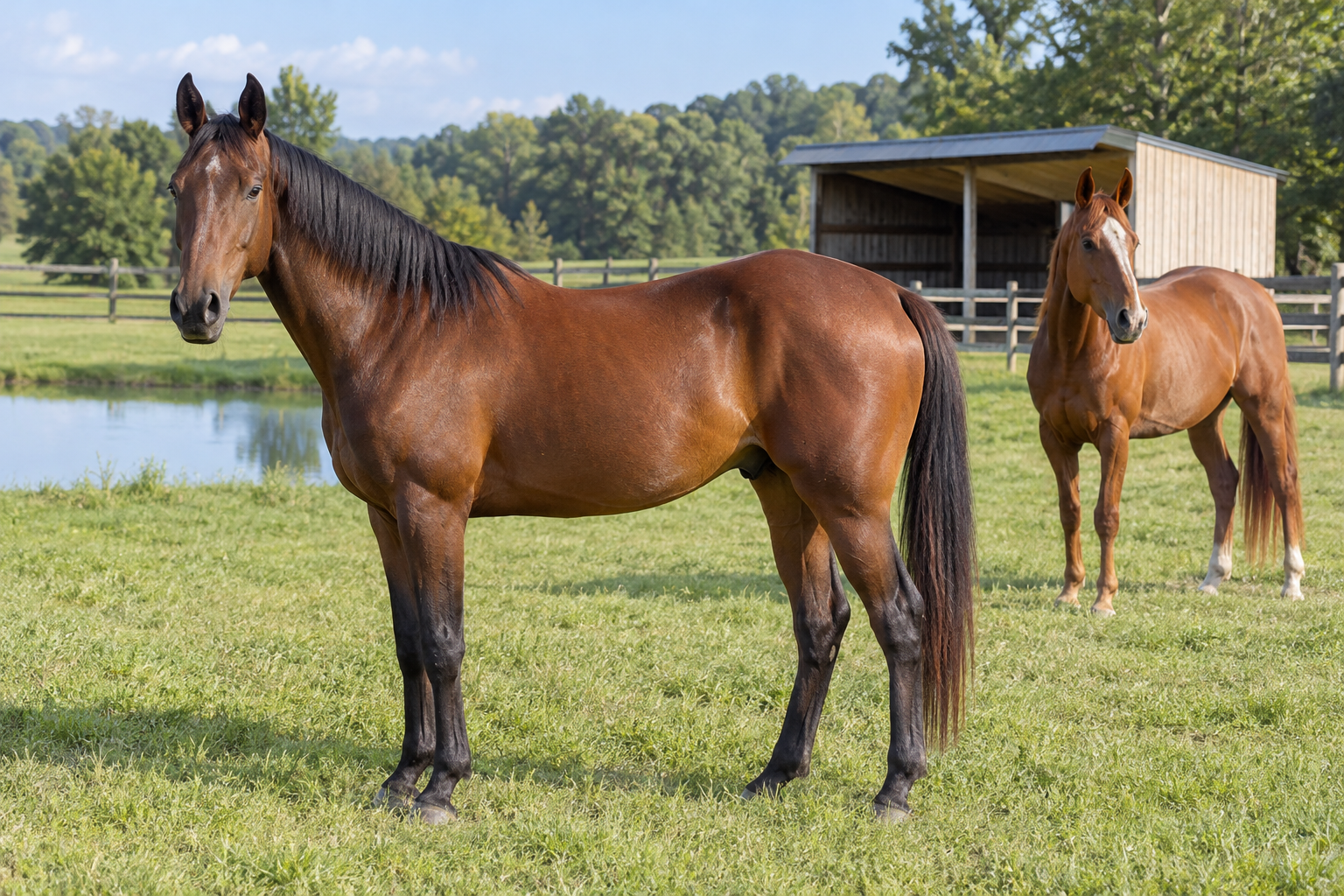
| Type | American light saddle horse |
|---|---|
| Defining gait | The rack, a four-beat gait with separate footfalls |
| Breed organization | Racking Horse Breeders’ Association of America |
| Buying focus | Natural gait, soundness and demonstrated training |
| Care basics | Forage, water, company, turnout, shelter and hoof care |
| Welfare boundary | Pain is not an acceptable way to produce gait |
Browse listings, public profiles, breeders, or add your animal.
What the rack is, and what a photograph cannot tell you
The rack has separate footfalls in a four-beat sequence, described in a published review of alternative lateral horse gaits. The American Morgan Horse Association’s gait explanation describes the rack among the gaits found in gaited Morgans, which also makes an important distinction: a horse can rack without belonging to the Racking Horse breed.
Breed identity therefore requires its own evidence. Oklahoma State University’s Racking Horse account describes the American breed’s development from pleasure Walking Horse stock and the establishment of a separate registry. The Racking Horse Breeders’ Association of America is the named breed organization. Confirm the current registration and transfer requirements directly for the horse being offered.
A still photograph cannot show rhythm or soundness. Watch the horse move in person, on ordinary suitable footing, with an experienced gaited-horse professional if this is new to you. Ask to see the ordinary warm-up and transitions, as well as the gait advertised. Do not infer a repeatable gait from one selected video clip.
Conformation, color and temperament
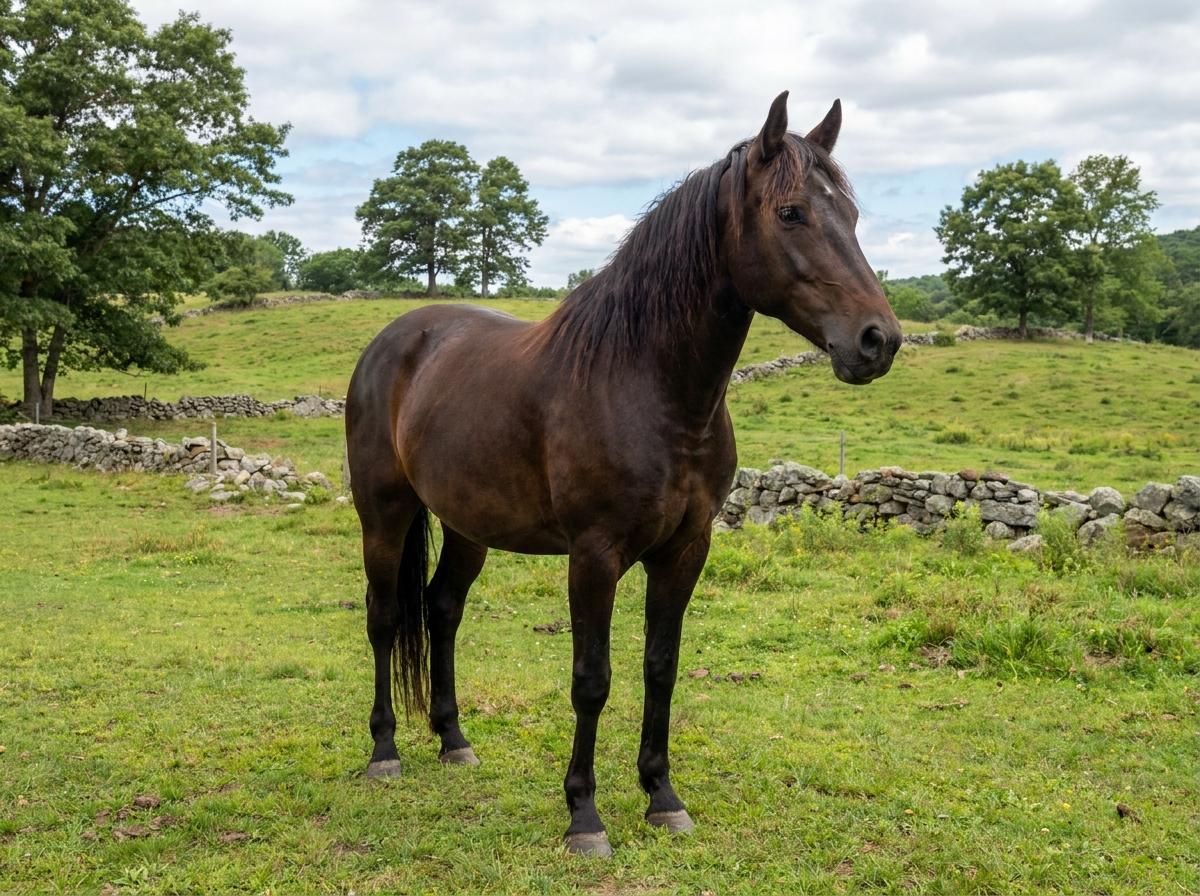
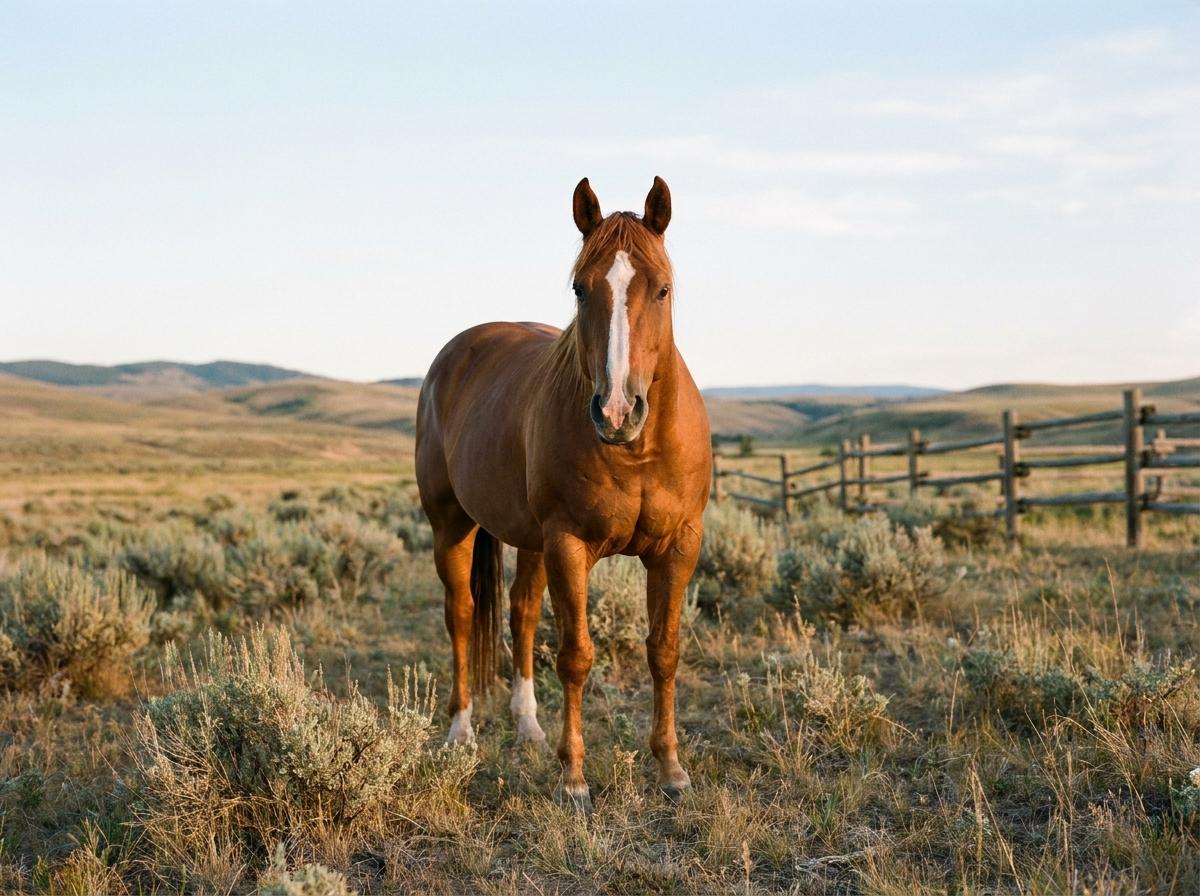
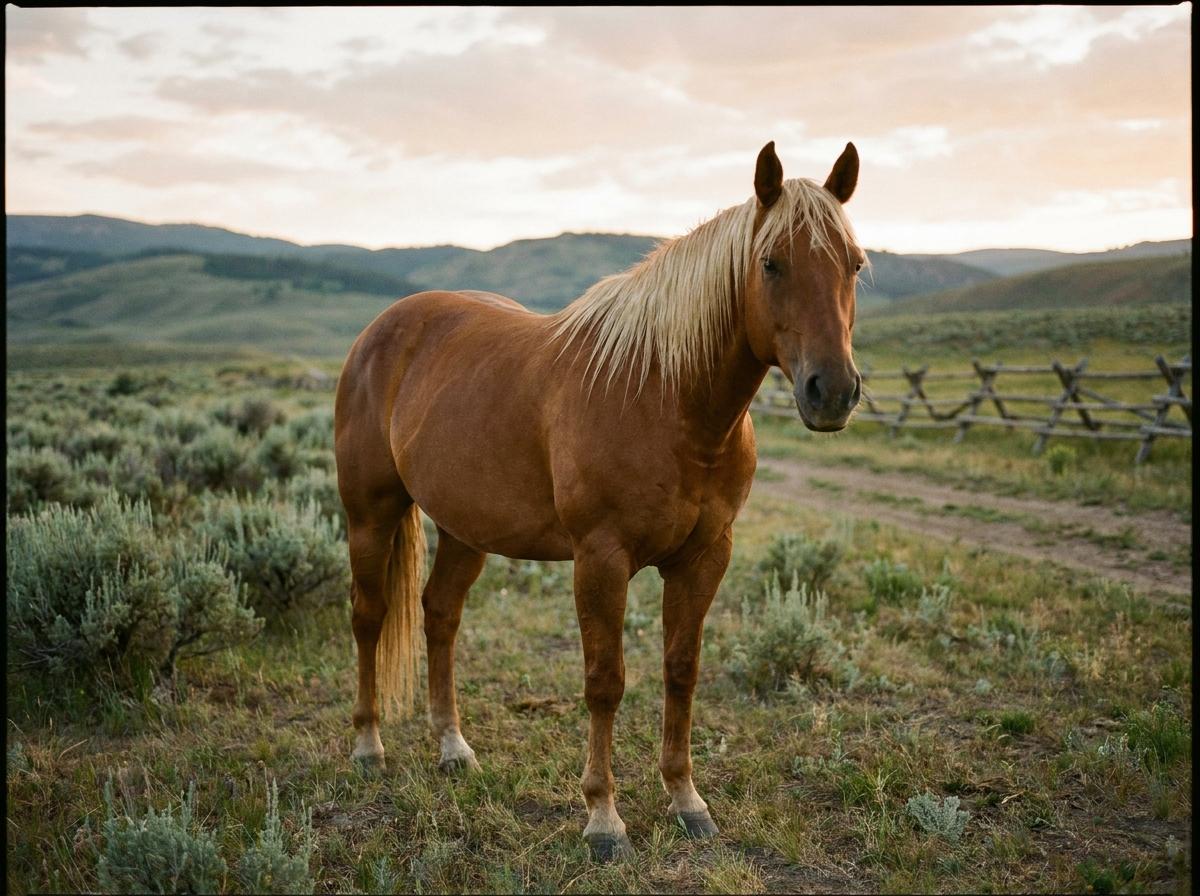
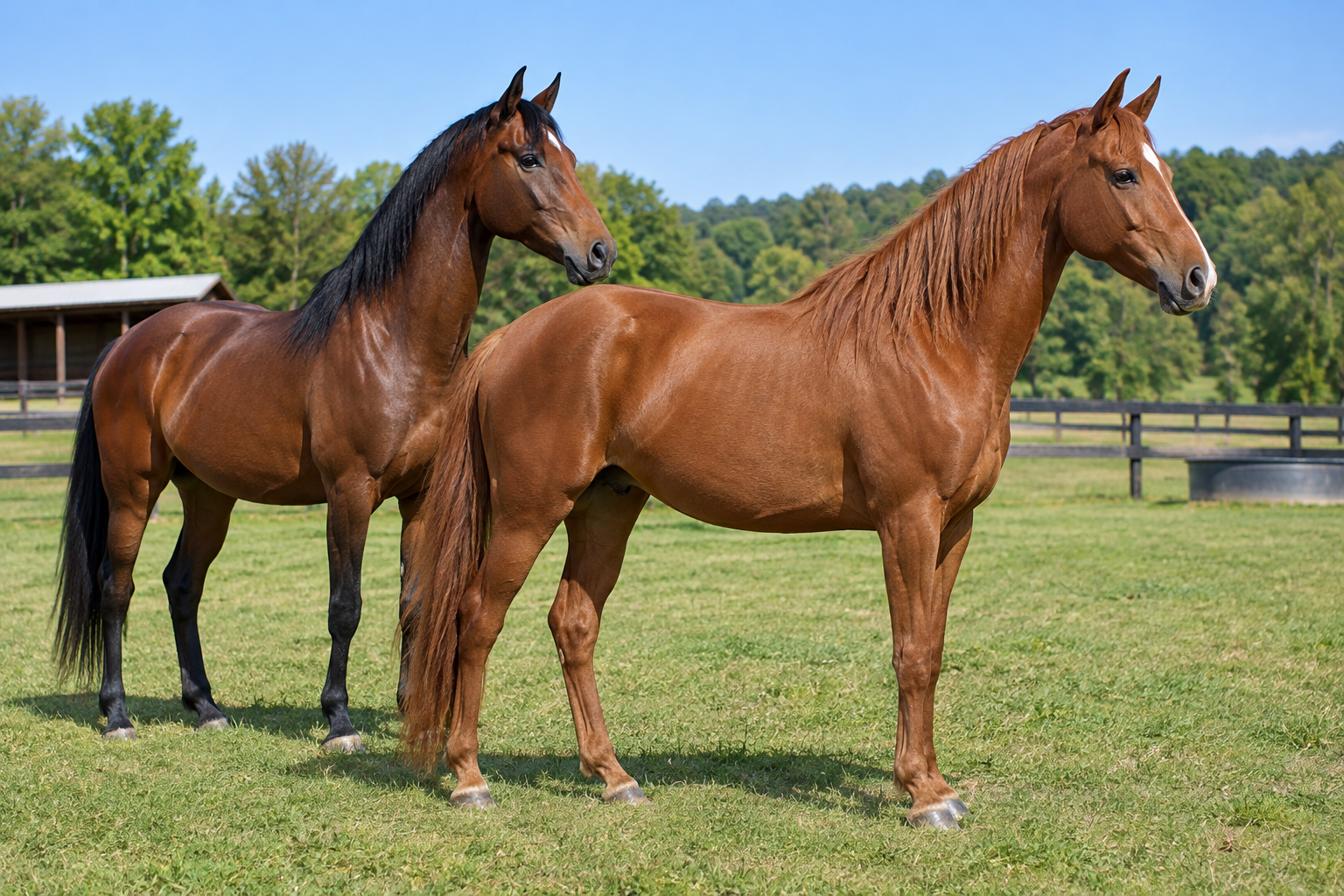
Look for a balanced light riding horse that moves comfortably and can do the intended job. The breed account describes a naturally smooth saddle horse rather than a heavy draft type. There is no reason to use height, color or an exaggerated silhouette as a shortcut to suitability.
Ask what the animal is like to catch, lead, groom, load and mount. Observe its response to being asked to stand and to ordinary changes in the environment. A horse promoted as gentle still needs training and a rider whose ability matches it. Breed reputation cannot settle whether this individual is ready for a novice, a returning rider or a particular trail.
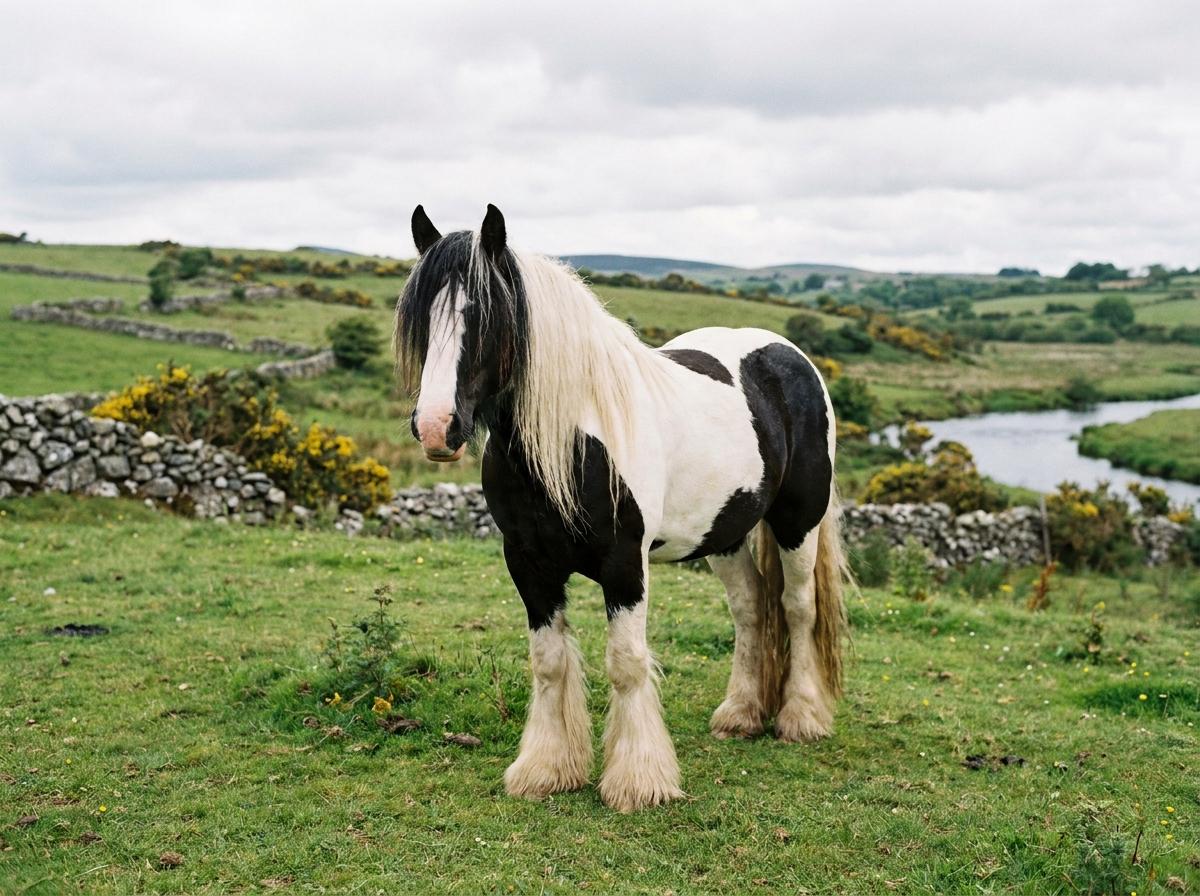
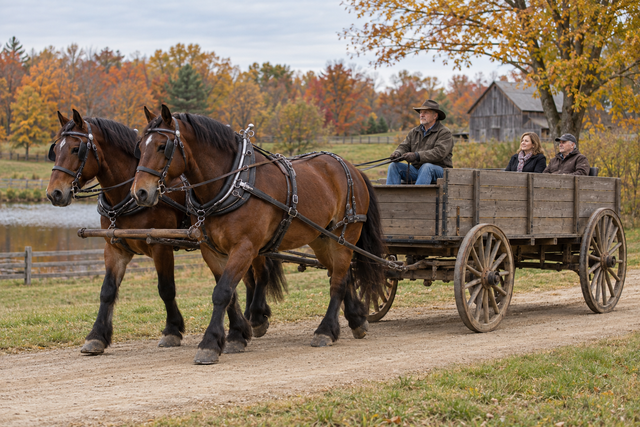
If you are comparing a compact cob, see the Gypsy Vanner guide. For heavy draft research, see Ardennais. These are different purposes and builds, not substitutes for a gait assessment. The horse hub helps keep the comparison focused on your riding or working goal.
Soring and the Horse Protection Act
USDA APHIS explains soring as the use of substances, devices or practices that cause pain or distress in a horse’s limbs to accentuate gait. Its Horse Protection Act page states that sored horses are prohibited from participating in shows, exhibitions, sales and auctions, and that transporting them to or from those events is also prohibited.
The practical buying principle is simple: do not accept pain as a training method or as the price of an animated gait. Have unexplained tenderness, lesions, reluctance to move or other concerns assessed by an independent veterinarian. Do not try to diagnose soring from a photograph or use this guide as an inspection procedure.
As of October 2026, a federal court had vacated parts of APHIS’s 2024 Horse Protection amendments, and APHIS had postponed the non-vacated provisions still awaiting implementation. For an event, consult APHIS’s current requirements and the organizer’s current rules. A past article’s effective date or blanket equipment statement may be obsolete. The enduring welfare issue is the horse’s comfort, not an attempt to recreate legal compliance from old advice.
Feet, tack and training for the actual job
Build a working relationship with a veterinarian and a farrier who understands the individual horse. University of Minnesota Extension’s hoof guidance emphasizes regular care and balanced feet. Tell the farrier what work the horse does and retain observations about comfort and movement over time.
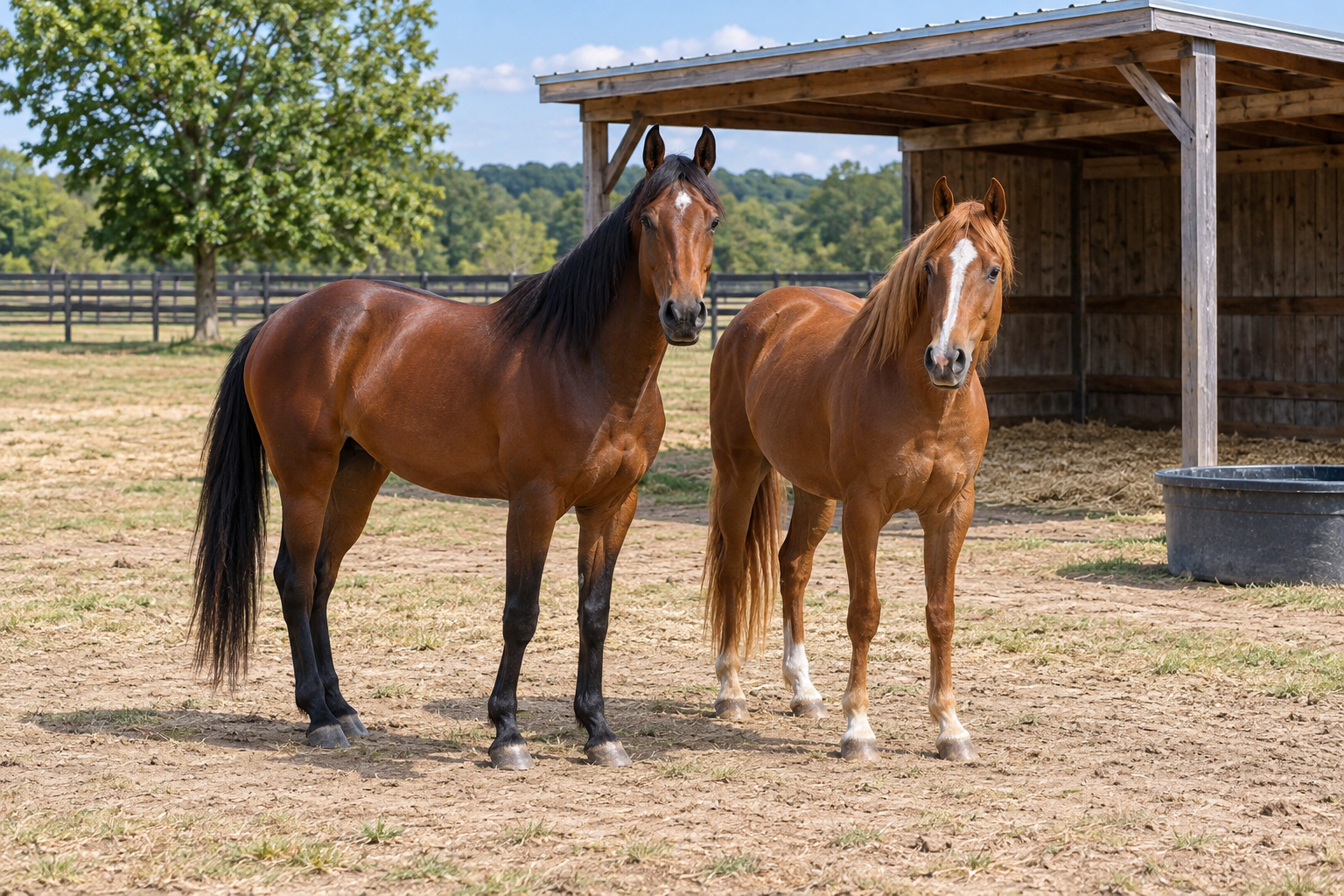
Have tack and the riding plan evaluated for the horse and rider. Ask the seller which saddle and bridle are normally used, what training help is still needed and how the horse behaves away from home. A comfortable gait does not make poor saddle fit, inadequate conditioning or an unsuitable rider harmless.
Use horse farrier records to keep visits and follow-up observations together. For a buyer or new caregiver, a horse record packet can help organize the documents you choose to share. A saved note or uploaded report preserves evidence; it does not verify a diagnosis.
Housing, feeding and routine health
Provide compatible company and regular safe turnout, visible secure fencing, clean water and weather shelter. Manage mud and manure around feeding areas and gateways. Minnesota’s dry-lot and shelter guidance explains why a turnout area must still include feed, water and accessible shelter.
Base feeding on suitable forage and adjust to body condition, work, age and health. Make changes gradually with professional advice when needed. Rutgers’ equine nutrition guidance explains the role of forage and the problems associated with excessive energy or sudden high-starch intake. There is no separate ration that all Racking Horses require merely because they rack.
Arrange veterinary guidance for vaccination, dental care and parasite management. Keep observations of appetite, droppings, weight, gait and behavior. Call the veterinarian promptly for illness, lameness or a marked change rather than attributing discomfort to a breed peculiarity.
The horse weight calculator estimates weight from measurements. Record the method and use a scale when exact weight matters. It is a monitoring aid, not a basis for medication dosing. The horse weight measurement guide explains repeatable measurement.
Research Mammoth donkey care separately before choosing a large donkey as a horse companion. Compare the proposed social group and feeding arrangements with professional help.
Breeding and paperwork
If you plan to breed, first confirm identity, reproductive suitability, registration eligibility and relevant health evidence. Do not select on speed or coat color alone. A trained parent’s performance does not guarantee an identical foal.
The horse gestation calculator gives a planning estimate from a breeding date, not a pregnancy diagnosis or a promised birth date. Retain veterinary findings and the eventual foaling outcome alongside it. For color research, the horse coat color calculator explores entered parent assumptions, which should be backed by the actual color reports where available. It does not predict gait or registry eligibility.
Buying and budgeting
Ask for a dated quote for the actual horse. Training, documented use, age, soundness and sale terms make a broad breed-price range a weak comparison. Include boarding or land, forage, farrier care, veterinary care, tack, instruction and transport. A fast horse may be the wrong horse for a rider seeking quiet trail miles.
Before paying, ask:
- Which registry issued the papers, does the ID match and who can transfer ownership?
- Can I see the horse caught, prepared, mounted and ridden in its ordinary routine?
- What gait can it maintain comfortably, and what training or riding skill does that require?
- What shoeing, hoof, lameness and treatment records accompany it?
- Can my independent veterinarian examine it for the intended use?
- How does it load, travel, stand, leave companions and respond on a trail?
- What equipment and sale conditions are included in writing?
Use the horse buying guide to arrange the process. Separate what the seller says from what the papers, your observation and the independent examination establish.
Frequently asked questions
Is any horse that racks a registered Racking Horse?
No. Rack describes a gait found beyond this breed. Registry identity needs the issuing body’s records and the horse’s matching identity.
Does a natural gait mean no training is needed?
No. Natural ability does not teach leading, loading, standing, steering or appropriate responses to a rider. Judge what the horse can demonstrate safely now.
Is the rack the same as a trot?
No. The rack has four separate beats; a trot uses diagonal pairs. Ask an experienced gaited-horse professional to help assess the actual rhythm if you are unfamiliar with it.
Do Racking Horses need painful methods to perform?
Pain is not an acceptable way to produce a gait. Soring is a serious welfare issue, and the HPA prohibits sored horses at the covered events described by USDA.
Are they automatically safe for beginners?
No. Smoothness does not establish temperament, training or suitability. Match the individual to the rider with instruction and an independent pre-purchase assessment.
Do this next on Creatures
Choose the next action that fits your stage. Keep purchase claims and your own observations tied to the right animal.
- Watch for a suitable listing. Save a Racking Horse listing alert for future matching listings. No account is needed to start. See saving searches and using your watchlist.
- Check current listings. Browse Racking Horse listings. Availability changes; inspect the actual listing and contact the seller about its documents and terms.
- Research a breeder or farm. Browse the breeder directory. A directory entry does not guarantee available stock or establish the animal’s identity, soundness or suitability.
- Start an animal profile. Add your Racking Horse profile. No account is needed to start; a free account keeps the records. Follow adding an animal to Creatures.
- Keep the evidence. Add a health, weight, breeding or care record. The sheet opens for visitors; a free account saves it. See adding a record and health and medical records.
- Describe your operation. Start a breeder or farm profile. Starting a profile does not verify breeder status or guarantee directory admission. Read creating an organization and adding your team and getting listed in the breeder directory.