Horse
Equus caballus
Author: Elliott Garber, DVM · Updated
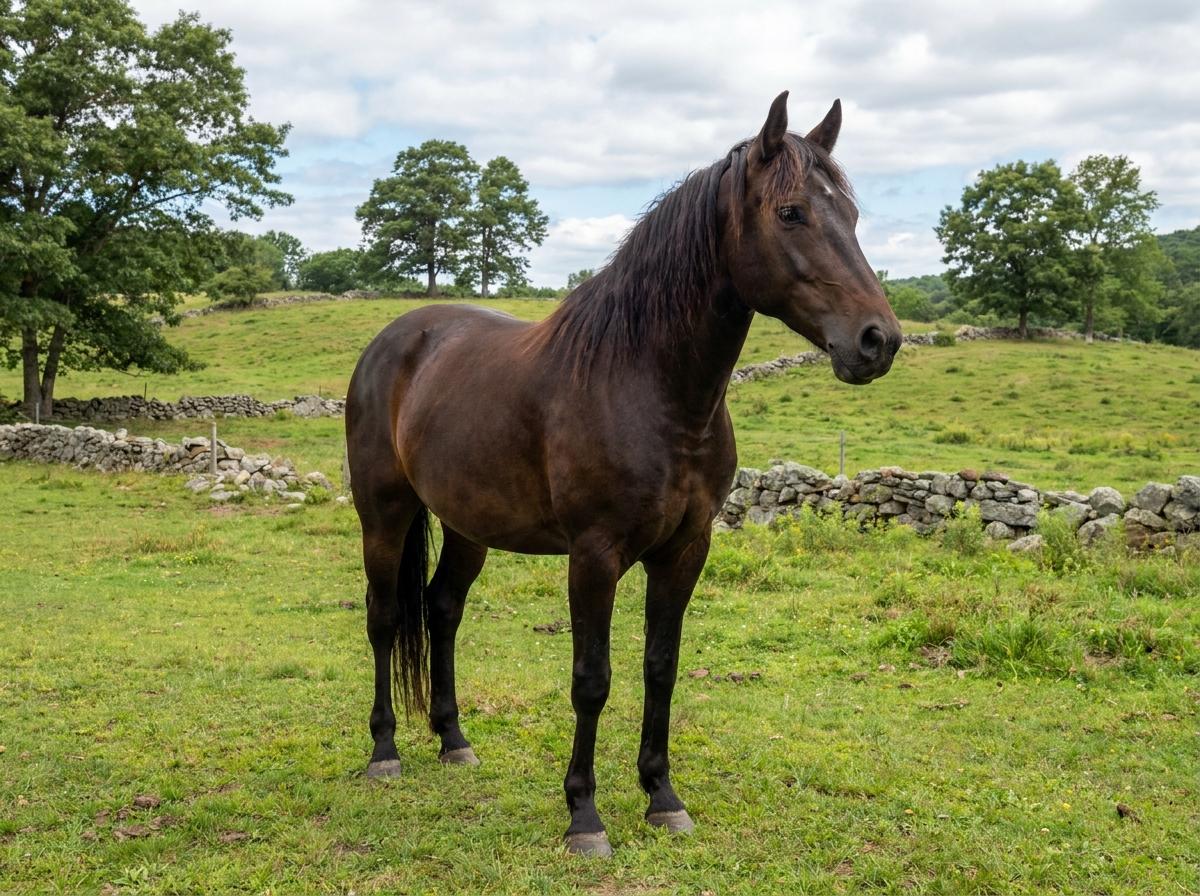
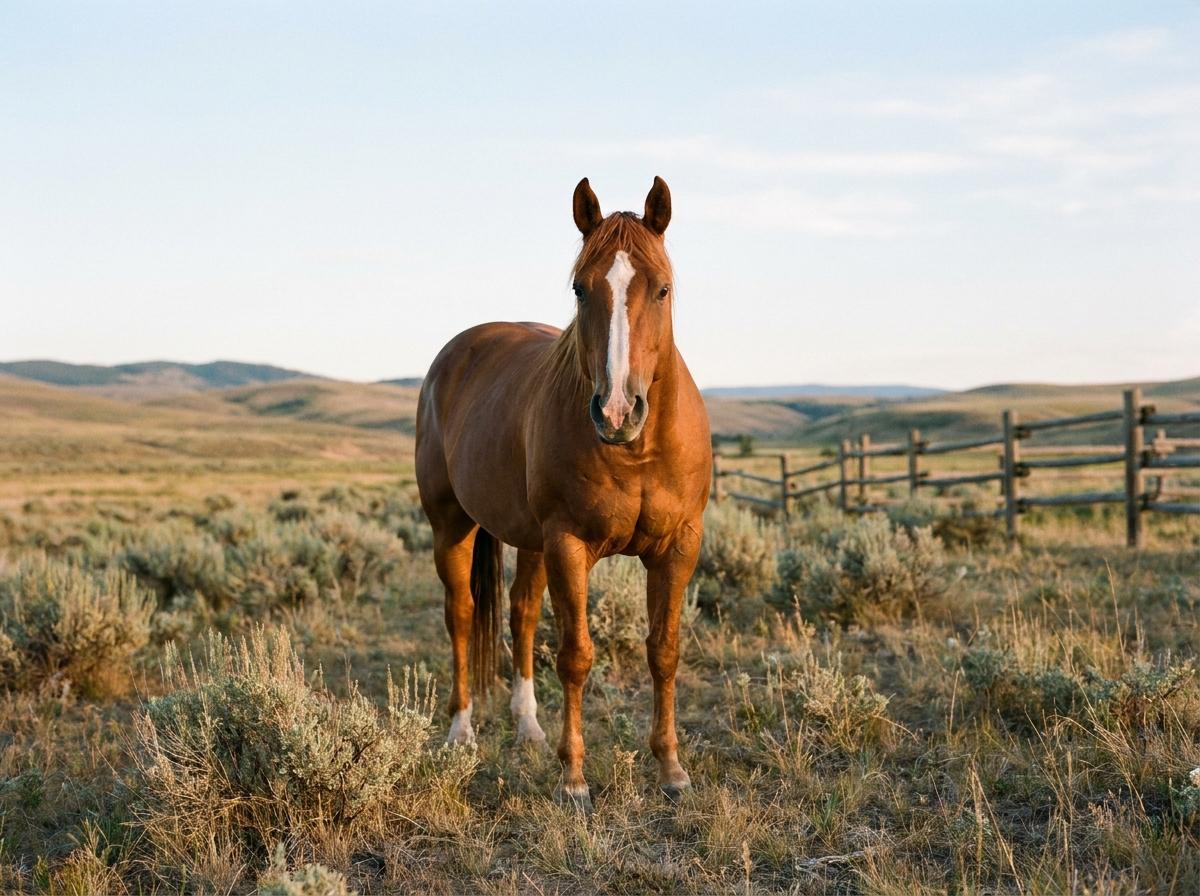
Horses are large grazing herd animals, bred over thousands of years into the stock horses, racehorses, sport horses, heavy draft horses, gaited saddle horses and ponies people ride, drive and show today. They are all one domestic species, and the UN Food and Agriculture Organization’s 2022 report on the world’s livestock breeds counts about 700 local horse breeds still in existence, plus more than 130 breeds shared across borders. The Merck Veterinary Manual puts the average lifespan at 25 to 30 years, and a grown horse can be anything from a registered miniature of 34 inches or less (measured at the base of the last mane hairs) to a Shire averaging more than 17 hands and about a ton. Shopping already? The Creatures breeder directory, filtered to horses, narrows by breed and state.
Most of this page is about choosing among those breeds: what each group was bred to do, how big it gets and which registries keep its records. After that come the questions a horse buyer or new owner asks, in roughly the order they come up: price and yearly keep, lifespan, housing and feeding, health, breeding, where to buy and what paperwork to keep. Each part ends at the Creatures guide that goes deeper, and the free horse tools turn up where they are useful, from the horse coat color calculator for predicting a foal’s color to a printable horse pedigree chart maker.

| Species | Domestic horse, Equus caballus |
|---|---|
| Main types | Stock and ranch horses, racing and endurance breeds, saddle and carriage breeds, warmblood sport horses, draft horses, gaited breeds, ponies and miniature horses |
| Breeds | About 700 local breeds worldwide, plus more than 130 shared across borders (FAO, 2022) |
| Adult size | Miniature horses 34 in or less (AMHA measures at the base of the last mane hairs); ponies no taller than 148 cm (about 14.2 hands); most riding horses about 14.2 to 16 hands; Shires average about 17.2 hands and 1,900 to 2,200 lb |
| Lifespan | About 25 to 30 years; miniature horses can live 40 years or more |
| Diet | Forage first: at least 1.5 to 2% of body weight a day in hay or pasture (dry matter), plus clean water and salt |
| Social needs | Highly social herd animals: keep a horse with company |
| Gestation | About 340 days, with a normal range of roughly 320 to 370 |
| Price (2026) | From a $125 federal fee for an untrained wild horse to six figures; catalog auction median $7,700, middle half $4,250 to $16,500 |
Browse listings, public profiles, breeders, or add your animal.
What a horse is
A horse is a grazing animal built to eat small amounts of fiber almost all day. It has a single stomach, not the four compartments of a cow, and the grass it eats is fermented by microbes in the cecum and large intestine, and, as the Merck Veterinary Manual observes, horses free to roam spend more than 60 percent of their day foraging. Their teeth keep erupting throughout life and wear unevenly, and their digestive tract does badly with sudden changes or long gaps between meals. Almost every rule in horse care, from forage-first feeding to yearly dental checks, follows from that design.
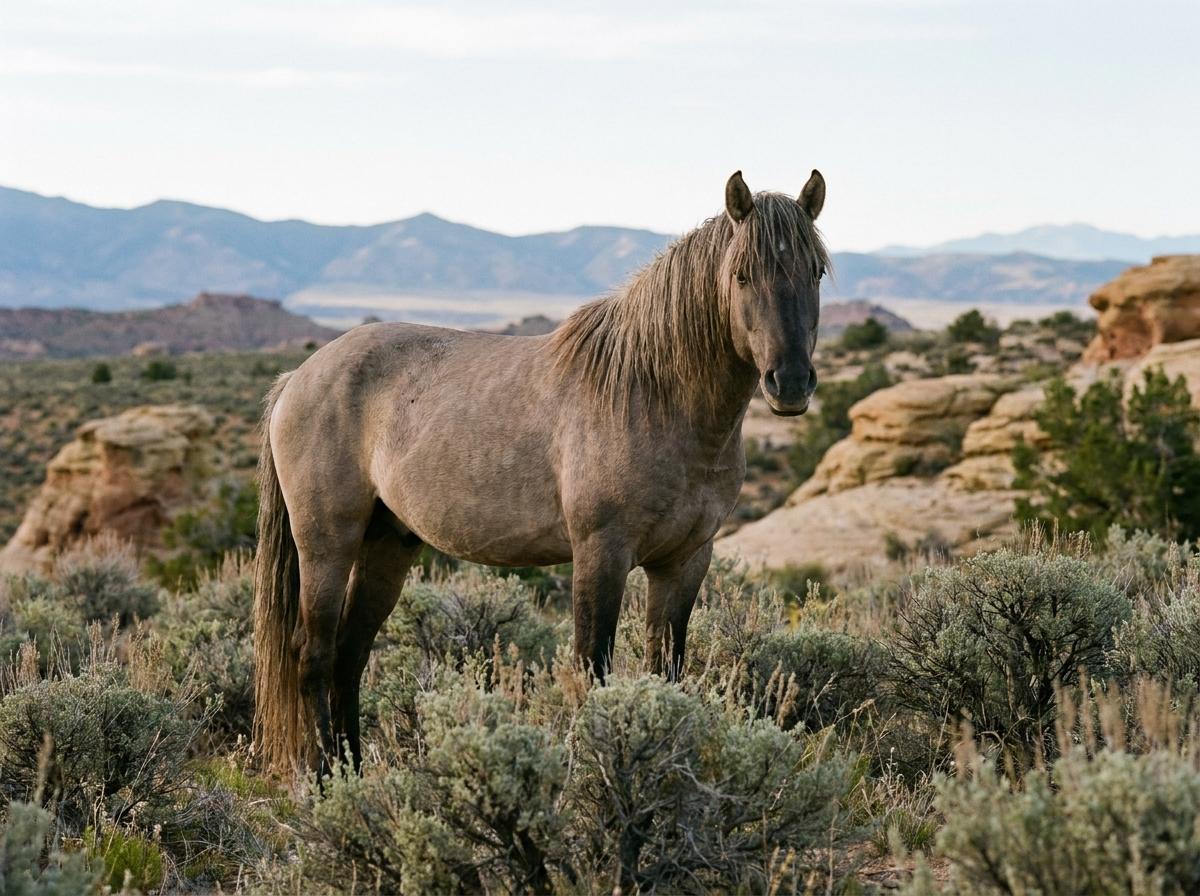
Horses are also older in North America than most people think. The fossil record shows horses originated in North America at least 55 million years ago and died out there at the end of the last Ice Age, about 10,000 years ago, before Spanish ships brought domestic horses back. Those domestic horses trace to the western Eurasian steppes: a 2021 study of 273 ancient genomes in Nature pinpointed the lower Volga-Don region as the homeland of modern domestic horses, which spread widely after about 2200 BC. The only horse usually called truly wild today is Przewalski’s horse (Equus ferus przewalskii) of Mongolia. The Smithsonian’s National Zoo calls it the last truly wild horse, while noting that genetic work has linked it to the early horses of Botai, and says the roughly 1,900 alive today all descend from 14 founders caught between 1910 and 1960. The “wild” horses of the American West and Australia are feral descendants of domestic horses, and the Bureau of Land Management manages wild horses and burros on 25.5 million acres of public land in 10 western states. The Mustang is the best known of them.
Sellers and registries use a short vocabulary, so learn it before you read an ad:
- Foal: a young horse of either sex, usually up to weaning; a yearling is in its second year.
- Filly and colt: a young female and a young intact male.
- Mare: an adult female. Stallion: an adult intact male kept for breeding. Gelding: a castrated male, the usual riding horse.
- Grade: a horse without registration papers, as opposed to a registered horse recorded in a breed association’s studbook.
- Hand: the unit for height. One hand is 4 inches, measured from the ground to the top of the withers (the ridge at the base of the neck), and the digit after the point counts inches, so 15.2 hands is 15 hands and 2 inches, or 62 inches.
Pony is a size, not a separate species. For international competition, the FEI caps a pony’s height at the withers at 148 cm (about 14.2 hands) without shoes.
Horses evolved as herd-living prey animals, so a frightened horse’s instinct is to bolt. Merck’s owner guide describes horses as highly social animals that require contact with others for normal daily well-being, and notes that isolating horses can lead to problems; some horses even stop eating when separated from a companion. That shapes everything from how many horses you keep to how you handle them. A calm, well-trained horse is still a 1,000-pound animal that can shy, kick or step on you without meaning to, so lessons and experienced help matter more than any equipment you buy.
Horse breeds and types
Counting horse breeds depends on who is counting. The FAO’s 2022 status report lists 700 local horse breeds still in existence, 101 more reported extinct, and about a third of horse breeds at risk, among the highest proportions of any livestock mammal. The A to Z list further down this hub links hundreds of those breeds, each to its own Creatures page of breeders, listings and profiles. To pick a horse, though, a handful of practical groups matter more than the full list, because each group was bred for a job, and the job still shapes the horse’s size, movement and temperament.
| Stock and ranch horses | American Quarter Horse, Paint, Appaloosa, Colorado Ranger, Florida Cracker |
|---|---|
| Racing and endurance | Thoroughbred, Standardbred, Arabian |
| Saddle and carriage | Morgan, American Saddlebred, Hackney, Friesian, Dutch Harness Horse |
| Warmblood sport horses | Hanoverian, Dutch Warmblood (KWPN), Holsteiner, Trakehner, Westphalian, Zangersheide |
| Draft horses | Percheron, Belgian, Clydesdale, Shire, Suffolk, American Cream |
| Gaited breeds | Tennessee Walking Horse, Rocky Mountain Horse, Paso Fino, Icelandic, Missouri Fox Trotter |
| Ponies and miniatures | Shetland, Welsh, Connemara, Pony of the Americas, Miniature Horse, Falabella |
| Color registries | Pinto, Palomino, Buckskin |
Stock and ranch horses
Stock horses are compact, muscular horses bred with the cow sense for ranch work. The American Quarter Horse earned its name, according to breed notes from the national extension horse program, by being the fastest horse over a quarter mile; it typically stands 14.2 to 15.2 hands and is used for racing, ranch work, rodeo and pleasure riding. Of the 2,733 catalogued auction sales in the Creatures horse auction price guide, 2,494 were Quarter Horses.
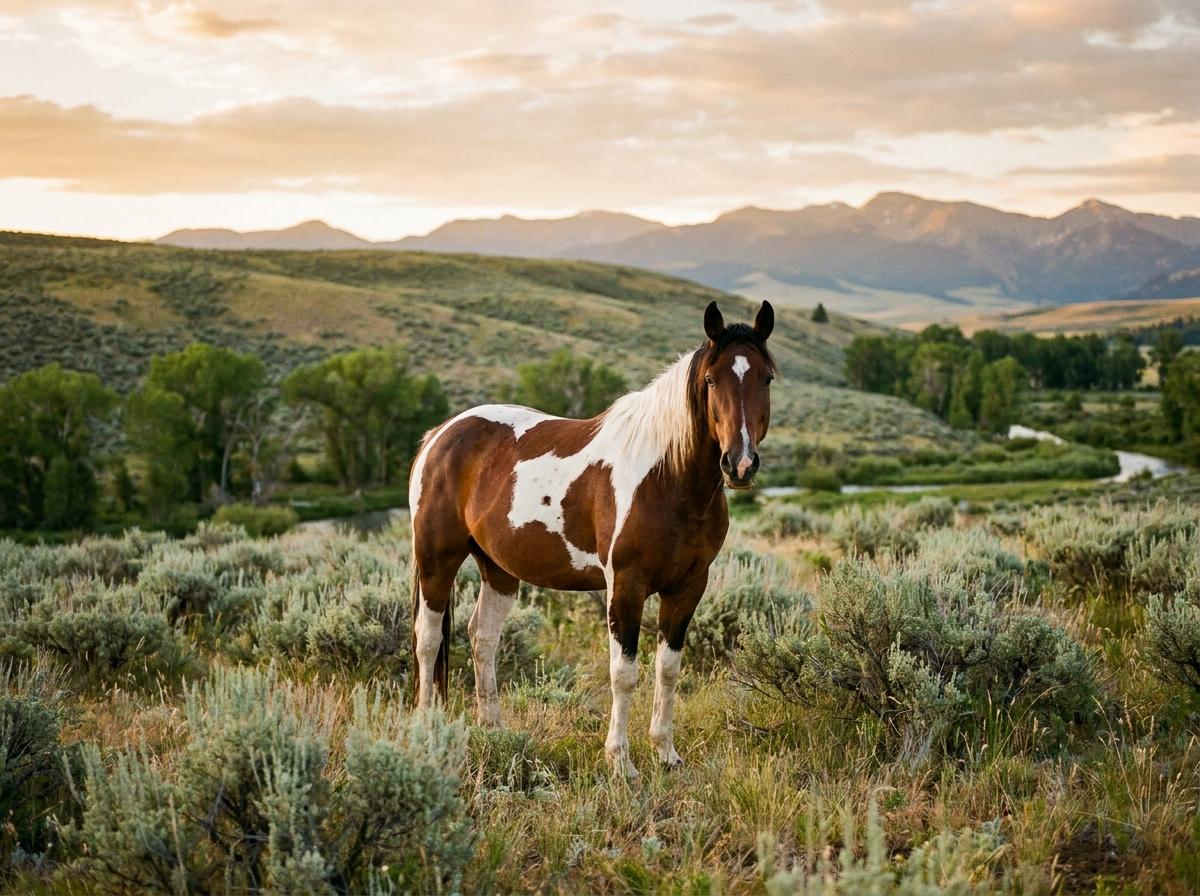
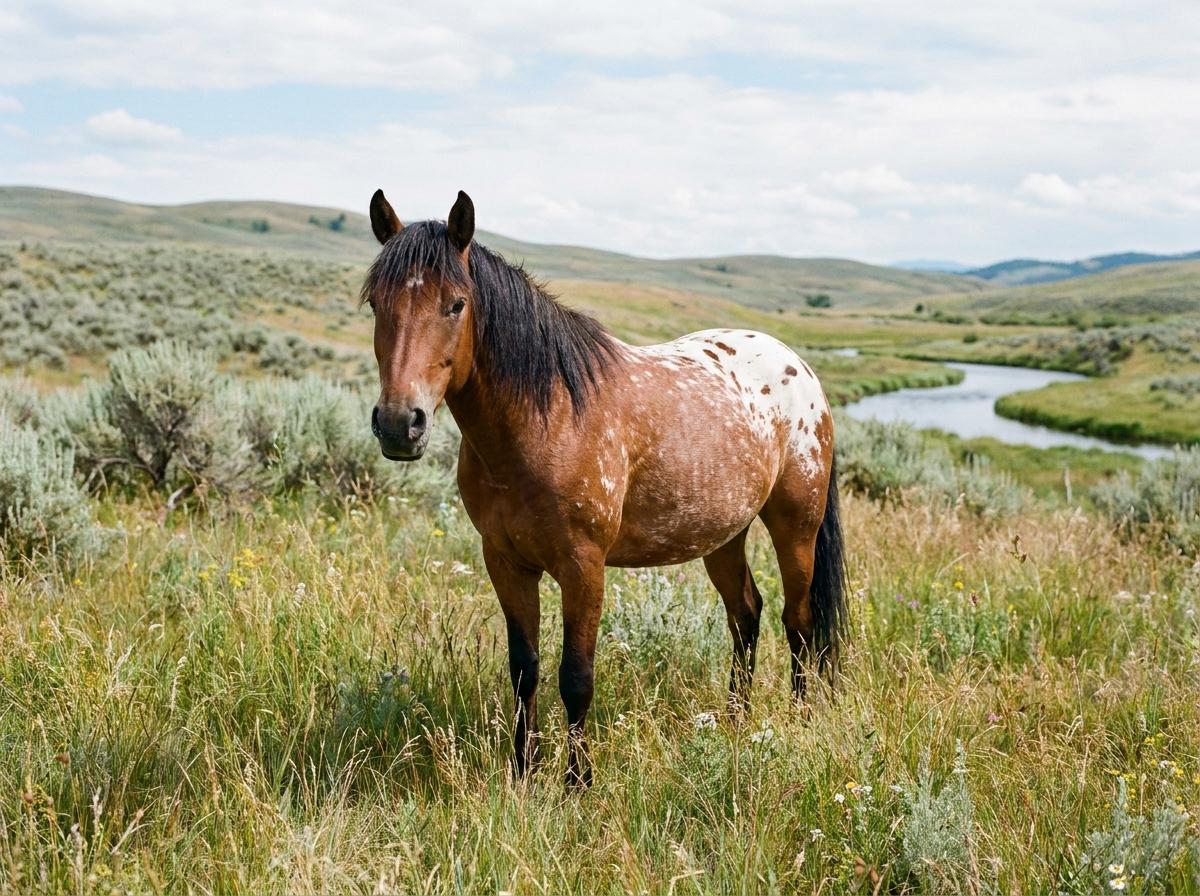
The American Paint Horse is a stock horse with a white-spotted coat, in tobiano or overo patterns, and it is a breed defined by bloodlines, not just color: the American Paint Horse Association registers a foal with a registered Paint parent only when the other parent is a registered Paint, Quarter Horse or Thoroughbred. The Appaloosa descends from Spanish horses kept by the Nez Perce people of the Palouse country of Washington and Idaho, and its signature traits are the spotted coat, white around the eye, mottled skin and striped hooves, as the extension breed notes describe. Those traits decide the class, not whether a horse can be registered: the Appaloosa Horse Club gives Regular registration to horses with the coat pattern or the qualifying characteristics, and registers solid horses that lack them as Non-Characteristic (N), with a route to advance to Regular later. The Colorado Ranger often carries the same spotting but is registered on pedigree, not color.
Older Spanish-descended horses still survive in small numbers. The Florida Cracker Horse, long used by Florida cattle workers, is one of several Colonial Spanish strains that the Livestock Conservancy ranks as critically rare, along with the Carolina Marsh Tacky and the Banker horse.
Racing and endurance breeds
The Thoroughbred is the racehorse. Nearly all of today’s racehorses trace back to one of three foundation stallions, the Darley Arabian, the Godolphin Arabian and the Byerley Turk, imported into England between the late 17th and early 18th centuries, as Britain’s Jockey Club explains. In North America, The Jockey Club maintains The American Stud Book. Many Thoroughbreds start second careers after racing, and our Thoroughbred guide covers retraining and buying one off the track.
The Standardbred is the harness racer, bred to trot or pace in harness. Its name comes from the old requirement to trot or pace a mile within a standard time, and the extension breed notes trace nearly 99 percent of today’s Standardbreds to one stallion, Hambletonian 10, foaled in 1849. Its founders included Narragansett Pacer, Canadian and Hackney blood. Two of the old road-horse lines behind American harness racing have their own pages on Creatures: the Canadian Pacer, a pacing strain of the French-Canadian horse, and England’s extinct Norfolk Trotter, whose blood survives in the Hackney.
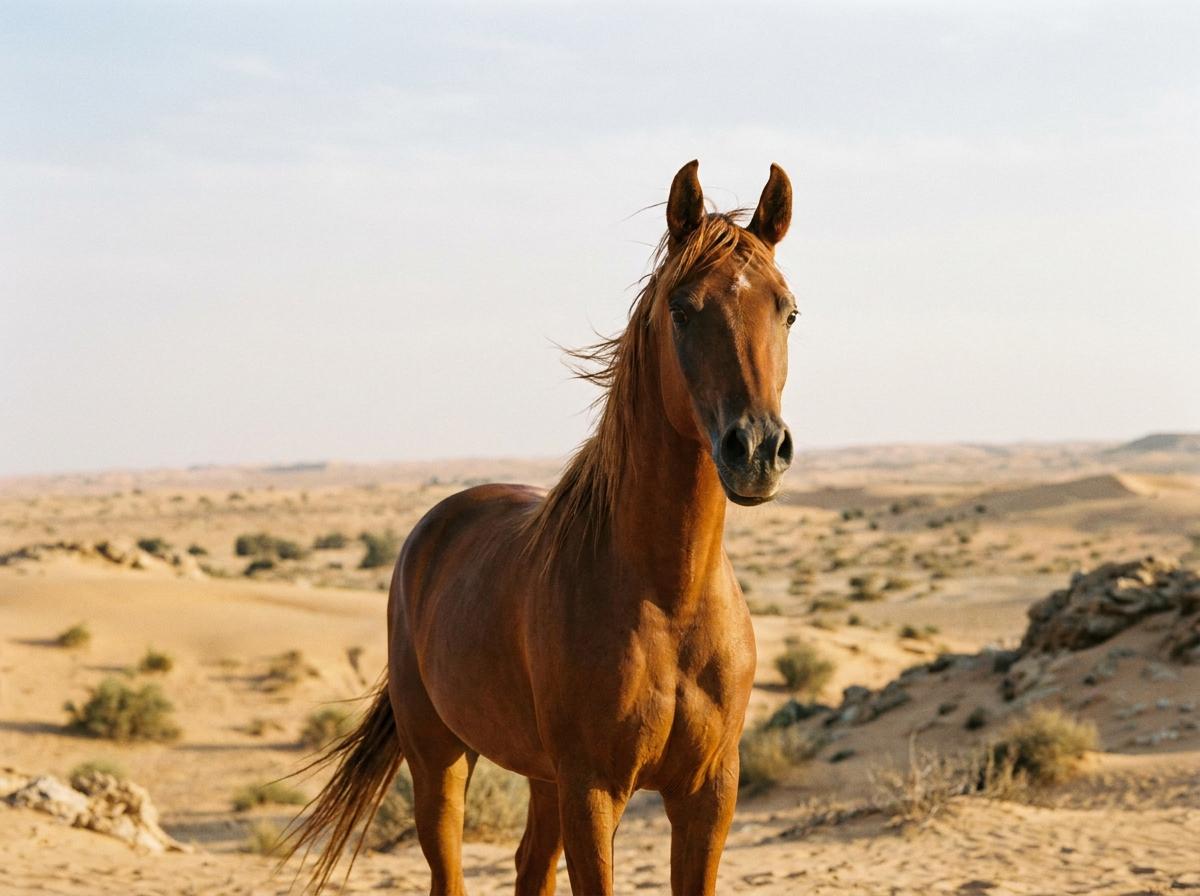
The Arabian, which the extension breed notes call the oldest and most influential breed, is the endurance horse of the group. The Arabian Horse Association describes it as bred by the Bedouin tribes of the Arabian Peninsula for long treks, with the large lung capacity and stamina that still make it the leading endurance breed, and says it contributed directly or indirectly to virtually all modern breeds. Arabians average about 14.3 hands. The Akhal-Teke, which the Livestock Conservancy lists as threatened, and Russia’s Budyonny, a sport horse first bred for the cavalry, have their own pages too.
Saddle and carriage breeds
Every registered Morgan traces to a single stallion, the stallion Figure, later known as Justin Morgan, foaled in 1789. Extension breed notes put the modern Morgan at 14.2 to 15.2 hands and 900 to 1,100 pounds, used for trail, show, driving, jumping and even cattle work. The American Saddlebred, developed in Kentucky, is an animated show and pleasure horse, usually 15 to 16 hands, that can be shown three-gaited or five-gaited.
Carriage driving has its own breeds. The Hackney horse, descended from England’s Norfolk Trotter and Yorkshire Roadster, is now critically rare according to the Livestock Conservancy. The Dutch Harness Horse, or Tuigpaard, is bred for a spectacular high-stepping trot in fine harness and is selected within the Dutch studbook as its own breeding direction. The Friesian, from the province of Friesland in the Netherlands, is solid black, about 15 to 16 hands and 1,200 to 1,400 pounds, as the Livestock Conservancy’s breed profile describes, and is ridden and driven. Crossing the Friesian with Iberian breeds such as the Andalusian and Lusitano produces the Warlander, a modern baroque type. Italy’s Murgese, a riding horse named for the Murge plateau of Puglia, is another European saddle breed with its own page.
Warmbloods and sport horses
Warmbloods are the horses of Olympic-style sport: show jumping, dressage and eventing. Many are registered with studbooks that set their own breeding goals for each discipline, so a warmblood’s papers tell you about the studbook as well as the bloodline. The extension notes on sport horse breeds name the Hanoverian from Hanover in Germany, the tall Holsteiner from Schleswig-Holstein, built for jumping and dressage and usually bay or brown, and the Trakehner, known for free-floating movement.
The Dutch studbook, the KWPN, is one of the largest sport horse studbooks in the world, and 85 to 90 percent of its horses are riding horses bred for dressage, jumping and, in North America, hunters; those riding horses are what most people mean by a Dutch Warmblood. The Westphalian is registered by the Westphalian Studbook Association (Westfälisches Pferdestammbuch) in Münster, Germany. The Zangersheide is a jumping studbook founded at the Zangersheide stud in Lanaken, Belgium, whose horses carry the studbook’s trademark Z, as the FEI’s tribute to its founder Leon Melchior recounts. Other studbooks with pages on Creatures include the Oldenburg, Belgian Warmblood and Selle Français.
Draft horses
Draft horses are built to pull: big frames, heavy bone and deep, muscular bodies, and in most breeds a calm temperament. Tractors ended most of their farm work, and several draft breeds are now rare, but they still plough, log, pull carriages and show hitches, and their size changes almost every practical detail of ownership, from trailers and stalls to the farrier.

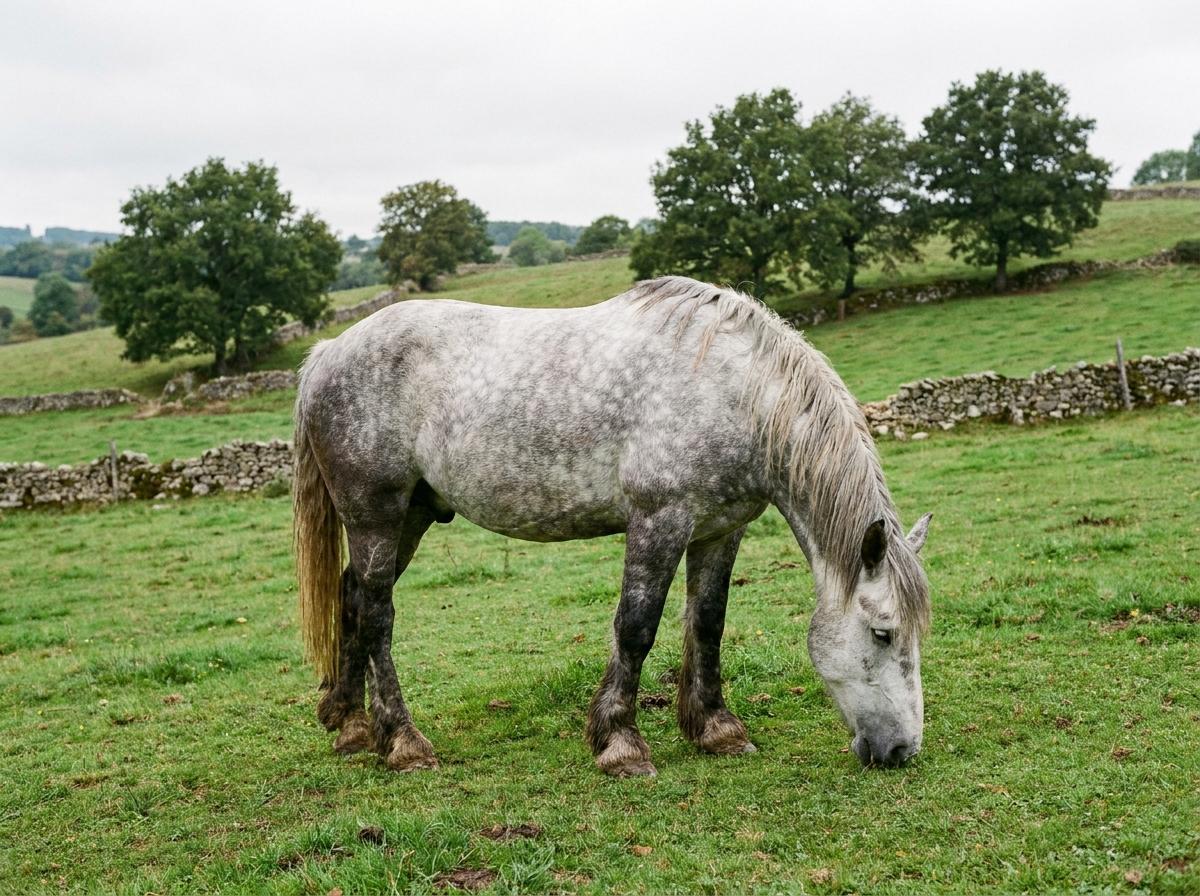
The Percheron, from France, is usually black or gray and lacks the heavy leg feathering of most draft breeds; it was imported to the United States in 1839, and its US registry dates to 1876. Our Percheron guide covers PSSM1, the muscle disease every Percheron buyer should ask about. The Belgian, usually sorrel or chestnut, became more popular than the Percheron on American farms, and the Belgian Draft Horse Corporation of America has more registered horses than any other draft breed registry. The European type behind it, heavier and feathered, is the Brabant, which the Livestock Conservancy says shares its origins with the Belgian and weighs 1,500 to 3,000 pounds.
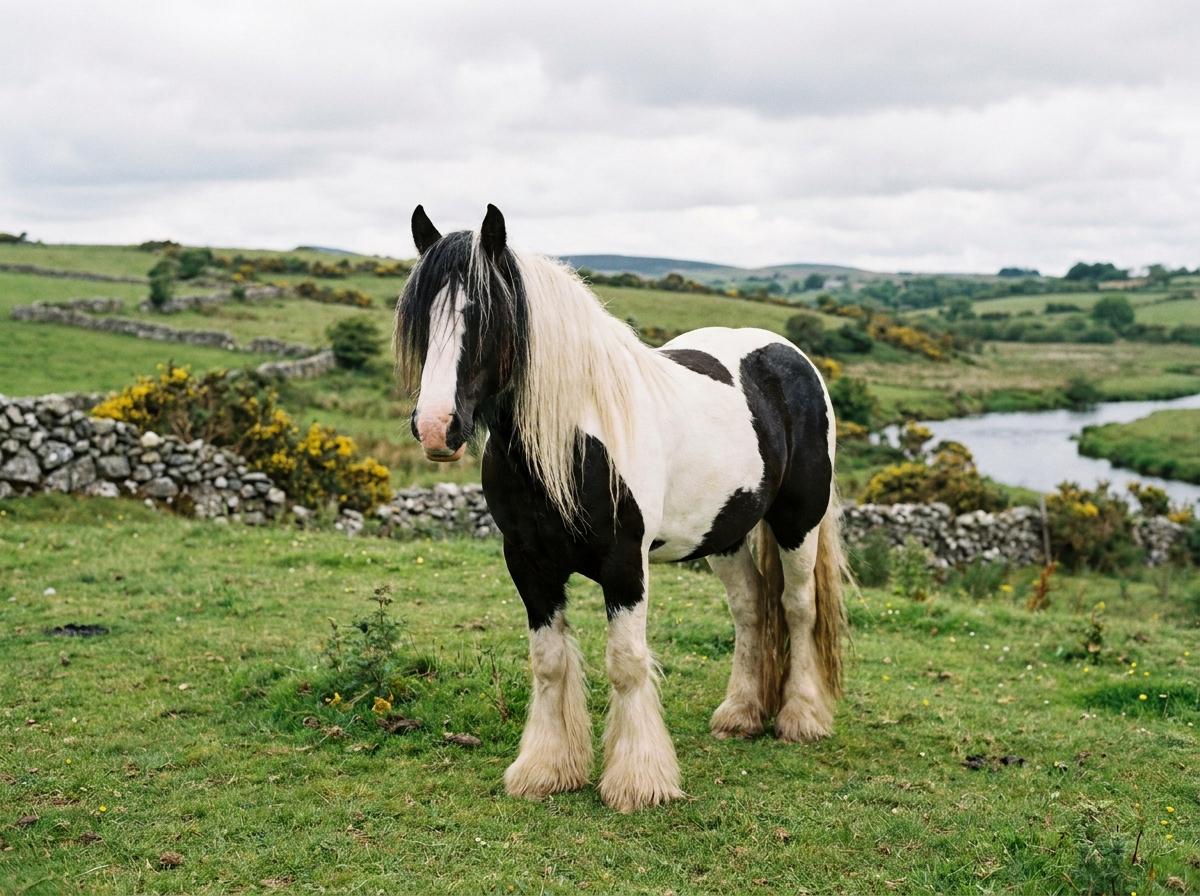
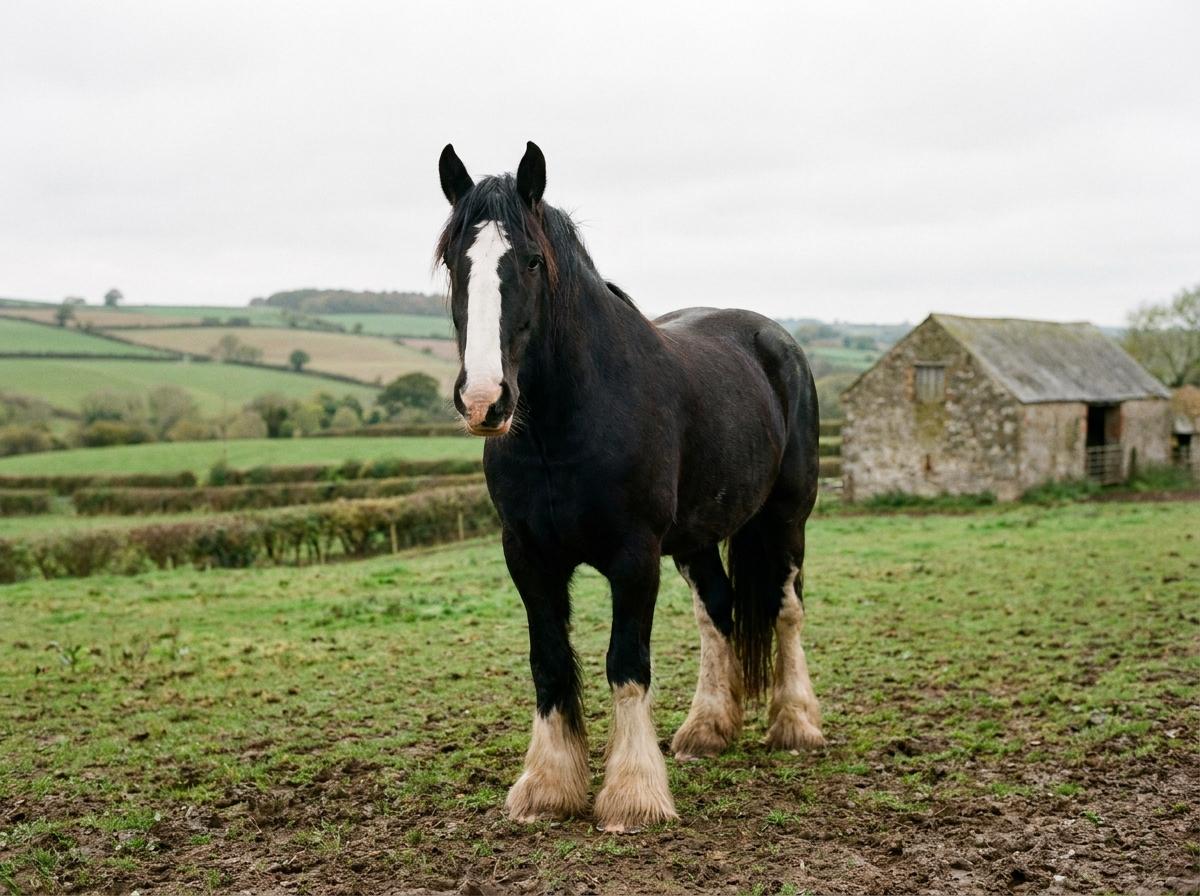
The Clydesdale is known for white face and leg markings, heavy feathering on the lower legs and a high-stepping stride that suits a show hitch, and it is taller and lighter in build than other draft breeds, according to the extension notes. The Shire is the biggest: Guinness World Records names it the largest breed of horse, and the Livestock Conservancy puts typical Shires at 16.2 to 19.2 hands, averaging 17.2, and 1,900 to 2,200 pounds. The Suffolk Punch is always chestnut and is the only draft breed developed exclusively for farm work, as its Livestock Conservancy profile explains, and the cream-colored American Cream Draft originated in Iowa in the early 1900s and has always been rare. The Livestock Conservancy lists the Shire, the Suffolk and the American Cream as critical. The feathered Gypsy Vanner is a smaller, cob-built horse associated with Romani and Irish Traveller communities, recorded today by its own registries.
Gaited breeds
Gaited horses perform a smooth four-beat gait at speeds between a walk and a canter, which many riders find more comfortable than a trot over long hours in the saddle. The Tennessee Walking Horse is known for its running walk; its breed association dates to 1935, and the extension breed notes put the typical horse at about 15.2 hands. The Rocky Mountain Horse, from eastern Kentucky, has a natural ambling four-beat gait and must show it, with no evidence of pacing, to meet its breed standard, according to the extension notes; the Livestock Conservancy lists it as threatened.
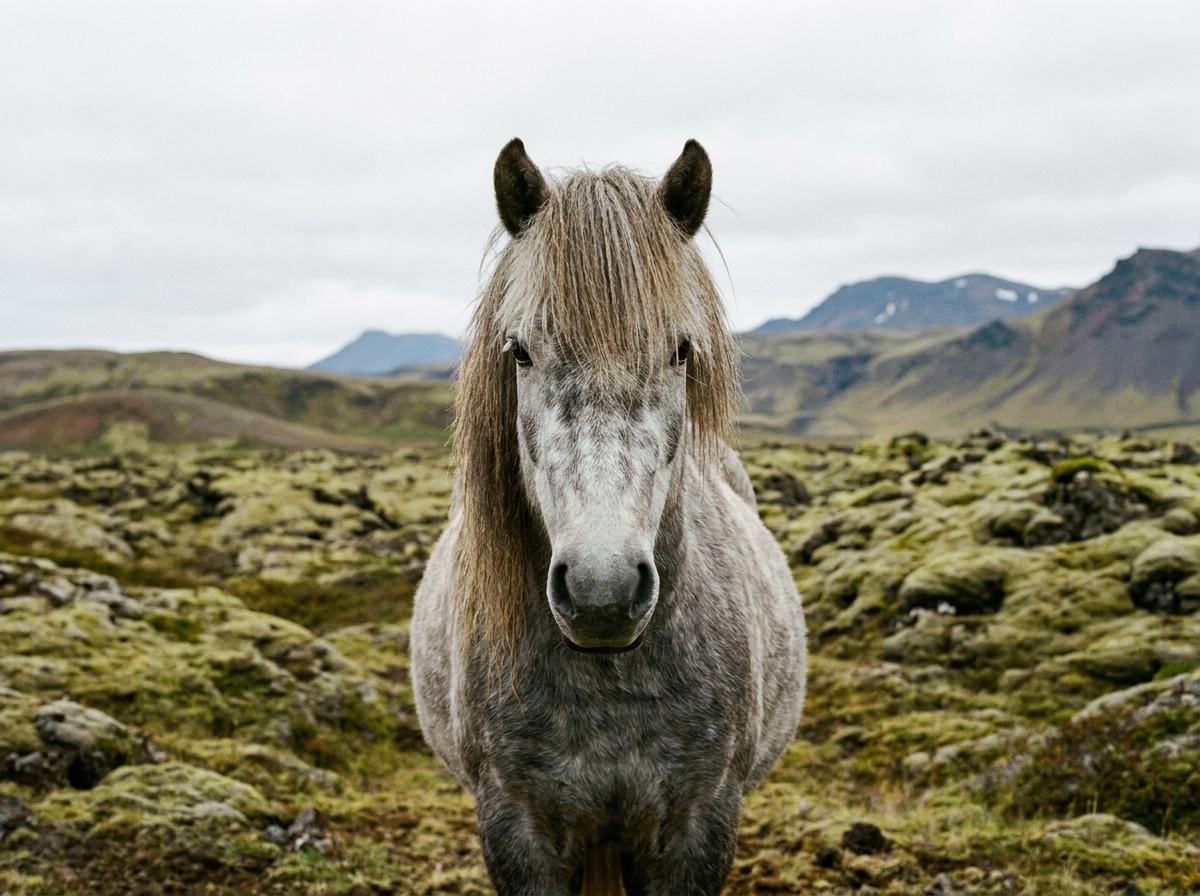
The Paso Fino moves in what the Paso Fino Horse Association describes as an evenly spaced four-beat lateral gait that is totally natural and normally shown from birth, performed at three speeds from the very collected classic fino to the faster paso largo. The Peruvian Paso is a separate South American gaited breed. The Icelandic horse, kept genetically pure for more than a thousand years according to the US Icelandic Horse Congress, has five gaits, including the smooth four-beat tölt and the very fast flying pace. Other gaited breeds with pages on Creatures include the Missouri Fox Trotter, the Racking Horse and the Spotted Saddle Horse. The medieval palfrey, a prized riding horse with a smooth ambling gait, was the gaited horse of its day.
Ponies and miniature horses
Ponies are horses that mature under the 148 cm (about 14.2 hands) line. The Shetland pony, from the Shetland Islands north of Scotland, has a maximum height of 46 inches and most stand about 40 inches, according to the extension breed notes, and the American Shetland Pony Club dates to 1888. The Connemara pony comes from County Galway in Ireland and is known as a jumper; some American Connemaras reach 15 hands. The Welsh pony and the larger Welsh Cob have pages of their own, and the Pony of the Americas is a pony with Appaloosa-type coat patterns such as blanket and leopard, as its breed club shows.
Several of Britain’s mountain and moorland pony breeds sit in the critical category of the Livestock Conservancy’s 2026 Conservation Priority List: the Exmoor, Dartmoor, Fell, Dales and Highland pony. In Scotland, a big, sturdy Highland pony is often called a garron, a word for a type rather than a separate breed. The Hucul pony is the hardy mountain pony of the Carpathians. Other small breeds with their own pages include the Haflinger and the Norwegian Fjord.
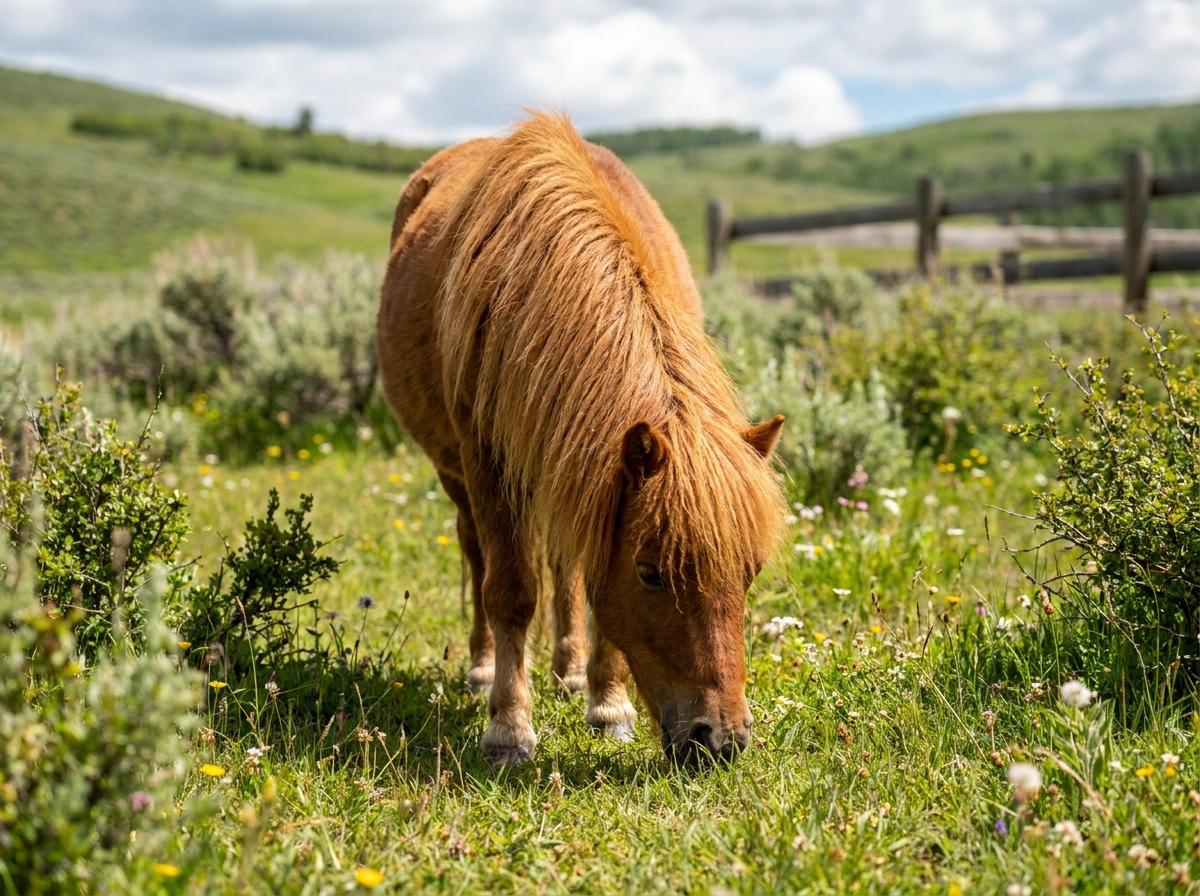
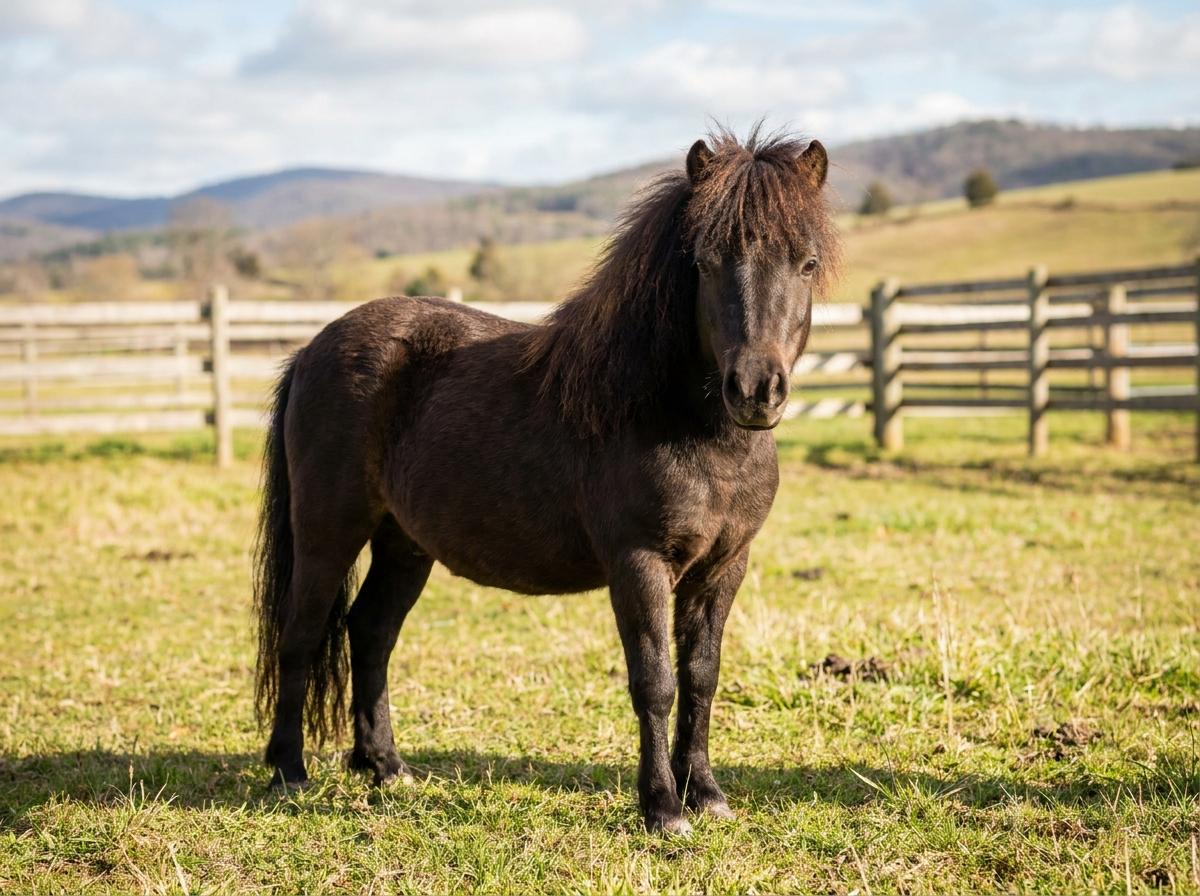
Miniature horses are smaller still, and they are not one breed. The extension notes on miniature horses explain that they are bred for horse-like proportions rather than a pony’s build, that the American Miniature Horse Association registers horses 34 inches or less, which it measures from the ground to the base of the last hairs of the mane rather than at the withers, and that the American Miniature Horse Registry uses two height divisions, up to 34 inches and from 34 to 38. Creatures has pages for the Miniature Horse and the American Miniature Horse, and our comparison of a miniature donkey and a mini horse helps if you are weighing the two. The smallest recognized breed is the Falabella of Argentina, which Guinness World Records puts at an average of 8 hands (81.2 cm) at the withers. Ponies have their own pony gestation calculator and pony weight calculator.
Color breeds and color registries
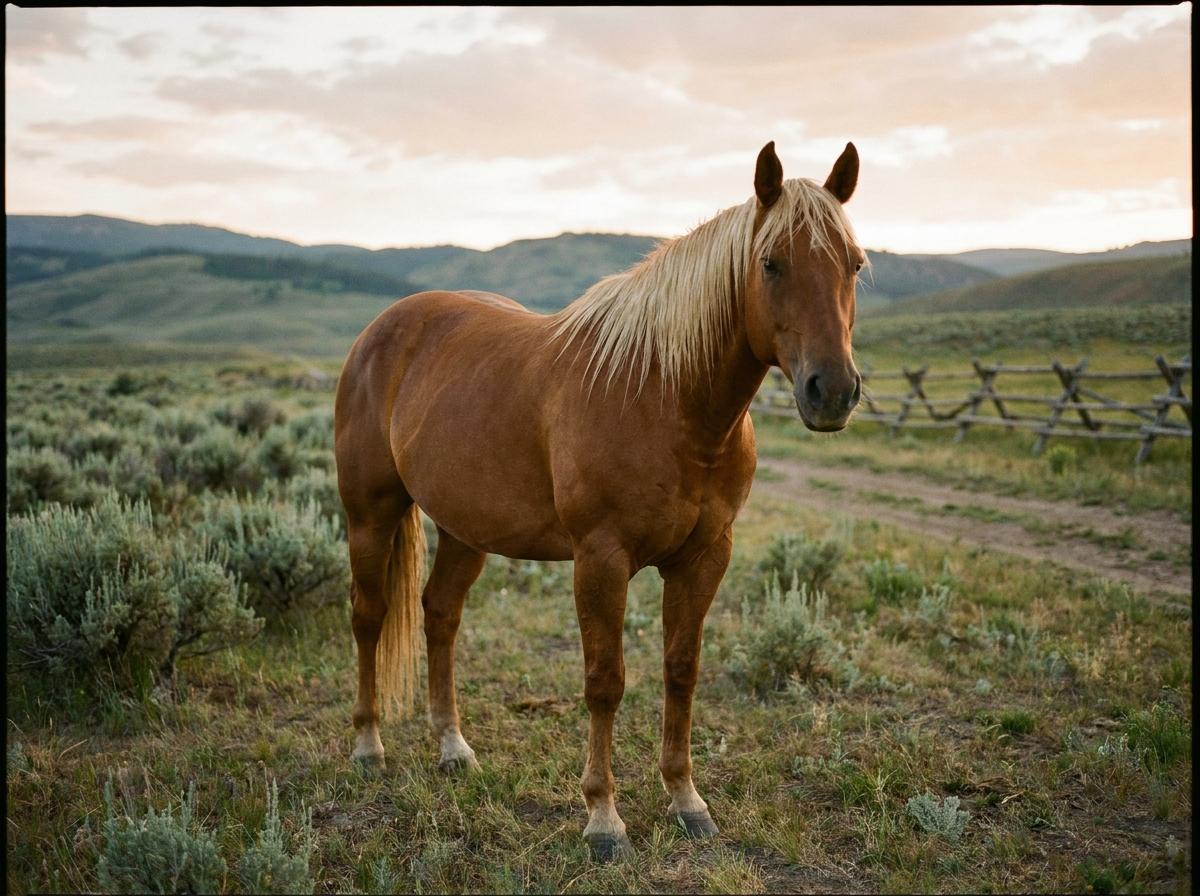
Some registries record a coat color or pattern rather than a bloodline, which is why “breed” and “color” get mixed up in horse ads. The Pinto Horse Association registers horses, ponies and miniatures with enough qualifying white in a tobiano or overo pattern, whether they are of an approved outcross breed or of undocumented parentage; our Pinto horse guide explains the registry types and how a Pinto differs from a Paint. The Palomino is a golden color, ideally that of an untarnished gold coin, with a mane and tail at least 85 percent white, and many palominos are double-registered with their breed association and the Palomino Horse Breeders of America, according to the extension notes. Buckskin is another coat color with a page of its own.
Coat color is genetic, so it can be predicted. The free horse coat color calculator works out the likely colors of a foal from the parents’ appearance or DNA results, and the horse coat color visualizer shows what a combination looks like. Our guide to using a coat color calculator for horses explains how, and keeping the DNA report behind each prediction makes the results trustworthy later.
Historical types, landraces and rare breeds
Some famous horse names were never breeds. In medieval Europe, the destrier was the knight’s warhorse, the courser a swift, spirited mount and the palfrey a smooth-gaited riding horse: all job descriptions, with no studbook, and nobody can sell you one today. The Kurdish horse is a landrace, bred in the mountains of western Iran and neighboring regions for generations without a studbook, and our page on it separates the research from the legend.
Rare breeds still need breeders. Besides the ponies and drafts named above, the Livestock Conservancy ranks the Cleveland Bay, the Canadian horse, the Newfoundland Pony and the Caspian as critical, and the Clydesdale, Irish Draught, Gotland and Lipizzan as threatened. If you take on a rare breed, register the foals and keep the pedigrees and breeding records; for a population this small, those papers are part of the conservation work.
What a horse costs to buy and keep
There is no single price for a horse, because the word covers everything from a retired pasture companion to an imported show jumper. At the low end, the Bureau of Land Management’s base adoption fee for a wild horse is $125, though competitive bidding at some events pushes it higher, and the horse is untrained. Rescue adoption fees vary by rescue and by horse, and a grade horse usually costs less than a registered one of similar quality.
For papered horses, the Creatures horse auction price guide is a useful reference. Its September 2026 release summarizes 2,733 catalogued auction sales through July 25, 2026, with a median of $7,700, a middle half from $4,250 to $16,500, and a median of $10,000 for registered horses. Nine in ten of those sales were Quarter Horses (the Quarter Horse price guide breaks them out), and top yearlings sell for six figures. For a range on a particular type of horse, the free livestock value calculator draws on the same kind of auction data. Both describe what horses like yours have sold for, not what a particular horse is worth.
Over a horse’s life, keeping it costs more than buying it. Rutgers Equine Science Center notes that because the initial cost of most horses is less than their upkeep, the purchase price is not as important as maintenance. University of Missouri Extension’s horse ownership planner, revised in 2024, budgets hay at up to $150 a month and feed at up to $90, a farrier every 6 to 12 weeks, and yearly vaccines, a Coggins test and dental care, with board at $200 to $700 a month if you do not keep the horse at home. Adjusting its 2012 survey of Maine owners for the rise in feed prices since, University of Maine Cooperative Extension puts the median yearly cost of keeping a horse at about $3,300 to $4,300, and Rutgers’ 2012 fact sheet notes that in New Jersey the annual cost can exceed $10,000. The line-by-line breakdown is in How Much Does a Horse Cost?, and How Much Does Horse Boarding Cost? covers full, pasture and self-care board.
How long horses live
On average, horses live 25 to 30 years, and miniature horses can live 40 years or more, according to the Merck Veterinary Manual, which ties the long life to the horse’s slow resting heart and breathing rates. The greatest age reliably recorded is 62 years, for a horse called Old Billy, foaled in 1760 in Lancashire, England, as Guinness World Records notes, and the same record lists a Thoroughbred, Tango Duke, that reached 42.
A horse’s working life and its lifespan are different clocks. University of Missouri Extension’s buying guide calls 7 to 15 years the prime age for a riding horse and notes that horses are frequently active into their twenties. Older horses need closer attention to teeth, because worn or missing teeth make hay hard to chew, and Merck’s guidance on equine dental care calls regular dental care essential for comfort and longevity. Some older horses also develop pituitary pars intermedia dysfunction (PPID, often called equine Cushing’s disease), whose classic sign is a long coat that will not shed; Merck notes it is controlled with an oral medication your veterinarian prescribes. Buying a horse means planning for a commitment of decades, including the end. How Long Do Horses Live? goes through what decides where an individual horse lands in the range, and When a Horse Dies covers the practical decisions at the end of that life.
Housing, company, fencing and pasture
Merck notes that many behavior problems in horses are associated with confinement, and most healthy horses do well living outside with company and a simple shelter. Start with company: because horses are social herd animals, plan on keeping a horse with at least one other horse, and a pasture or group board arrangement solves that if you only want one of your own. The real exception is a new arrival. The Equine Disease Communication Center advises isolating new arrivals from resident horses for at least 7 to 14 days when they come from a facility with minimal perceived risk (agree a longer period with your veterinarian for horses from riskier or unknown places), and isolating any horse suspected of a contagious disease right away. Isolation for health reasons is temporary; living alone should not be the plan.

Shelter. University of Minnesota extension recommends three-sided shelters placed to block the wind, with roughly 72 to 144 square feet per average-sized horse if the herd gets along, and at least 400 square feet per 1,100-pound horse in a dry lot, not counting the shelter and feeders. Horses are good at keeping warm in cold weather, the Merck owner guide notes, but they still need shelter. Horse Shelter and Run-In Sheds covers sizing and siting.
Fencing. Horses are more likely to jump a fence than push through it when spooked, so University of Georgia extension sets the minimum recommended height for perimeter fences at 5 feet, and Minnesota extension warns to avoid barbed wire, which can cause serious injury. Horse Fencing: Board, Vinyl, Wire, and Electric compares the options.
Pasture. Overcrowding is the classic mistake. Merck warns that overgrazed, overstocked pastures turn to dust or mud, raise parasite burdens and let weeds, including toxic plants, take over. Merck’s parasite guidance also recommends cross-grazing pastures with other species, because cattle, sheep and goats act as biological vacuums for equine parasites, so a small farm that also keeps goats, sheep or cattle can put them to work. In fly season, Horse Fly Control covers the integrated approach. If you do not have the land or the time, boarding is the alternative, and a written horse boarding contract protects both sides.
Feeding horses
Feed a horse forage first. The Merck Veterinary Manual now recommends at least 1.5 to 2 percent of body weight a day in forage on a dry matter basis, from pasture, hay or other high-fiber feeds, and notes that most horses top out at about 2 to 2.5 percent in total. Any change to the diet should be made gradually, over about 10 to 14 days. What to Feed a Horse walks through building a ration, and How Much Hay a Horse Needs covers hay quantity and quality.
Water matters as much as feed. Merck puts a 500 kg (about 1,100 lb) horse in minimal work at 21 to 29 liters a day, roughly 5.5 to 7.7 gallons, on a mixed diet, close to double that on dry hay alone, and much more in heat and hard work, and it notes that too little water raises the risk of impaction colic. Horses also need salt, and more of it when they sweat.
Feed to the horse’s condition, not the calendar. The Henneke system scores body condition from 1 (poor) to 9 (extremely fat) by looking at and feeling the fat over the ribs, loin, tailhead, withers, neck and shoulder, with 5 suggested as the optimum for most horses, and Body Condition Scoring Horses shows how. Weight matters too, for feeding and for any medication your vet doses by weight. Without a livestock scale, a tape works: measure the heart girth and body length and the free horse weight calculator turns them into an estimate, no account needed. How to Measure a Horse for Weight covers taking the measurements, and How Much Does a Horse Weigh gives typical weights by type.
Health basics
Line up an equine veterinarian before the horse arrives, so the first visit is not an emergency. Routine horse health care comes down to five things:
- Vaccines. Four vaccines are core for every horse in the American Association of Equine Practitioners’ vaccination guidelines: tetanus, Eastern and Western equine encephalomyelitis, West Nile virus and rabies. Risk-based vaccines such as influenza, equine herpesvirus and strangles depend on where the horse lives and travels. Core Horse Vaccines covers timing with your vet.
- Parasites. Worms have developed resistance to the standard dewormers, so Merck’s parasite control guidance favors programs tailored to each farm and checks that a dewormer still works with a fecal egg count before and 14 days after treatment. Deworming Horses explains fecal egg counts and targeted treatment.
- Teeth. Merck calls semiannual or annual dental treatment important, especially while the mouth changes most, from about ages 2 to 5. Horse Teeth and Floating explains what floating is.
- Hooves. University of Minnesota extension recommends trimming or shoeing at least every 6 to 8 weeks in summer and every 6 to 12 weeks in winter, when hooves grow more slowly. Horse Hoof Care covers daily foot care, and Laminitis in Horses covers the hoof emergency every owner should recognize.
- Colic. Abdominal pain in a horse is an emergency. A horse that paws, looks at or kicks at its belly, rolls or goes off its feed needs a call to your veterinarian right away; Colic in Horses lists the signs and what to do while you wait.
One test follows a horse everywhere. Equine infectious anemia is a viral disease with no treatment, reportable in every state, and horses that survive it carry the virus for life and must be euthanized or permanently isolated, according to USDA. The blood test for it is the Coggins test, and US Equestrian notes that interstate travel generally requires a current negative Coggins test, some states wanting it within six months and others within 12, and most also require a certificate of veterinary inspection issued within about 30 days of travel. Validity periods and exemptions (foals traveling with a tested dam, horses going straight to slaughter, some short events) vary by destination state. Check the destination state’s rules before you haul, and keep the expiry date where you will see it: Horse Test and Certificate Reminders shows how.
Breeding horses
Mares are seasonal breeders. The national extension horse program describes a mare as seasonally polyestrous, cycling from about March through September, with each cycle lasting about 22 days and heat itself lasting 3 to 7 days. Breeders who want early foals put mares under supplemental lighting, and University of Minnesota extension advises starting 2 to 2.5 months before the planned breeding, because some mares will not cycle naturally until early May.

A mare carries her foal about 11 months. University of Nebraska-Lincoln extension puts the average at 335 to 340 days, with a normal range of 320 to 370, and notes that many mares follow a similar pattern year after year, so her own history is the best guide. Enter the date she was bred in the free horse gestation calculator to get an estimated foaling date and the window around it; How Long Are Horses Pregnant? explains what shifts the date, and the mare foaling preparation timeline lists what to do as the months pass.
At foaling, Colorado State University’s equine reproduction lab teaches a 1-2-3 rule: a healthy foal should stand within 1 hour of birth and nurse within 2 hours, and the mare should pass the placenta within 3 hours. If any step is missed, call your veterinarian. Foaling: Signs of Labor, the Stages, and a Foaling Kit covers the whole event.
Plan the mating before the mare is bred. Horse Stud Fees breaks down what a breeding costs beyond the fee itself, and reproduction services have their own section of the Creatures directory. Genetics deserve the same care:
- Lethal white overo. A horse with one copy of this gene shows the frame overo pattern without the intestinal disease, but two carriers bred together have a 25 percent chance of producing a white foal with a fatal intestinal defect, according to the UC Davis Veterinary Genetics Laboratory, which lists the Paint, Quarter Horse, Miniature Horse and Thoroughbred as breeds to test.
- HYPP. Hyperkalemic periodic paralysis, a muscle disease, has been traced to descendants of the Quarter Horse sire Impressive, and UC Davis offers a test for it and a Quarter Horse disease panel.
- Breed-specific conditions. The Percheron guide covers the PSSM1 muscle disease and the Arabian guide the genetic tests that matter in that breed.
The free horse pedigree chart maker lays out three generations with registration numbers, which makes it easier to spot shared ancestors before a breeding, and the coat color calculator predicts the foal’s likely colors.
Where to buy a horse
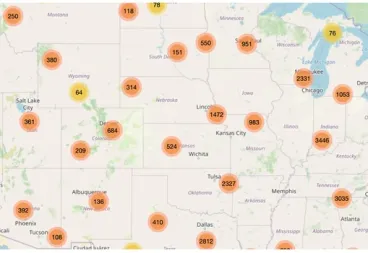
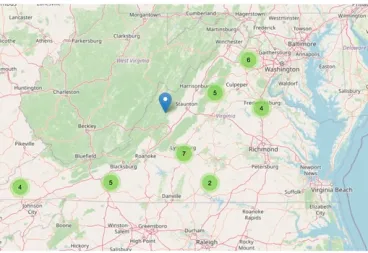
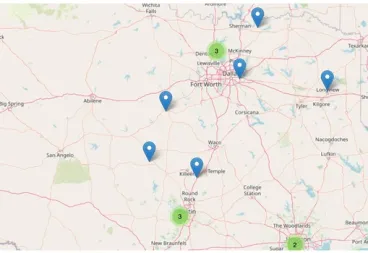
Horses are sold by breeders, by private owners, by trainers and dealers, at auctions, and through rescues and adoption programs, including the Bureau of Land Management’s adoption and sales program for wild horses. Where to Buy a Horse compares each channel and the paperwork that makes a horse legally yours. In the Creatures directory you can look up horse breeders and farms by state and breed. Most of those listings were gathered from public information, so confirm the details with the farm itself. For papered horses, start with the breed’s registry; the registry directory lists registries and associations by species. Once you know what you want, build a listing alert that fits it so new matches come to you.
Whoever you buy from, start with the horse you need. University of Missouri Extension’s guide to buying a horse advises pairing an inexperienced rider with an experienced horse, and young horses with experienced riders. It recommends taking an experienced person with you, trying the horse on a trial basis if you can, and having a veterinarian examine it, with the option of drawing a blood sample to keep on file in case the horse’s health, soundness or temperament changes after the sale. The American Association of Equine Practitioners urges buyers not to skip the purchase exam and to agree with their own vet on what it should include.
Watch for the classic red flags: a seller who will not allow a vet exam or a visit, pressure to send a deposit before you have seen the horse, missing papers or a missing Coggins, and payment requests that cannot be reversed. The Federal Trade Commission warns that only scammers say you must pay with gift cards, a payment app, cryptocurrency or a wire transfer. Then plan the trip home with the Coggins test and health certificate your destination state requires; interstate travel generally needs both, with validity periods and exemptions set state by state.
Records to keep from day one
Paperwork follows a horse: vets, buyers, show offices and state veterinarians all ask for it. Start with identity: the registration papers and their transfer, photos of both sides and the face showing every marking, any microchip number, and DNA results such as parentage or coat color tests. How to Check Horse Pedigree Papers explains what to look for in AQHA, Jockey Club and DNA records. After that, log each of these as it happens:
- every Coggins test and health certificate, with its expiry date;
- vaccinations and dewormings, with fecal egg count results;
- farrier visits and dental floats, with photos and the next due date;
- weights or weight-tape estimates and body condition scores;
- breeding dates, pregnancy checks, foaling dates and foal records;
- every purchase, sale, lease and move.
A free Creatures profile for each horse keeps its identity, pedigree, photos and all of those records in one place. A Coggins logged as a test result with its expiration date gets a renewal reminder automatically, and follow-up dates on vaccinations, farrier visits and exams create reminders too. Horse Farrier Records shows how to keep hoof visits useful, and Horse Record Packet shows how to hand a vet or new caregiver a clean PDF of the history. If you sell the horse, its history can go with it: a transfer moves the profile and its records to the new owner (transferring an animal to its new owner explains the steps), and health and medical records describes each record type. Still choosing a name? The horse name generator covers everyday names, and there are separate foal name generator, racehorse name generator and horse show name generator pages; barns and lesson programs can use the stable name generator and riding school name generator.
Frequently asked questions
How many horse breeds are there?
The UN Food and Agriculture Organization’s 2022 report counts about 700 local horse breeds still in existence worldwide, plus more than 130 shared across borders, and 101 horse breeds reported extinct. Hundreds of them have their own Creatures breed page, reachable from the A to Z list on this hub.
What are the main types of horses?
Stock and ranch horses such as the Quarter Horse, racing and endurance breeds such as the Thoroughbred and Arabian, saddle and carriage breeds such as the Morgan, warmblood sport horses such as the Hanoverian, draft horses such as the Percheron and Shire, gaited breeds such as the Tennessee Walking Horse, and ponies and miniature horses. Color registries such as the Pinto and Palomino record a coat color rather than a bloodline.
What is the difference between a horse and a pony?
Mostly height. For international competition, the FEI defines a pony as no taller than 148 cm, about 14.2 hands, at the withers without shoes. Miniature horses are smaller than most ponies but are bred for a horse’s proportions, and their registries call them horses.
How long do horses live?
The Merck Veterinary Manual gives an average of 25 to 30 years and says miniature horses can live 40 years or more. The oldest horse reliably recorded, Old Billy, lived to 62. A horse’s riding career is usually shorter than its life, so plan for the retirement years too.
How much does a horse cost?
From a $125 Bureau of Land Management fee for an untrained wild horse to six figures for a top prospect. In the Creatures horse auction price guide, 2,733 catalogued sales through July 2026 had a median of $7,700 and a middle half from $4,250 to $16,500. Keeping a horse costs more than buying one over its life: University of Maine Extension’s adjusted median is about $3,300 to $4,300 a year, and Rutgers noted in 2012 that the annual cost in New Jersey can exceed $10,000.
What do horses eat?
Mostly forage: pasture, hay or other high-fiber feed, at least 1.5 to 2 percent of body weight a day on a dry matter basis, with clean water and salt. Any change in diet should be made gradually, over about 10 to 14 days, because a horse’s gut handles sudden changes badly.
What is the scientific name of the horse, and how many horse species are there?
The domestic horse is Equus caballus. Its close wild relative is Przewalski’s horse of Mongolia, Equus ferus przewalskii, of which only about 1,900 are alive. The genus Equus also includes the donkeys and zebras, and the “wild” horses of the American West are feral descendants of domestic horses.
Where are horses native to?
Horses evolved in North America, where the fossil record goes back at least 55 million years, and died out there about 10,000 years ago. Modern domestic horses come from the western Eurasian steppes, especially the lower Volga-Don region, and spread widely after about 2200 BC. Spanish explorers brought them back to the Americas.
What are the biggest and smallest horse breeds?
Guinness World Records names the Shire the largest breed of horse, and says the tallest horse ever was a Shire gelding named Sampson (later renamed Mammoth), who stood 2.19 m, about 21.2 hands. The smallest recognized breed is the Falabella of Argentina, which averages 8 hands (81.2 cm) at the withers.
How long is a horse pregnant?
About 340 days, or a little over 11 months, with a normal range of roughly 320 to 370 days. Many mares carry for a similar length each year, so a mare’s own past pregnancies are the best guide, and the free horse gestation calculator gives a foaling window from the breeding date.
Do this next on Creatures
The cards below start with buying, while horse listings on Creatures are few, and move on to keeping records and running a barn.
Hear about the right horse first. With few horse listings on Creatures right now, set a free horse listing alert to get an email when a matching horse is posted, no account needed to start. Here is how saved searches work.
Find horse breeders by state and breed. Browse the Creatures breeder directory, or jump straight to horse breeders and farms, and ask every seller about a vet exam, a current Coggins and the horse’s records.
See what is for sale. Check horses on the Creatures marketplace; when nothing matches yet, the alert above does the watching for you.
Bought a horse, or raising a foal? Create a free profile for each horse with its registration, markings, birth date and photos, no account needed to start. The walkthrough is in adding an animal to Creatures.
Log the care that follows a horse everywhere. Coggins tests, vaccinations, dewormings, farrier visits, dental floats, breeding dates and foalings: add a record. The record sheet opens for any visitor to look around, and a free account saves what you enter. See adding a record and reminders and upcoming care for boosters, trims and due dates.
Breed or sell horses? Breeders, boarding barns and training stables can set up a free farm or breeder profile so horse buyers can find you, no account needed to start. See getting listed in the breeder directory, adding your team and how seller payout works.
Use the free horse tools. Work out a foaling date with the horse gestation calculator, turn a tape measurement into a weight estimate with the horse weight calculator, predict a foal’s color with the horse coat color calculator, print a horse pedigree chart, or find a name in the horse name generator.