Paint Horse
Author: Elliott Garber, DVM · Updated
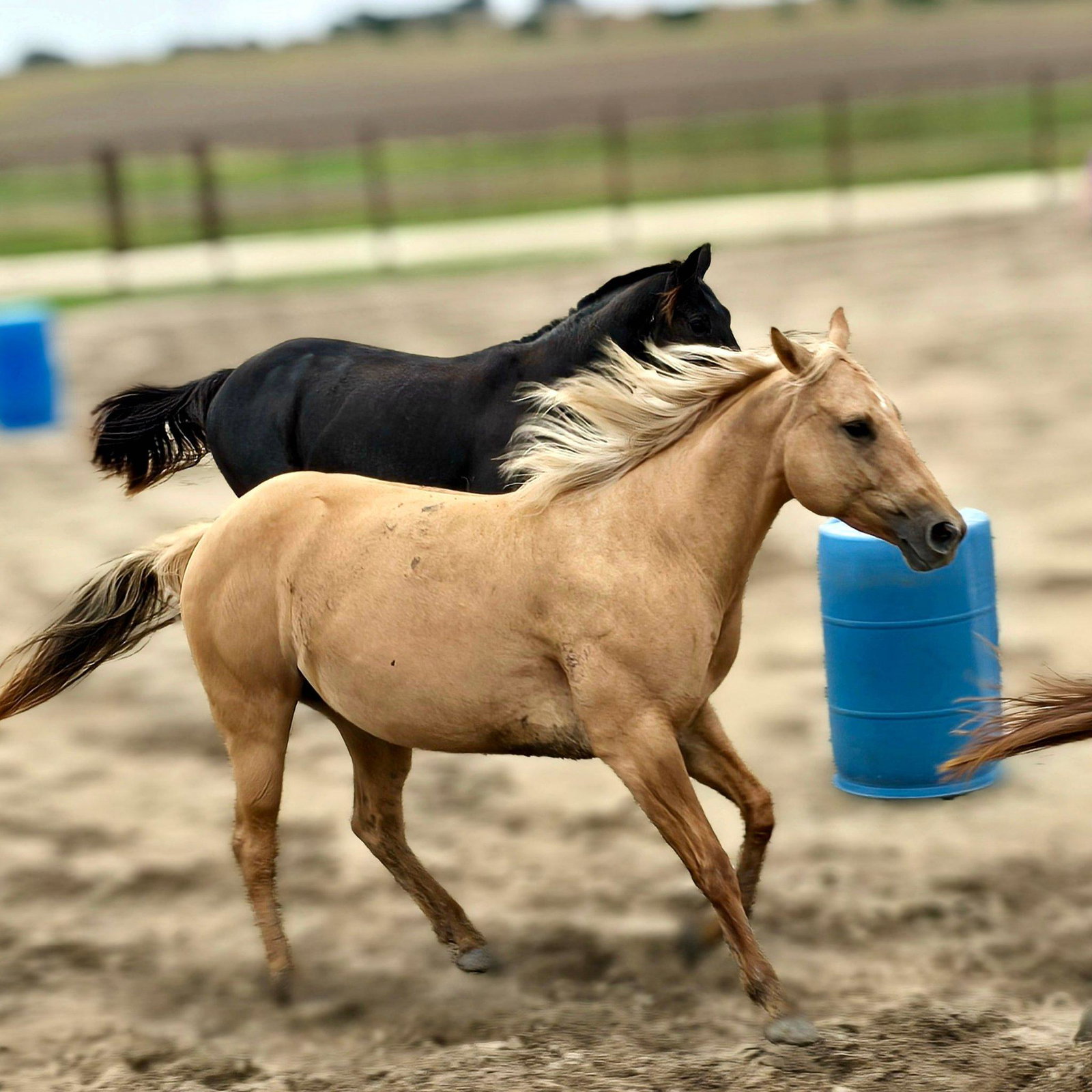
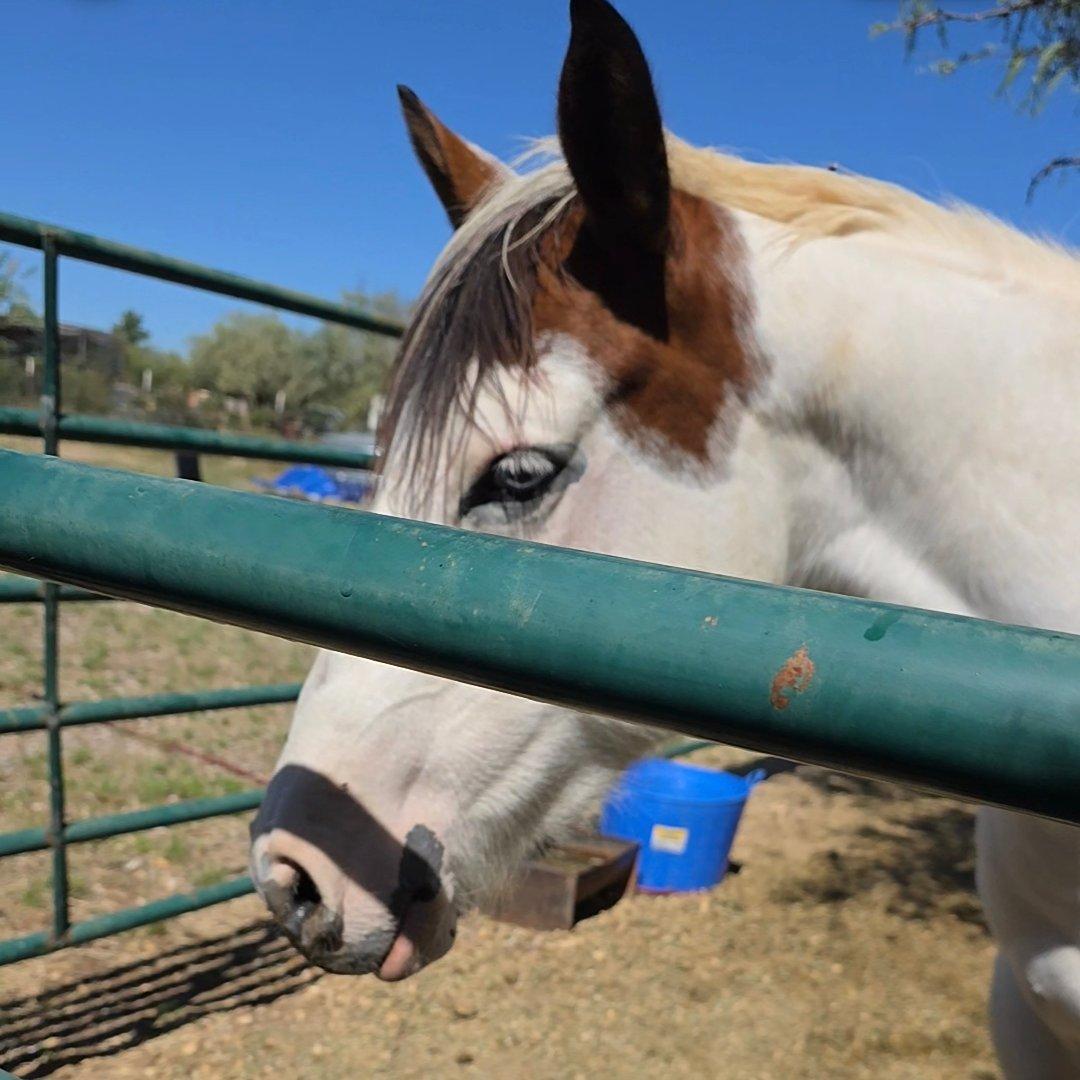
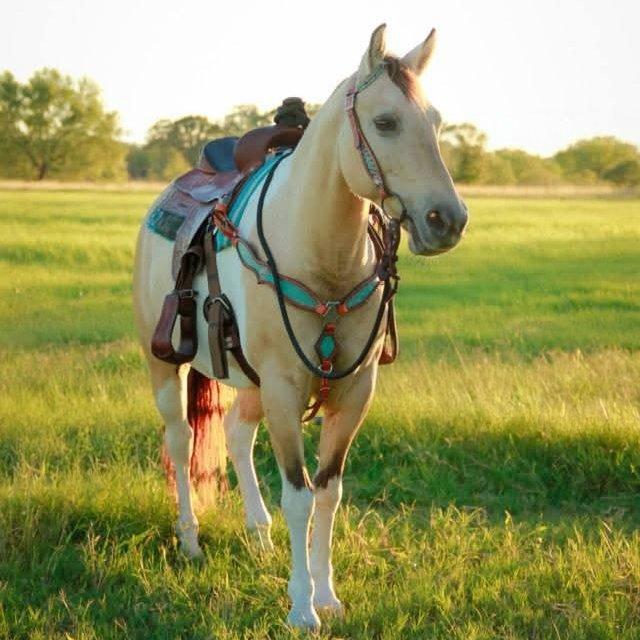
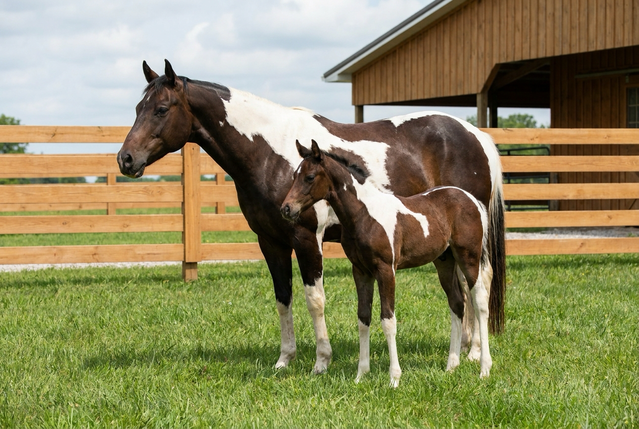
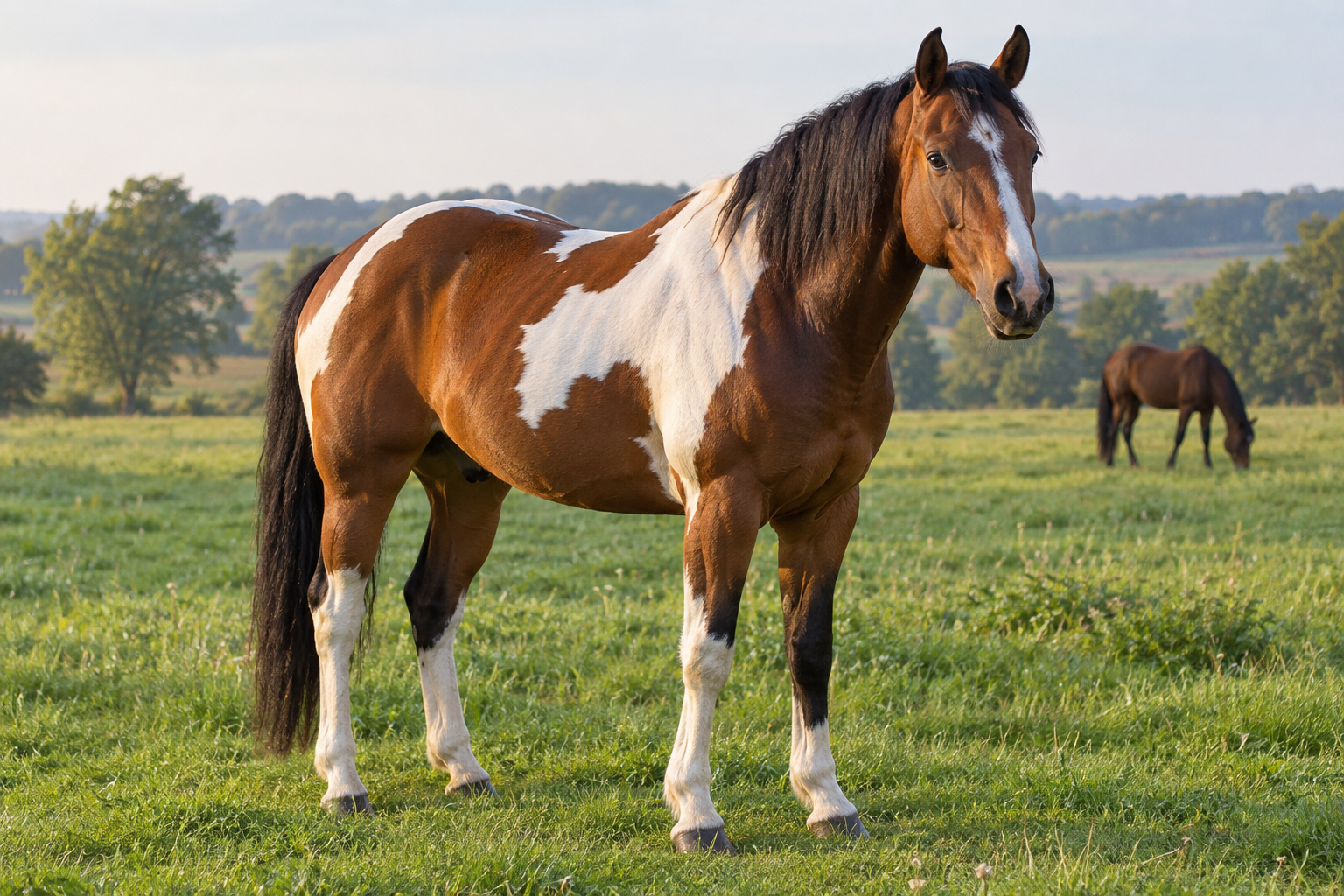
The American Paint Horse is a stock-type breed with Paint, Quarter Horse or Thoroughbred ancestry. Its registration depends on documented bloodlines and APHA rules, while its coat may be tobiano, overo, tovero or solid. If you are comparing possible foal colors, the horse coat color calculator keeps base color and supported white patterns separate.
| Identity | Stock-type breed with documented registry ancestry |
|---|---|
| Main US registry | American Paint Horse Association (APHA) |
| Coat labels | Tobiano, overo, tovero or solid |
| Base color | Recorded separately from white pattern |
| Before breeding | Read original health and color test reports |
| Before buying | Confirm identity, transfer and suitability |
Browse listings, public profiles, breeders, or add your animal.
Paint Horse versus pinto
Paint names a breed and registry context. Pinto describes a white spotting appearance and is also used by pinto registries with their own rules. A horse can have a pinto coat without being eligible for American Paint Horse Association registration. Start with the registered parents, certificate and transfer documents, rather than the amount of white in an advertisement.
APHA’s breed guide identifies the permitted parent registries as APHA, AQHA and the Jockey Club. At least one APHA parent provides a registration route regardless of qualifying white markings. Horses with only AQHA or Jockey Club parents must meet APHA’s color requirements. APHA makes the eligibility decision.
For the broader pattern terminology, read the Pinto Horse guide. For the base coat under those white patches, use the horse color overview.
What the coat patterns mean
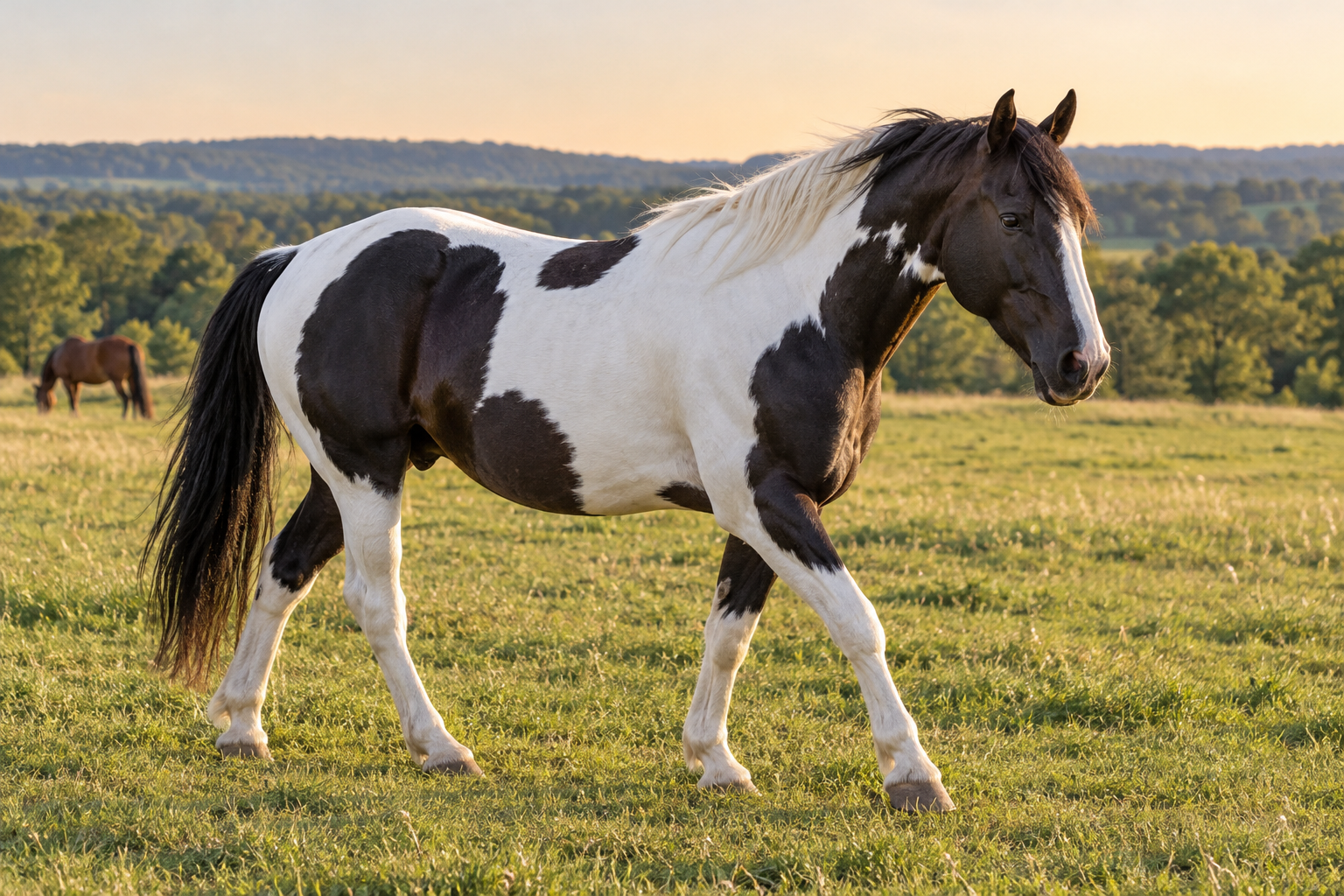
White pattern is a separate description from bay, black or chestnut. A bay tobiano has a bay base with tobiano white; a chestnut tobiano has a red base with the same named pattern. A horse may carry several white-pattern variants, so a label alone is an incomplete genetic record.
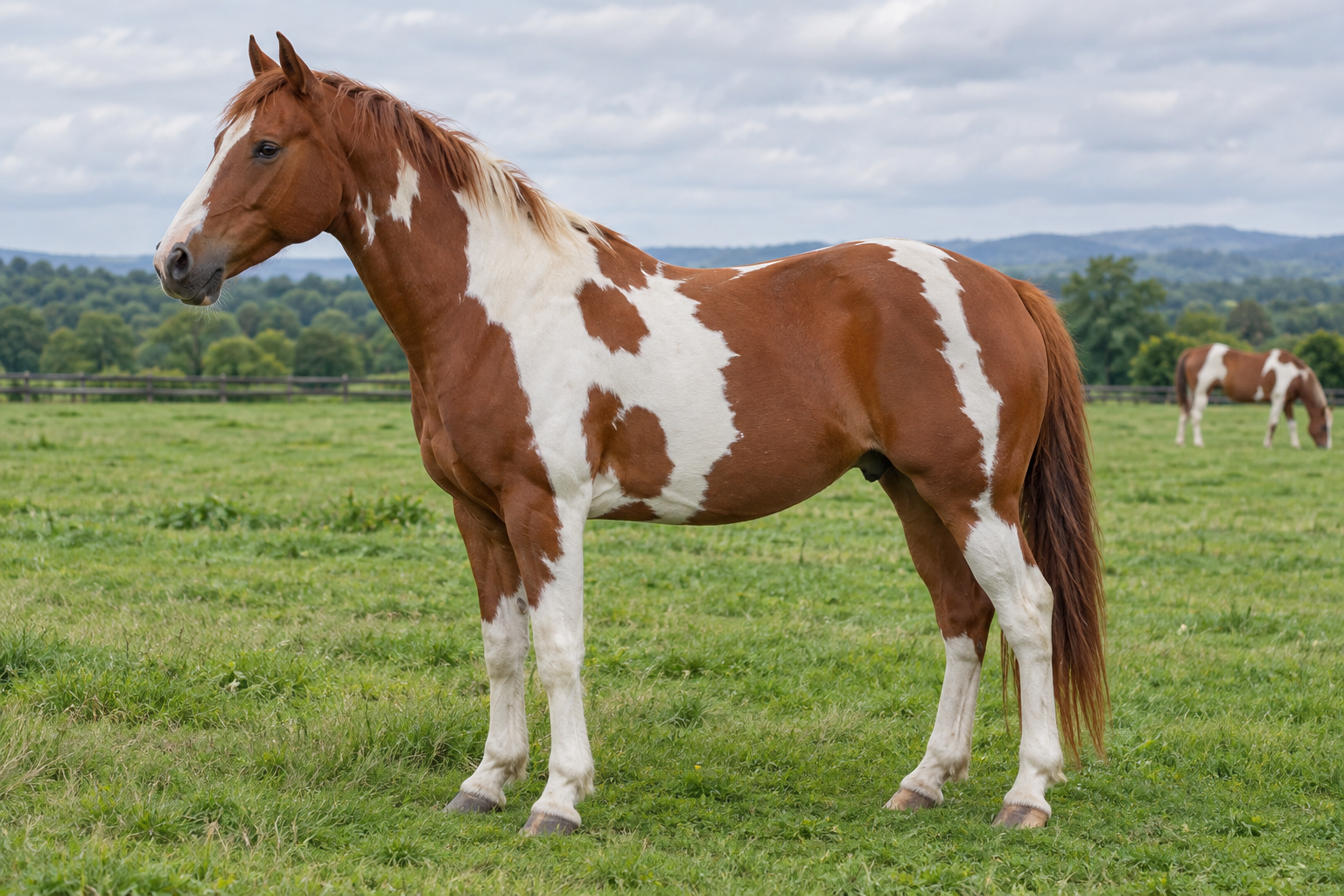
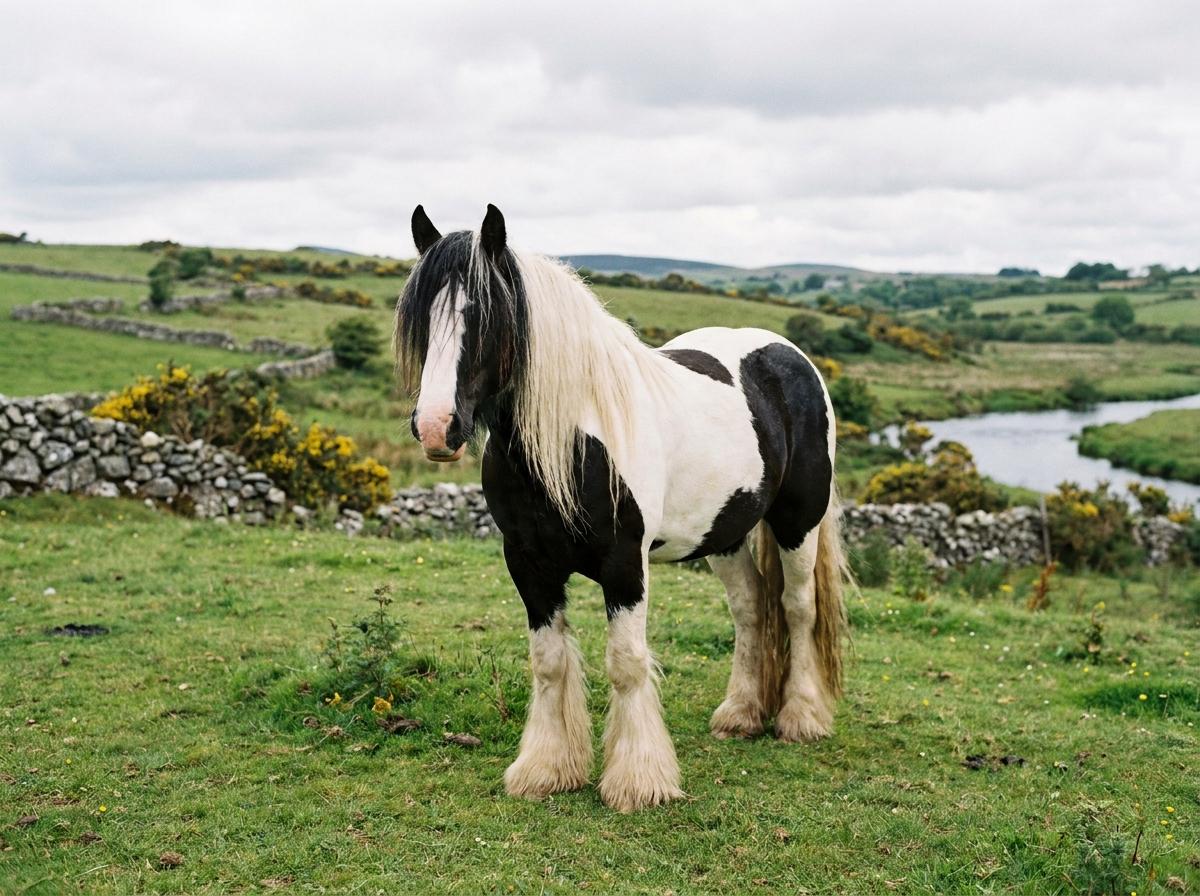
- Tobiano: White patches commonly cross the back. DNA distinguishes one from two tested Tobiano copies.
- Overo: This is a broad category of non-tobiano white patterns. Use the laboratory report to identify the specific tested variants, including Frame.
- Tovero: This describes Tobiano combined with one or more overo patterns. Record the actual combination of tested variants.
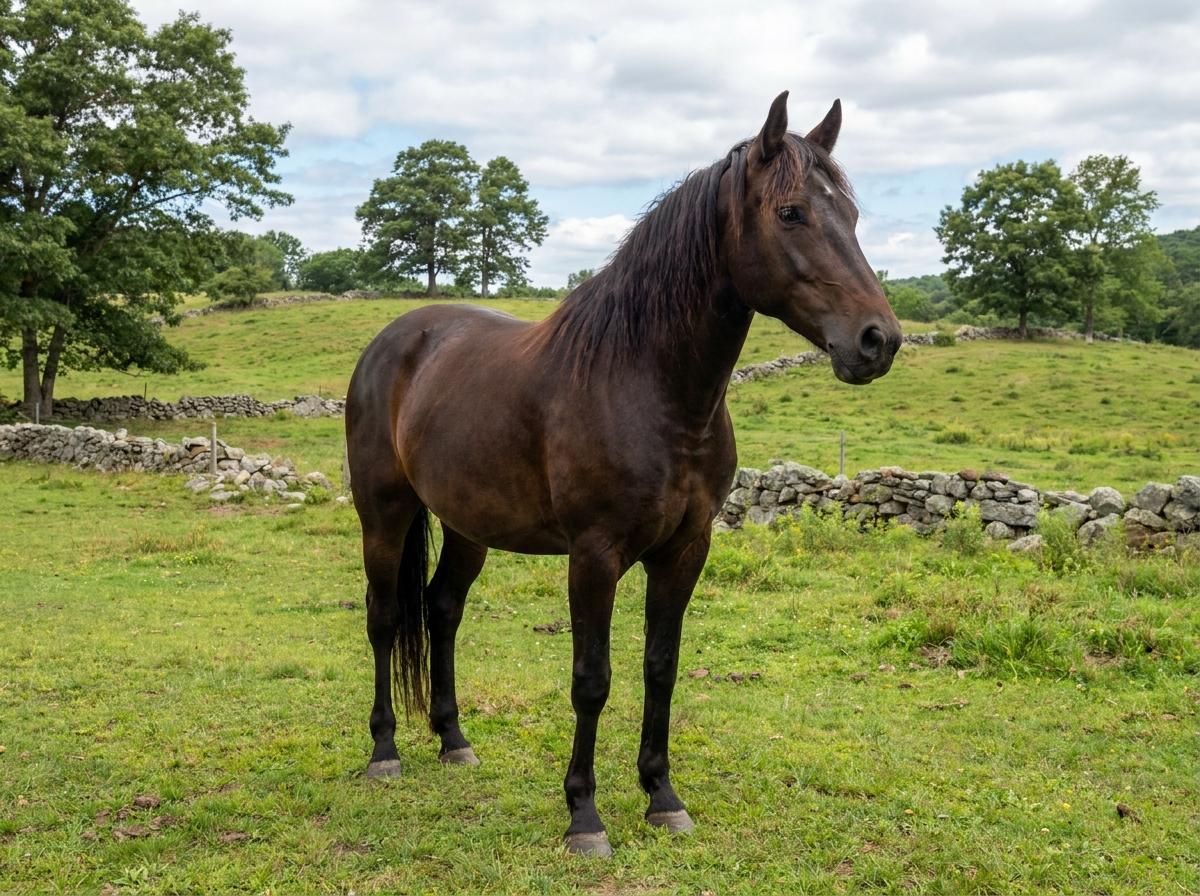
- Solid Paint-Bred: This is a registry classification rather than a promise of big white patches. Check the certificate, ancestry and any color test reports.
The UC Davis Tobiano test describes dominant inheritance. A horse tested N/TO can pass TO to half its foals; TO/TO passes it to every foal. The white patches themselves can vary. Ink spots inside white areas do not establish homozygosity.
Overo is not one gene. APHA uses it for patterns including frame overo, splashed white and sabino. Our tobiano versus overo guide explains the distinctions, including why a blue eye or a white face cannot stand in for a complete pattern panel.
Regular Registry and Solid Paint-Bred
Regular Registry does not simply mean the horse looks colorful. APHA describes three routes: qualifying natural Paint markings, a combination of accepted pattern genes and traits, or a qualifying multigeneration Paint pedigree. The pedigree route requires two APHA parents, at least one Regular Registry parent, and three connected generations of APHA breeding beginning with a sire or dam, with the additional conditions in the current rule.
Use the current APHA rule book and ask APHA to check a marginal marking or pedigree before making a purchase conditional on a particular classification. A photograph cannot settle every route, and a color calculator cannot award registration.
For the application itself, photos, DNA sample and fee windows, follow our APHA registration guide.
APHA’s registration instructions require parentage verification for new registrations. They also call for full-horse photographs from both sides, front and rear. For a purchase, compare the certificate’s identifying details with the actual horse and confirm the seller can complete the transfer. Our horse pedigree papers checklist helps keep certificate review separate from a seller’s ancestry story.
Frame overo and lethal white overo syndrome
Frame testing matters before a mating. Two copies of the Frame Overo variant cause lethal white overo, also called overo lethal white syndrome. Affected foals have a severe intestinal abnormality and do not survive. UC Davis explains the test and inheritance.
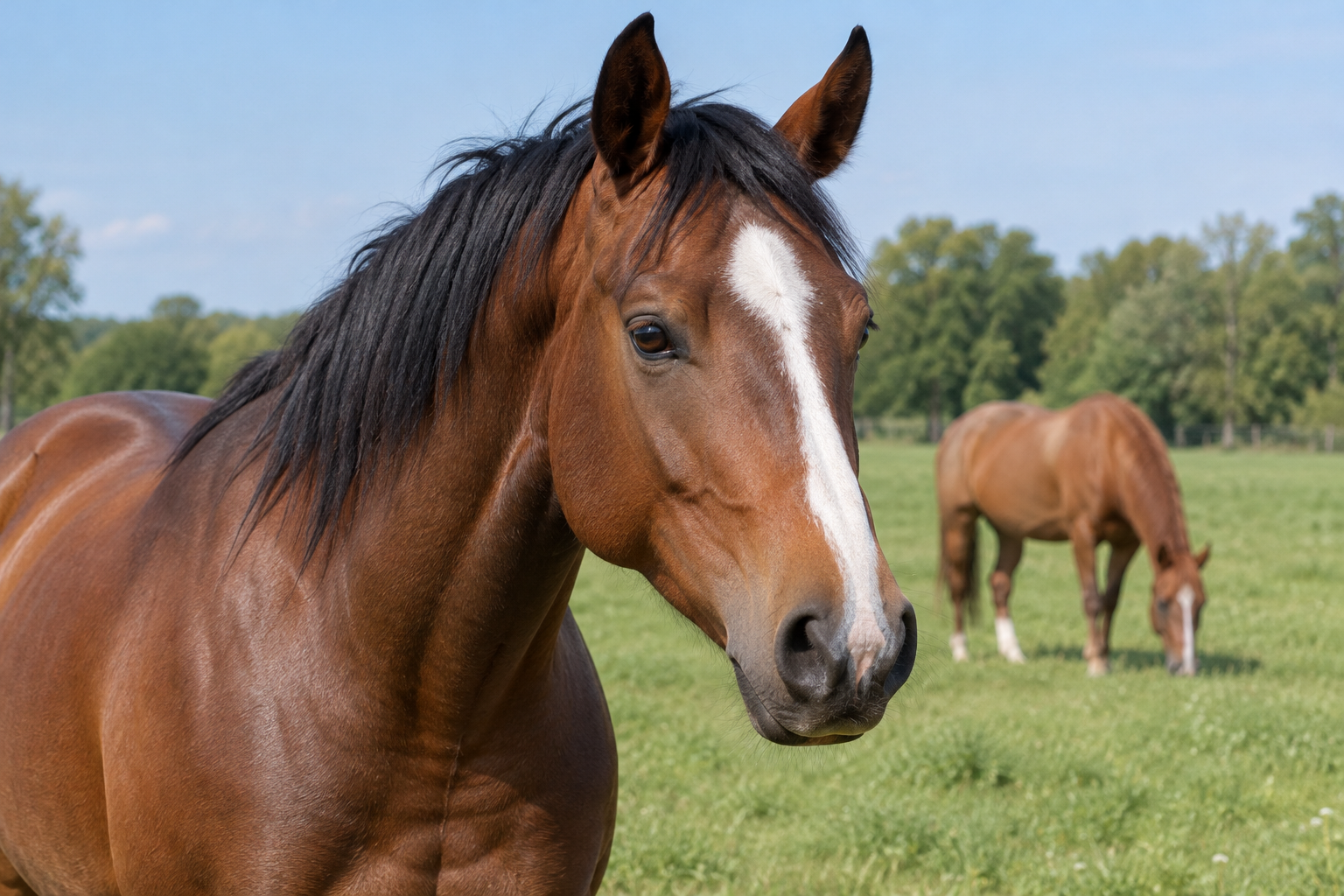
Two tested N/O parents have a 25% O/O risk at each conception. That is a health outcome in the conception total, not another marketable coat color. A horse with little visible white may still need testing; pattern descriptions and photographs are not a reliable clearance for breeding. Discuss the parents’ original reports with your veterinarian before choosing the pairing.
The lethal white overo syndrome guide covers the test record and breeding questions in more detail. An apparently white newborn with abdominal pain or difficulty passing manure needs immediate veterinary attention. Do not wait for a coat-color label to explain it.
APHA also requires breeding stallions to have results on file for its named genetic health panel. Check the current association requirements and obtain the complete reports; a general statement that a horse is “panel tested” does not tell you the result for each condition.
Choosing the individual horse
Choose the job first: trail riding, ranch work, a particular show discipline or a family riding horse. Then look for demonstrated training at that job. Have a suitable professional evaluate the horse with the intended rider, and arrange a pre-purchase veterinary examination appropriate to the proposed use.
Ask the seller for recent riding video, handling history and the reason for sale. Watch catching, leading, grooming and hoof handling. Discuss any medications, previous lameness, eye problems and management changes with the examining veterinarian. Attractive markings should not excuse unanswered questions.
There is no useful single Paint Horse price. Compare horses with similar age, training, soundness history, intended use and documented registration. Budget separately for the examination, transport and ongoing board or property costs. The where to buy a horse guide provides a practical buying sequence.
Daily care should fit the horse, the property and the workload. Build a forage and water plan, safe turnout and companionship, and a veterinary and farrier plan before bringing the horse home. Start with the practical horse feeding guide and discuss the individual ration with your veterinarian or equine nutritionist. A Paint coat does not define the horse’s nutritional needs.
Plan a pairing and keep the evidence on Creatures
Open the tobiano by solid worked example to see the difference between base color and pattern inheritance. Its named DNA panels, including the negative tests, are the assumptions behind the result. Change the panels to match the two real horses before using the calculator.
The calculator can show exact supported odds from DNA inputs or ranges when appearance fits more than one genotype. It cannot predict an exact patch map, guarantee a healthy foal or establish APHA eligibility. Read the method and limitations when an unknown result leaves several scenarios.
Use the free horse pedigree chart maker to arrange entered ancestry. The chart is a working record, not DNA parentage verification. Keep original certificates and lab reports with the horse’s records; see horse color DNA records for a practical document checklist. The Appaloosa guide covers a different breed and spotting complex.
Paint Horse questions
Can a solid horse be a Paint?
Yes. Solid Paint-Bred is an APHA classification, and some otherwise-solid horses can qualify for Regular Registry through the association’s genetics or pedigree rules. Read the horse’s certificate and current APHA rules instead of deciding from a sales photograph.
Is every overo horse a lethal white carrier?
Overo is an umbrella term. The lethal white risk discussed here belongs to the tested Frame Overo variant, not to every white pattern. Obtain the appropriate laboratory result before breeding.
Does homozygous tobiano mean homozygous frame?
No. Tobiano and Frame Overo are different variants. A tested TO/TO result does not establish the Frame result. Keep each test on its own line in the horse’s record.
Do this next on Creatures
Keep the evidence with the individual horse, then use it when comparing a pairing or speaking with a seller. Browse the horse guides for related ownership topics.
- Start your horse’s profile. No account is needed to start. The adding an animal guide explains the flow.
- Add a record with the original report or observation. It opens for visitors; a free account is required to save. Read adding a record and health and medical records.
- Save a listing alert for your search. This starts an email signup flow; it does not promise matching horses are available now. See saved searches and the watchlist.
- Browse the filtered marketplace and ask for the records relevant to the actual horse.
- Use the breeder directory to explore profiles and ask your own questions about practices, documentation and suitability.
- Start a breeder or farm profile. No account is needed to start; the organization guide explains profile and team setup.