

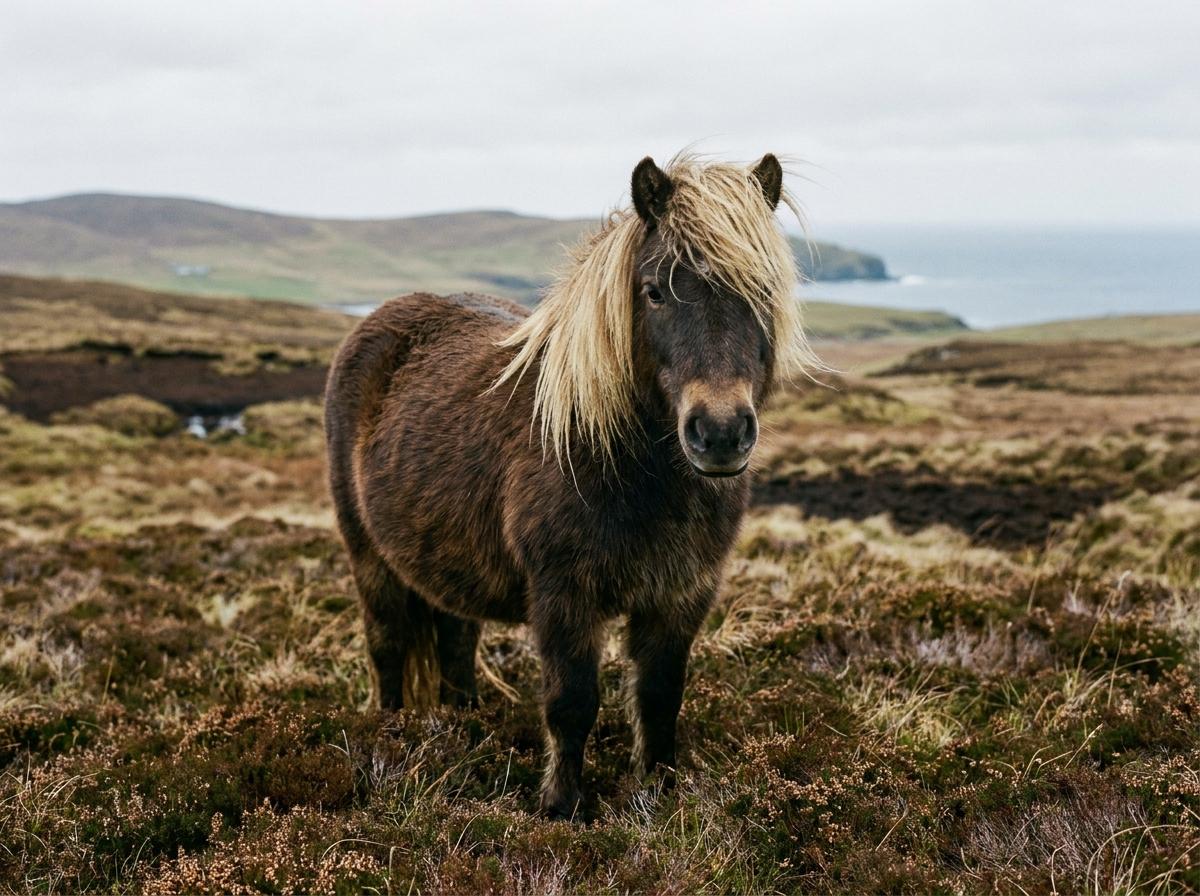
Shetland Pony
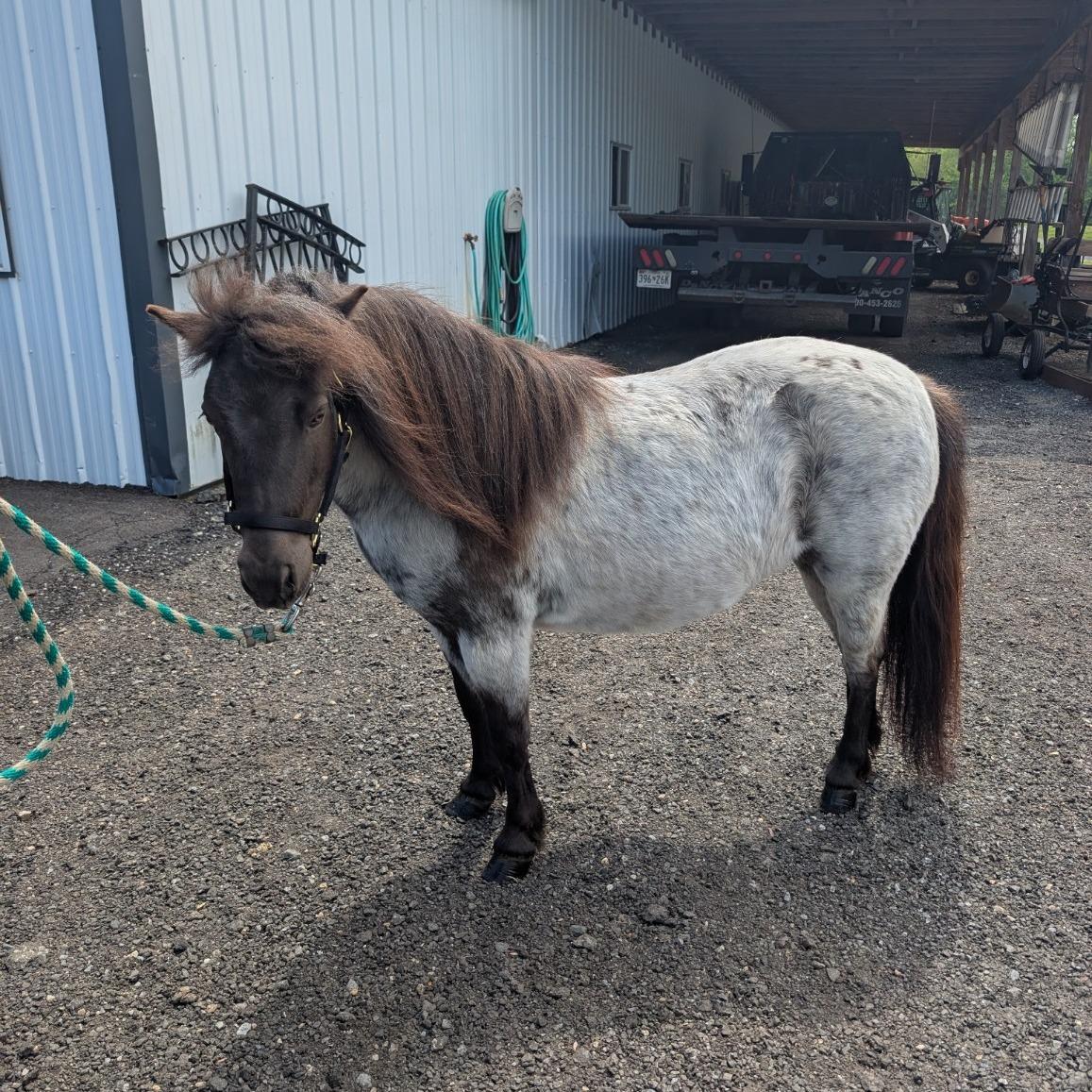
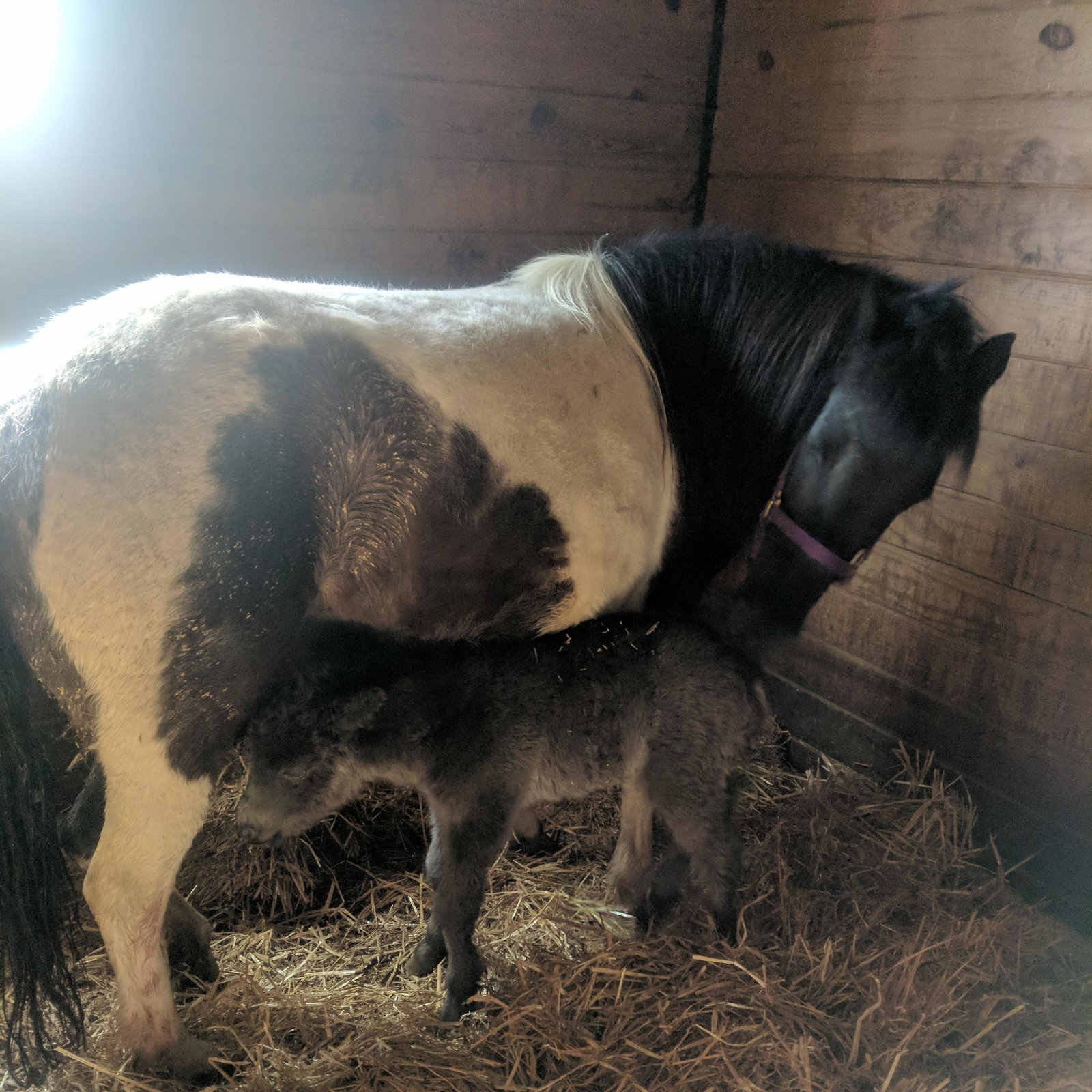
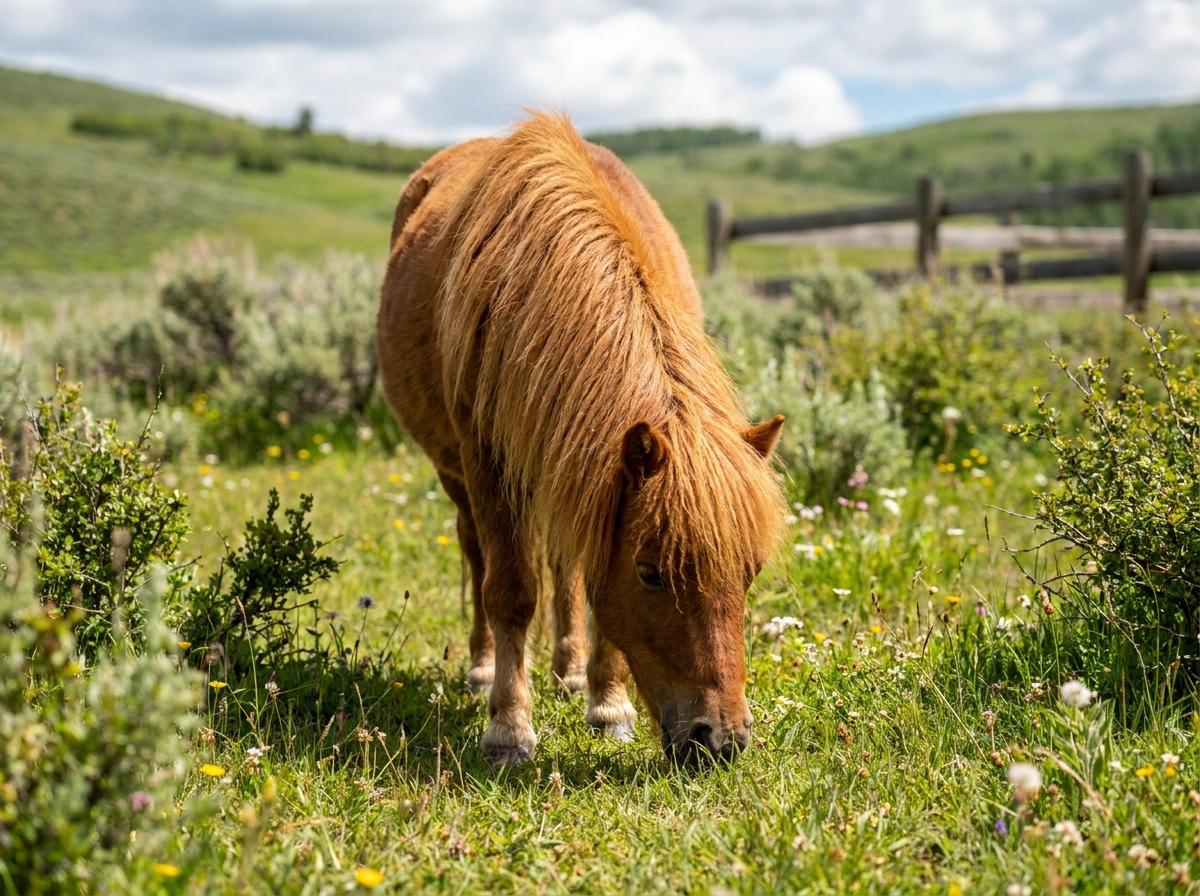
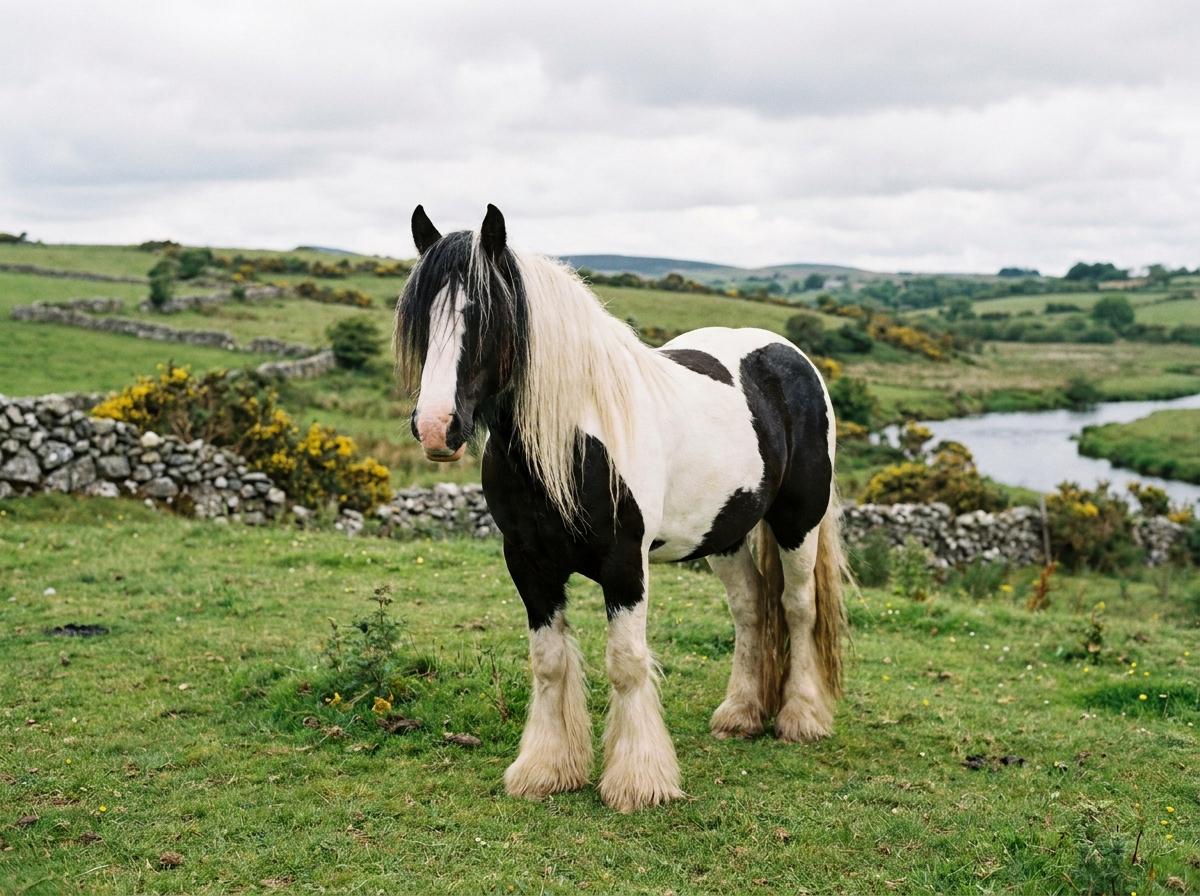
Developed on the windswept Shetland Isles north of Scotland, the Shetland pony is one of the smallest established horse breeds, but it is built like a scaled-down draft animal rather than a light miniature. Traditional Shetlands have short, strong legs, deep bodies, dense winter coats, abundant mane and tail, and a broad, intelligent head. They were used to pull carts and peat, carry packs, and later work underground in British coal mines; today they appear in children's riding, driving, breed shows, therapy programs, and conservation grazing. Registry height limits vary, and American show lines may look leggier than the native island type.
The main care challenge is their easy-keeping metabolism. Rich pasture can lead quickly to obesity and laminitis, so many Shetlands do best on track turnout, measured forage, and minerals rather than grain-heavy diets. Their small size makes them attractive for children, but they are strong and opinionated enough to need consistent training and humane boundaries. Hoof trimming, dental care, coat management during shedding season, and well-fitted harness or tack matter as much for a pony as for a full-sized horse. Buyers should look for sound feet, a correct bite, clean movement, and papers from the registry or type they intend to breed or show.