Speckle Park
Author: Elliott Garber, DVM · Updated
Speckle Park are a Canadian beef cattle breed developed in Saskatchewan, known for polled heads and distinctive black-and-white patterns. A spotted cow is not necessarily a Speckle Park, and a solid-black animal is not automatically excluded from the breed. Pedigree and the named registry’s rules matter alongside appearance.
If a seller gives you documented relatives, the free cattle pedigree chart maker can organize them into a working chart. It records what you enter; it does not certify ancestry or replace a registry certificate or DNA parentage report.
| Origin | Saskatchewan, Canada |
|---|---|
| Type | Moderate-framed polled beef cattle |
| Patterns | Speckled, leopard, pointed white and solid black |
| US association | American Speckle Park Association |
| Identity evidence | Certificate, matching ID and parentage reports |
| Buyer priority | Calving records and soundness ahead of color |
Browse listings, public profiles, breeders, or add your animal.
Canadian breed, not a coat-color label
The Canadian Speckle Park Association’s history describes the breed’s Saskatchewan development from spotted cattle and British beef ancestry. Its account connects the foundation with Angus, Shorthorn and cattle carrying a white-park pattern. That history is more complicated than breeding any black bull to any spotted cow.
In the United States, the American Speckle Park Association publishes breed and registration requirements. Its standard describes a moderate beef frame and polled cattle. The Association’s registration guidance requires DNA parent verification to both sire and dam; its bylaws also set sire-testing requirements described below. Ask the association named on a certificate to resolve eligibility or transfer questions. Do not apply one country’s rule automatically to a different registry.
Compare Shorthorn and Black Angus for two different breed identities connected with the history. Our cattle hub helps you compare cattle by purpose rather than by the most eye-catching photograph.
Recognizing the patterns
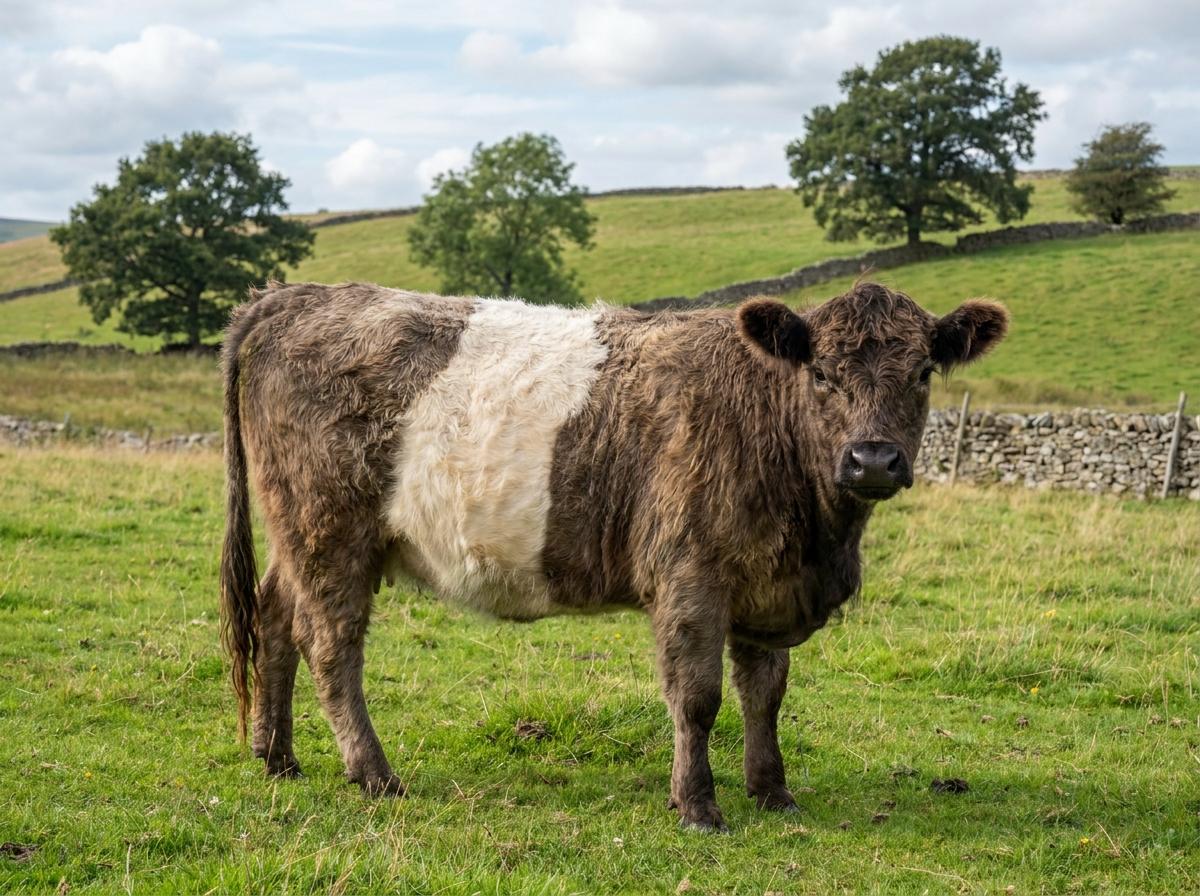
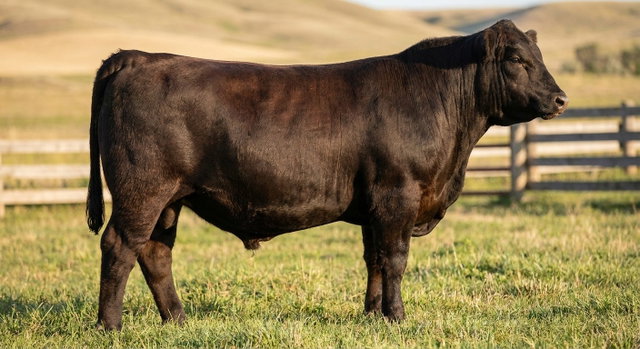
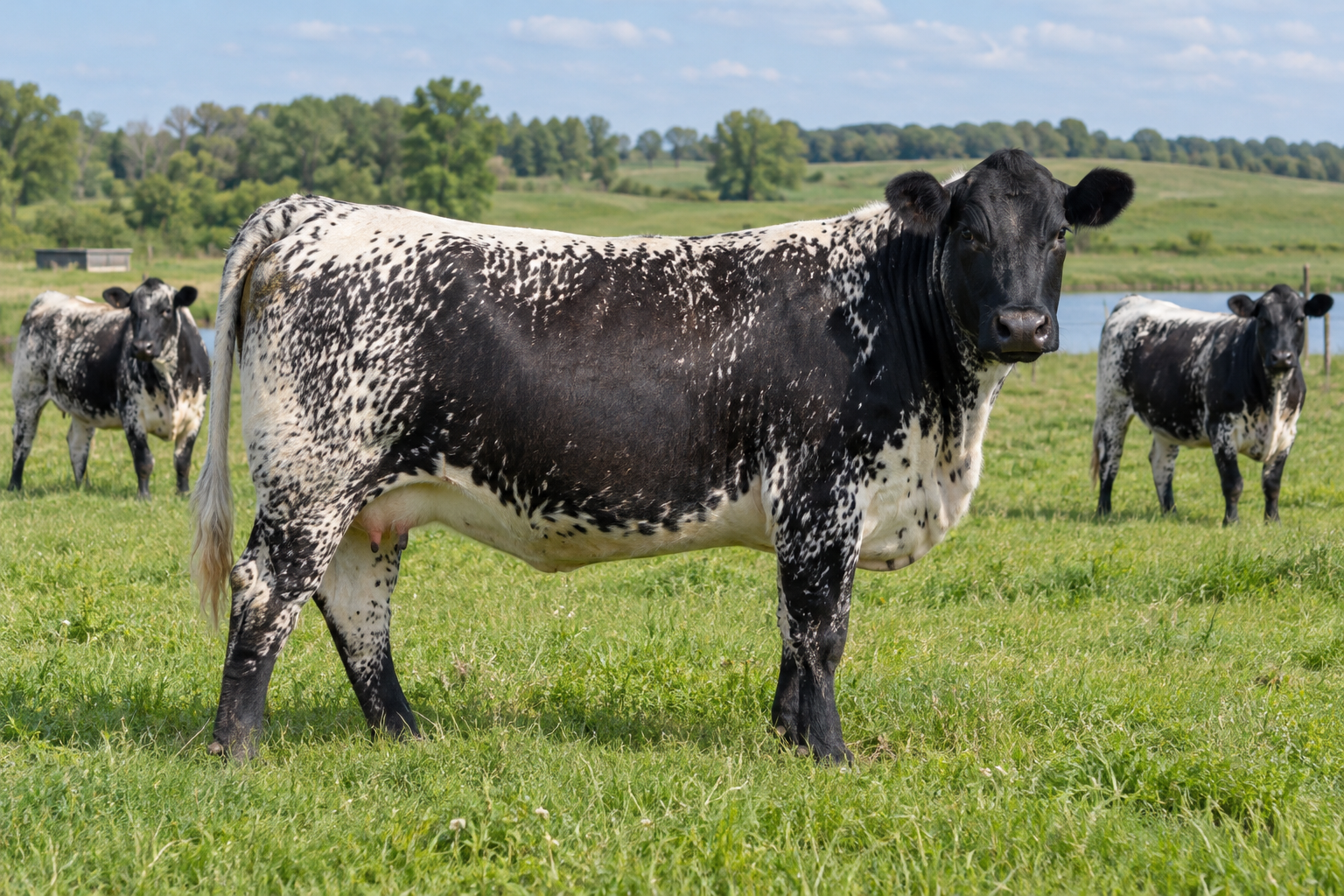
The American Association describes four patterns. In the classic speckled pattern, black sides contrast with a white topline and underline, with speckling around the shoulders and hips. Leopard-pattern animals have more white, with separate black spots breaking up the sides. Pointed-white cattle have mostly white bodies and faces with dark ears, eye surroundings, muzzle and lower legs. Solid-black animals also occur within registered Speckle Park.
The ASPA breed-standards page warns that offspring of two solid-black parents are not eligible for registration. Article Seven of its published bylaws is more specific: it excludes the solid-black progeny of two registered purebred solid-black Speckle Park from any ASPA registry. Check the proposed mating with the registrar before relying on a promise of registrable calves.
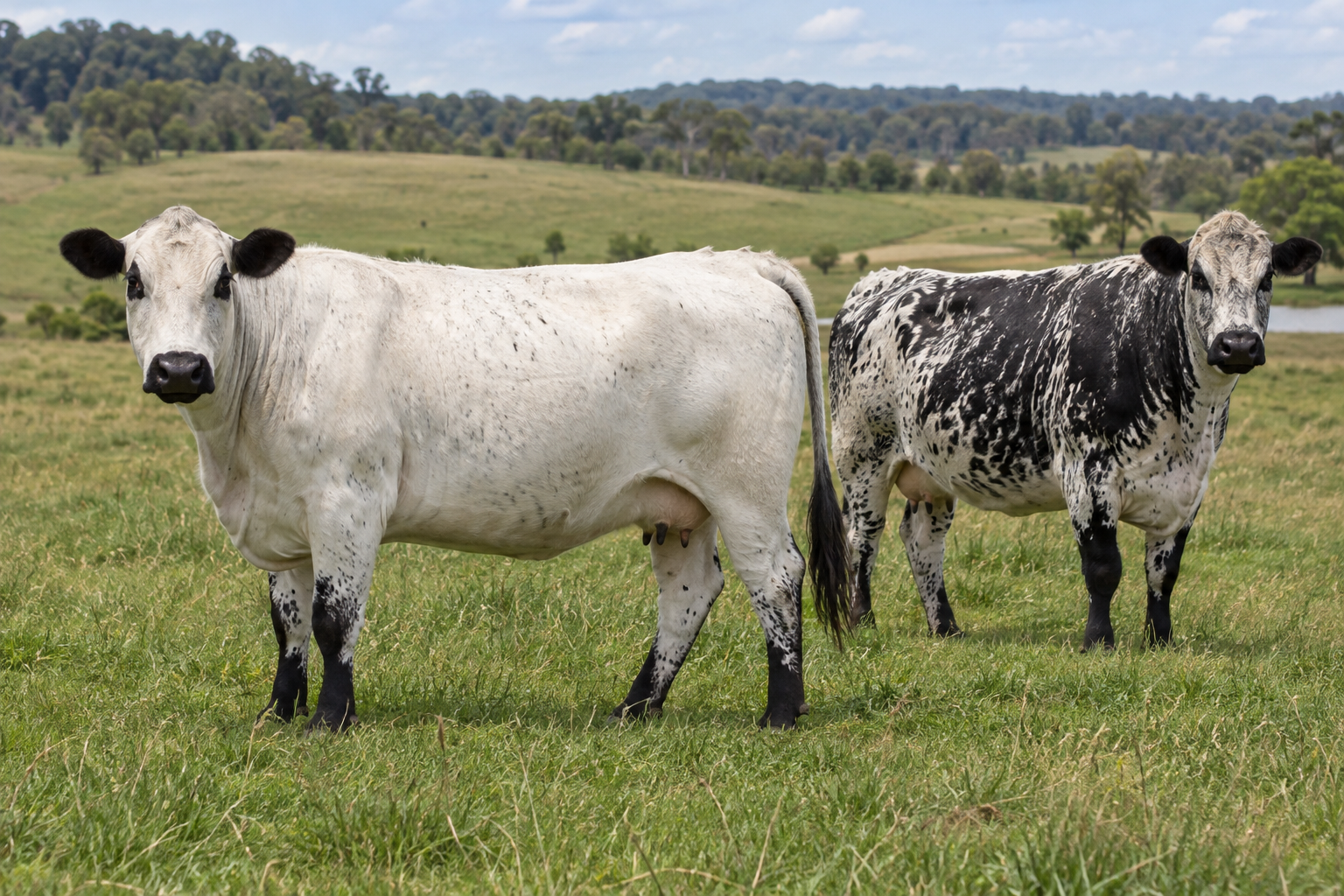
These are pattern descriptions, not a way to read an animal’s complete genotype. Color does not prove parentage, breed purity, polled genotype or the outcome of a particular mating. If a seller promises a certain calf pattern, ask which test or documented family results support that claim. Do not infer a guaranteed inheritance percentage from a photograph.
Beyond color, look at feet and legs, locomotion, body condition and the relevant breeding anatomy. Cows need functional udders and teats; breeding bulls need an appropriate breeding-soundness examination. Ask for actual mature weights from the herd and measurements for the individual, rather than a single number presented as the size of all Speckle Park cattle.
What the breed can offer, and what still needs measuring
Speckle Park breeders select for beef production and maternal performance. The American standard lists traits such as calving ease, maternal ability and efficiency as breed merits. Those are selection goals and breed claims, not guarantees that a particular heifer calves unassisted or that a bull will improve every herd.
For breeding stock, ask for birth records, assistance scores, growth measurements and any applicable estimated progeny differences. Ask what the comparison group was and whether the data come from conditions similar to yours. A light birth weight alone does not settle calving ease. A sale photo also cannot show feed conversion or fertility.
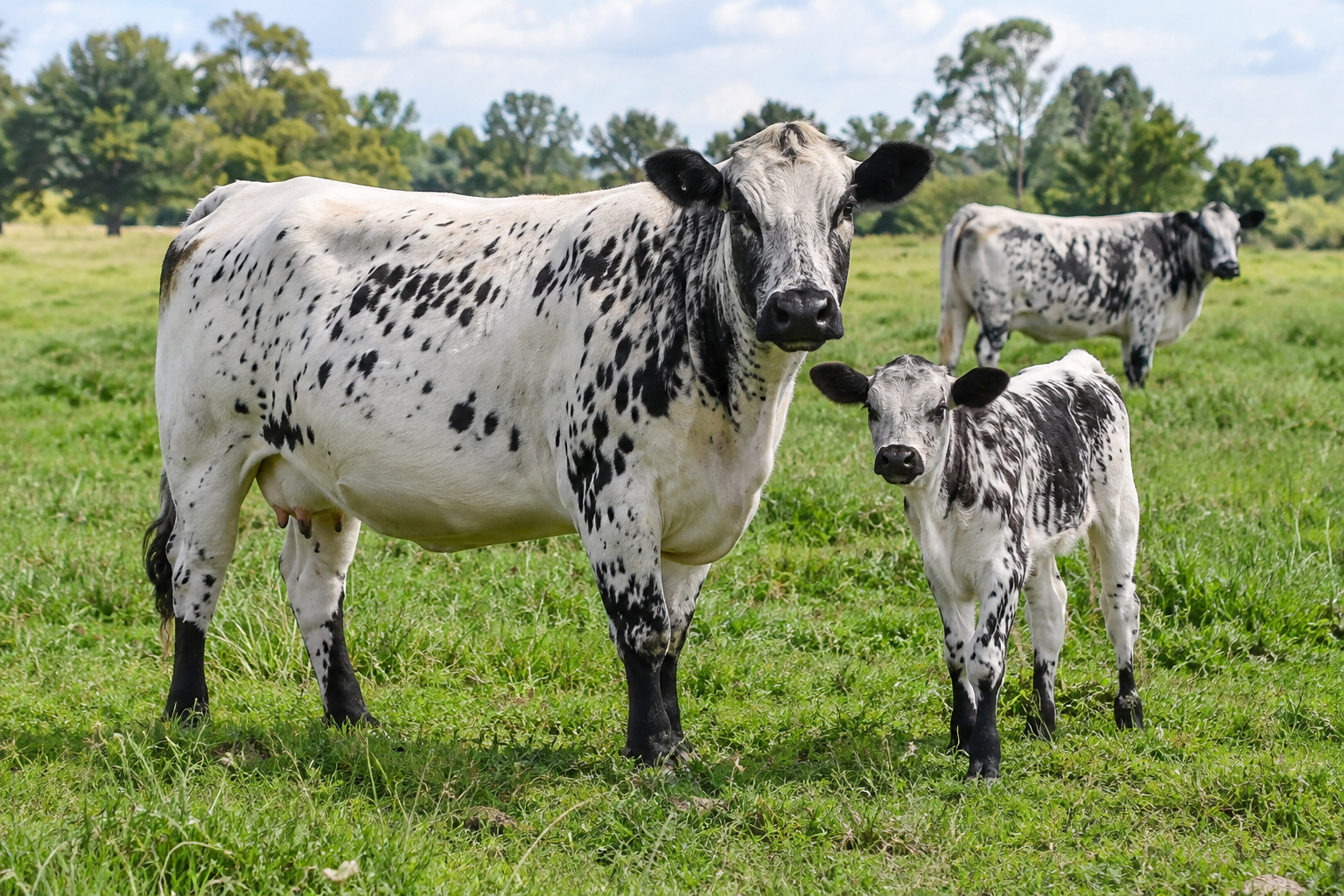
If you are crossbreeding, decide whether you want replacement females or terminal calves and identify the market before choosing the sire. A spotted calf does not establish that it has inherited every trait a seller attributes to the breed. Compare Piedmontese for a different example of why visible muscling, genetics and calving decisions need separate evidence. Salers and Senepol offer other breed comparisons; choose for your environment and production goals rather than a color premium alone.
Pasture, water, feed and facilities
Plan for cattle companions, secure fencing, a dry resting area and protection from severe weather. Canadian development does not make an animal immune to heat, cold, mud or a lack of shelter. The National Farm Animal Care Council’s beef-cattle code provides a useful husbandry framework covering shelter, feed, water, handling and health. It is Canadian guidance, not a statement of the law on your US farm.
Forage should be assessed against the animals’ stage of production. A growing heifer, lactating cow and dry mature cow do not have identical needs. The USDA-hosted feeding guidance explains why abundant low-quality forage can still leave a cow short of nutrients. Use the cattle feeding guide to prepare ration questions for your veterinarian or nutrition adviser.
Clean water must remain accessible as weather and demand change. Missouri Extension’s pasture-watering guidance explains that requirements vary with size, lactation, feed and temperature. Check both water quality and the system’s ability to refill, rather than assuming that a trough present in the field means the herd is adequately supplied.
Have suitable lanes, gates and restraint available before cattle arrive. Never substitute a breed’s docility reputation for a safe handling system. A polled head removes horns, not the animal’s weight, strength or ability to injure a handler. Plan veterinary and transport access before you need it urgently.
Health, breeding and records
Agree on a herd-health plan with your veterinarian, including new-arrival separation, locally appropriate testing and vaccination, parasite decisions and reproductive examinations. Ask for records tied to the actual animal. Registration does not certify that it is free of infectious disease.
Record exposure or insemination dates and separate them from pregnancy-examination results. The cattle gestation calculator estimates a calving window; it cannot confirm pregnancy or promise a birth date. Review heifer suitability and sire choice with an experienced adviser, then arrange observation and access to veterinary help.
The cattle weight calculator estimates from body measurements. Use a safe handling setup and follow the cattle measurement guide. Do not approach an unsettled cow with a tape, and use a scale when accurate weight matters. Estimates are not dosing tools.
The ASPA bylaws require laboratory reports on file for walking herd sires and for AI donor sires collected after January 1, 2019: a genomic profile plus DNA results for double muscling (myostatin), coat color and polled status, before their calves can be registered. Ask which reports are held for the sire as well as seeing this animal’s parent-verification evidence.
Keep the permanent ID, registration number and laboratory report together. The cattle pedigree papers guide explains how to match them. If you give cattle familiar names, the cattle name generator can suggest them, but the name should stay attached to an unambiguous animal ID.
Buying Speckle Park: availability and costs
Ask for current, dated offers for the kind of animal you need. Full registration, commercial crossbred status, reproductive status, age and individual records can make two similarly marked cattle very different purchases. This guide does not assign a national price or assume the marketplace has stock.
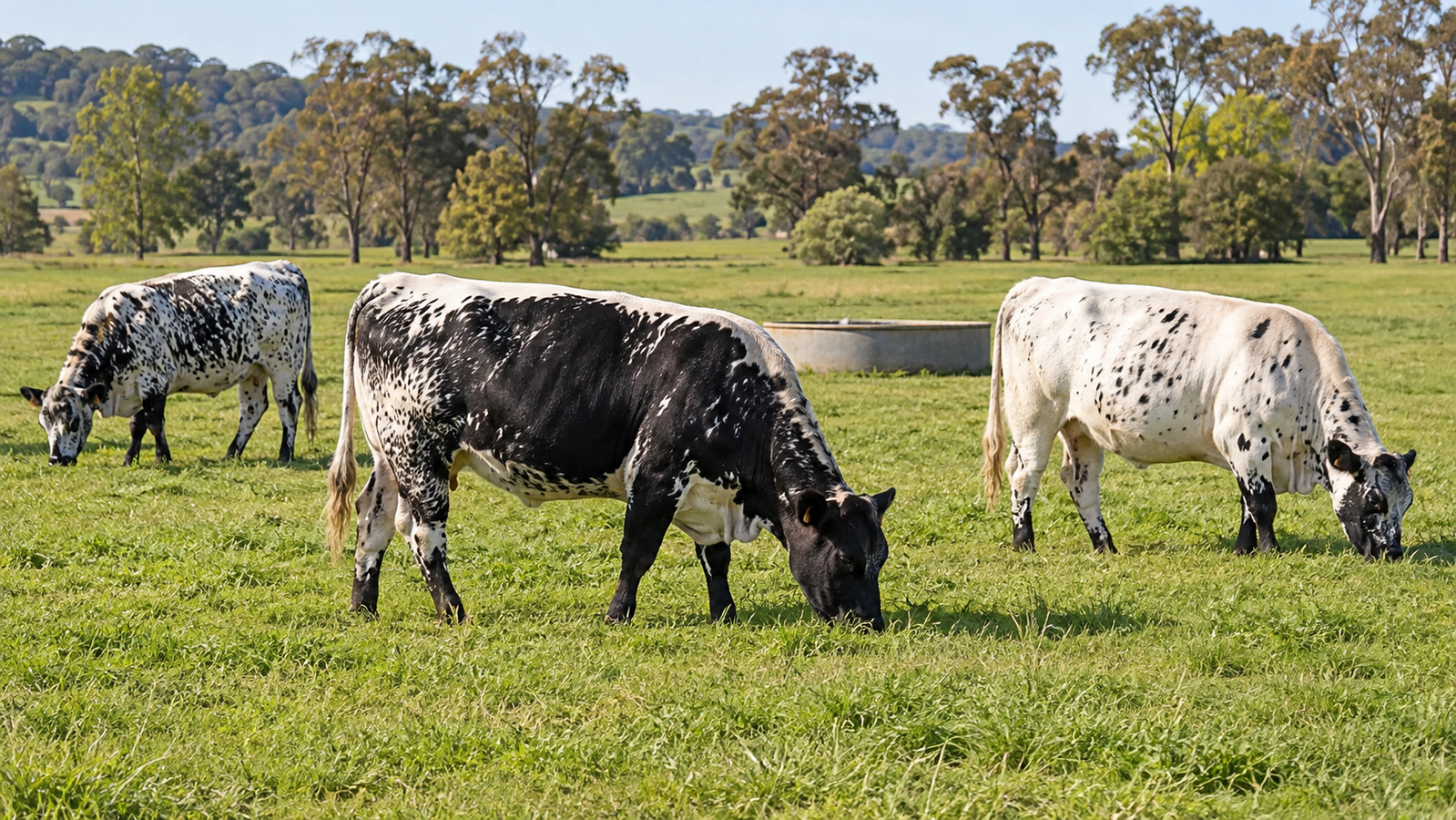
Budget for fencing, handling, transport, forage, water, quarantine space and veterinary care as well as the purchase. If breeding animals or genetics must travel, ask the relevant animal-health authority and your veterinarian about current movement requirements before arranging transport.
Useful questions for the seller include:
- Which registry issued the certificate, what category is recorded, and will the transfer be completed?
- Does the permanent ID match the certificate, sale contract and DNA reports?
- Were both parents verified, and which trait tests were done for this animal?
- What are the actual calving, assistance, growth and fertility records?
- Can I see it walk and inspect feet, condition and functional udders or breeding-soundness evidence?
- What is its current diet and health program, and what needs to continue during the move?
- What costs, documents and deadlines are included in the quoted price?
The cattle sale-listing checklist helps make those requests concrete. Evidence is worth more than a pattern description when the animal will become part of your herd.
Frequently asked questions
Are Speckle Park cattle Canadian?
Yes. The Canadian Association traces their development to Saskatchewan. They are a defined beef breed, not a general term for spotted cattle.
Are all Speckle Park cattle spotted?
No. The American standard describes speckled, leopard, pointed-white and solid-black animals. However, Article Seven excludes solid-black offspring of two registered purebred solid-black parents. Its website summary is broader, so confirm the proposed mating’s eligibility with ASPA rather than relying on spots alone.
Are they naturally polled?
The breed standard describes polled cattle. If horn status or inheritance matters to your mating plan, request the animal’s relevant test report rather than inferring its genotype from a smooth head.
Are they easy-calving cattle?
Calving ease is a breeding goal, not an individual guarantee. Use sire and dam records, appropriate evaluation data, heifer assessment and a practical calving plan.
How much do they cost?
Request dated quotes for comparable animals and include the cost of facilities and care. A registered breeding prospect and a commercial crossbred should not be treated as the same sale category.
Do this next on Creatures
Choose the step that fits your plans for Speckle Park cattle. A breed page or directory entry does not establish current stock, health status or registry eligibility.
Watch for stock. Set a Speckle Park cattle listing alert for future matching listings. It does not mean an animal is available now. Read saving searches and using your watchlist.
Browse what is listed. Check the filtered marketplace, then ask the seller for the evidence described above.
Start an animal profile. Add your animal. No account is needed to start; a free account keeps your records. See adding an animal to Creatures.
Keep useful observations. Add a record for weights, health observations and calving outcomes. The sheet opens for visitors; a free account saves it. The record walkthrough explains the steps. A saved record does not verify a diagnosis, breed or pedigree.
Look for farms. Browse the breeder directory as a starting point for inquiries. Entries are not guarantees of active sellers, endorsement or available stock.
Represent your operation. Start an organization profile for your farm. Read creating an organization and adding your team and the separate directory listing guidance. Creating a profile does not itself verify breeder status or guarantee admission to the directory.