

Livestock Value Calculator: Read Market Estimates Without Overpricing an Animal
Author: Elliott Garber, DVM · Published
The Creatures livestock value calculator gives a market range from catalog-ready auction sale records. It is a starting point for asking better pricing questions. It does not inspect an individual animal or promise what a buyer will pay for it.
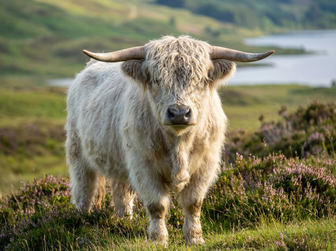
AI-generated illustration.
| Purpose | Market context from auction sale records |
|---|---|
| Range | Middle half, not minimum and maximum |
| Median | Center of the selected prices |
| Comparison | Exact, breed-level, or species-level |
| Minimum | 25 priced records for a result |
| Limits | No individual appraisal or guaranteed price |
| Read together | Label, sample count, and latest sale date |
Enter what you know about the animal
Choose the species, breed when available, sex, and age range. Use the actual animal’s information rather than changing inputs until the number looks attractive. If the breed is unknown, keep that uncertainty visible instead of selecting a familiar breed that happens to produce a result.
The calculator Help Center guide explains the input flow and result labels. When an exact breed is not available, read the broader result as broader evidence. It should not be described later as a precise estimate for a breed the calculator did not match.
For cattle, the species page and guides to Charolais or Brangus can help you organize breed context. They do not turn an uncertain identification into a documented pedigree.
Read the range and median as different numbers
The displayed range represents the middle half of the selected sale prices, from the 25th to the 75th percentile. It is not the lowest and highest recorded price. Sales can fall below or above it.
The median is the midpoint of the selected prices when ordered. It is useful for understanding the center of that dataset, but it is not a recommended asking price for every animal with similar inputs.
Consider a purely hypothetical result with a range of $1,000 to $2,000 and a median of $1,500. That would describe the selected records. It would not prove that a particular animal is worth $1,500, that $1,000 is a guaranteed minimum, or that no sale could exceed $2,000. These numbers are an explanation only, not current market data.
Check which comparison group was used
When a breed and known sex are selected, the calculator first looks for enough sale records matching the breed, sex, and age grouping. If that group is too small, it can broaden to breed-level records and then to species-level records. The current minimum is 25 priced records for a usable result.
The result’s comparison label matters. A breed-level fallback is not adjusted for sex and age. A species-level fallback is broader again. Seeing your selected age on the page does not mean that every record in the fallback was filtered to that age.
If you leave breed blank, the range covers all sexes and ages of that species and no fallback note appears; quote it as a species-level range.
Choosing Unknown for sex skips the exact tier, so expect a breed-level or species-level result. Read the comparison label and any fallback note before quoting the range. A responsible description might say, “This is a breed-level auction range, with no sex or age adjustment.” That is more accurate than calling it a custom valuation for the animal.
Check the sample count and latest sale date
The sample count tells you how many priced records support the selected result. The latest sale date tells you the newest sale represented in that group. Together, they help you judge what the range is actually describing. The tool first draws from the last 60 months of qualifying sales. It uses older records only when there are no rows for the species in that window, not simply to top up a small recent sample.
A larger sample does not automatically make the animals comparable to yours. A recent date does not mean every sale in the group is recent. Use those fields alongside the comparison label rather than treating any one number as a quality guarantee.
If there is not enough usable data, the calculator says so instead of inventing a price. That is a useful boundary. Do not fill the gap by presenting a different species or unrelated breed result as if it answered the original question.
List the factors the range does not evaluate

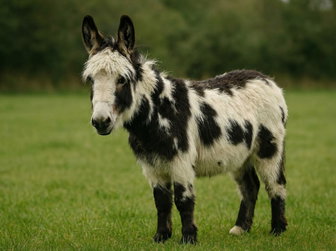
AI-generated illustration.
The market calculation does not adjust for the individual animal’s photographs, pedigree, region, training, genetics, or condition. Those omissions matter when comparing animals with very different histories or purposes.
For example, a documented breeding animal and an animal with uncertain parentage may need different conversations even if the broad inputs look similar. The calculator cannot establish those differences by reading the listing photographs. Keep supporting evidence attached to the animal and explain it in the sale description.
Use the animal profile guide to check identity and the record guide to organize relevant documents. A complete record helps another person assess the animal; it does not automatically add a fixed dollar premium.
Compare like with like before setting an asking price
Keep a note of the estimate date, chosen inputs, comparison label, range, and sample count. Then review the specific evidence for the animal and the actual terms of the proposed sale. Pickup, delivery, included documentation, and other agreed conditions should be stated clearly rather than hidden inside a headline number.
Use the livestock pricing guide to weigh market evidence and sale terms. Avoid adding every possible desirable trait as a separate price premium. Some traits overlap, some lack supporting evidence, and some matter only to particular buyers. Explain what you know and let the buyer evaluate the claim.
The livestock sale listing checklist helps turn that information into a clear listing. The calculator supplies market context; the seller still chooses the asking price and is responsible for the description.
The cow cost guide helps separate acquisition price from ownership costs. Feed, facilities and veterinary spending are budget obligations, not proof that a buyer will pay the seller that much more.
Save the context without turning it into a promise
After a result, guests see Save this market range, which creates a free account; signed-in users see Add animal with these details. Both carry some values into the add-animal form. Review every field, especially age, before saving.
Keep the estimate date with your notes. Market context can change, and an old screenshot should not be presented as today’s result. If you revisit the calculator, compare the new result’s date and comparison group before explaining a change to a buyer.
The saved-search guide covers monitoring listings that match your needs. Listings show asking terms, while the calculator uses sale records. Those are different observations; do not label an asking price as a completed sale.

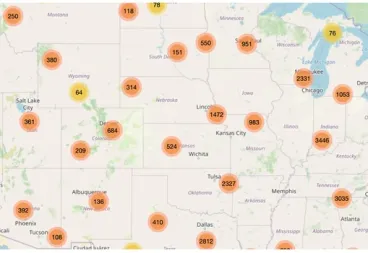
AI-generated illustration.
Keep the evidence you used to describe the animal alongside the estimate. The cattle record-keeping guide helps organize that history without turning records into an automatic valuation adjustment.
Common questions
Is this an appraisal?
No. It is market math from the selected auction records, with the comparison group and limitations shown. It does not evaluate the individual animal.
Why did the result broaden after I selected a breed?
The narrower group may not have enough priced records. Read the displayed fallback label; the broader result has fewer matching constraints.
Should I price every animal at the median?
No. The median describes the dataset. It does not incorporate the individual evidence, sale terms, or every factor relevant to a buyer.
What if there is no result?
Treat that as insufficient supporting data for this calculation. Improve the animal’s records and seek relevant market evidence rather than presenting an unrelated estimate as an answer.
Do this next on Creatures
Choose the next step that fits your animal or program:
- Start an organization profile for your farm or breeding program.
- Add an animal profile to organize its identity and history.
- Add a record for a document, observation, or completed event.
- Explore the breeder directory to review profiles and contact breeders with specific questions.
- Save a search alert for listings matching your needs.
- Browse cattle on the marketplace and read each listing’s current terms.
For help getting started, read how to add an animal, save a record, and manage saved searches. You can begin the profile and record flows before signing in; saving your work requires an account.







