
Livestock Sale Listing Checklist: Photos, Records, and Buyer Questions
Author: Elliott Garber, DVM · Published
Before publishing a livestock sale listing, assemble the animal’s identity, recent photographs, relevant records, asking terms, and a workable handoff plan. The Creatures fixed-price listing guide covers the form itself. This is the final Creatures pre-publish check: use it just before you create a listing. A free account is needed, and publication requires the verification shown in the form.
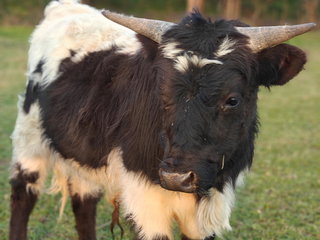
AI-generated illustration.
| First check | Correct animal and public profile |
|---|---|
| Photos | Current, clear, and representative |
| Description | Facts, limitations, and intended use |
| Records | Relevant evidence with privacy reviewed |
| Terms | Price, availability, and fulfillment |
| Approval | Application decisions do not reserve an animal |
Start with one animal and a reliable identity
Open the correct animal profile before preparing the listing. Check the name, species, breed, sex, and date of birth or recorded age. Match a tag, tattoo, or registration identifier to the animal and its source paperwork. Similar names in the same herd are an easy way to attach a good document to the wrong animal.
Keep breed appearance separate from documented breed status. A black coat does not prove an animal is registered Angus. A pedigree chart is not the same thing as a registration certificate. If an animal is a cross, use the information you can support rather than selecting a pure breed because it is easier to market. The cattle species guide and relevant breed pillars, such as Brangus, can give readers background without making claims about your individual animal.
Do not guess an exact birth date to make a form look complete. If age is estimated, say so. If paperwork is pending, describe what is pending and who must complete it. A buyer should not have to discover the difference after arranging transport.
Build a photograph set with different jobs
Use current photographs of the animal being sold. Include a clear full-body view, another useful angle, and a closer image that helps identify the animal. Avoid filters, distracting crops, or a camera angle chosen to hide a relevant physical feature. Photograph from a safe position, without crowding or provoking an animal to improve its pose.
The listing form requires at least three photos; the first acts as the main image. Review their order deliberately. A lovely landscape is a weak first photo if a buyer cannot tell which animal is offered. A group photo also needs an explanation of exactly which animal is included.

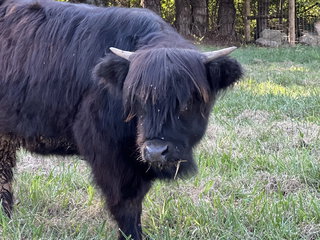
AI-generated illustration.
For a real listing, use real photographs of the offered animal. Generated artwork cannot establish identity, conformation, current condition, or ownership. The full cattle-selling guide covers photography and descriptions in more detail; this checklist focuses on what the Creatures form needs before publication.
Write facts that answer the buyer’s next question
Organize the description around the decision the buyer needs to make:
- Identity and background: the animal’s role in your herd, documented age, and relevant registration status.
- Handling experience: what you have personally observed, in what setting, and how recently.
- Records: which dated documents are available to review and which are still missing.
- Intended fit: the use you are offering the animal for, without promising outcomes you cannot guarantee.
- Included items and next steps: paperwork, any agreed supplies, and the process for arranging a visit or pickup.
Specific observations are stronger than sweeping labels. “Walks into the handling area with the herd” says something different from “safe for any beginner.” “A veterinarian examined her on the attached date” is different from claiming that she will remain healthy. Let the dated evidence carry its actual scope.
For breeding stock, distinguish a recorded breeding or exposure from a confirmed pregnancy, and keep a veterinary finding attached to its date and source. The listing should not turn an estimate into a guarantee. A buyer evaluating breeding suitability should discuss the animal and available records with their own veterinarian or other qualified adviser.
Gather records without publishing everything
Keep the relevant health, measurement, registration, and pedigree documents with the animal’s records. Check that attachments open and are legible. The records guide explains how to attach information, while the health-records guide helps distinguish record types.
Review documents before sharing them. An invoice might include a home address, account detail, or another customer’s information that a buyer does not need. A screenshot of a folder is not a readable record. Share what supports the claim and keep unrelated information out of the public description and photos.
If documents disagree, resolve the conflict or explain the uncertainty. Do not silently choose the version that makes the animal more attractive. A short note that a registry correction is underway is more useful than a confident number with no clear origin.
The cattle record-keeping guide helps you collect identity, breeding and health information into a history that can support the listing.
Set a price and explain what it covers
Make the asking amount consistent across the listing and any conversation about it. State whether a named item or service is included. Do not imply that your asking price is the buyer’s complete cost when fees or separately agreed delivery may apply.
A market estimate can inform the discussion, but it cannot prove the value of this animal. The livestock value calculator guide explains how sample size and broader comparison groups affect a public range. Records, condition, use, local demand, and the actual terms still matter.
If you need to review buyers, turn on Require buyer approval and choose the Buyer Application Form that belongs to the seller account, you or your farm. Explain the process plainly. An application is not a completed purchase or a promise that the animal will be held indefinitely.
The livestock pricing guide helps you assemble price evidence. For the wider selling process, use the step-by-step selling guide and livestock seller strategies. Keep this page as the final form check, rather than repeating the whole marketing plan.
Choose handoff methods you can actually support
Read the fulfillment choices as commitments. Offer buyer pickup only if you can arrange a workable collection. Do not select a delivery method merely because it appears in the form. Agree on timing, responsibilities, and any required movement paperwork with the buyer before the animal travels.
Animal movement requirements depend on the route and animal. Use the relevant official animal-health authority and veterinarian for the actual journey. A sales listing is not a health certificate or a substitute for those checks.
For cattle, interstate moves can require official identification and a certificate of veterinary inspection (CVI). Check the USDA APHIS traceability guidance, your state animal health official and the livestock health certificate guide. Brand-law states may also require an inspection when ownership changes; the cattle brand lookup guide explains why a brand record and an inspection are different checks.
Before sharing a pickup location, make sure the date and contact person are settled. If a professional transporter is involved, confirm that service separately; a directory entry or a platform option does not establish that a provider is available for your trip.
Before you press publish
Confirm the requirements in the form:
- The correct animal has a public profile and no other active listing.
- At least three current photos are attached, with the intended main image first.
- The description contains at least 25 words and makes supported claims.
- The price and fulfillment choices match what you can deliver.
- A private link needs a verified phone; a public listing needs phone and ID verification.
- The fee summary has been read, including seller fees and any buyer fee or seller-covered fee. Quote the actual total and terms rather than assuming the asking amount covers everything.
Fixed price is one format; auction listings are another. Read how seller payout works before promising when funds will be available. A payout account is not required merely to create the listing.
Preview the listing as a buyer

AI-generated illustration.
Read the photo, description, price, records, seller identity, and handoff terms together. Look for contradictions. A description that says “not currently available” conflicts with a live purchase action. A photograph of two animals conflicts with a singular listing unless the offered animal is clearly identified.
Creatures distinguishes a draft, a private-link listing, and a publicly discoverable listing. A private link is accessible to whoever receives it; it is not a confidential record folder. Choose the visibility that matches your intent and follow the verification requirements shown in the form.
After a change in health, availability, price, or pickup terms, update the listing promptly. After a sale, keep the buyer’s next steps organized through an animal buyer follow-up plan.
Common questions
Can I leave the records until someone asks?
You can decide what to share publicly, but gather and check the supporting records before making the claim. Being able to produce the right document is different from assuming it exists somewhere.
Is a very long description better?
Only if it helps the buyer. A clear description that answers identity, suitability, evidence, terms, and handoff questions is more useful than repeated praise.
Do this next on Creatures
Choose the next step that fits your animal or program:
- Start an organization profile for your farm or breeding program.
- Add an animal profile to organize its identity and history.
- Add a record for a document, observation, or completed event.
- Explore the breeder directory to review profiles and contact breeders with specific questions.
- Save a search alert for listings matching your needs.
- Browse cattle on the marketplace and read each listing’s current terms.
For help getting started, read how to add an animal, save a record, and manage saved searches. You can begin the profile and record flows before signing in; saving your work requires an account.