
Farm Website Builder: Turn Animal Records Into a Useful Public Site
Author: Elliott Garber, DVM · Published
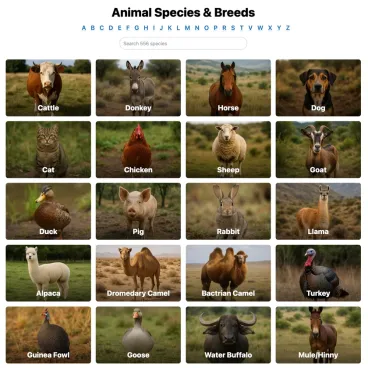
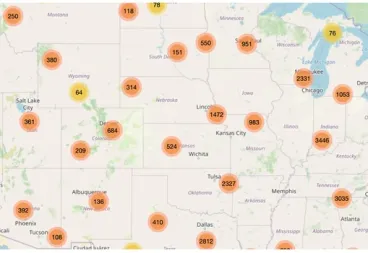
A farm website is most useful when buyers can see who you are, which animals are actually available and how to ask a question. Creatures Websites can build a site from an organization profile, animal records, pedigrees, litters and listings. The public cattle breed index shows the wider context, while your own site should make specific claims you can support.
| Job | Explore the website builder |
|---|---|
| Input | Farm profile, public animals and listings |
| Output | A published farm site |
| Limit | Verify visibility and availability |
| Next step | Create the organization profile that will own the site |
Start with trustworthy source records
Before choosing colors, complete the farm profile and check animal names, photos, availability, pedigrees and contact details. A website that updates from those records is only as accurate as the records. Decide which animals are public and which should stay private. Public animals can appear on your website by default. Hide from website removes an animal from the site’s animal and listing pages, while Show on website cannot expose a private profile. The Help Center’s site overview and visibility guide explain those choices.
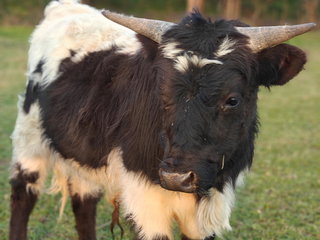
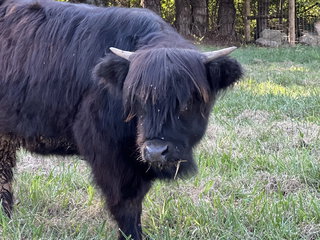
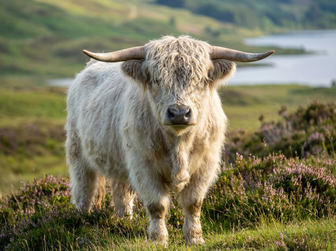
A Simmental breeder may show registration and performance context, while a Highland farm may lead with the herd story and available animals. Both should label actual records clearly and avoid promises based on breed stereotypes. The Highland cattle buying guide offers examples of buyer questions a farm site can answer in advance.

Build pages for real visitor tasks
Make the first page answer where the farm is, what it raises and how to contact it. Add an about page with the people and practices behind the animals, then pages for current listings, pedigrees, litters or services as relevant. Publish clear photos with truthful captions. The pages and sections guide and design guide cover the editor.
Creatures offers a free creaturesite.com address without ads. A custom domain is a Pro feature. The publishing guide explains what goes live and how updates work. Do not advertise a listing that has sold or imply that every animal on your farm is for sale.
Review the site as a stranger would

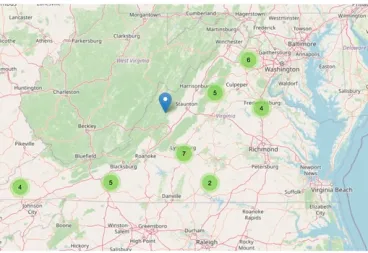
Open the published site on a phone. Can a visitor tell which animal is available, find its records and send a question? Are prices, terms and location current? Is private information absent? Check every link after a change. A site should build confidence through accurate details, not claim that Creatures has independently certified the farm. The breeder directory guide explains another way a farm can be found.
Frequently asked questions
Is a Creatures site free?
The creaturesite.com address has a free publishing option. A custom domain is part of Pro.
Does the site stay current by itself?
It can reflect connected records and listings, but you remain responsible for checking accuracy and visibility.
Can I keep some animals private?
Yes. Review the visibility controls before publishing and after adding new records.
Do this next on Creatures
Choose the action that fits your work today. Public tools can help you plan; saving an animal’s history needs a free account.
Create your farm presence. If you breed or keep animals professionally, create an organization profile and read the directory guide.
Start with the animal. Add your cattle. The guest flow can start before signup; see the profile guide.
Keep the evidence. Add a record for the observation or document. The sheet opens for visitors; a free account saves it. Read adding a record and health records.
Plan the next check. Use reminders and upcoming care after a professional plan or known follow-up date.
Watch for animals. Set a free cattle listing alert when supply is thin. Compare current listings and the breeder directory.
Keep learning. Explore the cattle breed page and open the organization profile for this task.