

Breeder Directory Profile Checklist: Help Buyers Understand Your Farm
Author: Elliott Garber, DVM · Published
A useful breeder-directory profile answers four questions quickly: who runs the program, which animals they work with, where they are based, and how a buyer should take the next step. Start by searching the Creatures breeder directory for your business before creating a new profile. An existing listing may already be yours to claim.
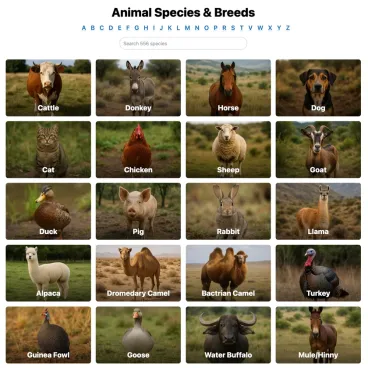
AI-generated illustration.
| Start with | Search for an existing farm profile |
|---|---|
| Listed identity | Breeder, farm, or ranch organization |
| Profile focus | Species, purpose, location, contact route |
| Photos | Real images of the farm and its animals |
| Claims | Specific and supported by records |
| Final check | Read the public profile as a visitor |
Claim the existing business before adding another one
A directory entry, your personal account, and an individual animal listing serve different purposes. Your account identifies you. An organization represents the farm or breeding program. A listing offers a particular animal or opportunity. Creating the first does not automatically do the other two jobs.
Search your business name, including an older name if you have changed it. Check the location and contact details on a possible match. Do not claim a similarly named farm simply because the name is close. If the entry is yours, use its claim control and follow the verification route offered there. If the listed contacts are obsolete, use the manual claim route instead of creating a second entry to work around the problem. The directory setup guide explains the current claim options.
For a new business, create an organization with the appropriate Breeder, Farm, or Ranch type. Fill in the species and breeds you actually work with. A person who raises dairy goats does not need to select every livestock species to appear useful. Accurate matching helps the right visitor understand your operation.
Write the introduction around real decisions
Avoid opening with a paragraph of praise for your own animals. Give the reader useful context first. For example, a fictional introduction might read: “We keep a small herd of registered dairy goats in western Virginia. Our breeding program focuses on family milk animals. We share registration and health records with prospective buyers and arrange visits by appointment.”
Each part has a job: location establishes the travel question; type of animal establishes fit; records tell the buyer what evidence to ask for; visits explain the next action. Replace every detail with your own facts. If registration, milk records, or planned litters are not part of your program, do not borrow those claims for the example’s tone.
Distinguish a goal from an established result. “Selecting for sound feet” describes a breeding objective. “Every animal has excellent feet” makes a claim about individuals. Likewise, a breed association membership does not by itself prove that a particular animal is registered, health tested, or suitable for a buyer’s plans.
For a dairy-goat program, the Alpine breed guide gives buyers breed context. Keep the organization description about your own work rather than repeating an encyclopedia entry from the goat species page.
Read the goat buying guide from the buyer’s side, then make it easy to find the corresponding information about your own program.
Choose photographs that identify the operation

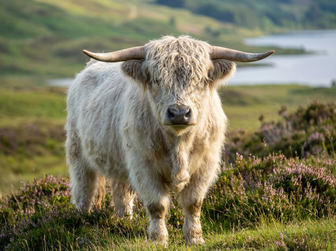
AI-generated illustration.
Use your own current photographs on the actual profile. A recognizable farm image, a clear representative animal, and a well-kept working area can answer different questions. A close portrait may identify an animal beautifully but tell a visitor little about your operation. A very wide landscape may do the reverse.
Check every edge of a photograph before uploading it. Remove images with visible private paperwork, vehicle plates, address labels, or people who have not agreed to appear. Do not use another breeder’s animal as if it represents your own stock. If you show an animal you no longer own, describe its relationship to the program accurately.
Use the goat record-keeping guide to prepare the evidence behind your profile claims before a buyer asks for it.
Make contact and ownership clear
Choose a business name and handle that people will recognize across your records and public pages. Check the contact method you expect buyers to use and keep it current. If several people work under one farm name, agree who answers incoming inquiries and who updates the public information.
Creatures organizations have different owner, co-owner, and team permissions. Give access according to the work a person does, rather than sharing one login. The organization and team guide explains the roles. A public contact person and a person allowed to change sales or payment settings are not necessarily the same person.
Write a realistic response expectation if it helps. “We answer messages after evening chores” is more useful than promising instant replies you cannot deliver. Do not place a precise pickup address in your description merely to look complete. Arrange arrival details deliberately when a visit is agreed.
Keep availability separate from the permanent profile
A directory description should remain useful when you have nothing for sale. Explain the species you keep and the kind of program you run. Put an individual animal’s current availability, asking price, and handoff terms in its listing, where they can be updated without rewriting your entire business introduction.
If buyers routinely ask about future animals, consider a clear application process instead of an informal promise that everyone is “on the list.” Our breeder waitlist guide explains the distinction between interest, acceptance, and a reservation. It applies beyond cats, even though the examples there use a cattery.
If you also publish a farm website, audit it separately. An organization description is not a privacy review of every photo, animal page, and website section. Use the farm website privacy checklist before sharing a new site widely.
A final profile check

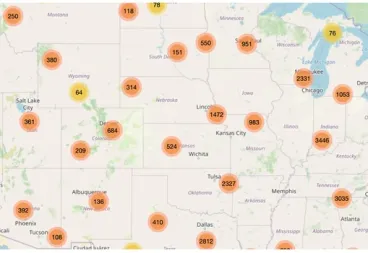
AI-generated illustration.
Read the profile as a visitor who has never heard of your farm. Can that person tell which business it represents? Are the species and location right? Do links open the intended pages? Are the photos current and yours to use? Does the description separate documented facts from breeding aims? Is the next step clear when there is no animal available today?
Then revisit the profile after a business move, a change in species, a new contact person, or a major change in your breeding program. A directory profile earns its usefulness by staying accurate, not by being long.
Common questions
Does a directory entry mean Creatures guarantees a breeder?
No. Treat it as a place to find and contact an operation. Buyers still need to check the individual animal, records, seller, and terms. A polished profile does not replace that work.
Should I create a second profile for a new litter?
Usually the litter belongs under the existing program. A new animal or group is not a new business identity. Keep the organization recognizable and use the appropriate animal, group, or listing tools for changing availability.
What if my business already appears with outdated details?
Start with the claim process on the existing entry. Correcting the right profile is more helpful than adding a duplicate with newer information.
If you manage a breed club rather than a farm, the member directory guide covers the separate roster, claim, and membership-standing checks.
Do this next on Creatures
Choose the next step that fits your animal or program:
- Start an organization profile for your farm or breeding program.
- Explore the breeder directory to search for your farm before creating a new profile.
- Add an animal profile to organize its identity and history.
- Add a record for a document, observation, or completed event.
- Save a search alert for listings matching your needs.
- Browse goats on the marketplace and read each listing’s current terms.
For help getting started, read how to add an animal, save a record, and manage saved searches. You can begin the profile and record flows before signing in; saving your work requires an account.







