Dairy Goat Milk Testing: DHIR, One-Day Tests and Your Herd Records
Author: Elliott Garber, DVM · Published
Dairy goat milk testing can mean a DHIR (Dairy Herd Improvement Registry) lactation record, a one-day milking competition or a verification test within a testing plan. They answer different questions. Keep the testing process with ADGA and your DHIA (Dairy Herd Improvement Association), and use Creatures’ Milking view for the quantities you collect and the herd records you keep between tests; you sign in to a free account to open it.
Program information checked November 12, 2026. This guide uses ADGA’s current program pages, its linked forms and National DHIA procedures. Check the current plan with your DHIA before beginning a lactation you want recognized.
| DHIR | A registry production-record program, not just a daily milk tally |
|---|---|
| One-day competition | A supervised event under separate ADGA rules |
| Verification test | An independent check required by particular plans or awards |
| Identity | Match the doe, registration number, herd code and freshening date |
| Daily milk log | Useful herd-management records; not an official submission |
| Before enrolling | Confirm plan, tester, laboratory, record center and verification requirements |
Decide which record you are trying to earn
ADGA’s production-testing program follows milk volume, components and herd information over time. Decide whether you want lactation information for management, ADGA recognition, genetic evaluation or a one-day result before choosing the plan.
Your DHIA helps arrange testing and records. A laboratory analyzes samples, and a dairy records processing center (DRPC) handles production information. National DHIA’s Uniform Operating Procedures distinguish data collection on the farm from laboratory analysis and require certified service providers.
For a new herd, contact a DHIA, establish the herd code and testing arrangements, then complete the ADGA application. ADGA does not issue the herd code. The DHIR FAQ explains that the association and registry applications are separate parts of starting on test.
Keep the selected test plan written down. ADGA’s forms page carries the current DHIR enrollment links. The 2026 new-herd form, checked November 12, 2026, lists supervised, innovative and Owner Sampler options. Choose the form for your lactation year. Ask what the plan requires for the recognition you want, including training, supervision and verification.
What a 305-day record means
A lactation record follows production from freshening. ADGA’s production-evaluation explanation describes milk, fat and protein yields through the first 305 days, along with test dates, days in milk and lactation status. A shorter record may be projected to a 305-day equivalent for evaluation. Keep a projection distinct from an actual completed record.
This does not mean you enter 305 owner milkings and send the total to ADGA. The plan and processing system determine the recognized record. Owner Sampler AR has additional minimum testing and lactation requirements; use the current instructions rather than assuming any home log qualifies.
Freshening and dry-off dates matter. Retain the report from the record center. When an identifier or date is wrong, correct it through the testing and registry process. Editing your farm copy alone does not repair the official record.
ADGA’s lactation year runs from October 1 through September 30. Check the enrollment year for a fall-freshening doe, even when your everyday notes use the calendar year. File the reports beside her registration and pedigree records.
How a one-day milking competition differs
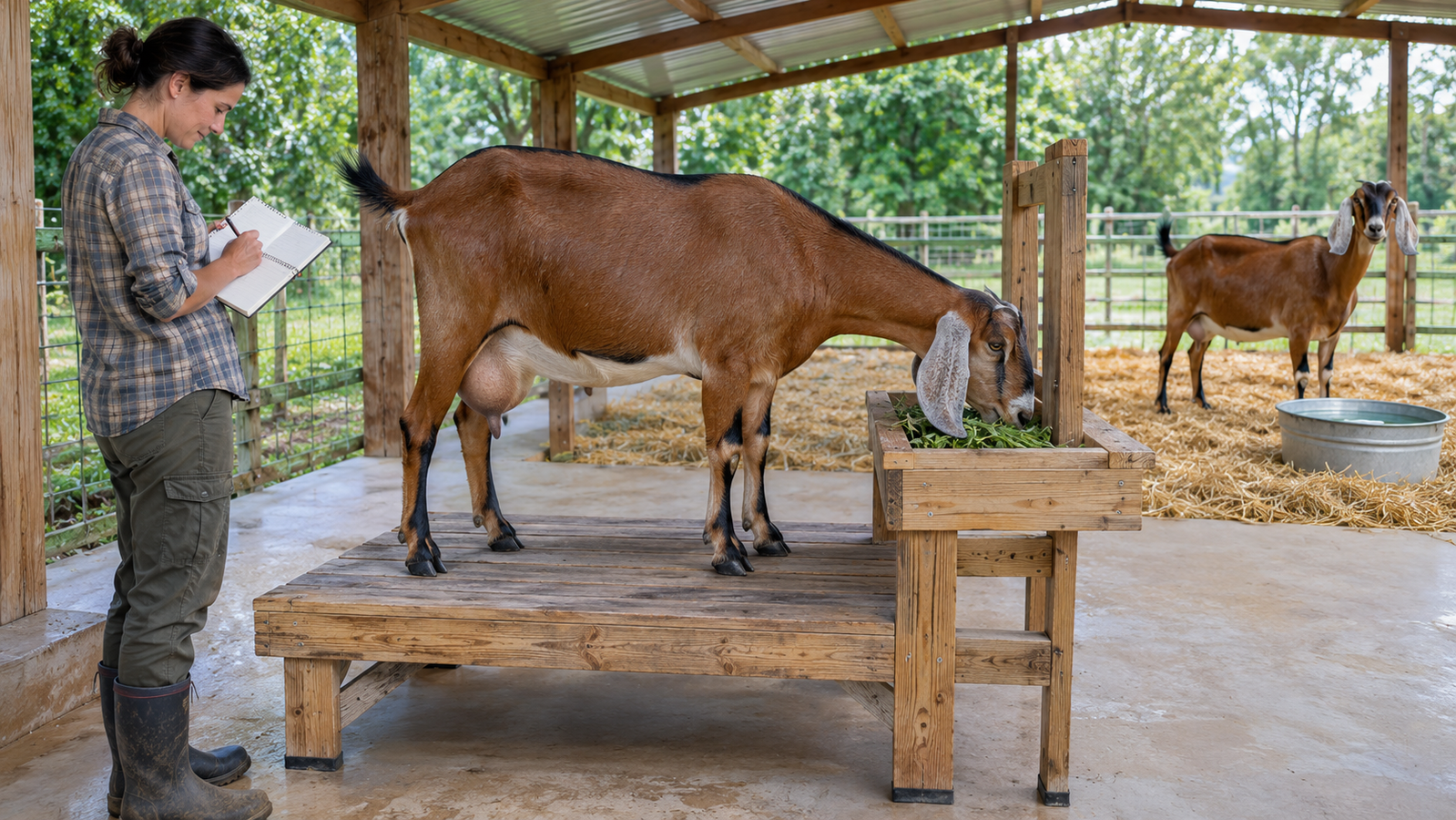
An official ADGA one-day milking competition is an approved, supervised event with its own rules. Eligibility includes registration or recordation in ADGA, AGS or the Canadian Goat Society. It uses an approved DHI supervisor, approved scale, laboratory component testing and identity checks.
The preliminary milkout is 24 hours before the final milking. The rules specify public observation and reports and certifications for ADGA. Nigerian Dwarf does have measurement requirements as well as tattoo identification. Ask the organizer what paperwork and equipment you must bring.
A one-day result is not a 305-day lactation record. ADGA’s FAQ says one-day results are not used for genetic evaluations. Keep the certificate, event date and exact award together so a sale description does not turn one kind of result into another.
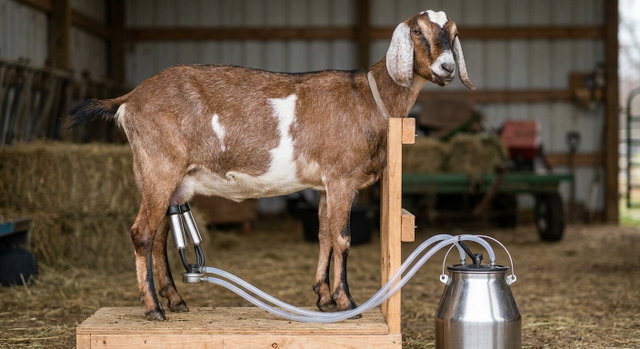
Our goat milking machine and stand guide covers equipment for your normal routine. Owning equipment does not make it an approved testing setup.
Arrange verification before it becomes a missing record
A verification test checks production under the applicable rules. ADGA’s verification-test supervisor guide describes validation across a 24-hour period, including a preliminary milking and test milkings. Your DHIA must approve the people and method.
Ask which verification requirement applies, when it must happen during the lactation and who arranges the additional supervisor. Keep the appointment and completed form together. ADGA’s current FAQ says an owner cannot do verification weighing or sampling, including when the owner normally collects an Owner Sampler record.
Tell the tester about the actual milking routine and whether kids are nursing. National DHIA procedures call for test-day management to represent the normal routine. A temporary change made only to alter a test result undermines the record.
Keep daily milk records on Creatures
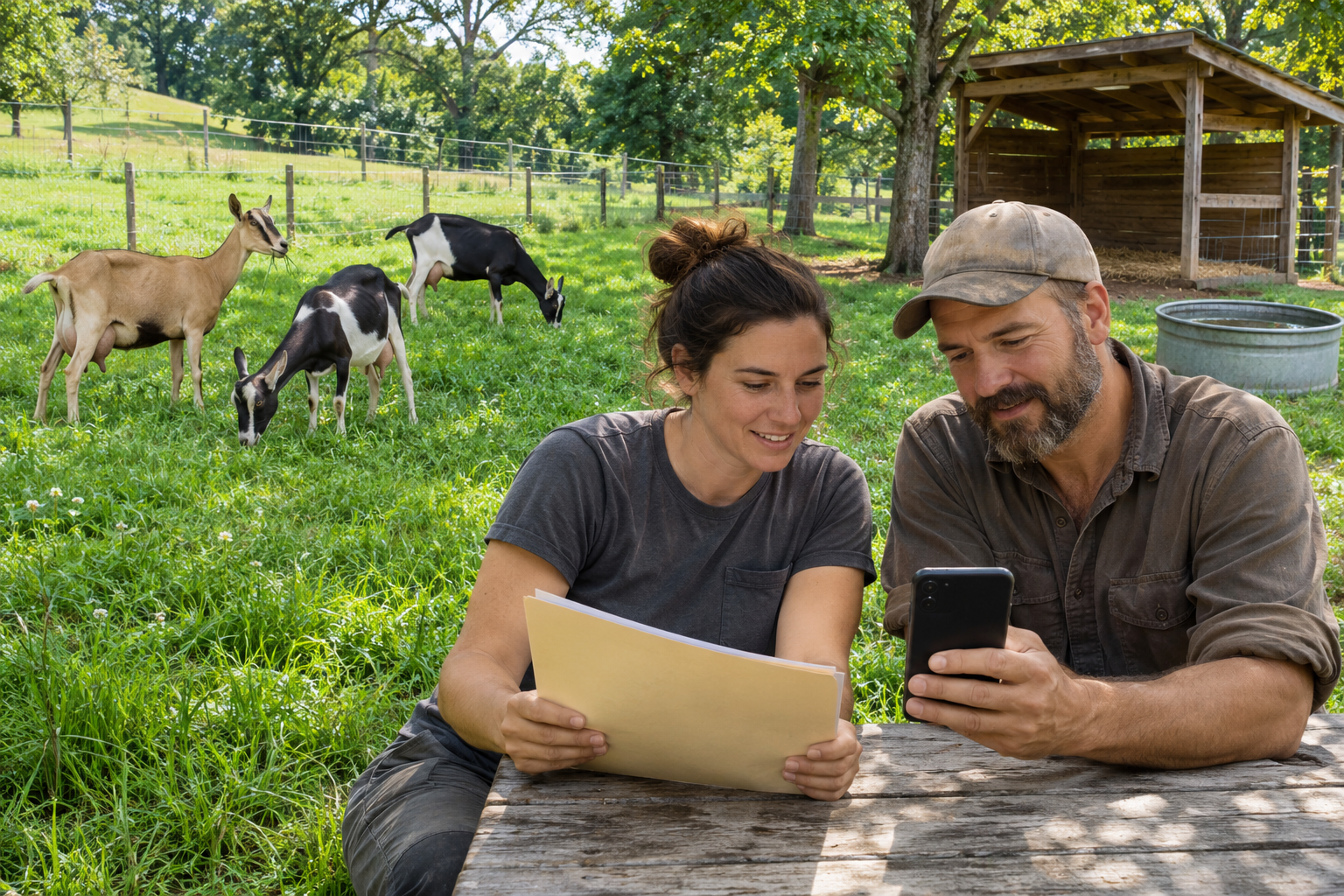
With a free account, open Milking and log what you collect for the animal. Keep the date, session, quantity and unit consistent. The Milking day view records the herd’s collection one animal at a time; it does not replace the tester or laboratory.
Preserve context: which doe was milked, her freshening date, the regular routine and observations to discuss with your veterinarian or tester. Keep the original laboratory or processing-center report. Do not relabel an owner measurement as a certified test.
Creatures does not submit a DHIR lactation or competition report to ADGA or your DHIA, certify a scale or award a milk star. Keep submissions and corrections in the program’s required process.
Use the goat record-keeping guide for the wider file. Keep the doe’s linear appraisal record, registrations and breeding history as separate evidence. The goat species page collects the related guides.
Before the next test day
Confirm identifiers, tester and plan, scale checks, sample supplies and report routing. Put verification dates and chosen appointments into care reminders.
Read the doe page when it arrives. Check identity, freshening date, test dates, units, components and status. Ask the testing provider or ADGA what needs correcting and retain the corrected report. Your own log is useful evidence, but it does not change the program’s decision by itself.
Do this next on Creatures
Keep milk dates, quantities and reports with the goat they belong to.
- Add your goat’s profile with its existing identifiers. Guest signup can start in this flow. How to add an animal shows the fields.
- Add the dated record. This opens for visitors; a free account is needed to save it. How to add a record explains the next step.
- Create your farm’s profile when several people or animals belong to the same program. Getting listed in the breeder directory explains the public profile.
- Save a goat listing search if you are planning future breeding stock, with email alerts for matching listings.
- Browse goat listings when you are ready to compare animals. Availability changes; there is no promise of a particular breed or listing.
- Browse the breeder directory to find a program rather than a particular animal.