

Farm Tour Booking Setup: Sessions, Capacity, and a Clear Visitor Plan
Author: Elliott Garber, DVM · Published
Set up a farm tour by defining the visit before opening the calendar: who it suits, what guests will do, how many people you can host, what the price covers, and how arrival works. Creatures can turn that plan into dated bookable sessions. The bookable-offering guide shows where to create the draft and finish its settings.
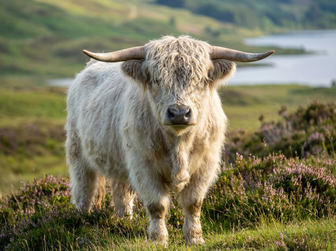
AI-generated illustration.
| Offering | A clear visitor experience and host |
|---|---|
| Format | Group session or one-to-one |
| Capacity | People per session and party limits |
| Payment | Match the selected payment option |
| Schedule | Dates, cutoff, and booking window |
| Welfare | Animal boundaries and handwashing |
| Calendar | One-way feed, not personal busy-time import |
Describe one specific experience
“Visit our farm” leaves many questions unanswered. A useful description tells a visitor whether this is a guided walk, an observation session, a class, or an appointment. Say which activities are planned, which depend on animal welfare or weather, and what is outside the visit.
For example, a fictional goat-farm tour might offer a guided walk past the herd, an explanation of daily care, and time for questions. It need not promise feeding, holding young animals, or access to every enclosure. Describe the experience you can reliably provide without making an animal perform to satisfy the wording.
Choose the host carefully. In Creatures, the offering belongs to the person or organization selected as its provider. Use your farm organization if that is the business the visitor is booking with. Offer as lists you and organizations you own or co-own. Confirm this before saving rather than expecting the host identity to change casually later.
The breeder-directory profile checklist can help you prepare the organization page visitors may open while deciding whether to book. The goat species page supplies background; your offering should explain the actual visit.
Plan the visitor route alongside the animals’ normal space. The goat shelter guide is useful when deciding which resting and feeding areas should remain undisturbed during a visit.
Match booking type, capacity, and price
Creatures distinguishes a group experience from a one-to-one appointment. For a tour that several parties may join, use the group experience settings. For a single guest’s scheduled lesson or appointment, use the appointment flow. Review the type before publishing because it affects scheduling and cannot simply be changed afterward.
A group experience also needs a decision about whether different parties can share a session. A private session reserves the time for one party. That is a separate decision from how the price is charged. Per-person pricing and a flat price for the booking answer different questions.
Consider a fictional private visit for one household. If the price is a single amount for that household, a flat per-booking price is easier to understand than a per-person price described as a family package. Conversely, an open tour charged per person should say who counts as a guest and how any available guest categories work.
Set session capacity from the real visit plan: staffing, path width, viewing space, handwashing, supervision, and animal comfort. The largest number that fits in a field is not necessarily a good tour capacity. Keep the maximum party size consistent with the session capacity and the way you intend to host.
Make the schedule operationally realistic

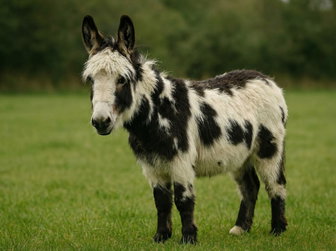
AI-generated illustration.
Create the actual dates and start times you can deliver. Include time to prepare, meet arrivals, finish questions, and reset before the next group. Set Buffer before and Buffer after (prep and reset time) so those gaps are built into availability. If feeding, veterinary work, or other farm duties occur at fixed times, account for them before opening slots.
Repeated schedules save setup work, but still need a review. Check holidays, planned closures, staffing gaps, and days when the animals or site should rest. Use blocked dates where appropriate. Do not assume that subscribing to the booking calendar imports all your personal calendar conflicts back into availability. The booking-management guide describes the feed as a copy of bookings sent to your calendar, not a two-way availability connection.
Set a booking cutoff that leaves enough preparation time. A visit that needs advance staffing should not remain open for last-minute reservations simply because the software allows a short cutoff.
Explain arrival before guests make the trip
Add the venue information and review the public location display. Decide what belongs in the public description and what booked guests need for arrival. Give a clear meeting point, arrival expectation, footwear guidance, accessibility information you can substantiate, and a contact route for problems.
Do not call a route wheelchair accessible unless you have assessed the actual route and facilities. Instead, describe concrete conditions such as gravel, slopes, steps, available seating, and distance. Visitors can then discuss their requirements with you before booking.
Use booking questions only for information that changes the preparation. A question about the party’s needs or a required guest list may help. Repeating details already collected by the booking process adds work without improving the visit.
If you use an agreement or waiver, choose the intended document and check the guest signing flow described in the booking agreement guide. An electronic signature does not replace safe operation, appropriate insurance, or advice about the document’s suitability.
Inspect the physical boundary as well as the booking description. Use the goat fencing guide when reviewing the enclosure, then assess visitor gates and access separately for your own site.
Build hygiene into the route

AI-generated illustration.
The CDC advises animal-exhibit operators to provide handwashing at exits, including sinks low enough for children to reach, separate food areas from animal areas, and train staff to explain the precautions. Plan those features into the route rather than adding a sentence to the booking page after everything else is set. Healthy-looking animals can still carry germs. See the CDC resources for animal exhibitors.
Tell visitors where to wash and keep eating and drinking outside animal areas. Children need active supervision. Children under five, adults 65 and older, and people with weakened immune systems face higher illness risk; children under five should not touch poultry, reptiles or amphibians. Use the CDC visitor guidance when preparing guest instructions, then discuss the particular animals and site with your veterinarian and relevant local advisers. Booking software does not assess the safety of the venue.
Review payment, changes, and the day itself
Choose the payment arrangement and cancellation policy shown in the offering editor. Read the resulting guest information before publication. A deposit, full payment, and reserve-only booking create different expectations. Make sure your description does not promise a refund or price that conflicts with the selected settings. Check Customers will see and the fee note under Pricing. Depending on the host’s plan and payment setup, an online booking may include a guest service fee. Quote an all-in price only when it matches the total shown to guests.
Have a weather plan. Decide who monitors conditions, when you make a cancellation decision, and how you will handle affected bookings. For an existing session, use its booking controls and check the outcome rather than merely deleting a date from your description.
Before the first visit, review the guest list, questions, and any agreement status. Check-in records arrival; it is not a payment or refund action. Afterward, note what caused confusion and improve the next session’s description or schedule.
Common questions
Can I save the offering before it is public?
Yes. Prepare it as a draft and complete the required information before publishing. The public listing should reflect a visit you are ready to deliver.
Can a calendar feed prevent double booking with my personal events?
The booking feed copies bookings into a calendar. It does not read your other calendar events and block those times for you. Review availability separately.
Should I put every farm animal on the public website?
Only the content you deliberately want public belongs there. Use the farm website privacy checklist to review animal visibility, photographs, and arrival information separately.
Do this next on Creatures
Choose the next step that fits your animal or program:
- Start an organization profile for your farm or breeding program.
- Add an animal profile to organize its identity and history.
- Add a record for a document, observation, or completed event.
- Explore the breeder directory to review profiles and contact breeders with specific questions.
- Save a search alert for listings matching your needs.
- Browse goats on the marketplace and read each listing’s current terms.
For help getting started, read how to add an animal, save a record, and manage saved searches. You can begin the profile and record flows before signing in; saving your work requires an account.







