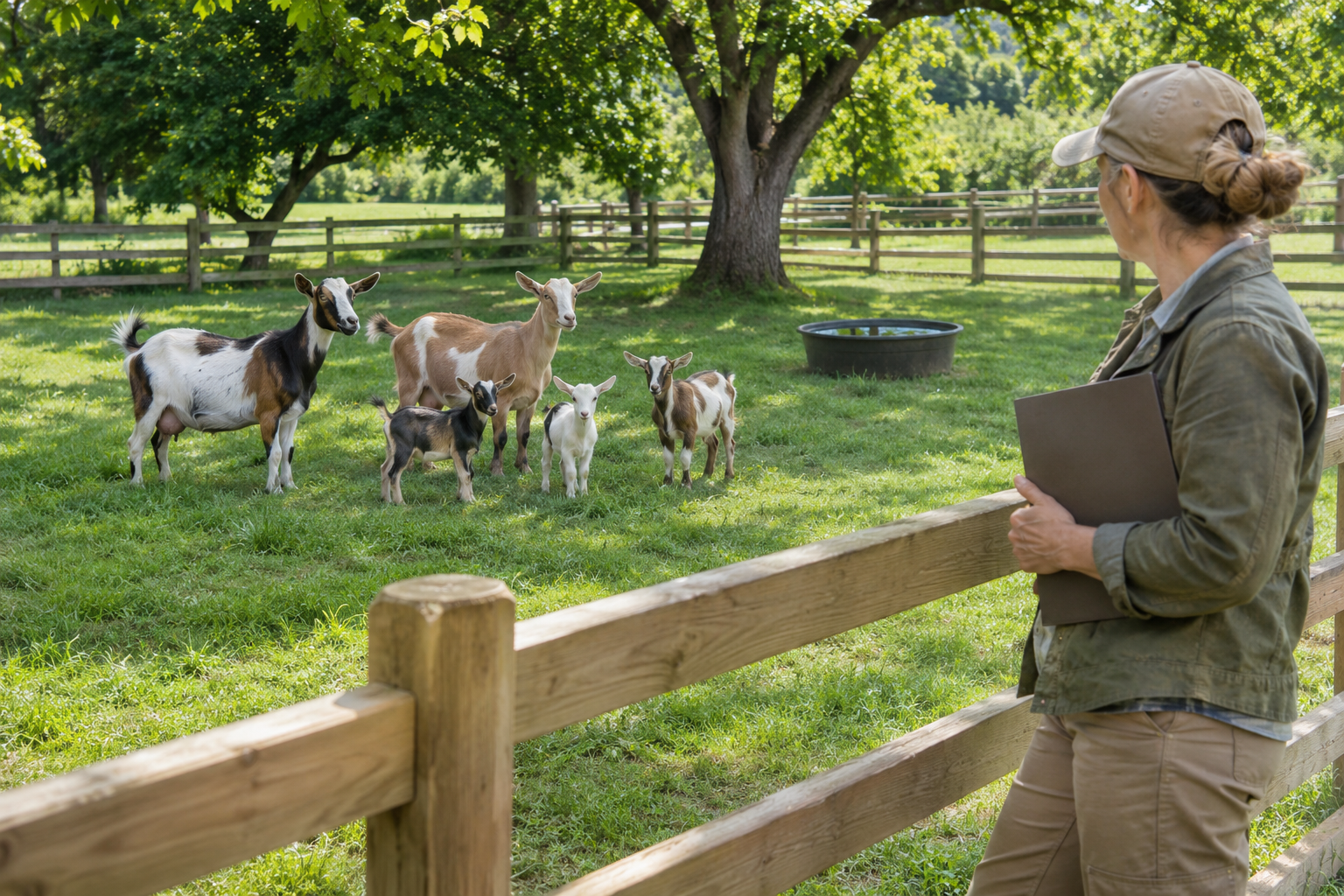
Selling Goat Kids: Pricing, Reservations, Papers and Handoffs
Author: Elliott Garber, DVM · Published
Selling goat kids goes more smoothly when the kid’s identity, papers, price and agreed pickup terms stay together from the first inquiry to the handoff. Start with the kid you actually have, or a clearly described place on a future-kidding waitlist. Creatures for breeders connects animal profiles with listings, applications, reservations and the records that go with a sale.
This guide is for a breeder who already has goats and needs a workable sales process. It does not assign an average goat-kid price. A registered breeding prospect, an unregistered companion and a wether are different offers, and a price without the animal’s details and sale date says little about your own kid.
| Name the offer | A specific kid, a future preference or program interest |
|---|---|
| Identify the animal | Birth date, sex, breed, parents and permanent ID where assigned |
| Describe papers | Registered, application pending or no registration papers |
| Agree the money | Total price, deposit purpose, balance and refund or cancellation terms |
| Plan the handoff | Readiness, pickup, documents and the receiving herd |
| Keep the history | The original agreement, payments and dated animal records |
Decide what you are offering before taking a reservation
Make a separate entry for each kid once the kids are born. Use a stable identifying name or number, then add the permanent ID when it is assigned. Keep the dam, sire information you can support, birth date, sex and current photographs with that entry. Our goat record keeping guide gives you a structure for the underlying herd records.
Describe the kid’s intended use accurately. A breeding prospect is a prospect, not a promise about future milk yield, conformation, fertility or show results. A wether is a castrated male; describe its actual status rather than offering it as an intact breeding buck. For companion placements, ask about the receiving herd, housing and handling plans. The goat species guide is a useful common starting point when a buyer’s experience differs from yours.
For a kid not yet born, distinguish interest in a planned pairing from a reservation on an identified animal. Write down preferences, what you will retain, how choices will be offered and what happens if the expected sex or number of kids is not available. A waiting list is useful precisely because it can record interest without pretending an unborn kid already exists.
Registered, pending papers or unregistered
Use the status you can document today. If the kid is registered, identify the registry and registration number and show the matching papers. If an application is pending or the buyer will receive an application, say that. If no registration papers are included, say so before discussing a deposit.
Do not use a dam’s or sire’s registration as if it were the kid’s certificate. Keep names, tattoos or other identifiers consistent across the kid profile, pedigree and documents. The ADGA registration guide covers that registry’s application job, and the goat pedigree guide helps you check the ancestry you are sharing. Use the goat pedigree chart maker for a readable chart of the information you have; your chart does not replace a registry-issued document.
Registry transfer and a Creatures profile transfer are separate tasks. Agree who will complete each one and how the buyer will know it has been done. Do not describe an app ownership change as completion of a registry transfer.
Set a price for this kid, not an invented market average
Start with a written description of the actual offer. Note the kid’s identity and intended use, the papers included, the records available and any services included in the price. Keep the asking price separate from an accepted sale price in your own history. For dated, sourced price ranges by type of goat, see how much a goat costs. Those benchmarks do not set the price for your kid.
Use your dated completed-sale records when comparing what buyers have paid for your program. If you also look at other offers, compare like with like and retain the date and source. An advertised price does not establish that an animal sold for that amount. A famous ancestor, a different region or a different registration status can make an apparent comparison unhelpful.
A simple pricing worksheet can hold the offered kid, asking price, what is included, deposit received, balance due and eventual completed price. You do not need to publish a universal price range to make the offer clear. Update the listing and the written terms together when you change the price.
Keep applications, reservations and deposits distinct
An application answers questions about a possible home. A waitlist records interest or preferences. A reservation records the animal or priority you have actually agreed to hold. A deposit is a payment with agreed terms. Do not let one label silently stand in for the others.
Before money changes hands, discuss:
- Which identified kid or defined future preference the payment relates to.
- The total price, amount already paid and when the balance is due.
- Whether and when the deposit is refundable, and how cancellation or an unavailable kid will be handled.
- Your retention choice, any agreed substitution and whether a buyer may decline that substitution.
- Pickup arrangements, delays, transport responsibility and the documents to be supplied.
- The specific health or registration statements being made, with the supporting reports and dates.
These are points for an agreement, not a ready-to-sign contract. Penn State Extension’s agricultural risk guidance recommends written agreements reviewed by an attorney. Have your own attorney adapt the terms to your situation; a software form cannot decide their legal effect.
Make the listing and website answer the same questions
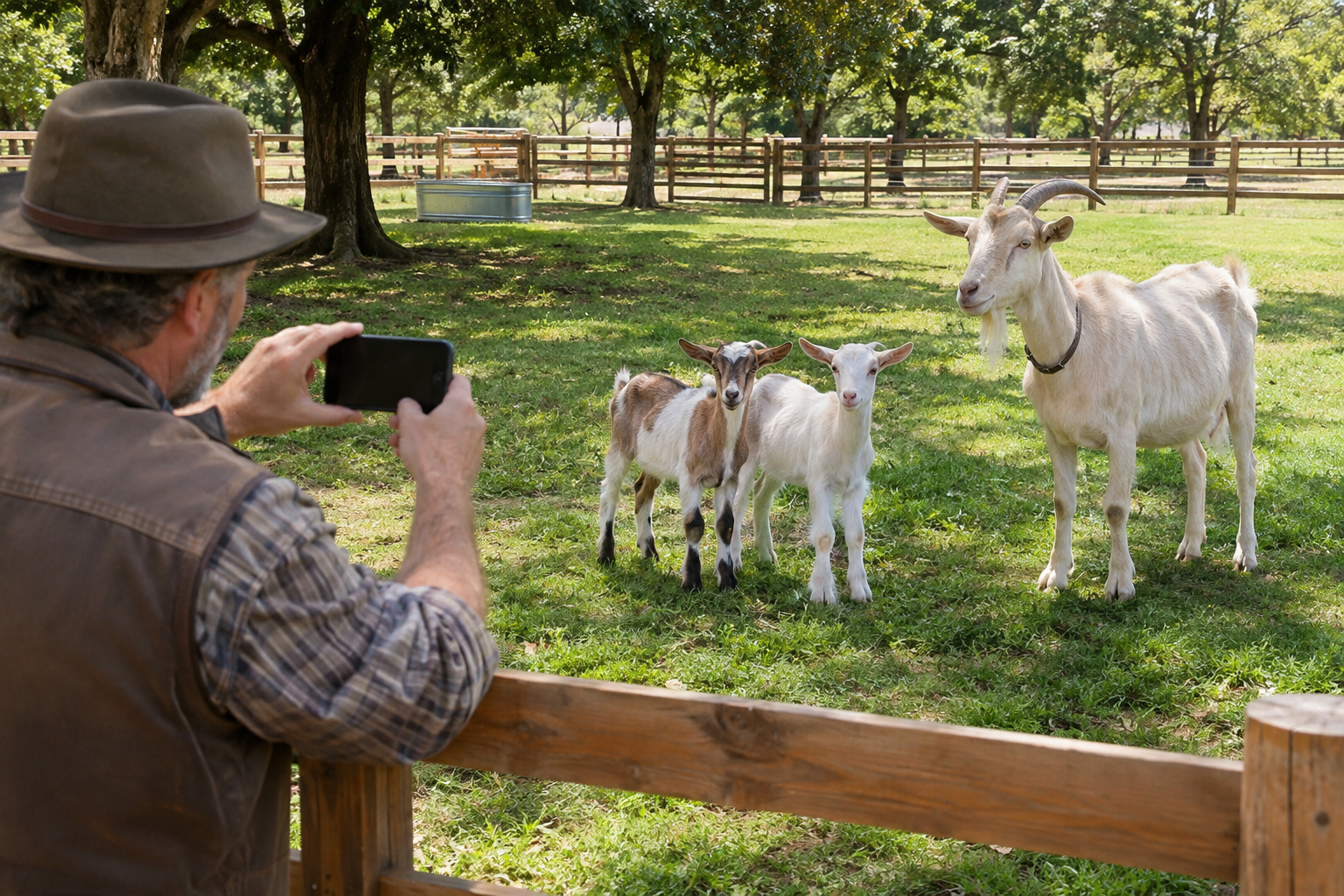
Use current photographs and a description that matches the kid’s profile and papers. Include the animal’s status, what comes with it, the price or way to discuss it, and the next step for a prospective buyer. If a kid is held or sold, update the public information so another family is not working from an old offer.
A free Creatures website can present your program from the records you keep. Listings, applications and waitlists can help connect an inquiry with the relevant animal or group. Choose the questions and terms you want to use, then review the submitted answers; an application is not an automatic approval of a buyer.
Keep the working record useful even if a buyer first contacts you elsewhere. Record who is interested, which kid the discussion concerns and the agreed next step. Avoid spreading the deposit terms over a listing, a message thread and a different document with no clear final version.
Prepare the kid and its record packet for handoff
Agree readiness from the kid’s actual condition and care history rather than using the sale date as a weaning deadline. The when to wean goat kids guide separates that management decision from a reservation. Give the receiving keeper the feeding routine and relevant care records, and discuss how the kid will join its new group.
For health reports, match the animal ID, specimen and collection date to the document you are sharing. A dam’s test result is not a test performed on her kid. Our CAE, CL and Johne’s testing guide explains the differences between reports and why a single result is not a herd guarantee. Share the actual report and the veterinarian’s interpretation rather than replacing them with a broad “clean herd” label.
At pickup, check the kid against the agreed identity and documents together. Keep the final agreement, payment record and handoff date. Agree how registry paperwork, the Creatures profile and any follow-up documents will reach the new keeper. These are separate handoff tasks even when they happen on the same day.
What selling through Creatures costs
Checked November 12, 2026, the Creatures pricing page says animal profiles, records and listings are free and unlimited. A completed marketplace sale normally carries a 5% buyer service fee and a 5% seller service fee. Optional Pro is $499 a year or $49.95 a month on a 12-month plan and removes the seller service fee. The buyer fee remains, although a seller may choose to cover it.
Ownership transfers are priced separately: the first is free, then $19.95 per transfer; Pro removes that transfer fee. Keeping a free record book or publishing a listing does not make every transaction or transfer free. Read the current pricing before quoting a buyer’s total or planning the payout.
Questions breeders need settled
Can I take interest before kidding? Keep future-program interest or a defined preference distinct from a reservation on an identified kid. Make retention, availability and cancellation terms clear.
Must a companion kid have registration papers? Describe the actual offer and the documents included. Do not imply registry status you cannot demonstrate, or promise future registration without checking the relevant registry’s requirements.
Does a deposit prove the sale is complete? Record what the payment does under the agreed terms. Keep the reservation, balance, pickup and completed handoff as distinct events.
Do this next on Creatures
- Add the kid’s profile and keep its identifying details together. See adding an animal.
- Add the next record or document. The form opens for visitors; a free account saves it. Read how to add a record.
- Create a sale listing when the kid’s description and terms are ready. This seller action requires sign-in.
- Create your farm or breeder profile and connect the public program with your records. See getting listed in the breeder directory.
- Save a goat listing alert if you are also looking for stock. Availability changes; the alert follows your search.
- Browse current goat listings to see available offers.
- Browse the breeder directory to find farms and programs to contact.