When to Wean Goat Kids: Growth, Feed Readiness and Individual Records
Author: Elliott Garber, DVM · Published
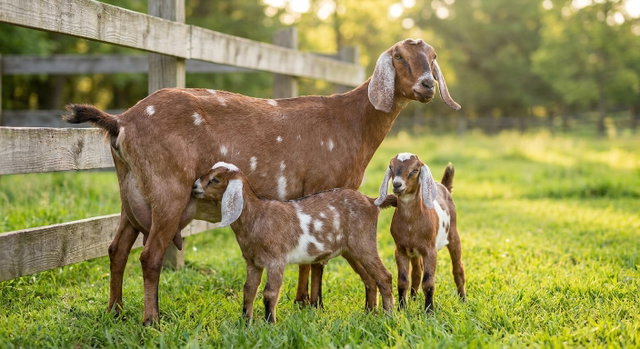
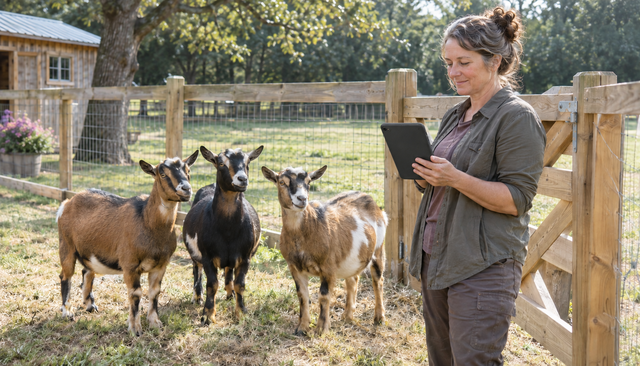
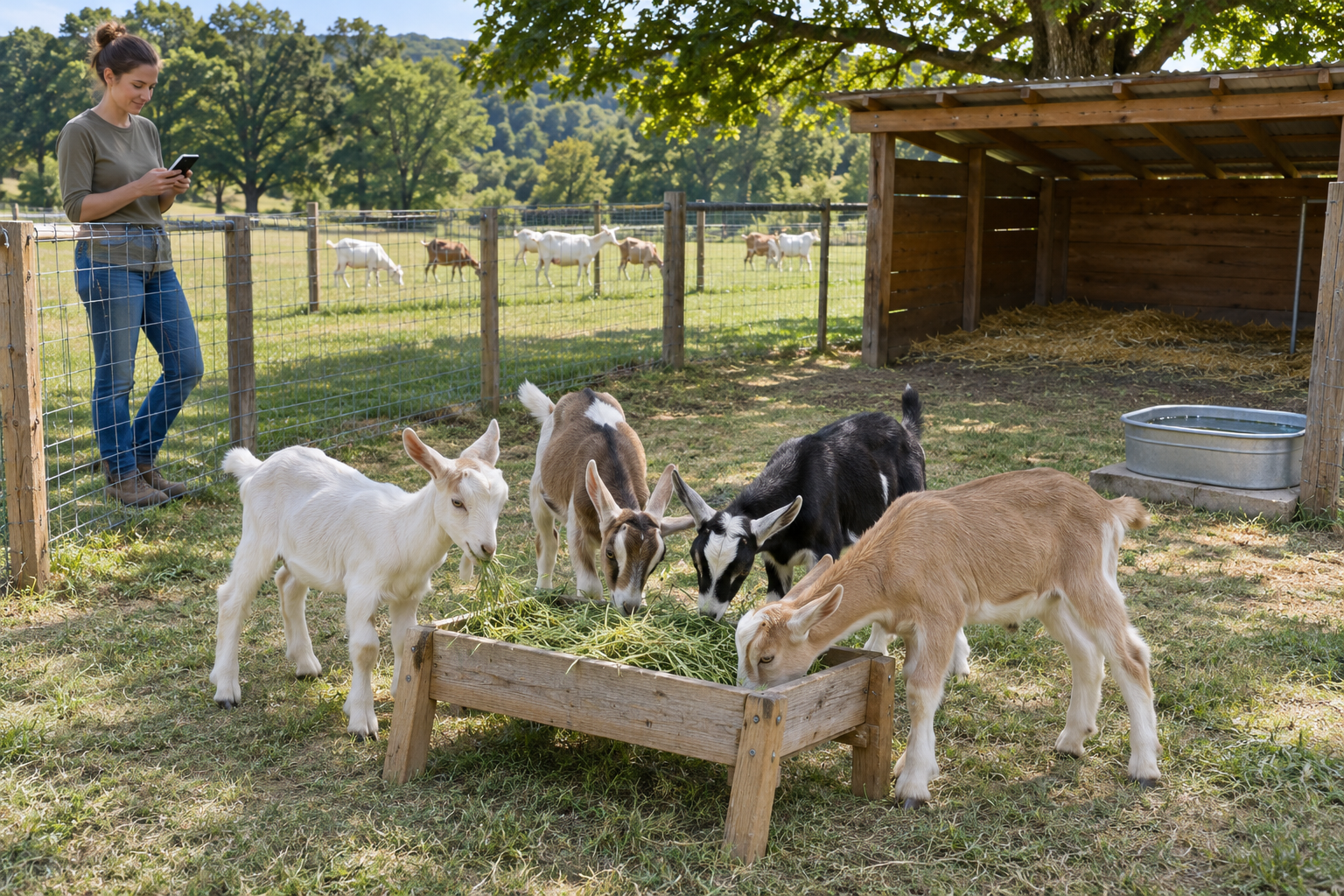
Wean goat kids when they are healthy, growing and reliably eating enough solid feed to replace milk, rather than at one birthday or body weight for every breed. Dam-raised kids and bottle kids may reach that point on different schedules. Keep dated weight and care records on Creatures to judge the individual kid instead of the average in the pen.
Sources checked November 12, 2026. Benchmarks below are attributed to their extension sources and production systems. Use your herd veterinarian or nutrition adviser to set the plan, especially after illness or poor growth.
| Main decision | Healthy growth and reliable solid-feed intake, with water and forage |
|---|---|
| Bottle kids | Readiness may take six to eight weeks in Maryland Extension guidance |
| Dam-raised meat kids | Penn State gives two to three months as a general production guideline |
| Weight | Use growth from birth and breed context, not one weight for all kids |
| Watch individuals | Group feed disappearance does not prove every kid is eating |
| Keep stable | Avoid combining weaning with sale, transport or a new group |
Age is a planning window, not proof of readiness
University of Maryland Extension’s bottle-feeding guide says milk should not be decreased until kids are eating significant amounts of grain and forage, which may take six to eight weeks. It pairs adequate intake with a benchmark of 2.5 times birth weight. The conditions belong together; weight alone is not the whole test.
For dam-raised meat-goat systems, Penn State’s production guide gives two to three months as a general weaning age. That is a production guideline, not a requirement for every bottle kid or a reason to remove milk before a dam-raised kid is ready.
Know the kid’s birth date, rearing method, growth and observed eating. A kid recovering from illness or falling behind its companions needs an individual decision.
Use weight as a trend, with context
Ontario Goat guidance hosted by Ohio State’s Small Ruminant Team considers birth-weight multiples and feed intake together. It describes roughly 2.5 to 3 times birth weight and about 1% of body weight in solid feed as benchmarks for its artificially reared kids. These are checks within that system, not a universal ration or guarantee of readiness.
Use each birth-weight comparison within its own feeding system. These source-specific benchmarks do not establish one fixed weaning weight for Boer and Nigerian Dwarf kids. Keep the individual birth weight, later growth and observed intake together.
Use a suitable scale and keep the unit. If a scale is unavailable, the goat weight calculator and goat weight guide discuss measurement and estimation. Label an estimate. A tape-based figure does not replace every management decision needing an accurate weight.
Weigh under comparable conditions where practical and keep the earlier measurements. The useful question is whether growth continues through the change, not whether the last number looks large enough.
Confirm each kid is eating
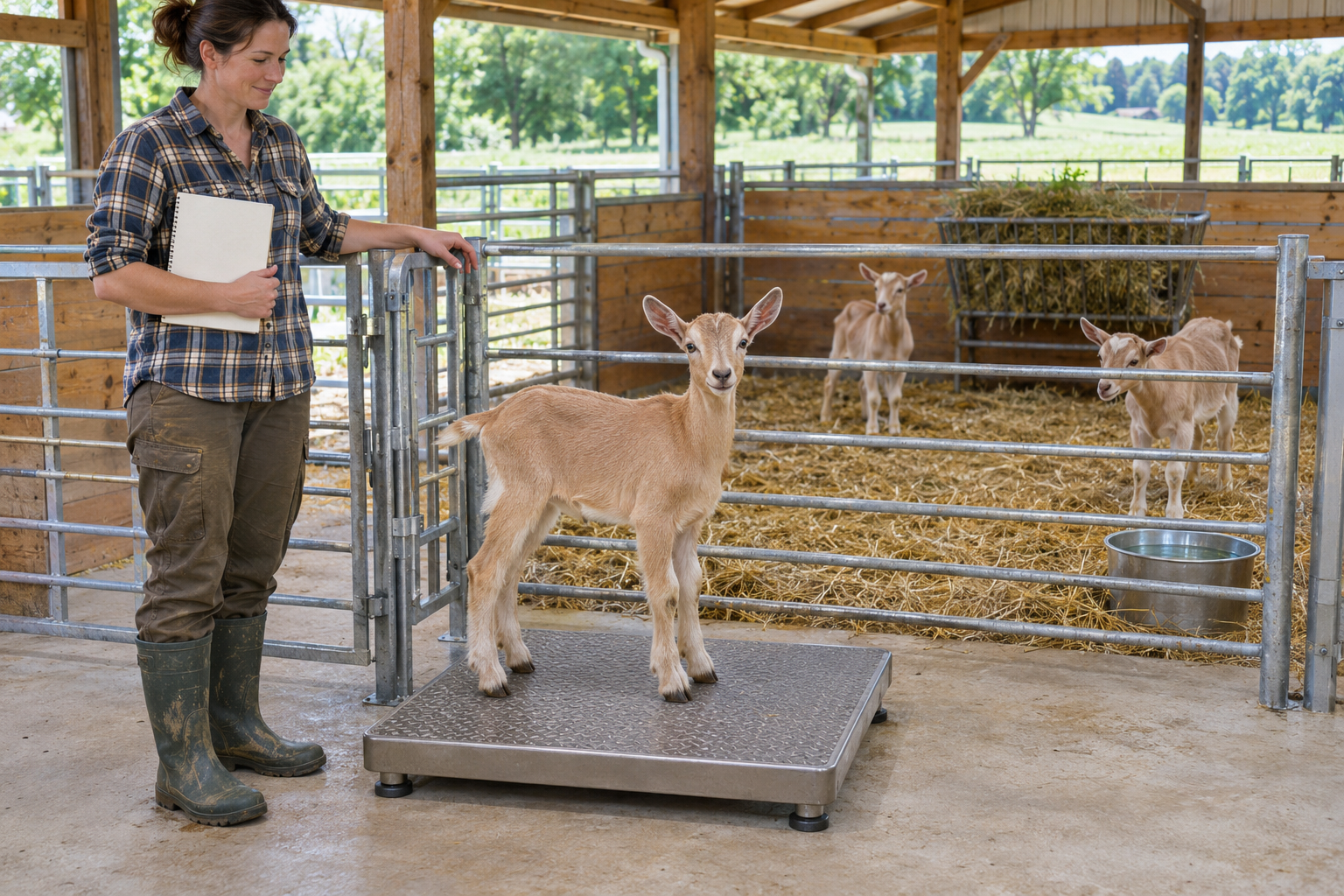
Feed disappearing from a shared feeder does not show how much the smallest kid ate. Watch feeder and water use, including whether a timid kid is pushed away. Keep water, good-quality forage and the kid feed chosen for your system accessible.
Penn State’s creep-feeding guidance explains how kid-access space limits competition from adults. It recommends small fresh offerings and removal of feed contaminated with feces. Established eating should come before milk removal.
For bottle-raised kids, keep the earlier feeding history. Our bottle-feeding goat kids guide covers that routine. A kid relying on milk is not weaned merely because it nibbles hay beside companions.
For dam-raised kids, separate the nutritional decision from physical separation. Check intake and growth, and plan the doe’s continued milking or dry-off with your herd adviser. Record when dam access changed as well as when milk ended.
Choose a withdrawal method for your system
Recommendations differ. Maryland’s factsheet describes abrupt withdrawal once intake and growth conditions are met. The Ontario Goat article hosted by Ohio State describes gradual milk reduction over several days. Do not combine fragments into a new schedule and assume it was checked.
Agree on the approach with the veterinarian or nutrition adviser who knows the system. Keep the plan, actual changes and observations. If a kid becomes ill or stops growing, seek advice and reassess rather than forcing the calendar date.
Both sources emphasize limiting additional stress. Keep familiar companions and surroundings where possible. Avoid combining weaning, a pen move, unfamiliar animals and sale or transport. For dam-reared kids, include the doe’s care in the plan. Penn State also advises sorting weaned kids into male and female groups, because many meat goat kids reach puberty by four months.
Keep the kid group’s history on Creatures
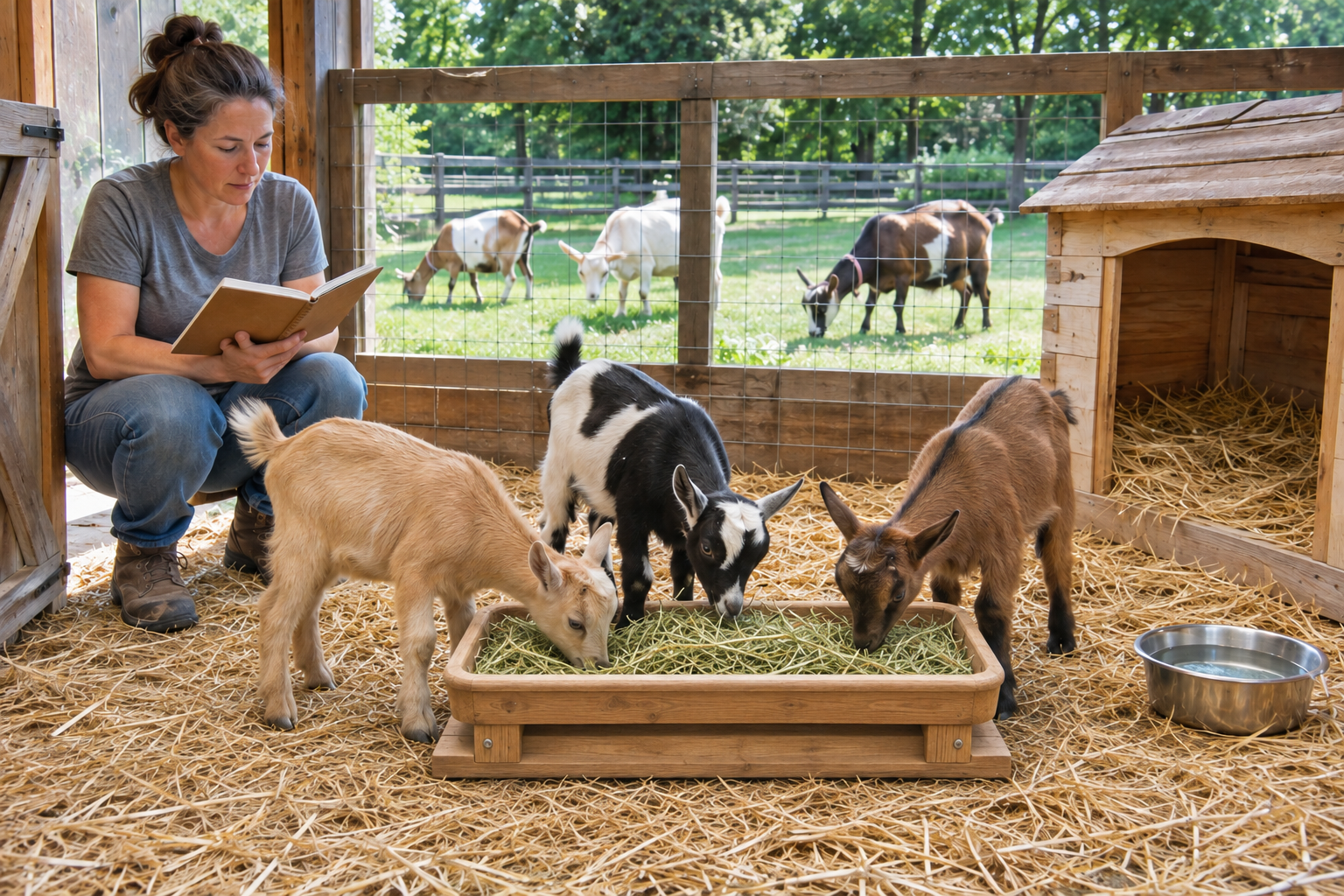
Start with the birth or kid group and create individual profiles as identities are established. Record birth date, rearing method and birth weight where known. Add later weights with dates and units; keep illness and feed observations with the animal that needs them.
Before changing milk, record actual intake, the measured weight, whether it was measured or estimated, and the planned change. Afterward, record what happened. Group notes help with shared management, but should not hide a kid needing a different plan.
Use care reminders for checks chosen with your adviser. A task reminder does not determine biological readiness.
The goat kidding guide covers the birth record that starts this history; the goat feeding guide covers wider forage and feed context. The goat species page collects the related guides.
Check the change before a kid leaves the farm
Keep observing appetite, condition and growth after milk ends. Weakness, dehydration, persistent diarrhea or refusal to eat need prompt veterinary advice. Do not assume the cause is ordinary weaning stress.
A sale date should not be the first evidence that a kid can manage without milk. Maryland recommends time after weaning before a move to another farm. Preserve the actual feeding and weight history so the buyer understands what the kid has been doing.
Do this next on Creatures
Keep each kid’s growth and feeding history with the goat it belongs to.
- Add your goat’s profile with its existing identifiers. Guest signup can start in this flow. How to add an animal shows the fields.
- Add the dated record. This opens for visitors; a free account is needed to save it. How to add a record explains the next step.
- Create your farm’s profile when several people or animals belong to the same program. Getting listed in the breeder directory explains the public profile.
- Save a goat listing search if you are planning future breeding stock, with email alerts for matching listings.
- Browse goat listings when you are ready to compare animals. Availability changes; there is no promise of a particular breed or listing.
- Browse the breeder directory to find a program rather than a particular animal.