Angora
Author: Elliott Garber, DVM · Updated
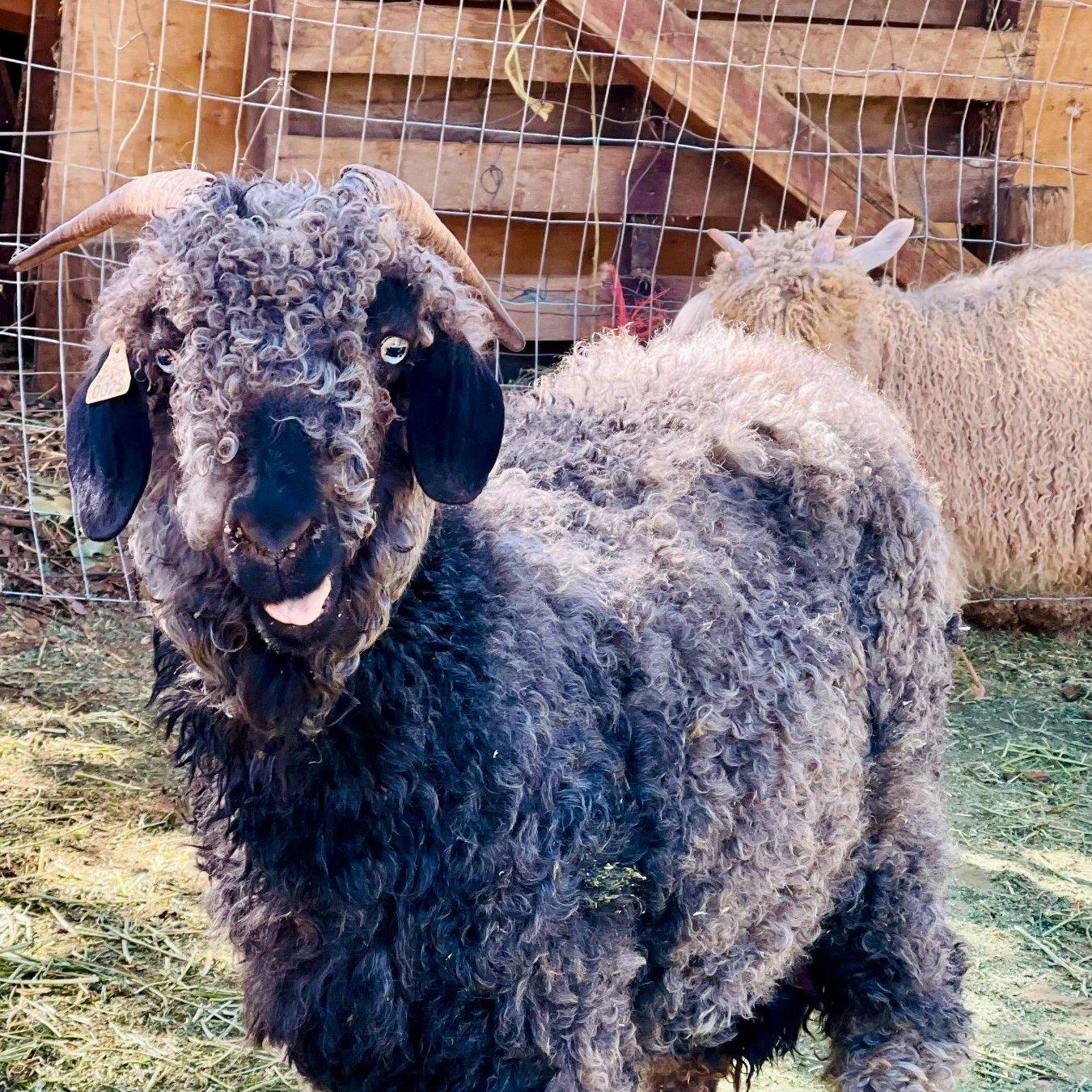
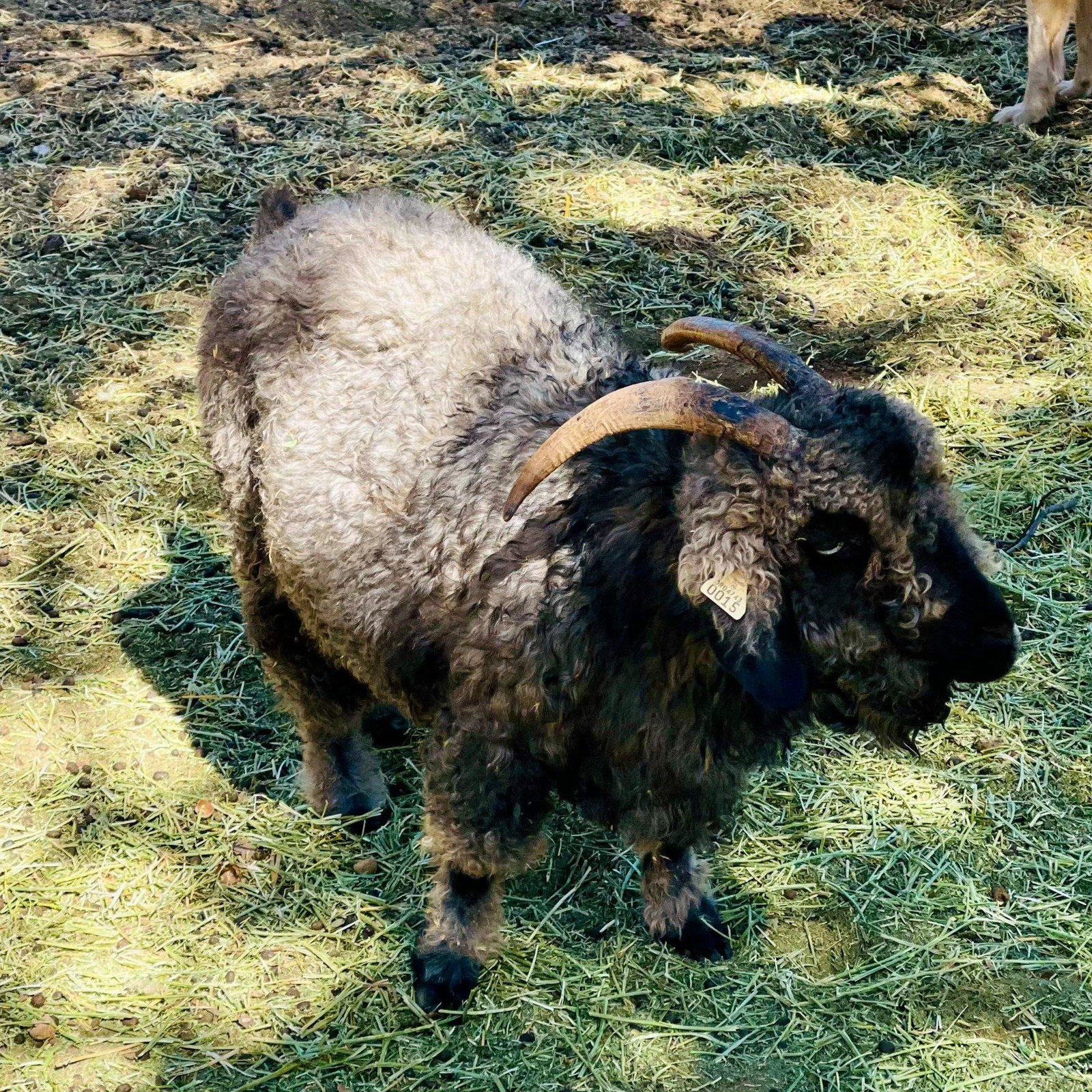
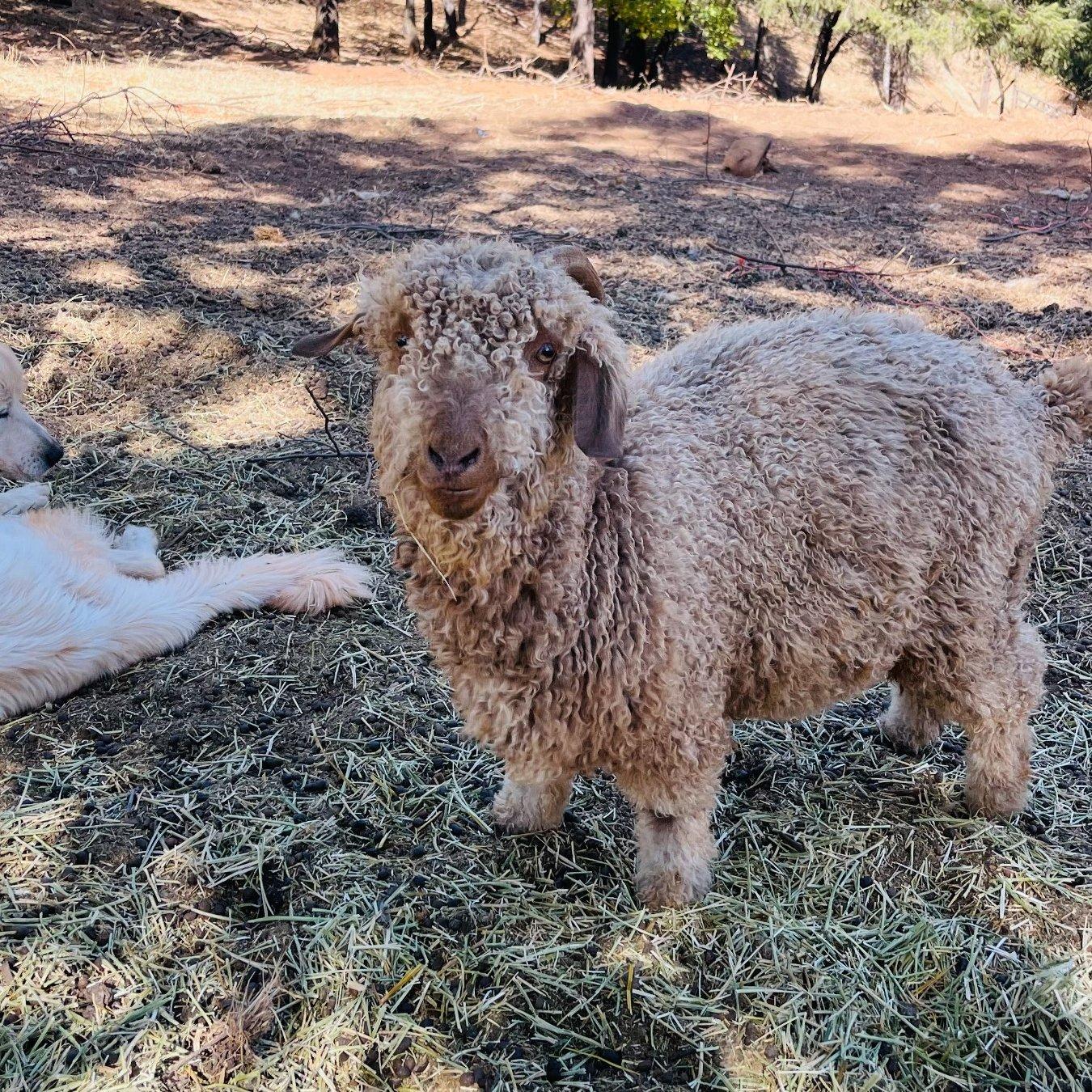
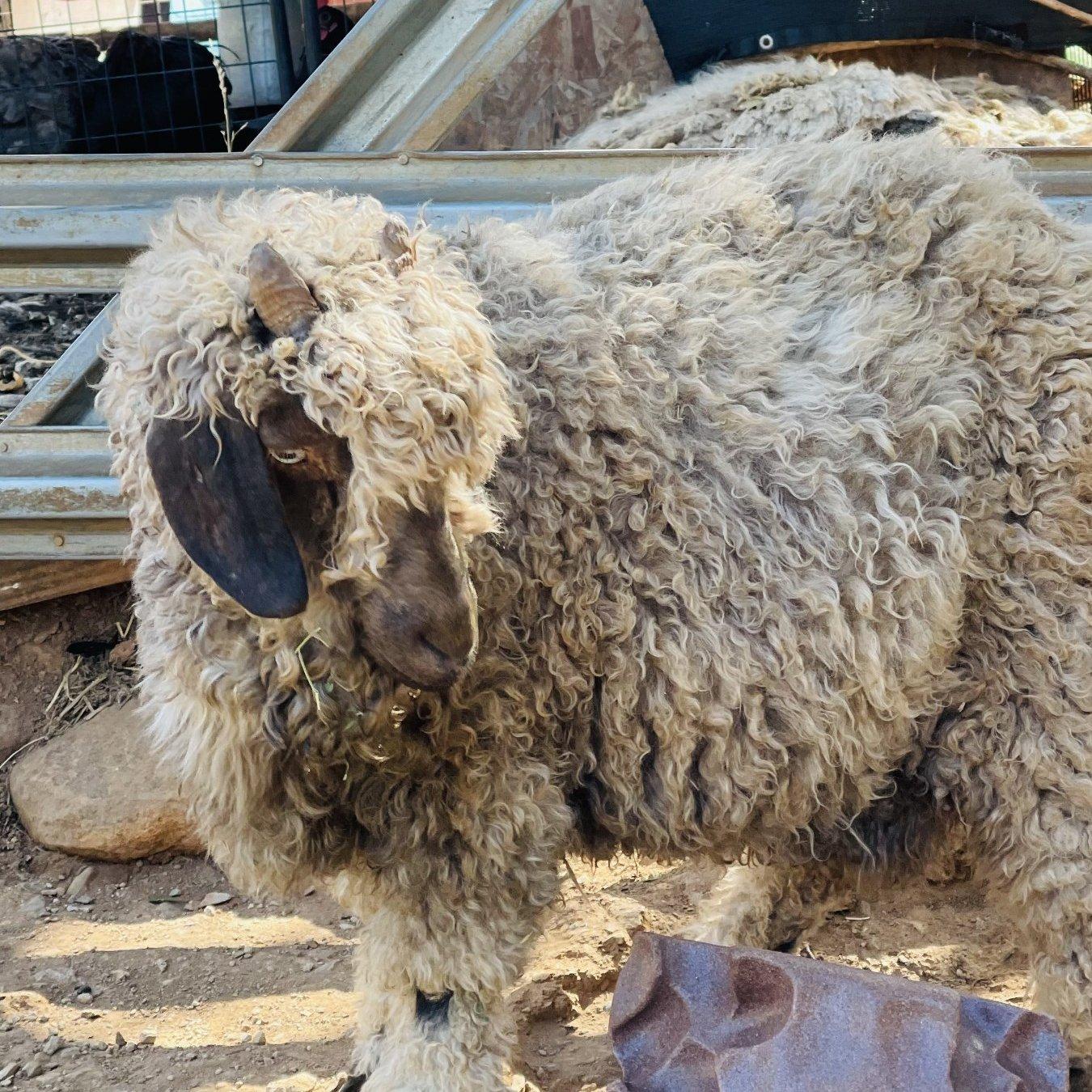
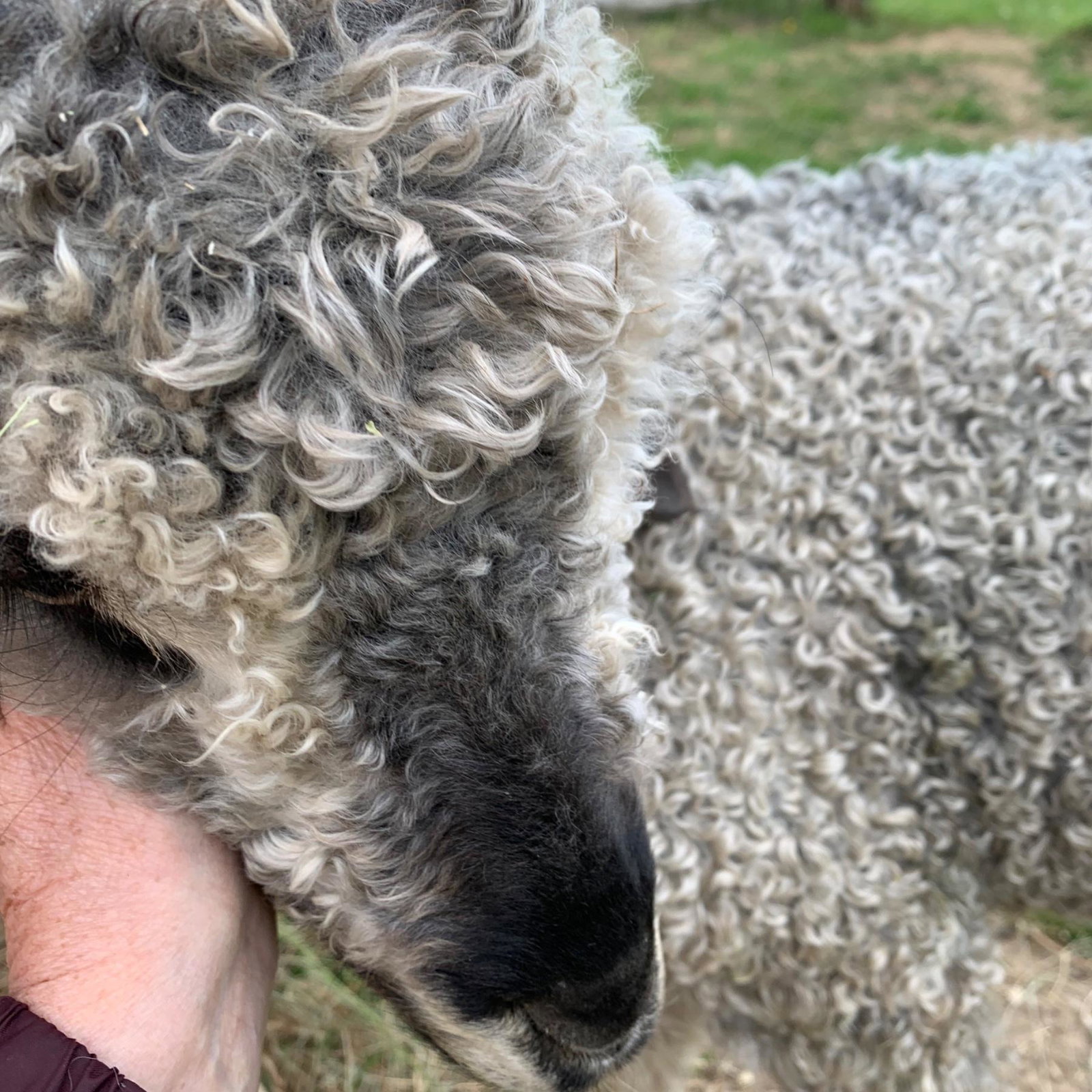
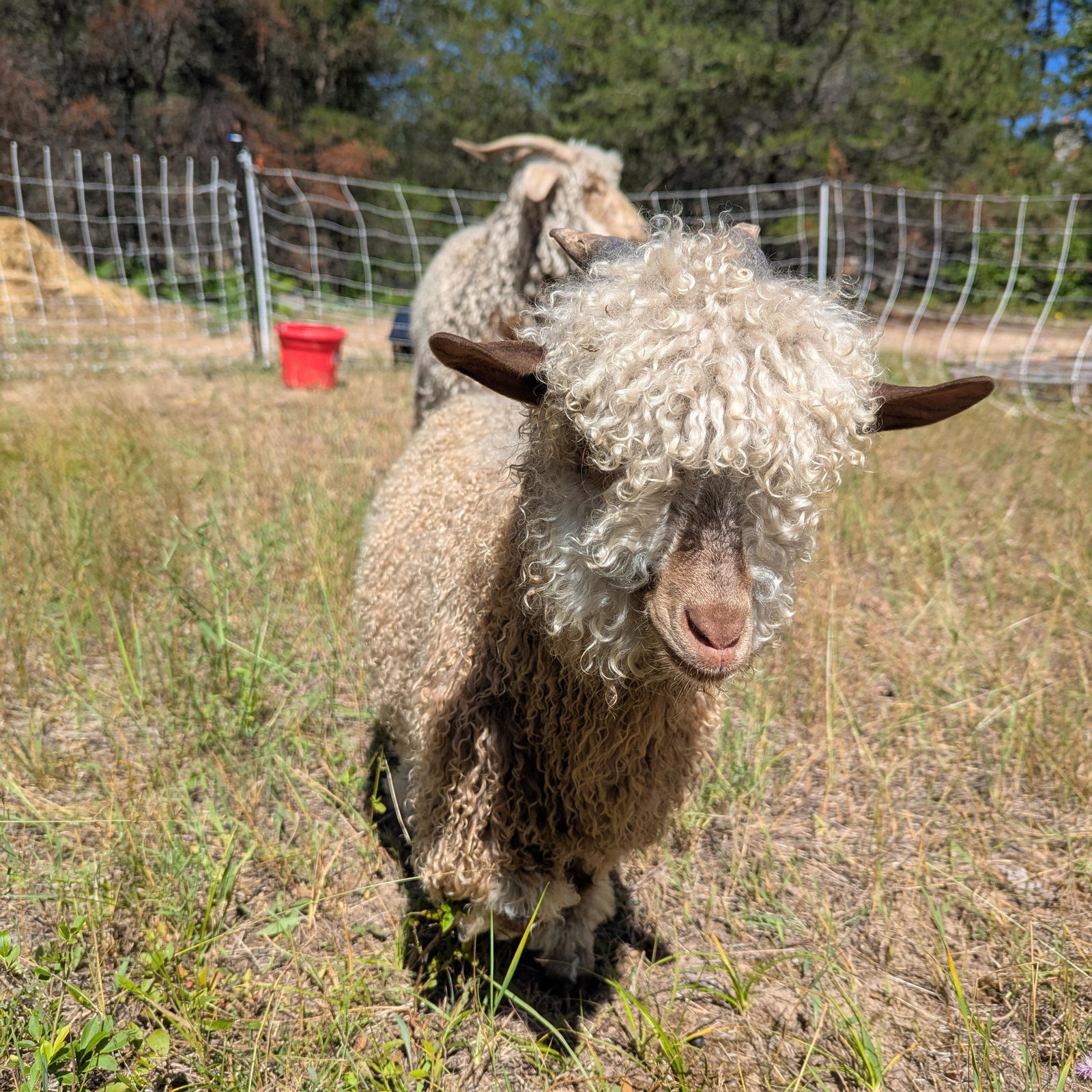
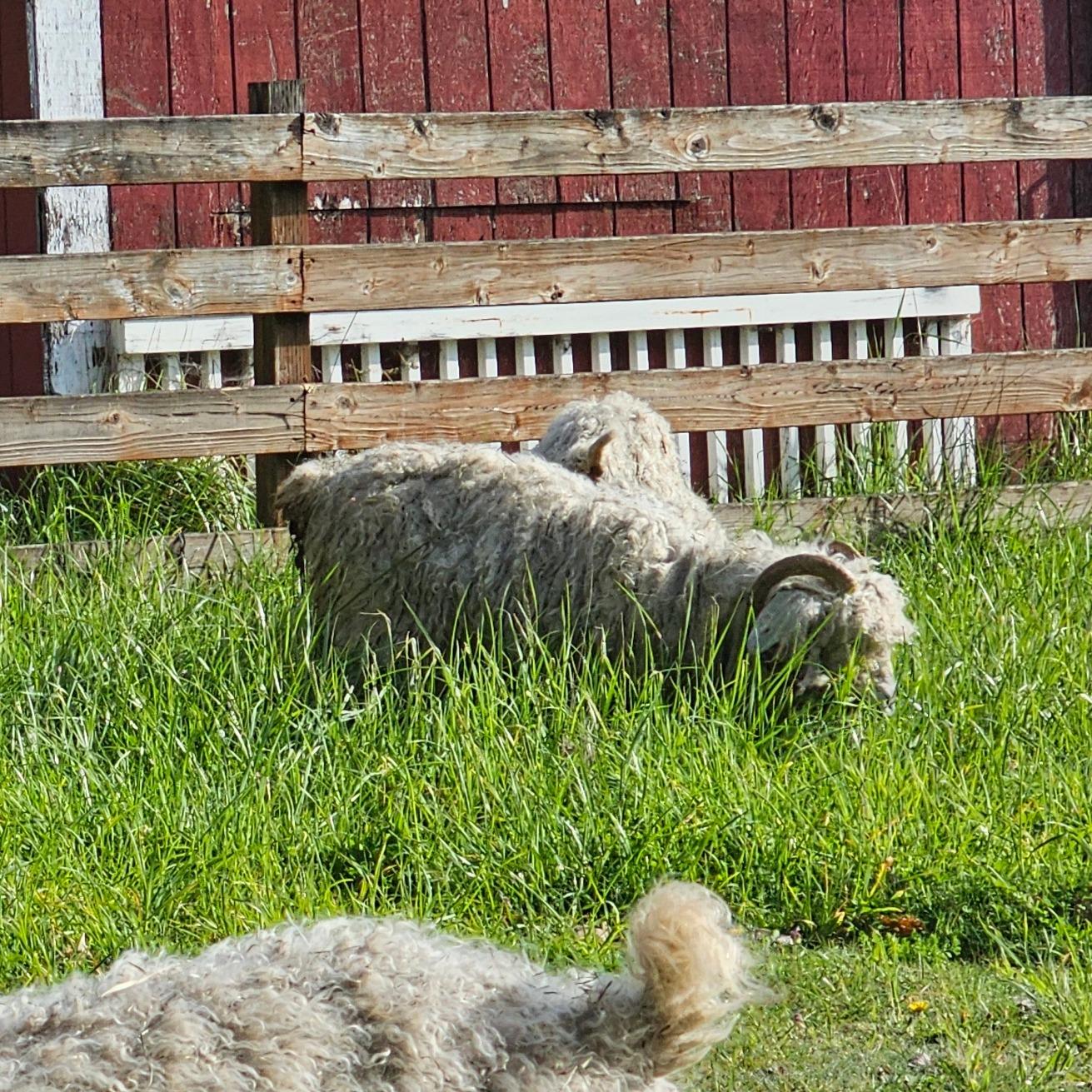
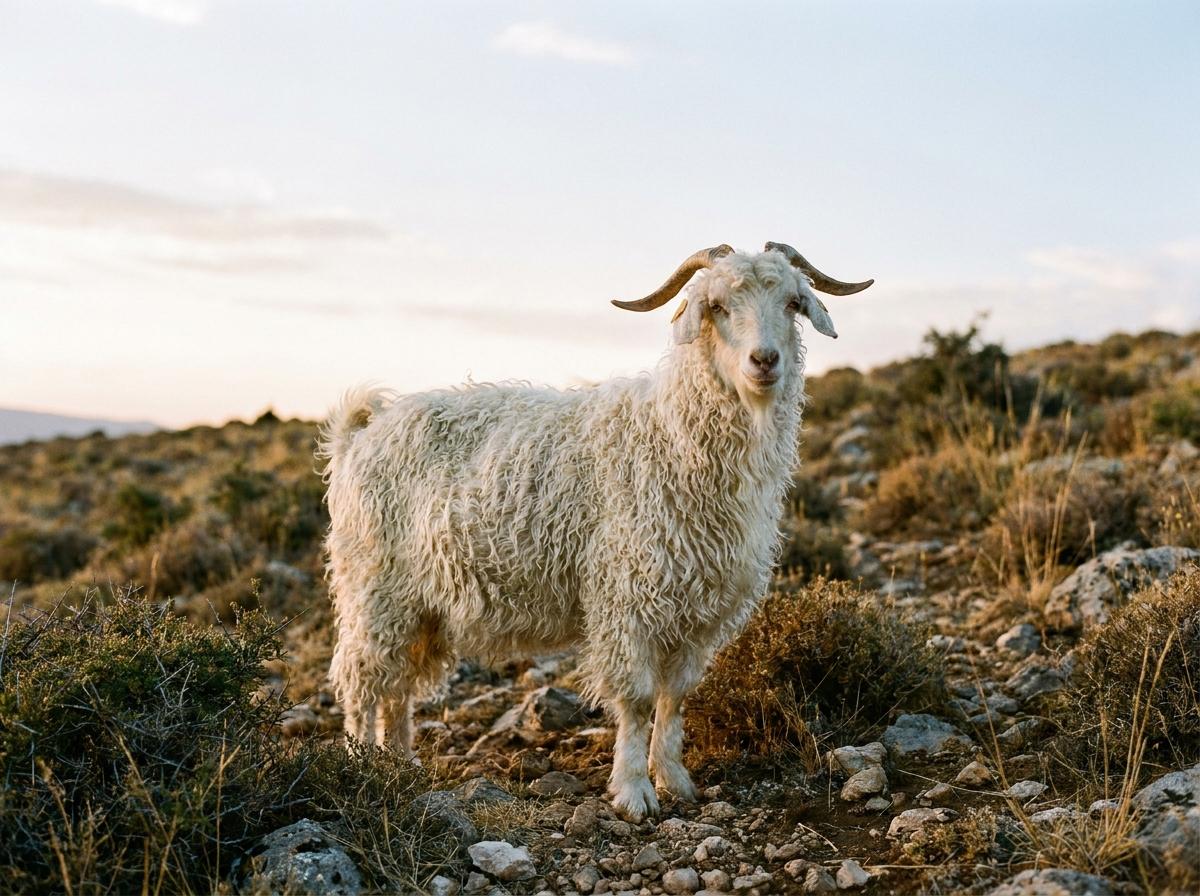
Angora goats produce mohair, the lustrous fiber that hangs in long locks or ringlets. They are goats, not sheep, and the fiber called Angora comes from rabbits. Their care plan must include regular shearing and shelter afterward. When comparing breeding stock, the free goat pedigree chart maker can organize lineage you enter from the seller’s papers. It does not certify registration or fiber quality.
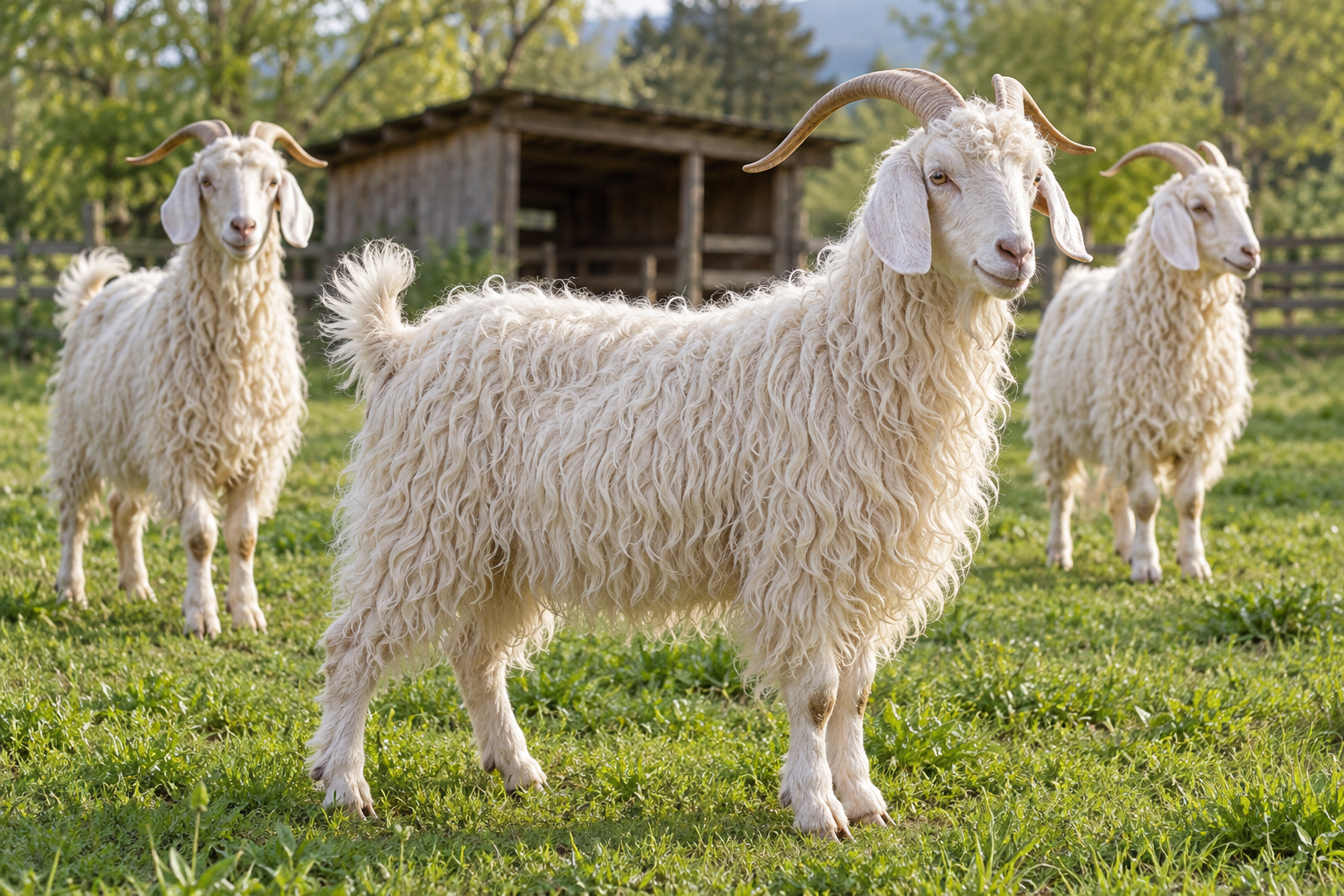
| Animal | Fiber goat |
|---|---|
| Fiber | Mohair, not rabbit Angora or cashmere |
| Origin | Turkey, associated with Angora (Ankara) |
| Appearance | Lustrous locks, pendulous ears and horns |
| Typical shearing | Twice yearly; timing depends on climate and shelter |
| Main welfare planning | Weather protection after shearing |
| Buyer evidence | Fleece samples, animal ID and sound structure |
Browse listings, public profiles, breeders, or add your animal.
What is an Angora goat?
New South Wales primary industries traces the breed to Turkey’s Angora region and identifies its fleece as mohair. The long, lustrous coat is the distinguishing production trait. A mature fleece and a newly shorn goat look very different, so ask when a sale photograph was taken.
In the United States, the American Angora Goat Breeder’s Association maintains Angora registration and transfer records. Its published breed standard considers conformation and size alongside fleece. It calls for pendulous ears, functional jaws and legs, horns that leave safe space around the neck, and even, lustrous mohair with defined locks. A heavy-looking fleece cannot compensate for an unsound animal.
That standard addresses white Angoras and treats colored fleece as a disqualifying fault. If someone offers a colored Angora, ask which registry and breeding program they mean rather than applying one association’s rules to every fiber goat. Registration and fiber market suitability are separate matters. Do not infer registered ancestry from curls alone.
The fiber distinction is useful before you buy: cashmere goats produce a fine seasonal underdown that must be separated from coarser guard hairs. Angoras are selected for mohair. Kalahari Reds are a meat breed, with a different breeding objective. The goat hub helps compare those purposes.
Mohair quality and a workable harvest plan
Examine a sample from the actual goat and ask the intended processor what it accepts. Length, fineness, consistency, lock character and contamination affect usefulness; a large raw bag is not the same as saleable processed fiber. Ask for the animal’s age at each sample and the time since shearing so you are comparing like with like. The AAGBA standard uses about an inch of mohair growth per month as a benchmark and an ideal minimum of six inches in six months. Treat that as a standard reference to compare with the goat’s measured fleece, not a guarantee for every animal or harvest. Keep burrs and dirty bedding out of the fleece rather than expecting processing to repair every problem.
UMass Extension’s shearing guidance says Angoras are generally shorn twice a year and that exact timing depends on climate and shelter. Arrange an experienced shearer before buying animals. Do not postpone a necessary welfare task while waiting for a better fiber price. Shearing a dry, clean goat and keeping lots separate also helps preserve the harvest’s value.
This is not a do-it-yourself shearing tutorial. Ask the shearer how the goats will be handled calmly and safely, and have the shelter ready before the appointment. Record the date, animal ID, raw fleece weight, grading or laboratory report and any discarded portion. That record is more useful than “excellent fleece” in an undated listing.
Shelter, feed and herd health
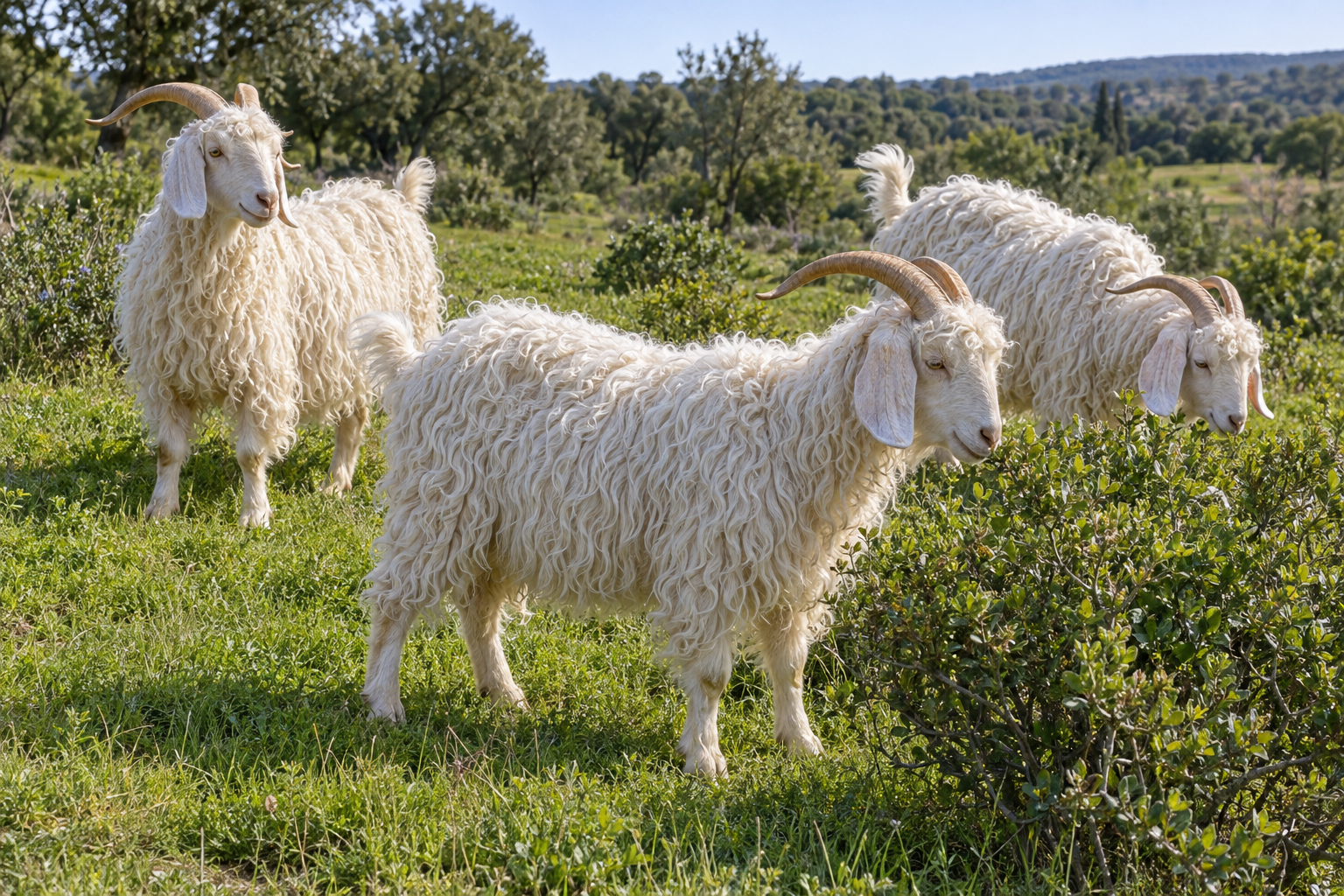
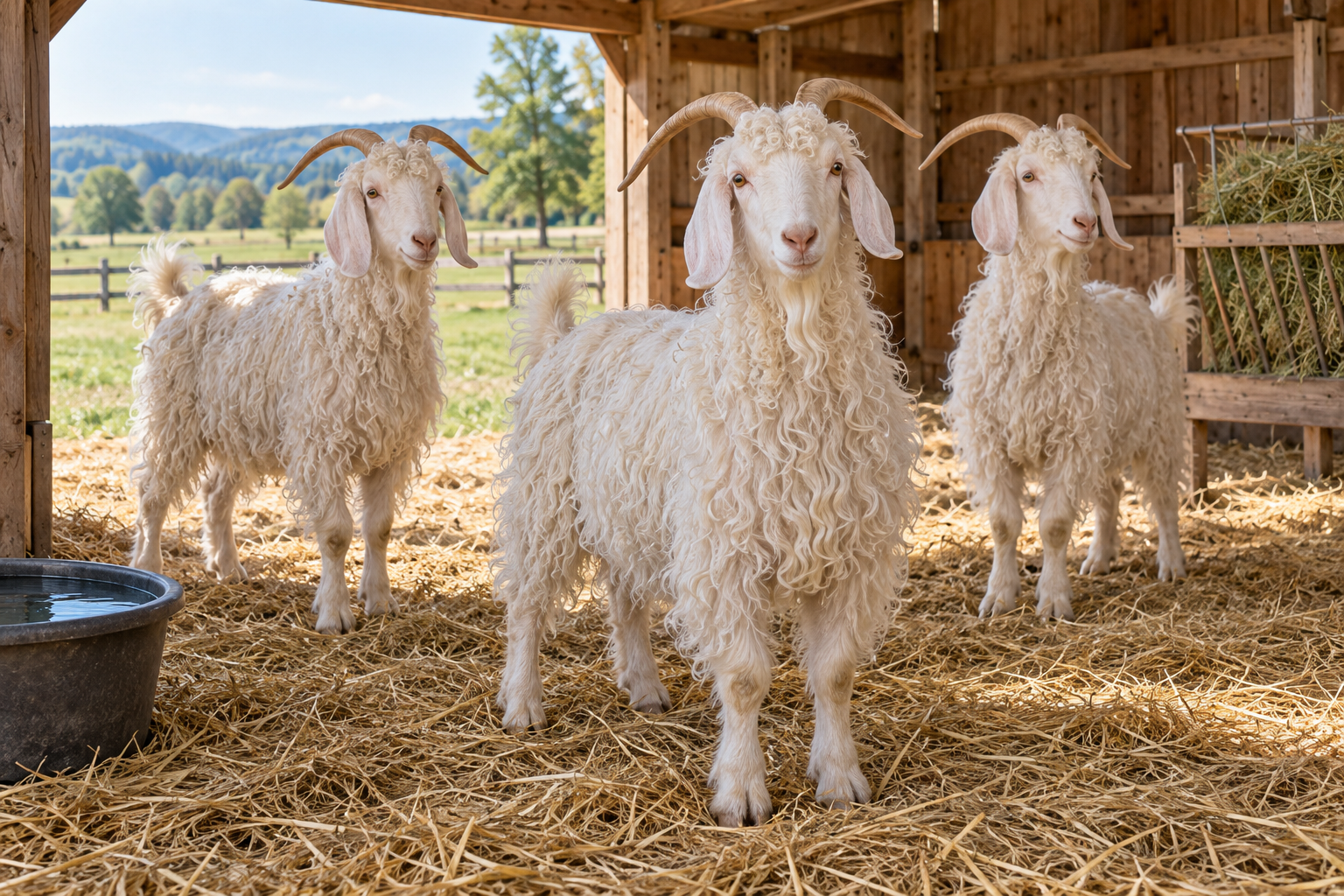
Keep compatible goat companions and enough room for every animal to reach feed, water and a dry resting place. Secure fencing, a well-drained site and a ventilated shelter are basic requirements. Colorado State Extension describes dry bedding and protection from prevailing weather. The goat shelter guide helps you turn that into a layout you can clean and inspect.
Base the ration on suitable forage and clean water. Oregon State’s feeding guidance explains why forage supports rumen health and why growth, pregnancy and lactation change requirements. Make feed changes gradually and have the forage assessed before deciding on concentrates. Mississippi State Extension recommends a balanced loose goat mineral and matching the plan to the herd’s forage. Do not prescribe copper, selenium or other supplements from coat appearance. The goat feeding guide is a practical planning companion.
Agree a prevention and parasite-monitoring plan with a goat veterinarian. Penn State’s goat health guidance supports separating new or unhealthy animals and using biosecurity and parasite management together. Keep dated test results and treatment history, including the reason for a treatment. A breed reputation or a single negative test is not a lifetime health guarantee. Ask promptly for veterinary help with lameness, loss of appetite or a sudden change in condition; do not dose an animal from an internet estimate.
Shelter after shearing deserves its own plan
The British Angora Goat Society stresses shelter throughout the year and particular care at shearing. Do not assume a full fleece makes the goat weatherproof, or turn a newly shorn goat out into cold rain and wind. Have dry protected accommodation, suitable feed and a weather contingency ready. Review cold or wet forecasts with your shearer and veterinarian rather than copying another region’s calendar.
Check condition by handling the animal appropriately, not by looking at the outline of its fleece. Ask an experienced keeper or veterinarian to show you how. Keep feet, skin and the areas hidden by locks part of the routine inspection. A fiber-focused herd still needs the same attention to appetite, movement and social behavior as any other goat herd.
Breeding and recordkeeping for a fiber herd
Select for a healthy functional goat and a useful fleece together. Ask to compare a breeding candidate with its relatives, including older animals, and retain evidence of both strengths and recurring problems. The AAGBA standard explicitly treats structure as relevant to survival and reproduction. Plan homes and harvest care for all offspring before mating, including animals that will not be breeding or show prospects.
Angoras are seasonal breeders in the management systems described by the British society. Work out timing for your own herd and climate with experienced local advice. Do not use the label “fiber goat” as a reason to breed an immature or poorly conditioned doe.
Weights, matings and pedigrees
Use actual scale weights when possible. The goat weight calculator provides a body-measurement estimate, not a scale reading, breed validation or medicine dose. Label an estimate clearly and keep the method consistent; the measurement guide shows the landmarks.
If you breed, keep the buck’s access dates, not an invented exact service date. The goat gestation calculator offers a planning estimate rather than pregnancy diagnosis or a promised birth date. Preserve a date range when that is all you know, following the breeding exposure record guide.
The goat pedigree chart maker can organize lineage you enter. It does not replace registration papers, verify ancestry or perform a DNA test. Leave unknown ancestors blank. The goat name generator can suggest a name, but retain the animal’s permanent ID alongside it.
Cost, availability and the questions that matter
Get a current quote tied to an individual goat or clearly defined group. A purchase budget should also include goat companions, transport, fencing, shelter, forage, mineral provision, veterinary care, shearing and processing. Ask the shearer and mill for their own current terms; raw fiber revenue is not guaranteed to pay those bills. The goat cost guide helps you separate setup and recurring expenses.
Before paying, ask:
- Which registry holds this goat’s papers, and is the transfer included?
- Can I match the permanent ID to the papers, fleece samples and health records?
- When was it last shorn, and who can shear it next in my area?
- What has the usable fleece looked like across harvests, rather than only as a kid?
- What parasite monitoring, hoof care and herd testing has been done, with dates?
- Can I see the goat walking and ask an experienced person to assess its structure?
Use the goat buying guide to plan the farm visit and veterinary questions. A directory entry is a research lead, not proof that the farm has an appropriate animal ready to sell.
Angora goat FAQ
Is mohair the same as Angora fiber?
No. UMass distinguishes mohair from Angora goats and Angora fiber from rabbits. Read the actual animal and fiber label rather than treating the shared name as interchangeable.
Do Angoras need shearing?
Yes. Regular shearing is part of keeping them. Twice yearly is the usual schedule in the cited extension guidance, with timing adjusted to local conditions and available shelter.
Can I buy one as a lawn ornament?
Plan a goat group, secure facilities and a harvest and health routine. An attractive fleece does not remove daily care or the need to find a shearer.
Does registration guarantee premium fiber?
No. Match registration to the animal’s identity, then examine its own fleece evidence and your processor’s requirements. A pedigree is not a laboratory fiber report or a sale contract.
Do this next on Creatures
- Find a suitable source. Save an Angora goat listing alert. It waits for future matching listings and does not confirm stock today. Saved-search help.
- Start your goat’s profile. Add your Angora goat. No account is needed to start; a free account keeps the profile. Adding an animal.
- Keep evidence with the animal. Add a health, weight or husbandry record. The form opens for visitors; a free account saves the record. Adding a record.
- Check current offers. Browse Angora goat listings and confirm the seller’s individual animal, location and availability.
- Research farms. Browse the breeder directory. A directory entry is not confirmation of breed ancestry, available stock or an endorsement. Ask for the evidence described above.
- Explain your herd. Start a farm or breeder profile and describe your animals and records honestly. Creating an organization explains the setup.