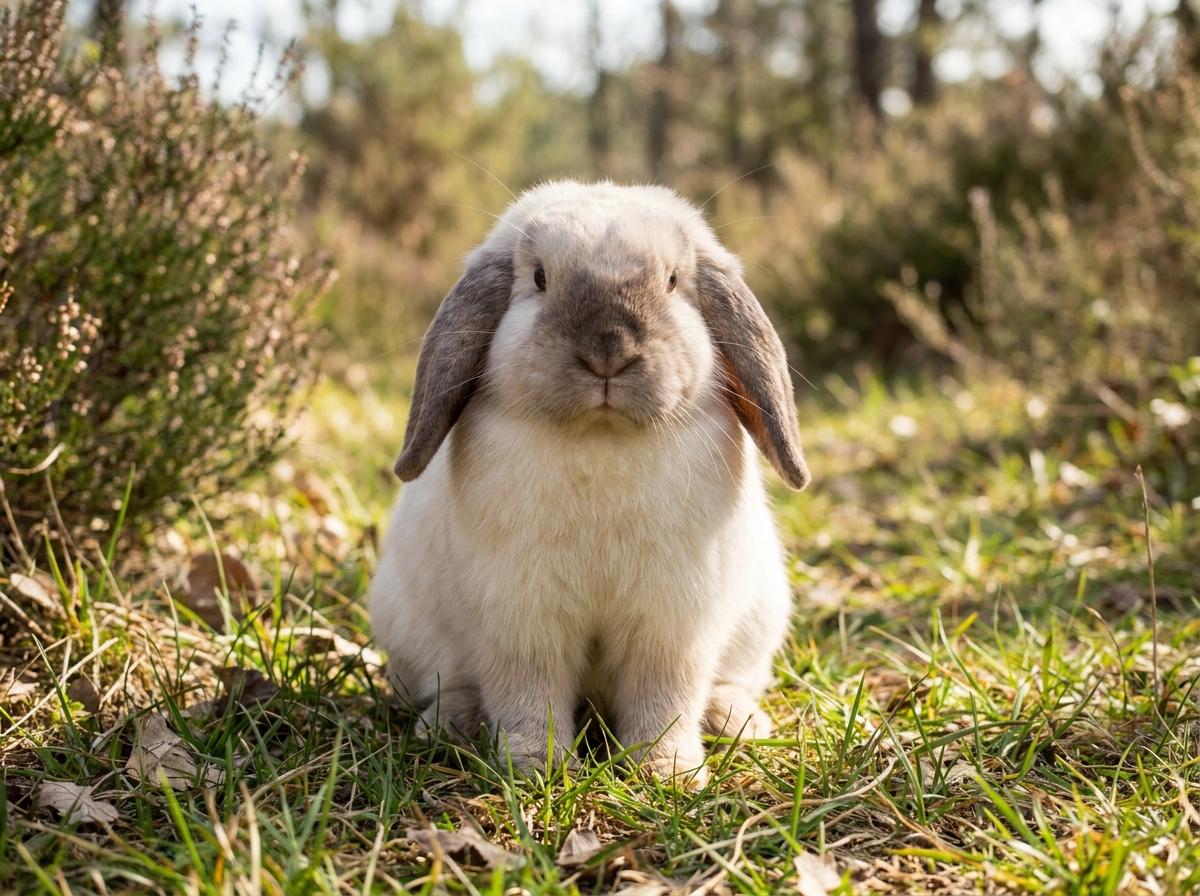
Holland Lop
The Holland Lop is among the smallest lop-eared rabbits: a compact, round-headed dwarf breed that the American Rabbit Breeders Association (ARBA) recognized in 1979 and caps at 4 pounds for showing. Dutch breeder de Cock developed it in the Netherlands from French Lop and Netherland Dwarf crosses, with some English Lop blood, and ARBA’s Holland Lop page now counts it among the association’s five most popular breeds. A Holland Lop is both a dwarf and a lop, and both traits shape how you keep one and how you breed one. If you are looking for one now, set a free Holland Lop listing alert or search the Holland Lop breeders listed in the Creatures directory.
This guide covers how to tell a Holland Lop from its look-alikes (including the Mini Lop and the rabbits people call Dutch lops), where the breed came from, how big it gets, its colors, and what it needs at home, from a companion and a big pen to weekly checks of ears, eyes and teeth. It also explains the dwarf genetics every Holland breeder plans around. For the care every rabbit shares, start with the Creatures rabbit breeds and care guide.

| Registry (US) | ARBA recognized breed since 1979; the national club is the Holland Lop Rabbit Specialty Club |
|---|---|
| Origin | The Netherlands, from French Lop, Netherland Dwarf and English Lop crosses begun in 1949; accepted by the Dutch rabbit council in 1964 |
| Weight | ARBA maximum 4 lb (about 1.8 kg); Hollands without the dwarf gene often grow larger |
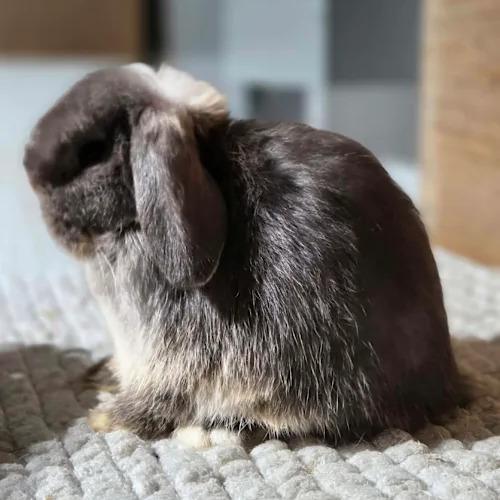
| Body | Short, massive and wide, with a bold head set high, a strong crown, and short, thick ears hanging close to the cheeks |
| Coat | Rollback fur about 1 inch long, dense, fine and glossy |
| Colors | Shown in two groups, solid and broken; ARBA’s breed guide lists 45 colors for registration |
| Lifespan | No breed-specific figure; indoor house rabbits typically live 8 to 12 years |
| Care needs | A neutered rabbit companion, a large pen, unlimited hay, and weekly ear, eye and teeth checks |
Browse listings, public profiles, breeders, or add your animal.
What is a Holland Lop? The names that cause confusion
A Holland Lop is a dwarf rabbit with lopped ears. “Dwarf” here is a genetic term, not just a size: a typical dwarf-typed Holland carries one copy of the dwarf gene, which gives it the small frame, shorter ears and rounder, bolder head breeders select for (the breeding section below explains why that matters). Several other names get attached to rabbits like this, and they do not all mean the same thing.
- “Dutch lop” and “Netherland lop.” Holland is the Netherlands, so both phrases usually point to this breed, and neither is a separate ARBA breed. Do not confuse the Holland Lop with the Dutch, an upright-eared breed known for its distinct markings that ARBA caps at 5.5 pounds, or with the Netherland Dwarf, the tiny upright-eared breed (2.5 pound maximum) that de Cock used as one parent of the Holland.
- The American Mini Lop. A different, larger breed. The Mini Lop, recognized by ARBA in 1980, has a maximum weight of 6.5 pounds, so an adult Mini Lop is visibly bigger and deeper through the body than an adult Holland.
- European and British names. The Holland Lop Rabbit Specialty Club’s breed history notes that the breed is known as the Dwarf Lop throughout Europe. Britain is the exception that trips people up: the British Rabbit Council’s Dwarf Lop is a bigger rabbit, 4 lb 4 oz to 5 lb 4 oz in its 2021 to 2025 standards book, and the British breed in the Holland Lop’s size class is the Miniature Lop, often called the “Mini Lop” in the UK, with an ideal adult weight of 1.5 kg and a maximum of 1.6 kg (about 3.5 pounds). So a British “Mini Lop” is roughly Holland Lop sized, while an American Mini Lop is not.
- The American Fuzzy Lop. The American Fuzzy Lop shares the Holland’s compact lop look and 4 pound maximum but carries a wool coat. It has been a separate ARBA breed since 1989. A “fuzzy Holland” that turns up in a Holland litter is not an American Fuzzy Lop, as the colors section explains.
If you are reading an overseas care sheet or pedigree, check which breed and which registry it means before you trust a weight figure.
Origin and history
The Holland Lop is a Dutch breed. ARBA’s page and the breed club’s history give the breeder’s name as Adriann de Cock (Adriaan is the usual Dutch form, but none of the sources prints it that way). ARBA says he set out to create a dwarfed lop-eared rabbit that was smaller and easier to handle than the French Lop, and that the venture was long and challenging. The club’s history fills in the details. De Cock, a long-time breeder of Tan rabbits from Tilburg, admired both the Netherland Dwarf and the French Lop but thought the French Lop was handicapped by its size. His first cross, a French Lop buck to a white Netherland Dwarf doe in the winter of 1949 to 1950, failed. In 1951 he bred a French Lop doe to a Dwarf buck, and the third mating produced a litter of six, all with upright ears.
In 1952 a doe from that litter was bred to a sooty fawn English Lop buck, and of the five young, one doe had fully lopped ears. By crossing the litters back and forth and selecting again for French Lop type, de Cock had what the club calls “a Holland Lop of sorts” weighing 2.5 to 3 kg by 1955. In January 1964 he presented four rabbits, each under 2 kg, and the Netherlands’ rabbit council recognized the breed and adopted a full standard. In 1970 de Cock and twelve supporters founded a Holland Lop specialty club with the aim of breeding the upper weight down to 1.5 kg.
The breed reached England around 1969 to 1970, brought in by George Scott of Yorkshire. In the United States, many of the first Hollands were imported by Aleck Brooks from de Cock himself, and others, including Jeff Hardin, Elizabeth Forstinger and Hans Albrecht, imported large numbers from Europe. ARBA recognized the breed in 1979. According to the club’s own history, an organizational meeting in April 1980 founded the Holland Lop Rabbit Specialty Club (HLRSC), which still uses the slogan “The Hallmark Breed.” At the club’s first ARBA convention, in Milwaukee, 27 Hollands were shown by 11 exhibitors, and the Best of Breed, a solid senior doe weighing 2 lb 12 oz, went on to win Best 4 Class. The club’s history credits a broken doe that Bill Takacs brought back from a visit to Sweden with helping to establish the broken pattern, and in 1997 a broken senior buck, C.J.’s Caleb, became the first Holland Lop to win Best in Show at an ARBA convention.
How big does a Holland Lop get?
Under the ARBA standard, a Holland Lop may weigh no more than 4 pounds (about 1.8 kg). It is shown as a four-class breed, meaning junior and senior classes for bucks and does, and the 4 pound limit is the ceiling a show rabbit has to come in under. Plenty of good show Hollands weigh well under it: the doe that won Best of Breed at the club’s first convention weighed 2 lb 12 oz, and a breeder writing in the club’s guidebook suggests a herd buck of around 3 to 3.5 pounds.
Not every Holland Lop stays under 4 pounds, and the reason is genetic. A rabbit that inherits one copy of the dwarf gene is what breeders call dwarf typed: smaller, with shorter ears and a rounder, bolder head. A Holland that inherits no dwarf gene, which happens regularly in Holland litters, grows larger. Debra Sandoval, writing in the HLRSC guidebook (Holland Does), describes these “normal” Hollands as often over 4 pounds, with longer ears and narrower, less round heads. They are still purebred Holland Lops, and some breeders keep the does for breeding, but a pet from one can grow past the show limit.
For scale, that puts an adult Holland Lop between the Netherland Dwarf (2.5 pound maximum) and the Mini Lop (6.5 pounds), and at roughly a third of the weight of the Beveren, a Belgian fur breed that ARBA caps at 12 pounds. Whatever a rabbit weighs, its body condition, judged by feeling over the ribs, spine and hips, matters more than the number on the scale. The rabbit weights by breed guide shows how to score condition by feel, and weighing at least once a month, logged on your rabbit’s profile, turns a slow change into a trend you can see.
What a Holland Lop looks like
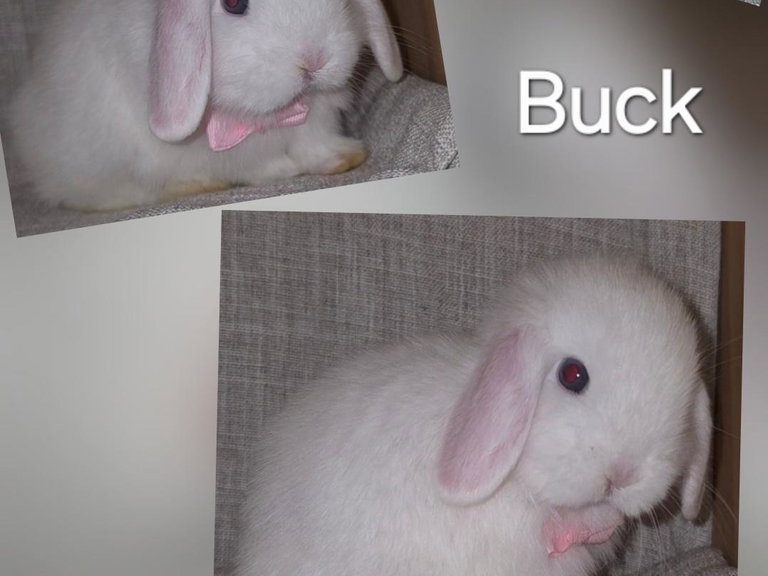
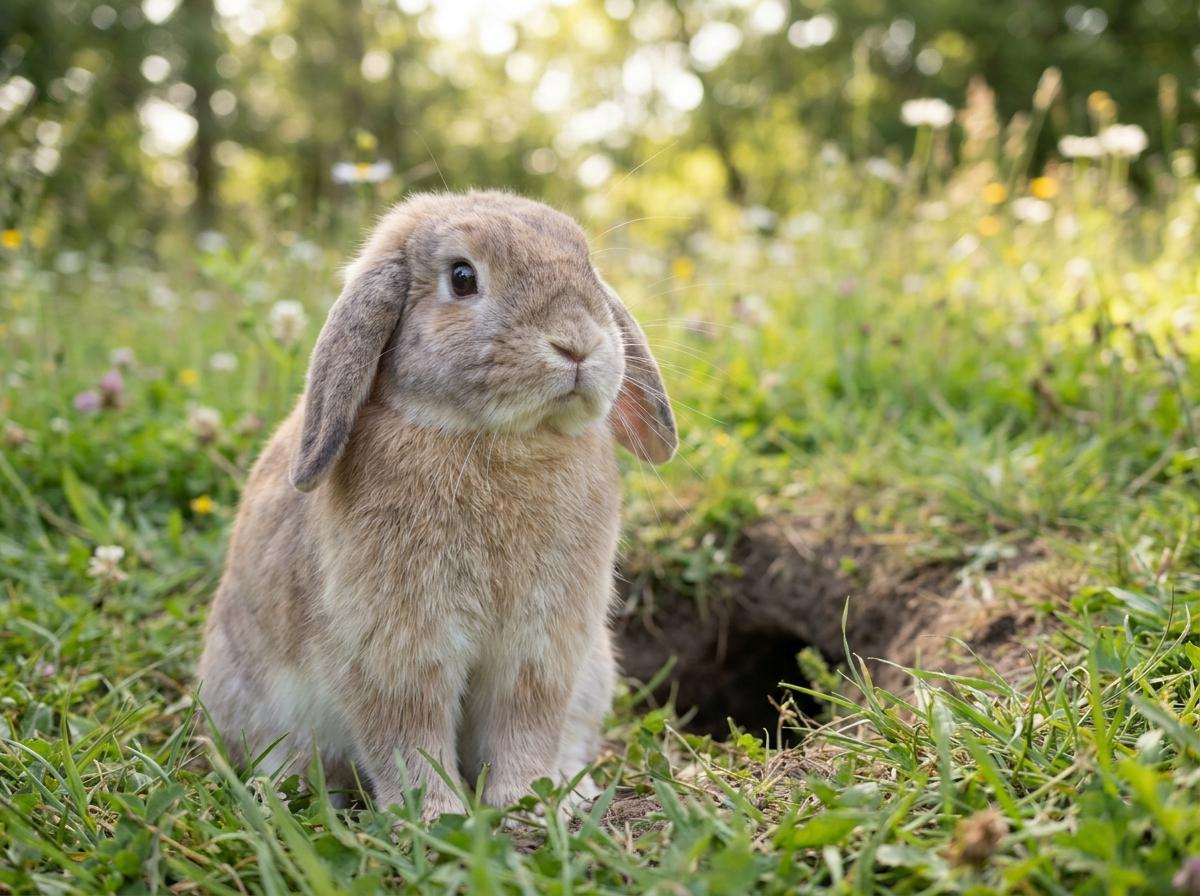
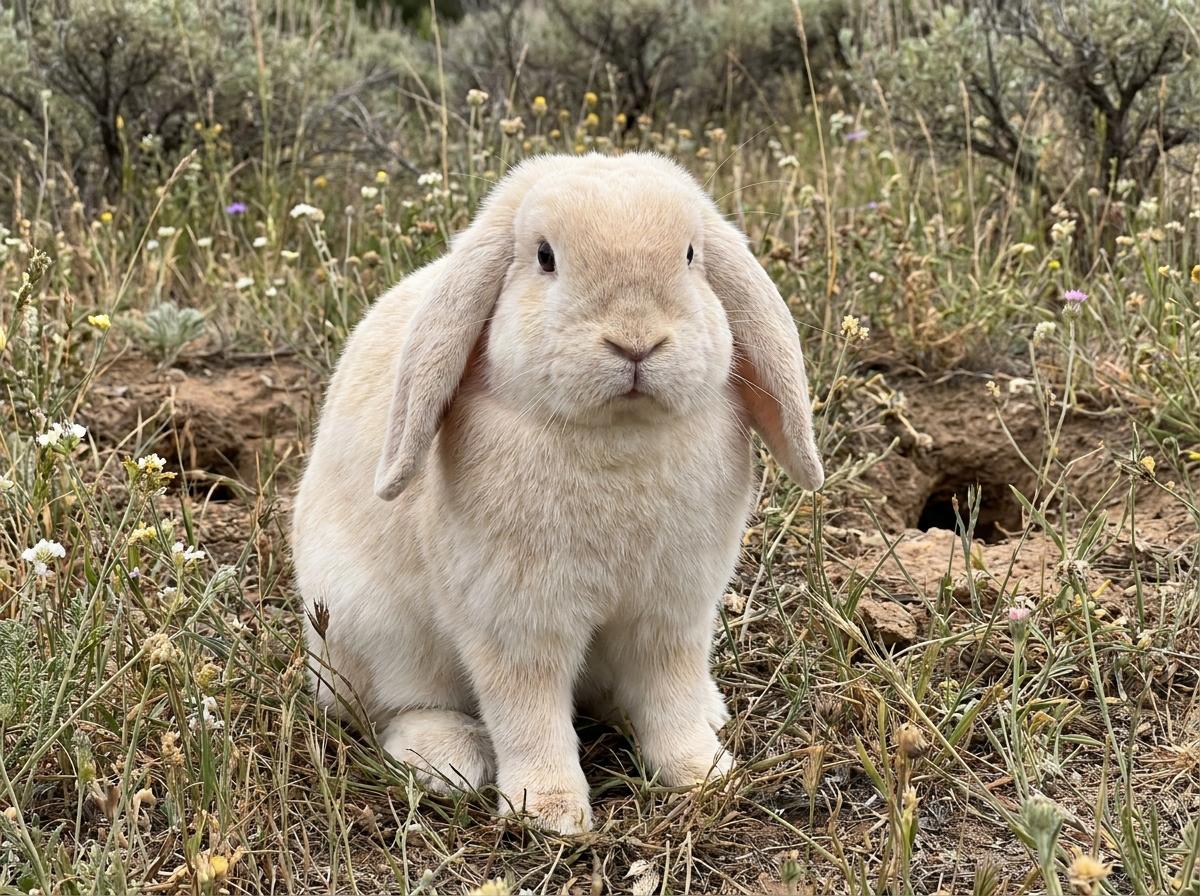
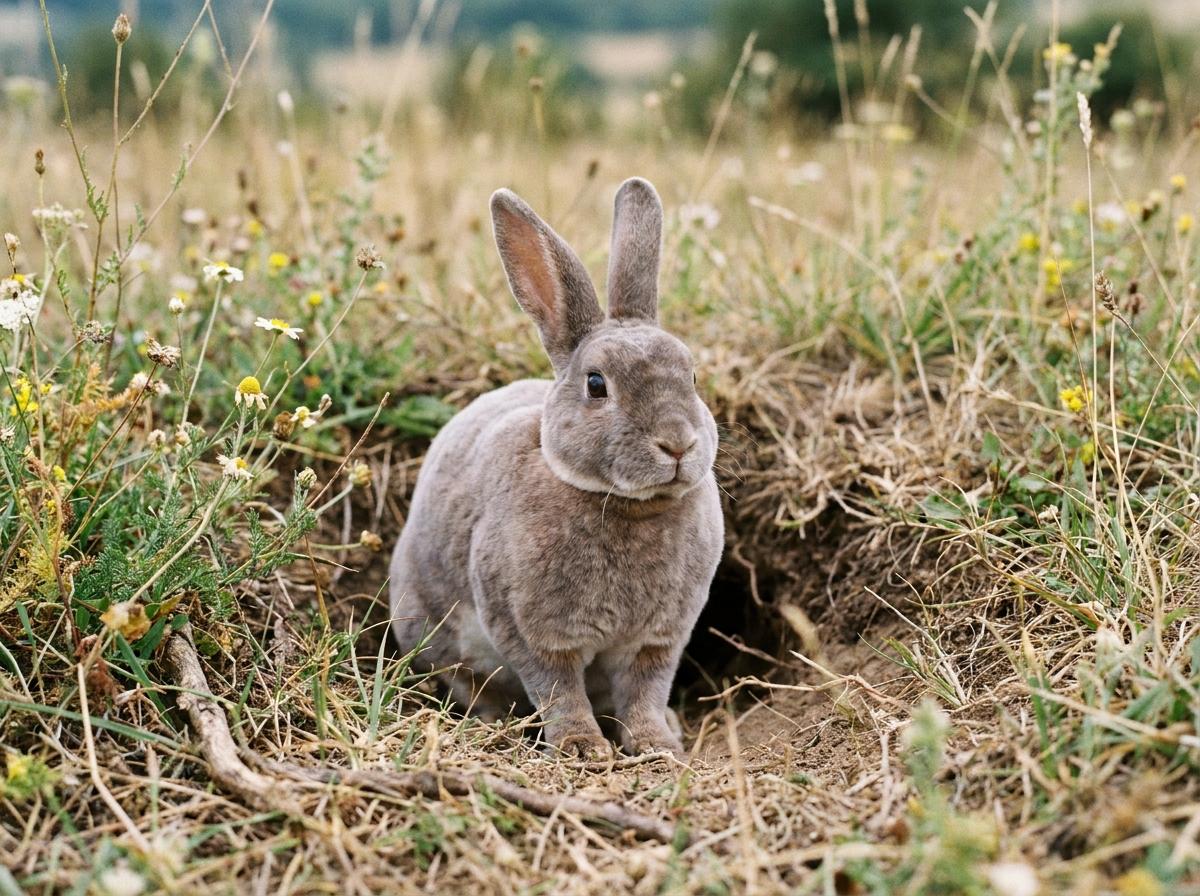
The HLRSC’s breed information page sums up the breed as a compact, massive body and a bold head framed by short, thick ears that fall close to the cheeks from a well-defined crown. The ARBA standard, as summarized in the Ohio 4-H rabbit breed profiles, describes the same rabbit: a wide, massive, rounded head set high and close to the shoulders; a short, massive, well-muscled, thick-set body; and short, straight, thick, heavy-boned legs.

The features a judge, or a careful buyer, looks for:
- Head. Massive for the body size, set high and close to the shoulders, with good width from the crown down between the eyes to a short, round muzzle. The eyes should look bold.
- Crown. The club calls a good crown one of the breed’s most important features: a strongly defined ridge of cartilage and fur across the top of the head that holds the ears and makes the head look bigger. Seen from the side, there should be no gap between ear and eye.
- Ears. Thick, wide and well furred, with rounded, teaspoon-shaped tips. They hang close to the cheeks, the front edge just behind the outer corner of the eye, and should be about as long as the jaw or slightly longer. A Holland with ears reaching far below the chin, or with one ear up, is not showing correct carriage.
- Body. Short and wide, roughly equal in width, depth and length, with the shoulders no wider than the hindquarters.
- Fur. Rollback, about 1 inch long, glossy, dense and fine. Stroke it from tail to head and it should roll slowly back into place.
Colors
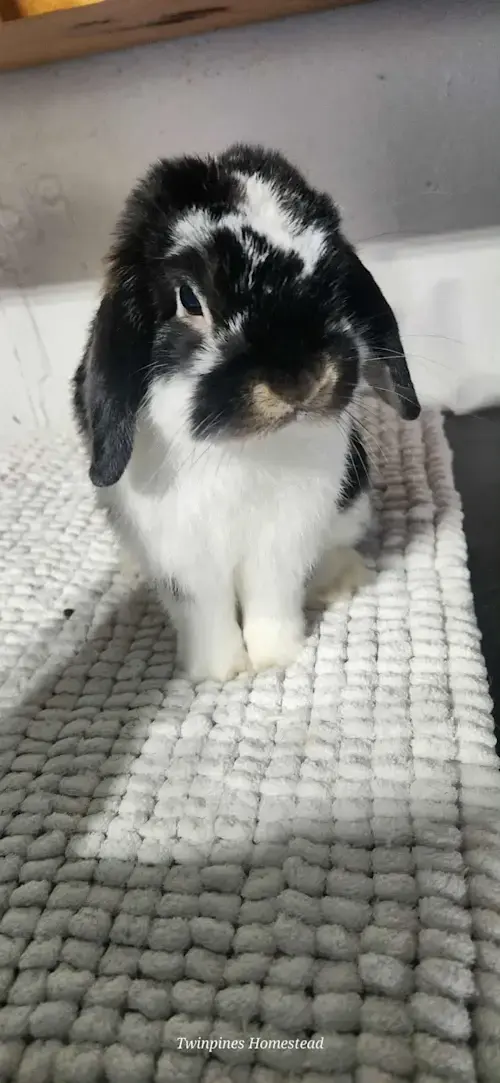
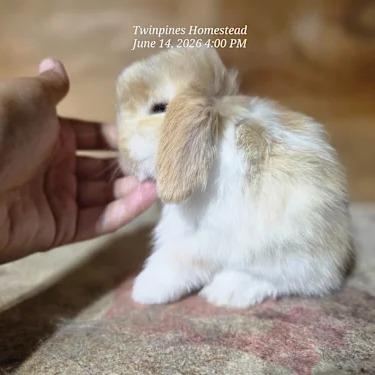
Holland Lops come in many colors but are shown in only two groups. A solid has color over the whole body; a broken is white with patches or a pattern of one color, and tri-colors (two colors on white) belong to the broken group as well. ARBA’s official breed identification guide lists 45 colors for registration, among them:
- Agouti colors, with banded hair: chestnut agouti (the wild-rabbit brown), chocolate agouti, chinchilla, chocolate chinchilla, lynx, opal and squirrel.
- Selfs, one even color: black, blue, chocolate and lilac, plus blue-eyed white and ruby-eyed white.
- Shaded colors: sable point, Siamese sable, seal, smoke pearl, and tortoise in black, blue, chocolate and lilac.
- Otters and steels, each in black, blue, chocolate and lilac.
- Orange, red, cream and frosty.
- Pointed whites in black, blue, chocolate and lilac, and tri-colors in four combinations.
The club’s history says the early Dutch imports to the United States produced the Madagascar (a sooty fawn, or tortoise) and the sable point, which the history calls the two most favored colors in Hollands. The Holland has had its own color guide in the ARBA Standard of Perfection since the 2001 to 2005 edition, so a breeder showing rabbits checks colors against the current Standard, not a website. For a pet, color is the least important choice you make; build, health and the parents’ temperament matter far more.
Fuzzy Hollands
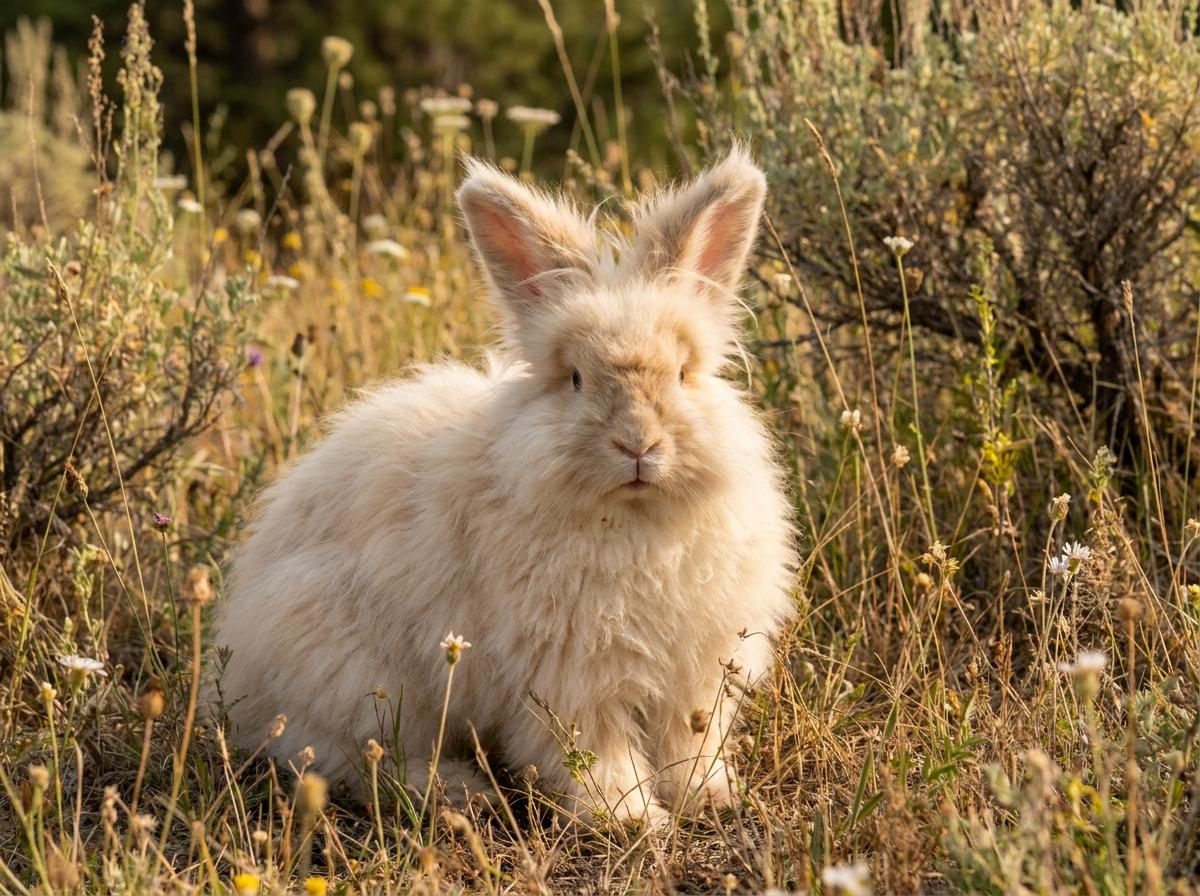
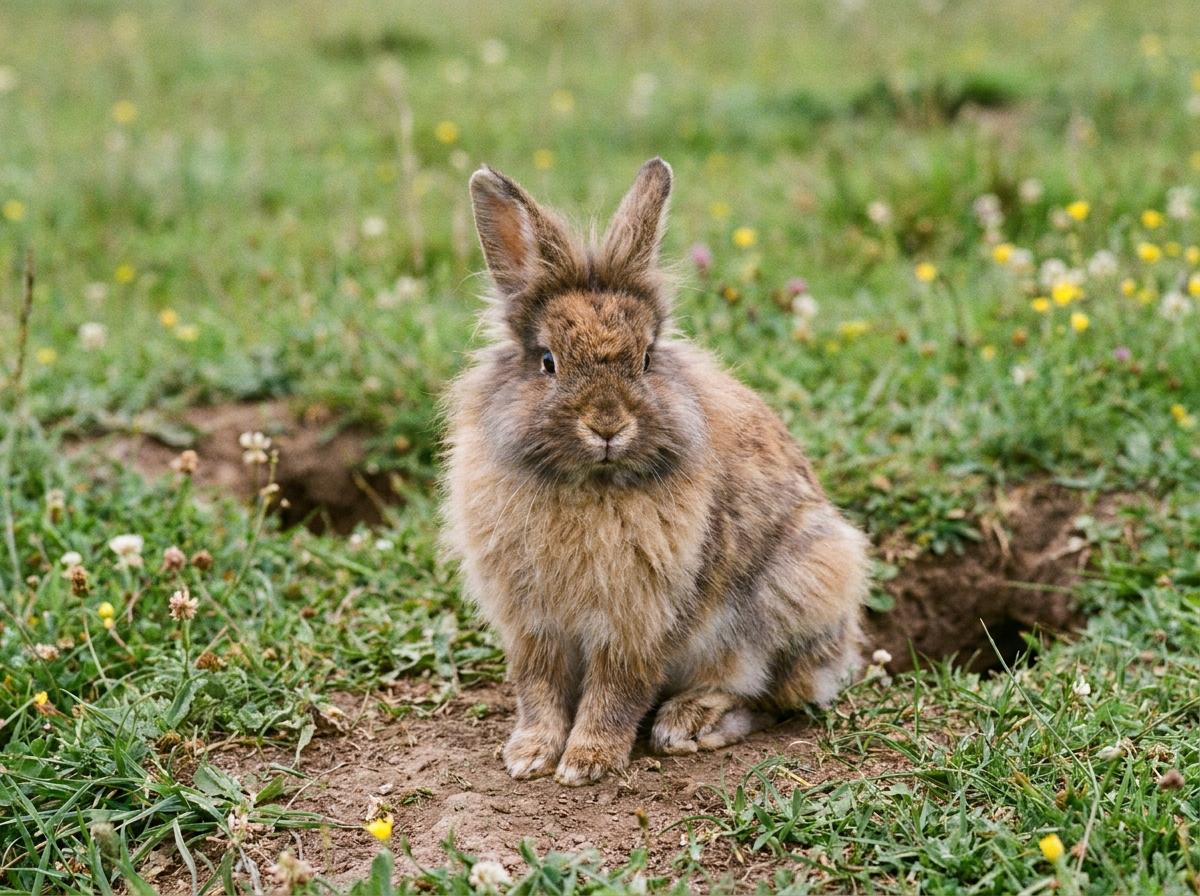
Now and then a Holland litter produces a kit whose head starts to “bloom” with wool. The HLRSC guidebook article on fuzzy Hollands explains that these wooled kits share their background with the American Fuzzy Lop, but the two are separate breeds with different type: the Fuzzy Lop’s topline peaks mid-loin, the Holland’s at the shoulders. A wooled Holland is not an American Fuzzy Lop, and a cross between the two should not be sold as a purebred one. A wooled rabbit needs regular grooming to keep the coat from matting, so ask about the coat if you are offered one.
Temperament
The HLRSC credits the breed with an endearing temperament, and Holland Lops are common family pets for good reason. Individual rabbits still vary a lot. In the club’s guidebook, Sylvia Hess sorts Hollands into three rough types: restless, high-strung rabbits she would not send to pet homes; alert, people-oriented rabbits she calls the ideal pet; and laid-back rabbits that barely move. Handling in the first weeks, neutering, and having a rabbit companion all shape which one you end up with.
Size matters for handling too. The Merck Veterinary Manual’s guide to selecting a rabbit notes that larger rabbits are often calmer and sturdier, while smaller rabbits are more delicate and need especially careful handling. A Holland Lop is a prey animal, and most do not enjoy being picked up and carried. They do best with people who sit on the floor, let the rabbit come to them, and support the whole body and hind legs on the occasions it has to be lifted. With young children, an adult should do the lifting. Handling and bonding with your rabbit walks through building trust, and litter training a rabbit makes life with a house rabbit much easier.
Housing: a small rabbit still needs a big space
The size of a Holland Lop tempts people into small cages. It is still an active rabbit that needs to run, jump, stretch out and stand up on its hind legs every day, and welfare guidance does not shrink the space for a small breed.

- Floor space. The Rabbit Welfare Association and Fund (RWAF) recommends a single enclosed area of at least 3 m by 2 m and 1 m high (about 9 ft 10 in by 6 ft 7 in, and 3 ft 3 in tall) for two average-sized rabbits, available all the time rather than for limited periods. It says a hutch should never be the sole or main accommodation, and that a single rabbit needs the same space as two. A large indoor pen, a rabbit-proofed room or a secure shed with a run all work.
- A companion. The RWAF says rabbits are social animals that should never be kept alone, that their company should be another rabbit, and that rabbits kept together must be neutered. The RSPCA’s one exception for pets is a rabbit that a vet or qualified animal behaviourist advises should live alone, and it advises pairing rabbits of similar size. Breeding rabbitries work differently: intact bucks and does live in separate pens, because pairs depend on neutering. For a pet, plan for a bonded, neutered pair from the start; bonding rabbits explains how to introduce two that did not grow up together.
- Flooring. Give a solid, nonslip floor with washable rugs, mats or paper-based bedding. Merck’s guide to providing a home for a rabbit says that a rabbit on a wire-floored cage still needs a smooth resting area to keep sores from developing on its feet, and that sawdust and wood shavings are poor bedding because they are dusty.
- Heat. Merck says rabbits are sensitive to heat and poor ventilation and that long exposure to temperatures above 80°F can make them sick, so most Holland Lops are best kept indoors in a climate-controlled room. Keeping rabbits cool is the summer plan.
- The basics. A hide or two, a large litter box with hay, a hay rack, water, and safe things to chew. Electrical cords are a favorite chew, so rabbit-proof any space a Holland roams.
The full range of indoor and outdoor setups is in the rabbit housing guide.
Diet: hay first
A Holland Lop’s diet should be built on grass hay, available at all times. Rabbit teeth grow throughout life and chewing hay wears them down, and fiber keeps the gut moving. Merck’s owner guide to digestive disorders of rabbits links too little dietary fiber with gastrointestinal stasis and lists unlimited hay first among the ways to prevent it.

On top of the hay, feed fresh leafy greens in modest daily portions, a small measured amount of plain pellets rather than a mix the rabbit can pick through, and clean water. Fruit and other treats are occasional extras in tiny amounts. Portions for a 3 or 4 pound rabbit are small, so weigh the pellets rather than guessing; Merck lists weight control alongside unlimited hay among the ways to prevent GI stasis. What to feed a rabbit goes through safe greens and portion sizes.
Health: ears, eyes and teeth
Holland Lops share the health risks of all pet rabbits, and their lop ears and short faces put a few of those risks in the spotlight. None of this replaces a veterinarian: find a rabbit-experienced vet before you need one (how to find a rabbit vet) and let them make the medical calls.
Ears
A lop ear folds where it leaves the head, which narrows the ear canal. A small 2019 Royal Veterinary College study of 30 rescue rabbits, 15 lop-eared and 15 erect-eared, found more ear canal narrowing, more wax and more signs of pain on ear examination in the lops. Look at both ears every week for wax, redness, crusting, scratches or smell, and watch for head shaking, scratching, pain when the base of the ear is touched, or a tilted head. Any of those is a reason to see a vet, not to clean deep in the canal at home.
Eyes
Keep an eye on the eyes, too. In a 2025 study that examined 435 British pedigree rabbits, Jackson and colleagues found that lop-eared rabbits had about four times the odds of eye discharge that erect-eared rabbits had, although the authors called its clinical relevance unclear. A veterinarian writing in the HLRSC guidebook makes a related point for this breed: the Holland’s shortened skull also shortens the route of the tear duct, which he links to a greater risk of weepy eyes and conjunctivitis. Wet fur below the eyes, crusting, or a cloudy or red eye needs a vet’s look, because eye discharge in rabbits can also be a sign of dental disease.
Teeth
Merck’s veterinary chapter on noninfectious diseases of rabbits calls malocclusion, teeth that do not meet properly, probably the most common inherited disease in rabbits. It says genetic malocclusion can generally be detected in rabbits 3 to 8 weeks old and that affected rabbits should not be bred, while overgrown cheek teeth are usually a husbandry problem, often diet.
Whether lop ears or a short face raise the risk is less settled than it once looked. The 2019 RVC study found more dental problems in its 15 lop-eared rabbits, but two larger, newer studies did not. A 2024 study in Veterinary Record by Jackson and colleagues, drawing on the veterinary records of 161,979 UK pet rabbits, found that neither lop ears nor a short (brachycephalic) skull was significantly associated with higher odds of dental disease, and that the odds rose with age and with lower body weight. The 2025 pedigree study also found no link between brachycephaly and dental abnormalities and concluded that husbandry matters more than conformation. For a small breed, the practical message is the same either way: plenty of hay, a dental check at every vet visit, and attention to drooling, a wet chin, dropping food or weight loss. Rabbit nail trimming and dental care covers what owners can check at home.
The gut, spaying, and lifespan
A rabbit that stops eating, or produces fewer droppings, needs a vet the same day, as Merck advises; GI stasis in rabbits and common rabbit illnesses and warning signs explain the signs. Spay any doe you will not breed: Merck says uterine adenocarcinoma can affect as many as 60% of intact does over three years old and gives 4 to 6 months as the age, and spaying and neutering rabbits covers the practical side.
There is no published breed-specific lifespan for the Holland Lop. The House Rabbit Society says indoor house rabbits typically live 8 to 12 years, and many reach 14 or even 16, so plan for a decade; how long rabbits live, and healthy aging covers senior care.
Cost and where to find a Holland Lop
There is no reliable national price list for Holland Lops; prices vary with region, pedigree, show quality and color. The Creatures guide to what pet rabbits cost puts a rabbit from a breeder at roughly $30 to a few hundred dollars depending on the breed, and show-quality stock from established lines sits at the top of that range. The purchase price is the small line in the budget: a spay or neuter, a proper pen, and a decade of hay and vet care cost far more, and you are planning for two rabbits, not one.
Good places to look:
- Breeders who show. Hollands are a big show breed, and the HLRSC runs its own national show and tracks sweepstakes points at sanctioned shows. Meeting exhibitors lets you see adult rabbits and how a rabbitry is kept.
- The Creatures directory and marketplace. The directory lists Holland Lop breeders and rabbitries you can search by state; most listings are compiled from public sources, so contact the rabbitry and ask your questions directly. Holland Lops appear on the Creatures marketplace only now and then, which is why a listing alert is the easier way to hear about one.
- Rescues. Small lop-eared rabbits, purebred and mixed, turn up in rescues regularly, often already neutered. The rabbit adoption guide explains how rescues work.
Read where to buy a rabbit first. Then use Merck’s checklist for a healthy rabbit: clean, shiny fur with no bald areas or wounds, no wet or matted fur under the chin or around the tail, clear eyes and nose, clean ears, and an alert rabbit that moves without stiffness or limping. Merck also notes that selling or giving away baby rabbits younger than 2 months is illegal in many states, so check your state and local rules and walk away from a seller offering younger kits. Three questions are specific to Hollands:
- Can I see the parents, and what do they weigh? The parents’ adult weights tell you more about adult size than any kit photo, and a larger, non-dwarf parent can mean a bigger rabbit.
- How do the teeth meet? Ask to see the incisors. Genetic malocclusion usually shows by 8 weeks.
- Does it come with a pedigree? Debbie Vigue’s advice in the HLRSC guidebook is not to buy without pedigrees unless you are buying a pet. Even for a pet, a pedigree records the rabbit’s background.
Breeding and showing Holland Lops
Breeding Hollands starts with one piece of genetics. The dwarf look comes mainly from a single dwarfing gene, and a 2017 study in the journal Genetics by Carneiro and colleagues explains that the dwarf allele is recessive lethal: rabbits with one copy are dwarfs, and kits with two copies, which breeders call peanuts, die within a few days of birth. The peanuts the researchers genotyped came from three breeds, Holland Lops among them. The paper describes peanuts as smaller than their littermates, with a characteristic swollen head and tiny ears. Pair two dwarf-typed Hollands and, on average, about a quarter of the kits inherit two copies and do not survive, about half are dwarf typed, and about a quarter carry no dwarf gene and grow into the larger “normal” Hollands described in the size section.
That is why some Holland breeders keep those larger does. In her HLRSC guidebook article, Debra Sandoval writes that normal does bred to a dwarf-typed buck give just as many dwarf-typed kits as small does do, usually with larger litters and fewer kindling problems, while smaller does sometimes have more trouble kindling. Litters are small in any case: a review in Clinical Theriogenology by Sathe and Shipley says litter size ranges from fewer than four kits in small breeds to eight to ten in larger breeds such as the New Zealand White. The other non-negotiable is teeth. Because malocclusion is so often inherited, Merck says rabbits with it should not be bred.
The calendar is ordinary rabbit breeding. Merck gives a gestation of about 31 to 33 days and notes that does with small litters (usually four or fewer) seem to carry a little longer, which matters in a small breed. Enter the mating date in the free rabbit gestation calculator for the kindling date and window. The rabbit breeding guide, how long rabbits are pregnant, the baby rabbit care guide (kits stay with their mother until at least 8 weeks) and how to sex a rabbit cover the nest box, kindling, weaning and sexing.
For showing, papers matter. ARBA’s registration policy says a rabbit must be at least 6 months old and meet its breed’s senior requirements, and that it needs a complete three-generation pedigree showing the name, ear number, variety and weight of every parent, grandparent and great-grandparent, all of the same breed. The free rabbit pedigree chart maker lays out all three generations with names, registration numbers and colors and prints a PDF without an account; its charts are marked as not registry-certified, so add the ear numbers and weights ARBA requires before you take one to a registrar. Rabbit pedigrees explains what ARBA requires, and rabbit shows explains how sanctioned shows, legs and Grand Champion work. Naming a new litter? The rabbit name generator helps, and the rabbitry name generator helps if your rabbitry still needs a name.
Is a Holland Lop right for you?
A Holland Lop is a good fit if:
- You have room for a pen that is really a room. Not a small cage with an hour out, but space the rabbits can use all day.
- You are planning for two. A neutered companion rabbit is part of the deal.
- You will spend time on the floor. Hollands tend to be friendly, but on their terms, and most do not like being carried.
- You will keep up the checks. Weekly ear, eye and teeth checks, nail trims, a weigh-in at least once a month, and a same-day vet visit if eating stops.
- You have a rabbit-savvy vet, and money set aside for neutering and the occasional emergency.
If that fits, a Holland Lop is a small, engaging companion that suits indoor family life. If you would rather have a bigger, sturdier lop, look at the Mini Lop; if you want wool, the American Fuzzy Lop.
Frequently asked questions
How big does a Holland Lop get?
Under the ARBA standard, a show Holland Lop may weigh no more than 4 pounds (about 1.8 kg), and good show rabbits often weigh well under that. A Holland that inherited no dwarf gene can grow past 4 pounds while still being a purebred Holland.
What is the difference between a Holland Lop and a Mini Lop?
In the United States, size and build: the Holland Lop’s maximum is 4 pounds and the Mini Lop’s is 6.5, and the Mini Lop is a bigger, deeper rabbit. In Britain the comparison changes, because the rabbit called a Mini Lop there (the BRC Miniature Lop, maximum 1.6 kg) is close to Holland Lop size.
Is a Dutch lop the same as a Holland Lop?
Usually, yes. “Dutch lop” and “Netherland lop” are informal names for the Holland Lop, which comes from the Netherlands; neither is a separate ARBA breed. The Dutch rabbit is a different, upright-eared breed.
What is a peanut Holland Lop?
A kit that inherited two copies of the dwarf gene. Peanuts are born small, with swollen-looking heads and tiny ears, and die within days of birth. On average about a quarter of the kits from two dwarf-typed parents are peanuts.
Can a Holland Lop live alone?
Welfare organizations advise against it. The RWAF says rabbits should never be kept alone and that their company should be another rabbit, so a neutered, bonded pair is the standard recommendation. The RSPCA’s one exception is a rabbit that a vet or qualified animal behaviourist advises should live alone.
How long do Holland Lops live?
There is no breed-specific figure. Indoor house rabbits typically live 8 to 12 years, according to the House Rabbit Society, and some reach 14 to 16.
Are Holland Lops good pets for children?
They can be good family rabbits, but they are small and delicate, and most dislike being picked up. Merck notes that smaller rabbits need especially careful handling, so an adult should do the lifting and children should meet the rabbit at floor level.
Do this next on Creatures
From a listing alert while you wait to a breeding record for your doe, these are the next steps on Creatures for a Holland Lop.
Get alerted first. Holland Lops are listed only now and then, so set a free Holland Lop listing alert and Creatures emails you when a new one is posted. No account needed to start. See saving searches and using your watchlist.
Find a breeder. Search the rabbitries listed in the Creatures breeder directory, filter it to Holland Lops, and browse any current Holland Lop listings on the marketplace.
Add your rabbit. Already have one? Create a free profile for your Holland Lop, no account needed to start. The walkthrough is in adding an animal to Creatures.
Keep the records. Add weight, ear, eye, dental and vet records so a change shows up as a trend. The record sheet opens for any visitor, and a free account saves what you enter. See adding a record and health and medical records, and set the weekly ear check as a repeating reminder with reminders and upcoming care.
Breed Hollands? Create your rabbitry’s profile, no account needed to start, then get listed in the breeder directory so buyers searching for Holland Lops can find you. Log each pairing as described in recording a breeding.
Compare breeds. The rabbit breeds and care guide covers every breed and the care they share, and the Beveren guide profiles a large, rare Belgian fur breed at the other end of the scale.