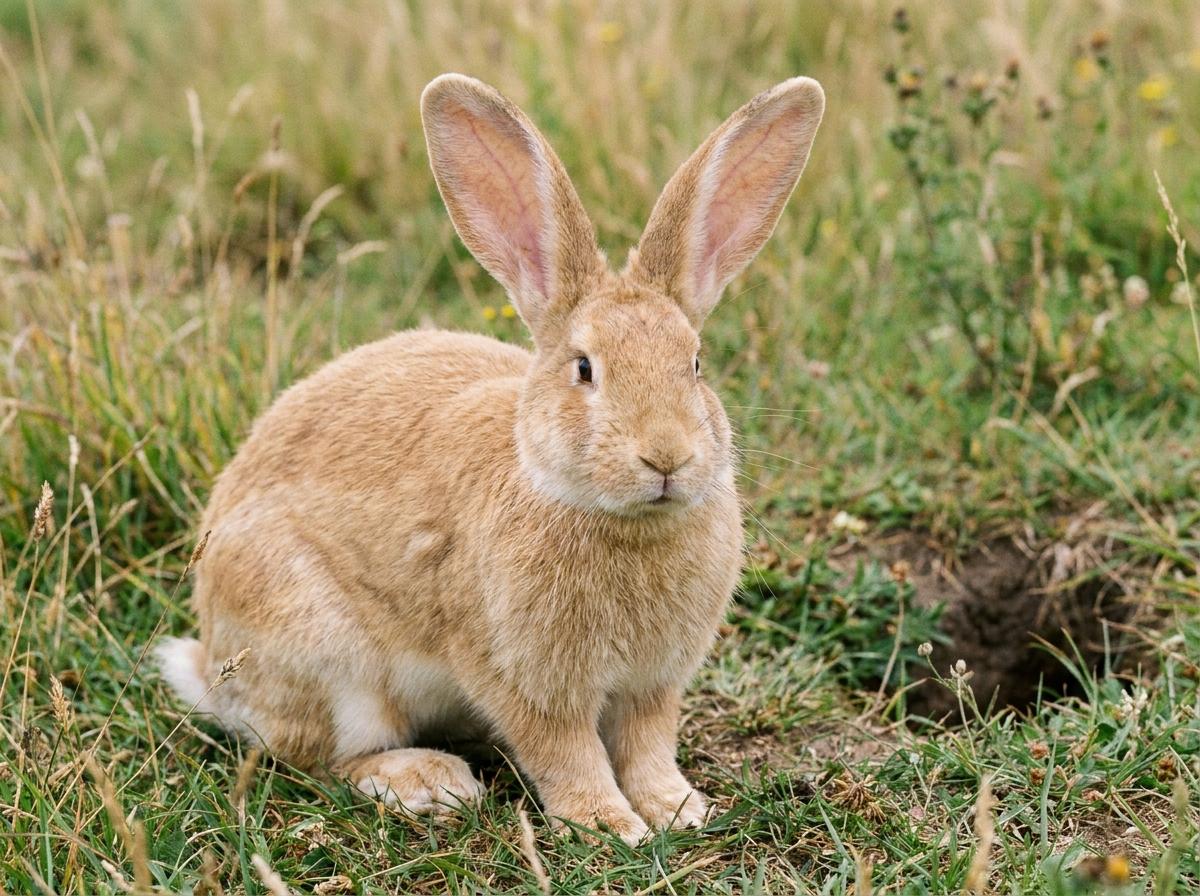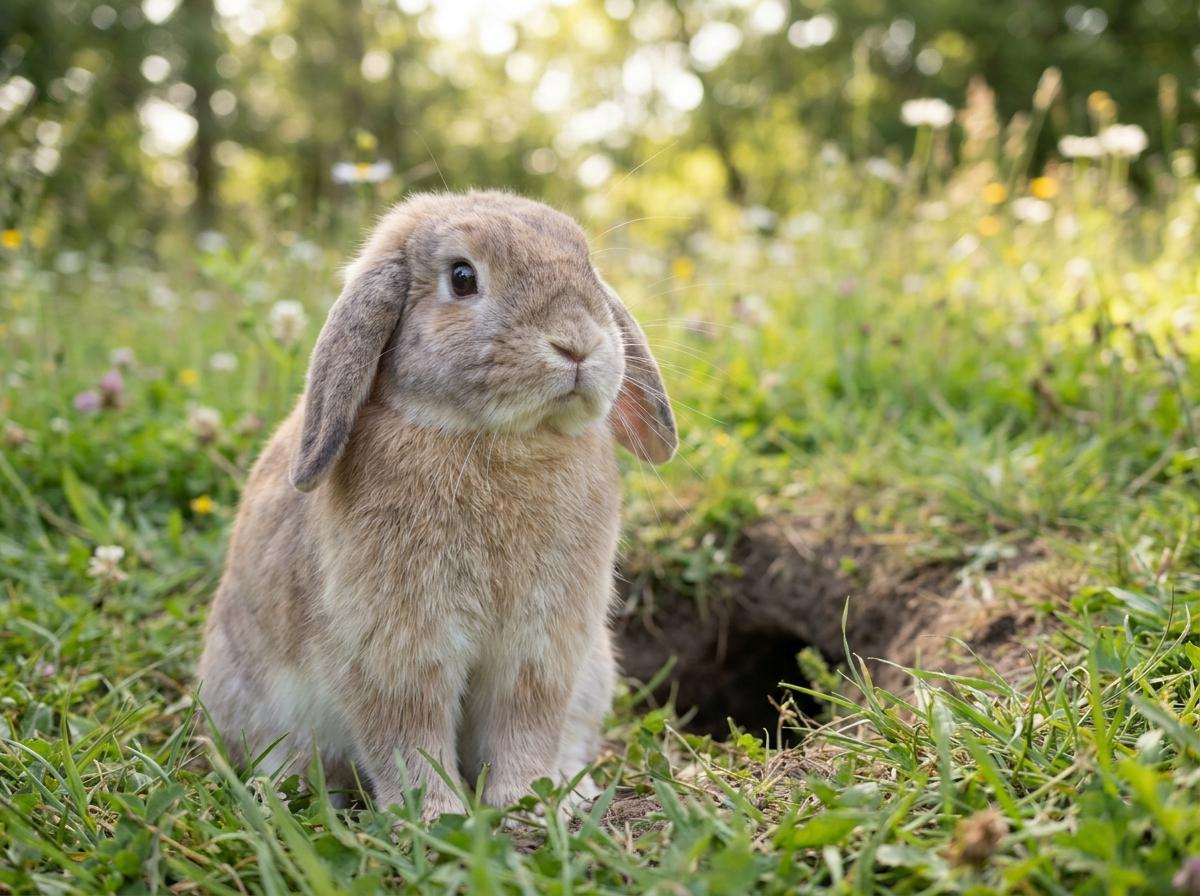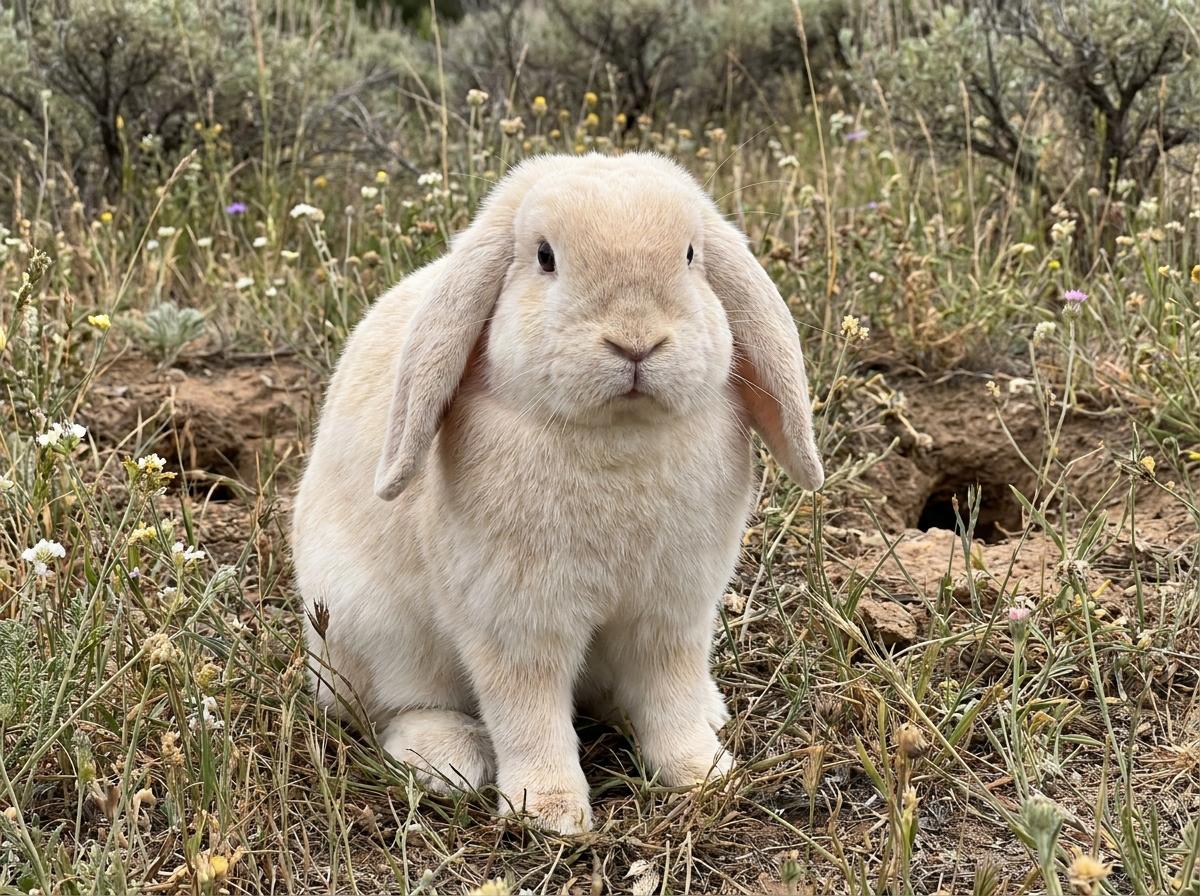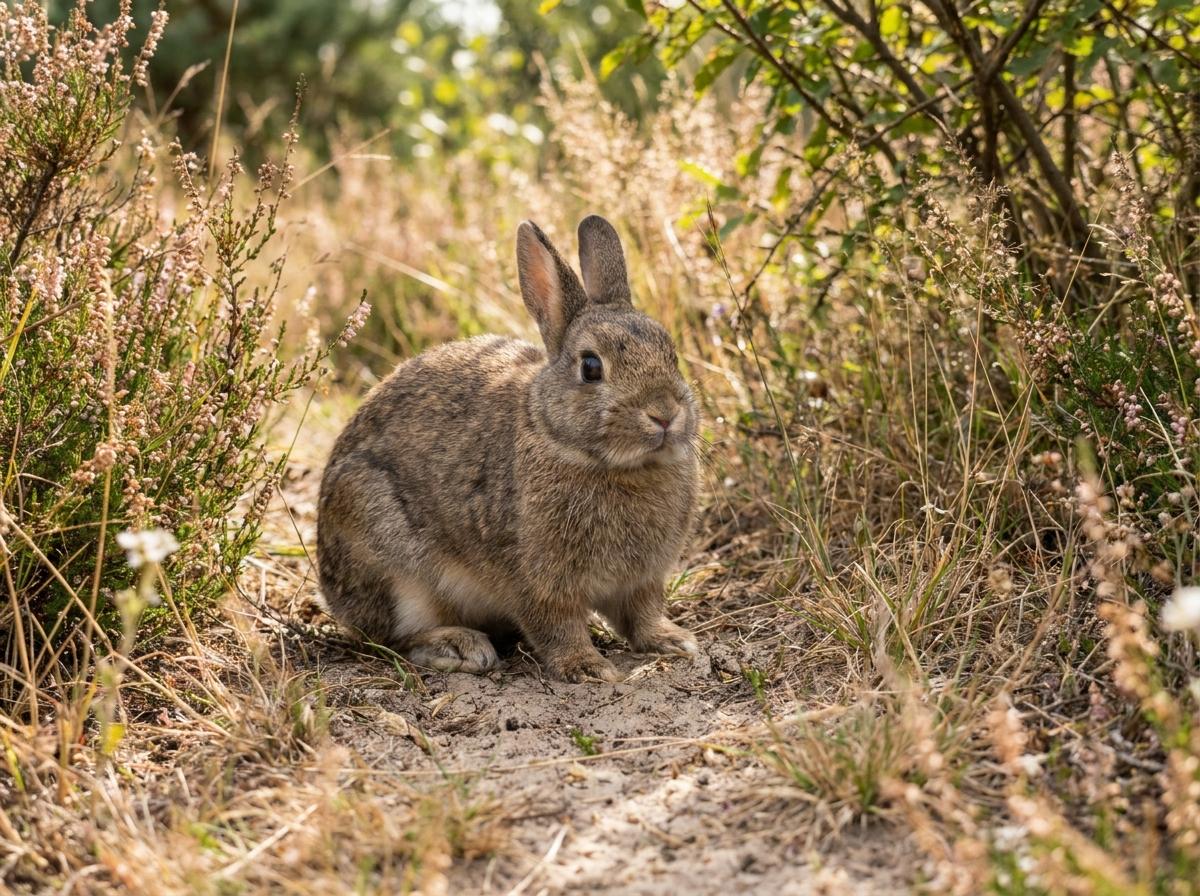



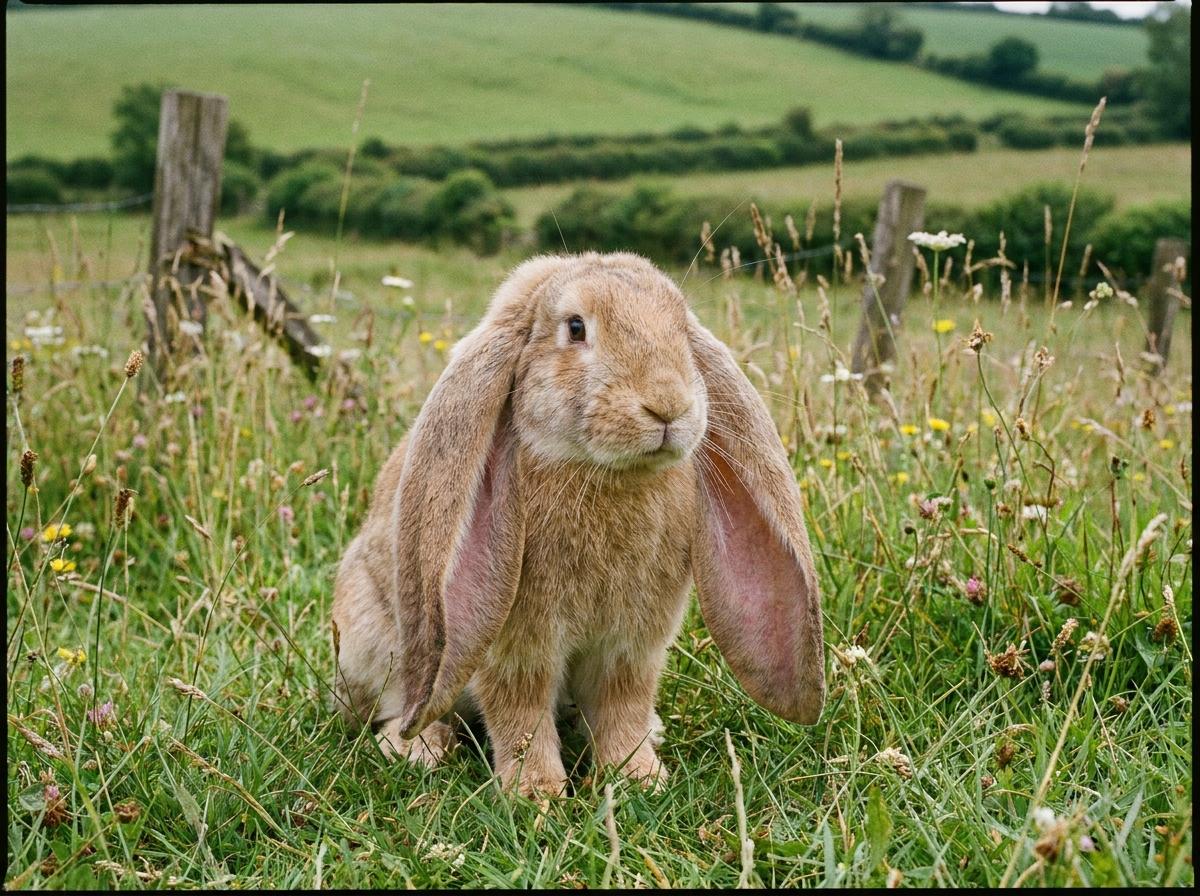
English Lop
Author: Elliott Garber, DVM · Updated
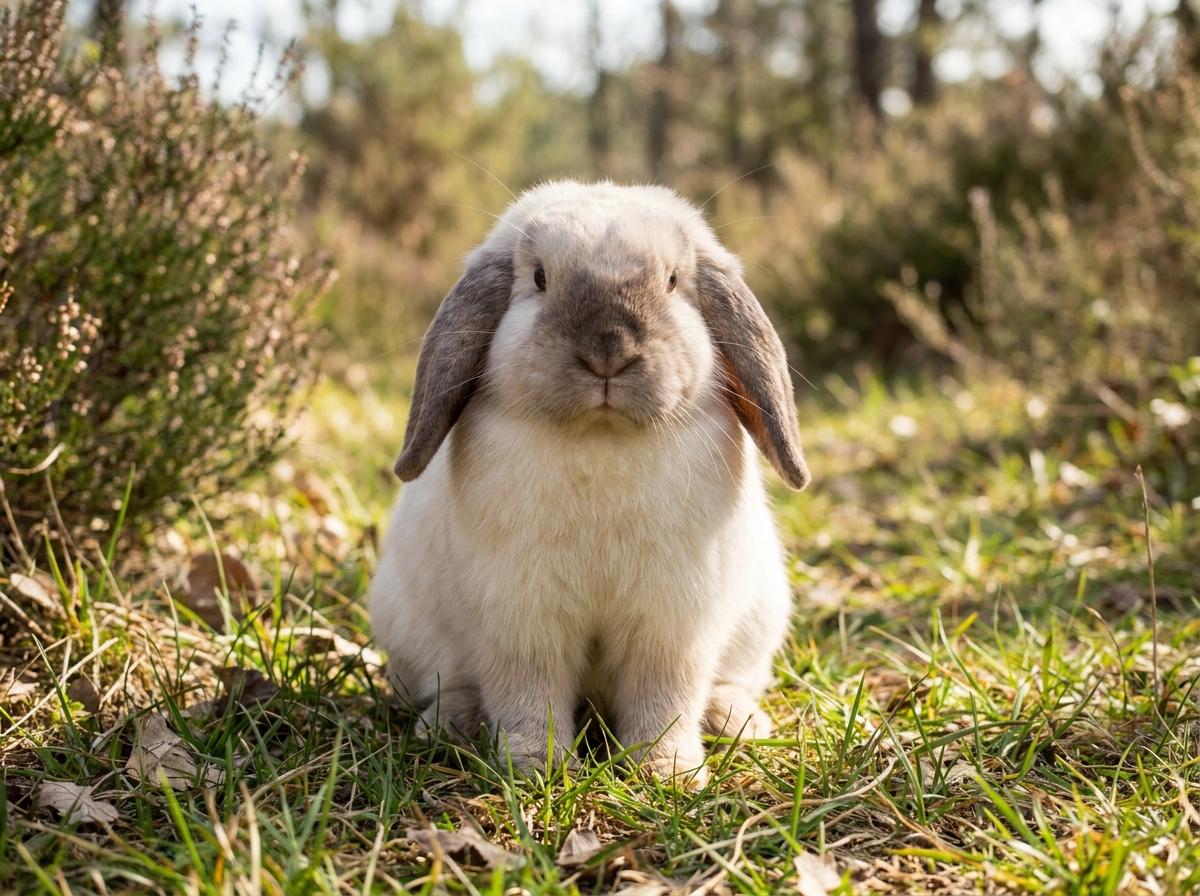
The English Lop is a large fancy rabbit developed in England in the early 19th century, and it is widely considered the original lop, the breed every other lop-eared rabbit traces back to. One trait defines it: ear length. Under the American Rabbit Breeders Association (ARBA) standard the ears must measure at least 21 inches from tip to tip across the full span, and the longest pair ever recorded reached 79 cm, about 31 inches. No other breed comes close. Those ears are also the center of this guide, because on a living rabbit they are a daily care responsibility, not a decoration. Below you will find what the breed is, what the standard asks for, what the ears actually demand from a keeper (protected housing, solid floors, temperature management, routine checks), plus health, cost, and how to buy well. If you are still comparing breeds, the Creatures rabbit species page lets you weigh the English Lop against the rest.

| Origin | England, early 19th century; considered the original lop breed |
|---|---|
| Recognition | ARBA (six showroom classes); British Rabbit Council, Lop section |
| Mature weight | Bucks 9.5 lb and over, does 10.5 lb and over, no maximum; most adults 10 to 12 lb |
| Ears | At least 21 inches tip to tip in the ARBA standard; the record is 31.125 inches |
| Body type | Semi-arch, the mandolin profile, with the rise peaking over the hips |
| Coat and colors | Medium-length flyback fur; shown in solid and broken pattern groups |
| Temperament | Calm and companionable; nicknamed the Dog of the Rabbit World |
| Care level | High: needs a bonded rabbit companion, protected housing, solid clean floors, and weekly checks |
Browse listings, public profiles, breeders, or add your animal.
What is an English Lop?
The English Lop is a large exhibition and companion rabbit whose defining trait, dramatically overlong lop ears, was fixed by selective breeding nearly two centuries ago. ARBA recognizes the breed and describes it as the original lopped rabbit, the foundation stock behind later lops such as the French Lop and Mini Lop. In the United Kingdom the British Rabbit Council carries it in the Lop section of its breed standards and describes it as a historic breed. The ARBA-chartered national specialty club is the Lop Rabbit Club of America, which has represented English and French Lops since 1971.
That parentage means the English Lop sits at the head of a whole family. The French Lop is its heavier, shorter-eared descendant, and the modern Velveteen Lop was created from English Lop crosses to carry the same trailing ears and mandolin outline in a smaller, rex-coated package. If you find the English Lop appealing but the care demands below give you pause, those two pages are the natural next stops.
Be clear about what this breed is for. It is a fancy breed in the original sense: kept for exhibition and companionship, judged overwhelmingly on those ears, and never a practical meat or fur animal in modern keeping. Buying one is a commitment to protecting an extreme physical trait for the life of the rabbit.
Origin and history
Lop-eared rabbits appear in European records going back to at least the 1700s, and the Lop Rabbit Club of America traces documented lops to around 1700, with exhibition records in the British Isles from the mid 1840s. The English Lop as a distinct, deliberately bred show rabbit took shape in England in the early 19th century, which by most accounts makes it the oldest lop breed and among the oldest fancy rabbit breeds of any kind.
Its era of dominance came with the Victorians. Rabbit keeping in Britain had been about meat, fur, and wool; the English Lop was something new, an animal bred and prized purely for its look, and it became a fashionable household pet in the Victorian period. Show culture of the 1800s celebrated it so thoroughly that fanciers of the era called it the King of the Fancy, and breeders competed openly to add fractions of an inch to their best rabbits’ ears. English Lops traveled with that fashion, reaching Europe and North America, and the breed was later used to develop other lopped breeds on both continents.
Today the position is reversed. The small lops that descend from it, breeds like the Holland Lop and Mini Lop, dominate pet homes and show tables, while the English Lop itself is an uncommon breed maintained by a smaller circle of dedicated exhibitors and pet keepers. It is not a breed you will typically find without searching for it, which shapes the buying advice later in this guide.
The ears, measured and explained

The ARBA standard asks for ears measured at least 21 inches from the tip of one ear to the tip of the other, taken across the span behind the head, and it rewards length beyond the minimum, so exhibitors breed for as much ear as they can get while keeping the width in proportion. The ears are carried low on the head with no noticeable crown, and good ear leather is broad, rounded at the tips, and shaped like a bell. Judging places heavy emphasis on them; in practice, the ears are the breed.
The extreme end of that selection is on record. A tortoiseshell buck named Nipper’s Geronimo holds the Guinness World Record for the longest rabbit ears, measured at 79 cm (31.125 inches) tip to tip at the ARBA national show in Wichita, Kansas, in November 2003. That is a span wider than many coffee tables, on an animal that weighs about as much as a house cat.
Ear growth happens early and fast. Most of it is complete within the first few months of life, largely finished by around five months of age, so even junior rabbits carry close to their adult span. A breeder can tell you early what a kit’s ears are likely to become, and a buyer meeting a young rabbit should understand that the ears in front of them are roughly the ears for life.
What those ears cost the rabbit
This is the part a fair breed guide cannot skip. The English Lop’s ears are an extreme phenotype, bred well past what serves the animal, and they carry genuine welfare consequences that you, as the keeper, either manage or fail to manage.
- The rabbit stands on its own ears. The ears trail on the ground beside the animal. A moving English Lop can tread on them, trip over them, and tear the leather with its own claws or on rough surfaces. Torn ear leather is painful, bleeds freely, and on a show rabbit ends its career.
- The folded ear invites canal disease. In every lop breed the fold of the ear narrows the canal where the leather flexes over, which traps wax and moisture. A 2019 Royal Veterinary College study comparing 15 lop-eared with 15 erect-eared rescue rabbits found the lops had significantly more ear canal narrowing, more wax buildup, and more signs of pain on ear examination, and ear infections in that narrowed canal are seriously painful. The same study found lops had more dental problems, including molar overgrowth and spurs. The English Lop has the most ear of any lop, so nothing about this risk is smaller here.
- Cold is a real hazard. Rabbit ears are thin, blood-rich structures, and this breed has an enormous area of exposed leather. In freezing conditions those ears are at genuine risk of frostbite, and damaged ear tips do not grow back. An English Lop is not a rabbit to winter in an unheated outdoor hutch in a cold climate.
- Heat and activity cut the other way. Rabbits shed body heat through their ears, and the English Lop’s huge surface area loses heat readily, which is one reason cold is the greater hazard for this breed. But rabbits as a species overheat easily, and a heavy rabbit that avoids moving because its housing is cramped slides toward obesity. Keepers have to build an environment where moving around is easy and safe.
None of this makes the English Lop a rabbit to avoid. It makes it a rabbit to keep deliberately. The ears do not stop being extreme because the rabbit is loved; they stop being dangerous because the keeper arranges the floor, the temperature, the space, and the checkup routine around them.
What an English Lop looks like

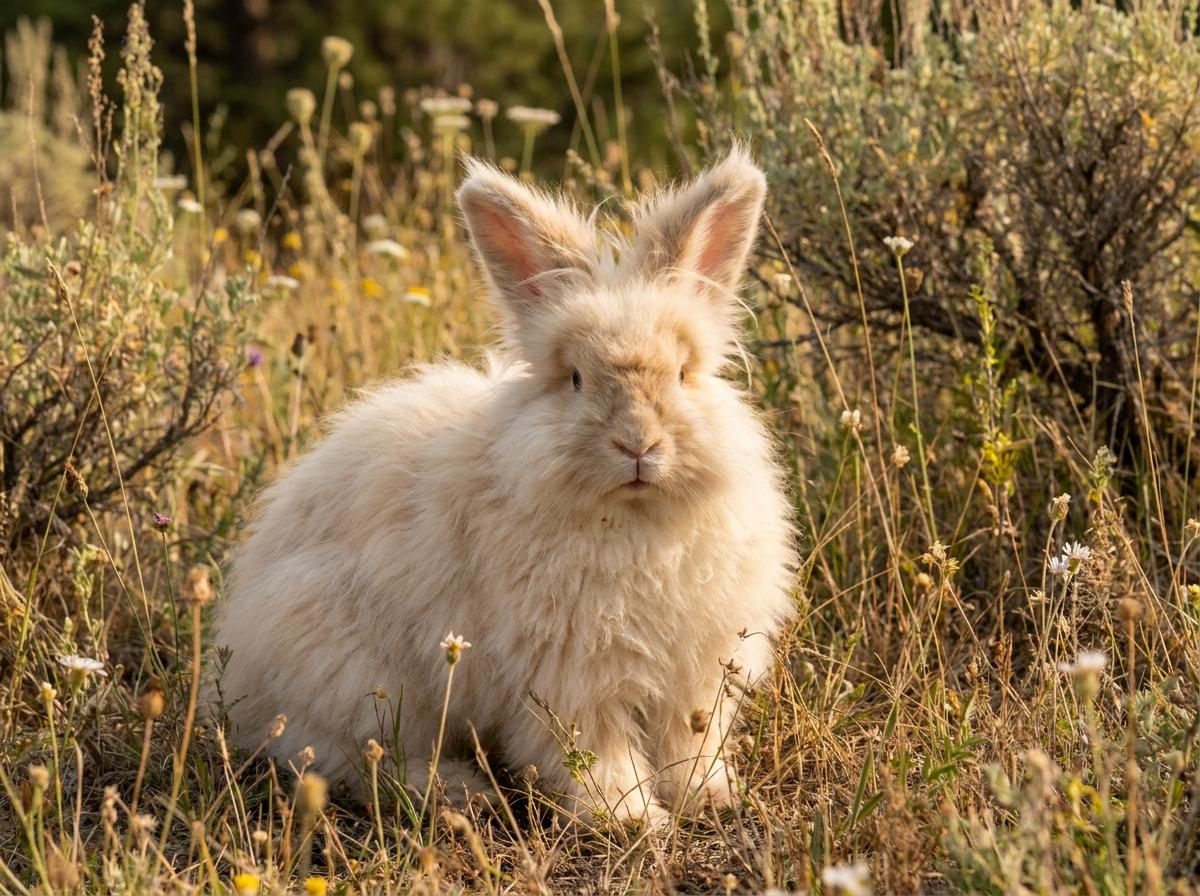
Take the ears away and you still have a distinctive rabbit. The English Lop is a big, long-bodied breed with a semi-arch profile, often called the mandolin shape: the topline rises from behind the shoulders and peaks over the hips before rounding down, so the rabbit in profile resembles the body of a mandolin laid on its face. The head is wide with full cheeks tapering to a slightly wide muzzle, carried without the raised crown of ear base that most other lops show. Legs are of medium length with medium-heavy bone, and the coat is fine, silky flyback fur of medium length, meaning it returns to place when stroked against the grain.
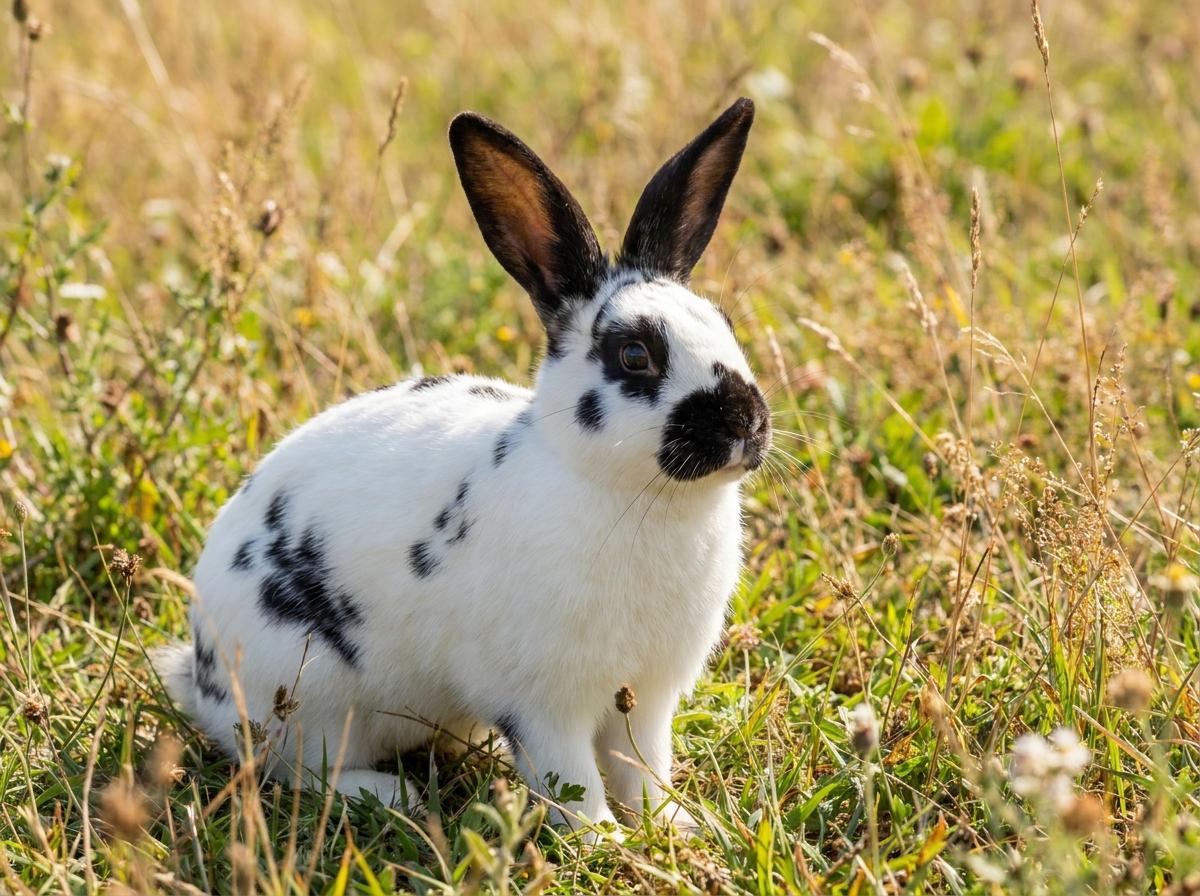
Size is substantial. The ARBA standard sets minimum senior weights of 9.5 pounds for bucks and 10.5 pounds for does with no maximum, and most adults land around 10 to 12 pounds. The breed is shown in six classes (junior, intermediate, and senior for each sex) and in two variety groups, solid pattern and broken pattern, the broken being white with patches of a recognized color. Blacks, fawns, torts, agoutis, and white-marked brokens of those colors are all common sights on show tables.
If color genetics are what draw you to rabbits, it is worth knowing the fancy runs in every direction: at the opposite end of the size and ear spectrum from the English Lop sits a breed like the Smoke Pearl, a British color breed defined entirely by its shaded smoke-gray coat rather than by any structural extreme.
Temperament
The English Lop’s reputation is genuinely good. ARBA describes the breed as placid and easygoing, with the nickname the Dog of the Rabbit World, and keepers consistently describe calm, sociable, people-oriented rabbits that settle into household life. Part of that is probably selection: a breed handled constantly for shows, with ears that demand regular human attention, has been picked for tolerance of handling for a very long time.
Calm does not mean low-effort. These are large rabbits that need daily interaction, and their ears change the handling rules. Support the whole body when lifting, keep small children supervised (a grabbed ear is an injured ear), and never restrain or lift any rabbit by the ears. The Lop Rabbit Club of America itself calls the breed a challenge and suggests it may be too much fancy for a first-time rabbit breeder; as a companion animal it suits a gentle, attentive household better than a rough-and-tumble one.
Housing and daily care

Everything about English Lop housing follows from the ears, and our general rabbit housing guide covers the baseline every rabbit needs. One species-wide requirement comes first, though, because a breed this dramatic makes it easy to overlook: rabbits are social animals. The Rabbit Welfare Association and Fund states that rabbits need company, that the company should come from other rabbits, and that rabbits kept in pairs must be neutered. Plan for at least one compatible companion rabbit, budget for neutering both, and size the housing below for the pair rather than promising yourself more space later. Bonding is its own project: two rabbits that did not arrive already bonded cannot simply be put together and expected to like each other, so introductions run gradually on neutral ground over as many weeks as the rabbits need, and rabbits pushed together too fast can fight, which on a breed carrying this much exposed ear leather is not a risk worth running.
The breed-specific layer, on top of a home built for two, looks like this:
- Solid, smooth floors, never wire. Trailing ears and heavy hindquarters both argue the same way. Wire snags and abrades ear leather and promotes pressure sores (sore hocks) in a heavy breed. Use solid flooring with dry, clean, deep bedding, and keep ramps, edges, and fittings smooth so there is nothing to catch an ear.
- Real floor space, available at all times. The rabbits must be able to move, turn, and stretch without standing on their own ears or folding them against walls, and cramped caging is how ears get trodden and how a big rabbit gets fat. The RWAF space recommendations put the minimum for two average sized rabbits at a single enclosed area of 3 m by 2 m and 1 m high, available at all times rather than in supervised bursts, with that footprint in one connected block so they can run rather than hop. Treat it as the floor and not the target for a pair of ten to twelve pound rabbits with floor-length ears: in practice it means a large pen or a rabbit-proofed room, with clutter kept off the ground they actually cross.
- Scrupulous cleanliness. Those ears drag through whatever is on the ground. Soiled, damp bedding means soiled, damp ear leather, skin irritation, and a rabbit at higher risk of flystrike in warm weather. Spot-clean daily and strip the bedding on a regular schedule.
- Temperature management in both directions. Freezing conditions risk frostbitten ears, so in cold climates the English Lop belongs indoors or in a genuinely insulated, draft-free, temperature-managed space, and it is safest to treat below-freezing housing as a hard no for this breed. Heat is the other edge: rabbits overheat easily, so shade, airflow, and cool retreats matter, and our guide to preventing heat stress in rabbits applies with extra force to a breed you cannot simply move into a chilly outbuilding.
- Keep the nails short. An English Lop scratching itself or pushing off a surface can slice its own ear leather. Frequent nail trims are ear protection as much as foot care.
- Mind the water. Long ears end up in open water dishes. Many keepers use a heavy, high-walled crock or a bottle positioned so the rabbit can drink comfortably with its ears staying dry, because chronically wet ear leather invites trouble.
- A weekly hands-on check. Once a week, look at each ear inside and out for wax buildup, scratches, crusting, redness, or smell, check the hocks, and get your hands on the body to feel condition under the coat. Ten minutes a week catches most problems while they are still small and cheap.
Feeding is standard rabbit keeping: unlimited grass hay, a measured portion of plain pellets, fresh leafy greens, and constant clean water, with treats rare. The full breakdown is in our guide to what to feed a rabbit. Do not let a big, food-motivated breed talk you into more pellets than it needs; extra weight makes every ear and hock problem above worse.
Health
The English Lop shares the general health picture of all domestic rabbits, plus the lop-specific risks already described. The practical watch list:
- Ear canal disease. Head shaking, ear scratching, visible wax, heat or smell from the canal, pain when the ear base is touched, or a head tilt are all reasons to see a veterinarian promptly, not to wait. Lop ear canals hide infection well, and by the time signs are obvious the problem is established.
- Dental disease. The same 2019 Royal Veterinary College research that documented ear disease in lops also found more incisor problems, molar overgrowth, and molar spurs in lop-eared rabbits. Weepy eyes, drooling, dropped food, or slowed eating in an English Lop warrants a dental exam.
- GI stasis. Any rabbit that stops eating or producing droppings is an emergency the same day. Read the signs in advance in our guide to GI stasis in rabbits.
- Sore hocks and obesity. Weight and flooring problems show up on the hocks of a heavy breed first. Keep the floors soft and dry and the rabbit lean.
- Routine preventive care. A rabbit-experienced veterinarian, spay or neuter for companion animals, parasite checks suited to your region, and the vaccinations your vet recommends where relevant diseases circulate. Every medical decision for an individual rabbit belongs with a veterinarian who has examined that rabbit.
There is no authoritative breed-specific lifespan figure for the English Lop. Larger rabbit breeds generally live shorter lives than small ones, and English Lops are commonly quoted around five to seven years, with well-kept individuals exceeding that. Treat those numbers as expectation-setting rather than a guarantee.
Breeding and showing
For exhibitors, the English Lop is a specialist’s breed with an active if small show community under ARBA and the British Rabbit Council. Rabbits are shown in six age-and-sex classes and judged against a standard that concentrates its points in the ears and the mandolin type. Because ears reach most of their length by around five months, juniors already show what they will become, and serious breeders measure and track ear span, ear width, and body type across their lines.
The husbandry realities of breeding are ordinary rabbit keeping at a larger scale: gestation of about a month, litters that are commonly large, and does that need quiet, spacious, solid-floored quarters to raise kits without ear injuries in a crowded box. The ethical reality deserves saying plainly: this is a breed defined by an exaggerated trait, and breeding decisions push that trait one direction or the other. A responsible English Lop breeder tracks ear health, ear injuries, and dental findings across generations with the same seriousness as show wins, and culls breeding plans, never welfare, when the two conflict.
Good records are the working tool for all of it, for a companion pair’s weight and ear-check logs as much as for a rabbitry’s breeding program. That is exactly what Creatures is for, and the hub at the end of this page shows where to start.
Cost and availability
An English Lop is usually not an expensive rabbit to buy; it is an uncommon one to find. Pet-quality rabbits from local breeders typically cost a modest sum, often less than the housing you will set up around them, while show-quality or proven breeding stock from established lines costs more. There is no reliable national price sheet for the breed, so treat any confident universal figure with suspicion and price the rabbit in front of you: its health, its temperament, its ear condition, and its paperwork. Budget for a pair rather than a single rabbit, too: the companion, neutering both, and one enclosure big enough for two are part of the real cost of the breed. Our guide to what pet rabbits cost breaks down the full budget, where the purchase price is usually the smallest line.
Availability is the real constraint. The breed is maintained by a limited number of breeders, so expect to search regionally, join a waitlist, or travel. Start with the English Lop listings on the Creatures marketplace and the breeder directory, and read our advice on where to buy a rabbit before you commit. When you do meet a breeder, ask to see the parents’ ears (condition, not just length), ask how the rabbits are floored and housed, and ask for health and treatment records. A breeder who tracks that and can show you is the breeder to buy from.
Is an English Lop right for you?
A fair self-check before you fall for the ears:
- You can house it indoors or in a properly temperature-managed space. If your plan is an ordinary outdoor hutch through freezing winters, this is the wrong breed.
- You have real floor space on solid footing, and you are willing to keep it clean enough that ear leather can drag through it safely.
- You are set up for two rabbits, not one. Companionship is a requirement rather than an upgrade, so plan on a compatible neutered companion, a patient bonding process, and a single enclosure sized for the pair from the start.
- You will do the boring maintenance: weekly ear and hock checks, frequent nail trims, weight management, and a same-day vet trip when an ear or the gut says something is wrong.
- Your household is calm. A placid twelve-pound rabbit with floor-length ears and small, grabby children is a bad combination without close supervision.
- You accept the trait for what it is. The ears are the breed’s history and its burden. Keeping one well means managing that burden every day, and doing it anyway is what makes the breed rewarding.
If that list reads as too much structure, one of the shorter-eared lop breeds descended from the English Lop will be an easier companion, and the earlier breed links on this page cover the closest candidates. And if what you actually want is a busy, high-interaction small animal rather than a calm floor companion, compare a different species entirely, like the ferret, before you commit to years of rabbit keeping.
Frequently asked questions
How long are an English Lop’s ears?
The ARBA standard requires at least 21 inches measured tip to tip across the span, and exhibition animals often exceed it. The world record, set by an English Lop named Nipper’s Geronimo in 2003, is 79 cm, about 31 inches.
Do English Lops need special ear care?
Yes, and it is the central fact of the breed. They need solid clean floors, space that keeps them from treading on their own ears, protection from freezing temperatures, short nails, and a weekly ear inspection, plus prompt veterinary care for any sign of ear infection. Lop-eared rabbits as a group carry higher rates of ear canal disease than erect-eared rabbits.
Can an English Lop live outdoors?
Only where the climate and the setup truly protect it. Freezing weather puts that much exposed ear leather at real risk of frostbite, so cold-climate keepers house the breed indoors or in insulated, temperature-managed spaces. In hot weather the species-wide risk of heat stress applies, so shade, airflow, and cool retreats are required either way.
Are English Lops good pets for families with children?
They are calm, tolerant, people-oriented rabbits, which is a good start. The caution is physical: the ears are easy for a small child to grab and injure, and a ten-pound rabbit is heavy to lift safely. They suit households where handling is taught and supervised.
How big does an English Lop get?
The standard sets minimums of 9.5 pounds for senior bucks and 10.5 pounds for senior does with no maximum, and most adults weigh around 10 to 12 pounds.
What is the difference between an English Lop and a French Lop?
The English Lop is the older breed, longer-bodied, with dramatically longer ears; the French Lop, developed from it, is heavier and bulkier with much shorter, thicker ears. If you want the lop look with less ear to manage, the French Lop page covers that trade in detail.
Do this next on Creatures
Whether you are still researching, hunting for a breeder, or already keeping the King of the Fancy, Creatures is the records, marketplace, and directory layer to do it in one place.
Compare the lop family. Read the French Lop guide and the Velveteen Lop guide to see how the English Lop’s descendants trade ear length for bulk or size.
Find a rabbit. Browse English Lop listings on the marketplace and search trusted breeders in the Creatures directory. New to the marketplace? See saving searches and using your watchlist.
Get alerted. English Lops are uncommon, so set a free English Lop listing alert and we will tell you the moment one is posted. No account needed to start.
Add your rabbit. Already keeping one? Create a free profile for your English Lop in a few minutes, no account needed to start. The walkthrough is in adding an animal to Creatures.
Log the ear checks. Add weight, ear-check, and health records so problems show up as trends, not surprises. The record sheet opens for any visitor to look around, and you will need a free account to save what you enter. See adding a record and health and medical records, and set the weekly check as a repeating reminder with reminders and upcoming care.
Run a rabbitry? Create your rabbitry’s profile, then get listed in the breeder directory so buyers searching for this uncommon breed can find you. If you work with partners or family, see creating an organization and adding your team, and read how seller payout works before you list stock for sale.