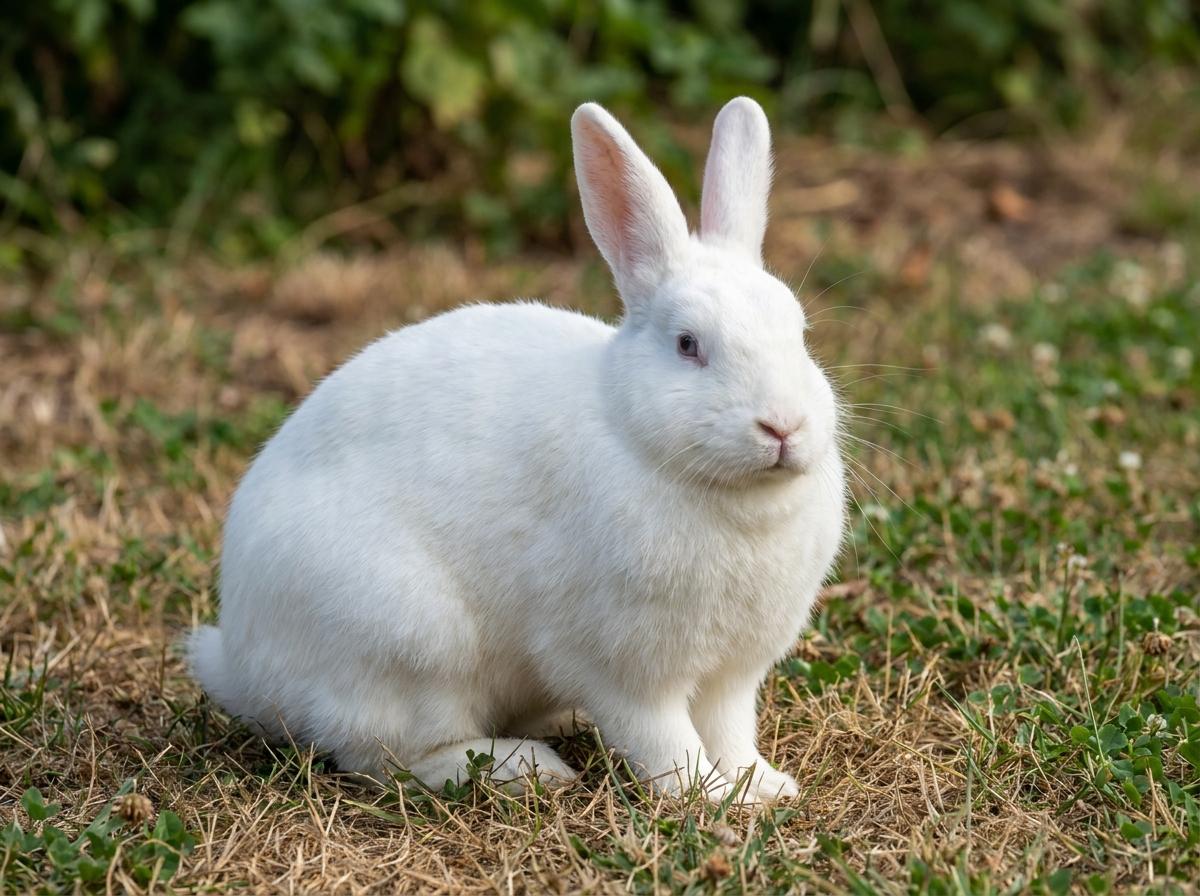
New Zealand
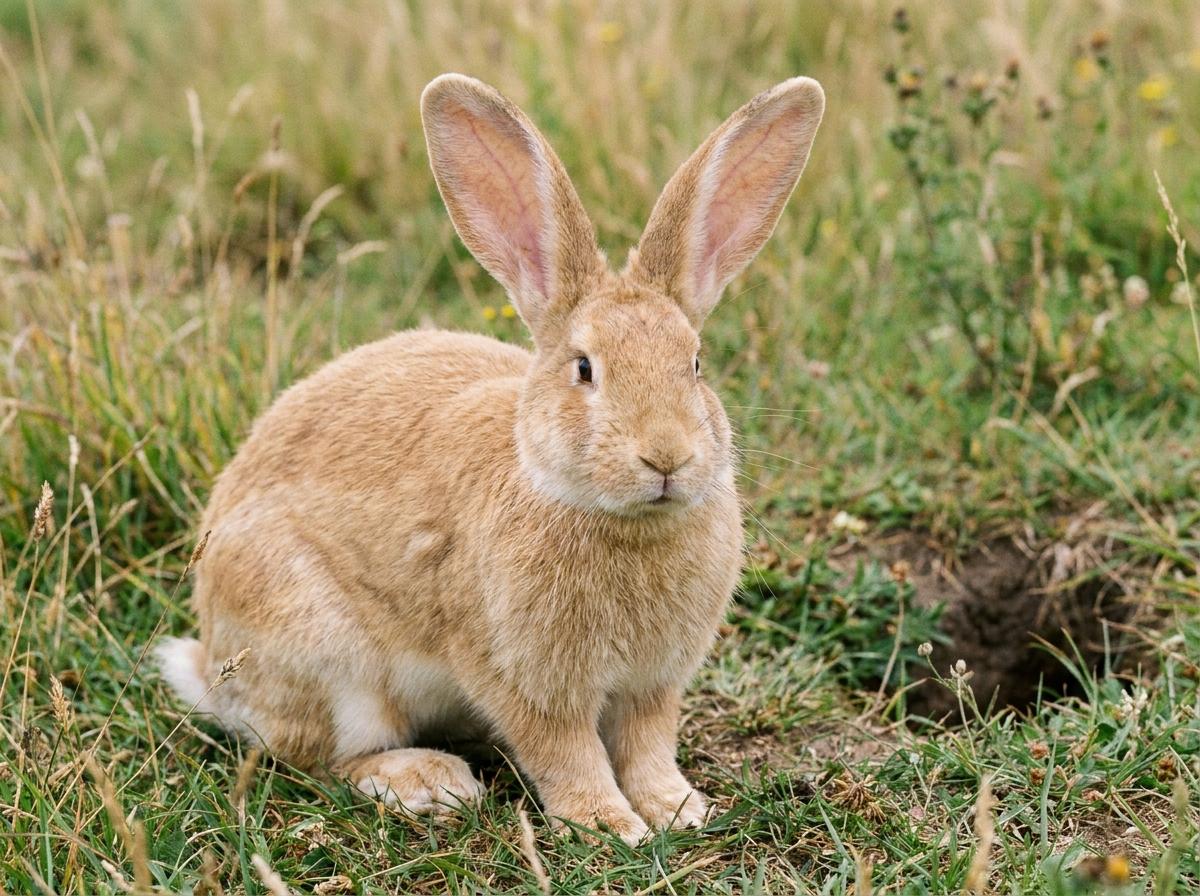
The New Zealand rabbit is a substantial rabbit with a name that can mislead buyers about its origins. It was developed in the United States, and its size deserves as much attention as its familiar appearance. For a companion home, the central questions are space, handling and the needs of the individual.
Use the Creatures breeder directory to ask about adult size, current care and the history supplied with each rabbit. State whether you are looking for a companion, a show prospect or another purpose so that the conversation starts with the right expectations. You can also save a New Zealand listing alert to get an email when a matching animal is listed.

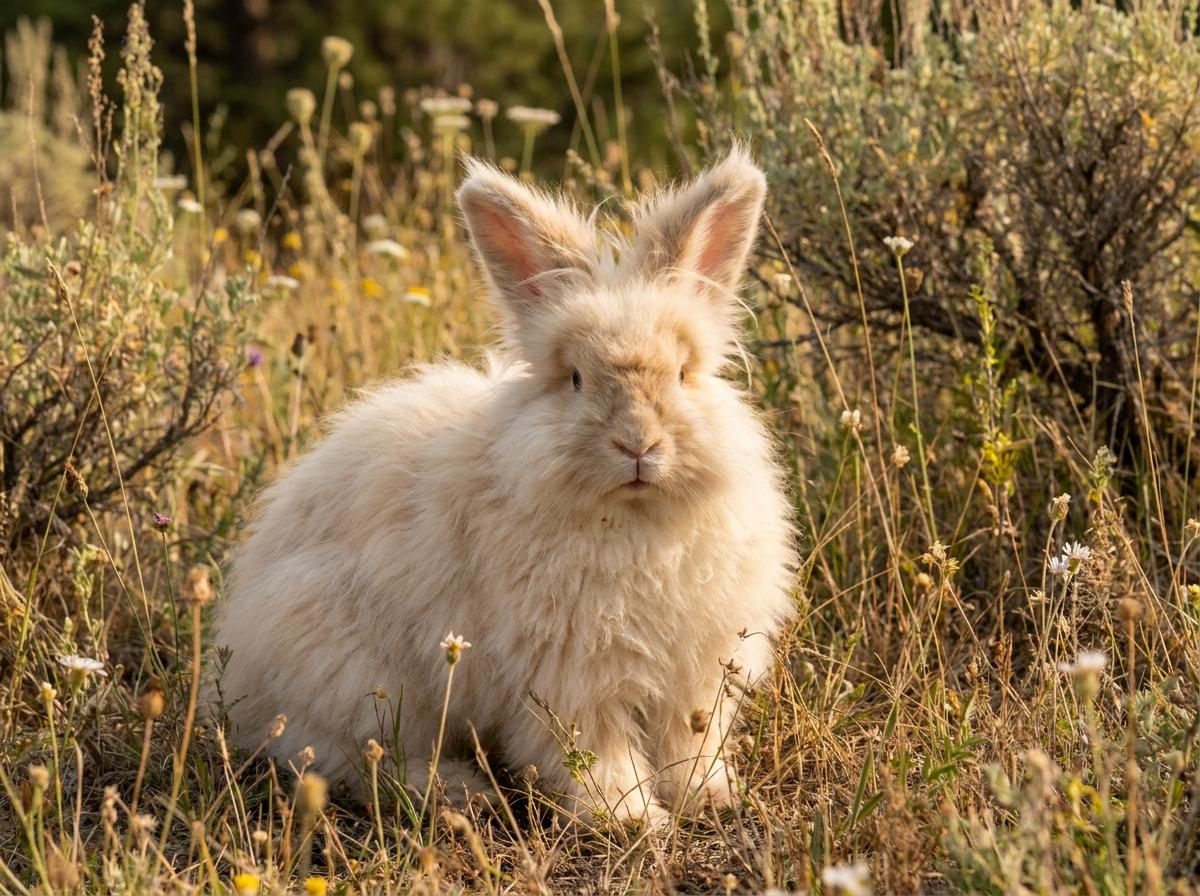
AI-generated illustration.
| Development | United States |
|---|---|
| ARBA recognition | 1916 |
| ARBA maximum | 12 lb; not a feeding target |
| Coat | Short, dense fur; five ARBA showroom varieties |
| Home priority | Space fitted to adult size |
| Companionship | A compatible rabbit and a careful bonding plan |
Browse listings, public profiles, breeders, or add your animal.
The name does not identify the country of origin
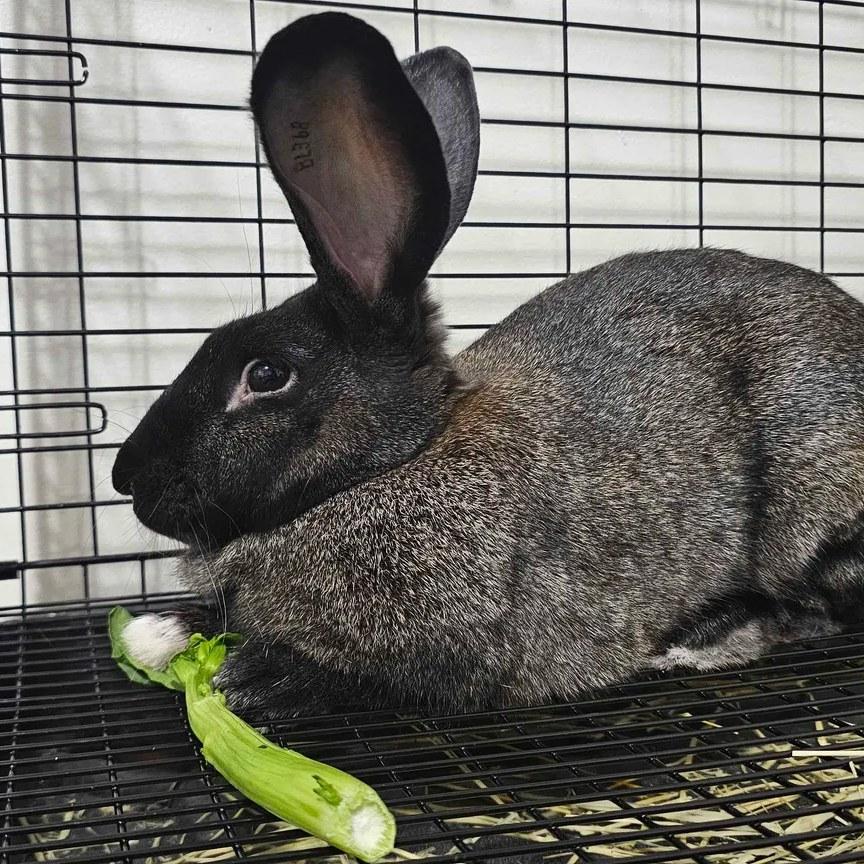
The American Rabbit Breeders Association places the breed’s development in the United States and recognition in 1916. It describes a history shaped by growth and commercial production, with Reds preceding the later prominence of Whites.
That history does not define the personality or future of an individual rabbit. A rabbit from a commercial line still needs appropriate care, and a show pedigree does not guarantee a companion will enjoy handling.
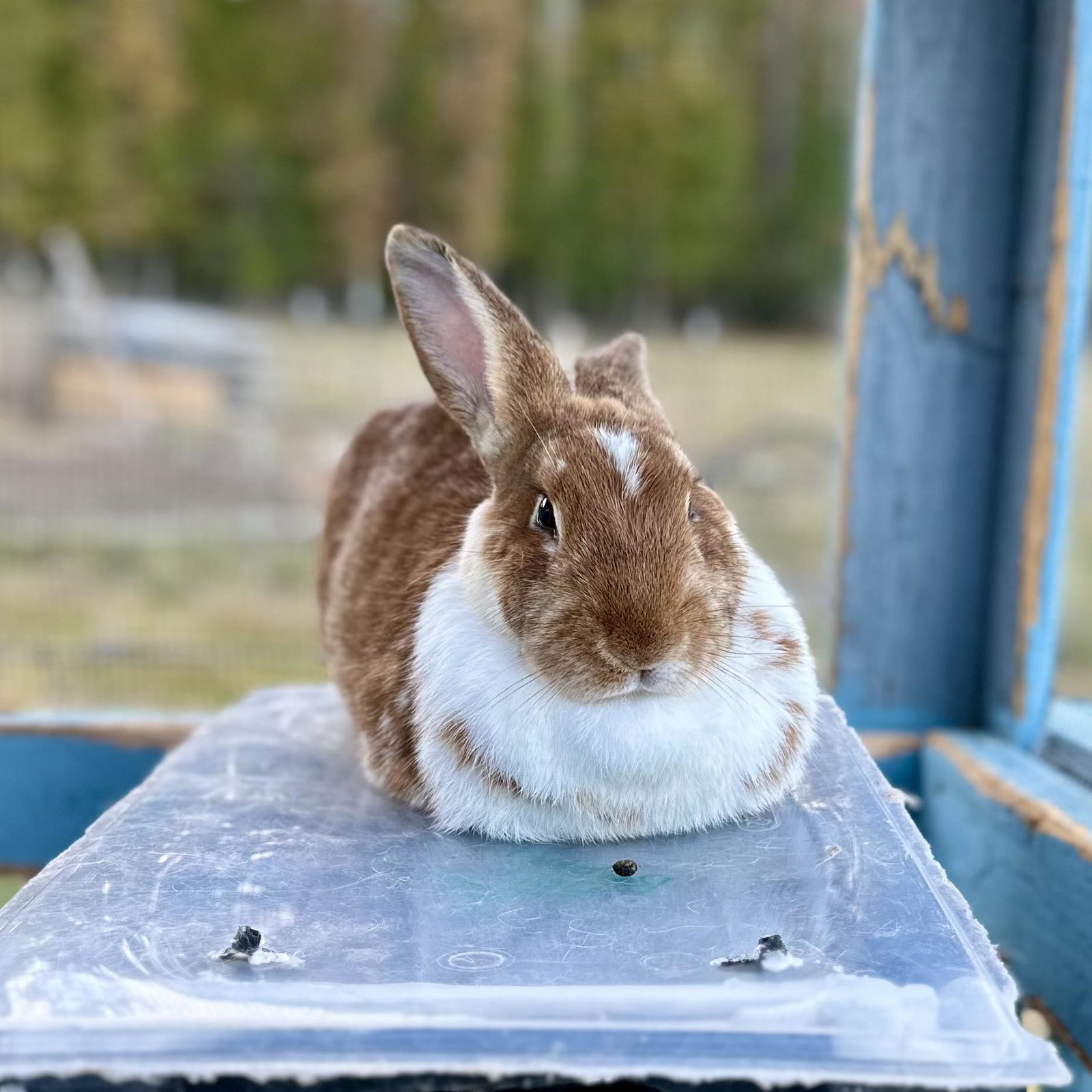
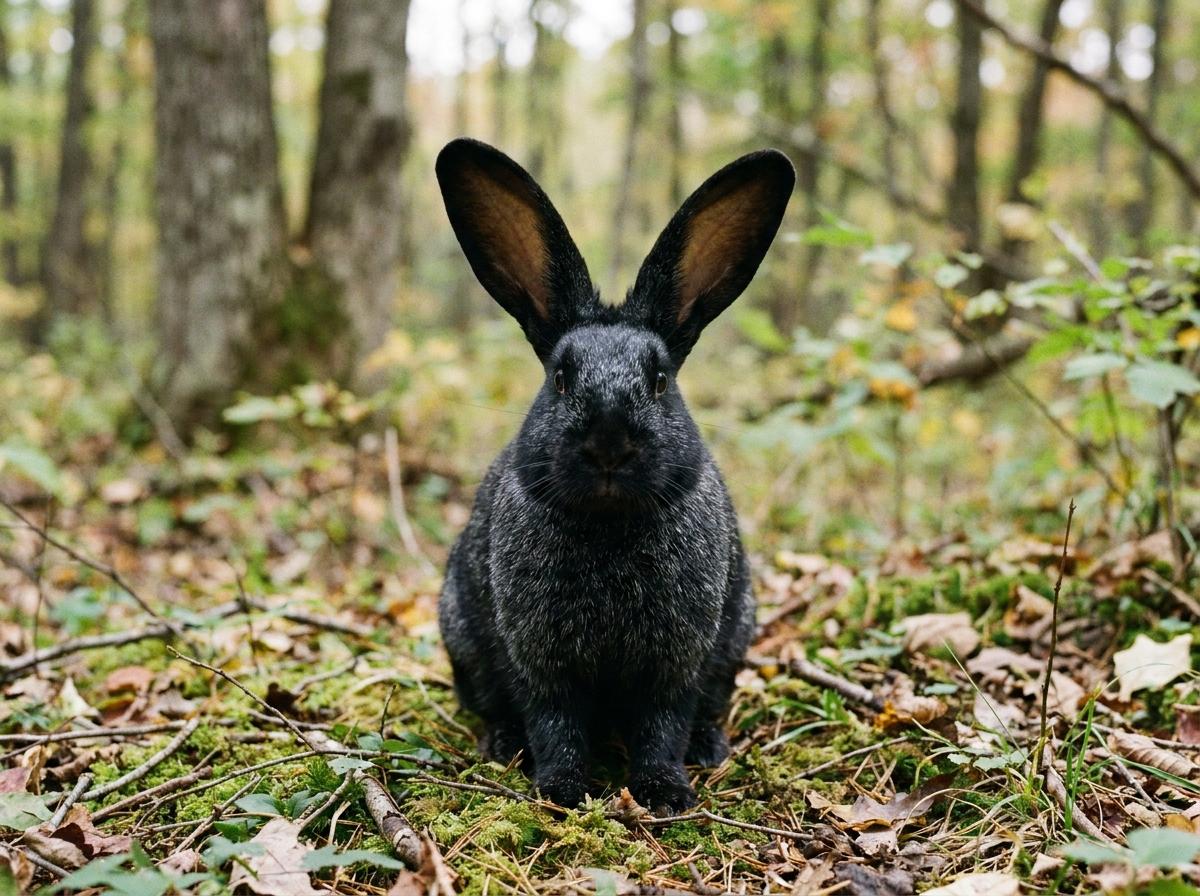
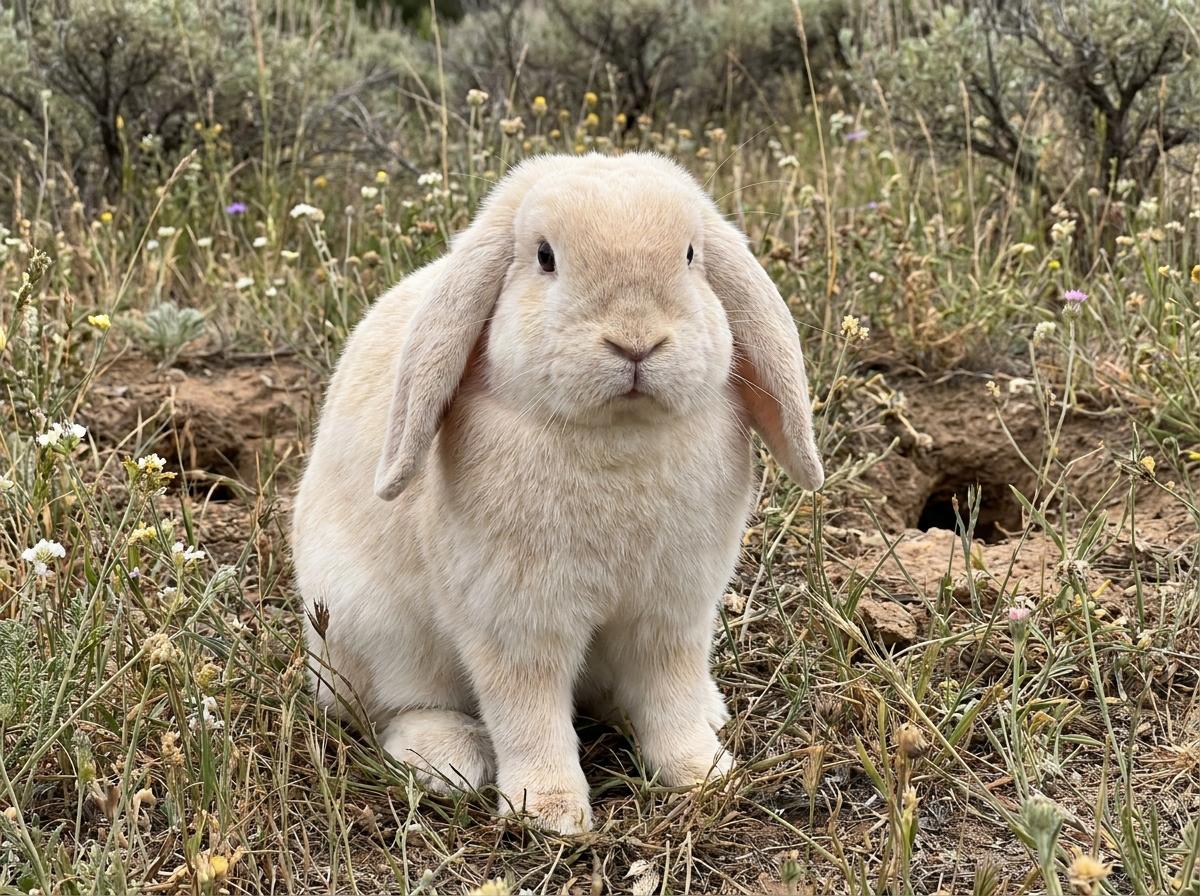
The familiar white rabbit is one of five showroom varieties. ARBA’s January 2026 Breed ID Guide lists Black, Blue, Broken, Red and White. Broken New Zealands have a colored pattern with white; the registration list distinguishes Broken Black, Broken Blue and Broken Red. Ask which variety the rabbit and its ancestors are recorded as. A white coat by itself proves neither breed nor ancestry.
Its commercial history helps explain the emphasis on substantial adult size. If you are comparing substantial rabbits, the Palomino guide covers another American commercial breed with different color varieties. Do not transfer a Palomino color label onto a New Zealand pedigree.
Plan around the adult, not the baby
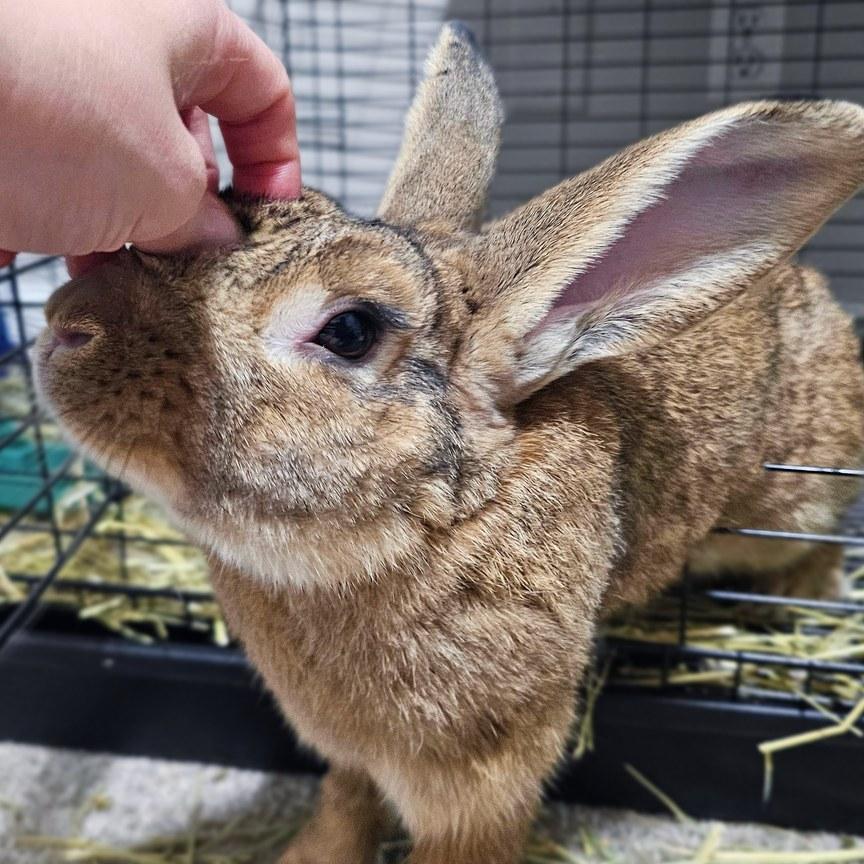
ARBA gives a maximum breed weight of 12 pounds. Treat that as a registry limit, not an instruction to feed a pet to that number. Your veterinarian should assess appropriate body condition for the individual.
Ask to see adult relatives when possible and get the rabbit’s current weight and age in writing. When buying equipment, consider the adult rabbit’s ability to enter, turn and rest comfortably. A carrier or hide that fits a youngster may soon be inadequate.
The rabbit weight and size guide can help organize these questions. Record weights with dates and the method used so that you can distinguish a trend from inconsistent measurements.

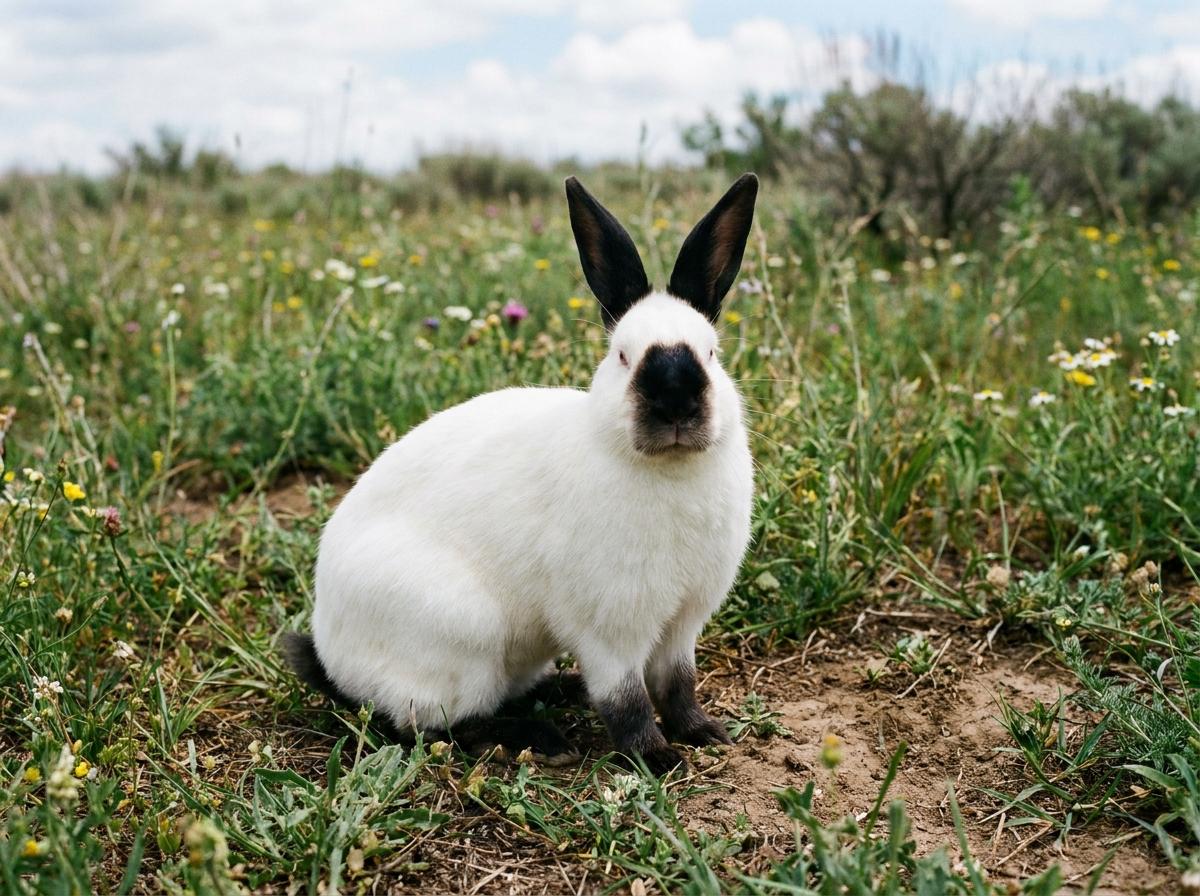
AI-generated illustration.
Build the living space before collection
The RSPCA’s housing guidance gives 3 m by 2 m by 1 m as the minimum combined shelter and exercise space for two medium-sized rabbits, with continual access. A large New Zealand pair may need more space and larger furnishings to move, stretch and stand normally. Treat the figure as a starting floor, not proof that any layout with those outside measurements is suitable.
For a New Zealand, walk through the actual layout at adult scale. Will a large hide block the route between the feeding and resting areas? Can you reach every part to clean it? Can a second rabbit use resources without being crowded out?
Flooring deserves particular attention under a substantial rabbit. Merck’s veterinary guidance identifies pressure, wire floors, hard surfaces and excess weight among concerns in sore hocks, and notes susceptibility in heavy breeds. Provide dry, comfortable solid footing and ask your veterinarian about thinning fur, redness or altered posture. Use the rabbit housing guide to plan the whole space before collection.
Company requires a considered introduction
The RSPCA’s companionship advice recommends a compatible rabbit companion, with introductions managed gradually and under supervision. Discuss neutering and readiness with a rabbit-experienced veterinarian.
Feed for the rabbit in front of you
The RSPCA diet guide emphasizes hay or grass, fresh water, suitable greens and measured pellets. Changes should be gradual. Ask your veterinarian to tailor the diet to age and health.
Handling a substantial rabbit
A heavy rabbit can still suffer an injury if it kicks out while unsupported. Arrange for a rabbit-experienced professional to demonstrate safe lifting only where necessary, supporting both body and hindquarters. The handling and bonding guide helps plan calm floor-level interactions. Adults should manage any lifting around children.
Ask to see the rabbit enter its carrier and tolerate an ordinary examination. A photograph on a show table tells you little about its response at home. Set up the carrier and grooming area so that you can support the adult rabbit securely without leaning over an awkward height.

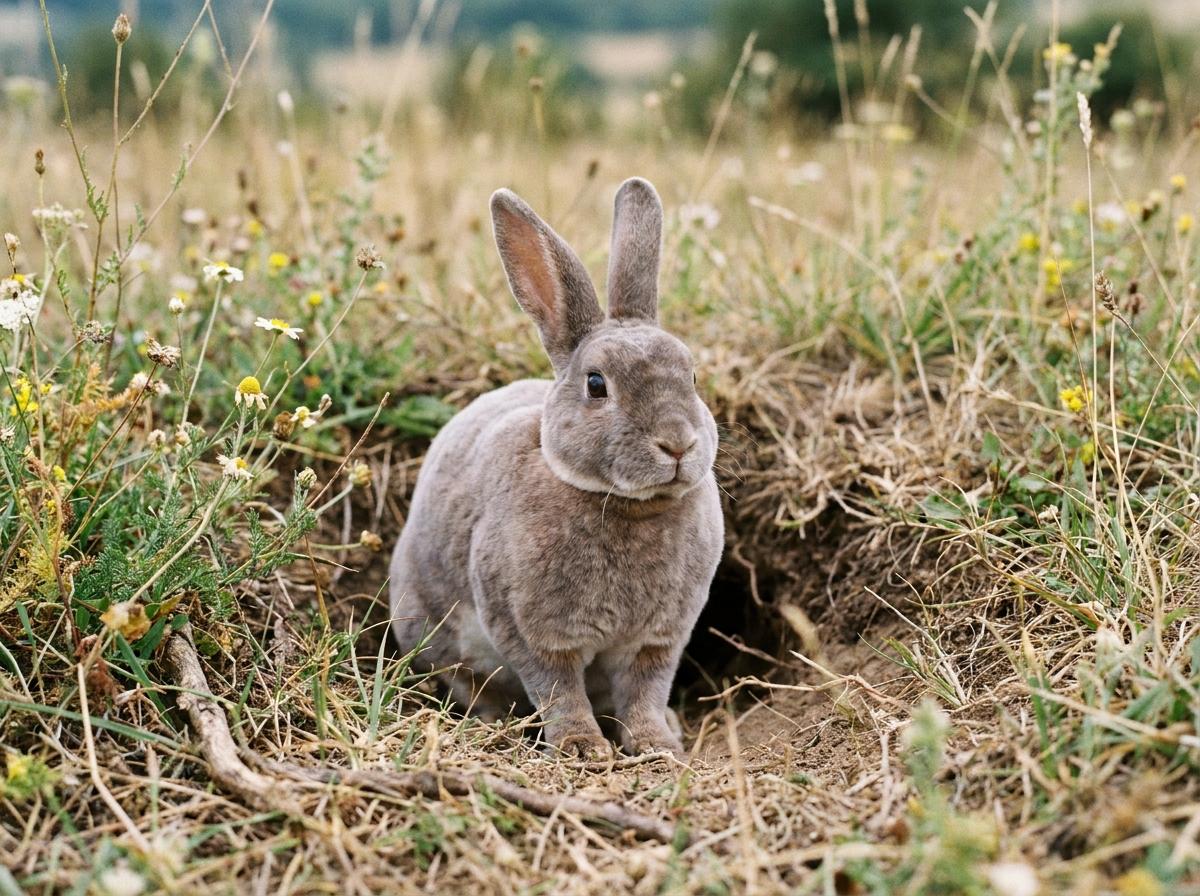
AI-generated illustration.
Health care starts before a problem
Find a practice that sees rabbits and establish its emergency arrangements. The RSPCA health guide advises prompt veterinary contact when appetite or droppings change. Do not wait for a routine appointment if the rabbit stops eating or produces fewer droppings.
Ask for prior veterinary findings, current medication and preventive-care records. Discuss vaccination and neutering with your own veterinarian in the context of your location and the rabbit’s circumstances.
The GI stasis guide helps explain why accurate observations matter. Write down when the change began and what the rabbit last ate, but do not let record keeping delay the call.
Buying, rehoming and comparing breeds
Request a written account of age, sex, identity, parentage if known and any current concern. If ancestry is unknown, retain that uncertainty. The rabbit pedigree chart maker can organize known ancestors while the original documents retain ear numbers, weights and registry evidence. See where to buy a rabbit for seller and rescue checks.
Ask for an itemized current price and read the agreement before paying. Budget separately for a suitable home, veterinary care and holiday care. The rabbit cost guide helps make those continuing expenses visible.
For a smaller rabbit comparison, read the Thrianta guide. If coat care interests you, the Jersey Wooly guide explains a very different maintenance commitment. The rabbit hub brings the wider choices together.
New Zealand rabbit questions
Was the breed developed in New Zealand?
No. ARBA identifies its development as American.
Should my pet weigh 12 pounds?
Not necessarily. The registry maximum is not an ideal weight for every individual.
Does a white rabbit automatically belong to this breed?
No. Breed identity needs a reliable history or pedigree, not just coat color.
Can a large rabbit live in a small hutch?
No. Plan sufficient permanent living and exercise space around the adult rabbit and its companion.
Do this next on Creatures
Still looking? Get an alert when a New Zealand rabbit is listed, browse New Zealand breeders, or check current New Zealand listings. The Help Center explains saved searches and email alerts.
Already caring for one? Add a record when you have a dated document or useful observation. The form opens for visitors; a free account is needed to save. The Help Center explains adding an animal and adding a record.
Breeders and organizations can create an organization profile for their work. The organization and team guide explains the setup.