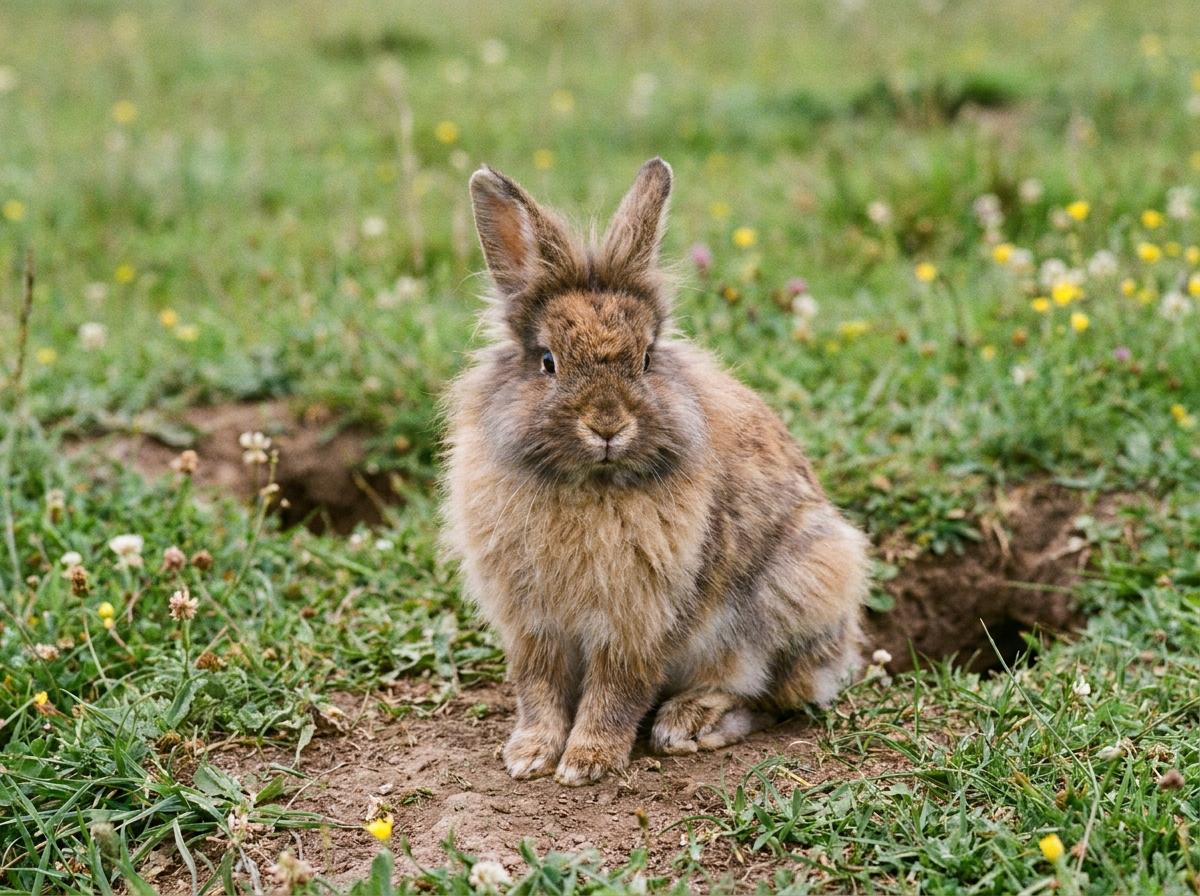
Rabbit
Oryctolagus cuniculus
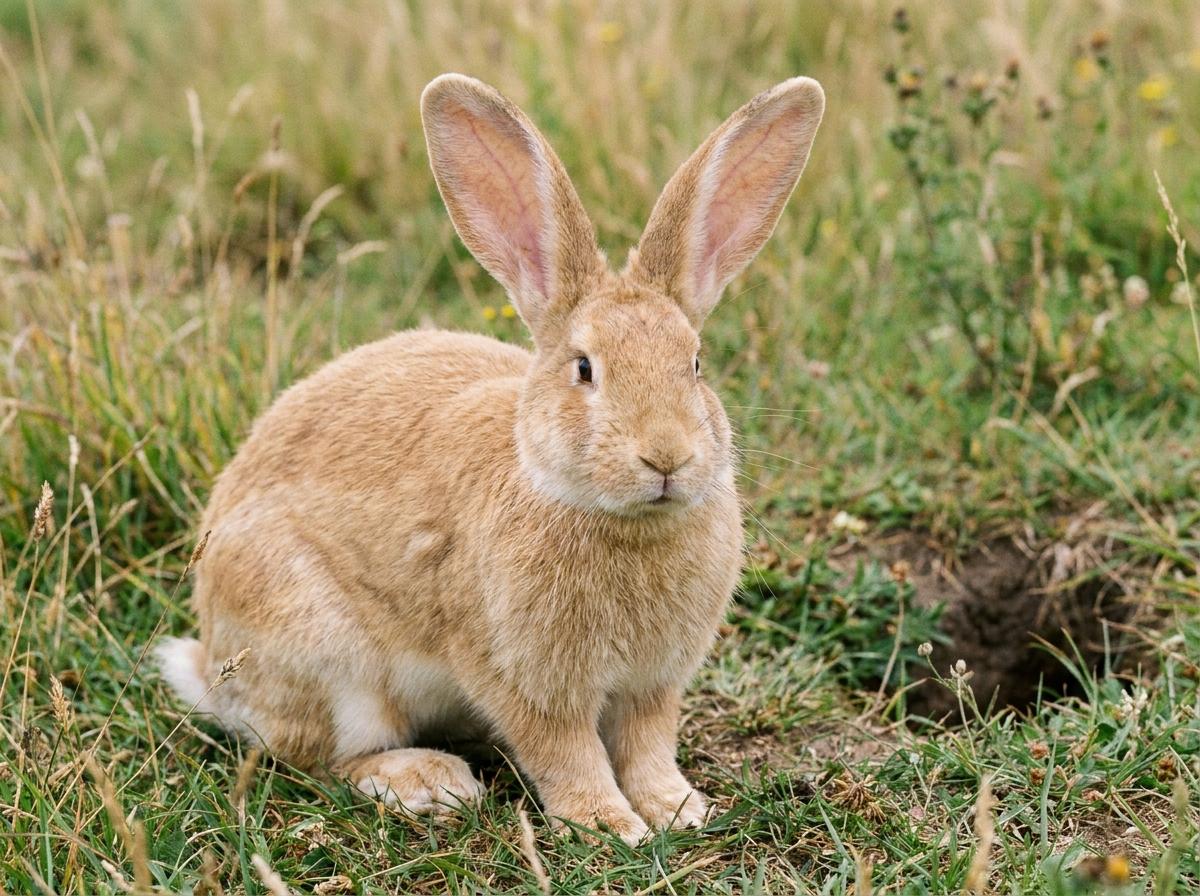
Rabbits are small, social plant-eaters, and every domestic breed, from a 2.5 lb Netherland Dwarf to a Flemish Giant that can top 20 lb, belongs to one species, the European rabbit. The American Rabbit Breeders Association (ARBA) recognizes 53 breeds and the British Rabbit Council more than 80, and keepers sort them by size, by ear carriage (upright or lop), by coat and by purpose: pets and show, meat, fur and wool. An indoor house rabbit commonly lives 8 to 12 years, so even a small one is a long commitment. If you are looking for a rabbit now, search the rabbit breeders and rabbitries listed in the Creatures directory, or set a free rabbit listing alert so Creatures emails you when one is listed.
Breeds come first below, sorted by size, ears, coat and purpose, followed by what a rabbit really costs, how long rabbits live, housing, diet, vet care and companionship, breeding, buying, and the records owners and rabbitries keep. Where a topic needs more room, the full Creatures guide is linked from its section. Three free rabbit tools are linked at the point where each one is useful: the rabbit gestation calculator, the rabbit pedigree chart maker and the rabbit name generator.

| Species | European rabbit (Oryctolagus cuniculus), a lagomorph, not a rodent |
|---|---|
| Recognized breeds | 53 by ARBA in the United States; more than 80 by the British Rabbit Council |
| Main types | Small, medium, large and giant breeds; upright or lop ears; normal, rex, satin or wool coats |
| Adult size | From a 2.5 lb ARBA maximum (Netherland Dwarf) to Flemish Giants that often top 20 lb |
| Lifespan | Typically 8 to 12 years for an indoor house rabbit; some reach 14 to 16 |
| Diet | Unlimited grass hay (about 85 to 90% of the diet), measured pellets, leafy greens and fresh water |
| Social needs | Keep in neutered, bonded pairs; welfare groups advise against keeping one alone unless a vet advises it |
| Gestation | About 31 to 33 days |
| Price (2026) | Adoption often $20 to $100; from a breeder roughly $30 to a few hundred dollars |
Browse listings, public profiles, breeders, or add your animal.
Rabbit breeds and types
All domestic rabbits are one species, so any two breeds can be crossed, and the differences between them are the work of breeders. Nor was there one moment of domestication: a 2018 study in Trends in Ecology and Evolution by Irving-Pease and colleagues showed that the popular story of French monks domesticating them around AD 600 is a misconception. National organizations recognize breeds, each against its own written standard. In the United States the American Rabbit Breeders Association recognizes 53 rabbit breeds, the newest being the Mini Californian, which the ARBA Standards Committee made eligible to show as a recognized breed from December 1, 2025. In the United Kingdom the British Rabbit Council recognizes more than 80 breeds and shows them in Fancy, Lop, Fur and Rex sections plus Rare Varieties. Scroll past this guide to the A to Z list for a Creatures page on most of these breeds, plus many local and European ones.
For choosing a rabbit, four things matter more than the full list: size, ears, coat and purpose. Size comes first, because it decides housing, handling and cost. The Merck Veterinary Manual’s rabbit breed list sorts common breeds into small (2 to 6 lb), medium (6 to 9 lb), large (9 to 11 lb) and giant (over 11 lb) classes. Merck’s advice on choosing a rabbit adds a point worth knowing: larger rabbits are often calmer and sturdier, while small ones are more delicate and need especially careful handling. The rabbit weights by breed guide explains how to read breed weights against your own rabbit’s body condition.
| Small (2 to 6 lb) | Netherland Dwarf, Britannia Petite, Polish, Dwarf Hotot, Holland Lop, Jersey Wooly, Mini Rex, Dutch, Havana, Himalayan |
|---|---|
| Medium (6 to 9 lb) | Rex, Harlequin, English Spot, Lilac, Rhinelander, Silver Marten, Standard Chinchilla, Belgian Hare |
| Large (9 to 11 lb) | New Zealand, Californian, Champagne d’Argent, Silver Fox, American Chinchilla, Palomino, Satin, Cinnamon |
| Giant (over 11 lb) | Flemish Giant, Checkered Giant, French Lop, Giant Chinchilla |
| Lop-eared | Holland Lop, Mini Lop, American Fuzzy Lop, French Lop, English Lop |
| Special coats | Rex (Rex, Mini Rex), satin (Satin, Mini Satin), wool (four Angora breeds, Jersey Wooly, American Fuzzy Lop) |
| Main purposes | Pets and show, meat, fur and wool |
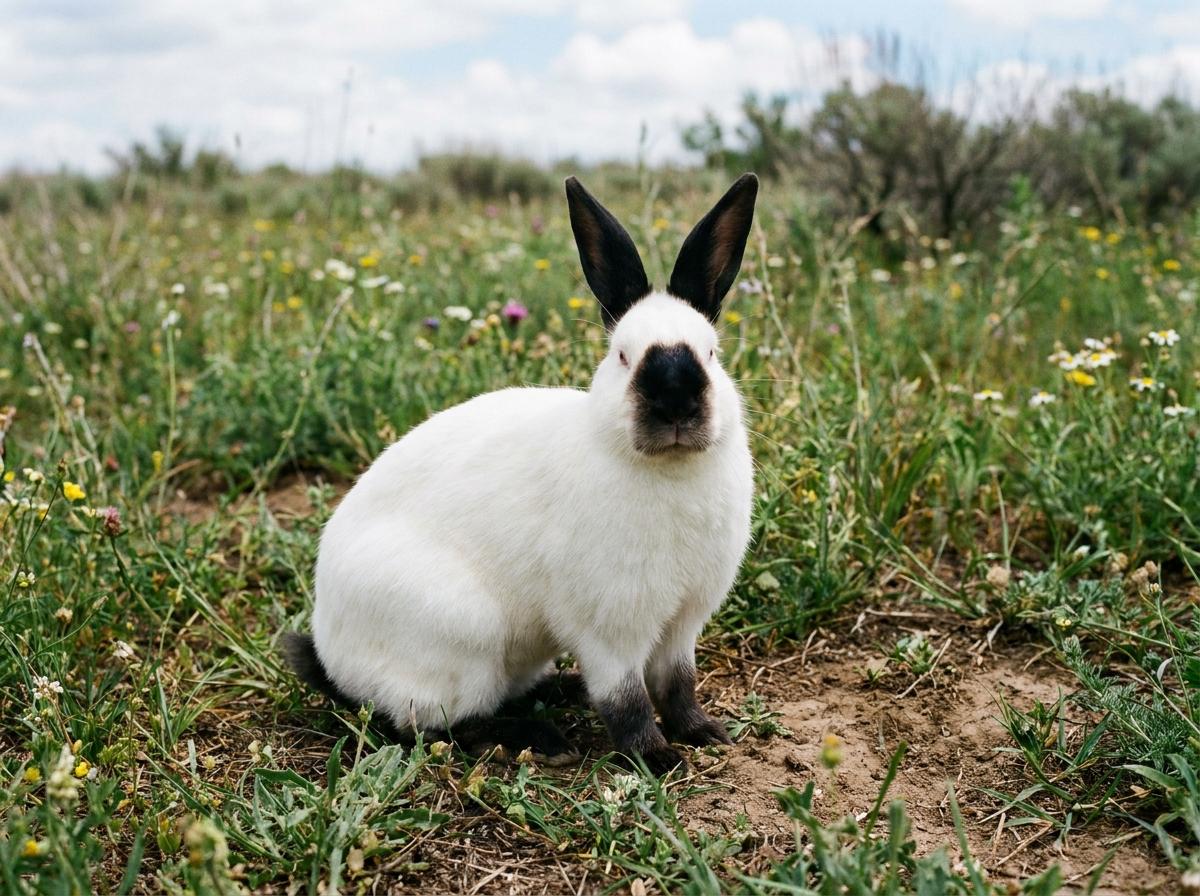
Show breeders add one more lens. Each rabbit is judged against the written standard for its own breed rather than against other breeds, and the standards describe five body types, which Washington State University Extension’s 4-H rabbit study guide lists as compact, commercial, semi-arch, full arch and cylindrical. Commercial breeds such as the New Zealand and Rex are the meat-type shape; full-arch breeds such as the English Spot and Rhinelander are what ARBA calls running breeds, judged as they move about the table rather than posed; and the Himalayan is the classic cylindrical breed. Rabbit Shows: How ARBA Shows, Legs, and Grand Champions Work explains how judging and awards work.
Small and dwarf breeds
Small breeds are the usual choice for pets and youth showing, and they include the smallest rabbits ARBA recognizes. All weights in this section are ARBA senior maximums from its breed descriptions. The Netherland Dwarf and the Britannia Petite both top out at 2.5 lb; the Netherland Dwarf has a short-faced (brachycephalic) head and comes in 25 recognized colors, while the energetic, high-strung Petite is the breed the British call the Polish. The American Polish, at up to 3.5 lb, is small but, ARBA notes, not a true dwarf. The Dwarf Hotot (3 lb), recognized in 1983, pairs the Blanc de Hotot’s eye markings with a dwarf’s build, and the Lionhead (3.75 lb), recognized in 2014, has a mane around its head. The Mini Rex (4.5 lb), developed in Texas in 1984, is, ARBA says, consistently one of the two most-entered breeds at its national convention.
The small breeds American keepers meet most often also include the Dutch, the Havana, which ARBA calls the Mink of the Fancy, the Tan, the Himalayan, the Mini Satin, the Florida White, first developed as a small laboratory rabbit, and the Dwarf Papillon, which became ARBA’s 50th breed in 2020. Many of the tiniest rabbits carry a dwarfing gene, which matters if you ever plan a litter; the breeding section below explains why.
Lop-eared breeds
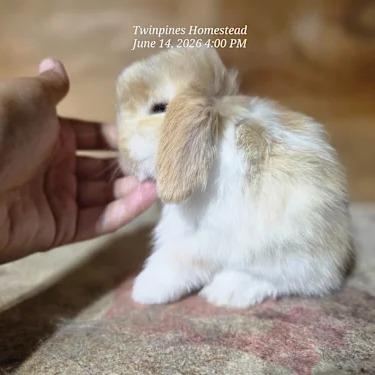
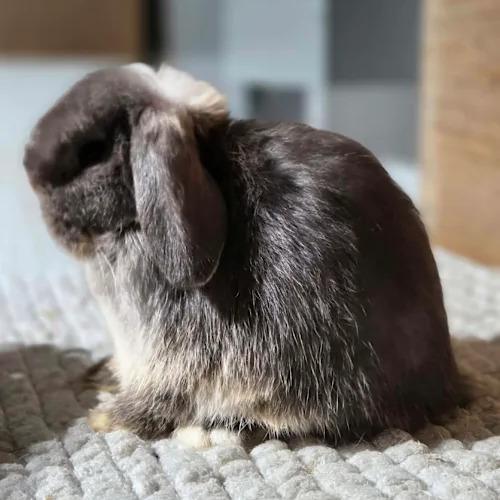
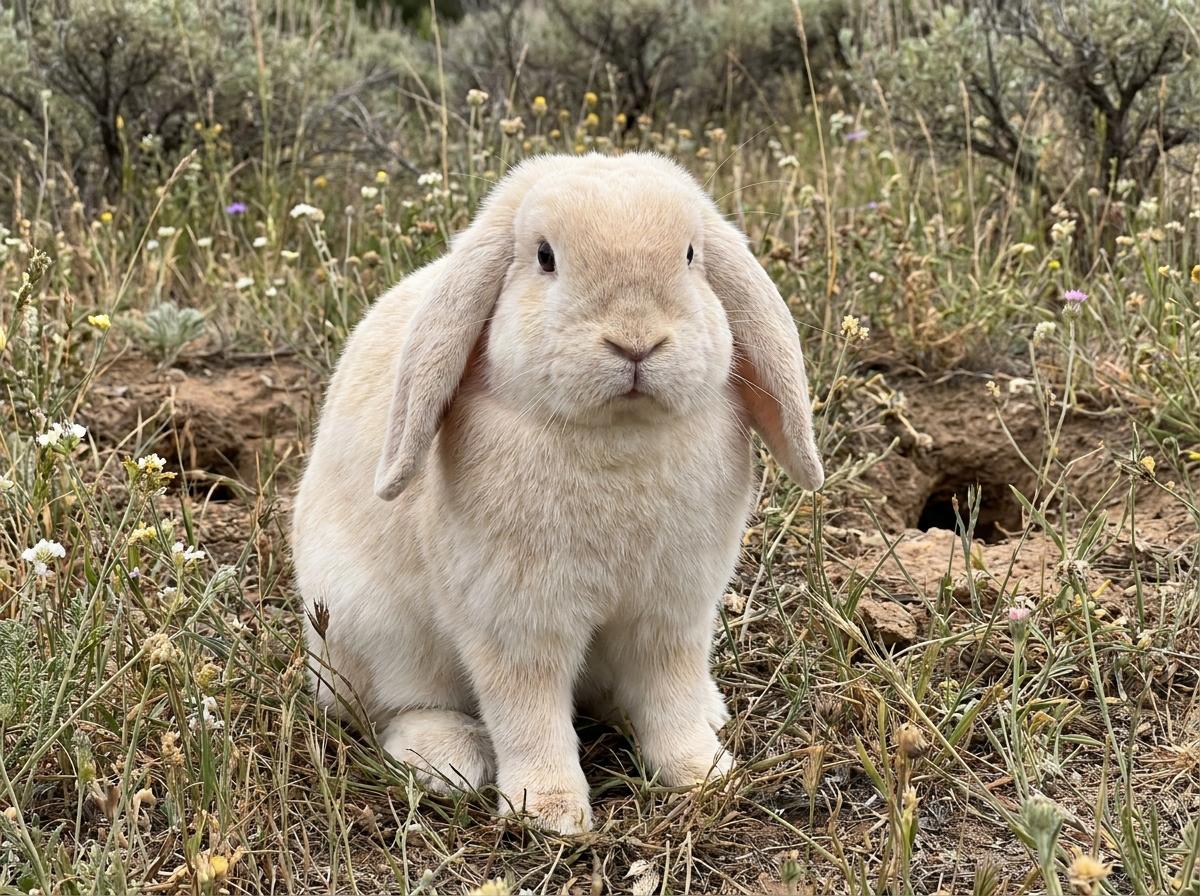
Lops carry their ears hanging beside the face instead of upright, and they come in every size. The Holland Lop is the small one: developed in the Netherlands by the breeder de Cock to be a dwarfed lop easier to handle than the French Lop, it was recognized by ARBA in 1979 with a 4 lb maximum, and ARBA counts it among its five most popular breeds. The Mini Lop (6.5 lb, recognized in 1980) is larger and stockier, and the American Fuzzy Lop (4 lb, recognized in 1989) adds a wool coat to the lop ears. At the big end, the massive, heavy-boned French Lop and the English Lop, which ARBA describes as the original lopped rabbit with the longest ears of any breed, have no maximum weight; the English Lop guide covers the ear care those ears need.
Two more lops are common on Creatures. The Velveteen Lop, a lop with rex fur, can be shown under an ARBA working standard but is not yet a recognized breed and cannot compete for Best of Breed. The German Lop is shown in Britain but is not an ARBA breed.
Meat and commercial breeds
The medium and large breeds with a deep, meaty build are the commercial breeds, raised for meat and, historically, fur. The New Zealand was developed in the United States despite its name, was recognized in 1916, and has more ARBA Best in Show wins than any other breed; the white variety took over from the reds because a white pelt was easy to dye. The Californian, developed in Southern California in the 1920s by George West, is the other classic meat breed. ARBA’s frequently asked questions set the general expectation for quality commercial-type fryers at 5 lb within 8 to 10 weeks of birth.
Several breeds do double duty for show, meat and fur: the Champagne d’Argent, prized for its silvery coat and its meat; the Silver Fox, the third breed developed in the United States; the American Chinchilla; the Palomino, in golden and lynx; the Satin; the Cinnamon; and the American Sable, which ARBA calls ideal for show, meat and fur. The new Mini Californian, with a 6 lb maximum, puts the Californian look on a smaller frame. Many homesteads raise meat rabbits alongside a laying flock, and the chicken breeds and care guide covers the birds.
Giant breeds
Giants have a gentle reputation and a large appetite for space and feed. ARBA sets no maximum weight for the Flemish Giant, which it says often tips the scales at over 20 lb and which earned the nickname Gentle Giant for its docile personality; the breed is believed to have originated in Flanders and was bred as early as the 16th century. The Checkered Giant, recognized in 1919, is an arched running breed with bold markings and also has no maximum weight, and ARBA notes that it needs a large cage to move comfortably. Edward H. Stahl began developing the Giant Chinchilla (16 lb maximum) in 1921 to put chinchilla fur on as large a pelt as possible, and ARBA says he was perhaps the only person ever to make a million dollars selling rabbit breeding stock.
In Britain, the British Giant and the Continental Giant are shown in the British Rabbit Council’s Fur section, which the council says includes larger breeds that need ample space and robust housing; neither is an ARBA breed. Whatever the name, a giant needs housing scaled up to its size, more hay and pellets, and a vet comfortable handling a heavy rabbit.
Rex, satin and wool coats
Most breeds have a normal coat. The rex mutation gives a short, dense, velvety one: the Rex, first shown publicly in Paris in 1924, is still the leading breed for fur production according to ARBA, and the Mini Rex carries the same coat in a small rabbit. The satin mutation, which ARBA says first turned up in a litter of Havanas in Indiana in 1934, gives a brilliant sheen, seen in the Satin and the Mini Satin.
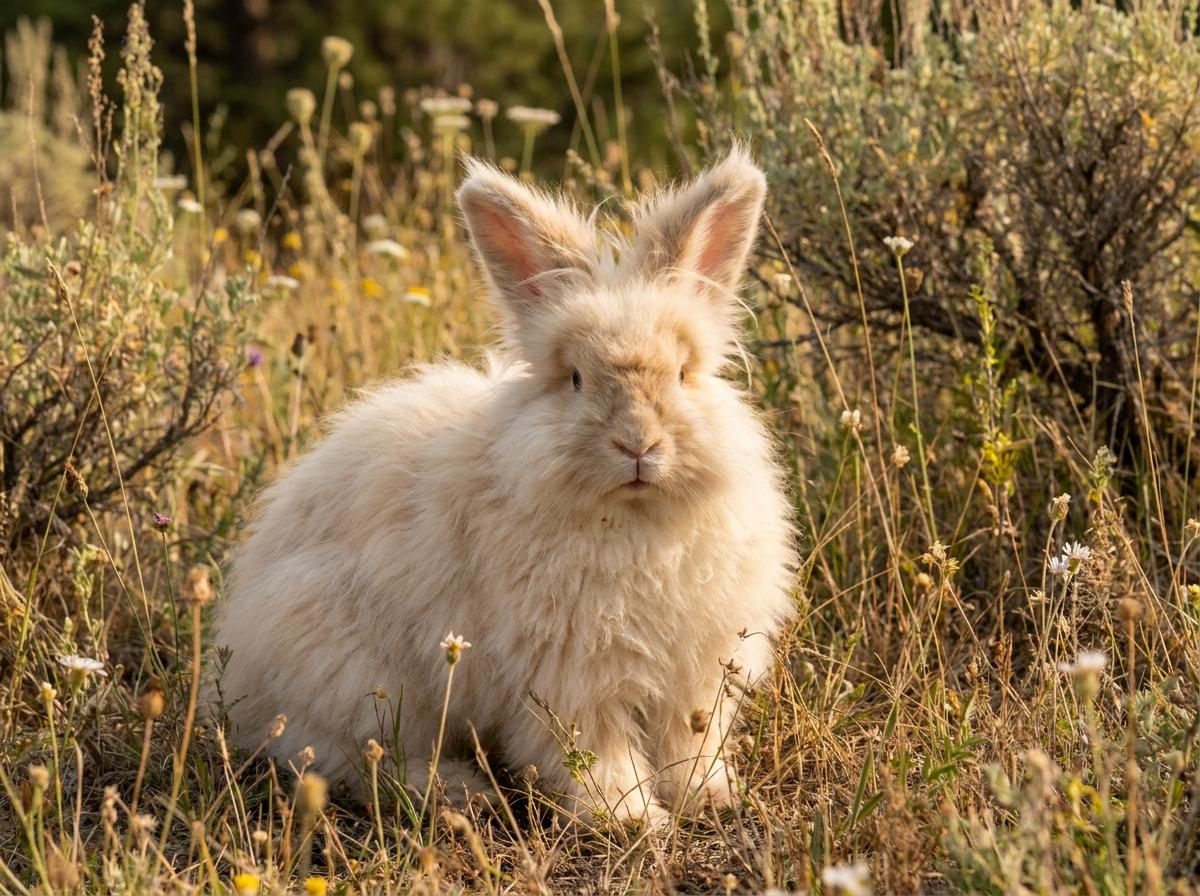
Wool breeds are a grooming commitment. ARBA recognizes four Angora breeds: the English Angora, the only compact one; the French Angora; the Satin Angora; and the Giant Angora, which does not molt and must be shorn. The Jersey Wooly, developed by Bonnie Seeley as a small pet with easy-care wool and recognized in 1988, and the American Fuzzy Lop are wooled pet breeds. The Merck Veterinary Manual says long-haired rabbits need daily grooming, and short-haired rabbits brushing at least twice a week, because rabbits swallow hair as they groom.
Marked and colored breeds
Some breeds are defined by a pattern or a single color, and breeding them to standard is half the fun and most of the challenge. The Dutch rabbit, developed in England in the 1830s for its distinct markings, remains among ARBA’s 10 most popular breeds, and ARBA notes that matching correct markings with correct type is what makes the breed hard to perfect.

The English Spot, a running breed from 19th-century England, carries a butterfly mark on the nose, eye circles, cheek spots, a herringbone down the back and a chain of spots along each side. The Harlequin, first exhibited in Paris in 1887, comes in two types: the Japanese (orange or fawn with black, blue, chocolate or lilac) and the Magpie (white with one of those colors), ideally split in alternating colors on the head, ears, feet and body. The Rhinelander, developed in Germany, is orange and black or fawn and blue. The Blanc de Hotot, from northern France and recognized by ARBA in 1979, is snow white with what ARBA calls black eyeliner around each eye.
Color breeds include the Silver Marten, which first appeared in Chinchilla litters in the 1920s and is now both a breed and a color variety in other breeds, the orange-red Thrianta, and the pinkish dove-gray Lilac. The Smoke Pearl, a shaded gray breed shown in Britain, is not an ARBA breed.
Heritage and rare breeds
Several old breeds are scarce in North America. The Livestock Conservancy’s Conservation Priority List currently ranks the Giant Chinchilla and Standard Chinchilla as threatened; the American, American Chinchilla, Beveren, Blanc de Hotot, Silver, Argente Brun, Checkered Giant, Creme d’Argent and Lilac as watch breeds; and the Palomino, Silver Marten, Belgian Hare and Rhinelander as recovering. For rabbits, the Conservancy’s threatened category means, among other criteria, fewer than 100 annual registrations in the United States, fewer than 300 recorded at shows in the previous five years, and 11 to 30 breeders.
The Beveren, developed in Belgium in the 19th century and recognized by ARBA in black, blue and white, is a good example of a watch-list breed with a devoted following. It is a large rabbit, with mature bucks at 8 to 11 lb and does at 9 to 12 lb according to the Livestock Conservancy’s Beveren profile, inside ARBA’s 12 lb maximum. The Belgian Hare is another: despite the name it is a domestic rabbit, one of the oldest breeds in America, bred for a lithe, hare-like shape. A small rabbitry helps a rare breed most directly by buying registered stock and keeping every pedigree intact.
Names, crosses and mixed breeds
Breed names are a trap for buyers. ARBA’s Britannia Petite is the breed sold as the Polish in Britain, so a British Polish and an American Polish are different rabbits, and lop names do not line up across the Atlantic either: the Mini Lop guide explains which British lop matches the American Mini Lop. Plenty of rabbits, in rescues especially, are crosses. A mixed-breed rabbit cannot be registered or shown in breed classes, but it makes just as good a companion, and for a mix the weight guide’s advice applies: judge by body condition, not by a breed chart.
What a rabbit costs to buy and keep
The rabbit is the cheap part. The Creatures rabbit cost guide puts adoption from a shelter or rescue at often $20 to $100, frequently with the spay or neuter already done, and a rabbit from a breeder or pet store at roughly $30 to a few hundred dollars, with show-quality animals of sought-after breeds at the top of that range. The costs that surprise new owners come next: a spay or neuter with an exotic-animal vet commonly runs $200 to $500, a proper pen or free-roam setup about $150 to $400, and hay, greens, litter and pellets roughly $40 to $80 a month, plus an annual vet exam commonly $50 to $150. Over an 8 to 12 year life the monthly supplies alone come to roughly $3,800 to $11,500 per rabbit before vet care, so plan on several thousand dollars per rabbit and possibly more than $10,000. Because welfare groups advise keeping rabbits in pairs, most people should budget for two rabbits, which share one pen and its equipment but each need their own neutering, food and vet care.
The Merck Veterinary Manual puts it plainly: pet rabbits need more care and attention than many people expect. If you are buying breeding or show stock, the purchase price is only part of it. Registration with ARBA costs $6 per rabbit and requires ARBA membership, and a good pedigree, show record or rare breed adds to the price. The cost guide breaks down every line, including what an emergency vet visit can do to the budget.
How long rabbits live
An indoor house rabbit typically lives 8 to 12 years, and the House Rabbit Society says many have lived to 14 or even 16 (How long do rabbits live?). The Merck Veterinary Manual’s figure is close: rabbits given a proper diet and healthy living conditions can live 10 to 12 years or longer. The oldest rabbit on record, according to Guinness World Records, was Flopsy, a wild rabbit caught in 1964 who died 18 years and 10.75 months later at a home in Tasmania, Australia. The old idea that a rabbit lasts only a year or two comes from a different kind of keeping: the House Rabbit Society puts outdoor domestic rabbits at about 3 to 5 years and wild rabbits at 1 to 2.
Most of what moves that number is in your hands. Spaying a doe eliminates the risk of uterine cancer, which Merck describes as common and often fatal in rabbits over 3 years old. Living indoors keeps a rabbit out of the heat and away from predators, and puts it where you will notice the first missed meal. A hay-first diet keeps the teeth worn and the gut moving, and a rabbit-savvy vet who knows the rabbit before it is sick can catch problems early. Size, breed and care all play a part, as the House Rabbit Society notes, and How Long Do Rabbits Live, and Healthy Aging covers how lifespan differs between small and giant breeds and what senior care looks like.
Caring for a rabbit
A rabbit is easy to keep badly and rewarding to keep well. The four basics are room to move, a hay-based diet, a vet who knows rabbits, and the company of another rabbit.
Housing and space
Space is where most rabbit care goes wrong. For a pair of average-sized rabbits, the UK’s Rabbit Welfare Association and Fund (RWAF) sets its minimum at a single enclosed area at least 3 m long, 2 m wide and 1 m high, roughly 9 ft 10 in by 6 ft 7 in and 3 ft 3 in tall, open to them at all times. A hutch or sleeping area can be part of that space but should never be the whole home, and the RWAF points out that a single rabbit needs the same room as two. That is far more space than most hutches and cages sold for rabbits. The Merck Veterinary Manual gives much smaller minimum cage sizes for one rabbit, at least 18 by 24 in for small breeds, 24 by 30 in for medium to large breeds and 30 by 36 in for giants, but only as a base for a rabbit that also gets daily time out of the cage in a safe, supervised area. An exercise pen, a rabbit-proofed room or a garden shed with a run attached can satisfy both.

Indoors is usually best. Rabbits cope badly with heat and stuffy air: Merck warns that long exposure above 80°F can make them sick and says outdoor rabbits should come indoors in extreme weather. Keeping Rabbits Cool sets out a summer plan. Inside or out, a rabbit needs a hiding place, safe things to chew, nonslip flooring, and a litter box filled with recycled paper litter or hay, never clay, clumping, corncob litter or wood shavings, which Merck warns can block the gut if swallowed. Floors should be solid: the RSPCA says rabbit housing should not have wired or barred floors because they hurt rabbits’ feet, and the Merck Veterinary Manual links sore hocks to wire-floored cages. If a cage you already own has a wire floor, Merck says the rabbit needs at least a smooth resting area to keep sores from developing. Electrical cords are a favorite chew, so a free-roaming house rabbit needs a rabbit-proofed space. Rabbit Housing: Hutch, Cage, and Indoor Setup walks through indoor and outdoor setups, and Litter Training a Rabbit, Step by Step covers the box.
Feeding
Feed a rabbit like the grazer it is. Rabbits are herbivores whose teeth grow throughout life and whose gut depends on fiber. They also produce soft droppings called cecotropes, usually early in the morning, and eat them for protein and vitamins, so seeing that is normal. The Merck Veterinary Manual’s diet guidance puts grass hay at about 85 to 90 percent of the diet and, as a general rule, adds about 1/4 cup of timothy-based pellets per 5 lb of body weight a day, about 1 cup of fresh vegetables per 2 lb of body weight, fruit only as an occasional treat, and fresh water at all times.
Adult rabbits should eat timothy or another lower-calcium grass hay. Merck advises against alfalfa hay and alfalfa-based pellets for adults that are not pregnant or nursing, because too much calcium over time can contribute to bladder and kidney stones, though young growing rabbits can have them. Choose plain pellets: rabbits pick the dried fruit and nuts out of mixes and leave the rest. Check with your vet before you introduce a new food, since some plants are toxic to rabbits. What to Feed a Rabbit: Hay, Pellets, and Safe Greens lists safe greens and the foods to avoid.
Health and vet care
Find a rabbit-savvy vet before you need one, because many general practices see few rabbits; How to Find a Rabbit-Savvy Vet Before You Need One covers where to look. Merck’s routine care schedule is a vet check when you first get a rabbit and once a year after that, nail trims every one to two months, and regular brushing. Its other core recommendations:
- Spay or neuter. Spaying prevents litters and eliminates the risk of uterine cancer; neutering a buck helps reduce aggression, urine spraying and unwanted pregnancies. Talk to your vet about timing, and see Spaying and Neutering Rabbits: Why and When.
- Vaccination. Merck calls the vaccine against rabbit hemorrhagic disease virus type 2 (RHDV2), a highly contagious and often fatal virus, the one routine vaccine recommended for pet rabbits, given as an initial series and then yearly boosters. It matters most for rabbits that go outdoors or meet other rabbits. Merck’s rabbit management chapter notes that other countries also vaccinate against myxomatosis, so ask your vet what is recommended where you live.
- Teeth and nails. Rabbit teeth never stop growing, and unlimited hay is what wears them down. For the at-home checks, see Rabbit Nail Trimming and Dental Care.
- Medicines only from your vet. Several antibiotics that are safe by mouth for dogs and cats can upset a rabbit’s gut bacteria and cause severe diarrhea or death, according to Merck. Never treat a rabbit with leftover pet medicine.
Illness is easy to miss in a prey animal that hides it, so learn the signs. Merck’s list of warning signs includes loss of appetite and weight, diarrhea or no droppings for more than 12 hours, drooling, discharge from the nose or eyes, trouble breathing, and not hopping or moving normally, and it says to contact your vet right away if you see any of them; tooth grinding and a hunched posture signal pain. A rabbit that stops eating may be developing gastrointestinal stasis, which Merck says can become life-threatening without treatment, as GI Stasis in Rabbits: The Silent Emergency explains. In warm weather, check the rear end every day: flies lay eggs in the fur of a rabbit that cannot keep its bottom clean, and the RWAF describes flystrike, in which hatched maggots eat the rabbit’s flesh, as a slow and painful death. Common Rabbit Illnesses and Warning Signs goes through the rest, and weighing your rabbit at least once a month makes a slow weight loss visible before it becomes an emergency.
Company and handling
Rabbits are social animals. The RWAF says they should never be kept alone, that their company should be another rabbit, and that rabbits kept in pairs or groups must be neutered. The RSPCA allows one exception: a rabbit can live alone when a vet or qualified animal behaviourist advises it, and it suggests pairing rabbits of similar size so the larger one cannot accidentally injure the smaller. Two rabbits are not automatically friends, though. Merck notes that adult rabbits can fight severely, that neutering helps them get along, and that it is wise to house rabbits side by side in separate pens before putting them together; the RWAF warns that pairing up is sometimes a long process, and Bonding Rabbits: Introducing a Second Rabbit shows how. The RWAF also strongly advises against keeping rabbits with guinea pigs. Breeding rabbitries are the exception: because pairs depend on neutering, intact breeding bucks and does live in separate pens, and Merck’s breeding advice assumes it (the doe is always taken to the buck). Those rabbits need daily exercise and handling even more.
Handle rabbits calmly and close to the ground. Merck says to support the hind end and back legs, hold the rabbit gently but firmly against your body, and never pick one up by the ears: a rabbit’s strong back legs can kick hard enough to injure its own spine. For that reason Merck considers rabbits often better pets for older teens and adults than for very young children. Handling and Bonding With Your Rabbit covers building trust step by step.
Breeding rabbits
Rabbits breed easily, which is the best reason to plan before you pair anything. The Merck Veterinary Manual’s rabbit management chapter puts sexual maturity at about 3.5 to 4 months for small breeds, 4 to 4.5 months for medium breeds and 6 to 9 months for giants, and says the doe should always be taken to the buck’s cage for mating. Maturity is not readiness, though: a doe should be well grown before her first litter, and the Creatures breeding guide gives first-breeding ages by size. Only breed if you can house, sex and find homes for every kit. How to Breed Rabbits: Breeding Age, Pairing, Nest Box, and Kindling covers the whole process.

A doe is pregnant for about 31 to 33 days, according to Merck, and the nest box goes in 28 to 29 days after mating. Enter the mating date in the free rabbit gestation calculator to get the kindling date and window, with no account needed; for a buck and doe that shared a pen for several days, switch it to exposure-window mode. How Long Are Rabbits Pregnant? covers palpation, the kindling window and when a late doe needs a vet.
Newborn kits are naked and blind, and the Creatures baby rabbit care guide follows them through their first weeks, recommending that no kit leaves its mother before 8 weeks. Small-breed bucks can mature at about three and a half months, so sex every kit and separate the young bucks in time; How to Sex a Rabbit: Buck or Doe shows how.
Breeders of the dwarf breeds need one piece of genetics. The dwarf look comes mainly from a single dwarfing gene, and a 2017 study in the journal Genetics by Carneiro and colleagues found that rabbits with one copy are dwarfs, rabbits from dwarf breeds with no copy are normal though smaller than other breeds, and kits with two copies die within a few days of birth. So when two dwarfs are mated, on average about a quarter of the kits inherit two copies and do not survive; breeders call these kits peanuts. Ask any breeder of dwarf rabbits how they plan pairings around it.
Buying or adopting a rabbit
Start with a rescue, especially for a first pet rabbit. Shelters and rabbit rescues often have adults whose temperament is already known, many of them spayed or neutered, and the Rabbit Adoption Guide covers how rescues screen homes and what adoption costs. For a particular breed, or a rabbit to show or breed, go to a breeder you can visit. Search rabbit breeders and rabbitries in the Creatures directory by breed and state. Most listings are compiled from public sources; put your questions to the rabbitry itself. Where to Buy a Rabbit compares rescues, breeders and pet stores and how to avoid an impulse buy.
Wherever you buy, use Merck’s checklist for choosing a healthy rabbit: clean, shiny fur with no bald areas or wounds; no wet or matted fur under the chin or around the tail; clear eyes and nose; clean ears; and an alert, curious rabbit that moves without stiffness or limping. Ask what it has been eating and how it has been handled, and visit early in the morning or in the evening, when rabbits are most active. Then ask the seller:
- How old is it? Merck notes that selling or giving away baby rabbits younger than 2 months is illegal in many states, so check your state and local rules, and walk away from a seller offering younger kits.
- What sex is it, and how do you know? Young rabbits are easy to mis-sex, and a “pair of does” that turns out to be a buck and a doe soon becomes a litter.
- Can I see the parents? For a dwarf or mini, the parents’ adult weights tell you more about adult size than any kit photo.
- Does it have papers? A pedigree is the breeder’s record of three generations; registration is a separate step done by an ARBA registrar. ARBA’s FAQ says there is no such status as a “registered breeder”, so treat that phrase as marketing.
- How has it been kept? A seller whose rabbits live in clean, roomy pens, eat hay and are used to handling is more likely to send home a healthy, steady rabbit.
Have the pen set up, hay and litter in, and a vet appointment booked before the rabbit comes home. If you sell kits yourself, After the Animal Goes Home: A Practical Buyer Follow-Up Plan is a simple way to follow up with buyers.
Records to keep
Rabbit records start with identification. A show or breeding rabbit carries a permanent tattoo in its left ear: its ear number. Every rabbit shown at an ARBA show must be permanently and legibly earmarked in that ear under the official ARBA show rules (Section 26), while the right ear, the Merck Veterinary Manual notes, is reserved for the mark a registrar tattoos at registration. A pedigree records three generations, and for ARBA registration every ancestor must be the same breed and show a name, ear number, variety and weight. The rabbit itself must be at least 6 months old and at senior weight, its owner must be an ARBA member, and a licensed registrar examines it in person, according to ARBA’s registration process. Rabbit Pedigree: What ARBA Requires, How to Fill One In, and a Free Template goes through every box a registrar checks.
Those details are easiest to keep on each rabbit’s Creatures profile, where the tattoo goes in as an identification record, weights as measurements, and sire and dam link into its pedigree. For a printable chart to hand a buyer, the free rabbit pedigree chart maker makes a three-generation pedigree with names, registration numbers and colors, no account needed; its charts are marked as not registry-certified and have no ear-number or weight fields, so add those before you take one to a registrar. Log each of these as it happens:
- identity: date of birth, sex, breed and variety, ear number, any registration number, and the sire and dam;
- body weight, at least once a month for a pet, and at each stage for show and breeding stock;
- health: the spay or neuter date, each vaccination and when its booster falls due, nail and teeth checks, and every vet visit or treatment;
- breeding: the buck, the doe and the date of each mating, the palpation result, when the nest box went in, the kindling date, how many kits were born and weaned, and their weaning weights;
- shows: placements and legs, filed apart from official ARBA certificates;
- ownership: every purchase, sale and transfer.
Rabbit Health Record Template: What to Track and When to Call a Vet shows what to log and when it needs a vet, Rabbit Show Records keeps results and certificates straight, and Importing a Rabbit Pedigree explains how to check an existing pedigree’s names, parents and evidence before you bring it in.
A free Creatures profile keeps all of that together with the rabbit’s photos: booster and vet-check reminders, a chart of its weights, and breeding records that work out each doe’s kindling date and turn the births into a litter. Selling a rabbit? Transfer it to the buyer on Creatures and its history goes too. If your herd records live in Rabbit15, the WinRbro import brings them across; for the basics, start with health and medical records and adding a record. If a new litter needs names, try the rabbit name generator, and the rabbitry name generator has ideas for your herd’s name.
Frequently asked questions
How many rabbit breeds are there?
The American Rabbit Breeders Association recognizes 53 rabbit breeds, the newest being the Mini Californian from December 2025, and the British Rabbit Council recognizes more than 80. Other countries keep their own standards, which is why Creatures lists many more breed pages than either registry recognizes.
What are the main types of rabbits?
Keepers sort rabbits by size (small, medium, large and giant), by ears (upright or lop), by coat (normal, rex, satin or wool) and by purpose (pets and show, meat, fur and wool). The Netherland Dwarf, Holland Lop and Mini Rex are typical small pet and show breeds, the New Zealand and Californian are the classic meat breeds, and the Flemish Giant is the best-known giant.
Which rabbit breeds are the smallest and the largest?
Among ARBA breeds, the Netherland Dwarf and the Britannia Petite have the lowest weight limit, 2.5 lb for a senior rabbit. At the other end, ARBA sets no maximum weight for the Flemish Giant, which it says often tops 20 lb, or for the Checkered Giant, French Lop, English Lop and Giant Angora.
How long do rabbits live?
An indoor house rabbit typically lives 8 to 12 years, and the House Rabbit Society says many have reached 14 or even 16. The oldest rabbit on record, according to Guinness World Records, lived 18 years and 10.75 months. Spaying or neutering, indoor living, a hay-based diet and a rabbit-savvy vet make the biggest difference.
How much does a rabbit cost?
Adoption from a rescue is often $20 to $100, and a rabbit from a breeder roughly $30 to a few hundred dollars. The bigger costs come after: a spay or neuter commonly $200 to $500, a proper setup about $150 to $400, and roughly $40 to $80 a month in hay, greens and litter, which adds up to several thousand dollars over a rabbit’s life and can pass $10,000.
Are rabbits rodents, and is a Belgian Hare a hare?
No to both. The Merck Veterinary Manual classifies rabbits as lagomorphs, not rodents, and all domestic rabbits descend from the European rabbit, while true hares belong to a different genus. The Belgian Hare is a domestic rabbit breed bred to look lean and hare-like.
Can a rabbit live alone?
Welfare groups such as the RWAF say rabbits should never be kept alone and that their company should be another rabbit, which in practice means a neutered, bonded pair. The RSPCA’s one exception is a rabbit that a vet or qualified animal behaviourist advises should live alone. Breeding rabbitries keep intact adults in separate pens because unneutered rabbits fight and breed, and those rabbits need daily exercise and handling.
What do rabbits eat?
Mostly grass hay, about 85 to 90 percent of the diet according to the Merck Veterinary Manual, plus a measured amount of plain timothy-based pellets, fresh leafy vegetables and water at all times. Fruit is an occasional treat, and adult rabbits should have grass hay rather than alfalfa.
How long are rabbits pregnant?
The Merck Veterinary Manual puts rabbit gestation at about 31 to 33 days, and breeders plan around day 31. Add the nest box 28 to 29 days after breeding, and use the rabbit gestation calculator to work out the kindling date from the mating date.
Do this next on Creatures
Still looking for a rabbit? Start with the first three cards. If one already lives with you, or you run a rabbitry, skip to the profile, records and rabbitry cards below them.
Get told when the right rabbit is listed. Few rabbits are listed at any one time, so set a free rabbit listing alert and Creatures emails you when a matching rabbit is posted, no account needed to start. Here is how saved searches work.
Find a breeder by breed and state. Search the Creatures breeder directory, or go straight to rabbit breeders and rabbitries, and ask about parents, weights and how each rabbit was sexed.
See what is for sale now. Check rabbits on the Creatures marketplace, where every seller completes verification before listing. Listings come and go, so pair it with the alert above.
Brought a rabbit home? Create a free profile for your rabbit with its birth date, breed, ear number and photos, no account needed to start. The walkthrough is in adding an animal to Creatures.
Keep the records that matter for a 10-year life. Spay or neuter date, vaccinations, weights, vet visits, matings and litters: add a record. The record sheet opens for any visitor to look around, and a free account saves what you enter. See adding a record and reminders and upcoming care for vaccine boosters and vet checks.
Breed or show rabbits? Rabbitries can create a free rabbitry profile so buyers searching for rabbits can find you, no account needed to start. See getting listed in the breeder directory and adding your team.
Use the free rabbit tools. Work out a kindling date with the rabbit gestation calculator, print a three-generation pedigree with the rabbit pedigree chart maker, find a name in the rabbit name generator, or name your herd with the rabbitry name generator.