ARBA Rabbit Registration: Registrar, Pedigree and Grand Champion Checklist
Author: Elliott Garber, DVM · Published
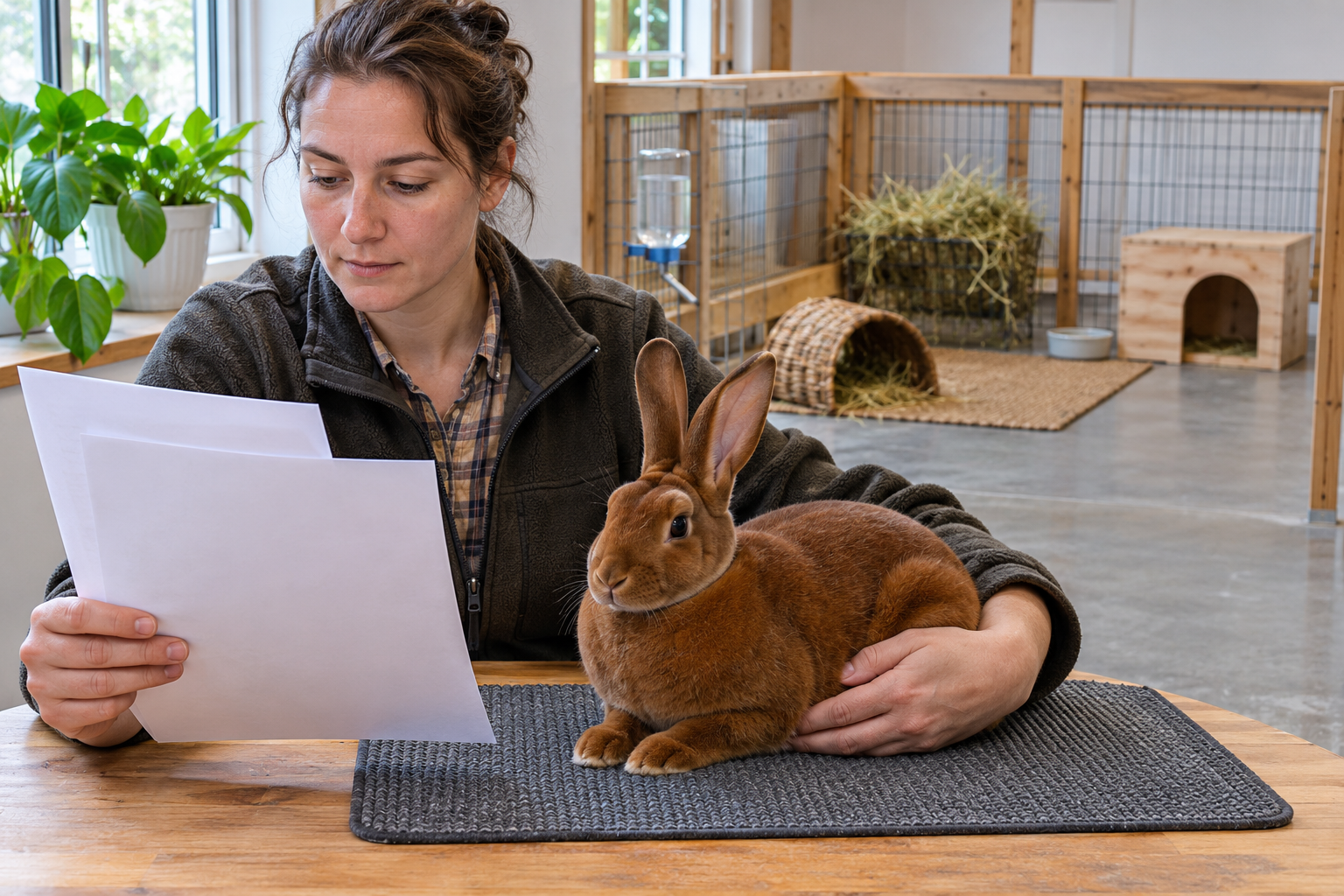
To register a rabbit with ARBA, bring the eligible rabbit, your current ARBA membership details and a complete three-generation pedigree to a licensed rabbit registrar. The registrar examines the animal and sends the application to ARBA. Use the rabbit pedigree chart maker to organize the ancestry before that appointment, then check it against your source papers.
ARBA requirements and fees checked November 12, 2026. Registration, a pedigree and Grand Champion certification are different things. The ARBA registrar directory is the place to arrange the official examination; Creatures stores your records and does not submit an ARBA application or officially validate a pedigree.
| Owner | Current ARBA member; all co-owners must be members |
|---|---|
| Rabbit | At least 6 months old |
| Pedigree | Three complete generations of the same breed |
| Examination | Licensed rabbit registrar checks eligibility and senior weight |
| Registration fee | ARBA FAQ lists $6 per animal, checked November 11, 2026 |
| Grand Champion | Separate application after registration and qualifying legs |
Pedigreed, registered and Grand Champion: label each correctly
A pedigree describes ancestry. Registration means ARBA has accepted the rabbit through its registration process. A rabbit can have a carefully documented pedigree before it is registered. A show result or leg is another record with its own conditions.
Use a separate place for each item: your animal’s left-ear identifier, its pedigree, ARBA registration number and certificate, and show results or leg slips. Do not copy a sire’s registration number into the offspring’s registration field because it appears on the same pedigree.
ARBA’s registration FAQ requires membership, an animal at least six months old and three generations of ancestry. Ancestors must be the same breed. ARBA’s FAQ asks for each ancestor’s name and/or ear number, weight and variety; its current registration guide (revised July 17, 2023) asks for all four for every animal and directs registrars to decline an incomplete pedigree, so prepare all four. The current FAQ lists a $6 registration fee per rabbit or cavy. Confirm arrangements and payment with the registrar before traveling.
For pedigree interpretation, see the existing rabbit pedigree guide. It covers the document itself; this page is the appointment and certificate workflow.
Check the paperwork before booking a registrar
Begin with the rabbit’s actual left-ear tattoo. Read it from the animal and compare it with the pedigree, rather than trusting a cage card carried forward through several moves. Then audit the ancestry from the rabbit outward:
- Check the rabbit’s birth date, sex, breed, variety and exact identifier.
- Work through the sire and dam, then every grandparent and great-grandparent.
- Check that every ancestor has a name, ear number, weight and variety.
- Mark uncertain or conflicting entries for the breeder or document issuer to resolve.
- Keep the original source papers with your corrected working copy.
Do not fill a blank ancestor with a guess just to make a chart look complete. Keep a note of who supplied a correction and when. The pedigree import checklist helps separate source evidence from imported entries.
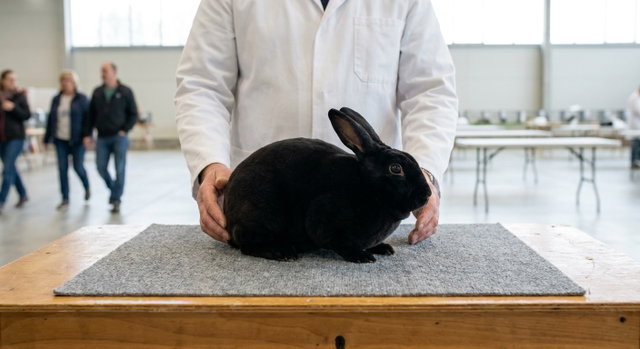
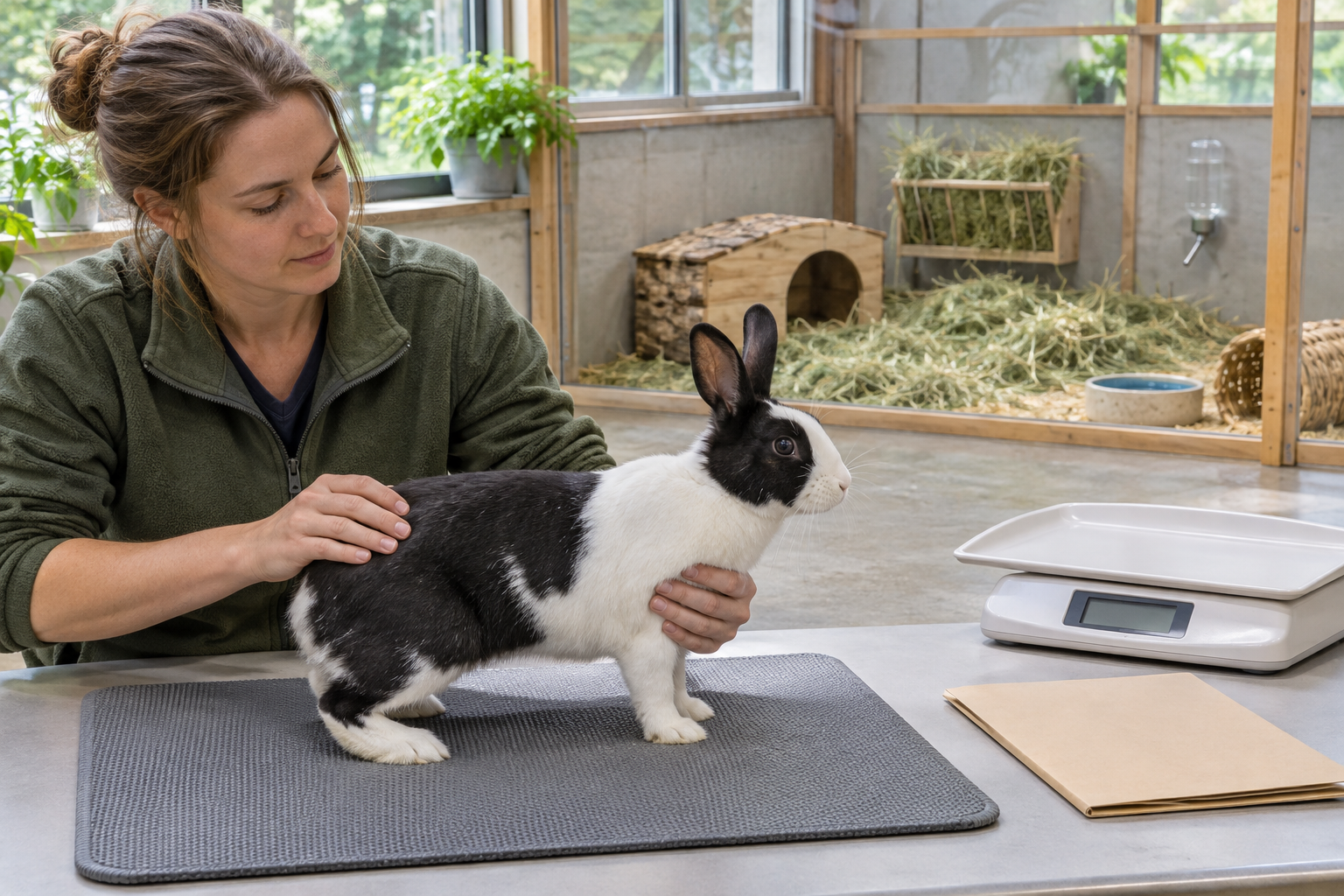
ARBA’s instructions to registrars require the rabbit to meet the applicable senior weight requirements and be free of disqualifications. The registrar uses the Standard of Perfection for breed and general checks. A tidy pedigree does not replace that physical examination.
What happens at the examination
Arrange an appointment with a licensed rabbit registrar from ARBA’s current directory. Ask what documents, membership evidence, fee payment and handling arrangements to bring. If you are attending a show, check the show’s arrangements in advance rather than assuming the registrar will be available at a particular time.
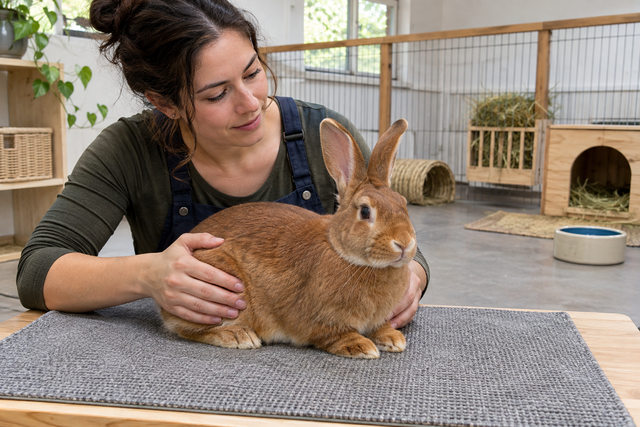
The official registrar instructions cover membership, pedigree and animal checks, weighing, completion and verification of the application. The rabbit receives the registration insignia or number in its right ear at registration. The owner proofreads and signs the application. Keep your breeder identification in the rabbit’s left ear separate from this registrar mark.
Before signing, compare the ear number, name, sex, breed, variety and birth date with your records. Read one field at a time. A reversed letter or a sire listed on the dam’s side will be easier to address while the papers and animal are together.
The registrar sends the application to ARBA, and the registration certificate comes from ARBA. When it arrives, compare it again with the animal and application details. Record the issued number exactly, with the registry name, and attach a clear copy of the certificate. If there is an error, contact the registrar or ARBA rather than editing the certificate yourself.
Grand Champion legs are a separate checklist
ARBA’s Grand Champion instructions require registration and at least three qualifying legs from three different shows, under at least two judges. One leg must be a senior or 6/8 win, with breed-specific class restrictions respected. The ear number, sex and breed must agree across the legs. All owners must hold current ARBA membership.
Keep each slip with the show date, sanction number, judge and result. ARBA distinguishes original printed legs from barcode e-legs: copies of e-legs are acceptable, while printed legs without a barcode must be originals. Keep copies for your own file before sending anything. The instructions list a $4 Grand Champion fee, checked November 11, 2026; use the current ARBA instructions for the final submission.
Read how rabbit shows and legs work for the wider show process, and keep show results and official claims separate. A private note that the rabbit won is not an issued Grand Champion certificate.
Move an existing rabbitry record without losing its source
If your rabbitry uses Evans WinRbro, Rabbit15 or Cavy15, Creatures supports structured XML imports from those programs. Sign in, open import, choose Import from Evans, and inspect the preview before saving. Do not assume an HTML pedigree export is the supported structured format.
Spreadsheets, registration-paper PDFs and images can also enter the import workflow, with review before saving. Preserve the source file, then check the imported names, parent links, dates and identifiers against it. An imported pedigree is your working record; ARBA’s registrar and office still control official registration.

Keep the certificate with the rabbit through the next job
After registration, keep the ARBA number and certificate with that animal’s profile. If the animal changes hands, make the records you share clear about the current owner and the paperwork available. An ARBA transfer or correction follows ARBA’s process; changing a profile field does not complete it.
Use the rabbit tattoo guide for the two-ear distinction and a stable numbering plan. The rabbitry software comparison covers record options when an entire rabbitry needs organizing. Browse the rabbit hub for related practical guides.
Do this next on Creatures
Keep identifiers, pedigree sources and issued certificates attached to the animal you actually worked with. Animal profiles and records are free and unlimited; you need a free account to save your work.
- Add your rabbit, then add its ear number with Add identifier on the profile. See how to add an animal.
- Add a record for today’s observation. This opens for visitors; a free account is needed to save it. Follow adding a record and keep reminders and upcoming care separate from completed work.
- Add your breeder profile when you want a public introduction to your program. Read getting listed in the breeder directory.
- Create a listing alert for future searches.
- Browse rabbit listings and ask sellers for the individual animal’s records.
- Explore the breeder directory when you need to find and contact keepers yourself.