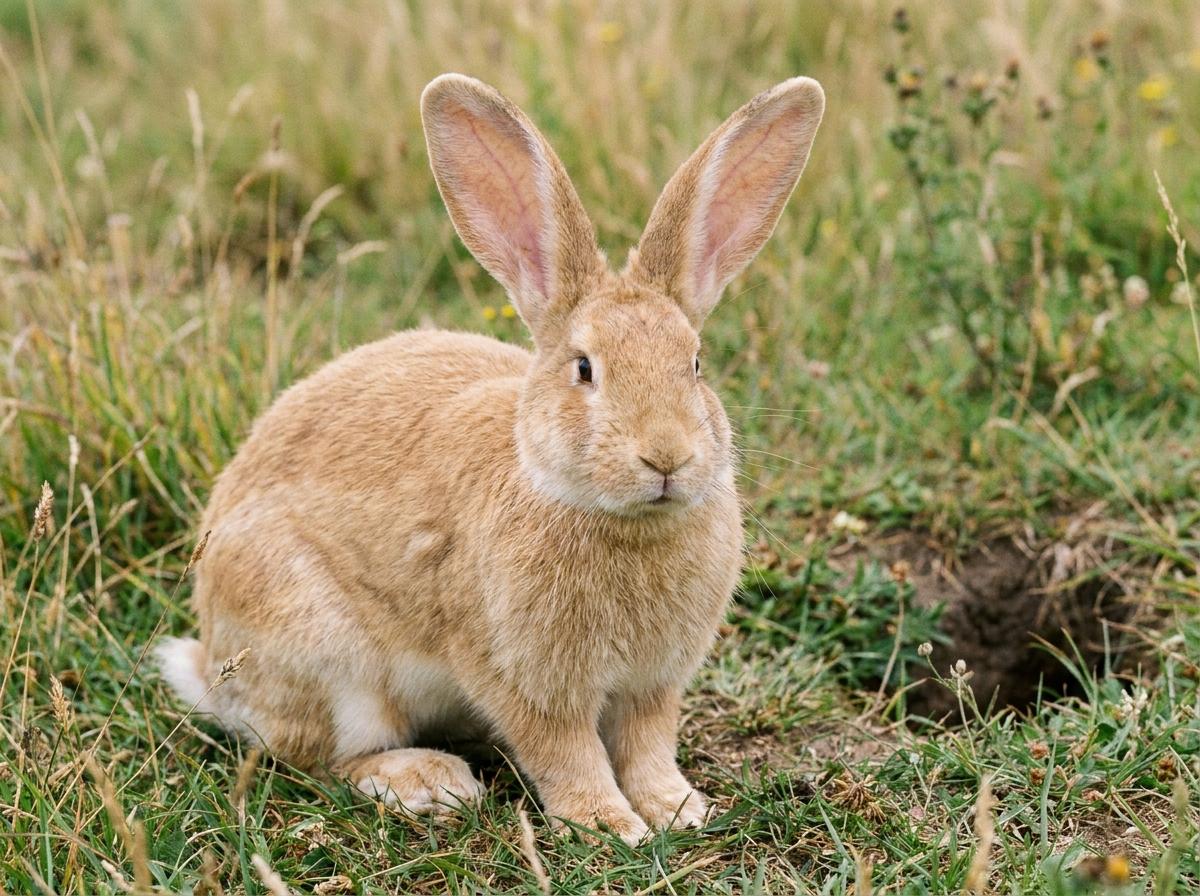
Dutch
Author: Elliott Garber, DVM · Published
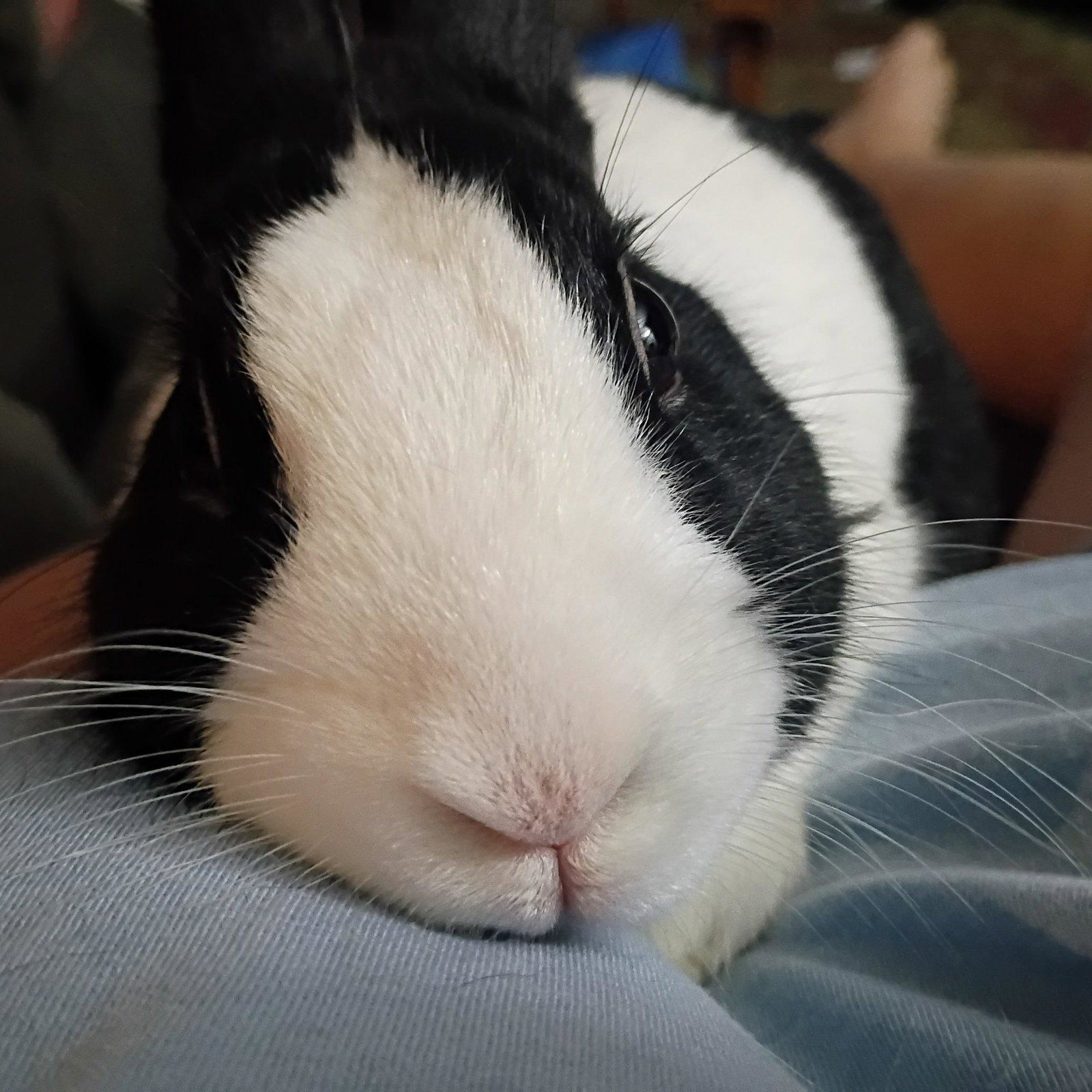
The Dutch rabbit is a compact domestic rabbit recognized by its white blaze, white front section and sharply divided colored hindquarters. It is a breed, not a general name for every black-and-white rabbit. The modern show breed was developed in England despite its name. If you are comparing breeding information, the rabbit color calculator can explore possible kit colors from entered parent assumptions; it cannot certify Dutch markings or identify hidden genes from a coat.

| Identity | Compact domestic rabbit breed |
|---|---|
| Development | Modern show breed developed in England |
| ARBA show maximum | 5.5 pounds, not an individual feeding target |
| Markings | Blaze, cheeks, neck, saddle, undercut and stops |
| Color | Multiple varieties, not only black and white |
| Home | Room to exercise and a compatible companion |
Browse listings, public profiles, breeders, or add your animal.
What makes a Dutch rabbit Dutch?
ARBA’s Dutch profile traces the breed’s development to England in the 1830s and lists a maximum weight of 5.5 pounds. That is a show maximum, not a promise about every rabbit’s healthy weight. The American Dutch Rabbit Club describes a short-bodied, round-headed rabbit with short legs and short, thick upright ears.
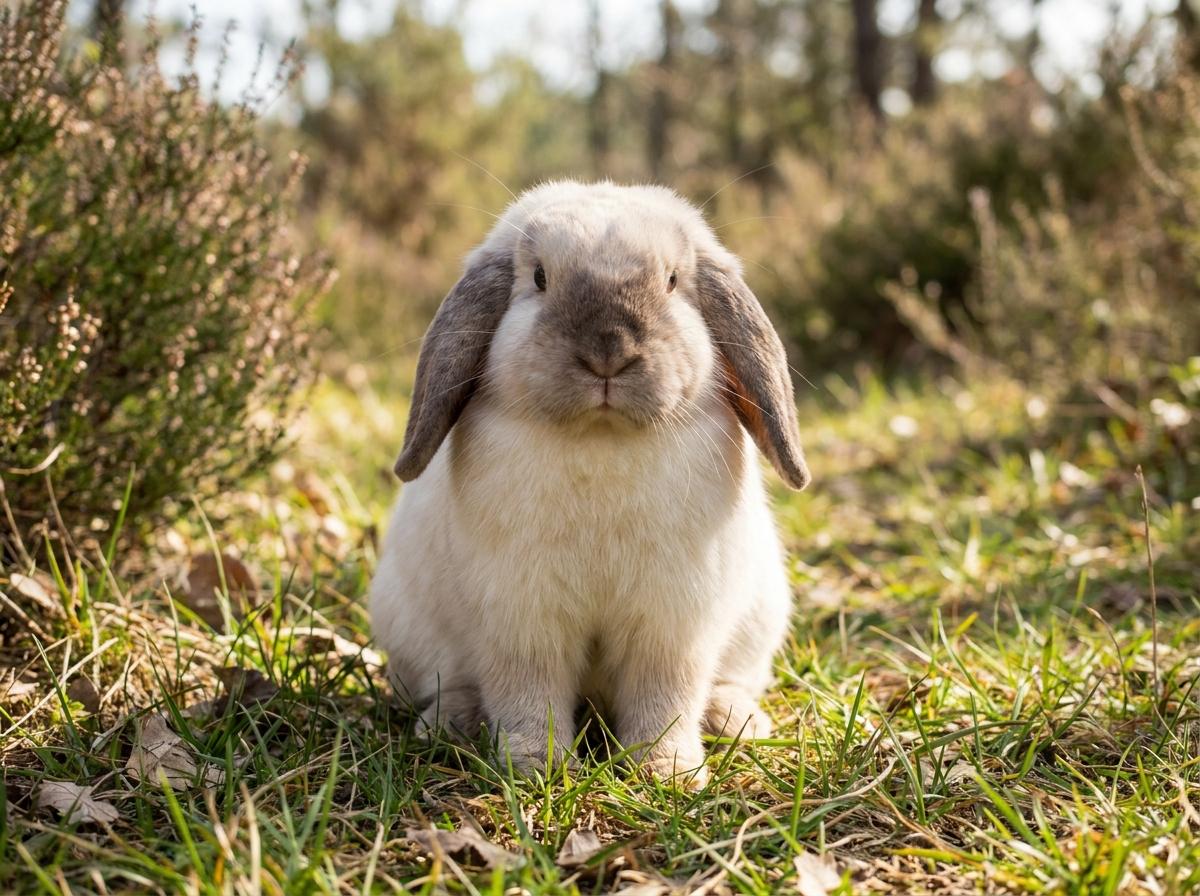
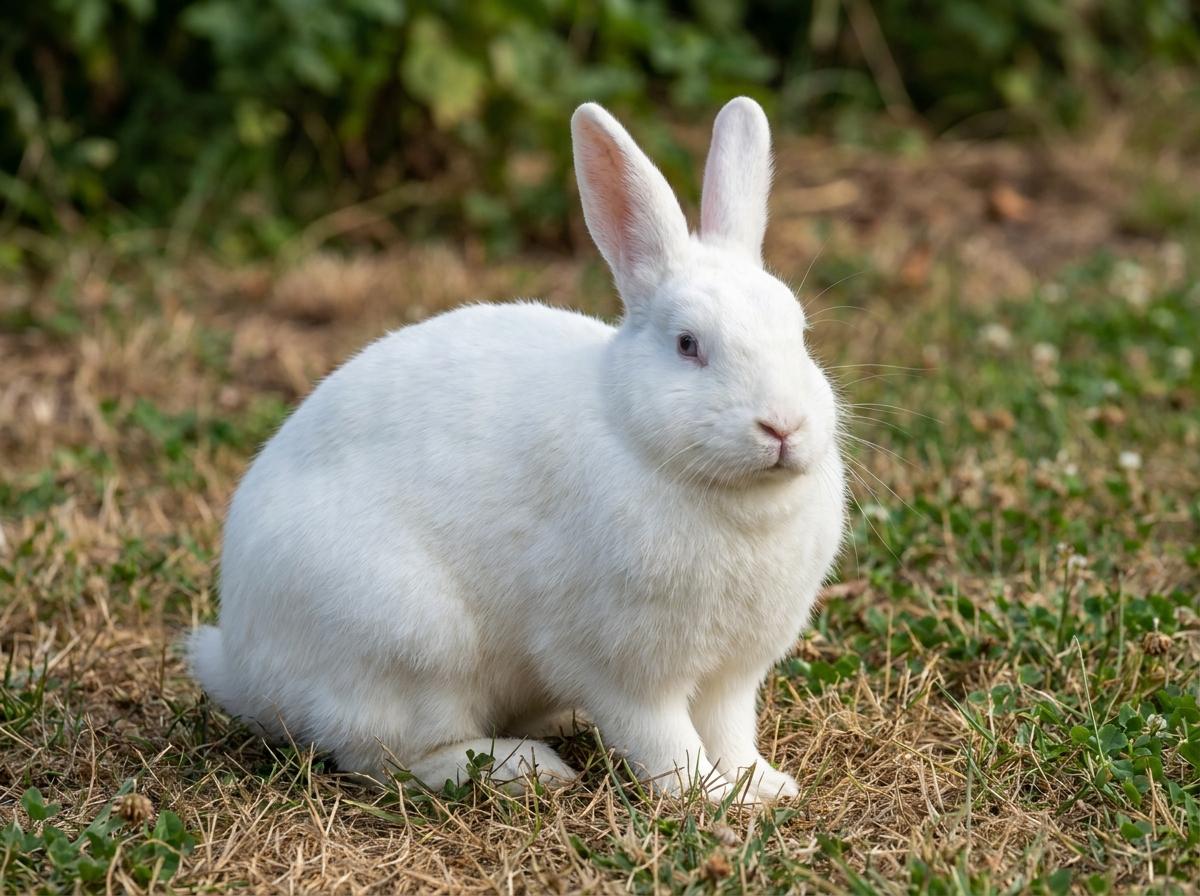
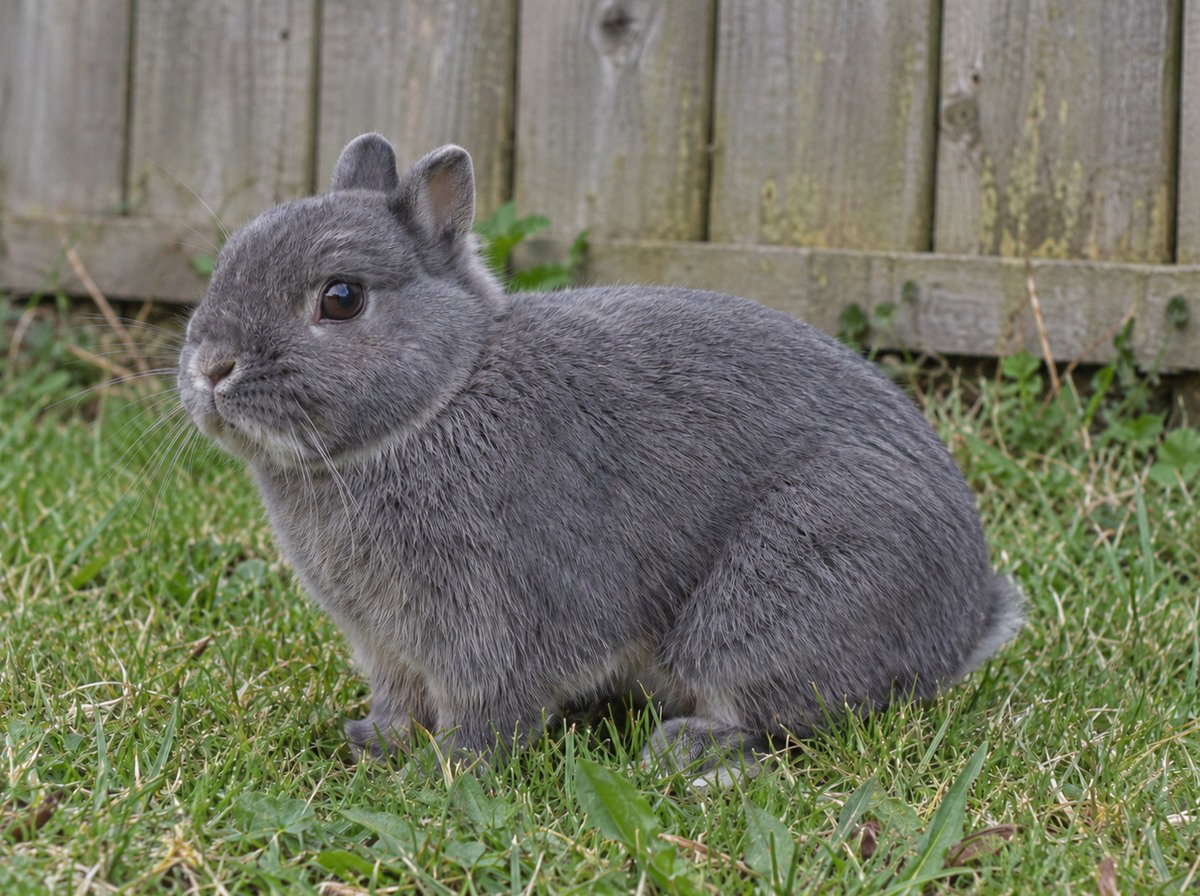
The breed is smaller and more compact than many utility rabbits, but it is not interchangeable with a Netherland Dwarf or with a rabbit that happens to have a white nose. Pedigree, body type and markings must be considered together when breed identity matters. A rescue rabbit can make an excellent companion even if its ancestry is unknown; describe that uncertainty honestly.
Within the wider rabbit breed directory, compare the full-size velvet-coated Rex and the long-bodied American. The Dutch’s appeal is its compact type and precise pattern, rather than simply being the smallest rabbit available.
The blaze, saddle and stops

A typical Dutch has colored ears and cheeks around a white central facial blaze. White extends around the neck and front part of the body, meeting the colored hindquarters at the saddle. The white portions on the hind feet are called stops. The American Dutch Rabbit Club’s markings resources treat the different markings separately, because a balanced-looking rabbit still needs assessment of each feature.
For a show prospect, ask the breeder to explain the particular rabbit’s strengths and faults under the current standard. A neat front-view photograph cannot show both sides of the saddle, all the stops or how the animal moves. Nor can a striking pattern compensate for poor health or unsound structure.
A rabbit with an uneven blaze or an off-center boundary does not need a less caring home. A cosmetic show fault and a medical problem are different things. Pet buyers can prioritize a sound, well-socialized individual and an appropriate match, while exhibitors also evaluate the standard.
Dutch colors and the Tri-Colour Dutch name
Black-and-white is familiar, but Dutch is not restricted to black. The American Dutch Rabbit Club’s current recognized-variety page lists Black, Blue, Chinchilla, Chocolate, Golden Yellow, Gray, Lilac, Steel and Tortoise. Use the current club guidebook and ARBA Standard of Perfection for show details rather than treating an older online color list as permanent.
Color names are not universal across rabbit organizations or across breeds. The rabbit colors guide explains that distinction. The separate Tri-Colour Dutch catalog page is useful when that is the name in an advertisement. In the UK, the British Rabbit Council recognizes Tri-Coloured Dutch as a separate breed in its Rare Varieties Fancy section. ARBA’s current Breed ID Guide recognizes it neither as a breed nor as a Dutch variety. Ask the seller which registry and standard they mean.
Likewise, a patterned cross is not established as purebred Dutch by its markings. If the rabbit is a companion of unknown ancestry, there is no need to manufacture a pedigree to make its description sound more complete.
Housing, company and handling

Small body size does not justify a small life. A Dutch needs room to hop, stretch and stand upright, plus hiding places and enrichment. The RSPCA recommends a compatible rabbit companion, with space to rest together and separately. Choose the companion and manage introductions carefully rather than putting two unfamiliar rabbits into one pen.
An indoor pen or rabbit-proofed room can provide a practical base. Cover electrical wiring, remove accessible hazardous plants, use secure barriers and give the feet comfortable non-slip surfaces. Singapore’s Animal and Veterinary Service rabbit guidance specifically calls for solid flooring, hiding spaces, enrichment and protection from exposed wiring. See the rabbit housing guide for setup options.
A Dutch’s manageable size does not make it a toy for a child. Encourage floor-level interaction, let the rabbit approach and support the hindquarters if lifting is necessary. An adult should supervise. Use the handling and bonding guide to plan a gentle routine.
Feeding and keeping the white coat clean

A healthy adult’s daily food should center on good-quality grass hay, with appropriate leafy greens, a controlled amount of plain pellets and fresh water. Rich treats are not the basis of a diet. The RSPCA diet guide explains the role of fiber and gradual food changes. Use the Creatures rabbit diet guide for a practical feeding checklist, then adjust for age, body condition and your veterinarian’s advice.
Clean dry living areas matter more than keeping a white coat photograph-ready. Check the chin, rear end and feet during routine care. Persistent wetness or soiling deserves investigation rather than repeated cosmetic cleaning. The Merck Veterinary Manual discusses dental disease, moist dermatitis and foot problems as health issues, not merely stained fur.
Avoid forceful grooming or unnecessary full-body bathing. Ask a rabbit-experienced veterinarian how to handle soiling safely, especially if skin is sore or the rabbit is unwell.
Health checks that matter more than markings
Check appetite, droppings, breathing, posture and activity every day. A rabbit that stops eating, has markedly reduced droppings or develops breathing difficulty needs prompt veterinary help. The RSPCA’s health guidance covers preventive care and the signs that deserve attention. Your veterinarian should decide the local vaccination and parasite-prevention plan.
Before taking a rabbit home, ask about previous dental problems, digestive episodes, respiratory signs, injuries and treatment. Check who last examined it and request the documents that belong to that individual. A seller saying a rabbit is healthy is useful background, but it is not equivalent to an examination record.
Breeding and show records
Producing well-marked Dutch is a selection challenge, not a guarantee that two handsome parents will produce an identical litter. Do not breed a companion simply to reproduce its pattern. First plan adult and kit housing, welfare, veterinary support and homes for rabbits that do not suit the show standard.
If you have a responsible breeding purpose, keep the known lineage and each animal’s observations separate. The rabbit pedigree chart maker lays out the ancestry you enter; the pedigree guide explains documentation. Neither a neat chart nor a color prediction proves parentage.
Record actual breeding dates before using the rabbit gestation calculator. Its date is an estimate, not a pregnancy diagnosis or a deadline for a normal birth. For showing, retain the original event name, class, judge’s comments and result rather than upgrading a placement into an unsupported title. Our rabbit show-records guide explains that distinction.
Price, availability and buying questions
Dutch rabbits may be offered through rescues, companion breeders and exhibition breeders, but those routes do not have one uniform price. Request a current quote and the full terms. A show description can change the asking price without changing the rabbit’s basic need for space, food, company and medical care. Compare the whole budget using the rabbit cost guide.
Before committing, ask:
- Is the rabbit sold as a companion, a breeding animal or a show prospect?
- Which registry’s breed and variety names are being used?
- What faults or uncertainties are already known?
- What are its current food, housing and companionship arrangements?
- What health records, identification and pedigree documents come with it?
- Will support be available during the transition, and what is the return policy?
A directory entry is a starting point for questions, not a guarantee of available rabbits. If the right animal is not currently listed, an alert can wait for a future match. The rabbit name generator is there when you are ready to choose a name; keep existing identifiers on the records as well.
Frequently asked questions
Are Dutch rabbits from the Netherlands?
The name has Dutch associations, but ARBA describes the modern breed as developed in England during the 1830s. Use that documented breed history rather than assuming the name alone identifies its modern origin.
How big do Dutch rabbits get?
ARBA lists a maximum show weight of 5.5 pounds. Ask about the actual adults behind a young rabbit and assess healthy body condition individually.
Are all Dutch rabbits black and white?
No. The American Dutch Rabbit Club lists several recognized color varieties. A color label still needs to be interpreted under the relevant registry’s current standard.
Can an unevenly marked Dutch be a good pet?
Yes. A cosmetic marking fault does not itself establish poor health or an unsuitable temperament. Assess the individual and the proposed home.
Does a Dutch rabbit need another rabbit?
Plan for compatible rabbit companionship and careful introductions. Human attention and a familiar breed name do not replace a well-managed rabbit relationship.
Do this next on Creatures
Start with your animal. Start an animal profile, no account needed to start. See adding an animal to Creatures for the steps.
Keep the evidence. Add a care or health record. The sheet opens for visitors; a free account saves it. Read adding a record and retain the original documents beside your observations.
Wait for a suitable match. Set a Dutch rabbit listing alert for future matching listings. No account needed to start. An alert does not establish that an animal is available now. The guide to saved searches and the watchlist explains the workflow.
Check current listings. Browse Dutch rabbit marketplace results and verify the individual, records and sale terms with the seller.
Research people and organizations. Use the breeder directory as a starting point. A profile is not a health certification, endorsement or guarantee of current stock.
Represent your organization. If you run a breeding operation, start an organization profile. No account needed to start. Review creating an organization; starting a profile does not verify breeding claims.