Rabbit Nest Box and Kindling: Preparation, Litter Checks and Fostering
Author: Elliott Garber, DVM · Published
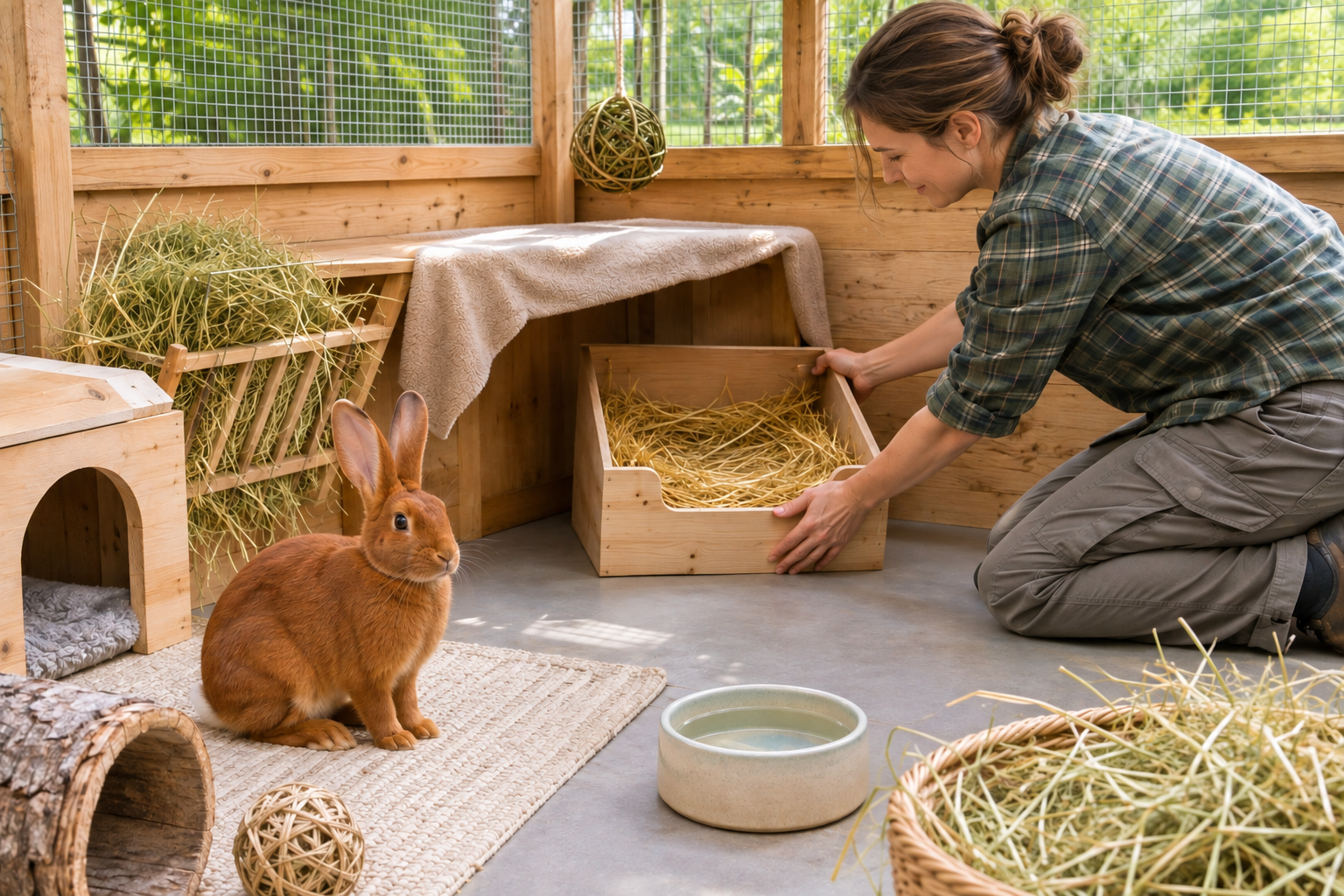
Prepare a clean rabbit nest box before the expected kindling date, keep it dry and check the litter with minimal disturbance after birth. The job is to give the doe a suitable nest and notice problems early. Start with the rabbit gestation calculator, then keep the mating date, preparation tasks and actual kindling in the doe’s breeding record.
Extension and veterinary sources checked November 12, 2026. This page focuses on the box, litter checks and fostering decisions. The broader rabbit breeding guide remains the starting point for breeding age, pairing and the overall program.
| Plan from | Recorded mating date and expected kindling |
|---|---|
| Box timing | Prepare ahead; veterinary guidance describes adding it on days 28 to 29 |
| Nest | Clean, dry bedding and smooth safe box edges |
| After birth | Brief welfare checks with minimal disturbance |
| Fostering | Early, similar-age litters with experienced or veterinary help |
| Record separately | Born, alive at first check, fostered in/out and later losses |
When should the nest box go in?
The Merck Veterinary Manual’s rabbit management guide describes putting the box in 28 to 29 days after breeding and warns that putting it in too early can lead to soiling. Utah State Extension recommends having it available at least three days before birth and gives a usual pregnancy range of 28 to 33 days. Use the recorded mating date and your veterinarian’s plan; do not wait for a calculator’s single estimated date if the doe needs a box earlier.
Have the cleaned box and bedding ready before that window. Put the preparation reminder in the breeding record, with the date the box actually went in recorded separately. If the mating date is uncertain, say so and arrange an appropriate preparation plan rather than inventing a precise due date.
The existing rabbit pregnancy guide explains the gestation estimate. A doe pulling fur is useful context to note; it is not proof of pregnancy or a guarantee that kindling will occur at a particular hour.
Prepare the box for this doe and enclosure
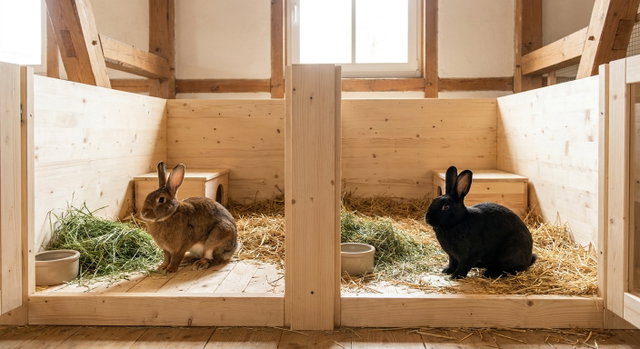
Choose a box appropriate to the doe, with room for her to use it and a design that contains the nest safely. Merck gives 16 by 10 by 8 inches as a standard box for a medium-sized rabbit, with enough room to prevent crowding while keeping the kits warm. Adapt the size to your breed and doe. Inspect it before each use. Remove rough, sharp or damaged surfaces. The Merck housing guide describes wooden, metal or plastic boxes with nesting material and warns that splintered edges can contribute to mastitis as the doe enters and leaves.
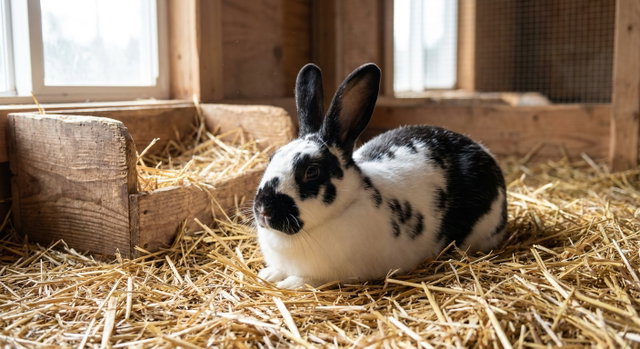
Use clean, dry suitable bedding. Utah State lists straw, grass or wood shavings and advises avoiding sawdust. Keep the nest in a sheltered part of the enclosure, with feed and fresh water available to the doe. The nest box is a nursery within the living space; it does not replace adequate housing, exercise space or routine hygiene. See the rabbit housing guide for the wider setup.
Before kindling, check that you can reach the nest safely for a brief inspection. Arrange a clean place for the record and contact details for a rabbit veterinarian. The preparation list should describe what is ready, not a shopping list copied into every litter record indefinitely.
Check the litter without turning every visit into a handling session
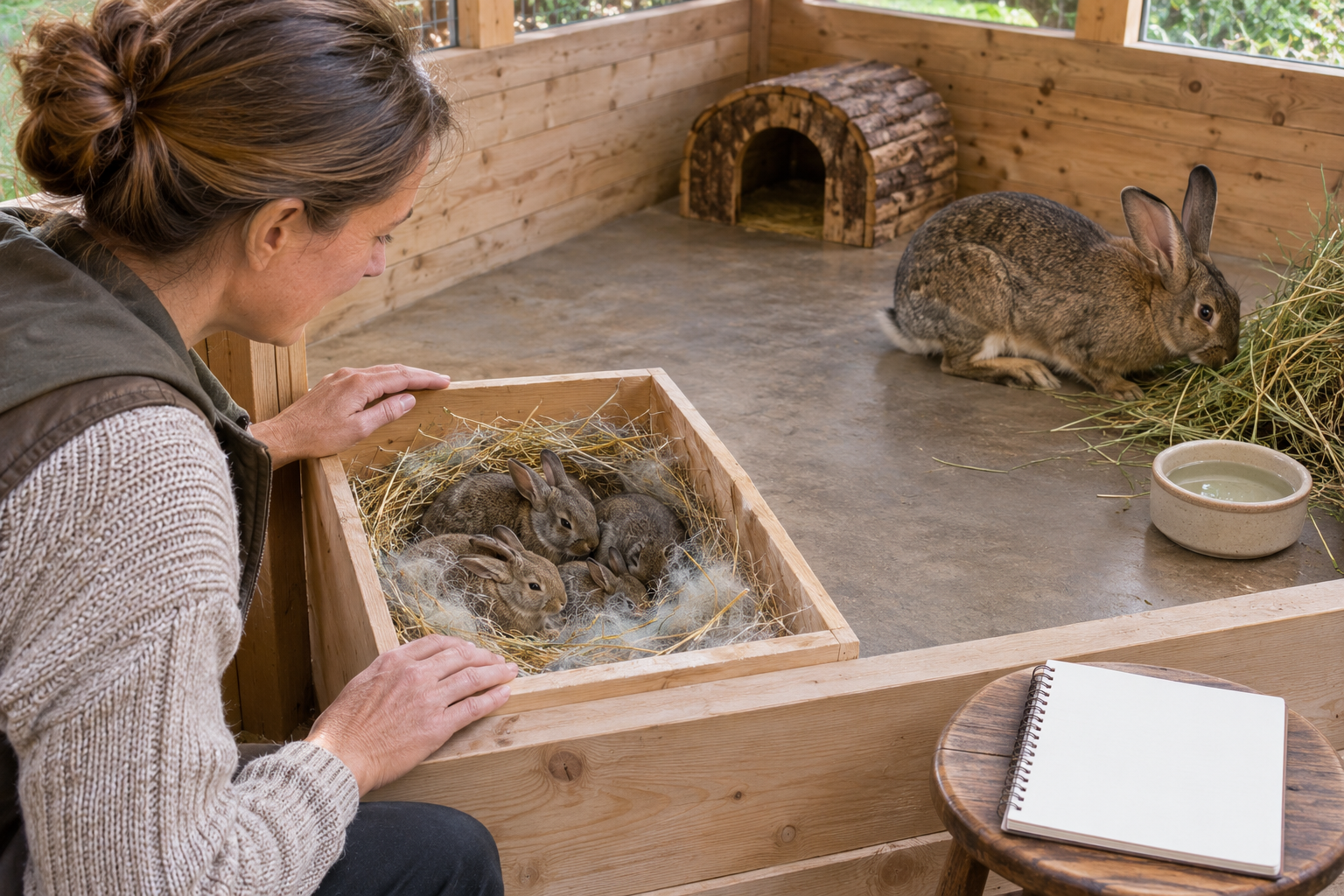
After birth, make brief, gentle welfare checks and keep unnecessary disturbance down. Count the kits and remove any dead ones, as Penn State Extension advises. Record when you checked, the live kits observed, any dead kits removed and concerns about the doe or nest. Keep the nest clean and dry, removing soiled material carefully. Ask an experienced keeper or veterinarian to demonstrate safe checks if this is new work for you.
Do not decide that the litter is abandoned because the doe is away from the nest. Utah State notes that rabbits commonly nurse once daily and the keeper may rarely see the doe inside the box. Assess the litter and doe, not whether she sits beside the kits like a brooding hen.
Cold, weak, injured or apparently unfed kits need prompt advice from a rabbit veterinarian or an experienced person working with that veterinarian. A doe that stops eating, appears distressed or has an illness concern also needs prompt veterinary assessment. Do not wait for the next reminder when an animal appears unwell. Avoid improvised heaters, forced feeding and formula recipes from an unrelated species.
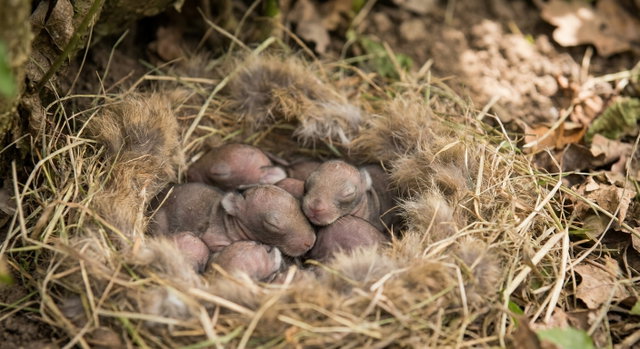
Newborn kits cannot regulate their own temperature effectively at first; Merck describes this limitation through about the first week. That makes the actual nest condition important. A calendar entry saying “box checked” is incomplete if the nest was wet and the corrective action was never recorded.
Fostering: preserve parentage and ask early
Fostering places kits with a nursing doe other than their biological dam. It may be needed when the original doe cannot rear them or a litter needs help. It is an early management decision with animal-health and biosecurity implications, so contact an experienced breeder or rabbit veterinarian promptly.
Merck describes fostering within the first three days to a doe with a similarly aged, smaller litter. Utah State likewise emphasizes closely matched litter ages and minimal nest disturbance. These are compatibility considerations, not a promise that any doe can support another litter. Ask the person advising you to assess the recipient doe, her own litter and the kits needing help.
Before moving kits, agree how you will identify them, check acceptance and monitor the combined litter. Keep the biological dam and sire unchanged in the pedigree. Add the foster doe as a care-history fact, not a replacement parent. Record the move date, source and destination litter, number moved, reason and advisor.
Use a litter record that can reconcile its numbers
A first check is an observation at a particular time. It may not reveal the exact number born if you did not observe the birth. Use labels that preserve that distinction:
- Mating date and sire, including any uncertainty.
- Expected kindling date and date the box was added.
- Actual kindling date if known, or the date and time the litter was first found.
- Total born if known, and alive and dead at the first check.
- Later deaths, fostered in and fostered out, each with its own date.
- Weights or health observations and the action taken.
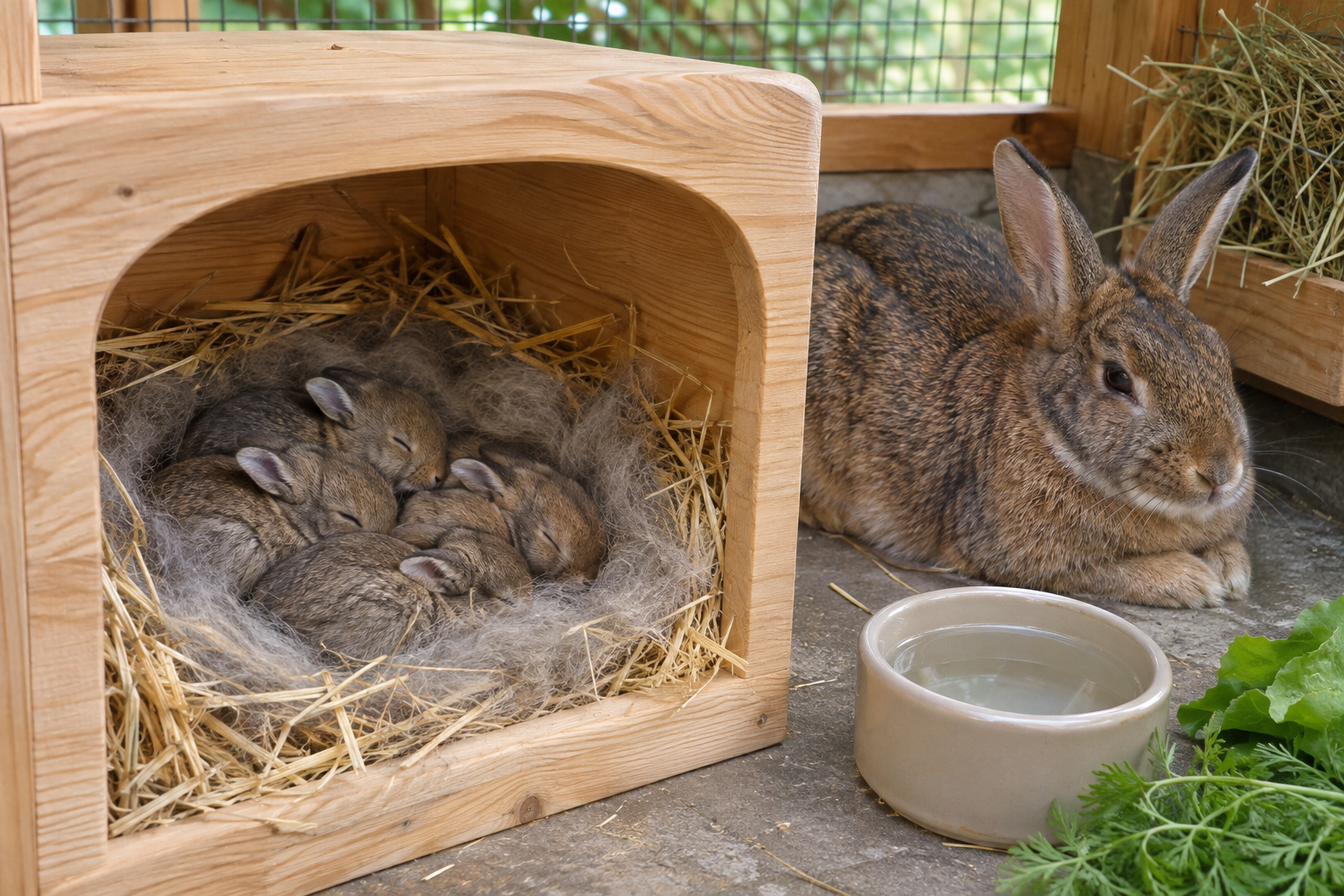
For example, a litter observed with six live kits, followed by two fostered in, has eight kits in care. It has not become a biological litter of eight. Keep that distinction when reviewing a doe’s history or sharing offspring records. The baby rabbit care guide covers the later care stage.
Finish with the individual rabbit records
As the kits become individually identified, connect each one to the correct litter and parents. Use the rabbit tattoo guide to plan stable ear numbers and the ARBA registration guide when official registration becomes the next job. You can compare broader record systems in rabbitry software options and explore the rabbit hub.
Keep preparation reminders separate from completed care. Creatures can hold the breeding and litter history; it does not confirm pregnancy, diagnose a struggling doe or decide whether a foster placement is safe.
Do this next on Creatures
Keep mating dates, box preparation and the litter history attached to the animal you actually worked with. Animal profiles and records are free and unlimited; you need a free account to save your work.
- Add your rabbit, then add its ear number with Add identifier on the profile. See how to add an animal.
- Add a record for today’s observation. This opens for visitors; a free account is needed to save it. Follow adding a record and keep reminders and upcoming care separate from completed work.
- Add your breeder profile when you want a public introduction to your program. Read getting listed in the breeder directory.
- Create a listing alert for future searches.
- Browse rabbit listings and ask sellers for the individual animal’s records.
- Explore the breeder directory when you need to find and contact keepers yourself.