

American Fuzzy Lop
American Fuzzy Lop: Complete Breed Guide
The American Fuzzy Lop is a small, wool-coated, lop-eared rabbit recognized by the American Rabbit Breeders Association (ARBA). Picture a Holland Lop, the popular compact lop breed, but wearing a dense, soft, angora-type wool coat instead of normal short fur. Adults are tiny, with a maximum show weight of 4 pounds and an ideal weight near 3.5 pounds, and they pair a playful, people-oriented personality with one demanding catch: that beautiful wool needs regular grooming, and a rabbit that swallows too much of it can get dangerously ill. This guide covers what the breed is, where it came from, how it looks, the full care routine, health and lifespan, cost and availability, and the questions buyers ask most.

| Type | Small wool-coated lop-eared rabbit (ARBA recognized) |
|---|---|
| Weight | About 3 to 4 lb; ideal around 3.5 lb; 4 lb maximum on the show table |
| Body | Short, compact, cobby; broad shoulders; large head |
| Coat | Dense angora-type wool, shorter than a commercial Angora, about 2 inches |
| Ears | Lopped, hanging down beside the face |
| Temperament | Active, playful, social, generally sweet-tempered |
| Lifespan | Commonly cited around 5 to 8 years, longer with good care |
| Grooming | High; brush several times a week, more during a molt |
| Recognized | Became an ARBA breed at the close of the 1980s |
Browse listings, public profiles, breeders, or add your animal.
What is an American Fuzzy Lop?
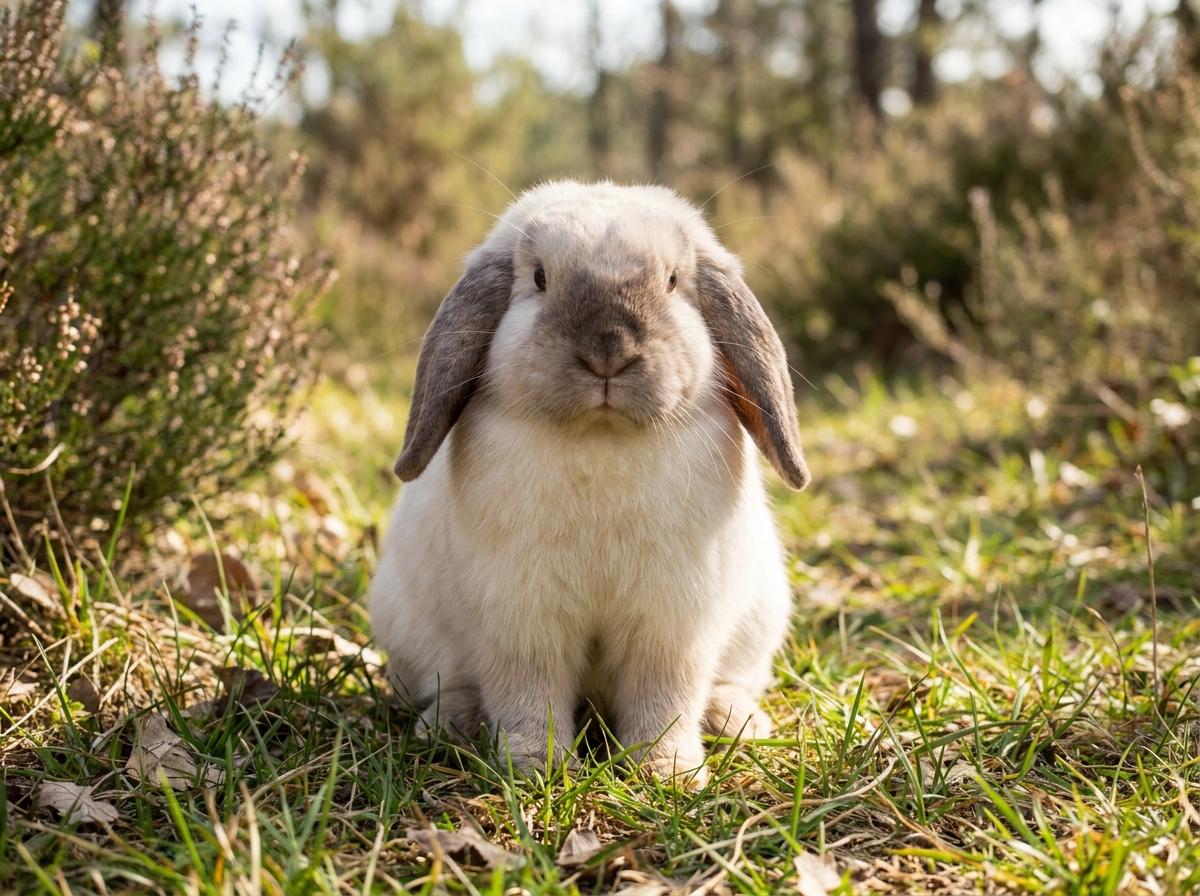
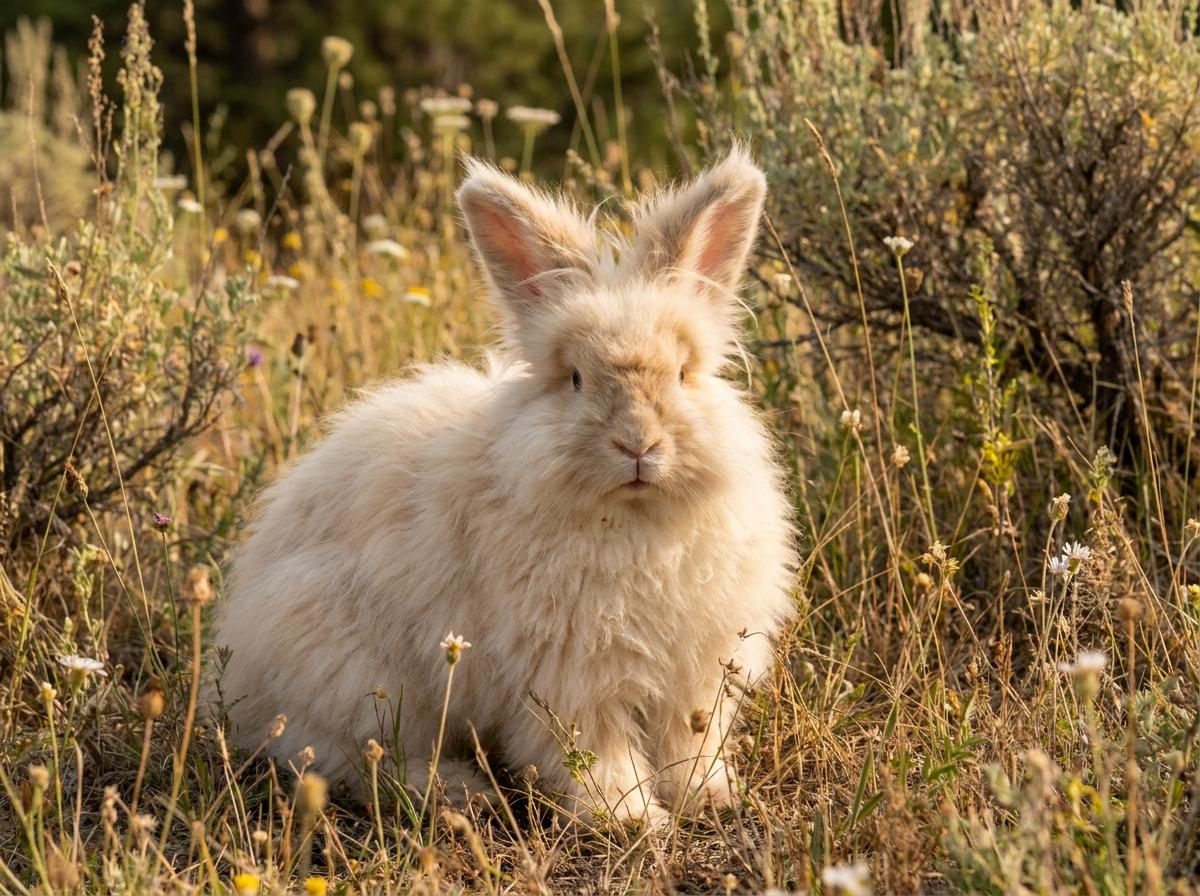
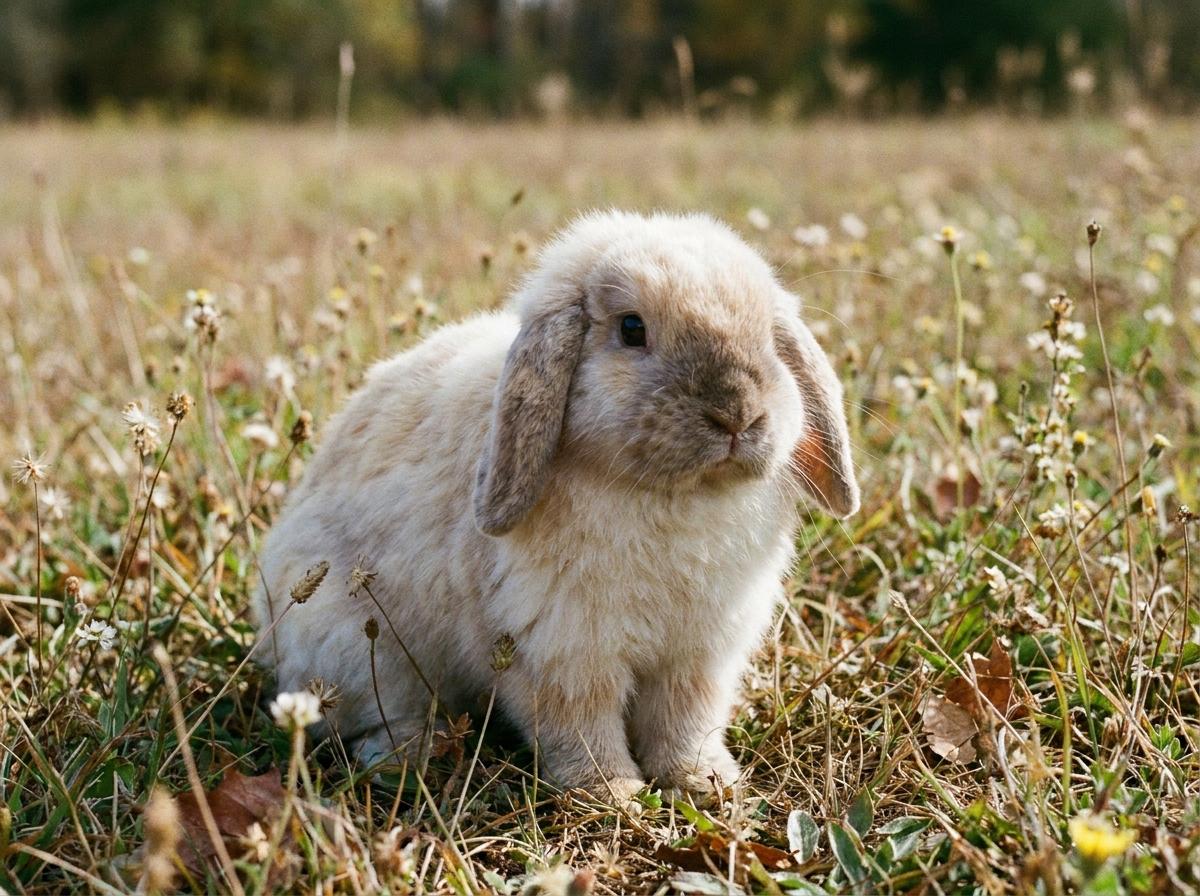
The American Fuzzy Lop is best understood as a wooled Holland Lop. It shares the Holland Lop’s small, rounded, cobby body and its lopped ears, the ears that hang down along the sides of the face instead of standing upright. What sets it apart is the coat. Instead of the short, dense rollback fur of a Holland, the Fuzzy Lop carries a wool coat related to the Angora rabbits, soft fibers roughly 2 inches long that can actually be brushed out and spun into yarn, though shorter than the wool a commercial Angora produces.
Everything about the breed standard pushes toward “small and round.” ARBA describes the breed by its lopped ears and large head, and the standard calls for a maximum weight of 4 pounds with an ideal closer to 3.5. That makes the Fuzzy Lop one of the smaller rabbit breeds, well suited to indoor life and to homes without space for a giant breed. It is a show and companion breed rather than a meat or commercial-fiber breed, so most Fuzzy Lops you meet are pets or exhibition animals. For the wider picture of how this breed fits among other rabbits, see the rabbit species overview.
History and ARBA recognition
The American Fuzzy Lop is a genuinely American creation from the 1980s. Breeders had crossed Holland Lops with French Angoras (the rollback-coated Angora variety) in the course of working on Holland Lop coat color, and that cross quietly introduced the recessive wool gene into Holland Lop lines. Patty Greene-Karl is credited with recognizing that this “fuzzy” gene was recessive: breeding two Holland Lops that both carried it produced a percentage of wooled offspring, theoretically about one in four. Rather than treat the wool as a fault to breed out, she set out to develop the wooled rabbits into a breed of their own, the American Fuzzy Lop.
She first presented the rabbits at the 1985 ARBA Convention in Houston, Texas. The breed did not pass on its first attempts. According to the American Fuzzy Lop Rabbit Club’s own history, the breed was accepted as a recognized ARBA breed in 1988 at the convention in Madison, Wisconsin, after which it could be shown for championship competition. (ARBA’s current breed page lists 1989, and the first Best of Breed at an ARBA Convention was awarded in 1989 in Tulsa, Oklahoma, so you will see both years cited.) Either way, by the end of the decade the American Fuzzy Lop was an established breed, and it has been a popular small show and pet rabbit ever since.
Appearance and color varieties

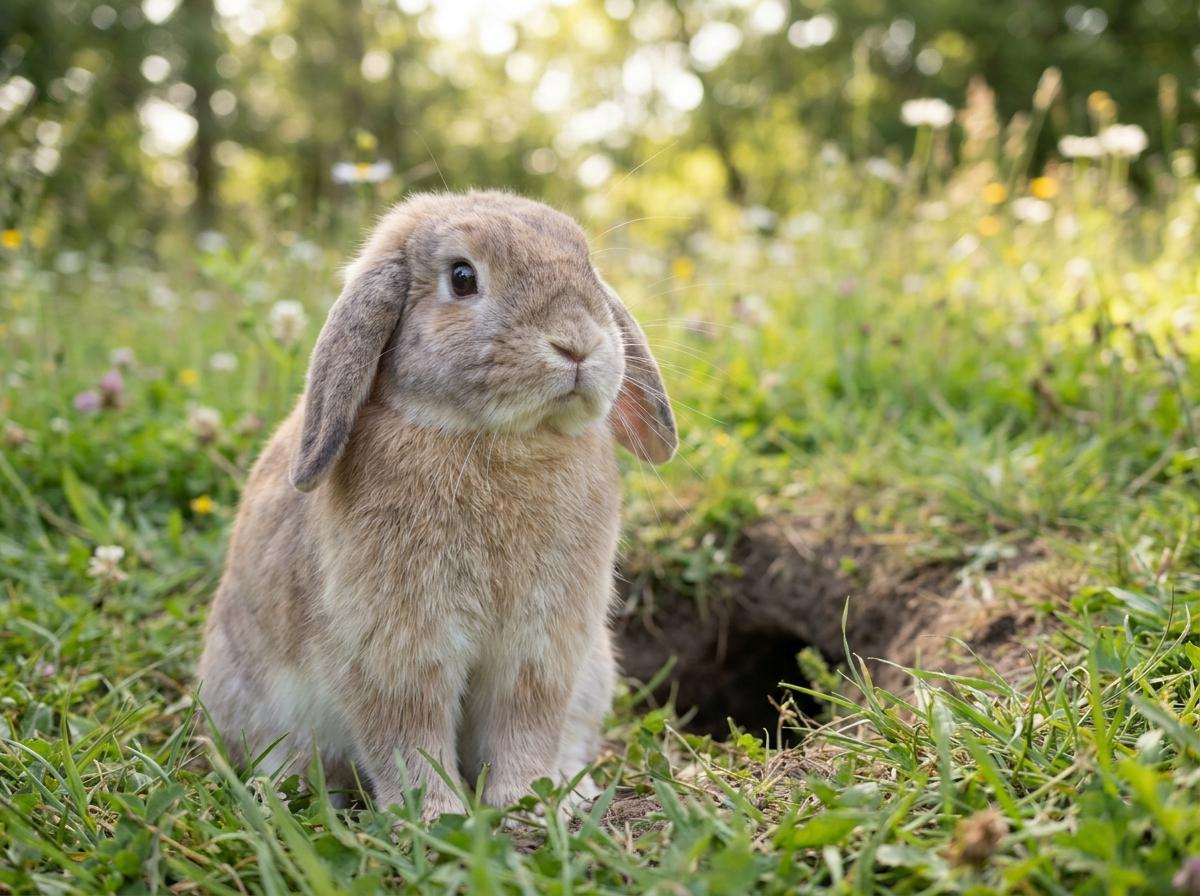
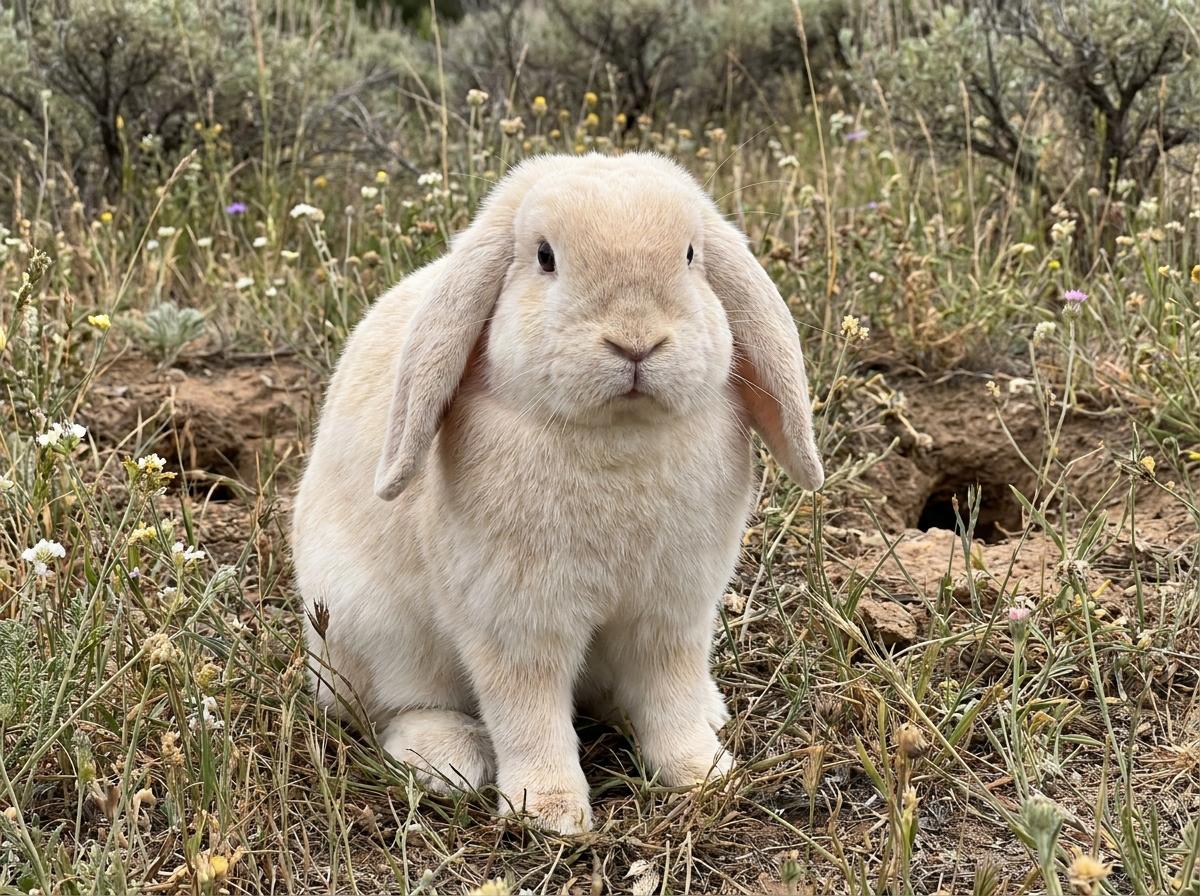
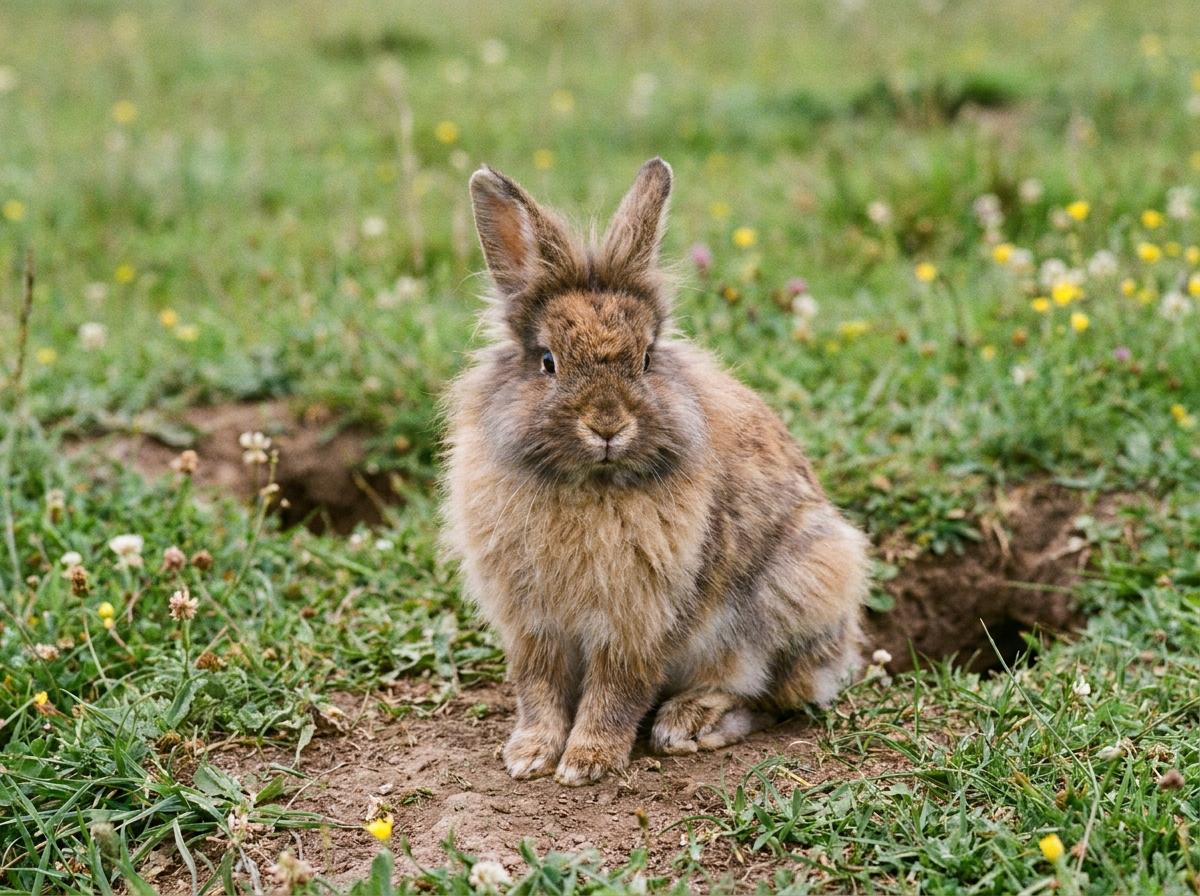
A well-bred Fuzzy Lop looks like a fluffy, compact ball with a noticeably large, bold head for its size. The body is short and cobby with deep, broad shoulders, sitting low and close to the surface. The ears are lopped, set close to the cheeks and hanging beside the face, and they carry wool like the rest of the coat. The face is short and flat compared with a typical rabbit, echoing the Holland Lop look.
The coat is the signature. It is wool, not fur: dense, soft, and roughly 2 inches in length, with the same general character as Angora wool but shorter. A correct coat stands up away from the body when stroked back rather than lying flat. Young Fuzzy Lops are often born looking like normal-coated kits and “fuzz up” as they grow, which is why coat development is something breeders watch closely.
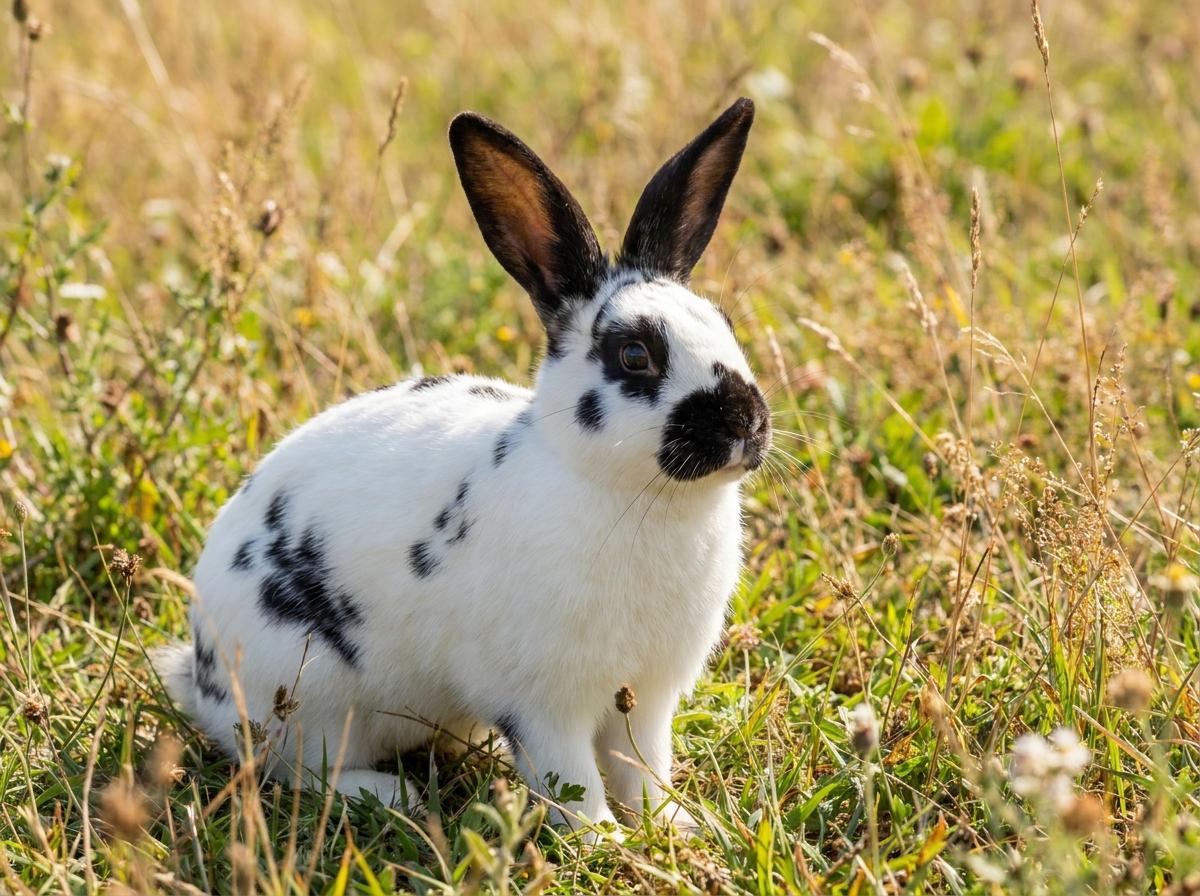
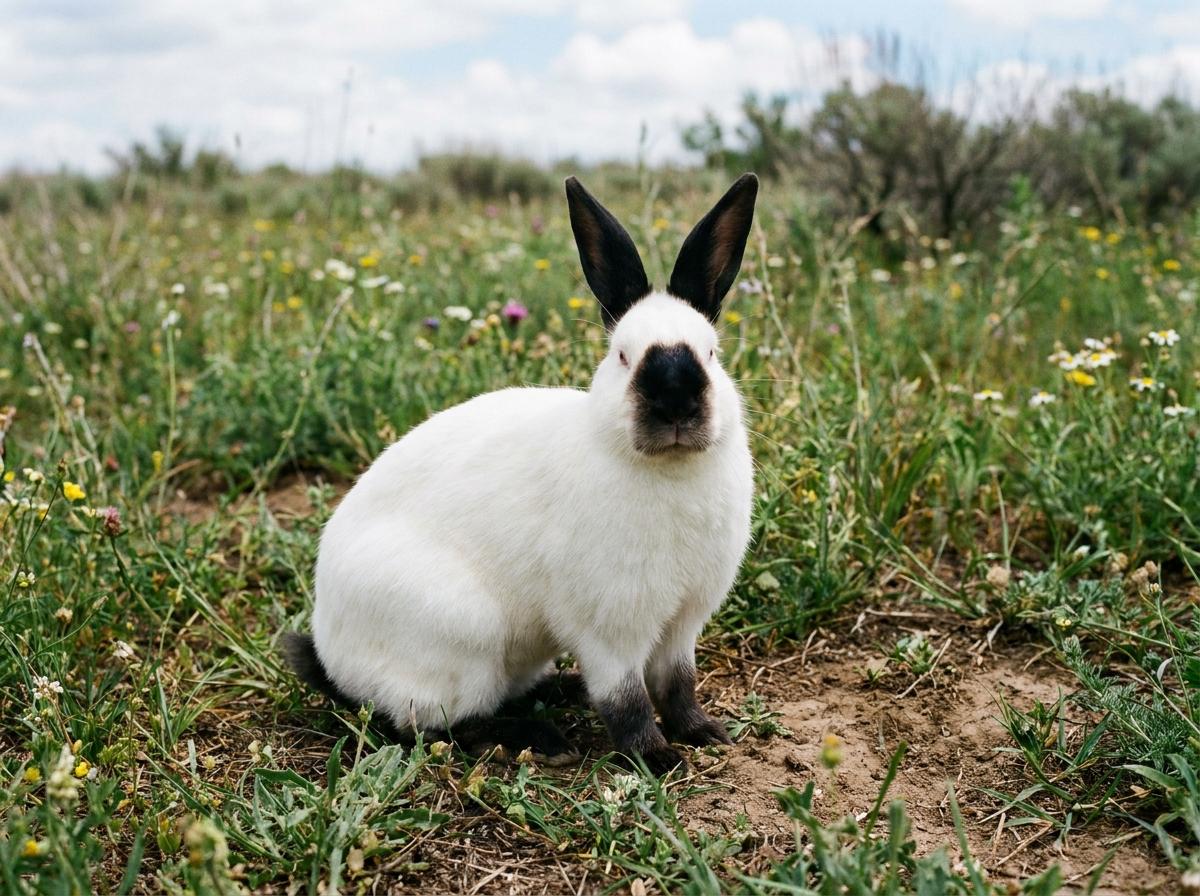
Color is wide open. ARBA recognizes the breed in a long list of varieties grouped into color families, including Agouti (such as chestnut, chinchilla, opal, and lynx), Self (solid colors such as black, blue, chocolate, lilac, and white in ruby-eyed and blue-eyed forms), Shaded (such as siamese sable, seal, and smoke pearl), Wide Band (such as fawn and orange), Pointed White, and Broken (any recognized color broken up with white, as in the example shown above). For showing, the variety and the quality of the markings matter; for a pet, color is simply a matter of preference.
Temperament
American Fuzzy Lops are known as active, curious, and social rabbits with a lot of personality for their size. ARBA describes the breed as sweet-tempered and energetic, and owners tend to report the same: a playful rabbit that enjoys interaction, toys, and time out of the enclosure. That sociability cuts both ways. A Fuzzy Lop that is left alone with nothing to do can become bored, so daily attention, enrichment, and supervised exercise matter as much for this breed as physical care.
As with any rabbit, individual temperament varies and is shaped by handling and socialization. Rabbits are prey animals that often dislike being picked up and held high off the ground, so the gentlest interactions usually happen at floor level. Their small size makes Fuzzy Lops appealing for families, but children should always be supervised and taught to interact calmly and low to the ground.
Care: housing, diet, grooming, and exercise
Housing
Because they are small, Fuzzy Lops do not need a giant enclosure, but they still need real room to move. Provide a roomy pen or a rabbit-proofed area, with solid (not wire) flooring to protect their feet, a hidey spot to retreat to, a litter area, and unlimited hay. House rabbits should live indoors or in a sheltered space, protected from temperature extremes and from predators. Enclosure time should be balanced with daily time in a larger, safe exercise area, since confinement alone is not enough for an active rabbit.
Diet
The single most important thing you can do for any rabbit’s health is feed a hay-based diet. Grass hay, such as timothy, should make up the large majority of what a rabbit eats and be available at all times. Hay provides the long, indigestible fiber that keeps the gut moving, and that constant motility is exactly what protects rabbits from gut slowdowns. Round out the diet with a daily portion of fresh leafy greens, a small measured amount of quality pellets, and only occasional treats. Fresh water must always be available, because dehydration also slows the gut. This hay-first approach is standard guidance from rabbit veterinary and welfare sources and matters even more in a wool breed, where keeping the gut moving helps clear any swallowed wool.

Grooming and wool block prevention
Grooming is where the Fuzzy Lop asks more of you than a short-haired rabbit. The wool coat mats if it is neglected, and a matted, shedding coat means the rabbit swallows more wool when it self-grooms. Plan to brush the coat several times a week as a baseline, and step up to near-daily grooming during a heavy molt, when the coat is being replaced and loose wool is everywhere. A regular session removes loose fibers before they can mat or be ingested, and it is also a good chance to check the skin and the lopped ears.
The reason grooming is not optional is wool block, also discussed as a contributor to gastrointestinal (GI) stasis. When a rabbit ingests wool during self-grooming and the gut is not moving well, hair and food can pack together and slow or stop the digestive tract. GI stasis is a serious, potentially life-threatening emergency in rabbits: warning signs include a rabbit that stops eating, produces few or no droppings, or becomes quiet and hunched. Prevention is the combination of a high-fiber hay diet, fresh water, exercise, and consistent grooming to keep the amount of swallowed wool low. If you ever see a Fuzzy Lop go off its food and stop passing droppings, treat it as urgent and contact a rabbit-savvy veterinarian rather than waiting.
The Jersey Wooly guide applies the same daily combing and twice-daily rear checks to a smaller wool breed.
Exercise and dental care
Daily exercise outside the enclosure supports both mental health and gut motility. A few hours in a safe, rabbit-proofed space, with toys and things to chew, suits the breed’s active nature. That chewing matters for the teeth, too. Rabbit teeth grow continuously, and a hay-heavy diet plus safe chew items helps wear them down naturally; overgrown or misaligned teeth (malocclusion) are a real and painful problem in rabbits and are worth checking for at routine vet visits.
Health and lifespan
The American Fuzzy Lop is generally a hardy small rabbit, but it shares the health priorities of all rabbits plus the extra grooming-related risk that comes with a wool coat. Commonly cited pet lifespans land roughly in the 5-to-8-year range, with well-cared-for rabbits living longer; exact figures vary by source, so treat them as a general guide rather than a guarantee.
The conditions to know about:
- GI stasis and wool block. Covered above. This is the headline health issue for any wooled rabbit and the main reason grooming and a hay diet are non-negotiable.
- Dental disease (malocclusion). Continuously growing teeth can overgrow if they do not wear evenly. Hay helps; vet checks catch problems early.
- Heat sensitivity. Rabbits tolerate cold far better than heat, and a wool coat adds insulation, so keep Fuzzy Lops cool and well ventilated in warm weather.
- Flystrike and skin issues. A soiled or matted coat can attract flies in warm conditions, another reason to keep the wool clean and the litter area tidy.
- The usual rabbit care. Find a veterinarian who treats rabbits, ask about appropriate vaccination and preventive care for your region, and consider spaying or neutering, which many owners do for health and behavior reasons.
None of this is medical advice. For any health decision, work with a rabbit-experienced veterinarian.
Size, cost, and availability
In size, the Fuzzy Lop is firmly a small breed: about 3 to 4 pounds full grown, with show animals not exceeding 4 pounds. That compact size is part of the appeal and makes them manageable indoor companions. If you are weighing it against a very different rabbit, it sits at the opposite end of the spectrum from a long, lean, racy breed like the Belgian Hare, which is larger and short-coated rather than small and wooled.
On price, expect a Fuzzy Lop from a breeder to commonly run somewhere in the range of roughly fifty to a couple hundred dollars, with show-quality and well-marked animals at the higher end and pet-quality at the lower end. Prices vary widely by region, lineage, and breeder, so treat any single number as a rough guide rather than a fixed rate. Whatever you pay for the rabbit itself is only part of the picture: a proper enclosure, hay and food, a litter setup, grooming tools, and veterinary care add up, so budget for the ongoing cost of a small pet that may live the better part of a decade.
Availability is moderate. The Fuzzy Lop is an established and popular show breed, so dedicated breeders exist, but it is less common than mainstream pet breeds, and you may need to search a bit to find one near you. Rabbit rescues sometimes have lops and wool breeds as well, so adoption is worth checking before buying.
Buying considerations
If you are bringing home an American Fuzzy Lop, a few things separate a good purchase from a regret:
- Be honest about the grooming commitment. This is not a low-maintenance rabbit. If no one in the household will brush the coat several times a week, choose a short-haired breed instead.
- See the rabbit’s environment. A clean, spacious setup and rabbits that look bright, well-fed, and unmatted are good signs. Ask what the rabbit is being fed and aim to keep the diet consistent at first.
- Ask about age and health. Find out the rabbit’s age, whether it has been seen by a vet, and whether it is spayed or neutered. Ask the seller what they do for grooming and coat maintenance.
- Match the rabbit to your goals. Tell the seller whether you want a pet or a show prospect, since show quality (markings, type, coat) is judged differently from a healthy, friendly companion.
- Line up a rabbit vet first. Because GI stasis can become an emergency quickly, know where you will take your rabbit before you need to.
Frequently asked questions
Are American Fuzzy Lops good pets?
Yes, for the right owner. They are small, playful, and social, which makes them appealing companions. The catch is the wool coat, which needs regular grooming. If you can commit to brushing several times a week and feeding a proper hay diet, they make rewarding pets.
How big do American Fuzzy Lops get?
They are a small breed, generally about 3 to 4 pounds, with an ideal show weight near 3.5 pounds and a maximum of 4 pounds.
How often do you need to groom an American Fuzzy Lop?
Plan on brushing several times a week at minimum, and closer to daily during a molt. Consistent grooming removes loose wool before it can mat or be swallowed, which helps prevent wool block.
What is the difference between an American Fuzzy Lop and a Holland Lop?
The body type and lopped ears are very similar; the Holland Lop has short, normal fur, while the American Fuzzy Lop has an angora-type wool coat. The Fuzzy Lop was effectively developed as a wooled version of the Holland Lop.
How long do American Fuzzy Lops live?
Lifespan figures vary by source, but a range of roughly 5 to 8 years is commonly cited for pet rabbits, with good care supporting the longer end.
Do American Fuzzy Lops shed a lot?
They go through molts where they shed wool heavily, and during those periods grooming needs increase. Outside of heavy molts, regular brushing keeps shedding manageable.
Do this next on Creatures
Whether you are still deciding or already have a Fuzzy Lop at home, Creatures is the records, marketplace, and profile layer that keeps everything in one place. Here are practical next steps, no account needed to start the guest-friendly ones.
If there is nothing listed near you yet, set a free listing alert and get notified when an American Fuzzy Lop is posted. No account is needed to start.
Looking for trusted breeders and rescues? Browse the directory to find rabbit breeders and rescues on Creatures.
Already have your rabbit? Create its free profile on Creatures and start tracking its grooming, diet, weight, and vet visits in one place. Wool breeds reward good records: a simple log of molts and weight helps you catch a problem early. The Adding an animal help guide walks through the steps, and the profile opens for visitors so you can look around first; saving it takes a free account.
Once the profile exists, log each grooming session, molt, weight check, and vet visit as a record. For a wool breed that is the early-warning system that catches wool block and weight loss before they become emergencies. The add-record form opens for visitors so you can see how it works; saving a record needs a free account. See Adding a record and Health and medical records for what to track.
Breed or rescue American Fuzzy Lops? Add your rabbitry or rescue profile so buyers and adopters can find you in the directory. The Getting listed in the breeder directory guide covers what is needed.