Rabbit Tattoo Guide: ARBA Ear Rules, Methods and Numbering
Author: Elliott Garber, DVM · Published
For ARBA showing, a rabbit needs a permanent, legible identification tattoo in its own left ear. The right ear is used by the registrar for the registration insignia or number. Plan the breeder ear number first, then keep the same exact characters in the rabbit’s Creatures profile and records, pedigree and show entries.
ARBA identification rules checked November 12, 2026. Left and right mean the rabbit’s sides, not the sides as you face it. This guide helps you choose identifiers and prepare for trained tattooing; arrange hands-on instruction before performing a procedure on an animal.
| Breeder identification | Rabbit's left ear |
|---|---|
| Registrar identification | Rabbit's right ear at registration |
| ARBA show characters | Numerals 0 to 9 and letters A to Z |
| Show legibility | Judge determines whether the earmark is legible |
| Methods | Clamp with digits or a pen-type tattoo device |
| Records | Exact string, ear, animal and source documents |
The two ears have different jobs
ARBA’s current show rules, Section 26 require permanent, legible left-ear identification. The tattoo may contain only numerals 0 to 9 and letters A to Z, without profane or sexual language. Rabbits with illegible earmarks are disqualified; an animal whose ear number does not match its entry is removed from the class. An exhibitor also may not enter more than one animal in the same class with the same ear number.
ARBA’s registrar instructions require the registration insignia or registration number in the right ear at registration. Do not make up an ARBA mark or put your ordinary breeder code there as a substitute. A left-ear tattoo identifies the rabbit; it does not by itself make the rabbit registered.
Read ARBA registration for the pedigree, membership and examination checks. If you are preparing entries, the existing rabbit show guide covers classes and official legs.
Choose an ear number that stays with the animal
A simple numbering plan is easier to read, copy and check. Ohio State Extension’s rabbit tattooing FAQ suggests giving each rabbit its own identifier and offers initials plus a number as one example. That is an example, not an ARBA-assigned sequence or a mandatory year code.
You could use your own short prefix and serial number, such as AB101 and AB102. Another keeper might use a birth-year component with a running number. Write the rule in your records before assigning a litter’s identifiers. These are private systems; do not represent them as an official ARBA birth-year alphabet.
Avoid making the identifier do every job. Sex, color, litter, parents and housing location can change or require correction; put those in their own fields. Keep the permanent string stable. A short code tied to a complete profile is more useful than a long code nobody can reliably read.
For bought-in rabbits, retain the existing identification and breeder history. Record your own management nickname separately. If the tattoo is unreadable or conflicts with the papers, resolve identity with the breeder, registrar or show official before entering or changing anything.
Clamp and pen methods: arrange practical instruction
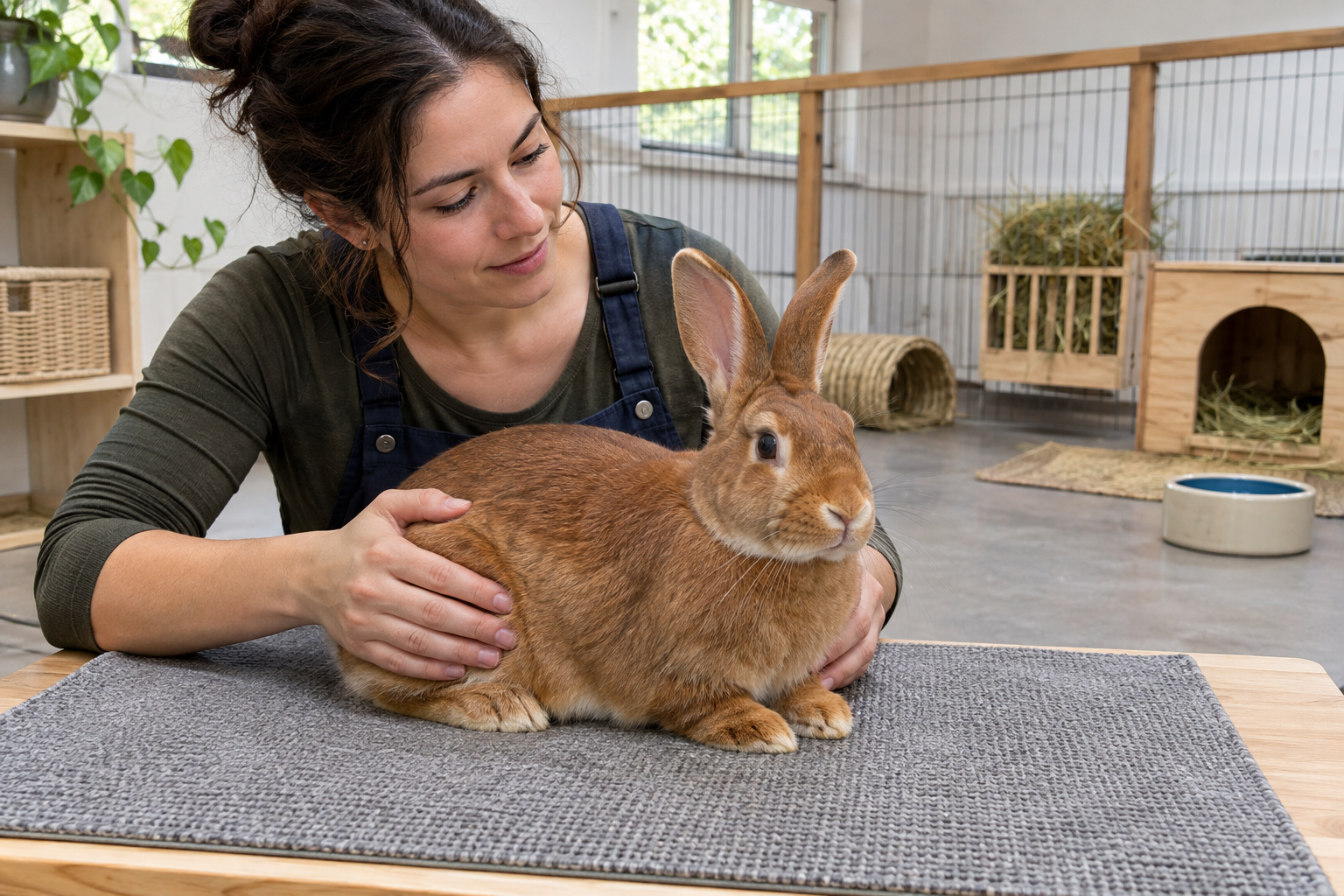
Ohio State’s statewide tattooing instructions explain the personal left-ear and registrar right-ear distinction and describe pliers and pen devices. The county Ohio State FAQ identifies two equipment types: a traditional clamp requiring digits, and a pen-type tattoo device. It also describes a nonslip rug or towel to reduce movement, and experienced breeders or volunteers as sources of help. Ask your extension office or rabbit club for a trained person who can demonstrate appropriate handling and equipment use.
With a clamp, the characters are assembled in the device before application. With a pen device, the operator forms the characters individually. Both require appropriate equipment, sanitation, secure humane handling and a readable result. Do not treat one method as automatically painless or safe in untrained hands.
Before a session, have the trained operator explain preparation, positioning, equipment cleaning between animals, aftercare and when to stop. Discuss pain management or any health concern with a rabbit veterinarian. Do not improvise human topical anesthetics or a drug dose from an online discussion.

The Merck rabbit management guide emphasizes secure body support and warns against holding rabbits by the ears. Handle the animal calmly. If it is struggling, injured or unwell, stop and obtain appropriate help. The rabbit handling guide is a useful companion to hands-on instruction. This page does not replace that demonstration with a needle-depth or restraint recipe.
Make the litter-to-individual check deliberate
Prepare one line for each kit you intend to identify. Include the litter, dam and sire, birth date, sex if confirmed, temporary distinguishing notes and proposed ear number. Check for duplicate planned codes before the equipment is prepared.
After the trained operator completes the work, read the actual mark and enter that result. A planned code is not proof that the same code was applied. Where practical, have a second person check the animal against the record while both are present.
Keep a dated note of the identification event, operator and any follow-up instructions. If you photograph the mark for your private record, label the image with the correct animal and ear. A photo supplements the ability to read the animal; it does not replace show-rule legibility.
Do not use one sibling’s profile as a template and leave its ID behind. Compare each rabbit’s record individually before producing its pedigree with the rabbit pedigree chart maker. The existing rabbit pedigree guide explains the ancestry fields to preserve.
Check identity again before a show or sale
Read the rabbit’s left ear, then compare the exact string with the entry form, pedigree and health or movement paperwork required for that trip. Keep the right-ear registration mark in its own registration record. Do this while there is time to ask the breeder or official about a discrepancy.
If a mark fades, obtain advice from an experienced operator and the relevant official before attempting a repair. Keep the old record and a dated explanation of any correction. Do not quietly change the paperwork to conceal uncertainty.
For the rest of the breeding record, use nest-box and kindling preparation. If you are reorganizing many animals, compare the rabbitry record software options. The rabbit hub connects these jobs without turning an ear number into an official certificate.
Do this next on Creatures
Keep the exact ear number, identification event and source papers attached to the animal you actually worked with. Animal profiles and records are free and unlimited; you need a free account to save your work.
- Add your rabbit, then add its ear number with Add identifier on the profile. See how to add an animal.
- Add a record for today’s observation. This opens for visitors; a free account is needed to save it. Follow adding a record and keep reminders and upcoming care separate from completed work.
- Add your breeder profile when you want a public introduction to your program. Read getting listed in the breeder directory.
- Create a listing alert for future searches.
- Browse rabbit listings and ask sellers for the individual animal’s records.
- Explore the breeder directory when you need to find and contact keepers yourself.