

Belgian Hare
Author: Elliott Garber, DVM · Updated
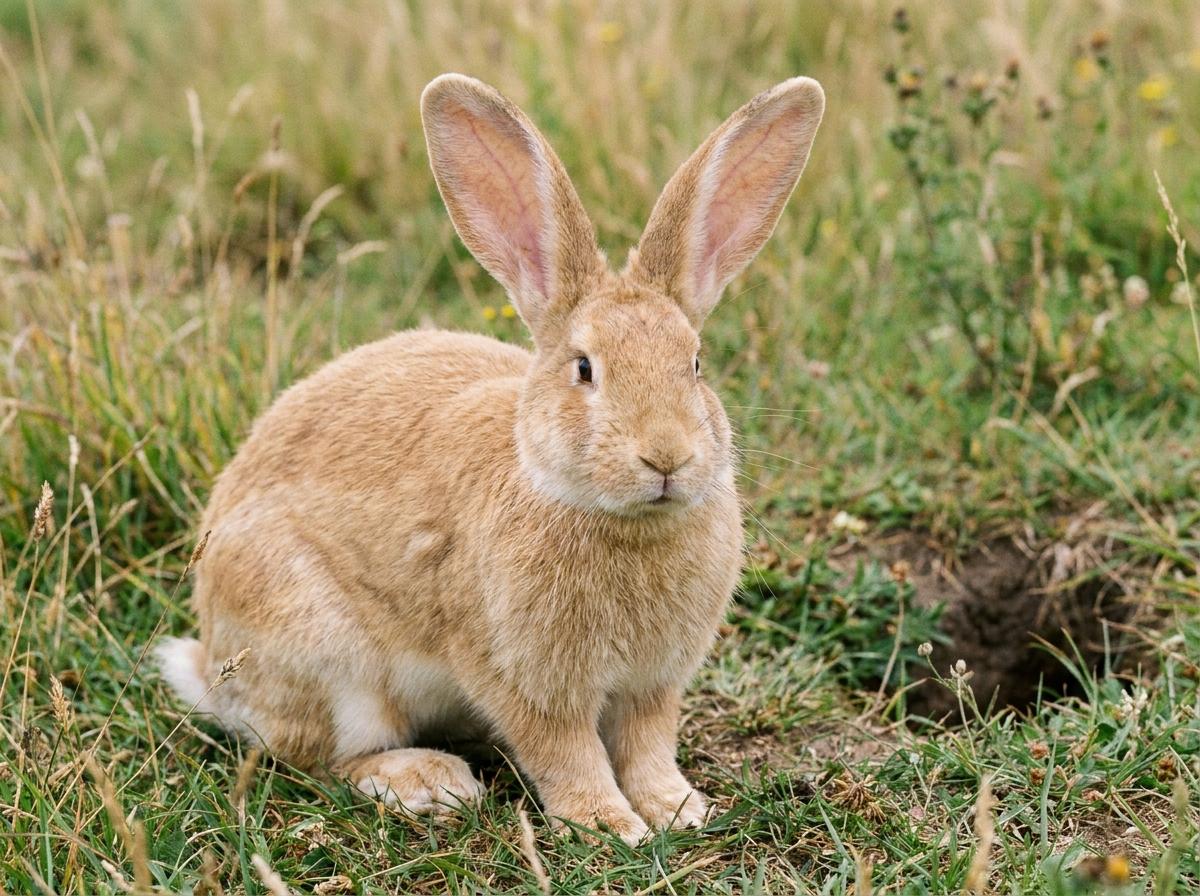
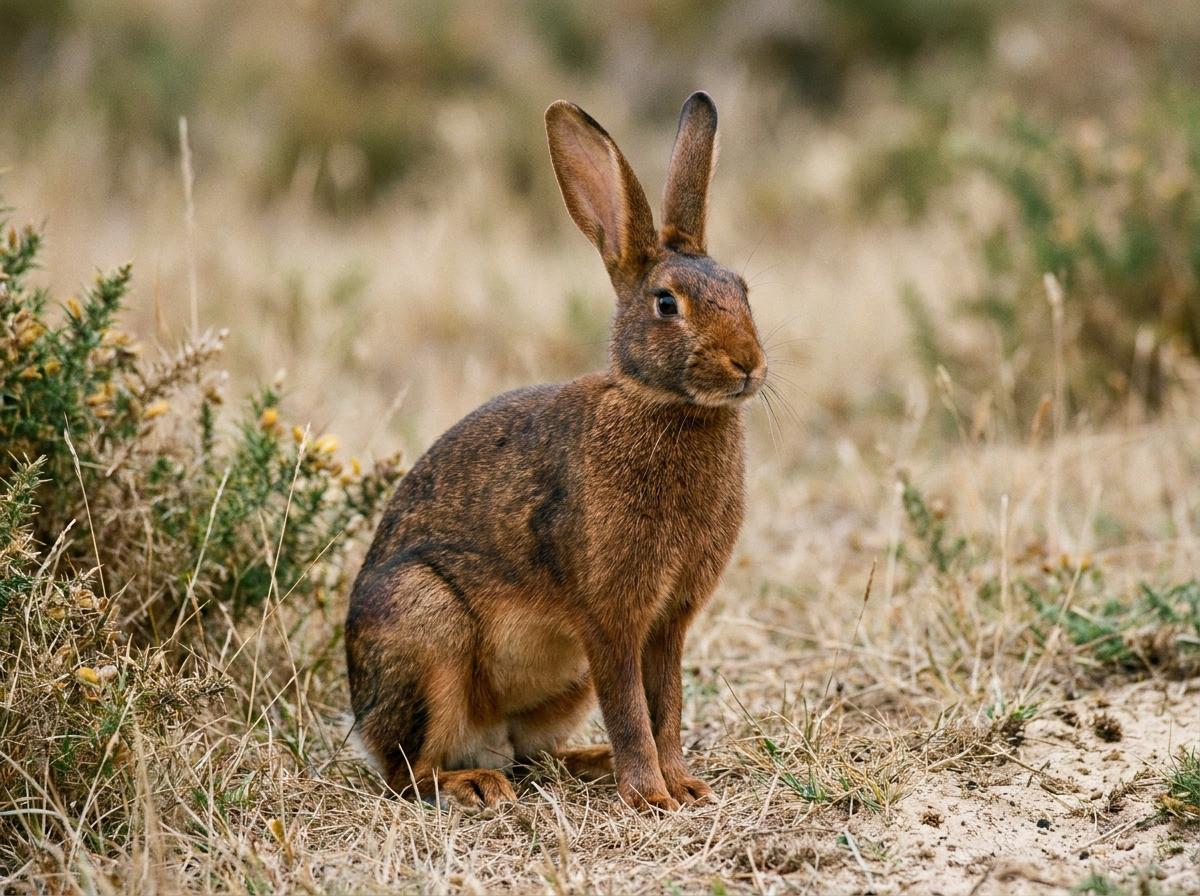
A Belgian Hare is not a hare. It is a domestic rabbit, Oryctolagus cuniculus, the same species as a Netherland Dwarf or a Flemish Giant, bred over a century and a half to copy the outline of a wild hare: long in the body, deeply arched over the loin, standing high on fine legs, deep chestnut red shot through with black ticking. The resemblance is a breeding achievement, not an ancestry. Belgian Hares do not cross with wild hares, and no hare has ever been domesticated.

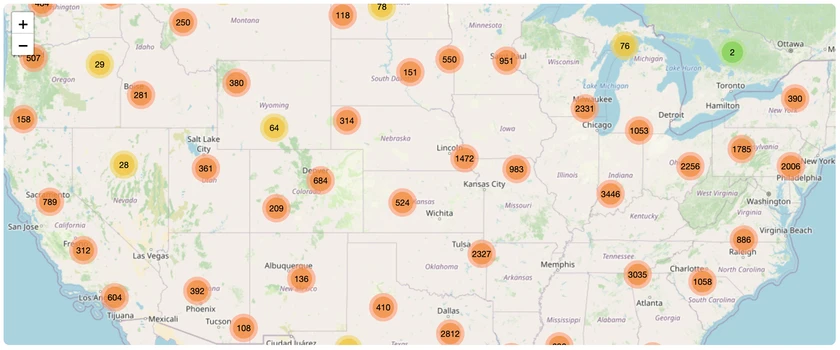
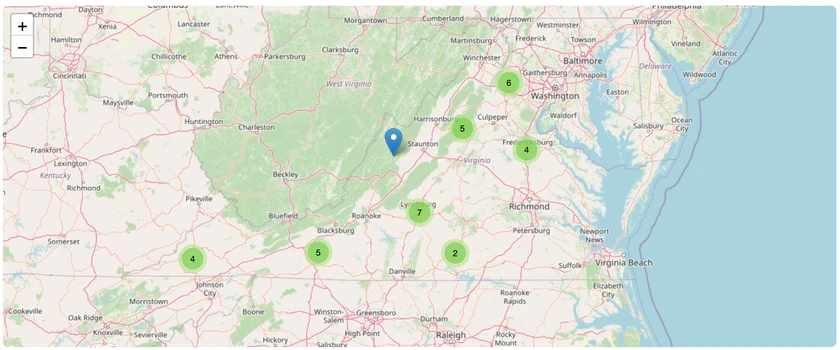
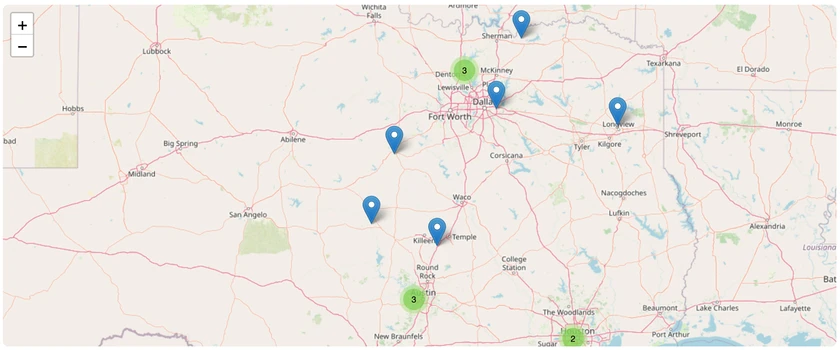
That distinction is most of the reason this page exists. People search “domestic hare” and “domesticated hare” every month and there is no such animal. What they have usually seen is this breed: a rangy red rabbit standing at attention like something that just heard a dog. It is also scarce enough that you will wait for one, and among the most demanding, an awkward combination for a first rabbit. If you are shopping rather than reading, Belgian Hares on the Creatures marketplace appear in ones and twos, and the wider rabbit species hub is where to compare before you commit.
| What it is | A domestic rabbit bred to resemble a wild hare. Not a hare, and not a hybrid |
|---|---|
| Origin | Belgian and continental “leporine” rabbits, reshaped by English fanciers from the 1870s |
| Weight | 6 to 9 lb per The Livestock Conservancy, with an ARBA maximum of 9.5 lb |
| Build | Long, fine boned and arched, carried high off the ground on straight, slender legs |
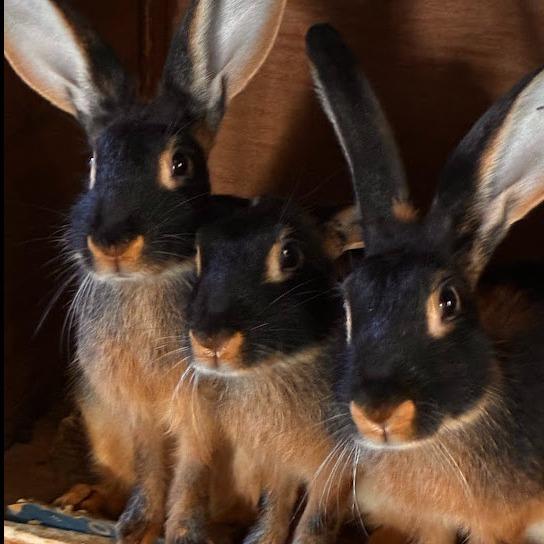
| Color | Five ARBA showroom varieties: rufus, the traditional red with wavy black ticking, plus four tans |
| Temperament | Athletic, reactive and easily panicked. Not a beginner’s rabbit and not a young child’s rabbit |
| Housing minimum | A solid floor of at least 24 by 48 inches and 24 inches of height, per the breed club, plus run time |
| Conservation status | Recovering on The Livestock Conservancy’s 2026 Conservation Priority List |
Browse listings, public profiles, breeders, or add your animal.
Rabbit or hare? The name is the whole confusion
Hares are the genus Lepus. Every domestic rabbit breed, this one included, descends from Oryctolagus cuniculus, the European rabbit. Hare leverets are born furred, open eyed and ready to run in a shallow scrape above ground. Rabbit kits are born blind, naked and helpless in a fur lined nest underground. Rabbits are social burrowers; hares are not, and no Lepus species has ever been domesticated.
The hybrid story was tested and dropped over a century ago. When the breed reached England it was promoted as a rabbit and wild hare cross. USDA Farmers’ Bulletin 496, written in 1912 by David E. Lantz of the Bureau of Biological Survey, records that the claim “seems to have been fully disproved by many unsuccessful efforts to produce the same cross,” and says the reason for calling the animal a hare at all was its color resemblance to one. If a seller tells you their rabbits carry hare blood, they are repeating a Victorian advertisement.
Where the breed came from
The foundation animals were the continental “leporines,” rabbits bred in Flanders from the early 1700s out of domestic and wild European stock. W. Lumb and his brother in law B. Greaves brought leporines over from Belgium and Germany in the 1870s, and English breeders pulled that one imported population in two directions: a line selected hard for size, which became the Patagonian and then the Flemish Giant, and a line selected for the shape, color and coat of the wild English hare, which became the Belgian Hare. Dr J. Salter, a Fellow of the Royal Society and a correspondent of Darwin, was among the early breeders.
Standards were written in 1882 and revised in 1889 towards a racier animal with wavier ticking, a bolder eye and more length of limb. The 1899 revision, reprinted in Laird and Lee’s Standard Belgian Hare Manual of 1901, put 20 of its 100 points on color, 15 on ticking and 20 on shape, and awarded 5 for condition, defined as flesh that is firm and like a race horse. The racehorse nickname is not marketing. It is in the standard.
E. M. Hughes of Albany, New York brought the first Belgian Hares to the United States in 1888. What happened next is the part most accounts get wrong.
The Belgian Hare boom, and what it actually cost
American breeders took to the animal with an enthusiasm the English fancy never matched. The National Belgian Hare Club of America was organized in 1897 at Denver, and by 1900 it was running an exposition devoted to a single rabbit breed. Southern California was the center of it. The American Belgian Hare Club, citing C. H. Lane, records about 600 rabbitries around Los Angeles by 1898, each carrying between 75 and more than a thousand animals, and more than 60,000 Belgian Hares in Southern California by 1900. The Livestock Conservancy puts a comparable figure on Los Angeles County alone and notes that one British firm shipped over 6,000 animals to the United States in 1900.
Now the prices, because this is where most Belgian Hare writing goes wrong.
You will read that a single buck sold for $5,000 in 1900. The Livestock Conservancy states it and the internet repeats it with no source attached. It may well be true. We could not find it in any period document, and we looked, so treat it as a claim you cannot yet check rather than a fact.
What can be checked is more useful anyway, because it comes from people in the trade at the time. P. E. Crabtree, then president of the National Belgian Hare Club of America, wrote in his 1901 course of instruction that when he first took the breed up five dollars was thought an exorbitant price for a hare, and that by the time of writing a really good one was worth as high as $700. He had gone to England in November 1900 and priced nearly all the best animals there at $100 to $450 each, adding that those prices had actually been paid since the Crystal Palace show. Ordinary fancier stock ran $100 to $200.
Set that against wages. One of the boom manuals describes a bookkeeper earning $15 a week, so a $450 hare was roughly seven months of his salary. The mania was real. It did not need five thousand dollars to be a mania.
Champion Fashoda, the animal most often named in the folklore, is genuinely documented: he took the Challenge Cup at the Crystal Palace show on 1 November 1899, arrived in America that December, and stood at a $25 service fee in 1900. And in January 1901 Crabtree watched a rabbit sell in Boston for $150 on the strength of a Los Angeles show win, then scored it himself, counted nearly 200 stray hairs in half the coat, and put its real value at $10. Prices that fall by 93 percent on a second opinion are not prices. They are a bubble.
Read all of these figures as asking prices rather than a market record. The period sources are promotional, written by people selling breeding stock, stud services and courses, and the same books carry fortune anecdotes lifted from newspapers and passed along with the phrase “vouched for as true,” which is what people say when it is not.

The bubble popped for a reason Lantz names. The breed had been sold as a superior table animal, and when buyers worked out that a Belgian Hare is a rabbit not much better on the plate than any other rabbit, the reaction was brutal. He describes the animal as unjustly condemned afterwards, and says the collapse set back domestic rabbit keeping across the United States for years. The fancy then did itself a second injury by adding a heavyweight commercial standard, because breeding a lean show animal towards meat weight takes away the outline it exists for. Belgian Hares led show entries until around 1917 and never got that position back.
How to recognize a good one
Almost nothing else in the rabbit world is built like this, so the silhouette does the work.
The arch. The back rises in one continuous curve from behind the shoulders, over a well rounded loin, to the hindquarters. Posed properly the whole body sits up off the table with daylight under it, front legs fully extended and straight so no ankle shows at the front. A rabbit that cannot hold itself up on its extended front toes is faulted for it, and legs that bend badly are a disqualification.
The color. Rufus red, deep and carried well down the sides and hindquarters, with black ticking distributed in waves rather than patches. This has been the heaviest scoring part of the standard for over a century: 20 points for color and 10 for ticking today, exactly as in the first standard of perfection printed by the National Pet Stock Association in 1915. Feet and legs carry another 10, more than any other breed gets for that section.
The head and ears. Long and lean on a long neck, with fine ears carried upright and close together and a narrow dark lacing along the outer edges. The eye is large and dark.
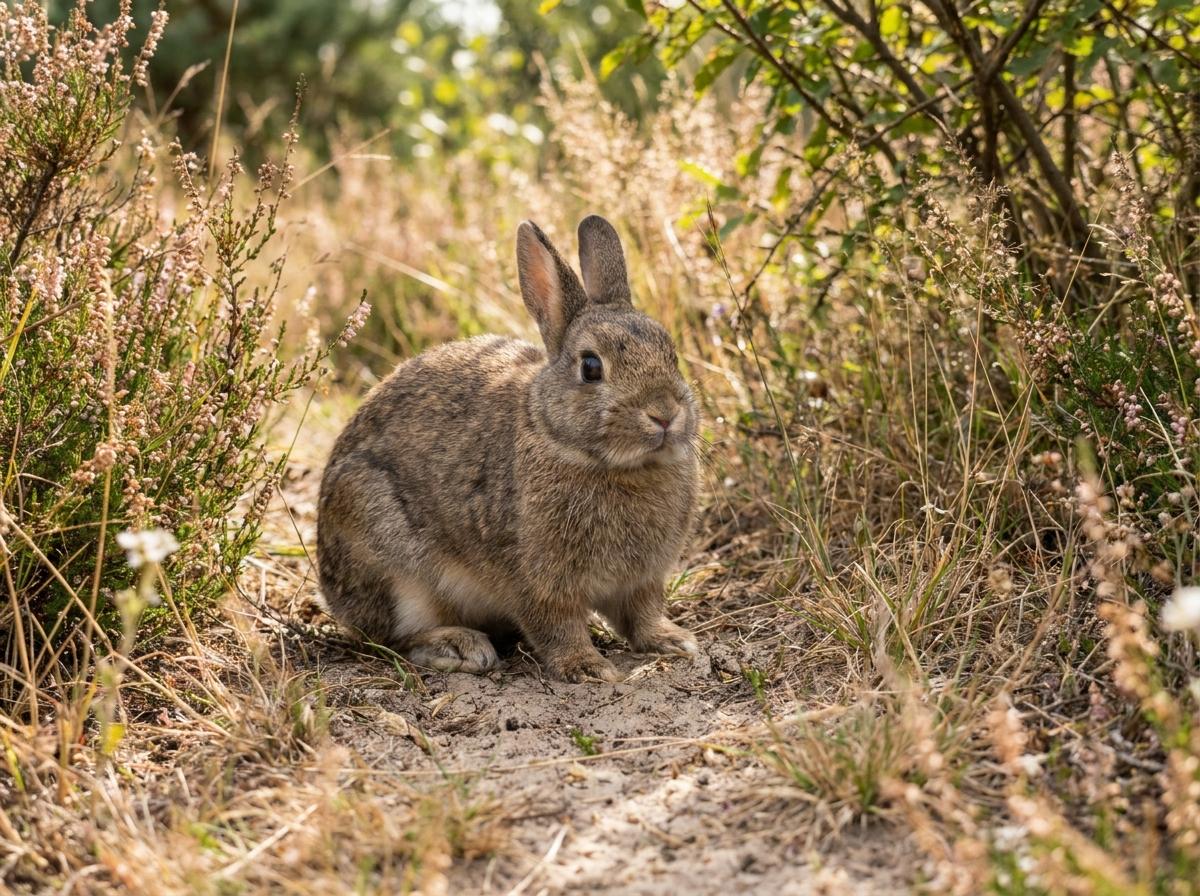
The commonest buyer mistake is judging a Belgian Hare from a photograph of it sitting still, because a relaxed hare hunched in a corner looks like an ordinary brown rabbit. Ask for it posed, and for a short video.
Colors, varieties and size
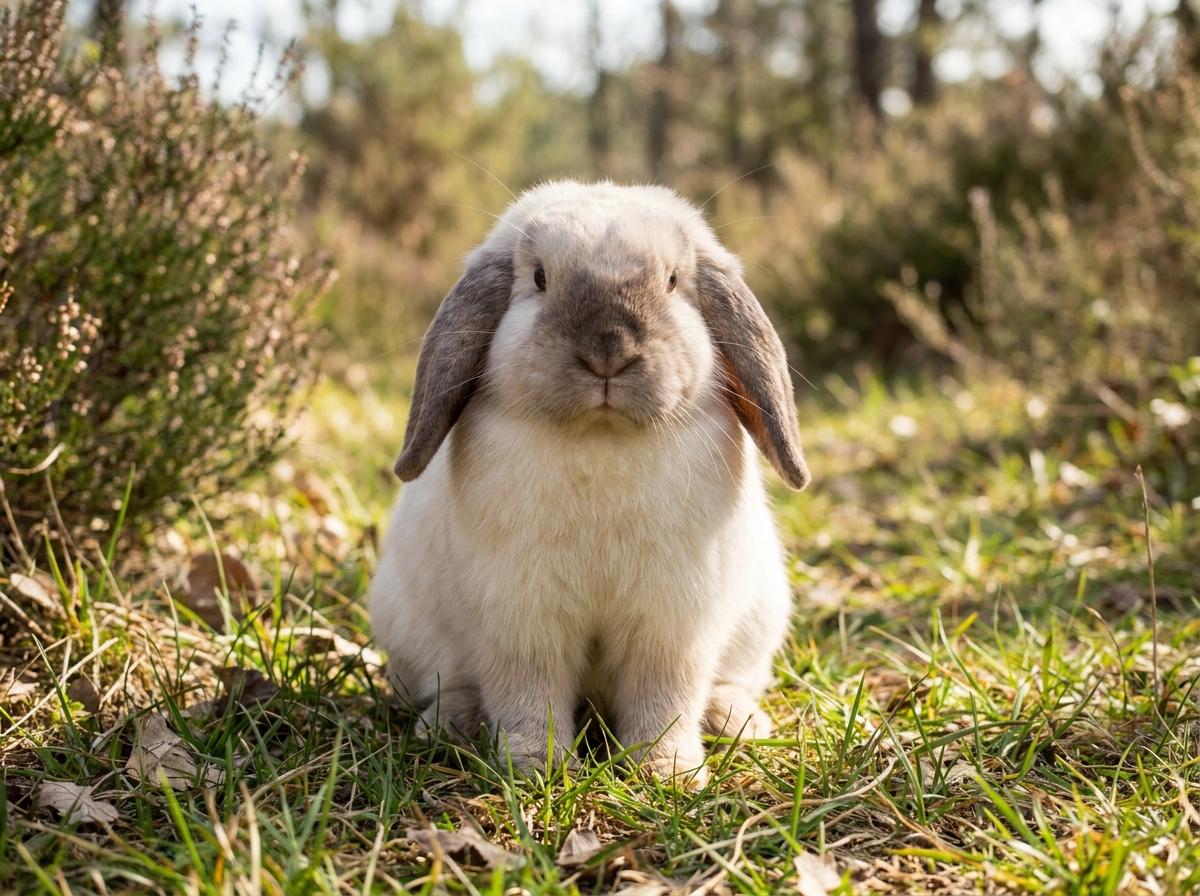
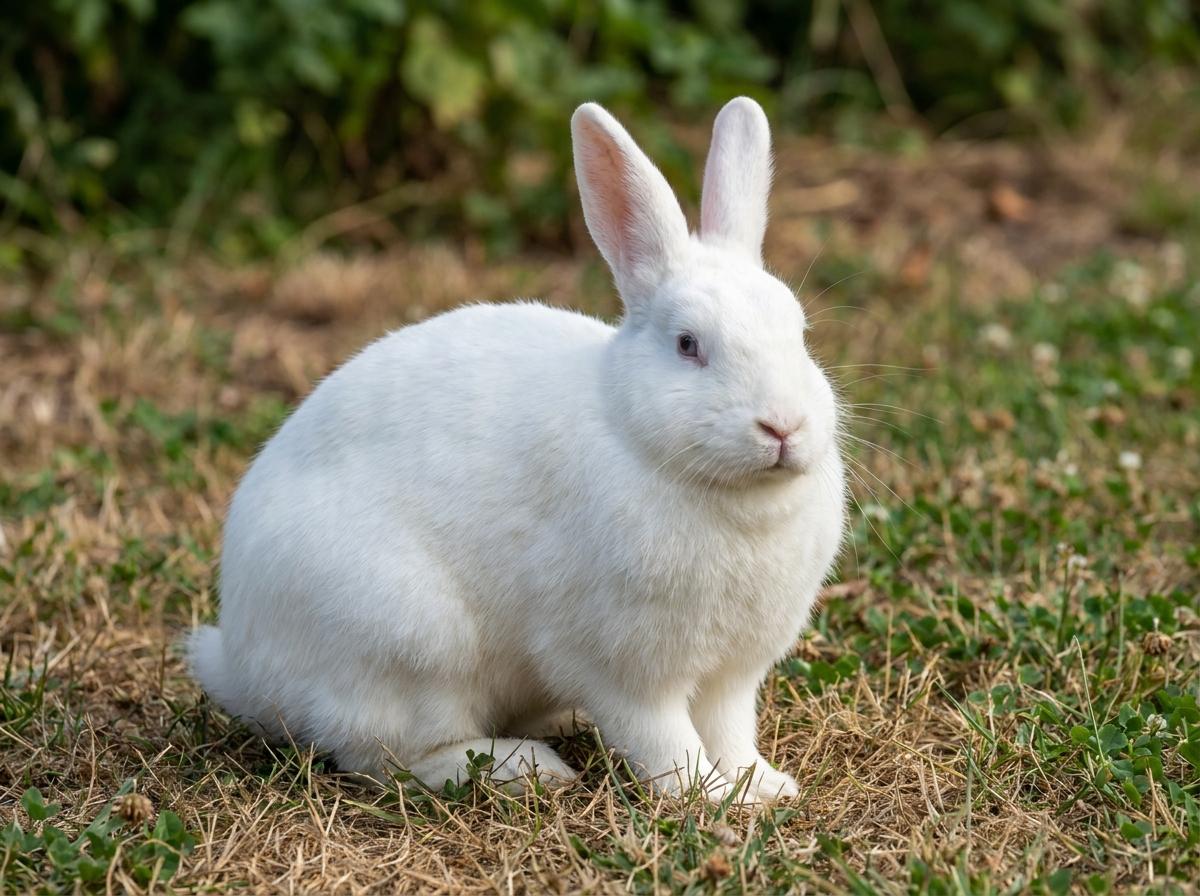
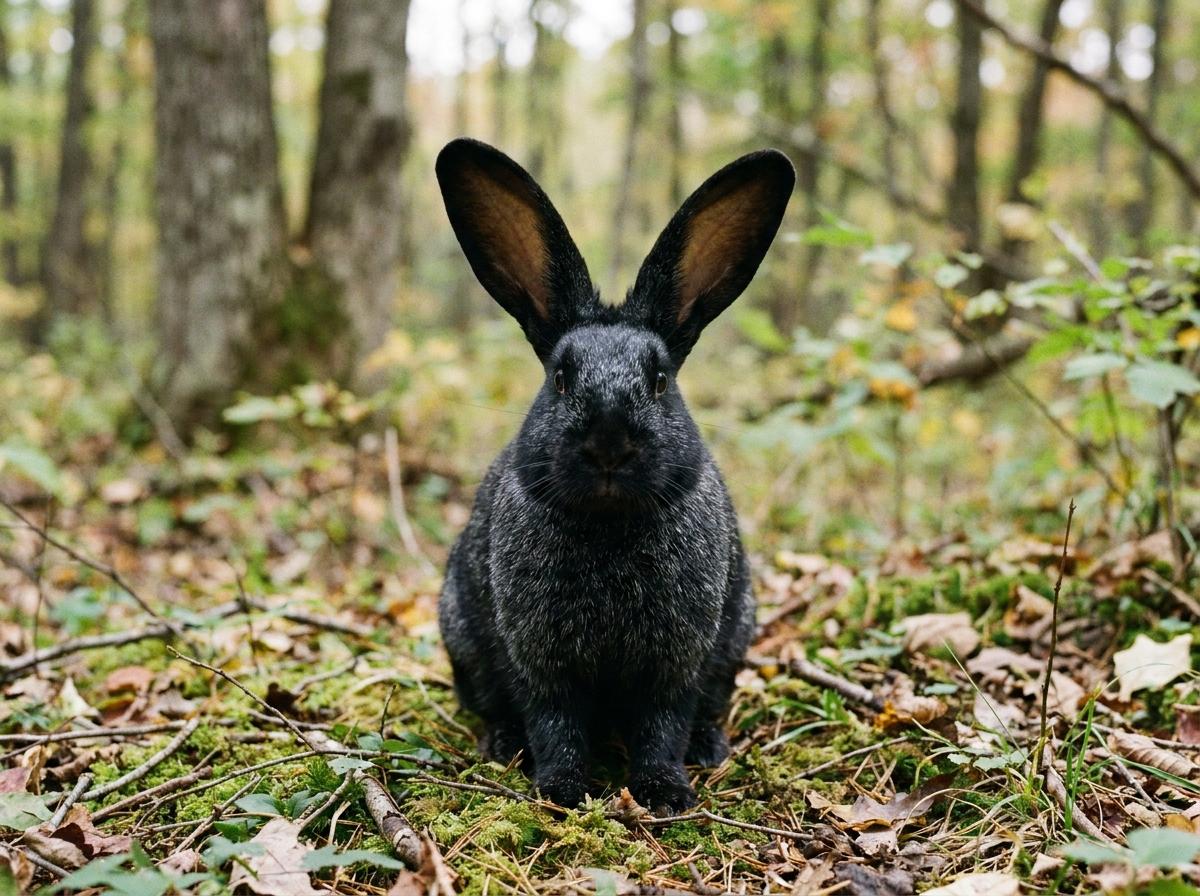
The traditional and by far the commonest variety is the rufus red just described. The American Belgian Hare Club, the breed’s ARBA sanctioned national club, also lists a more recently approved tan variety in black, blue, chocolate and lilac over a tan undercoat. ARBA’s own breed identification guide settles the question a buyer actually has: the Belgian Hare is a four class breed with five showroom varieties, rufus plus black tan, blue tan, chocolate tan and lilac tan. There is no white, broken, lop eared or wool coated Belgian Hare; if you are offered one, you are being offered something else.
On size, ARBA publishes a maximum weight of 9.5 lb, The Livestock Conservancy gives an adult range of 6 to 9 lb, and the historical standard asked for about eight pounds at maturity. That is a solid medium rabbit, but the number undersells them, because the weight is spread over a much longer frame. A Belgian Hare in condition feels firm and muscular rather than heavy.
Temperament, and why this is not a starter rabbit
The breed club is unusually blunt about this, and it is worth taking at face value because the people writing it are the ones who love the animal. Belgian Hares are reactive. Startled in a barn they can hit a cage hard enough to shift it off its supports, dislocate a joint or break a bone, and very fine bone on a long back makes broken backs and legs a real risk rather than a theoretical one. The club’s breeding guide notes that the same nervousness gets in the way of mating, and that chronic stress seems to leave a hare more open to infection. Its advice on families is direct: a house full of noisy children is a reason to keep a different animal.
Experienced keepers manage this rather than fix it. A radio or a steady fan noise habituates the barn so a sudden sound is not an event, you announce yourself before opening the door, and a new arrival gets a week or two in which nobody handles it, plays with it or breeds it.
None of this makes them unfriendly. A well handled Belgian Hare is curious and good company, but it shows that by moving, watching and investigating rather than by sitting in your lap. Anyone who wants a placid cuddling rabbit will be happier with almost any other breed.
Housing, space and exercise
This breed needs more room than a rabbit of its weight normally gets, and the numbers make the point better than adjectives do. The Merck Veterinary Manual’s general housing guidance gives medium breeds of 7 to 12 lb a minimum of 24 by 30 to 30 by 36 inches. The American Belgian Hare Club asks for at least 24 by 48 inches of floor for one hare, 30 by 60 for a doe with a litter, and at least 24 inches of height so the animal can stretch upright and leap. That is roughly half again the floor area of the general guideline for its weight class, and the club treats it as a minimum rather than a target. Floor pens and runs along a barn wall are common for exactly this reason.
Flooring matters more here than in most breeds. The half inch by one inch wire commonly used for cage floors does not properly support a Belgian Hare’s front feet and is associated with broken toes and nails, and long periods on wire or bare wood invite sore hocks. Use a solid floor bedded deeply with clean straw, or shredded paper covered by straw. Skip wood shavings and sawdust, which throw dust that irritates the respiratory tract.
Company is the other half of the housing question. This article opened by noting that rabbits, unlike hares, are social burrowers, and that biology does not switch off inside a pen. A neutered, compatible pair is the better default for a pet Belgian Hare, which is what the pen below holds. Two animals mean scaling the floor up from the club’s single hare figure rather than sharing it out, and a second hide so neither can be cornered in the only one. Pairing is not automatic, so introduce two neutered rabbits slowly on neutral ground, keep the first weeks under close watch, and separate and start over if an introduction turns into real fighting rather than a scuffle. Breeding stock is the deliberate exception: intact adults, and does with litters, are housed individually, which is the case the club’s 30 by 60 inch figure is written for. If your hare currently lives alone, treat that as an interim arrangement rather than the finished setup, and give it far more of your own time until it is not.

On climate, take the breed club at its word rather than the summaries. It says Belgian Hares are no less susceptible to extreme heat than other rabbits. Read that carefully, because it is a warning and not a reassurance: it means at least as vulnerable as any other rabbit, and it is written to stop people assuming a racy outline comes with extra toughness in summer. The club spells out the consequence in its own words, that if you live somewhere temperatures get above 90 F you have to be prepared to keep them cool or lose them. Cold is the easier end, and the same club says they cope down to about 0 F given plenty of bedding and shelter from wind and snow. Merck puts the optimum at 61 to 72 F and offers a rule that is easy to act on: temperature in Fahrenheit plus humidity as a percentage should stay under 150, so 80 F at 70 percent humidity is already the limit. If you breed, note that a doe’s coat is too short to line a nest box properly, so kindling in hard cold needs a warmed space (see our guide to how to breed rabbits for nest box timing and bedding).

Feeding
Feed a Belgian Hare the way you would feed any rabbit, with one breed specific warning: do not let it get fat. Condition is scored on the show table, a fat doe conceives poorly, and softness on this frame shows immediately. The club’s rule of thumb for adults is a measured portion of a consistent complete pellet, roughly a small tuna can and a half a day, rather than free feeding. Everything else is standard: unlimited grass hay as the foundation, because it keeps the gut moving and because chewing long fiber wears down teeth that never stop growing, a modest daily portion of greens, constant clean water, and only occasional treats.
Health and how long they actually live
Start with the number nobody likes. O’Neill and colleagues in Veterinary Record examined the clinical records of 6,349 rabbits across 107 primary care clinics in England, in a single year rather than by following them over time. Among the 370 that died during the study period, median age at death was 4.3 years, with an interquartile range of 2.1 to 7.0. Two limits on that number. It is not breed specific and it is not a ceiling, since plenty of rabbits reach eight or ten. And the study population had a median adult bodyweight of 2.1 kg, so it describes pet rabbits generally rather than this breed. Even so, it sits well below the eight to twelve years usually quoted on breed pages.
The same study is more useful still on what goes wrong. Overgrown claws were the most recorded disorder at 16 percent, followed by overgrown molars at 7.6 percent, perineal soiling at 4.5 percent, overgrown incisors at 4.3 percent and ileus at 4.2 percent. Among rabbits that died, the most commonly recorded cause was myiasis, or flystrike, at 10.9 percent, ahead of anorexia and collapse.
Read that as a daily routine rather than a list of diseases. Nails get checked and trimmed. Hay stays in front of the animal so the molars keep wearing. The back end gets looked at every day in warm weather, because a soiled rear is what flystrike needs and flystrike kills fast. A rabbit that stops eating or passing droppings is a same day emergency.
Two things belong on a Belgian Hare’s list specifically. Fine bone and a long back make handling injuries a real risk, so support the hindquarters, hold the animal against your body, and never let it kick in mid air. And rabbit hemorrhagic disease virus type 2 is now present in wild and domestic rabbits across parts of the western United States. The Merck Veterinary Manual records morbidity often reaching 100 percent and mortality of 60 to 90 percent, spread by direct contact and by objects including shoes and clothing. Ask a rabbit experienced veterinarian about vaccination and biosecurity in your state before you buy rather than after. All medical decisions belong with your veterinarian.
Rarity, price, and how to actually find one
The Livestock Conservancy’s 2026 Conservation Priority List places the Belgian Hare in Recovering, the least severe of its categories. For rabbits that means more than 500 animals recorded at shows over the previous five years and more than 60 breeders, having climbed past the Watch thresholds. That is good news and it is newer than most of what you will read. Expect to see it stated otherwise, including by people who should know: the breed club’s own homepage still calls the Belgian Hare threatened and credits that to the American Livestock Breeds Conservancy, an organization name retired years ago.
On price we will disappoint you slightly, on purpose. There is no published market rate for a Belgian Hare and we are not going to invent one. Established breeders commonly ask a few hundred dollars, proven show animals more, and the figure moves with pedigree, show record, region and travel. Anyone quoting a precise national average is guessing.
How you buy matters more than the number. Breeders are few and litters irregular, so expect a waiting list, ask what the line has produced on the show table, and see the animal posed and moving before committing to a long drive.
To compare against another heritage rabbit first, the Champagne d’Argent is a very different proposition: older, calmer, silvering, with none of this one’s nervous energy. And if what actually appeals is a small, interactive, people oriented animal rather than this silhouette, the Rex rat is worth a look.
Frequently asked questions
Is a Belgian Hare a rabbit or a hare, and can the two interbreed?
It is a rabbit, Oryctolagus cuniculus, bred to resemble a wild hare in outline and color. Hares are the separate genus Lepus, are born furred and mobile above ground, and have never been domesticated. The two do not interbreed: the breed was promoted in England as a rabbit and hare cross, and USDA Farmers’ Bulletin 496 recorded in 1912 that repeated attempts to reproduce that cross had failed.
How big does a Belgian Hare get?
The Livestock Conservancy gives 6 to 9 lb for an adult, ARBA publishes a maximum of 9.5 lb, and the long standing standard asks for about eight pounds. Length of body and leg is what makes the breed look larger than the scale says.
What colors do Belgian Hares come in?
Five in the showroom, per ARBA’s breed identification guide: rufus, which is the traditional deep red with wavy black ticking and by far the commonest, plus black tan, blue tan, chocolate tan and lilac tan.
How long do Belgian Hares live?
There is no breed specific figure. In a study of 6,349 rabbits in English primary veterinary care, the 370 that died during the study had a median age at death of 4.3 years, so the eight to twelve years often quoted for pet rabbits is an optimistic ceiling.
Are Belgian Hares good for beginners or for children?
Generally not. They are athletic, easily startled and fine boned, a panicking hare can injure itself badly, and the breed club itself advises against a noisy household.
How much does a Belgian Hare cost?
There is no reliable published figure. Established breeders commonly ask a few hundred dollars and proven show stock costs more, but price moves with bloodline, show record and distance. Budget for transport.
Do this next on Creatures
Creatures is where the listings, the breeders and the records live.
See what is for sale. Browse Belgian Hares on the Creatures marketplace, or the whole rabbit species hub if you are still comparing breeds.
Get told when one appears. Supply is thin and irregular, so set a free Belgian Hare listing alert instead of checking back. No account needed to start. See saving searches and using your watchlist.
Find the breeders. Search trusted rabbit breeders and rescues in the Creatures breeder directory, then ask for posed photographs.
Add your hare. Already keeping the breed? Create a free animal profile in a couple of minutes. No account needed to start, and the walkthrough is in adding an animal to Creatures.
Keep the health record. Given what actually shortens rabbit lives, a dated log of nail trims, dental checks, weights and rear end checks earns its keep. Open a record on Creatures. The sheet opens for any visitor, and a free account is what saves it. See adding a record and health and medical records.
List your rabbitry. Breeding Belgian Hares? Create a free organization profile so buyers searching a breed this scarce can reach you, then read getting listed in the breeder directory.