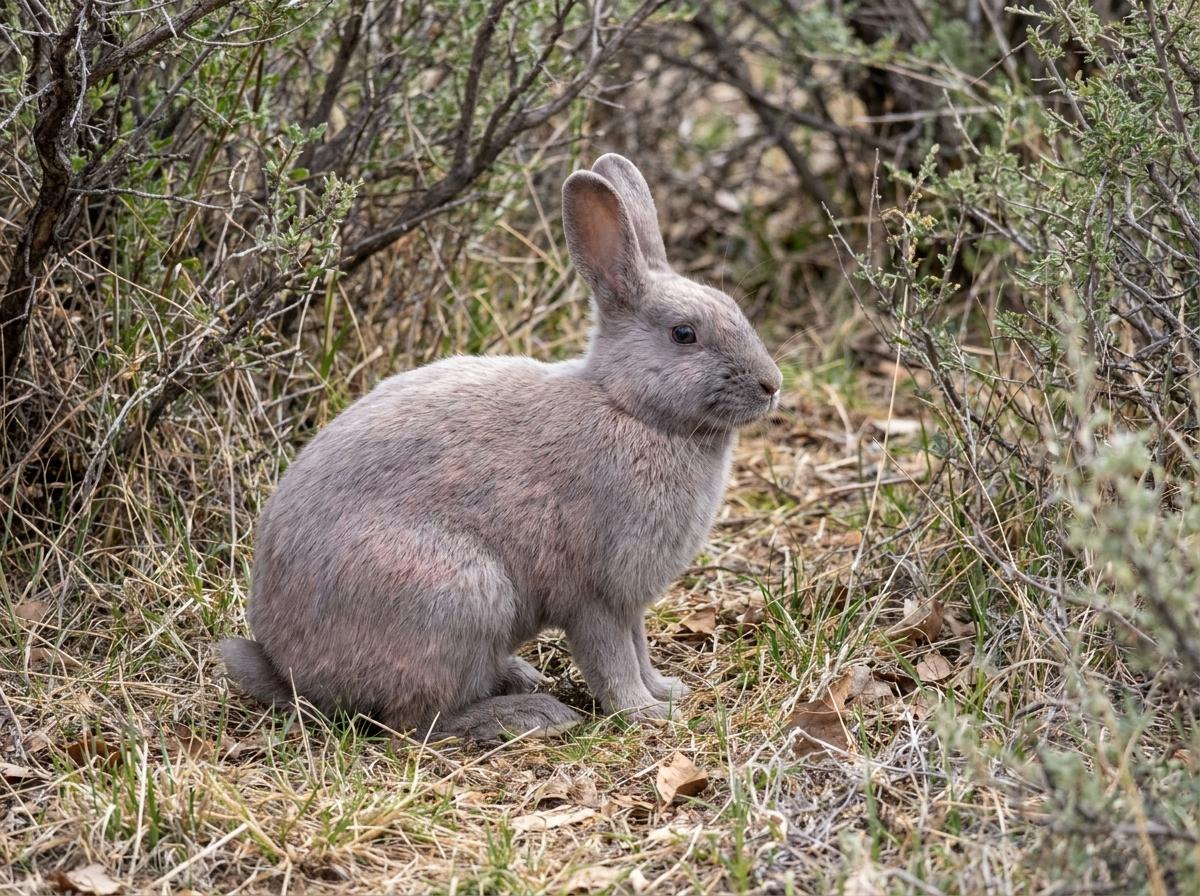
Lilac
“Lilac” can describe a rabbit’s color, but the Lilac is also a distinct breed. That distinction matters when you are comparing advertisements, requesting a pedigree or deciding what to expect from an adult. Its soft dove-gray appearance is a starting point for research, not proof of ancestry.
Looking for the breed? Save a Lilac listing alert to receive an email when a matching rabbit is listed. Ask any prospective seller whether “lilac” names the breed or just the coat color.

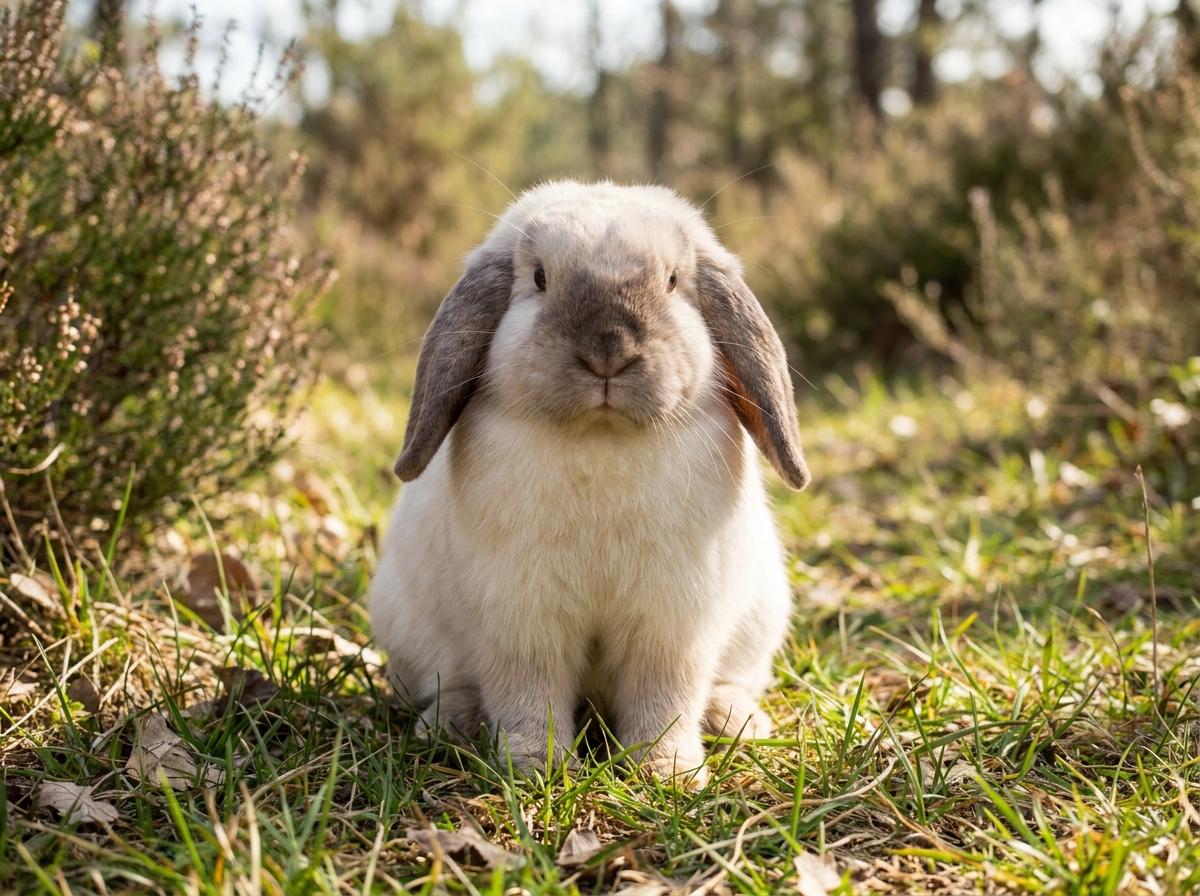
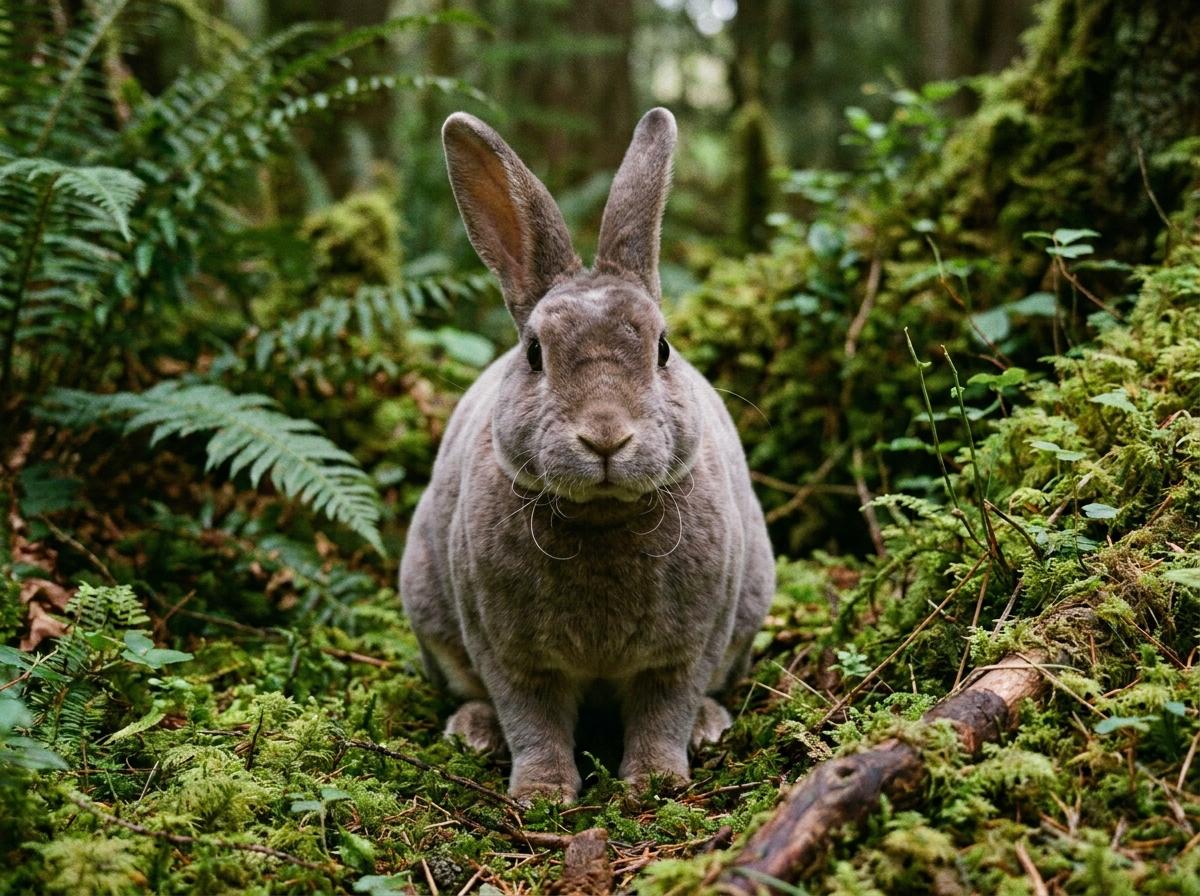
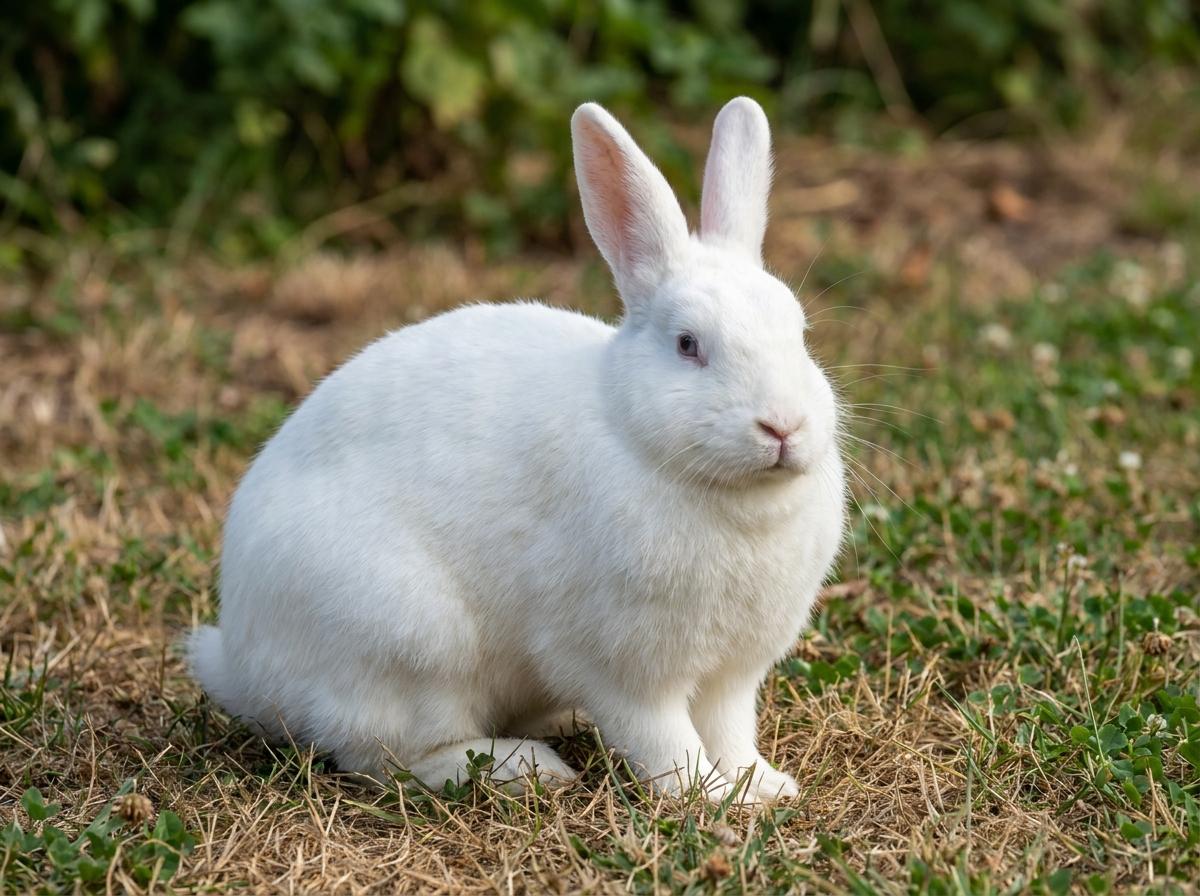
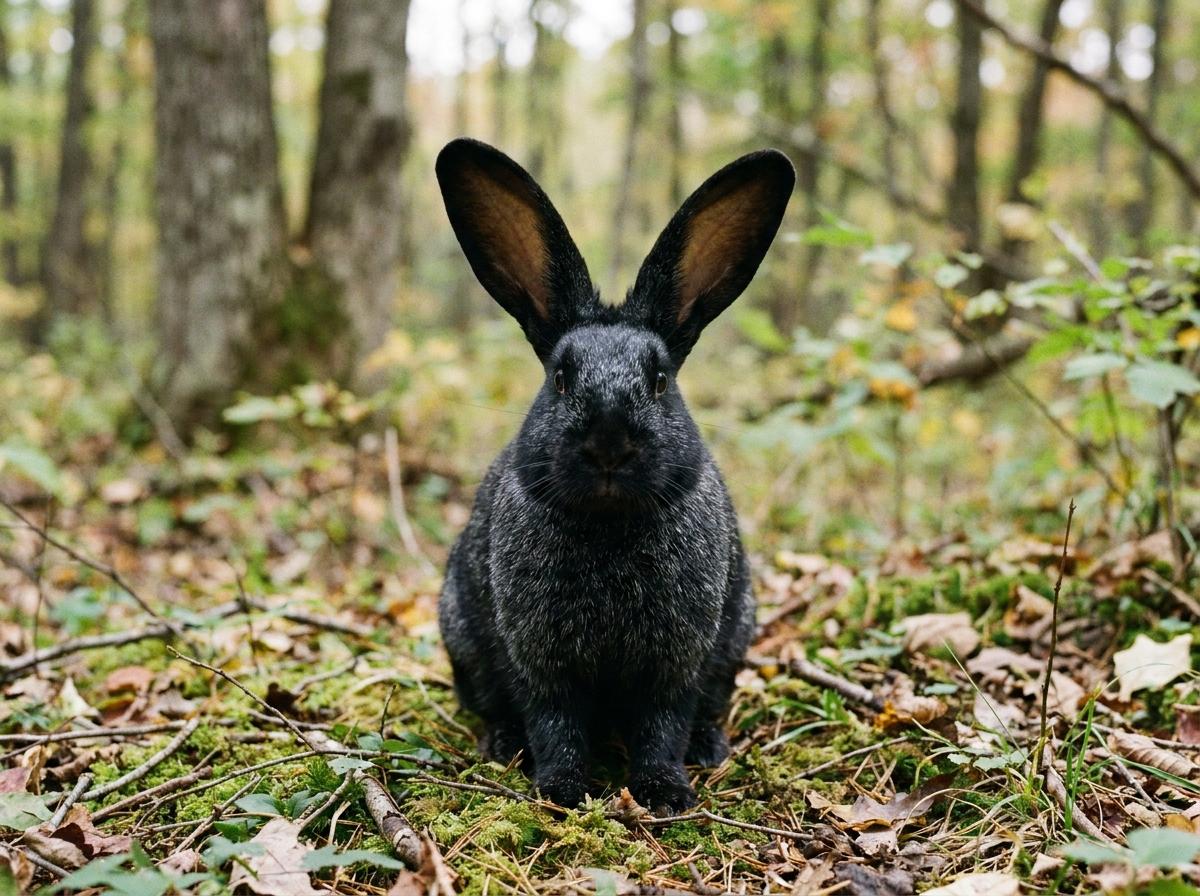
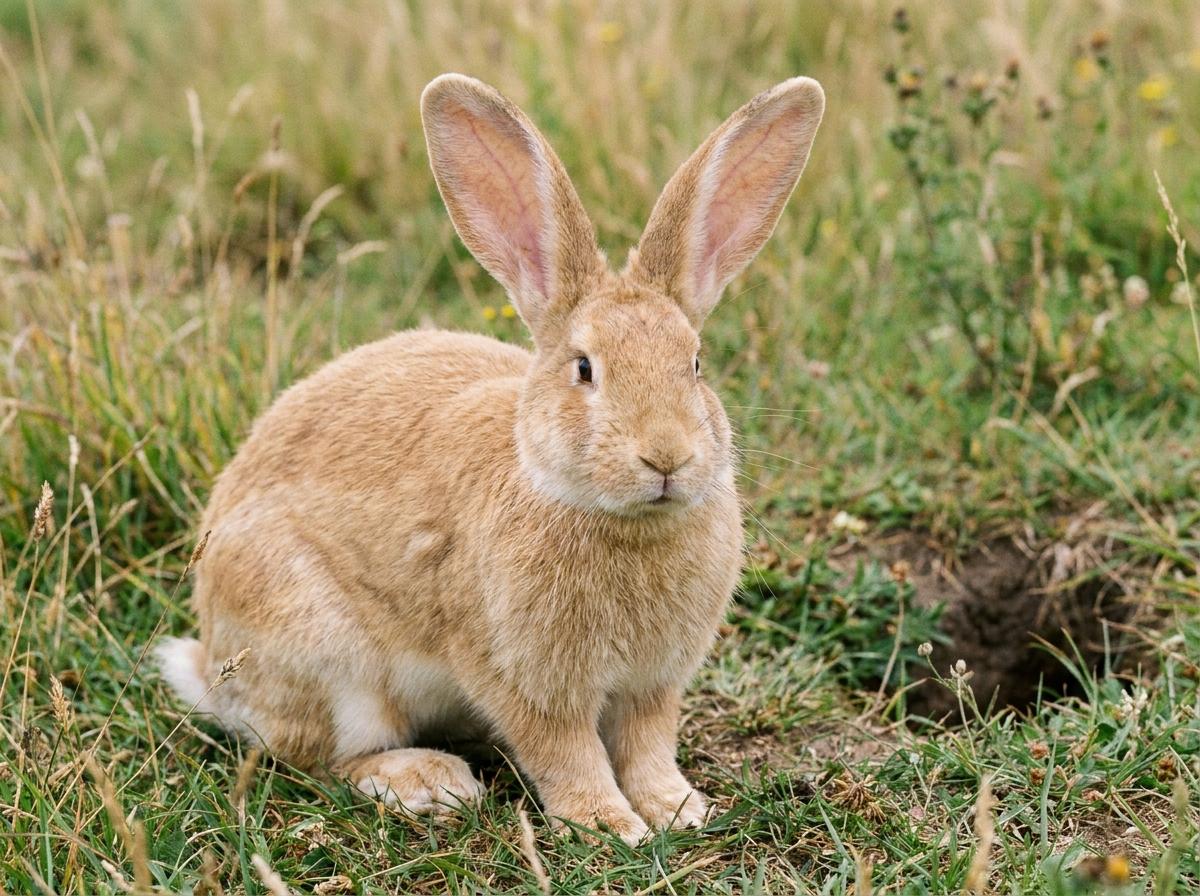
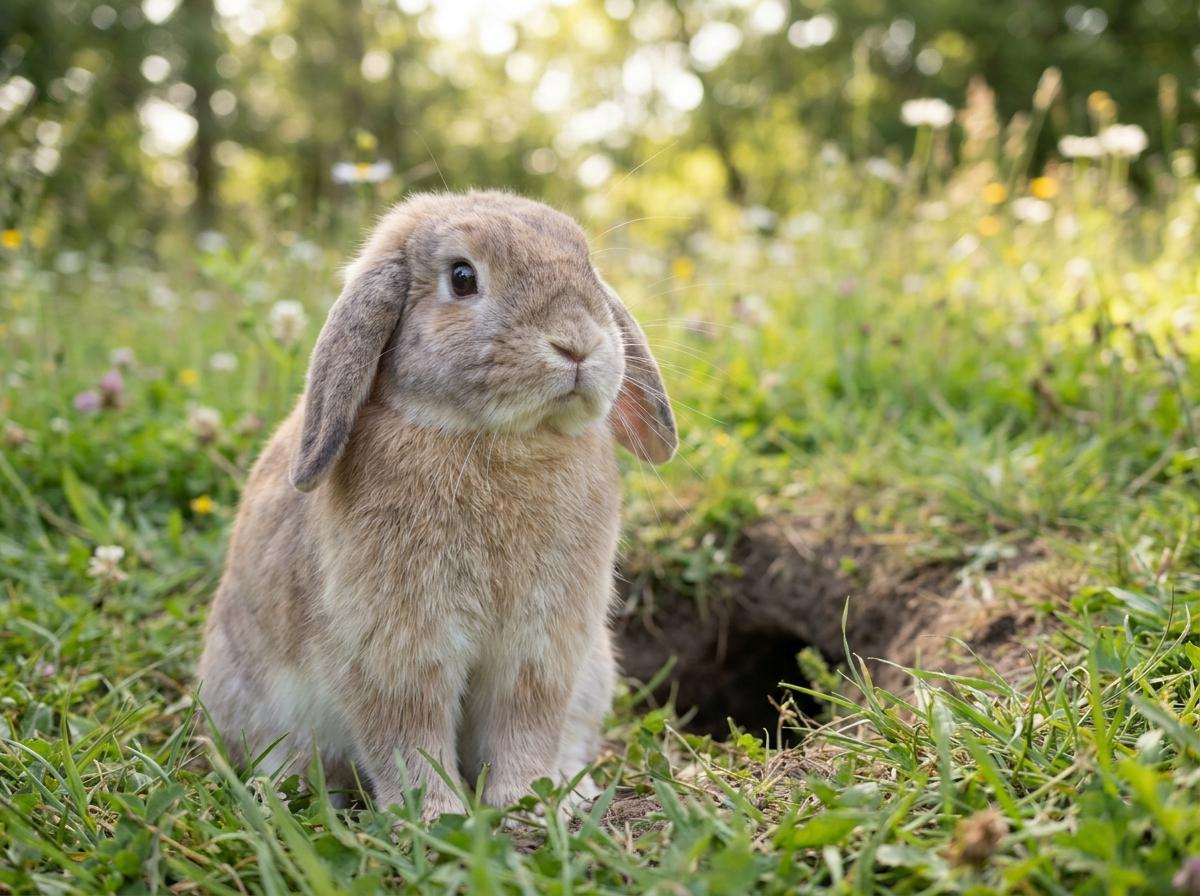
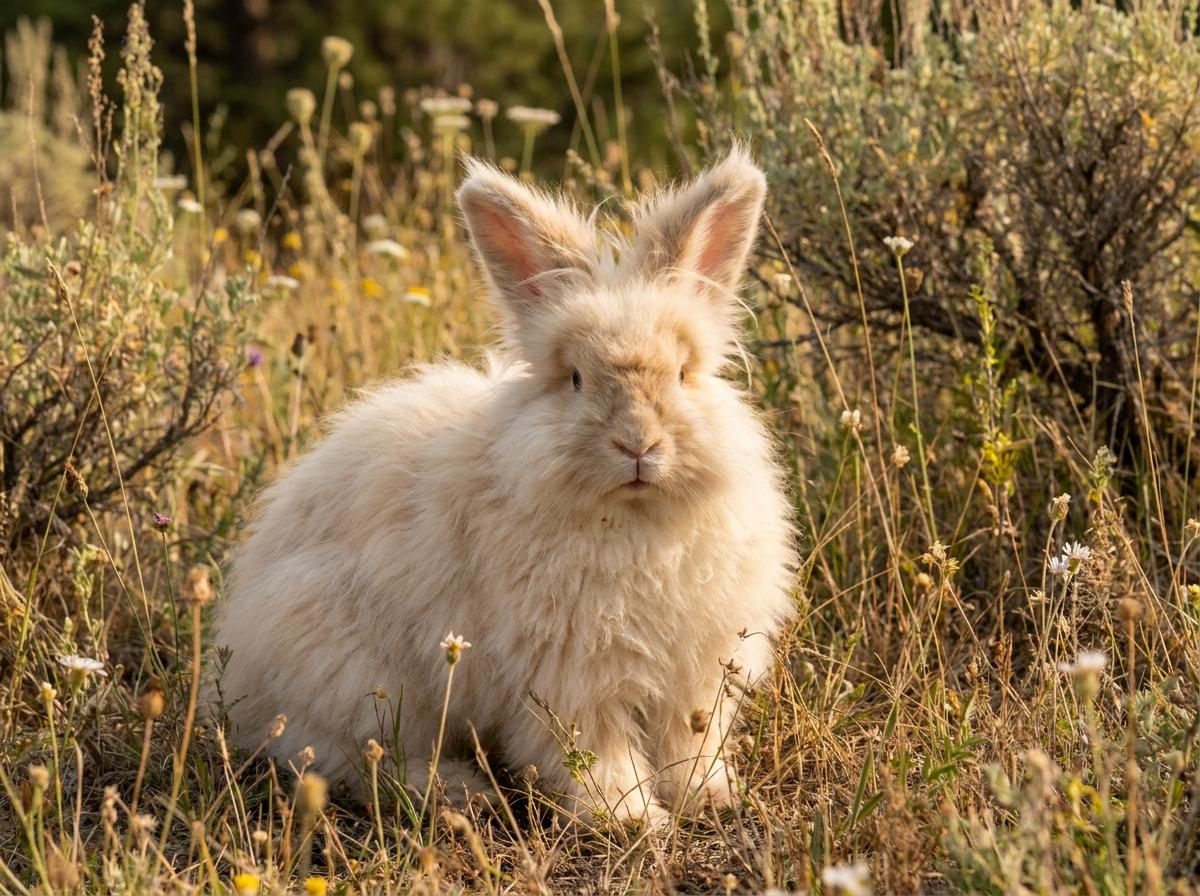
AI-generated illustration.
| Development | Great Britain |
|---|---|
| American arrival | Imported in 1922 |
| Signature color | Pinkish dove-gray |
| ARBA maximum | 8 lb; not a feeding target |
| Buyer question | Breed identity versus a color description |
| Conservation status | Watch, Livestock Conservancy; checked October 2026 |
Browse listings, public profiles, breeders, or add your animal.
British strains, one recognized breed
The Lilac did not begin with a single isolated litter. The Livestock Conservancy’s history describes H. Onslow exhibiting Lilacs in 1913, Mabel Illingworth developing Essex Lavenders from Blue Imperial and Havana rabbits that year, and R. C. Punnett’s Cambridge Blues from Blue Beveren and Havana stock in 1922. These British strains eventually merged. In the Netherlands, the larger-bodied Gouwenaar developed in 1917 along a parallel path, which helps explain why old accounts use several lavender or blue names.
The American Rabbit Breeders Association dates American imports to 1922 and recognizes a single pinkish dove-gray color. The Conservancy lists mature bucks at 5.5 to 7.5 pounds and does at 6 to 8 pounds. It currently classifies the breed as Watch on its conservation list, checked in October 2026. That status describes a population concern; it does not authenticate a seller or justify a price.
Ask which breeding population and registry the documents describe. Keep the pedigree intact, including uncertain entries. A companion with incomplete ancestry remains a valuable rabbit, but a color photograph cannot fill those gaps.
Why lilac is also a color name
Oregon State University Extension explains that dilution changes a chocolate base to lilac, while it changes a black base to blue. That genetic color description can apply across breeds. A lilac Tan rabbit, for example, is a variety of Tan, not evidence that it belongs to the Lilac breed.
For the breed, look for the overall pinkish-gray appearance in ordinary daylight, together with correct identity and parentage records. Screens and warm lamps can shift a subtle shade. Ask what an exhibitor means by correct color and request the actual judge’s comments if show results are part of the sales claim.
The rabbit weight and size guide helps separate breed-standard weights from an individual’s growth and body condition. Neither an eight-pound maximum nor a photograph supplies a feeding prescription.

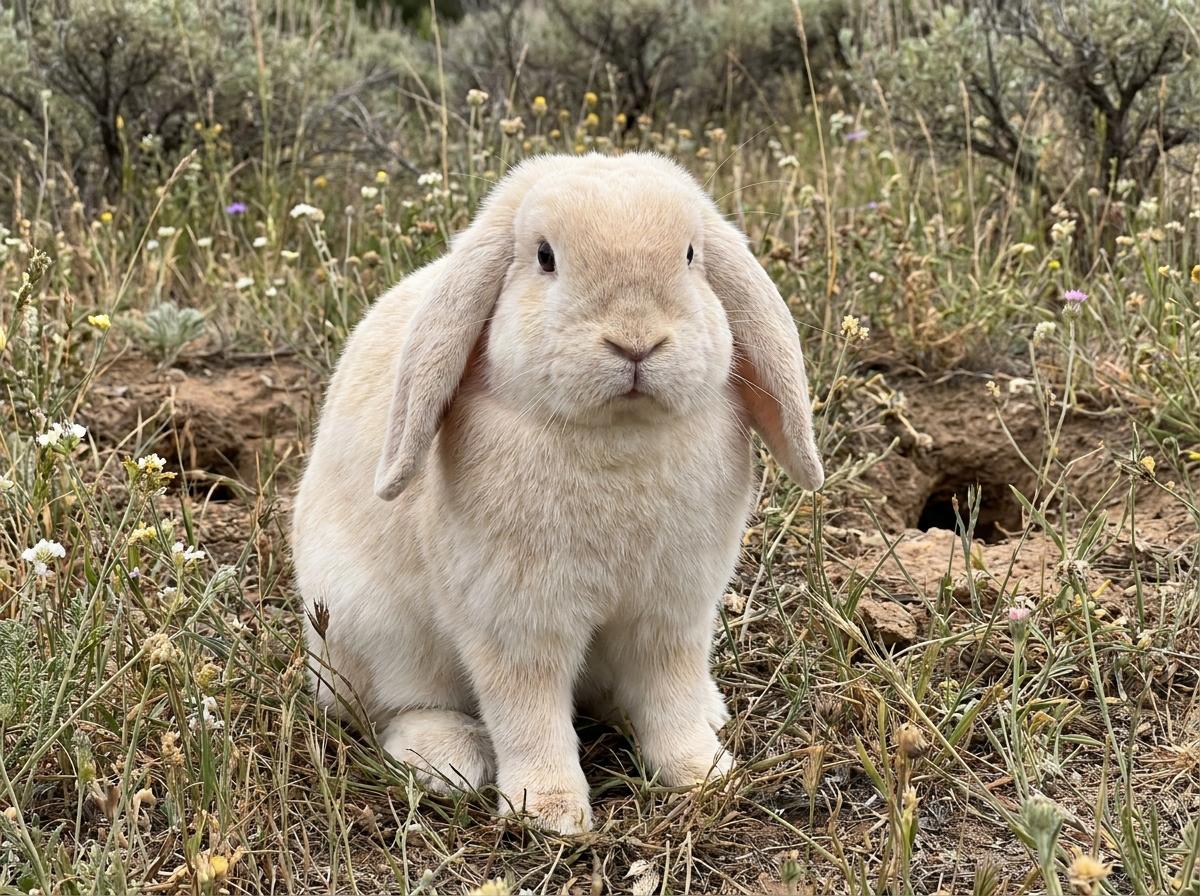
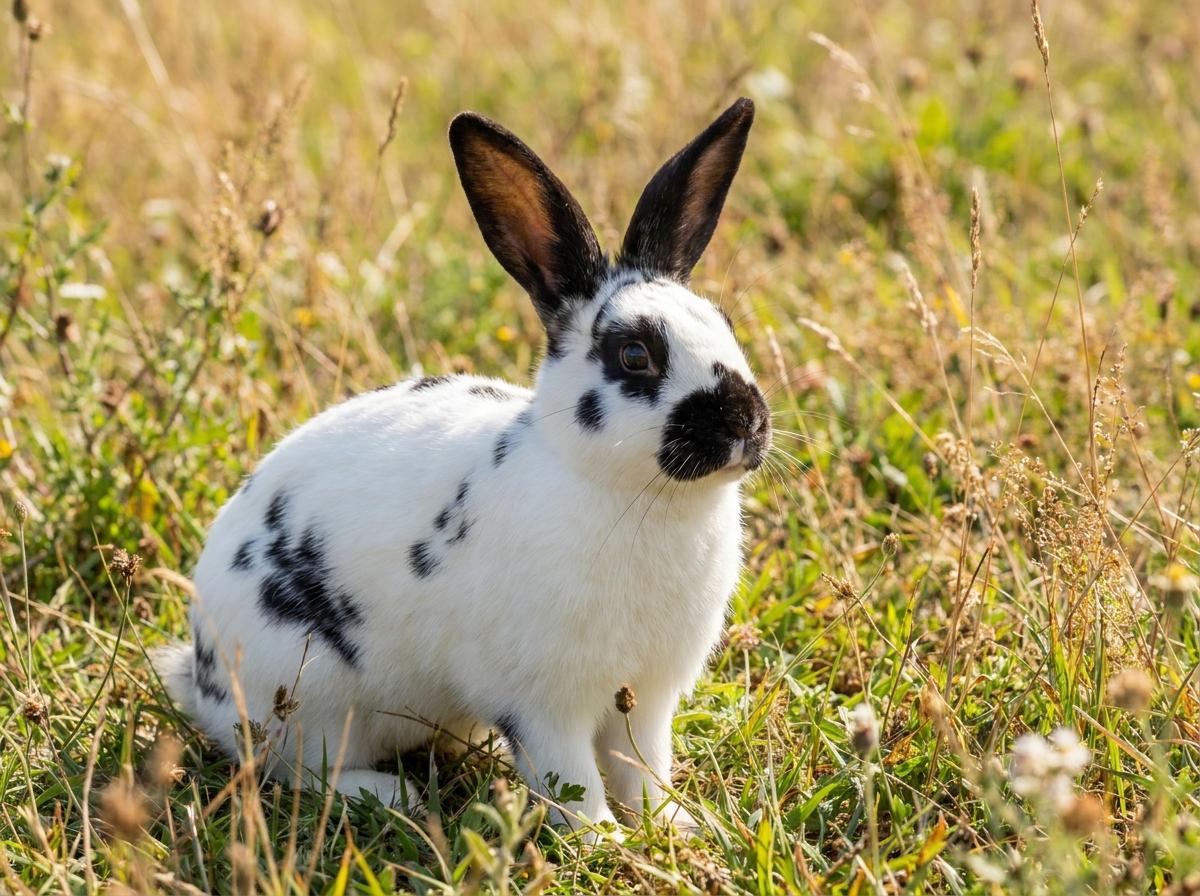
AI-generated illustration.
Choose the individual temperament
A breed may be described as docile, but you still need to meet the individual and ask about its experiences. What does it do when a person sits nearby? How does it respond to ordinary care or the carrier?
Design a home that remains practical
The RSPCA housing guidance calls for spacious, secure accommodation with permanent exercise access, solid comfortable flooring and places to hide. Include enough resources for all rabbits using the space.
A useful planning exercise is to draw the layout twice: once for daily use and once while you are cleaning. Check that the rabbits can remain safe and comfortable in both situations. Decide how you will move equipment without repeatedly disturbing them.
The rabbit housing guide can help you compare indoor and outdoor options. Think through who will notice changes promptly in each location, especially when work hours or weather make the normal routine harder.
Find a compatible companion
The RSPCA’s rabbit company guidance recommends a suitable rabbit companion and careful supervised introductions. Discuss neutering, health and the proposed match with a rabbit-experienced professional.
Keep food changes deliberate
The RSPCA diet advice centers hay or grass and fresh water, with appropriate greens and measured concentrated feed. Change the diet gradually and seek veterinary advice for individual needs.
Handle gently and keep checks useful
The RSPCA handling guidance advises supporting the body and hindquarters, working close to the ground and never lifting by the ears or scruff. Ask for a demonstration with the rabbit you are taking home. The handling and bonding guide explains how to build trust during ordinary care.
Learn how the keeper performs routine care. If the rabbit has a difficult history, ask what has helped and what remains uncomfortable. A short coat simplifies the grooming discussion, but it does not remove the need for considerate handling.
The RSPCA health guide recommends monitoring appetite, droppings and other changes. Contact a veterinarian promptly if eating or droppings reduce or stop. Keep preventive-care and treatment decisions with your rabbit-experienced veterinarian.

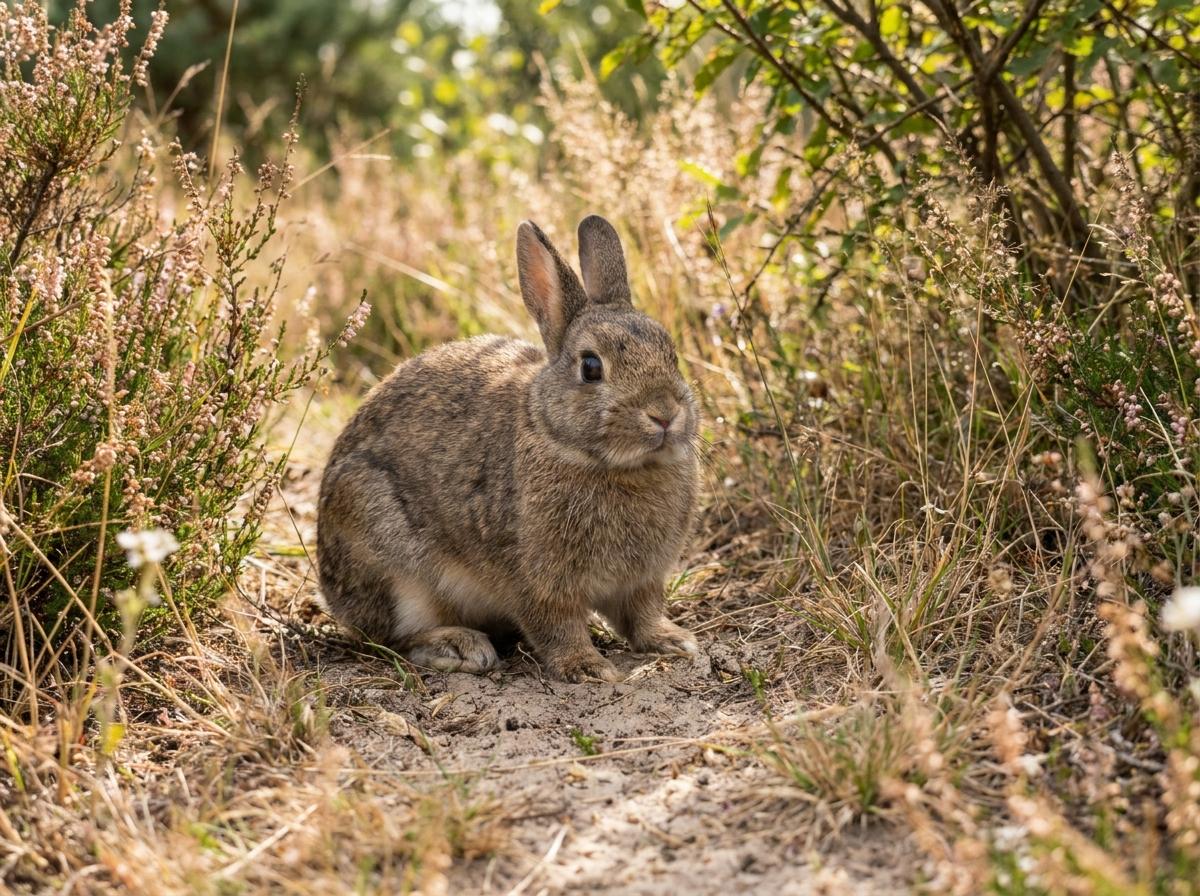
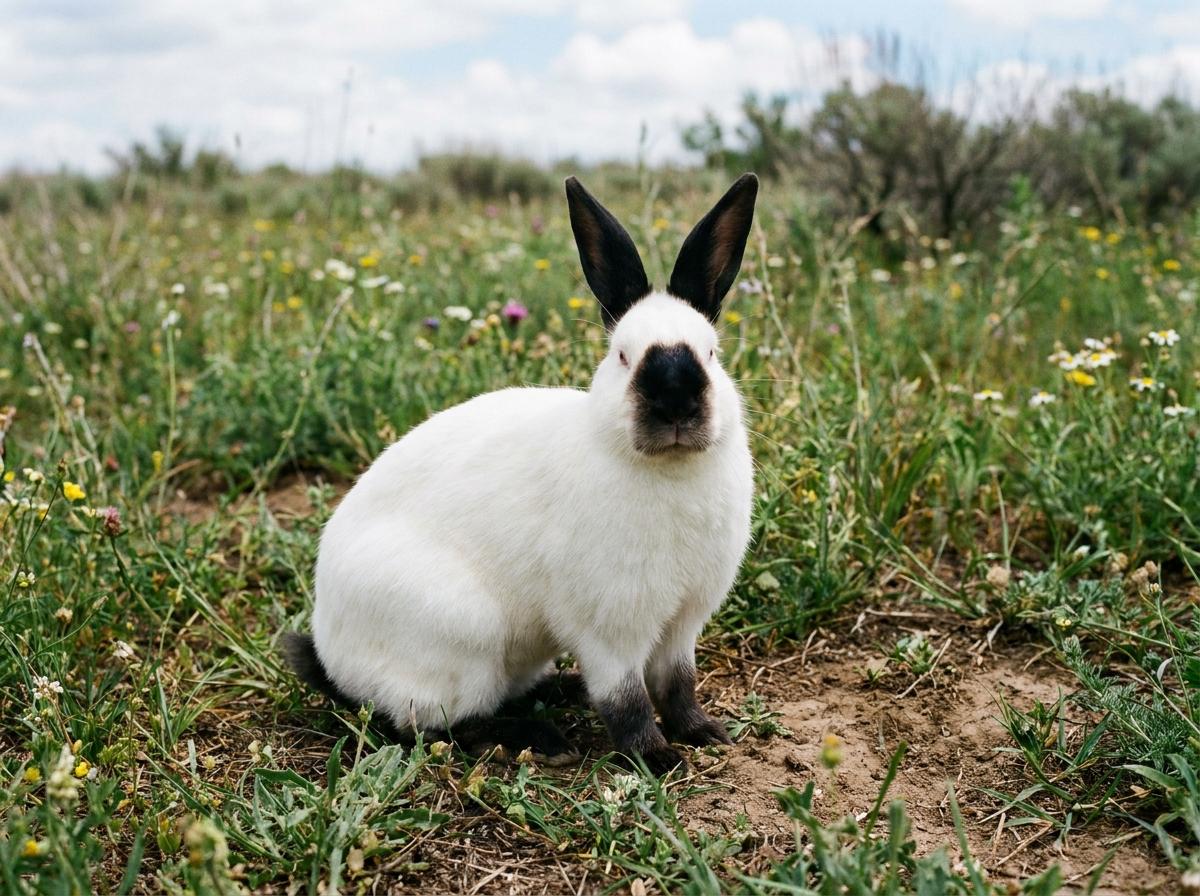
AI-generated illustration.
Read the paperwork before paying
Ask for age, sex, identity and known parentage, along with the health history. Check that the description on the agreement matches the rabbit being offered. Clarify whether a pedigree is included and what any registration claim means.
The rabbit pedigree guide explains the records, and the rabbit pedigree chart maker helps organize known ancestors. Retain original ear numbers and weights alongside the chart. Preserve original documents and make corrections visibly rather than silently filling gaps with guesses.
Use the where-to-buy guide to assess the seller and the rabbit cost guide to plan continuing care. Ask about transport, deposit conditions and support after placement. Rarity does not establish that a particular price or placement is reasonable.
Compare the commitment, not just the shade
The Thrianta guide offers another distinctive-color breed comparison. The Jersey Wooly guide helps you assess the difference between a short coat and a wool coat. Explore the rabbit hub if you are still deciding.
Write down what matters most to your home: space, handling experience, an existing rabbit’s needs, or access to knowledgeable care. Use that list consistently when considering each individual.
Once the rabbit arrives, keep the history and your new observations together. Dated notes about appetite, weight and handling can make a later conversation much more precise than memory alone.
Lilac rabbit questions
Does lilac-colored fur prove Lilac ancestry?
No. Confirm whether the seller means the breed or a color description.
Is the breed meant to be bright purple?
No. ARBA describes a subtle pinkish dove-gray shade.
Should every adult weigh 8 pounds?
No. That is the listed breed maximum, not a universal ideal weight.
Should I choose a companion by matching breed?
Compatibility and a careful introduction matter more than matching labels or colors.
Do this next on Creatures
Still looking? Get an alert when a Lilac is listed, explore the wider rabbit breeder directory, or check current Lilac listings. The wider directory is not a promise that this breed is represented. The Help Center explains saved searches and email alerts.
Already caring for one? Add a record when you have a dated document or useful observation. The form opens for visitors; a free account is needed to save. The Help Center explains adding an animal and adding a record.
Breeders and organizations can create an organization profile for their work. The organization and team guide explains the setup.