Havana
Author: Elliott Garber, DVM · Published
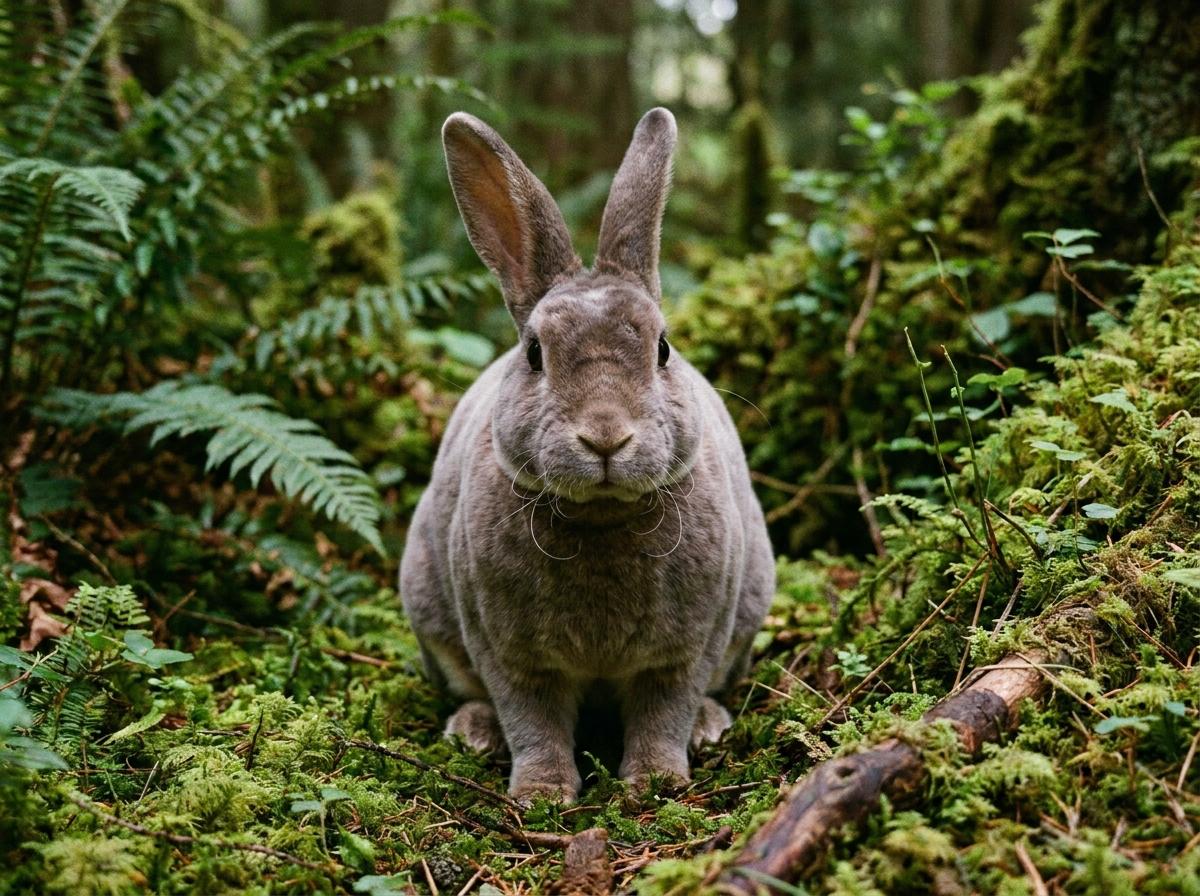
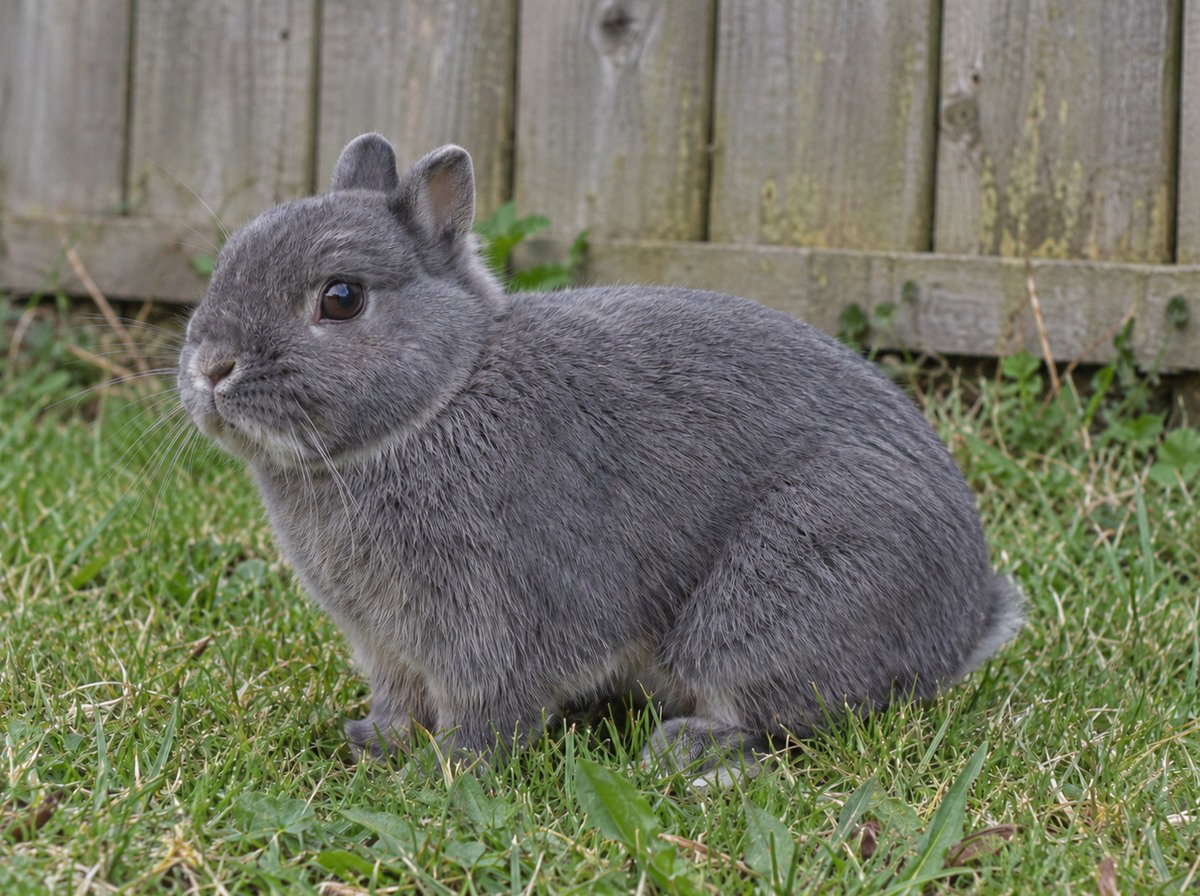
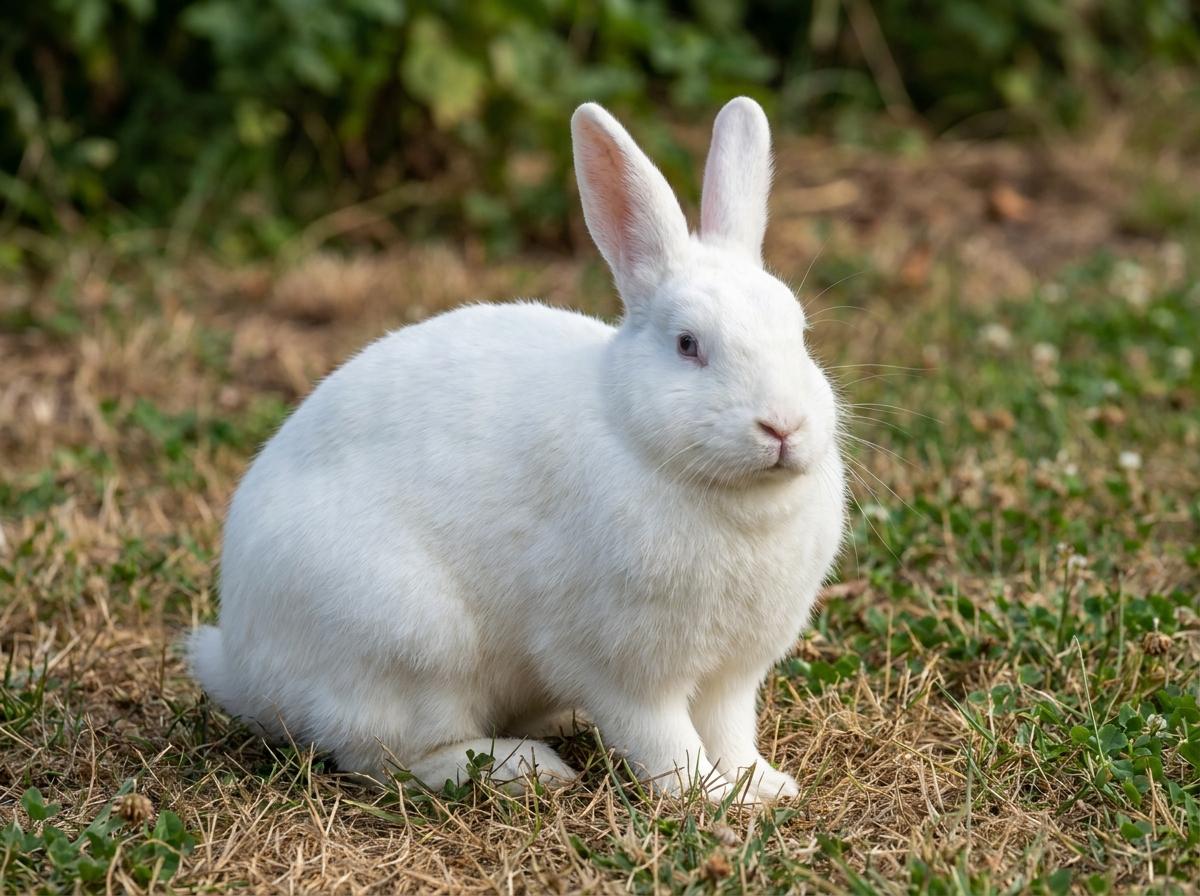
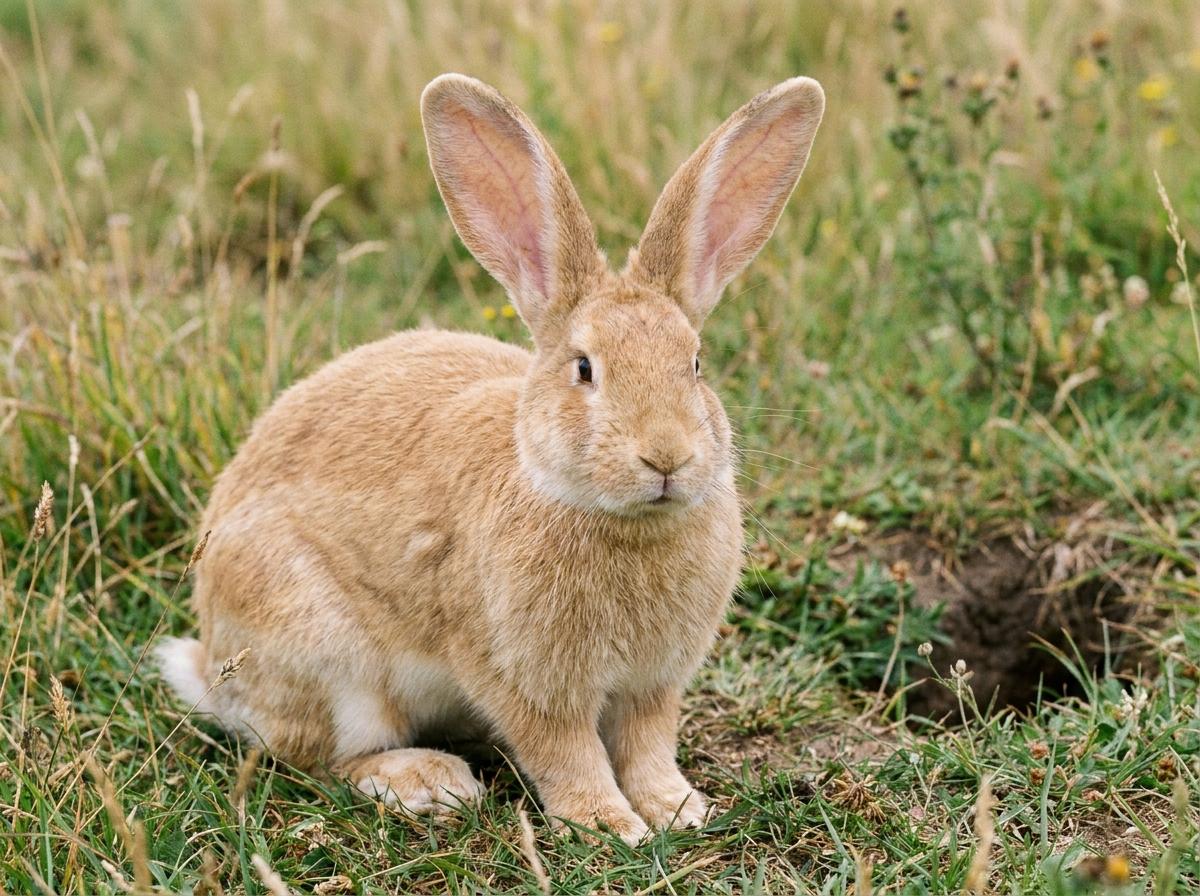
Havana rabbits are compact rabbits known for a short, lustrous coat and deep color. Chocolate is the best known association with the name, but the US breed includes other recognized varieties. For a companion or a show prospect, compare the individual rabbit and its records through the Havana listings filter rather than choosing on a glossy photograph alone.

| Body type | Compact |
|---|---|
| Senior size | 4.5 to 6.5 lb, US breed club reference |
| ARBA maximum | 6.5 lb, breed listing maximum |
| US recognized varieties | Chocolate, Blue, Black, Broken and Lilac |
| Defining interest | Short, lustrous coat with strong color |
| Buyer priority | Meet the rabbit and match pedigree, condition and purpose |
Sources: Havana Rabbit Breeders Association for the senior range and varieties, and American Rabbit Breeders Association for the maximum. Context: US breed and show references for senior animals, not a universal healthy weight for pets; the club’s public summary does not separate the range by sex. Source effective dates: undated breed summaries; checked October 16, 2026. Use the current rulebook for the rabbit’s actual show class.
Browse listings, public profiles, breeders, or add your animal.
Coat and body type both matter
The club describes a compact rabbit with a mink like coat. Its breed history explains that the modern type developed over time, so older descriptions do not necessarily describe the current show rabbit. Source effective date: undated history page; checked October 16, 2026.

Chocolate, Blue, Black, Broken and Lilac are variety names in the US club summary, not a promise that every litter contains them all. Ask the breeder which variety the animal is and what its pedigree records. If showing matters, have someone experienced assess the rabbit against the current standard.
Do not confuse a compact body with a reason to restrict movement or feed to a show maximum. Ask for a current weight and the rabbit’s age. Condition and individual health still need their own assessment.
The Argente Brun guide offers a useful comparison with a silvered chocolate breed whose body type and standard context differ. Return to the rabbit hub if your main decision is what sort of rabbit fits your household or program.
Choosing a companion or a show prospect
A companion buyer should ask how the rabbit behaves during routine care, whether it has been handled, and what the present feeding and housing routine looks like. Meet the individual when possible. A breed’s general reputation does not guarantee that a particular rabbit enjoys being picked up.
A show buyer needs additional detail: pedigree, age, identification, variety, observed faults and the seller’s meaning of show prospect. Ask whether the claim describes the rabbit’s current evaluation or only the success of its relatives. Keep the sale description so both sides have the same expectations.
For breeding stock, ask what the pairing is intended to improve and how the breeder records results. There is no reason to buy extra rabbits simply because an appealing color is available. Work out housing and compatible management first.
Everyday care needs more than a small cage
Prepare an area where the rabbit can move, rest and hide, with safe chewing materials and protection from household hazards. A travel carrier is for the trip, not a permanent home.

Merck Veterinary Manual emphasizes exercise, ventilation, clean water and safe enrichment. Open pens need nonslip flooring. It advises supporting the hindquarters when lifting and never lifting a rabbit by the ears. Source effective date: July 2026 review; checked October 16, 2026. Ask a rabbit experienced veterinarian about an appropriate diet, health care and neutering where relevant.
Keep the seller’s feed and health notes, then record the animal’s weight and care as it settles in. If appetite or behavior changes, contact your veterinarian rather than treating a breed guide as a diagnosis. A lustrous coat is one observation, not proof that the rabbit is healthy.
Cost and availability
There is no current original dated seller offer behind a numeric price in this guide, so none is published. Ask for a dated quote for the identified rabbit, stating age, sex, variety, pedigree status and whether it is being sold as a companion, breeding animal or show prospect. Confirm transport and any extra fees separately.
A show award won by a relative is not the sale history of the rabbit being offered. Likewise, an old asking price is not a completed sale or a current market average. Verify availability before making travel plans, and keep a copy of the terms you accept.
Questions buyers ask
Are Havana rabbits always chocolate?
No. The US breed club lists the varieties in the card above. A seller should identify the variety and the animal’s pedigree clearly.
Is the senior size range a target for a pet?
It is a US breed reference. Your veterinarian should assess the pet’s body condition and health; the breed maximum does not tell you how much to feed an individual rabbit.
Is a Havana automatically a good children’s pet?
Individual handling history matters. Arrange adult supervision and learn how to support the rabbit safely. A compact breed is still an animal that can be frightened or injured by poor handling.
Do this next on Creatures
Find an animal or breeder
Browse Havana listings and check each animal’s current location and availability. If a suitable listing is missing, save a Havana search and receive listing emails. No account is needed to start. Saving searches and using your watchlist explains the next steps.
Use the breeder directory to explore farms and rabbitries. Ask whether they actually keep this breed and have suitable animals available; a directory entry is not a stock reservation.
Keep the individual history
Add your Havana animal profile, with no account needed to start. Keep identification and the seller’s documents together. See adding an animal to Creatures.
Add a care, weight or health record. The form opens for visitors; a free account is required to save. Adding a record explains how to attach the history to the right animal.
Make your breeding program easier to evaluate
Create your breeder or farm profile. No account is needed to start. Add the breeds you actually work with, then keep availability and contact details current. Read creating an organization and adding your team before inviting collaborators.
Sources checked October 16, 2026. The Creatures content routine owns refreshes with Elliott’s review: stable facts yearly or on reported change; seller price lines monthly in the selling season and quarterly otherwise. An overdue price line is removed.