


Destrier
Author: Elliott Garber, DVM · Published
A destrier was the medieval knight’s great horse: the most expensive, most highly trained warhorse of the Middle Ages, ridden in battle and in the tournament. It was a job and a class of animal, not a breed. There was never a destrier studbook, no bloodline survives under the name, and nobody alive can sell you one. Modern research has also shrunk the legend. Nobody knows a destrier’s exact typical height, because medieval accounts never recorded it, but measured horse bones from medieval England show horses far smaller than the towering draft giant of films and paintings, and historians’ rough estimate for an elite destrier is around 15 hands: a compact, muscular stallion closer to a sturdy cob than to a Shire.
That matters if you arrived here searching “destrier horse for sale.” The horses offered under that label today are living breeds such as the Andalusian, Friesian or Percheron, or crosses between them, sold for their look and their training. This page covers the historical destrier properly, then explains which modern horses people choose for jousting and reenactment and how to buy one with your eyes open. If you are shopping now, start with the horse species page and our guide to where to buy a horse.
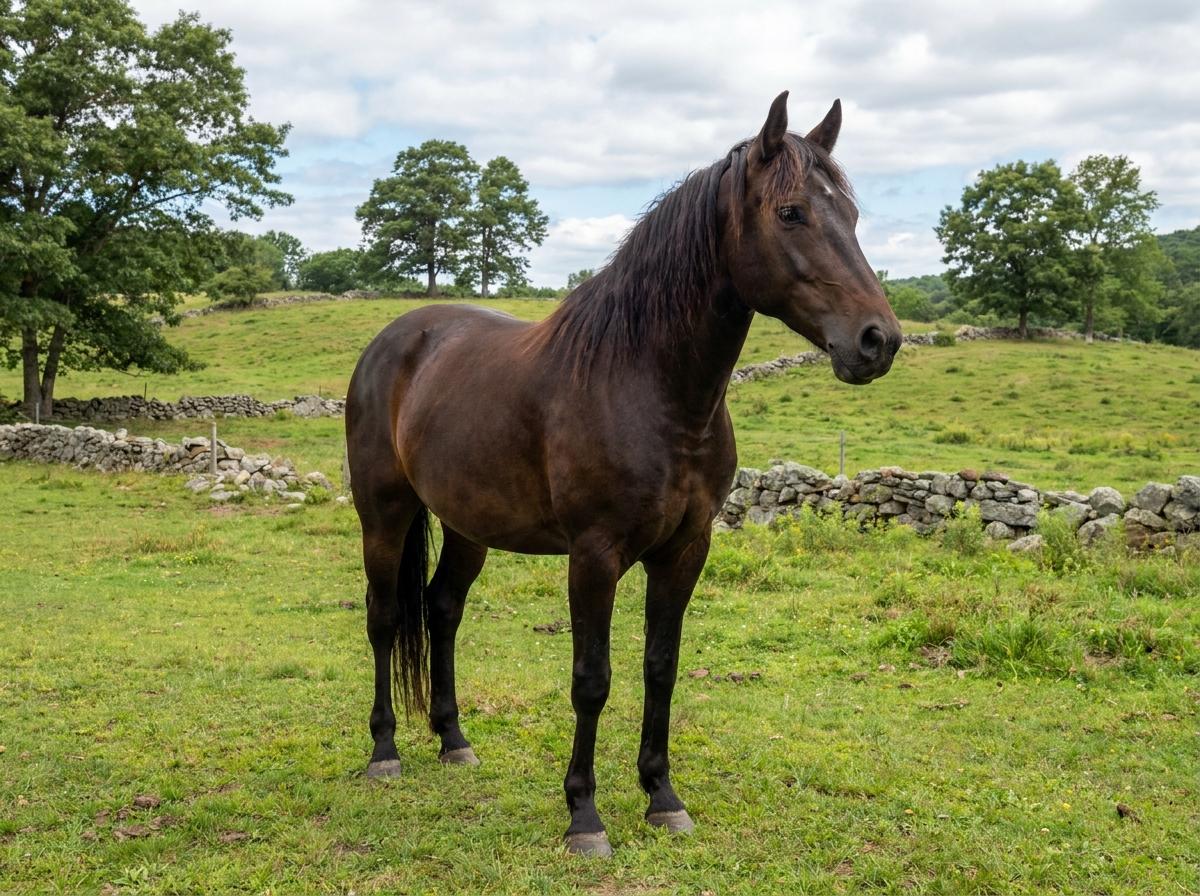
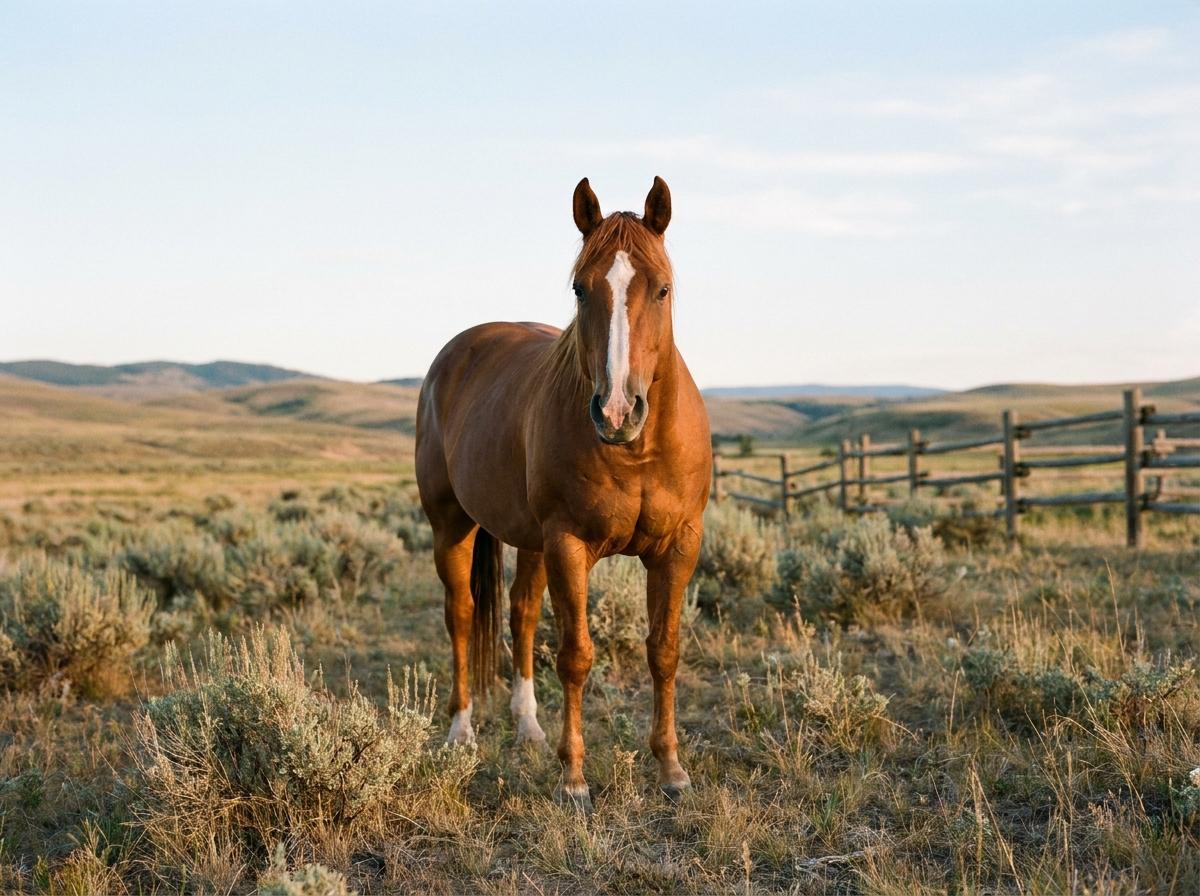
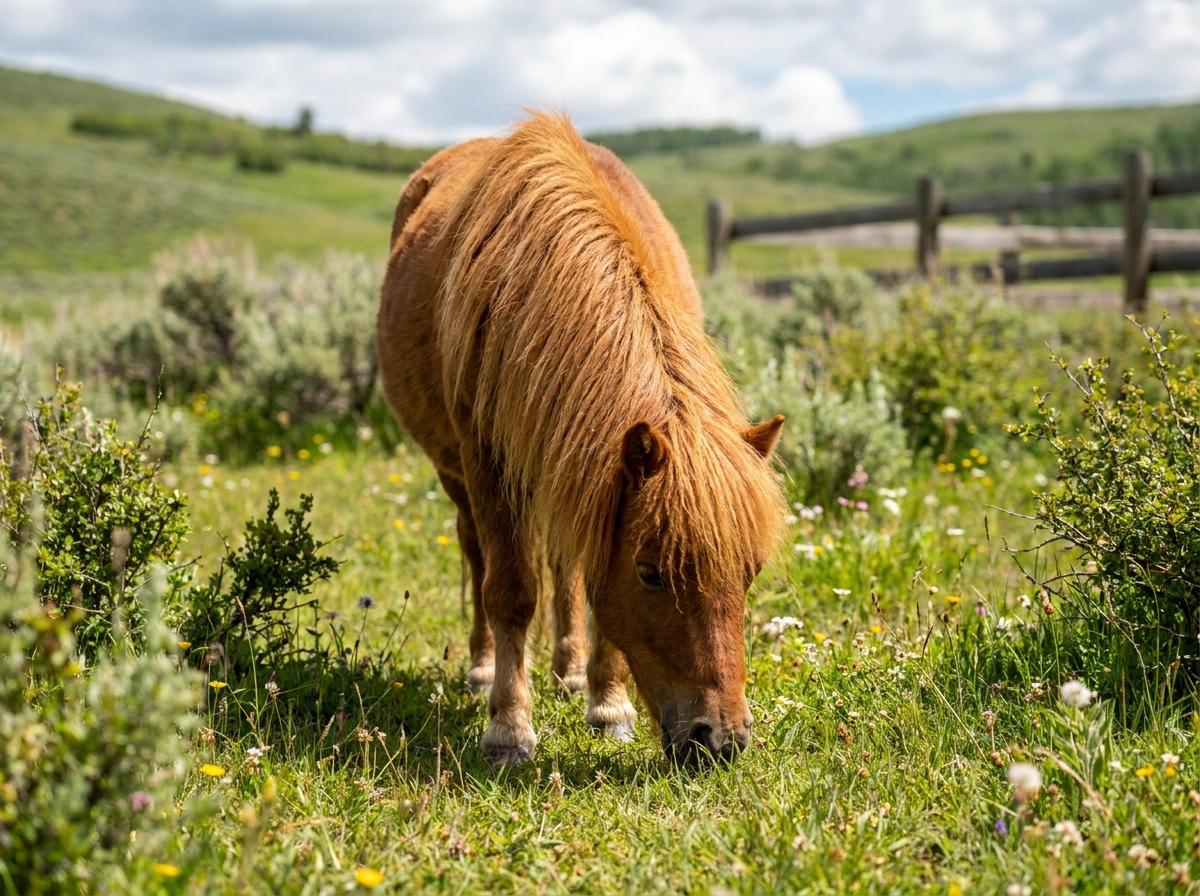
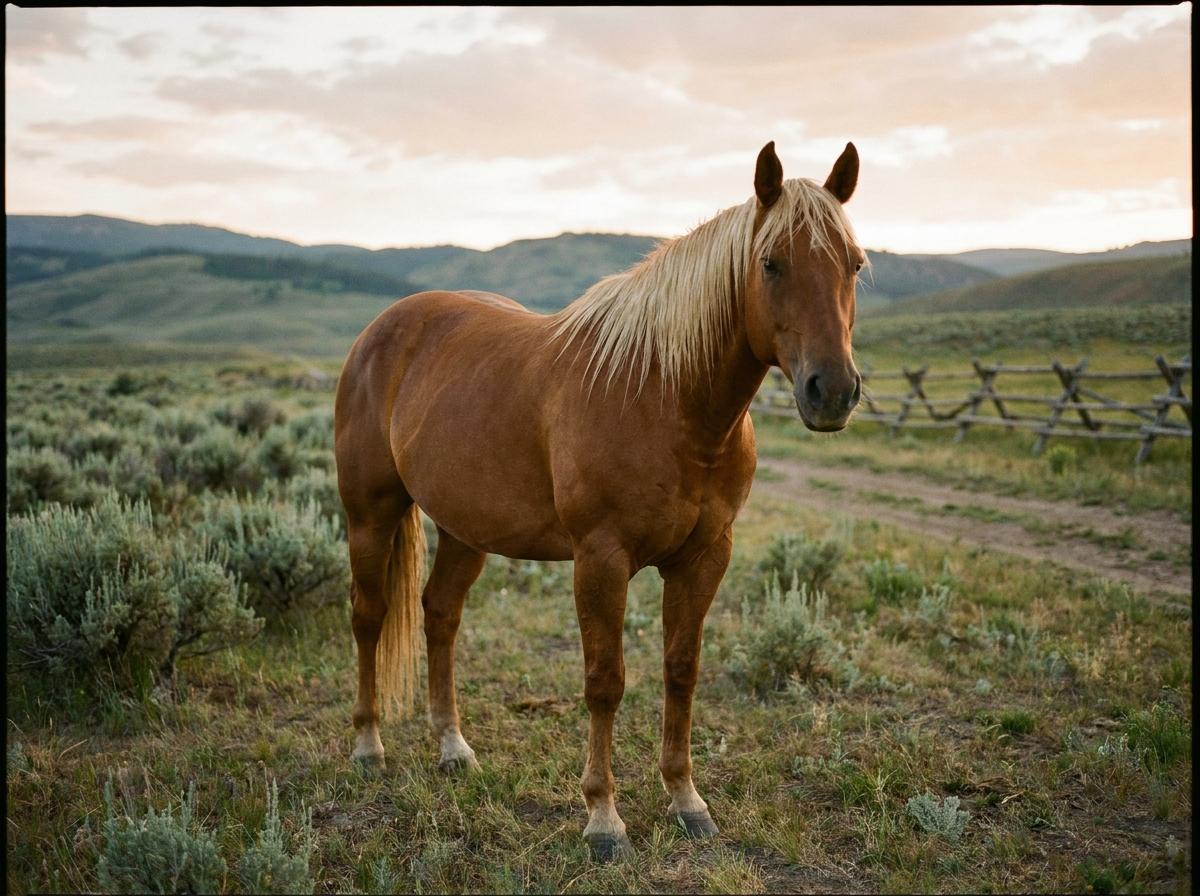
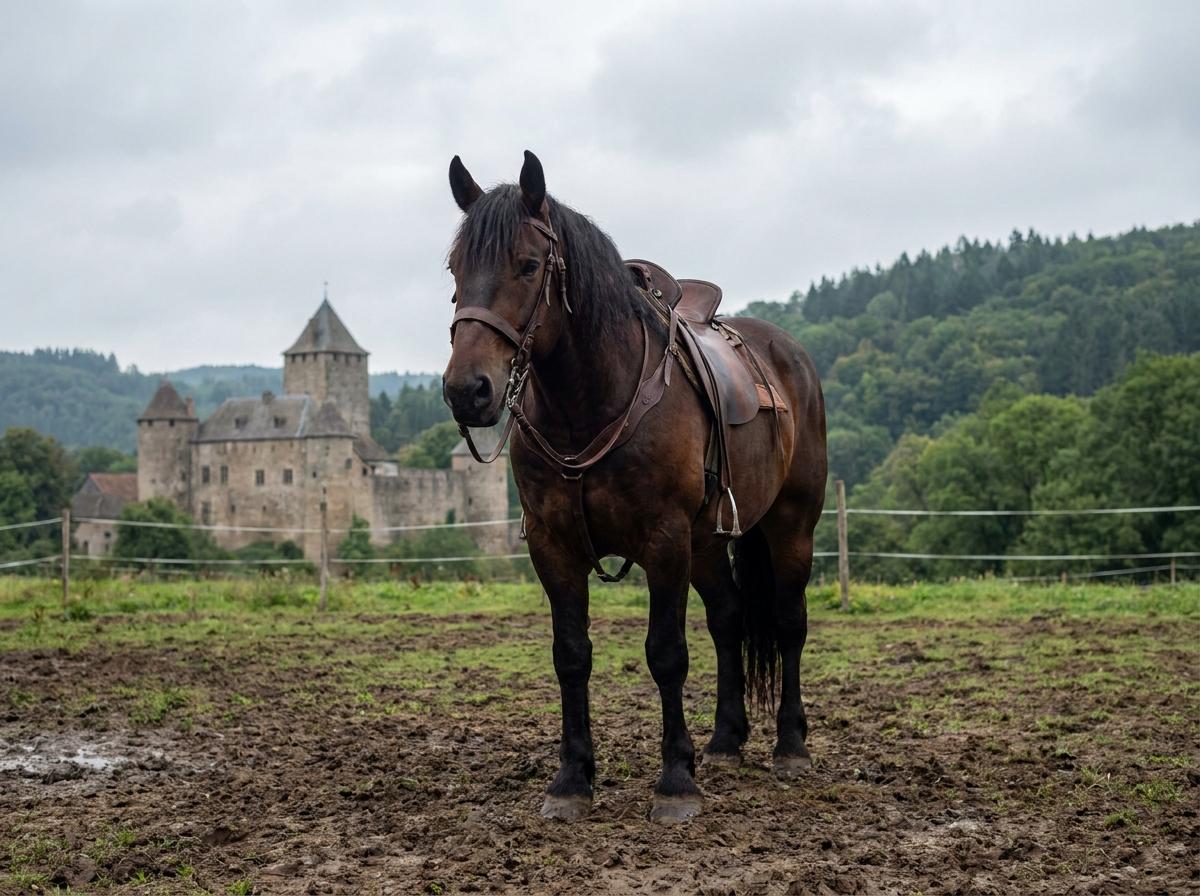
A note on the pictures: nobody photographed a medieval warhorse, so the historical images on this page are AI-generated reconstructions based on the research cited below, and each one is labeled that way.

AI-generated reconstruction, not a photograph. The horse is deliberately cob-sized rather than draft-sized, in line with the archaeological evidence.
| What it was | The elite warhorse of medieval European knights, used in battle and tournaments |
|---|---|
| Breed or type? | A type defined by role, quality and training; never a breed with a studbook |
| Name | Old French destrier, from a Latin root meaning “led by the right hand” |
| Typical size | Not recorded; rough estimates for elite warhorses are around 15 hands, far below a draft giant |
| Sex | Stallions; English records show mares were kept for breeding, not war |
| How common | Rare: 38 destriers among about 1,370 horses recorded for the 1298 Falkirk campaign |
| Can you buy one? | No. Modern “destrier” horses are Andalusians, Friesians, drafts and crosses sold by horse breeders |
Browse listings, public profiles, breeders, or add your animal.
What was a destrier?
The destrier was the top of the medieval horse hierarchy. Chronicles and household accounts call it the great horse, and it was the mount a knight rode when the fighting started: into a charge, or down the lists at a tournament. The rest of the time it was saved. A knight travelled on a different, cheaper horse, and the destrier was led alongside by a groom or squire so it arrived fresh.
That habit gave the animal its name. According to the Online Etymology Dictionary, English borrowed destrier from Old French in about 1300, and the Old French word comes from a Vulgar Latin form meaning “led by the right hand,” because the horse was led at the right hand until it was wanted in battle. You will sometimes see a different explanation, that the horse was trained to lead with its right foreleg, but the led-at-the-right-hand reading is the one the standard dictionaries give.
The most important thing to understand about the word is that it described what a horse was for, not where it came from. The University of Exeter’s Warhorse project, which combined archaeology, documents and surviving armour, put it plainly in its closing summary: the destrier cannot be considered a breed, and it “likely represents a selection for appropriate temperament and body conformation, accompanied by intensive training.” Horses could come from many places and bloodlines. What made one a destrier was quality, schooling and price.
Destrier, courser, rouncey and palfrey
Medieval sources sorted horses by function, and knights typically owned several. The four terms you will meet most often:
- Destrier. The great horse, the prestige charger. Especially associated with the tournament and the formal charge. Always rare and always expensive.
- Courser. A fast, strong warhorse, lighter than the destrier and more common. Many knights actually went to war on coursers, and the Exeter project’s historian Gary Baker notes in a post on England’s royal warhorses that “great horse” was a catch-all applied mainly to destriers and coursers. Read more on our courser page.
- Rouncey. The all-purpose horse: ridden, used for work, and trained for war by squires, archers and men-at-arms who could not afford better. It was usually the cheapest of the riding types. See the rouncey page.
- Palfrey. The comfortable travelling horse, valued for a smooth gait over long distances. A fine palfrey could be expensive, and the general reference on horses in the Middle Ages notes a well-bred one could equal a destrier in price. Our palfrey page covers it in more detail.
Pack horses, called sumpters, carried the baggage. None of these words is a breed name either. Each described a horse’s role and quality, and the same animal might be described differently at different points in its life. Later horse names can work the same way: the Canadian Pacer was a historic pacing type that never had a studbook.
How big was a destrier?
Smaller than you think. This is the single biggest correction the modern research makes.

AI-generated reconstruction, not a photograph. A cob-sized, heavily muscled stallion is closer to the evidence than a draft horse.
The largest study to date, published by a team led from the University of Exeter as Ameen and colleagues, “In search of the ‘great horse’,” in the International Journal of Osteoarchaeology (2021, volume 31, issue 6), measured horse bones from 171 archaeological sites in England dating from AD 300 to 1650. Its headline finding, publicized by the university in January 2022, was that horses of the period were often below 14.2 hands, the dividing line between a pony and a horse today. The tallest Norman-era horse in the dataset, from Trowbridge Castle in Wiltshire, stood about 15 hands. Horses of around 16 hands only begin to appear in the high medieval period, roughly 1200 to 1350, and even then they were rare. Larger horses become common only after the Middle Ages.
The team’s wider summary is starker still. Across more than 8,500 bones, most medieval horses were below modern pony size (1.48 m at the withers), and not a single bone suggested a horse tall enough to meet the height standard for a modern police horse (1.68 m). An analysis of more than 130 pieces of surviving horse armour pointed the same way. Archaeologist Alan Outram summed it up in the university’s release: high medieval destriers “may have been relatively large for the time period, but were clearly still much smaller than we might expect for equivalent functions today.”
Two honest caveats. First, a bone cannot tell you whether a horse was a destrier, so the researchers were careful to say that neither size nor limb robustness alone identifies a warhorse. The bone study measures English horses in general, not identified destriers. Second, the destrier’s own height was never written down: the Exeter project’s account of Edward III’s royal studs notes that the records “do not record the size of these elite animals,” and offers only an estimate that they were large by the standards of their day, “perhaps 15hh”. Other evidence sits in a similar band: the general reference on medieval horses cites a Royal Armouries analysis suggesting its surviving horse armour was made for animals of about 15 to 16 hands. The fair reading is that the exact typical height of a destrier is unknown, and that roughly 15 hands, give or take, is a reconstruction from indirect evidence rather than a measurement. Durham historian Michael Prestwich, reviewing the evidence in his chapter “Big and Beautiful”. Destriers in Edward I’s Armies, lands in the same place, describing agile, sturdy horses closer to a Welsh cob than to a giant.
The Shire horse myth
For most of the last century, popular history pictured the destrier as a Shire or Clydesdale in armour: 17 or 18 hands of feathered draft horse, so heavy that knights supposedly needed mechanical help to mount. Prestwich traces that idea back to early 20th century writers who described warhorses as “slow but powerful shire-horses,” and the Exeter team notes that films still routinely cast mounts on that scale.
The evidence does not support it. No medieval bone in the Exeter dataset comes close to Shire height, and the documents that describe warhorses talk about value, age, colour and origin, not size. The Warhorse project’s short explainer on horse size points out that medieval sources are “notably silent on the matter of size,” and that medieval pictures often show riders whose legs hang well below their horse’s belly.
Why does the myth persist? Partly because heavy draft breeds became the classic farm horses of the 19th century, and it was tempting to give them a knightly pedigree. Partly because an armoured knight on a 14.2 hand horse looks wrong to modern eyes. And partly because the real destrier’s defining traits, its courage and training, do not show up in a painting. If you want to meet the modern heavy horse on its own terms, the Shire is a remarkable animal in its own right. It just was not the knight’s charger.
Stallions, training and the royal studs
The destrier was a stallion. In England this was not a preference but a rule of practice: Gary Baker’s research on the royal studs found that the destriers and coursers were stallions, while mares were kept at the studs for breeding or used as riding and baggage animals, never as warhorses. Other cultures made different choices, and the Moors and Mongols are often described as preferring mares, but the western European knight rode an entire male.

AI-generated reconstruction, not a photograph. The destrier travelled led and unridden, which is where its name comes from.
That brought a demanding job with it. A stallion that would stand steady in a line of other stallions, charge on command, and tolerate noise, crowds and weapons did not happen by accident. Warhorse project researcher Helene Benkert, writing about modern jousting at the Royal Armouries, described the medieval destrier as “the best bred and trained horse on the market,” sold for prices only the very rich could afford. The same January 2022 university release reports that selection in the royal studs may have focused as much on temperament and the right physical traits for war as on raw size, and that the horses were bred for a range of tasks, including tournaments and long-distance raiding, rather than for size.
The English Crown ran that system at scale. Baker lists royal studs spread across the country, from Knaresborough and Burstwick in the north to Windsor and Woodstock in the south, and records show the Crown importing warhorses as well. In 1334 to 1335, one buyer purchased 23 great horses from Spain for Edward III at a combined cost of £715 13s 4d.
What a destrier cost, and how rare it was
Destriers were luxury goods. That Spanish purchase alone works out to roughly £31 a horse on average, an enormous sum in the 1330s. They were also scarce on the ground. Prestwich counts just 38 destriers among some 1,370 horses in the English army’s horse valuation records for the Falkirk campaign of 1298. Most mounted soldiers, including many knights, rode coursers and rounceys.
For a modern reader, the useful takeaway is that a destrier was never a common horse with a common price. It was the equivalent of a top competition horse today, with years of specialist training behind it, and its value lay in that training as much as in its body.
Is the destrier a breed? Can you buy one?
No on both counts. The destrier has no breed standard, no registry and no living population, and it never did. When a modern seller advertises a “destrier,” the honest translation is “a horse of the type or training people associate with medieval warhorses.” That can be a perfectly good horse. It is not a historical breed, and no paperwork can show descent from one.
Treat the word as marketing and look past it to what you are actually being offered: the horse’s real breed or cross, its registration papers if it has any, its age and soundness, and, above all, its training history. The same rules apply as for buying any horse, and our guide to how much a horse costs covers the running costs that matter more than the purchase price.
The destrier is not the only animal people search for that turns out to be something other than a breed you simply buy. The tigon is a tiger and lion hybrid that exists only in captivity, and the Bully Kutta is a South Asian mastiff type with its own history as a guard and war dog. Each page takes the same approach: what is real, what is legend, and what a responsible owner can actually do.
Modern horses sometimes called destriers
Several living breeds are marketed with medieval warhorse language, and a few have genuine historical connections to the war-horse trade. None of them is the destrier, and none can prove descent from a particular knight’s horse, but they are the horses modern jousters, reenactors and fantasy riders actually buy.

AI-generated image of a modern Iberian-type horse and reenactor, shown for illustration.
- Andalusian and Lusitano. Iberian horses were prized across medieval Europe, and English royal records show Edward III buying great horses from Spain. Today’s Andalusian (the Pura Raza Española) and the Portuguese Lusitano are agile, collected, trainable horses, typically well suited to the tight turns and steady nerves that display jousting and mounted combat demand. They are a frequent choice for serious display riders.
- Friesian. The Dutch black horse is a favourite for film knights. The Friesian Horse Association of North America says Friesians were in high demand as war horses during the Middle Ages, and The Livestock Conservancy notes the breed fell to about 500 animals by the middle of the 1900s before recovering. That is breed-society history rather than documented pedigree, so read it as tradition. The modern Friesian is a striking, willing horse, though often taller and more upright than the medieval evidence suggests a destrier was.
- Percheron and other drafts. Percheron breed histories often claim descent from knights’ horses, and the grey Percheron is a popular “knight’s horse” at fairs. The modern Percheron is a heavy draft breed, much larger than a medieval warhorse, and valued for its calm temperament and strength. Draft horses carry armoured riders comfortably but are usually less nimble than an Iberian horse.
- Draft crosses, cobs and baroque warmbloods. A draft crossed with a lighter breed, or a stocky cob type, often gets closest to the size and build the historical estimates suggest: compact, powerful, around 15 hands. A sensible, well-schooled cross of this kind can be exactly what a display rider needs.
The Royal Armouries in Leeds stages jousting tournaments on its own tiltyard, and Benkert’s 2019 account of one makes the key point: the horses there were professional stunt horses, and like their medieval predecessors they were valuable because of their training, not their breed.
Choosing a horse for jousting, reenactment or a medieval look
If you want a horse with the presence of a destrier, the history gives you a better brief than the films do.
- Prioritize temperament over height. The medieval buyer valued courage, steadiness and trainability. For you that means a horse that accepts noise, flags, crowds, clanking armour and other horses at close quarters. Ask to see it handled in a busy setting.
- Size the horse to the rider and the kit. Armour, a war saddle and a caparison add real weight. Ask your veterinarian or a qualified saddle fitter to assess whether a specific horse can carry your combined load comfortably and soundly, rather than relying on a rule of thumb.
- Buy training, not a label. A horse sold as “destrier trained” or “joust ready” should come with a checkable history: who trained it, what it has done, and videos of it working. Mounted combat and jousting are genuinely dangerous for horse and rider, so learn from an experienced instructor and a reputable display team before you tilt.
- Get a pre-purchase examination. As with any horse, have an independent vet examine it before you pay. A stallion also needs experienced handling and suitable facilities, so a well-schooled gelding is often the more practical choice for a modern rider, even though the medieval destrier was an entire male.
- Keep the records. Training history, vet findings, farrier visits, saddle fitting and competition results are what make a performance horse’s value verifiable when you come to sell, insure or pass it on.
Frequently asked questions
Is a destrier a breed of horse?
No. It was a medieval category of warhorse defined by role, quality and training. Horses from different regions and bloodlines could be destriers, and there has never been a destrier studbook or breed standard.
How tall was a destrier?
Nobody knows exactly, because medieval records never noted their height. Historians’ rough estimate for an elite destrier is around 15 hands, and surviving horse armour suggests animals of about 15 to 16 hands. What was measured is the wider horse population: the Exeter-led study of horse bones from 171 English sites found medieval horses were often below 14.2 hands and that horses of 16 hands were rare even at the height of the royal studs.
Were destriers draft horses like Shires?
No. That picture dates mainly from early 20th century writers and modern films. The archaeological evidence describes compact, muscular, agile horses much closer to a large cob than to a Shire or Clydesdale.
Were destriers stallions?
Yes. In medieval England, records of the royal studs show destriers and coursers were stallions, with mares kept for breeding and ordinary work.
What does destrier mean?
It comes from Old French, from a Latin root meaning “led by the right hand,” because the horse was led, unridden, at a squire’s or groom’s right hand until it was needed.
What horse breed is closest to a destrier?
There is no direct descendant. In build and size, a strong cob or draft cross is closest to the archaeological evidence; in agility and training tradition, Iberian horses such as the Andalusian and Lusitano are the modern favourites for jousting and mounted displays.
Can I buy a destrier horse?
Not a historical one. Horses sold as destriers today are living breeds or crosses, and the label describes their look or training. Judge the individual horse on its breed, soundness, temperament and training records.
Do this next on Creatures
You cannot buy or register a medieval destrier, so nothing below pretends to. Every link here is for living horses: the Andalusians, Friesians, drafts and crosses people ride today, and the records that make a trained horse’s value provable.
Give your horse a profile. Own a jousting horse, a reenactment mount, or any horse at all? Create a free profile for your horse, no account needed to start. The walkthrough is in adding an animal to Creatures.
Keep its training and health history. Vet checks, farrier visits, saddle fittings, training milestones: start a record for your horse. The record sheet opens for any visitor to explore, and a free account saves what you enter. See adding a record and health and medical records.
Get told when horses are listed. There will never be a genuine destrier listing, so this alert covers horses of every breed: set up a free horse listing alert, no account needed to start. Here is how saved searches work.
Browse horses for sale. Look through current horses on the Creatures marketplace and judge each one on breed, soundness and training, not on the word destrier.
Breed or train horses? Studs, training yards and display teams can create a free organization profile, no account needed to start. See how directory listing works and how to add your team.
Find trusted breeders. Search the Creatures breeder directory for horse breeders near you.
Keep exploring. Start from the horse species page, or compare the Andalusian, Friesian and Percheron.