


Animal Listing Alerts: Build a Saved Search That Fits What You Need
Author: Elliott Garber, DVM · Published
An animal listing alert is most useful when its filters describe a real buying decision. On Creatures, a saved search looks for new listings that match your chosen filters; a watchlist keeps individual listings you want to revisit. Start with the marketplace, set the filters that matter, and inspect the results before saving the search.
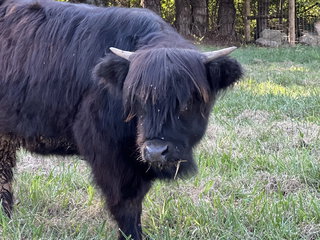
AI-generated illustration.
| Search first | Apply the filters and view results |
|---|---|
| Save | Name the search so it is recognizable |
| Frequency | One account-wide setting: instant, daily, weekly, or off |
| Watchlist | Follow individual listings separately |
| Refine | Change one meaningful constraint at a time |
| Before buying | Check the actual listing and seller |
Decide what is essential before touching the filters
Write a short buying brief in your own words. For a horse, that might include the intended job, handling experience you need, travel constraints, and records you expect to review. Separate firm requirements from preferences. A preferred color should not quietly become more important than the animal’s suitability.
Then translate only the parts represented by marketplace filters into the search. Other requirements remain questions to ask the seller. A filter can narrow a set of listings; it cannot certify a horse’s training, temperament, soundness, or fit for a particular rider.
The horse species page is a useful starting point when you are still comparing types. Breed guides such as Arabian and Thoroughbred add context, but neither substitutes for evaluating the individual animal.
Use the horse buying guide to turn your intended use into questions for a seller. A filter can narrow a list; it cannot complete those checks.
Build and test the search
Select the relevant species, then add a breed only if that is a genuine requirement. Set available location, distance, and sale filters deliberately. Select Show Results and read several listings. Ask whether the set resembles what you intended.
If the results are unexpectedly narrow, remove one optional filter and compare again. If they are broad, identify the filter that would remove the most irrelevant listings without discarding plausible matches. Changing several filters at once makes it harder to tell which one helped.
Name the search so its purpose is clear later. “Local riding prospect” and “Broader regional search” convey more than “Search 1” and “Search 2.” A name is a reminder for you, not another filter. Writing “quiet” in the name does not make the system verify quiet behavior.
The saved-search Help Center guide describes the Save this search control, saved-search management, and notification settings. Visitors can begin the signup flow from an alert link; complete the offered account and verification steps so the saved search belongs to an account you can return to.
Keep a small set of distinct searches

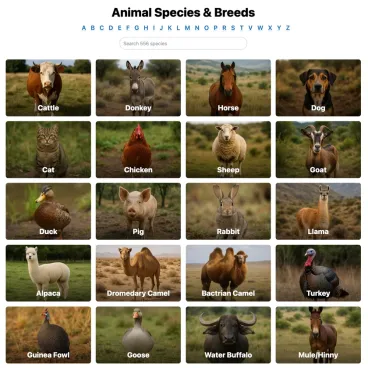
AI-generated illustration.
One search can represent your ideal match and another a reasonable alternative. For example, you might keep a nearby search and a broader-area search with the same species requirement. You do not need several nearly identical searches just to remember slightly different names.
If a search is too broad, Creatures can warn that it may match much of the incoming inventory. Treat that as a prompt to inspect the filters. It is not a prediction that suitable animals will appear soon.
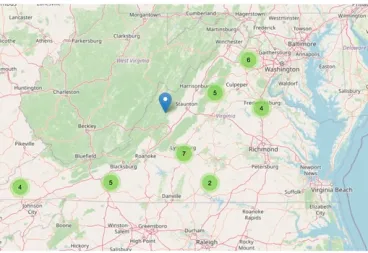
An empty result set is also information, but only about the listings currently available through that search. It does not establish that the breed is unavailable everywhere, that no breeder exists, or that an alert has failed. Consider the breeder directory for an additional research route while keeping the alert active for new listings.
Choose a notification rhythm you will use
Saved-search frequency is controlled under Settings > Notifications. Choose the available rhythm that matches how actively you are looking. That rhythm applies to all your saved searches. When one search is no longer useful, delete it from your saved searches; choose Off only when you want to pause every saved-search alert.
An instant setting does not reserve a listing. A daily or weekly digest is not a promise that every animal will remain available when you open it. Read the current listing and ask the seller about availability before making plans around an old message.
If alerts seem wrong, first rerun the saved search. Check the selected species, breed, and other filters. Then check notification settings and the account receiving them. Compare a specific unwanted result against the actual filters. “I would not buy that animal” is not necessarily a filter error; the reason may be a suitability question the search cannot evaluate.
Use the watchlist for individual decisions
A watchlist works best after you find a particular listing worth comparing. Save it so you can return to its current details. Keep your own questions focused: which record is missing, what handling claim needs clarification, or what visit needs arranging?
A listing on a watchlist is still available according to its live listing state. Saving it does not create a purchase, approval, reservation, or agreement with the seller. On eligible fixed-price listings, a price-drop alert is a separate control. Do not confuse that specific-listing alert with the saved search that looks for new matches.
The search and distance guide explains browsing controls. The offer guide covers the next step when a listing accepts offers.
Review matches with the same checklist

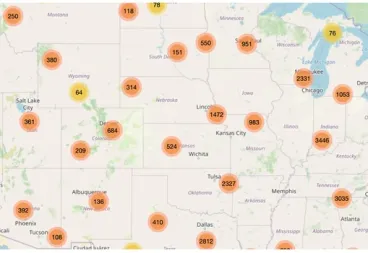
AI-generated illustration.
Use consistent questions when comparing animals. Confirm identity and current availability. Read the seller’s description alongside the photographs. Ask for the dated records behind important claims. Clarify the animal’s experience in the context you care about and arrange appropriate independent advice before purchase.
Our livestock listing checklist is written for sellers, but its identity, photograph, record, and handoff checks are also useful to buyers. A saved search gets you to a candidate. The decision still needs that second layer of work.
Before pursuing a match, revisit the horse cost guide and your own local quotes. An asking price you can afford may still leave the full cost of keeping the horse beyond your budget.
Common questions
Does saving a search contact breeders?
It is a listing-matching tool, not a message sent to every breeder. Contact an individual seller or organization deliberately when you have a relevant question.
Should I widen my search if nothing appears?
Only if you can genuinely act on the wider results. A travel radius you cannot support will create more alerts without improving your choices.
Can an alert prove that a horse is suitable for me?
No. It matches listing filters. The animal, seller, records, intended use, and independent assessment still need your attention.
Do this next on Creatures
Choose the next step that fits your animal or program:
- Save a search alert to get new matching horse listings by email.
- Browse horses on the marketplace and read each listing’s current terms.
- Explore the breeder directory to review profiles and contact breeders with specific questions.
- Add an animal profile to organize its identity and history.
- Add a record for a document, observation, or completed event.
- Start an organization profile for your farm or breeding program.
For help getting started, read how to add an animal, save a record, and manage saved searches. You can begin the profile and record flows before signing in; saving your work requires an account.