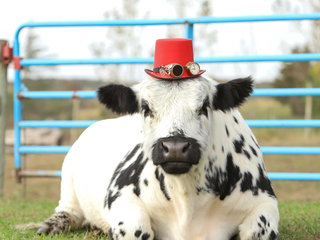

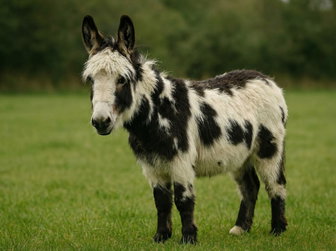
SFP Alice
No Buyer Fees
Cattle
$9,000

Explore your horse’s color
Choose any DNA results you know and watch your horse’s color and patterns come together.
Reviewed by Elliott Garber, DVMUpdated How it works and sources
DNA results
Starting values are examples, not lab results. Uncheck a gene’s example label to confirm a lab result, including N/N. Examples never limit the possible looks.
Your horse’s color
Start with Bay, then change any DNA values you know to watch the color and patterns update.
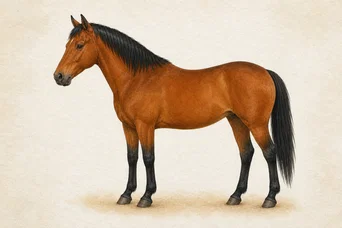
This visualizer reads one horse’s results for Extension, Agouti, Cream and Pearl, Champagne, Dun, Silver, Gray, Mushroom, Frame Overo, the linked KIT white patterns, Leopard Complex with PATN1, Splashed White and Brindle1. The pictures show one horse for each result; real horses vary in shade, markings and pattern. Health notes summarize published research; ask your veterinarian what they mean for a particular horse.
How it works: the method, health notes and peer-reviewed references
Take the DNA values for two horses into the pairing calculator, or save this horse in Creatures to keep DNA results, pedigree, and breeding records together.
Your horse’s DNA tells a colorful story. Enter the results you know to explore the coat colors and patterns they support, see them come to life, and learn what each gene means.
The visualizer brings familiar lab results together in one clear, illustrated color story.
Start with what you know, then explore the details that matter to you.
The visualizer covers core coat colors, Champagne, Mushroom, selected KIT white-pattern families, Leopard Complex and PATN1, MITF and PAX3 Splashed White families, and sex-linked Brindle1. It follows familiar VGL and APHA panel names so your report is easier to match.
Shade, marking boundaries, roaning, seasonal coats, and age can all change how a color appears. The Gray stages let you explore that progression visually.
Health notes highlight research connected to the DNA results you entered. A veterinarian or testing laboratory can help you understand what a finding means for an individual horse.
Some reports list linked variants without showing which ones sit together on the same chromosome. When that happens, Creatures shows each supported arrangement so you can still explore the full result.
The visualizer helps you explore one horse's laboratory report. The calculator combines results from two parents to show what their foal could inherit. Any foal combination that cannot survive remains part of the main conception odds rather than being hidden.
Keep the original lab report and share any important health or inheritance notes with your veterinarian or testing laboratory. They can help you decide whether another test or a closer look would be useful.
Reviewed by Elliott Garber, DVM · Last reviewed