


Cedrych Galin Grier
Cattle
$3,700

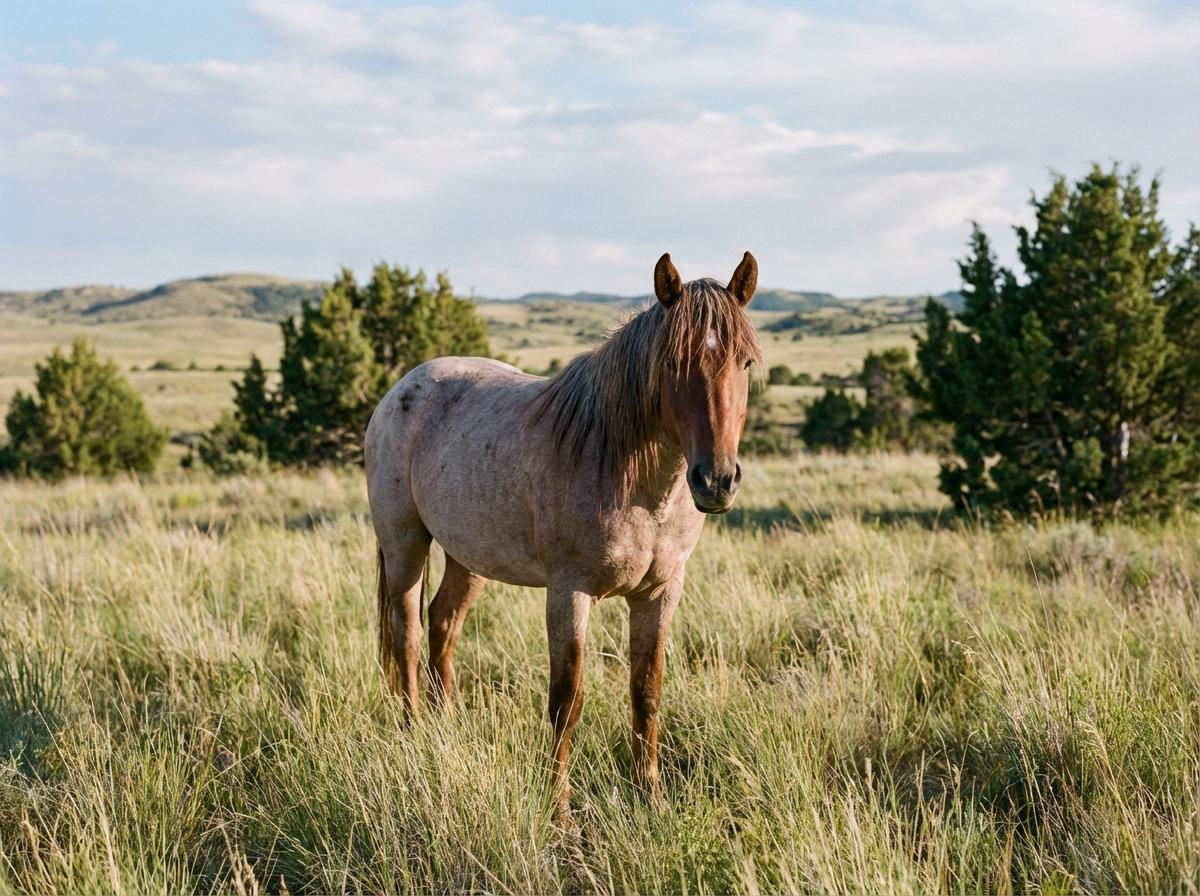
Horse pregnancy averages 340 days, or about 11 months, in this calculator. Enter the breeding date to estimate a foaling date and planning window.
| Average used by this calculator | 340 days (about 11.2 months) |
|---|---|
| Window shown by this calculator | 320 to 370 days after breeding |
| Due date formula | Breeding date + 340 days |
| Birth is called | Foaling |
| Mother | Mare |
| Young | Foal |
The foaling date is an estimate, and the 320 to 370 day display is a planning window, not a normal-range boundary. eXtension calls foals born before day 326 premature and usually in need of immediate veterinary attention; Colorado State calls births before day 320 premature and gestation beyond day 360 prolonged.
Some signs are less obvious in mares carrying their first foal.
| Days 14 to 18 | A veterinary ultrasound can check pregnancy and twins. |
|---|---|
| About day 25 | The embryo heartbeat should be visible on ultrasound. |
| Days 56 to 120 | Fetal sex may be assessed by ultrasound. |
| Last 2 to 3 weeks | The abdomen may drop as muscles relax. |
The horse calculator uses an average of 340 days after breeding, about 11 months, while an individual mare may foal earlier or later.
Enter the breeding date and the horse calculator adds 340 days for an estimated foaling date and shows its Foaling Planning Window.
A mare may show udder development, teat waxing, a relaxed vulva, restlessness, repeated lying down and pawing near foaling.
Merck general equine guidance says that after the water breaks, call your veterinarian if there is no significant progress within 10 to 15 minutes, and immediately if the foal is not delivered within 30 minutes. If the membrane that first appears at the vulva is bright red and velvety instead of pale and white, the placenta has separated early; Merck says it must be broken open immediately and the foal delivered, or the foal will not get enough oxygen. Call your veterinarian immediately.
Reviewed by Elliott Garber, DVM · Last reviewed