American Red
Author: Elliott Garber, DVM · Published
The American Red is a developing meat-goat breeding program recorded by the American Meat Goat Registry (AMGR). It is not a name for every red goat. The practical buying question is which registered program, ancestry and generation a seller means.
Use the goat guide to compare your goals, then ask for the goat’s actual registration record. Coat color can help describe an animal; it cannot supply missing ancestry.
| Type | Developing meat-goat program |
|---|---|
| Registry discussed | American Meat Goat Registry, United States |
| Color class | Fifty+ means at least 50% red coloring |
| Ancestry | Coat percentage is not a pedigree percentage |
| Adult size | Variable in the cited registry standard |
| Buyer check | Verify registration and individual identity |
Color-class value from the AMGR American Red standard, source effective date not stated, checked October 16, 2026. The value describes coat coverage, not breed ancestry.
Browse listings, public profiles, breeders, or add your animal.
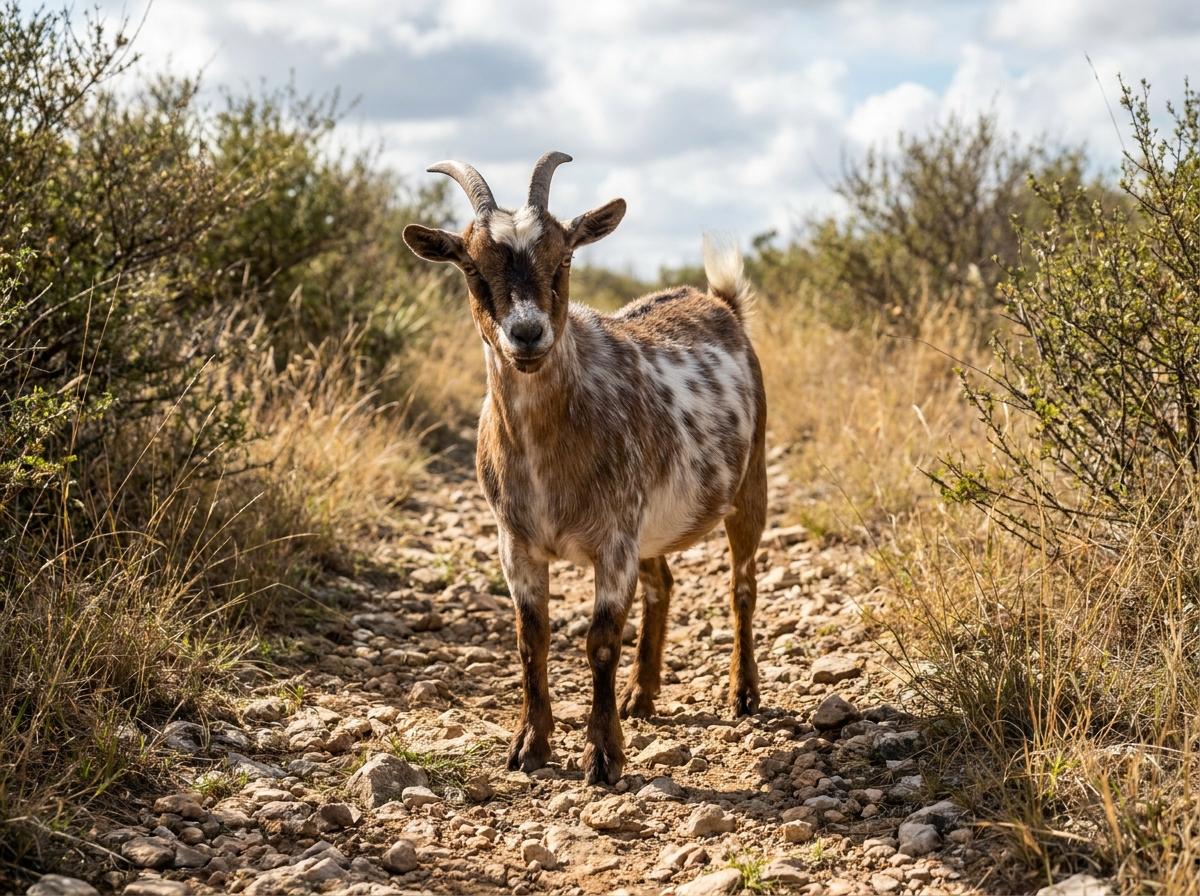
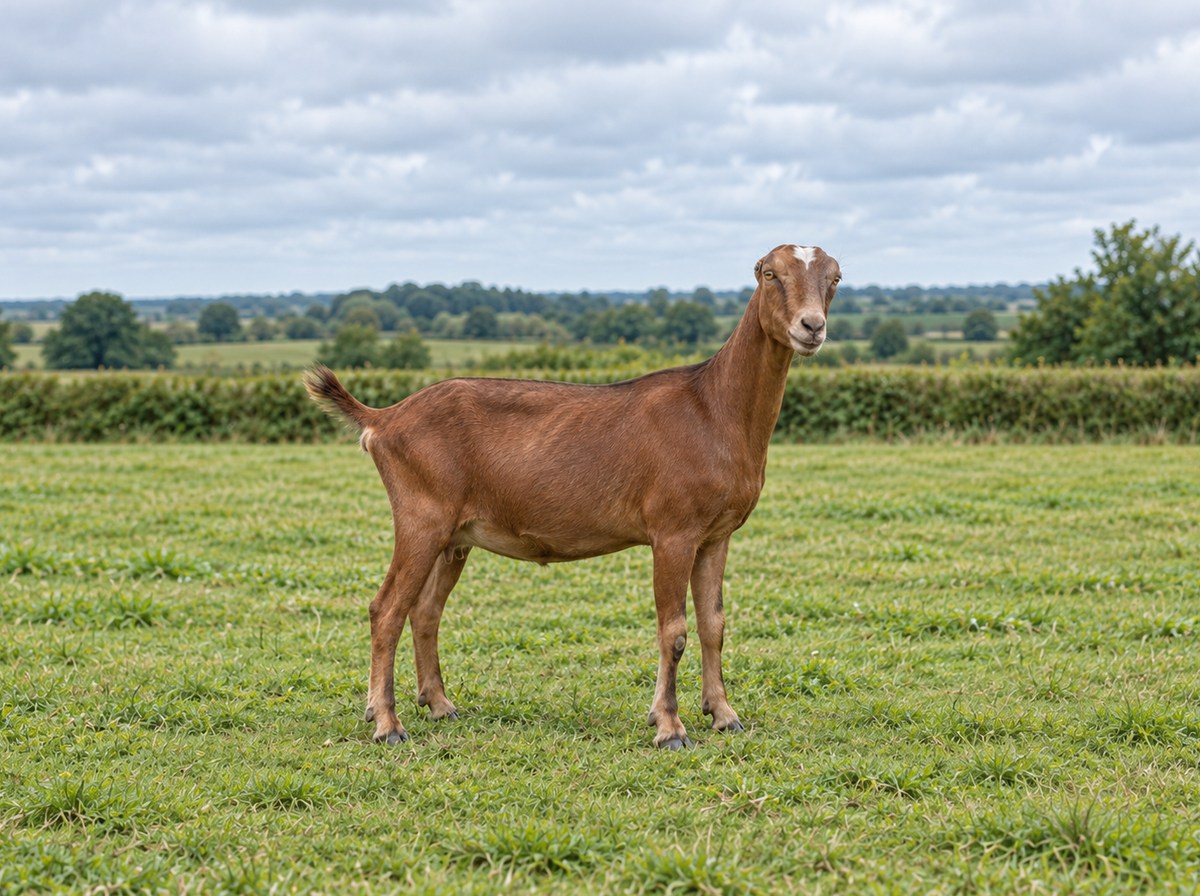
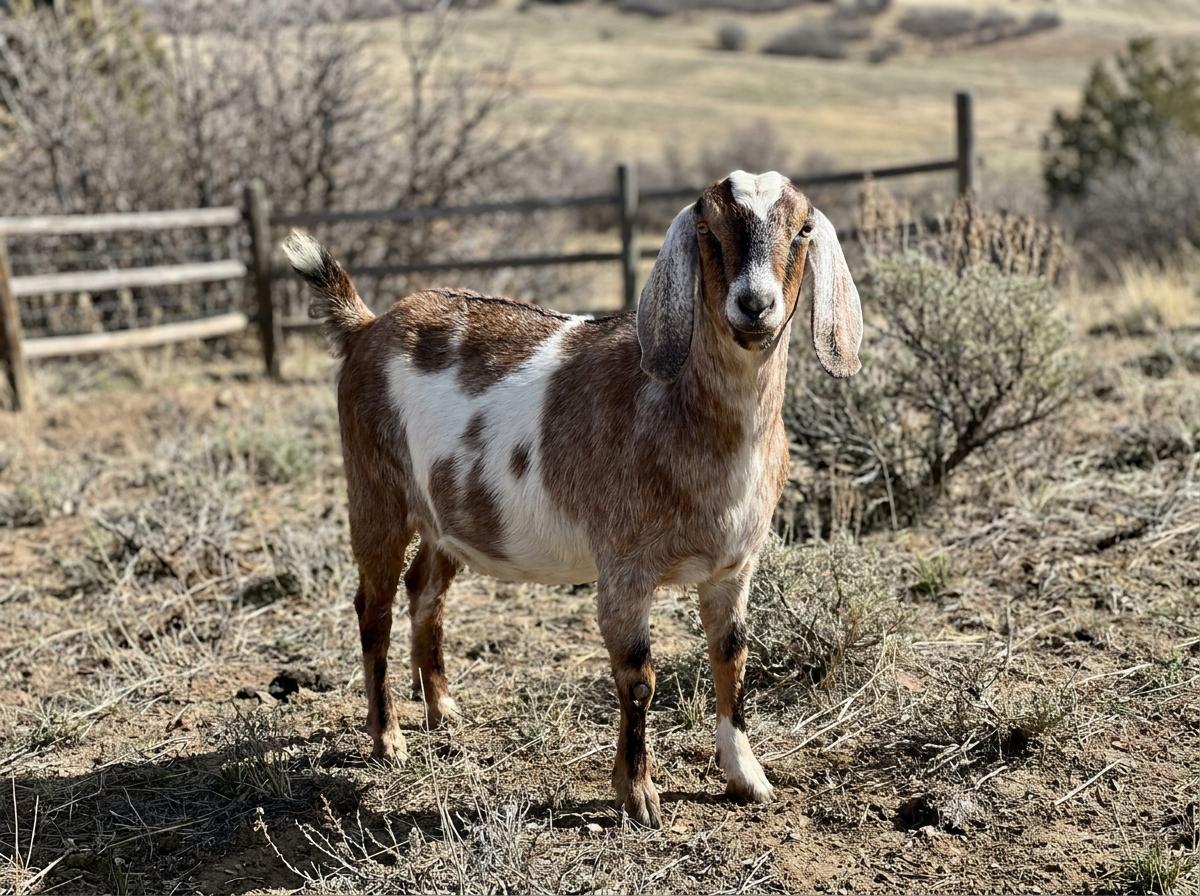
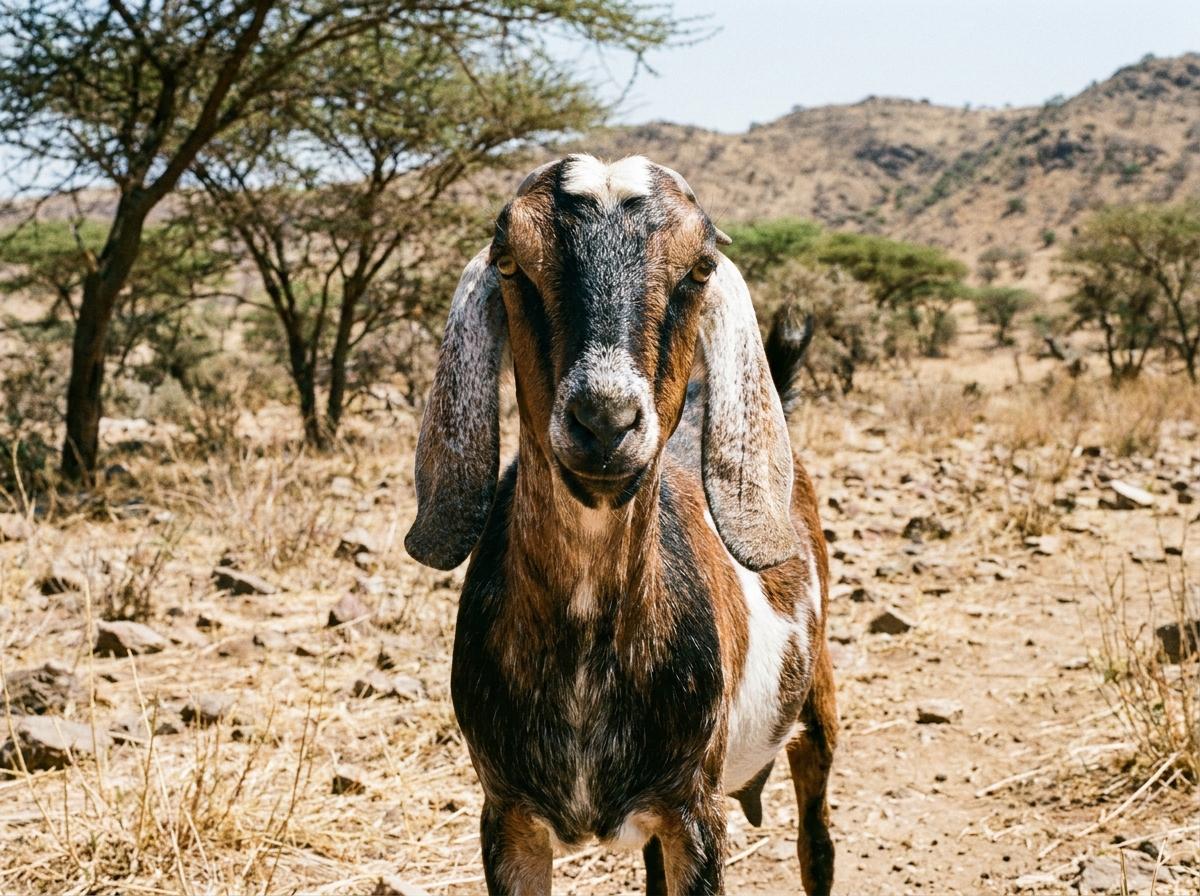
A program with variable appearance
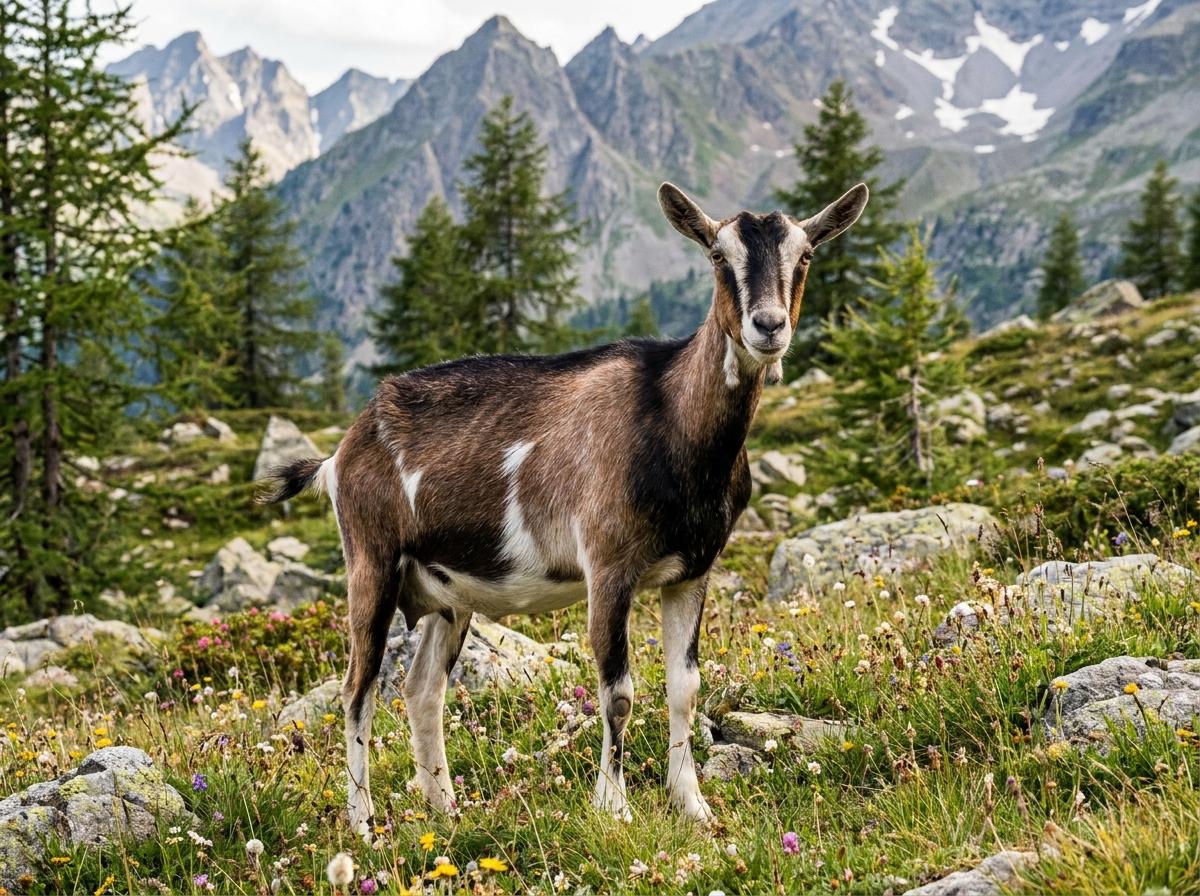
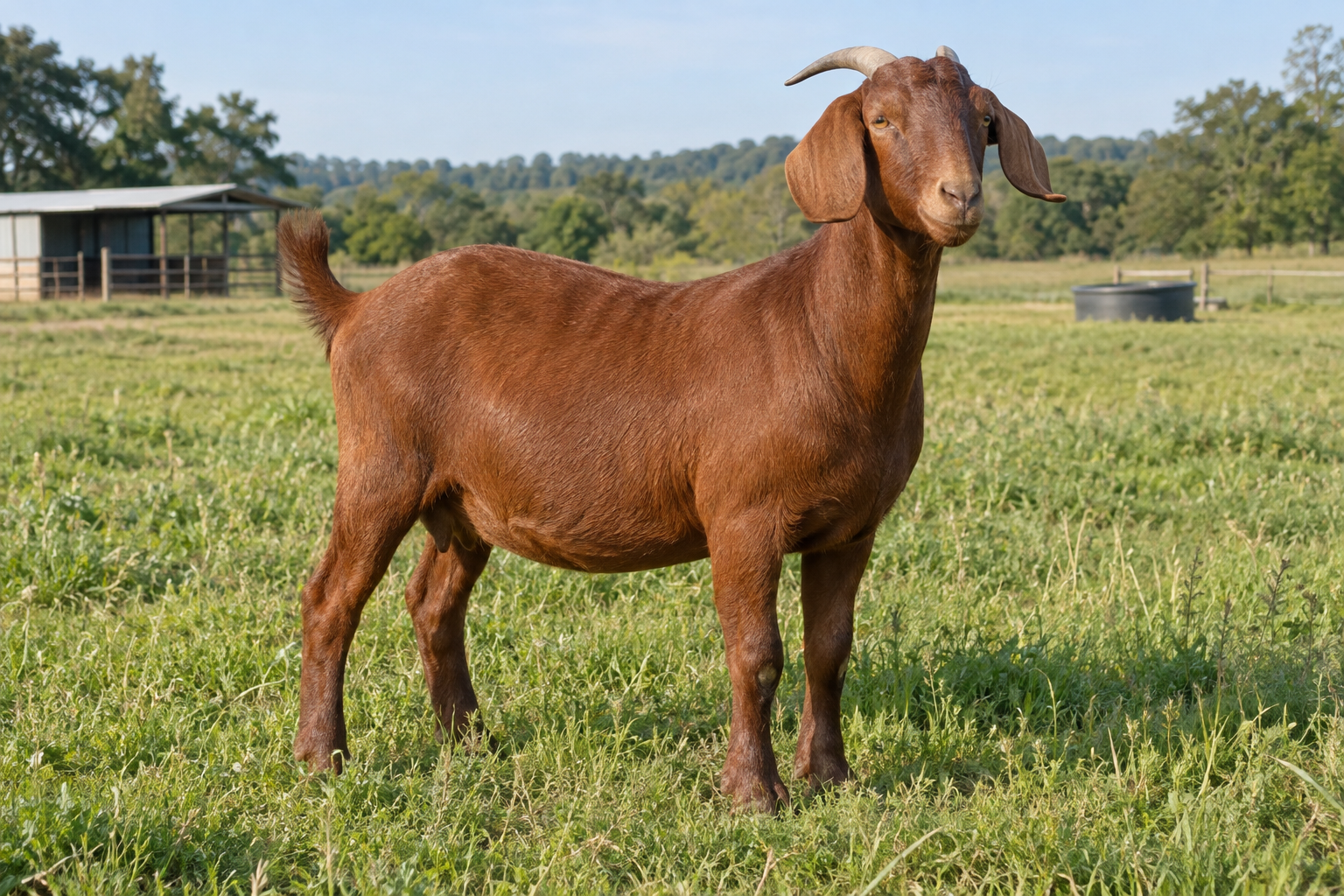
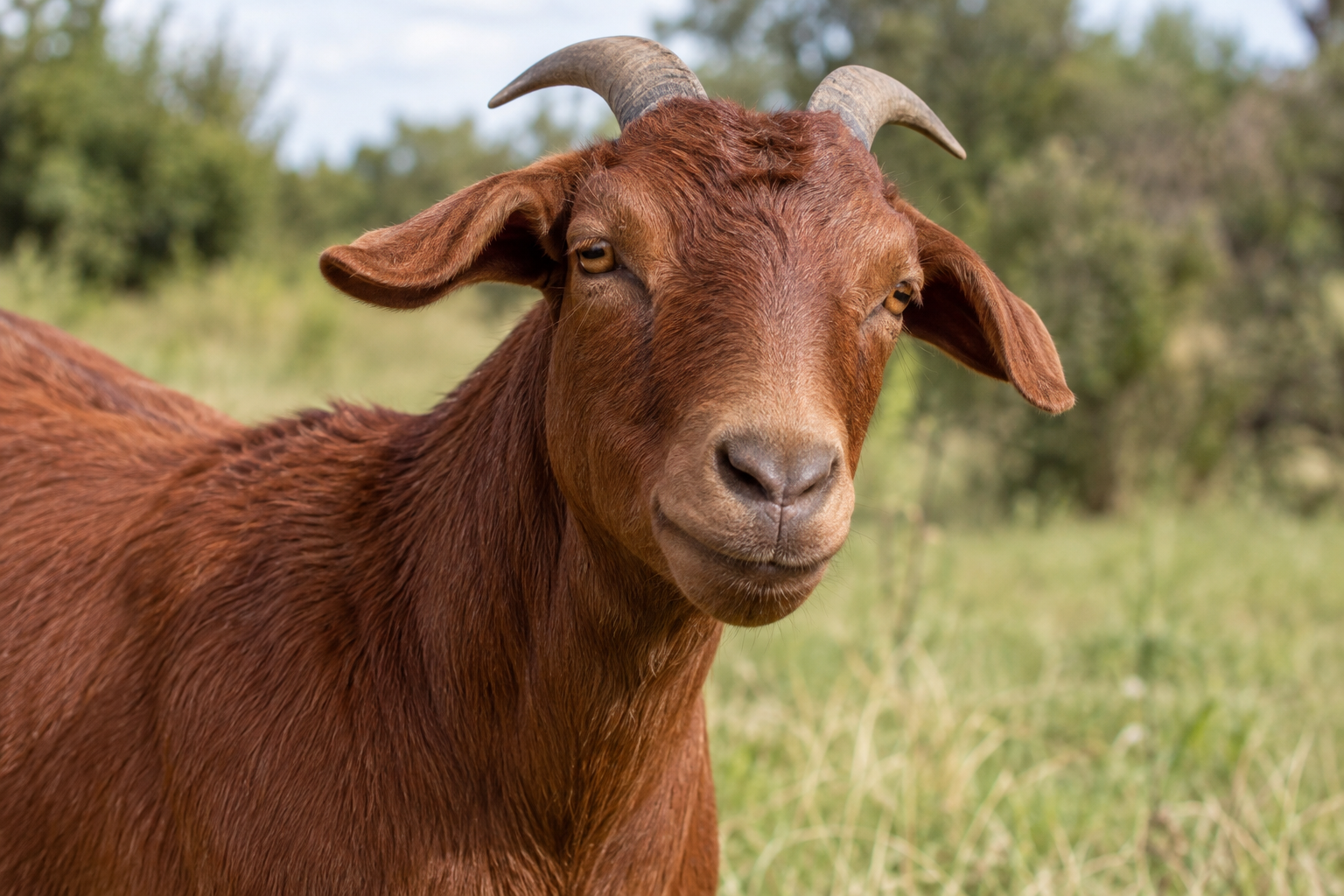
AMGR’s American Red breed standard describes a meat animal with a substantial, functional body. It explicitly allows variation in ears, horns, facial profile, weight and height. Source effective date: not stated; checked October 16, 2026. There is no single adult-weight number from that standard to paste onto every American Red doe or buck.
That matters when comparing photographs. A red goat with a different ear shape is not automatically outside the program, while a solid-red animal is not automatically registered within it. Ask for the registration number, identification and sire and dam records. Request the AMGR DNA record and the animal’s microchip or tattoo ID: the same AMGR standard requires DNA testing and one of those permanent identifiers. Source effective date: not stated; checked October 16, 2026. If the seller uses “percentage,” “foundation” or “purebred,” have them show the corresponding paperwork.
What the color and generation labels mean
In the same AMGR standard, the Fifty+ class requires at least 50% red coloring; the All Red class requires solid red with no other colors, while foundation animals can contribute desired traits without color being the deciding factor. The percentage is a coat-color classification, not a statement that an animal has that percentage of a particular breed in its pedigree. Source effective date: not stated; checked October 16, 2026.
AMGR’s American Red program information also describes a generational system called the X-Factor. Source effective date: not stated; checked October 16, 2026. Treat its notation as part of a registry record, not a shortcut for predicting growth or maternal performance. Check the current program rules with AMGR before relying on a future registration outcome. A planned mating and an accepted registration are different things.
Select for your farm’s job
Begin with the job: breeding does, a herd sire or growing meat animals. Then ask for records relevant to that job. For a breeding doe, useful questions concern her kidding history, rearing of kids and the condition in which she maintains herself. For a buck, ask how parentage and individual identity are documented and what offspring records are available.
Look for dated measurements with a method. A weight recorded on a scale at a stated age is more informative than an unattributed mature-weight estimate. A sale description saying “hardy” is not evidence that a goat needs no shelter, supplemental feeding or veterinary care.
If you are comparing a Kiko with an American Red, do not infer identical ancestry or performance from a seller mentioning both names. Ask which registered animals appear in the pedigree and how the seller evaluates their offspring under the farm’s own conditions.
Prepare before bringing goats home
Arrange secure boundaries, dry shelter, appropriate feed and minerals, clean water and handling space. Your veterinarian and local extension adviser can help adapt introductions, parasite control and nutrition to the property. Ask the source farm for its current ration and care history so changes can be planned.
Penn State Extension’s meat-goat production guide discusses housing, fencing, feeding and health as parts of a production system. Source effective date: January 3, 2023 (updated); checked October 16, 2026. A developing breed program does not remove those ordinary management requirements.
Keep health statements specific. Ask which tests, vaccinations or treatments an individual has received and request dates and results where applicable. Do not read “healthy herd” as a substitute for discussing your own farm’s biosecurity needs.
A useful offer names the animal
No verified, currently available seller price is quoted here. Request an offer that specifies identification, birth date, sex, breeding status, registration class, transfer terms, quantity and transport costs. Compare like animals and documents before comparing the final amounts.
Keep the seller’s description alongside the registry record, rather than silently converting a “red commercial doe” into an “American Red” in your records. Record any parentage as unknown when it is unknown. That protects the next breeding or buying decision from an assumption becoming a fact.
Is American Red the same as any red Boer or Kalahari Red?
No. A color resemblance or a shared word does not establish registry identity. Ask which program records the animal and verify the pedigree that accompanies it.
What is the breed’s standard adult weight?
AMGR’s cited standard lists weight among the variable traits. This guide therefore omits a universal mature-weight figure. Ask for the actual weights and ages of the animals in the seller’s line.
Do this next on Creatures
Choose the action that fits your stage. A listing search may be empty; an alert is a way to hear about a future match, not a promise of availability.
- Compare the filtered marketplace or open a listing alert. Save-search help explains the account and notification flow.
- Already own an animal? Start an animal profile, then add a record. The record form opens for visitors; a free account is needed to save. See adding an animal and adding a record.
- Keep a breeding operation? Start a breeder or farm profile and review getting listed in the directory. The breeder directory is also available for public research.
Sources checked October 16, 2026. The Creatures content routine owns refreshes with Elliott’s review: stable facts yearly or on reported change; seller price lines monthly in the selling season and quarterly otherwise. An overdue price line is removed.