Florida Cracker Horse
Author: Elliott Garber, DVM · Published
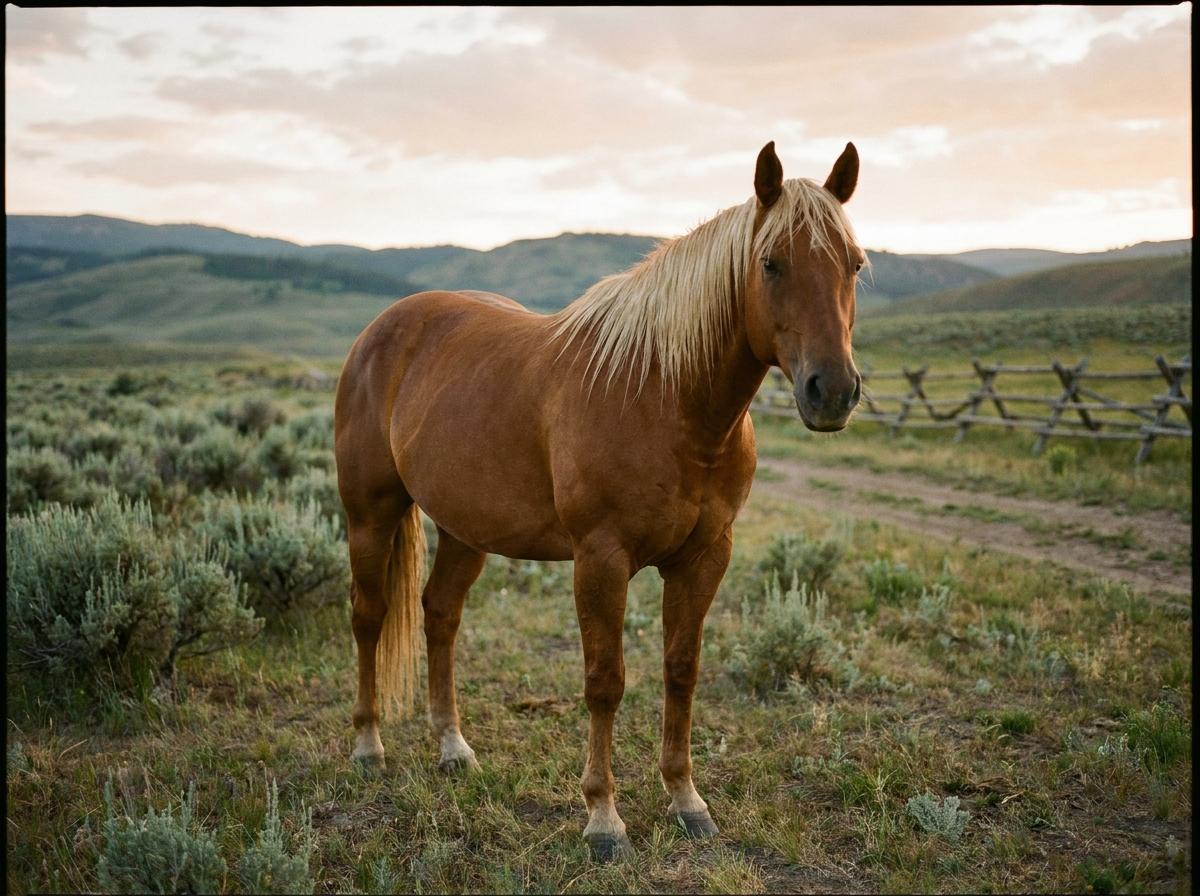
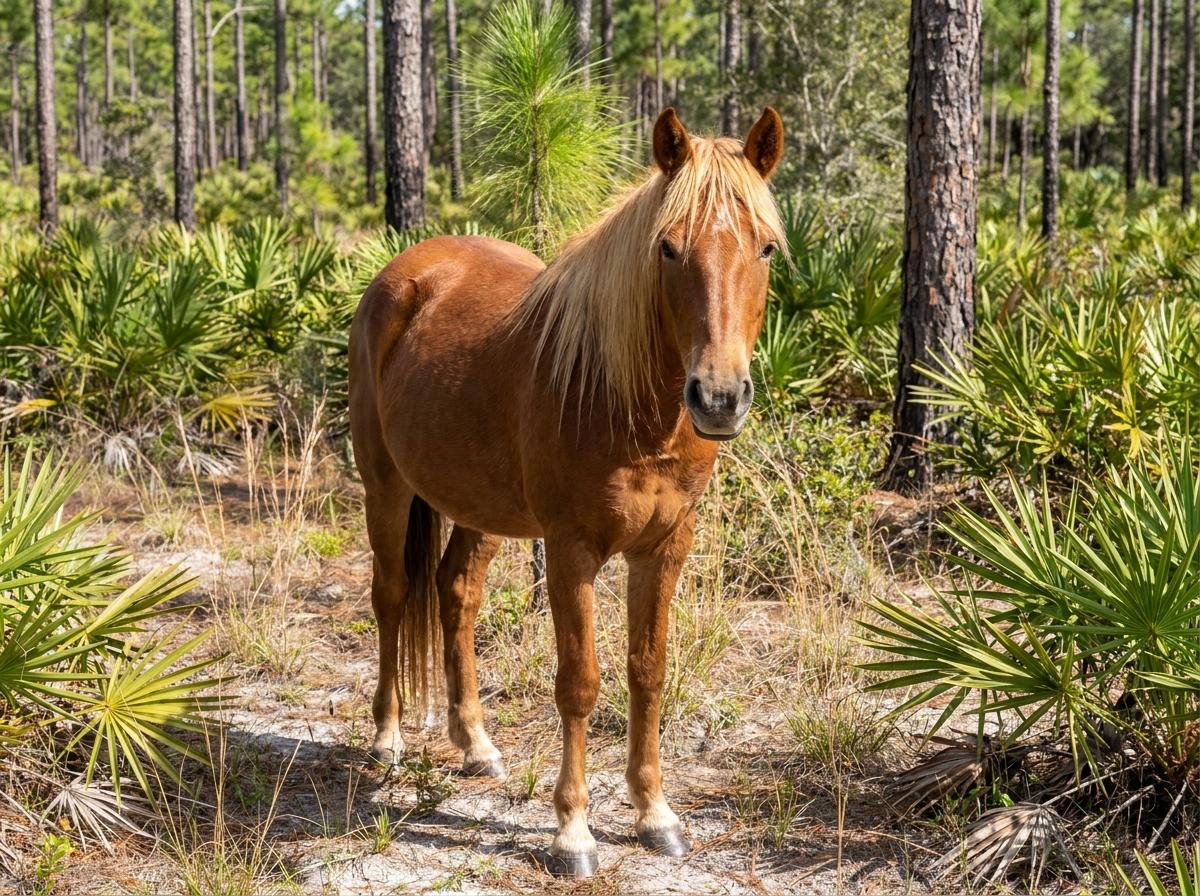
The Florida Cracker horse is a small Colonial Spanish saddle horse with a history tied to Florida cattle work. It appeals to riders who want a useful heritage horse and to breeders interested in preserving a distinct population. Its history is worth understanding, but a buyer still needs to assess the individual horse’s training, soundness and documented identity.
The free horse pedigree chart maker can help you review supplied family information with a seller before pursuing a heritage-breed purchase. The chart does not establish registration eligibility.
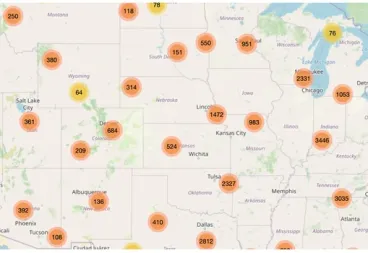
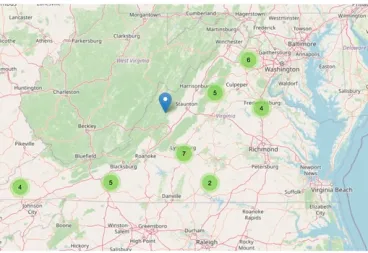
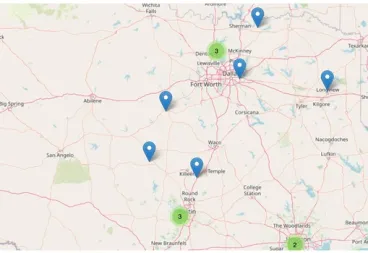
Set a Florida Cracker horse search alert for new matching listings. Current supply may be empty; use the alert while you prepare your care plan and the records to request from a seller.

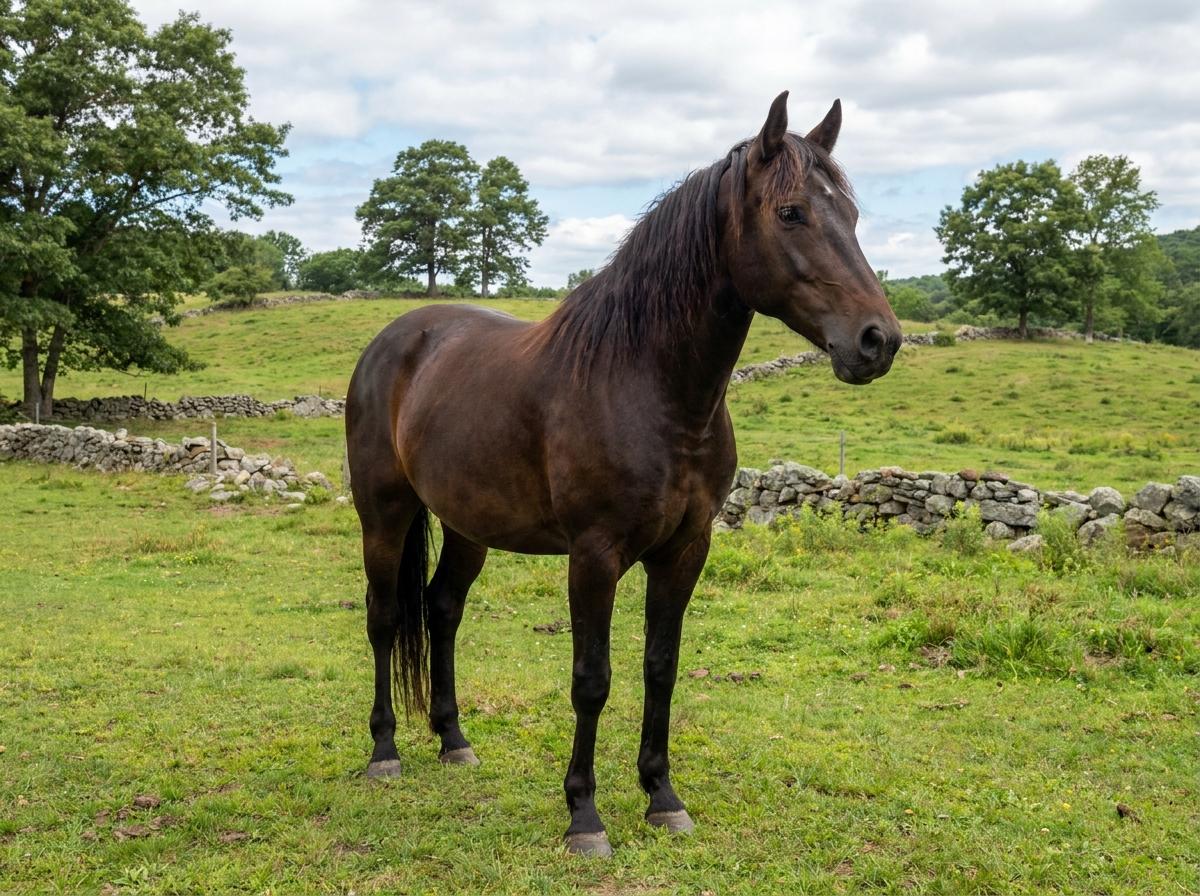
AI-generated illustration.
| Origin | Florida; Colonial Spanish ancestry |
|---|---|
| Typical height | 13.2 to 15.2 hands |
| Reference weight | About 700 to 1,000 pounds |
| Association | Florida Cracker Horse Association; chartered 1989 |
| Gaits | Some offer an intermediate stepping gait |
| Conservation | Livestock Conservancy: Critical, 2026 |
Browse listings, public profiles, breeders, or add your animal.
A Florida horse with a specific history
The Florida Cracker Horse Association traces the breed to Spanish horses brought to Florida and describes its long use by cattle workers. The association was chartered in 1989 to preserve the breed and maintain its identity. That is different from calling any small Florida-bred horse a Cracker horse.
The association describes a refined head, a relatively narrow body, a short strong back and a sloping croup. Its published size range is 13.2 to 15.2 hands and about 700 to 1,000 pounds. Remember that hands use inches after the point: 13.2 means thirteen hands and two inches, not a decimal measurement. For a purchase, confirm the actual horse’s measured height rather than relying on the range.
Ask for the registered name and certificate, and check the transfer requirements with the association. If a horse is described as eligible but not registered, find out exactly what evidence is missing and who will complete the application. Do not price an uncertain future registration as if it already existed.
Heritage does not guarantee your ideal ride
Florida Crackers can have an intermediate stepping gait as well as the ordinary walk, trot and canter. University of Florida’s gait-selection guide includes the breed among horses selected for intermediate gaits. Published gait research studied the Florida Cracker’s “coon rack,” a four-beat stepping gait. That is a useful description to ask a seller about, not a guarantee that every registered horse offers the same ride.
A breed’s working history cannot certify a modern individual’s training. Ask what the horse has done recently, with which riders, and in which conditions. A horse raised in a herd but rarely handled presents a different task from one routinely ridden and transported.
If a seller describes a smooth gait, ask to see and feel the horse’s actual way of going with appropriate supervision. Do not assume every individual offers the same gait or that a video establishes comfort for your body. Fit, balance and training still matter.
For trail use, ask about traffic, groups, separation from companions and the horse’s response to unfamiliar obstacles. For cattle work, ask for relevant experience rather than inferring ability from ancestry. The useful evidence is an ordinary demonstration of the work, not a dramatic claim about the breed.

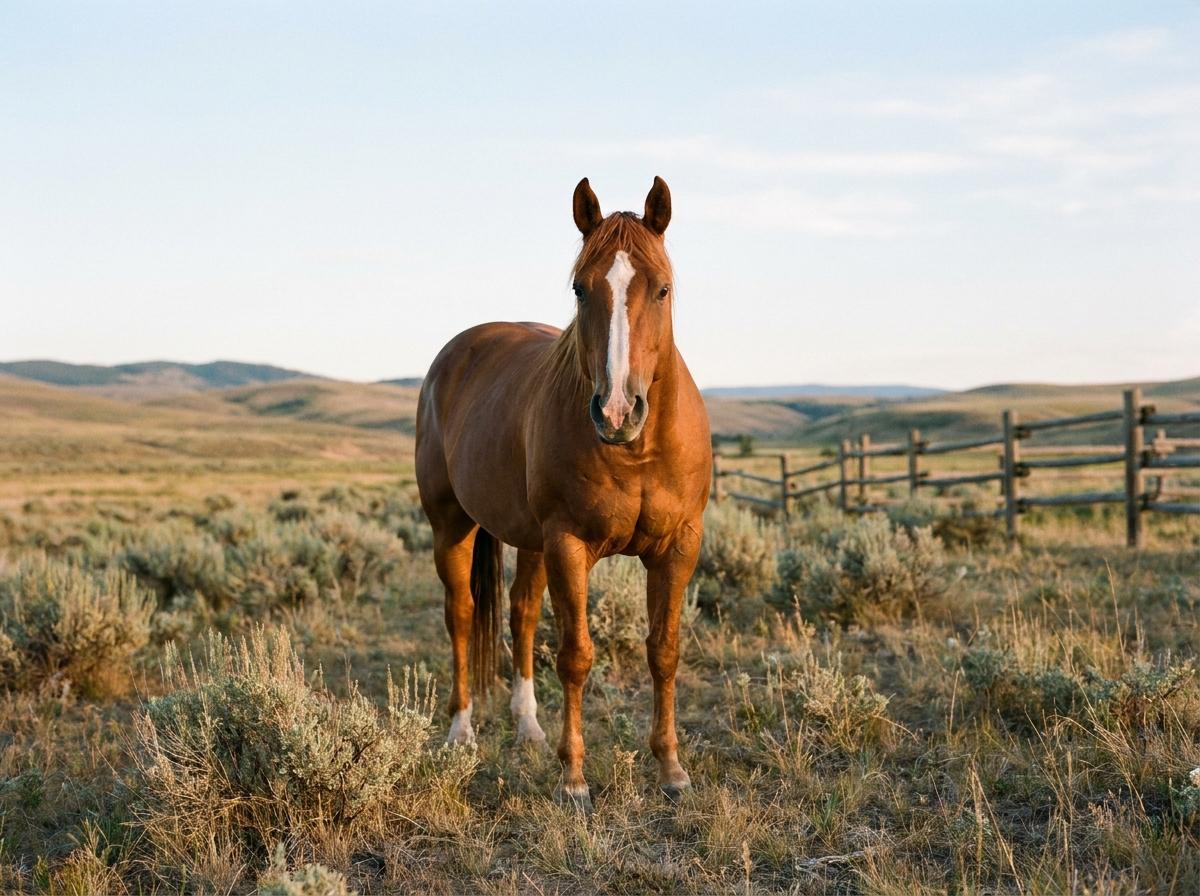
AI-generated illustration.
The palfrey guide develops the distinction between a historical riding label and evidence that a particular horse offers the gait and manners you need.
Is a Florida Cracker horse suitable for a first owner?
It can be worth considering when the individual is experienced and the owner has suitable instruction. Small stature does not make a horse automatically easy, safe or inexpensive. A compact horse can still be strong, quick and in need of clear handling.
Take an instructor or experienced adviser to a viewing. Have the seller demonstrate catching, leading, grooming, foot handling and the intended ridden work. Ask whether the horse’s normal behavior changes after time off, at a new venue or away from companions. These questions should be answered without putting an inexperienced buyer in a difficult situation.
Facilities, forage and an ordinary daily routine
Treat the Florida Cracker as a horse with individual needs, not as an animal that can live on its heritage. Provide suitable forage, clean water, shelter and safe equine company. Ask your veterinarian or nutritionist to match the ration to body condition and work; do not assume a horse must thrive on whatever happens to grow on your property.
The Merck pasture guidance highlights grazing opportunities and enough feeding space in groups. Observe the quieter horse as well as the dominant one. A herd arrangement is not working if an individual cannot reach feed or water comfortably.
Before collection, walk fences, gates and shelter approaches. Arrange a place for arrival separation according to veterinary advice, and identify someone who can cover the daily routine. Keep the seller’s current feed and turnout information so changes can be planned rather than improvised.
Record measured weights when available so changes in condition have a useful baseline. A horse weight estimate must be labelled as such and should not set a medication dose or replace a feeding assessment.
Veterinary care and a thoughtful purchase examination
Have your own veterinarian assess the horse in the context of your plans. The AAEP recommends tailoring the purchase examination to the buyer’s needs. Provide available history and explain whether you want trail riding, breeding, driving or another role.
Ask for dental, vaccination, farrier and other medical records. A lack of records is not the same as proof of good health. It is a limit on what you know. Discuss that limit with your veterinarian and decide what further information is worth obtaining before the purchase.
Buying for preservation and breeding
The Livestock Conservancy lists the Florida Cracker as Critical in 2026. Preserving the breed involves more than producing foals with its name. Ask the association how it handles registration, pedigree evidence and breeding recommendations. If you are new to the breed, learn from experienced breeders before selecting a mating or purchasing breeding stock.
Discuss the horse’s documented ancestry and your goals. A riding horse can be an excellent ambassador for the breed without being bred. The cost of breeding also includes veterinary support, suitable facilities, foaling preparation, youngstock care and a realistic future home.

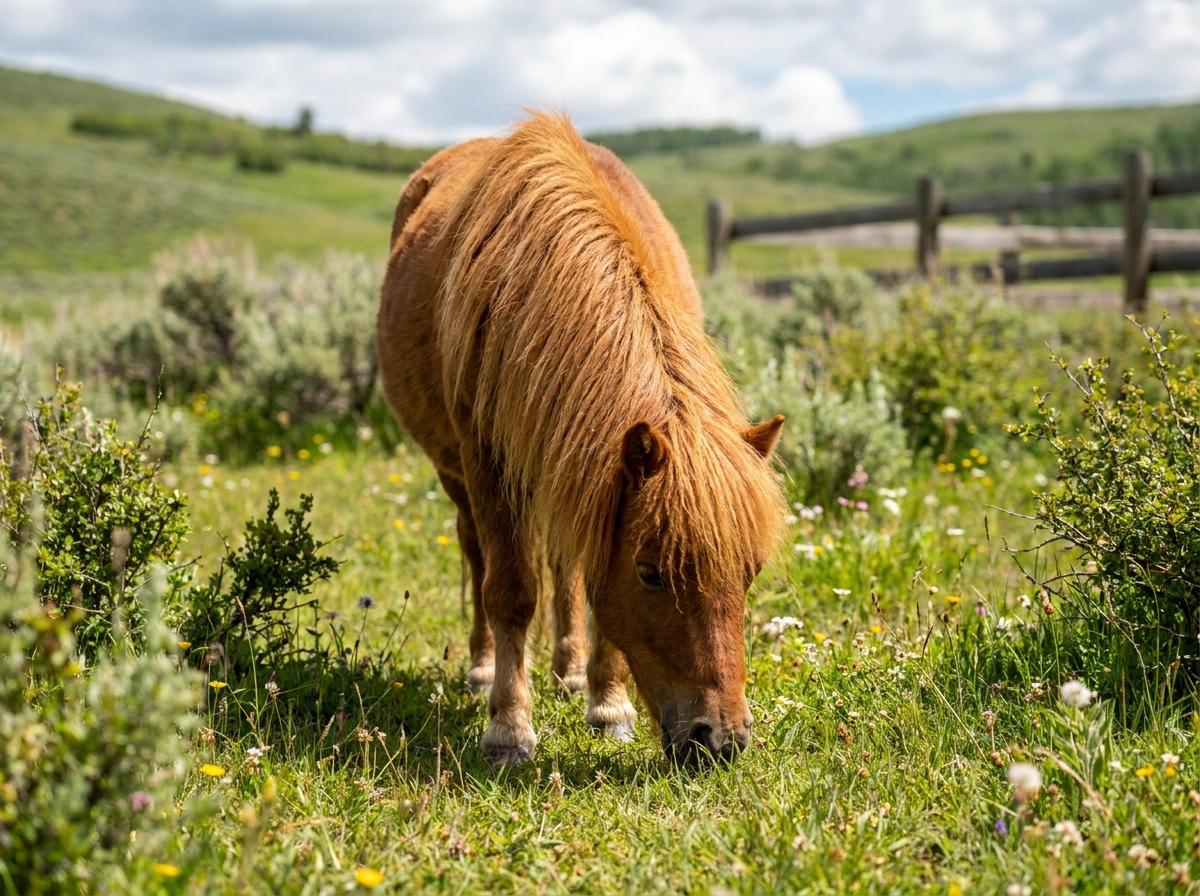
AI-generated illustration.
Keep the conservation breeding plan with each mare’s service history. The horse gestation calculator estimates a foaling date; veterinary pregnancy findings remain separate evidence.
Price and long-term costs
The horse cost guide separates the purchase price from continuing care, training and equipment costs.
The where-to-buy-a-horse guide helps compare private sales, breeders and other sources while keeping transfer paperwork clear.
Prices depend on training, age, soundness, registration and the circumstances of the sale. There is no reliable universal tariff for a Florida Cracker horse. Compare current candidates with similar experience and ask what documentation supports the advertised value.
Budget for ongoing ownership separately from purchase. Board or pasture management, forage, farrier care, veterinary visits, lessons and transport all need local estimates. University of Minnesota Extension’s horse budgeting guidance is useful for planning prevention and safe facilities rather than cutting essential care.
Before money changes hands, agree on the written sale terms, transfer paperwork and collection arrangements. Photograph identity features and keep copies of supplied documents. Start a dated care history as soon as the horse arrives, including changes to feed, turnout and training.
Compare before deciding
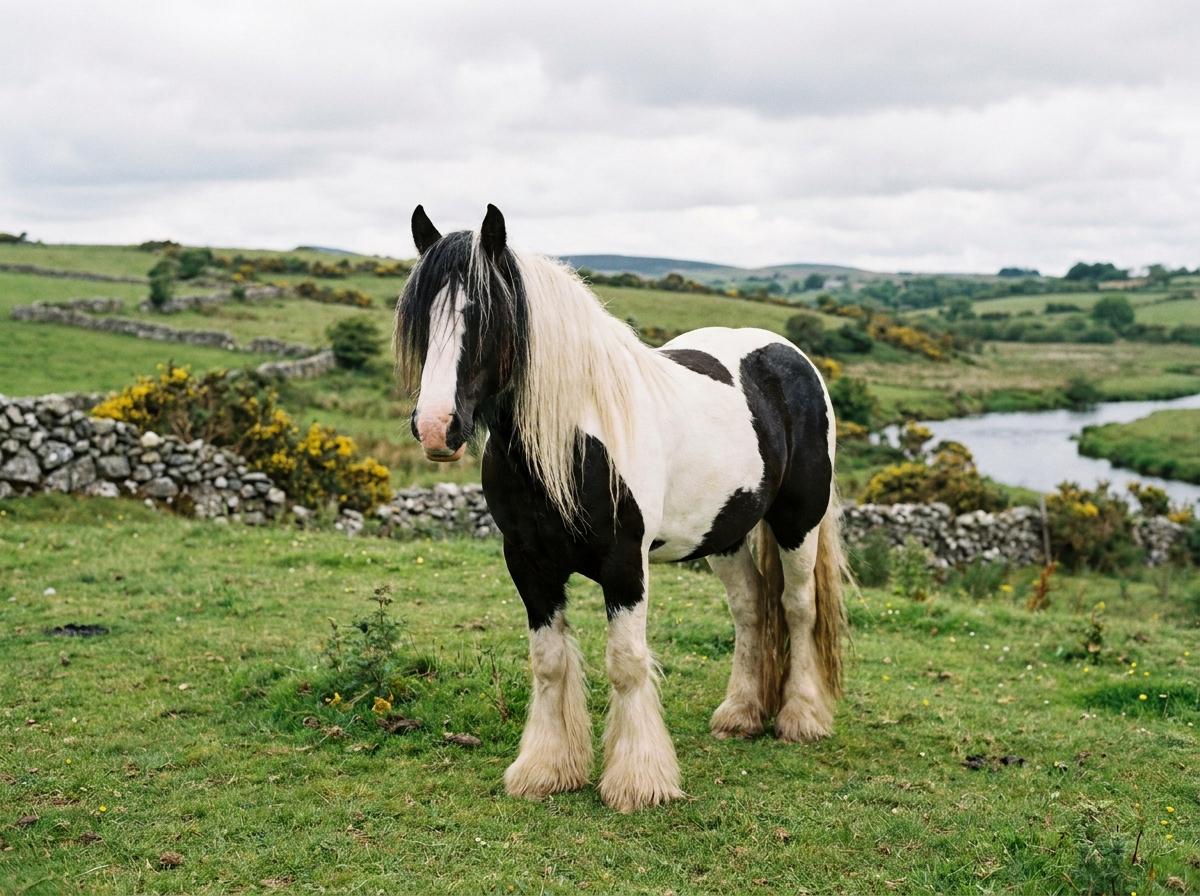
The horse guide provides the broader ownership picture. The Arabian guide offers another compact riding-horse comparison, while the Pinto horse guide explains why appearance alone does not establish ancestry or suitability.
Is every Florida Cracker horse gaited?
The breed includes horses with a smooth intermediate stepping gait, sometimes called the coon rack. The label does not guarantee how an individual moves: ask for a demonstration and assess the ride with qualified help.
Is a Florida Cracker horse just a small Quarter Horse?
No. The Florida Cracker Horse Association maintains it as a distinct Colonial Spanish breed. Check identity and registration when that distinction matters to your purchase.
Can it live outdoors?
Outdoor management can work when shelter, forage, water, companionship and safe conditions meet the individual’s needs. Local climate, health and the actual property should guide the plan with your veterinarian.
If compact working horses interest you, the garron guide offers another comparison while explaining why the name alone is not a modern performance guarantee.
Do this next on Creatures
Keep the animal’s identity, original documents and your dated observations together. Choose the next step that matches where you are in the process.
- Set up a Florida Cracker horse search alert. Get notified when new listings match, with help from the saved-search guide.
- Check current Florida Cracker horse listings; supply may be empty or change. Ask for the evidence relevant to your intended purchase.
- Start a Florida Cracker horse profile. No account is needed to start. The animal-profile guide explains the details.
- Add a care or breeding record. The form opens for visitors; a free account saves the record. Read the record guide before adding documents.
- Start a breeder or farm profile. The directory guide explains how a breeder listing works.
- Explore horse breeders to compare sources and prepare a careful introduction to the seller.