Palomino
Author: Elliott Garber, DVM · Updated
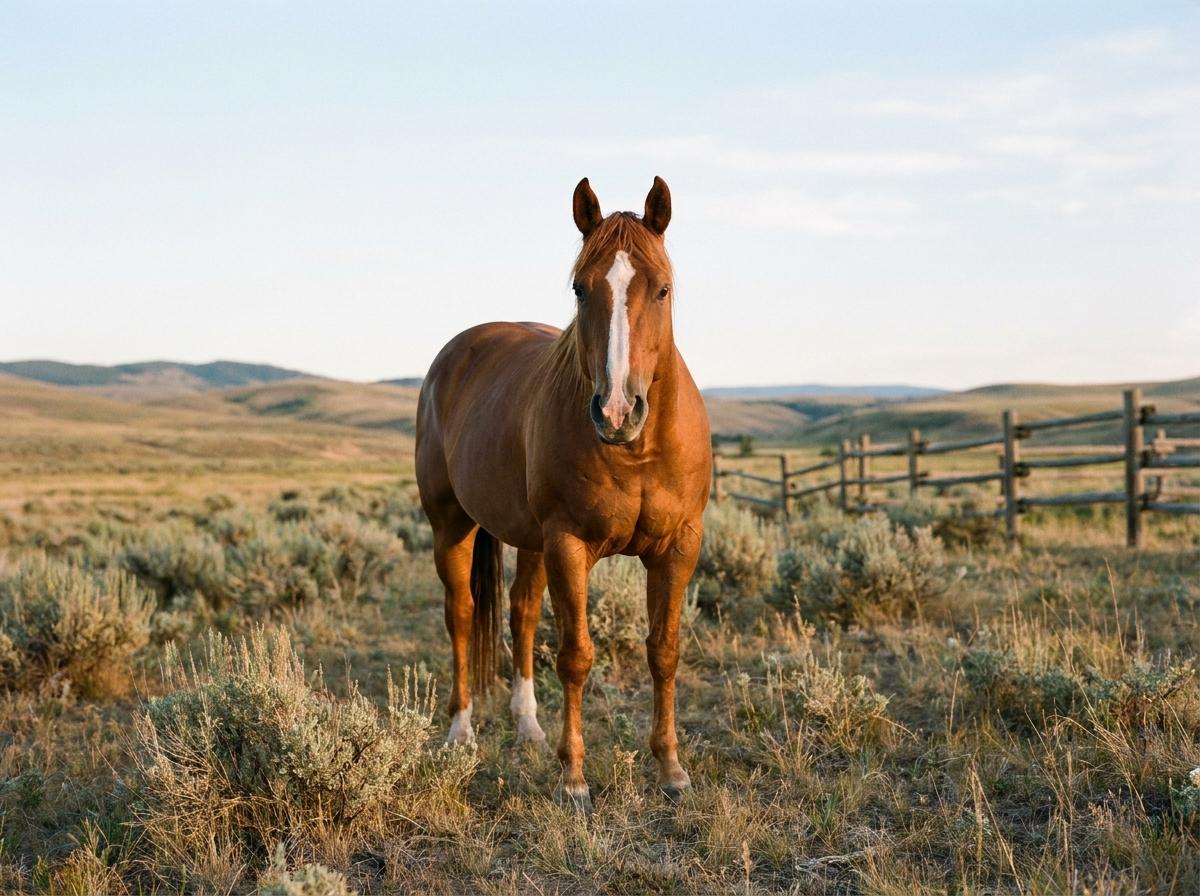
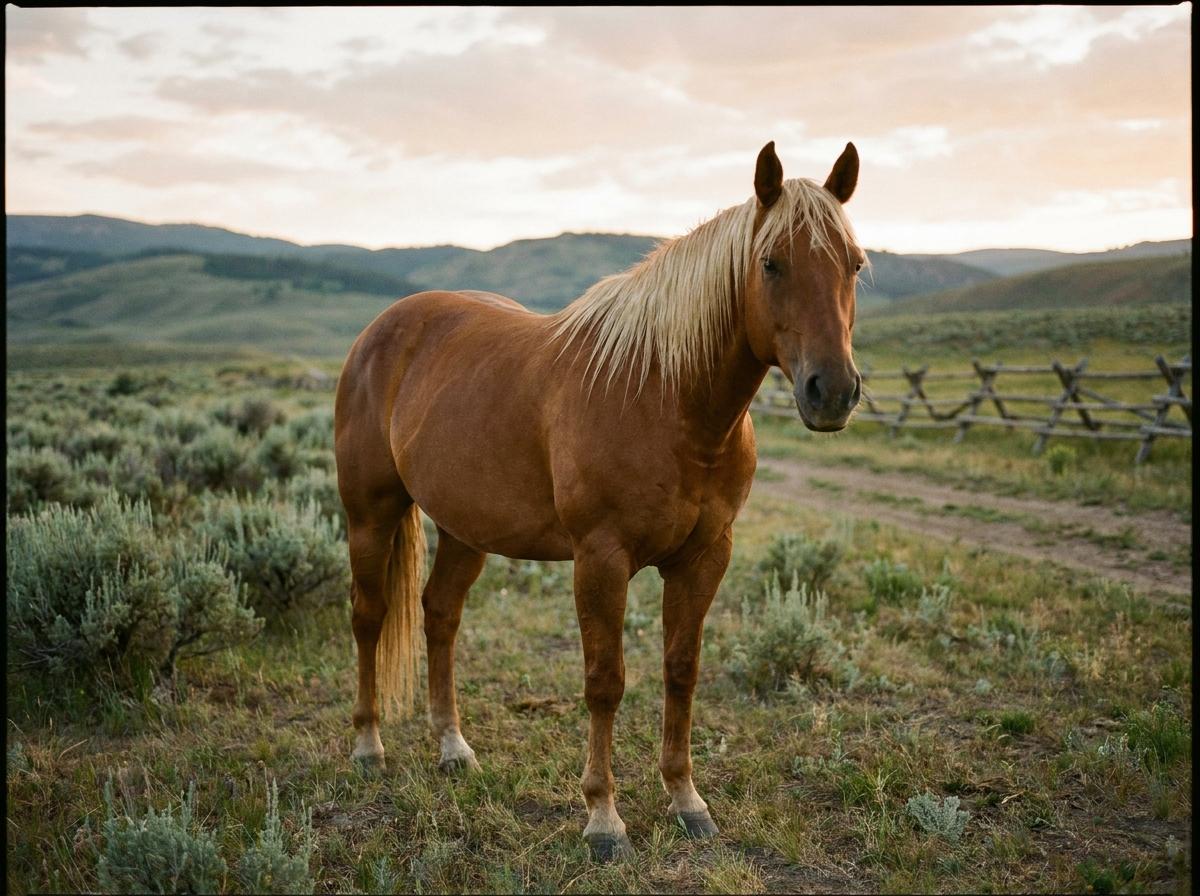
A palomino horse has a gold-colored body with a light mane and tail. Palomino describes a coat color, not one pedigree breed: the classic genetic combination is a chestnut base with one Cream copy. If you want to explore a pairing, the horse coat color calculator keeps appearance guesses separate from DNA results.
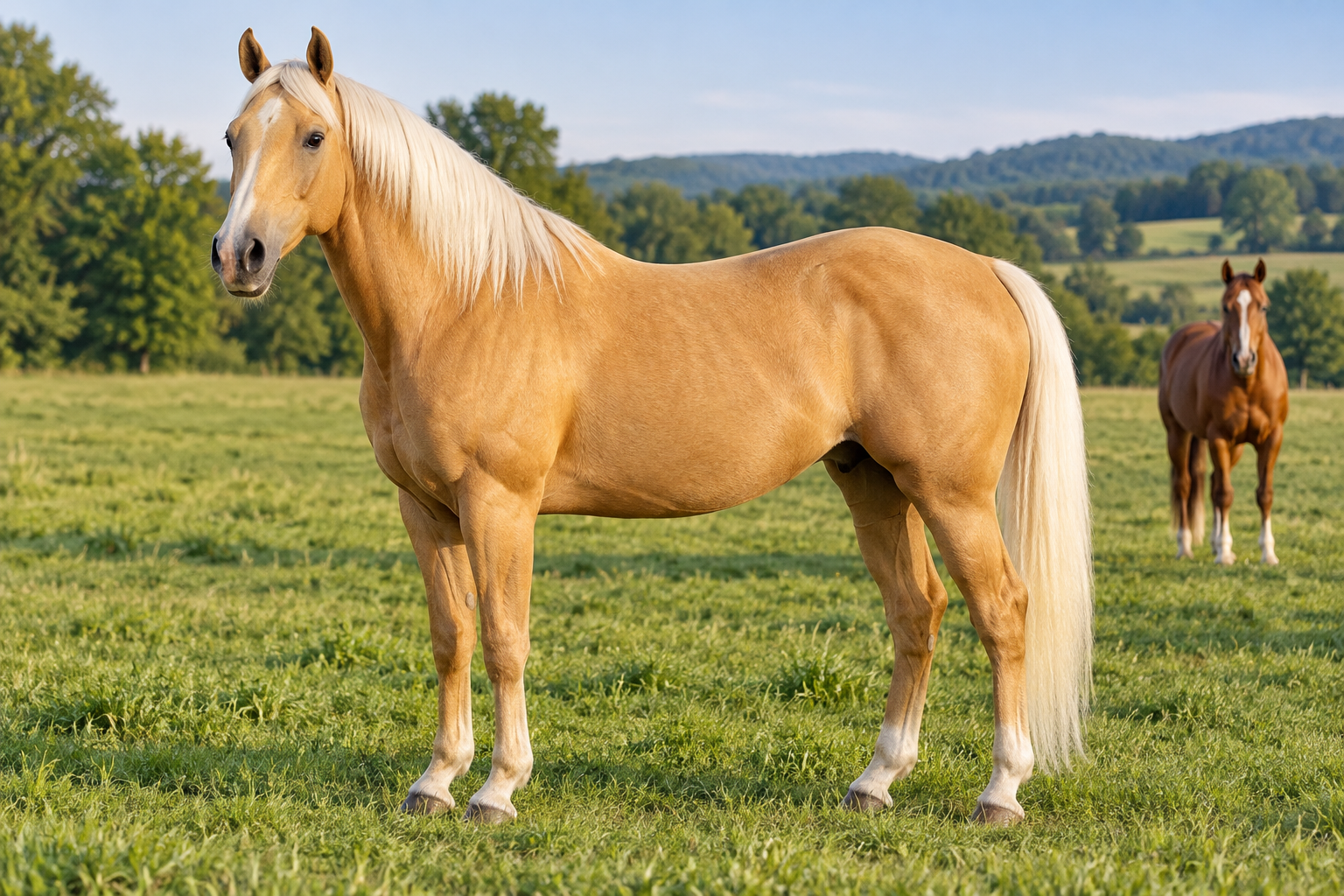
| Identity | A coat color found across horse backgrounds |
|---|---|
| Typical appearance | Gold body with a light mane and tail |
| Classic cause | Chestnut base plus one Cream copy |
| Useful evidence | Original Cream and base-color test reports |
| Registration | PHBA and PHA apply their own eligibility rules |
| Choosing a horse | Match the individual to your riding and management needs |
Browse listings, public profiles, breeders, or add your animal.
What makes a horse palomino?
The UC Davis Cream test identifies the Cream variant. On a chestnut base, one copy produces palomino; two copies produce cremello. The report uses N for non-Cream and Cr for Cream. A color description is useful for recognizing a horse, but the actual report is the evidence to use when entering a genotype.
Look at the whole horse in ordinary daylight. Record the body color, mane, tail, lower legs and any white markings. Keep the date and the original photograph rather than a heavily filtered social-media image. A photograph documents appearance; it cannot establish every allele the horse carries.
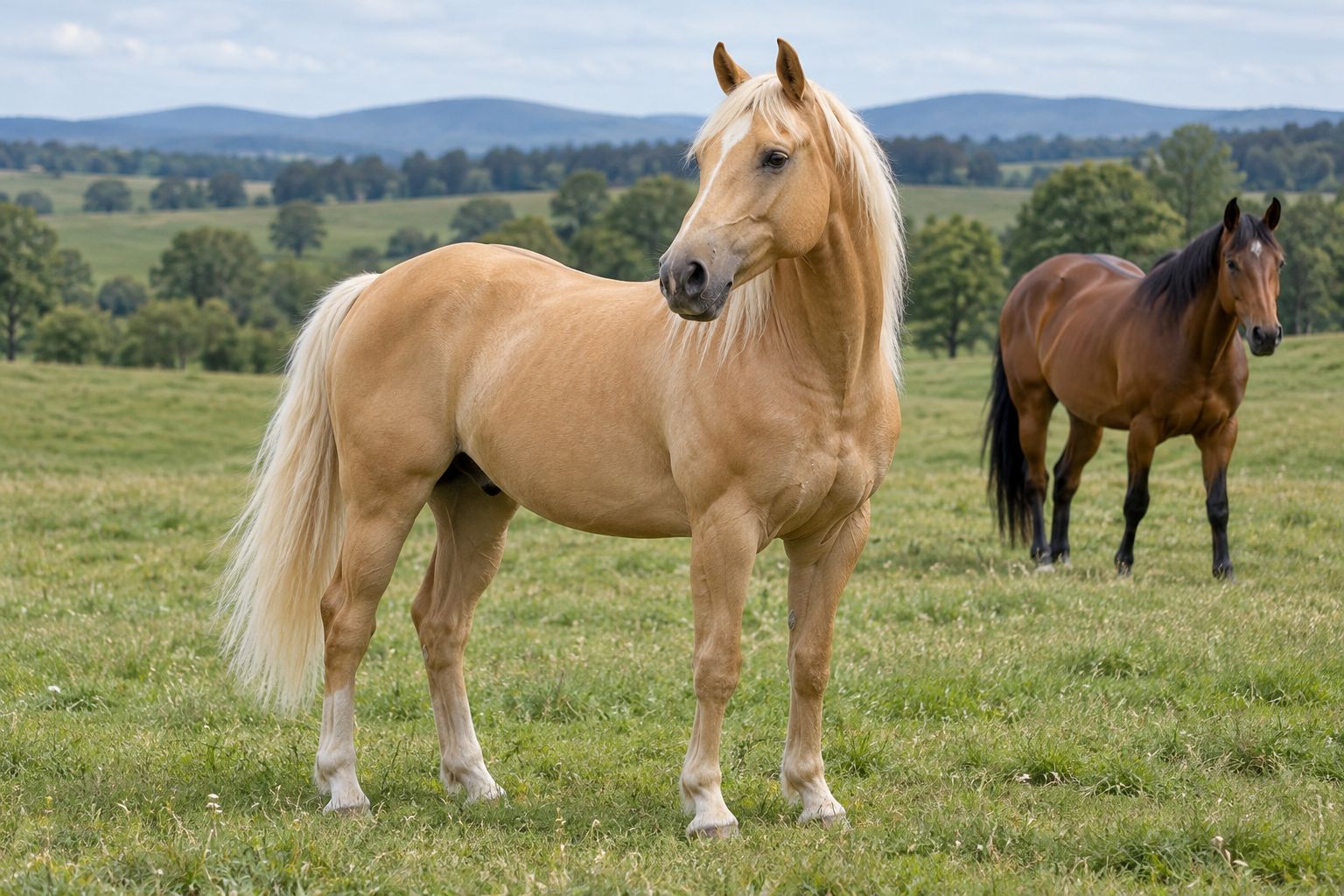
Palomino, buckskin or flaxen chestnut?
A buckskin usually has a tan body with dark mane, tail and lower legs. Palomino has the light mane and tail associated with Cream on chestnut. A light mane alone is not a Cream result: flaxen chestnut can create a similar first impression. The American Miniature Horse Association color chart describes chestnut and sorrel with a possible flaxen mane and tail. IFCE’s Cream explanation describes the relationship between base color and Cream dosage.
Do not assign a new gene to every shade. Pale and deep gold are useful appearance descriptions. If the question is whether a horse can pass Cream, order the relevant test rather than treating a shade name as a laboratory result. For the broader identification sequence, use the horse color chart and calculator guide.
Is palomino a breed?
The word alone does not give you a horse’s ancestry, height, gait or training. Ask for the underlying breed papers, when they exist, and identify the organization named on each certificate. A color-registry certificate and an ancestry registry certificate can describe different parts of the same horse.
The Palomino Horse Breeders of America (PHBA) has a regular registry governed by color, conformation, breeding and other requirements. Its 2026 to 2027 handbook, rules 500 to 507, describes the gold ideal, marking restrictions and a minimum 75% white mane and tail. Those are PHBA eligibility rules, not a genetic definition of all palomino horses. Its Palomino Bred program provides another route for eligible horses that do not meet regular-registry requirements; ask PHBA which route applies to the individual.
The separate Palomino Horse Association says it registers palominos across breeds on color and conformation and has a breeder certificate for cremellos. Its requirements are its own. Registration with one organization does not establish eligibility with another.
Before paying for a horse advertised as registered, obtain the actual certificate, check the registered name against identifying markings and ask about transfer paperwork. The horse pedigree papers guide gives a practical starting point. A horse pedigree chart organizes entered ancestry; it does not certify DNA parentage.
Will two palominos produce a palomino foal?
Not always. In the simple case where both parents are e/e, N/Cr and have no other color modifiers affecting the result, each can pass N or Cr. The four equally likely Cream combinations are N/N, N/Cr, Cr/N and Cr/Cr. That gives 25% chestnut, 50% palomino and 25% cremello per conception. This is a calculation for named inputs, not a promise for every pair of golden horses.
The palomino with palomino worked example lists its full reference panels. The palomino with chestnut example uses different inputs. Read the assumptions before borrowing its result. A previous foal is an observation, not a replacement for either parent’s test report.
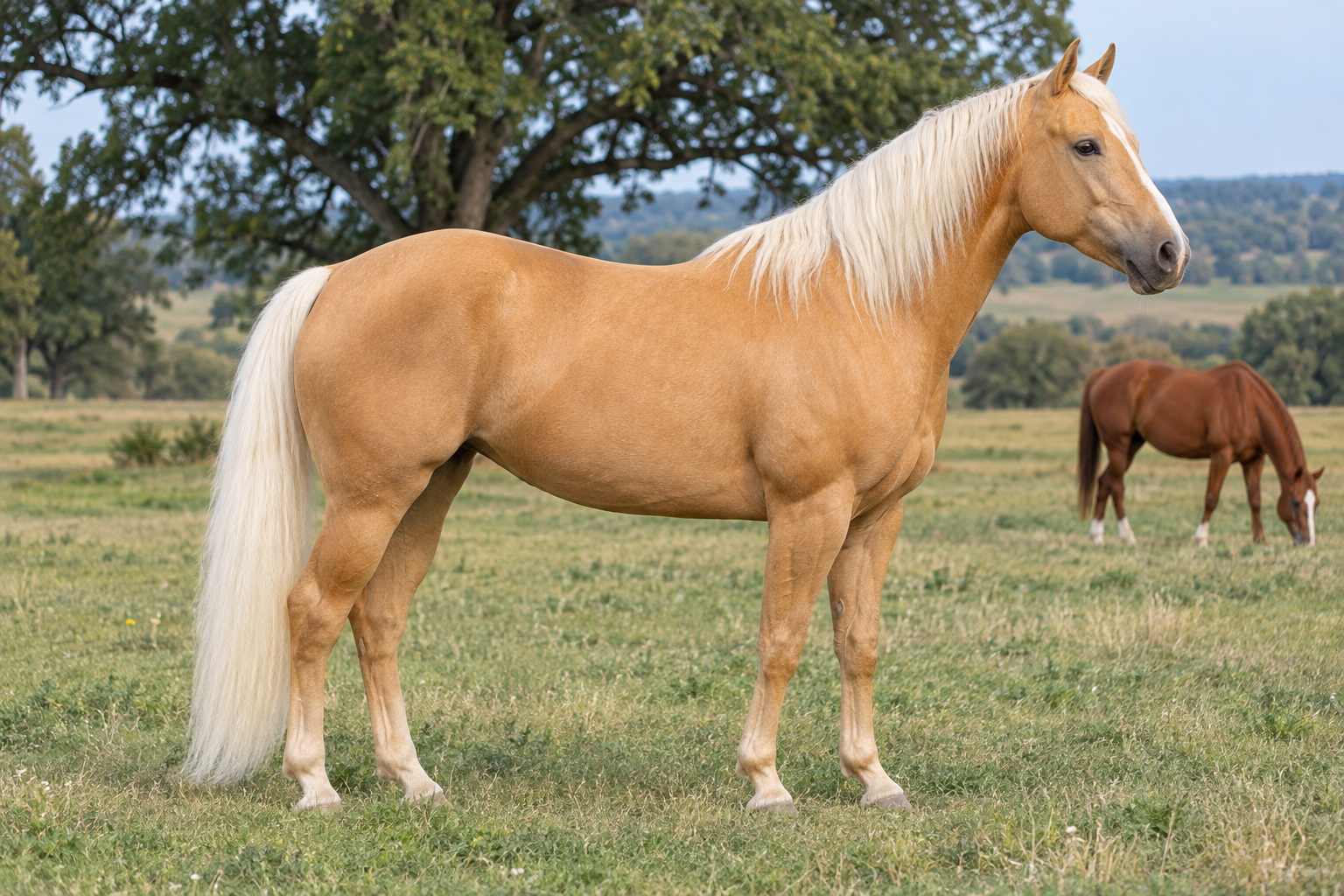
Choosing and keeping the individual horse
Start your search with the job: a novice rider’s lesson horse, a trail partner and a breeding prospect call for different evidence. Ask to see the horse doing the work you intend, with someone who can help assess whether it fits you. Request training history, known management needs, veterinary records and farrier records before you make the color the deciding factor.
The AAEP recommends a purchase examination tailored to the buyer’s intended use through a conversation with the veterinarian. A color result does not replace that examination. Discuss breeding suitability and any breed-specific health testing with your veterinarian rather than assuming a coat-color panel is a health clearance.
There is no useful single palomino purchase price to quote across all ages, training levels and breeds. Build a budget around the actual horse, boarding arrangement, transport and professional care. The where-to-buy-a-horse guide helps organize the buying process. Keep care decisions with your veterinarian and other qualified professionals, and retain their written recommendations.
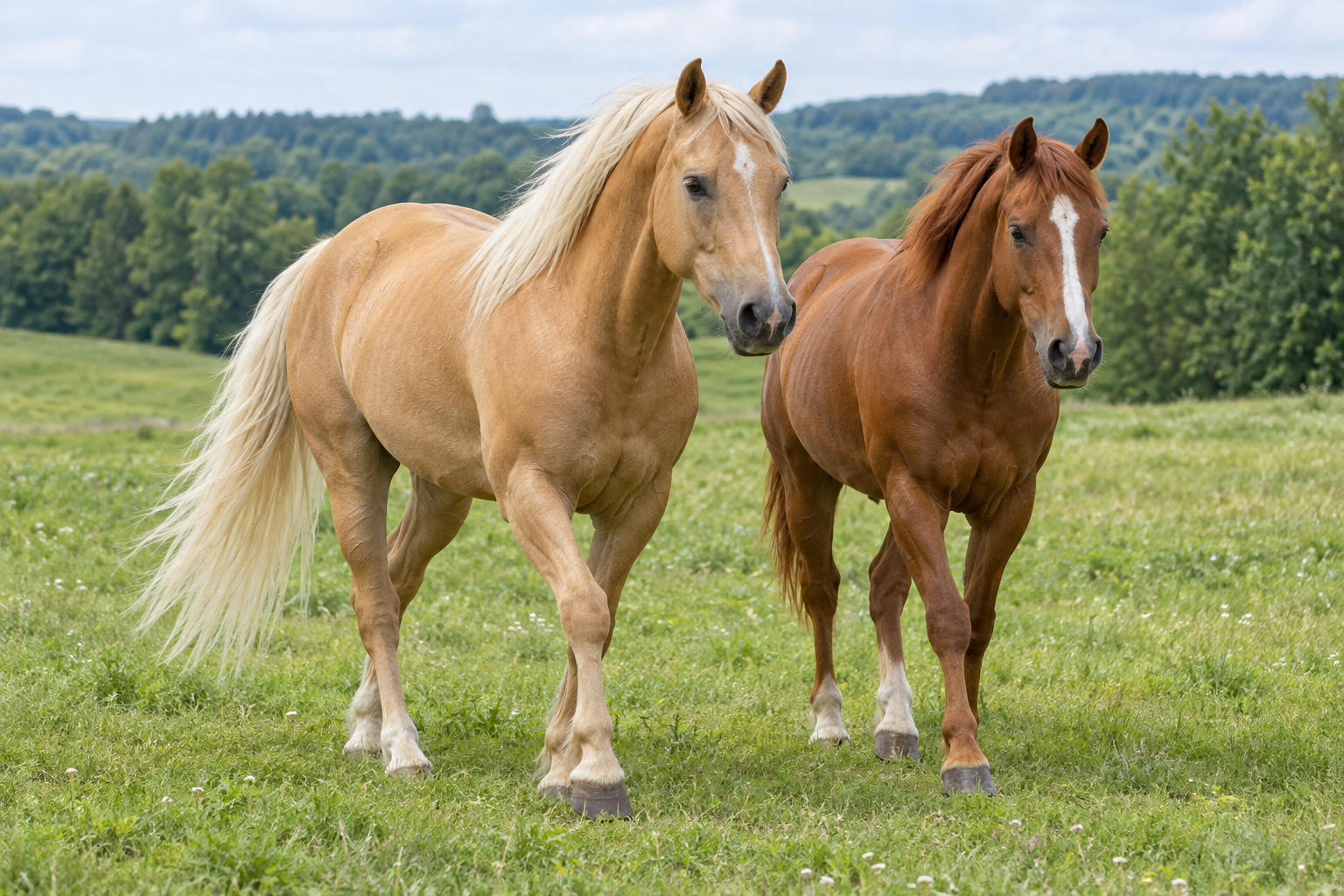
Keep color evidence on Creatures
Start with a horse profile, then save the original report with the horse’s identifiers and the sample date. Add dated photos separately. Label untested observations as observations, and retain the registry’s wording alongside your own description. The horse color DNA records guide explains a useful record structure.
Use the calculator for a two-parent question and the coat color visualizer to explore one horse’s supported genotype. Neither identifies a horse’s genes from the picture. If a result is unknown, leave it unknown.
Palomino questions
Can a palomino carry other color traits?
Yes. Cream does not describe the horse’s entire color panel. Other variants may change what is visible. Enter the reports you have rather than treating the coat name as a full genotype.
Is a cremello a very pale palomino?
They are different Cream dosage outcomes in the classic model: palomino has one copy on chestnut; cremello has two. See the cremello and perlino guide for the distinction.
Does a palomino certificate prove the horse will suit a beginner?
No. Review the horse’s actual handling, training and suitability with qualified help. The wider horse hub provides related ownership guides.
Do this next on Creatures
Keep the observation, the laboratory report and the registry certificate together, with each clearly identified.
- Add your horse. No account is needed to start. The animal profile guide explains the steps.
- Add a color observation or laboratory report. The form opens for visitors; a free account saves it. Follow the record guide. Saving a document does not verify its contents.
- Create a horse listing alert. Choose the search that fits your needs; an alert does not promise current stock. See saved searches and watchlists.
- Browse horse listings. Ask the seller for the evidence behind a color or registration claim.
- Browse the breeder directory to find programs to contact about their horses and records.
- Start a breeder or organization profile. The flow supports guest signup; the organization guide explains the setup.