Connemara Pony
Author: Elliott Garber, DVM · Published
The Connemara is Ireland’s native pony and the largest of the pony breeds: the breed standard of the Connemara Pony Breeders’ Society in Ireland sets its height at 128 to 148 cm (about 12.2 to 14.2 hands) at maturity, and US Equestrian describes American Connemaras as ranging from 13 to 15 hands. Gray is the most common color, the breed is famous for jumping and a sensible temperament, and in the United States it is registered and inspected by the American Connemara Pony Society (ACPS). Before you buy or breed one, you need to know about one inherited condition, hoof wall separation disease, which now has a DNA test. If you have a Connemara already, you can add it to Creatures with its papers, pedigree and hoof records, no account needed to start.
Connemaras are one of the pony breeds on the horse species hub, since ponies and horses are the same species. This guide covers where the breed comes from, what the standard actually says on each side of the Atlantic, how US registration and inspection work, the health and care points that matter most for a hardy easy keeper, and how to buy one with your eyes open.
| Origin | Connemara region, County Galway, west of Ireland; breed society founded 1923 |
|---|---|
| Height | 128 to 148 cm (CPBS breed standard, also used by the BCPS); taller ponies go in the CPBS Over Height class; ACPS allows mature ponies over 148 cm with a vet height record from age two |
| Colors | Gray most common; also dun, black, bay, brown, roan, chestnut, palomino and cream; no pinto patterns |
| US registry | American Connemara Pony Society: purebred, halfbred and Connemara Sport Horse books |
| Key health test | Hoof wall separation disease (HWSD), recessive; 14.8 percent of 324 unrelated ponies sampled were carriers (2015 study) |
| Maturity and lifespan | Full maturity around 5 years; can live well into their 30s (ACPS) |
| Known for | Jumping, eventing, dressage, driving and family riding for children and adults |
| On Creatures today | 15 Connemara breeders in the directory; no active listings |
Browse listings, public profiles, breeders, or add your animal.
Where the Connemara pony comes from
The Connemara takes its name from the rocky, boggy Atlantic coast of County Galway, where ponies worked small farms and lived on rough grazing. Its deeper origins are, as the British Connemara Pony Society puts it, “much debated and in many ways a matter of legend.” The best-known story, that horses from the wrecked Spanish Armada swam ashore and bred with native ponies, is a popular myth. The BCPS considers trade between the west of Ireland and Spain and Portugal a more likely route for Eastern blood, and records that estate owners in Connemara imported Arab horses to cross with local ponies as late as the eighteenth century.
By 1900 the stock had declined through hardship and indiscriminate crossbreeding. Professor James Ewart of Edinburgh University studied the ponies and reported in 1901 that their bone needed improving, but that any improvement had to preserve “the hardiness, vigour, stamina and docility of the ponies.” That advice shaped what came next. The Connemara Pony Breeders’ Society (CPBS) was established in Clifden in 1923 to preserve and improve the breed, inspecting and selecting the best stallions and mares as foundation stock. Its first studbook entry, the stallion Cannon Ball, was registered in 1924, and the society has run its annual pony show since its foundation. The CPBS describes itself as the parent society for the breed, with affiliated societies around the world, and its studbook has been kept continuously since 1923.
What the breed standard says
The standard you are judged against depends on where the pony is registered, and the biggest difference is height.
Height. The parent society’s own standard, in the CPBS Breeding Programme 2026, gives the height as 128 cm to 148 cm. The CPBS does not throw out taller ponies: a pony that meets every other criterion but measures above 148 cm can be recorded in its Over Height (OH) class. The British Connemara Pony Society, an affiliated society, uses the same 128 cm to 148 cm at maturity for inspections and showing. The American Connemara Pony Society’s inspection criteria use the same limits at inspection, 128 cm (12.2 and a half hands) to 148 cm (14.2 and a quarter hands), with allowances for mature ponies: any pony measuring 15 hands or over is presented with a veterinarian’s statement showing it was under the maximum height at age two. The ACPS’s own breed description puts American Connemaras at 13 to 15 hands, with 14 to 14.2 hands as the average, and US Equestrian’s Connemara page agrees on 13 to 15 hands. So a 14.3-hand (about 150 cm) Connemara is not unusual in the United States. It is over the 148 cm standard, so in Ireland it would be recorded in the CPBS Over Height class, and it is over the 14.2-hand limit for pony classes at US hunter and jumper shows.
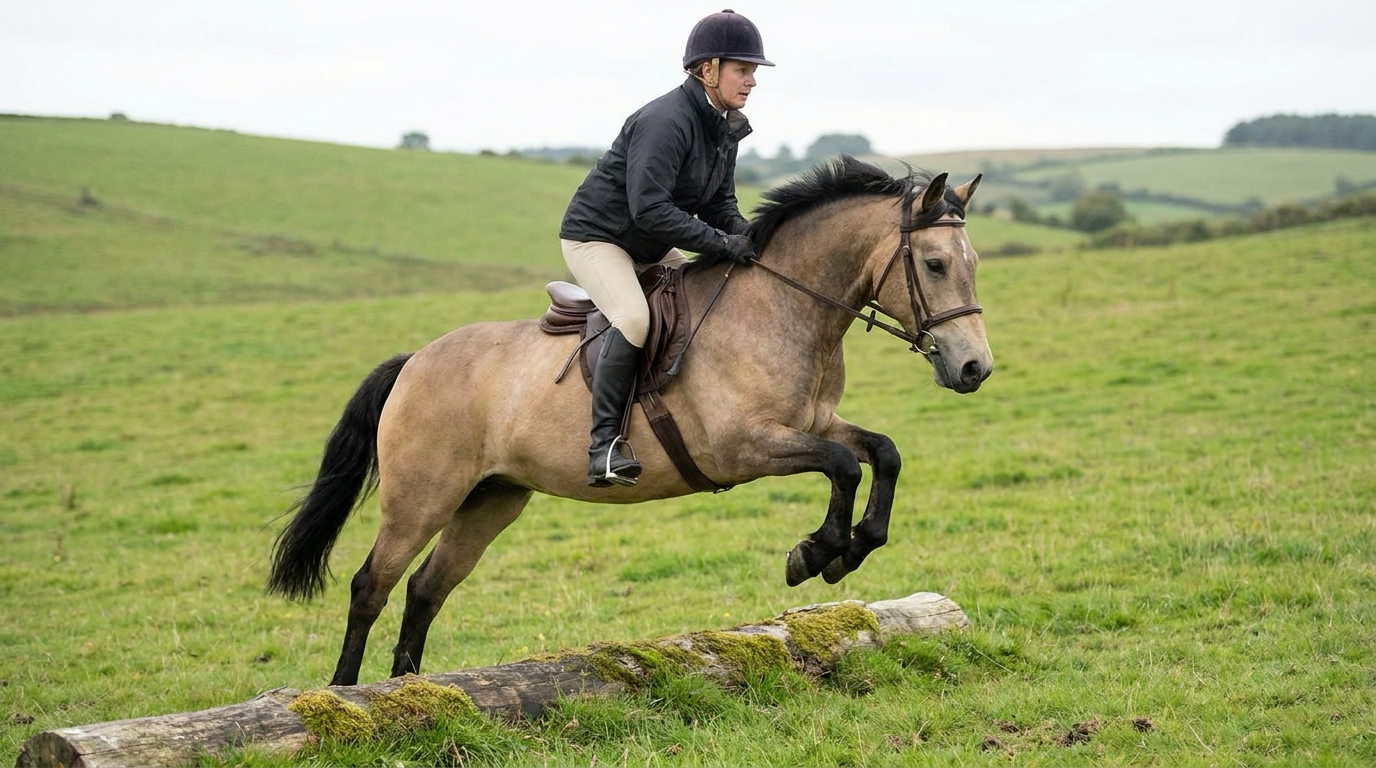
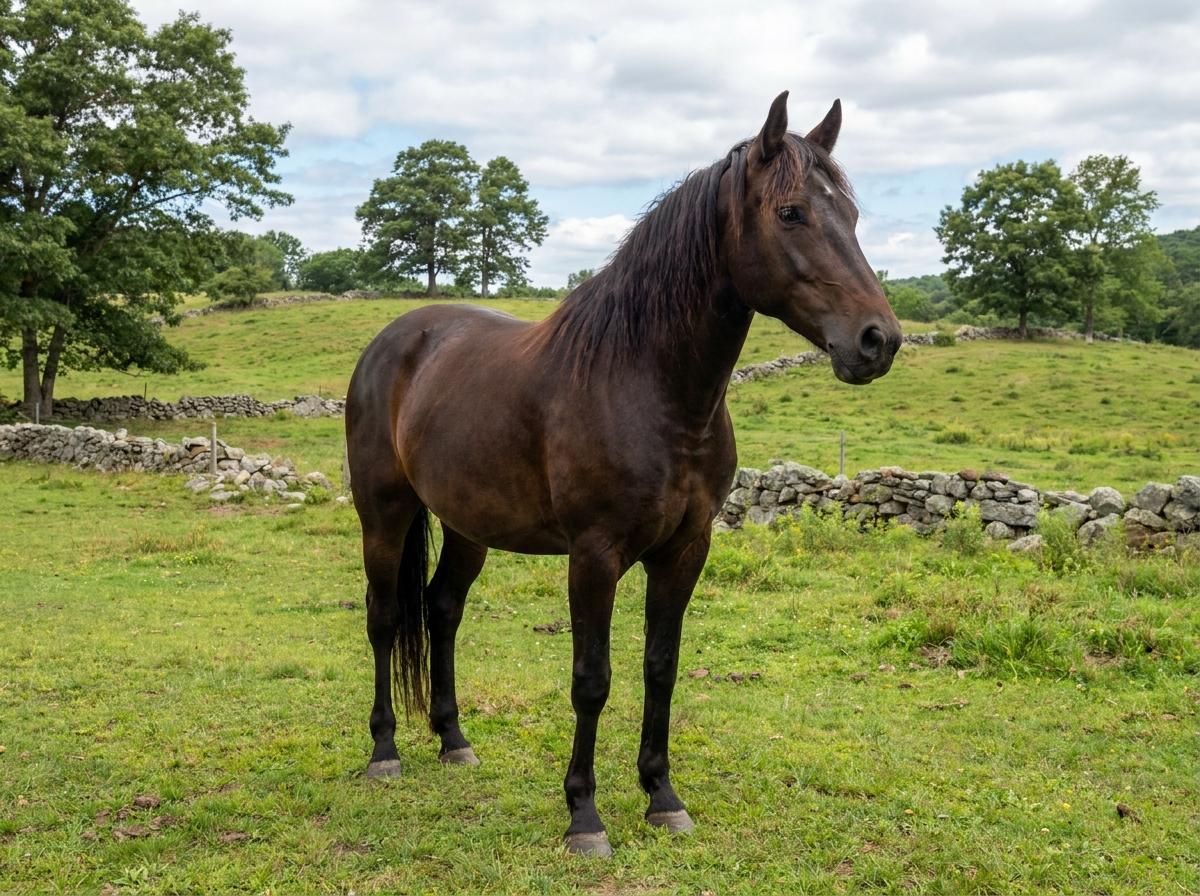
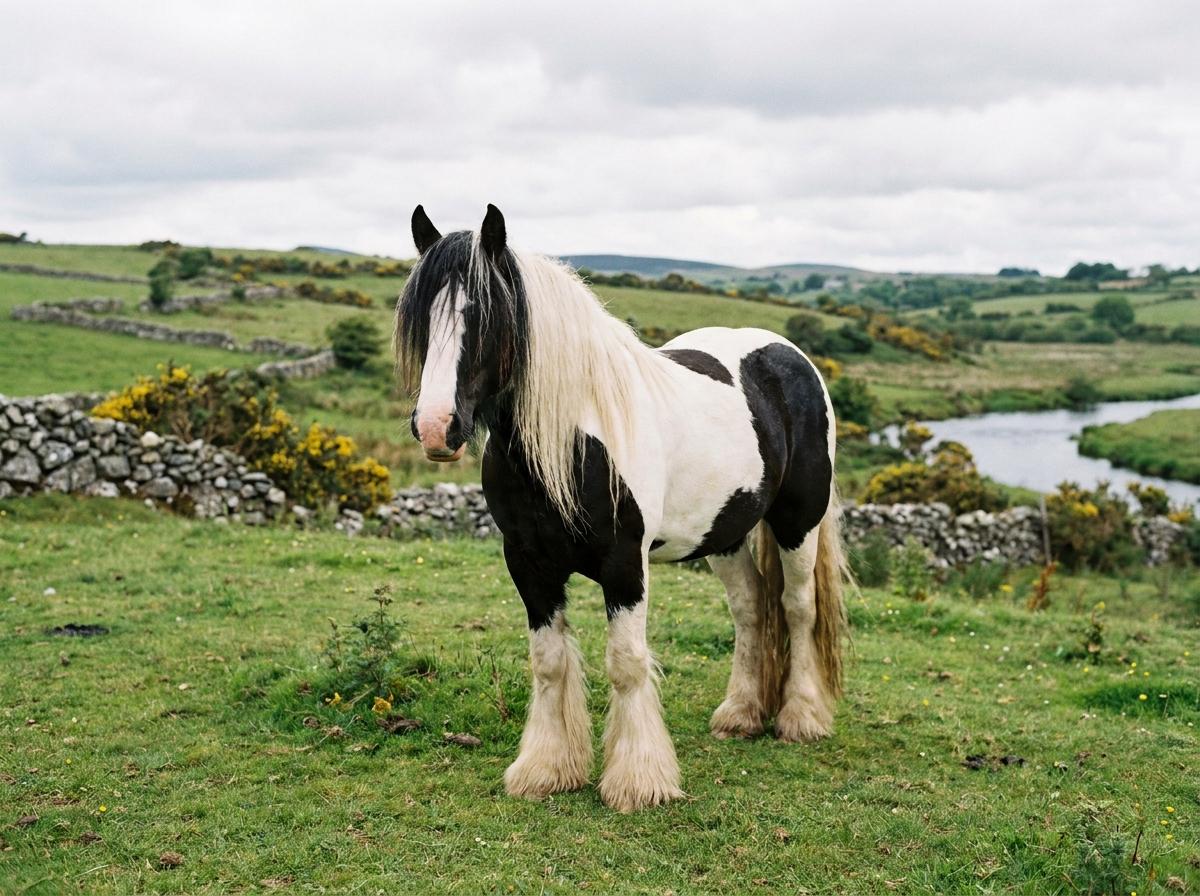
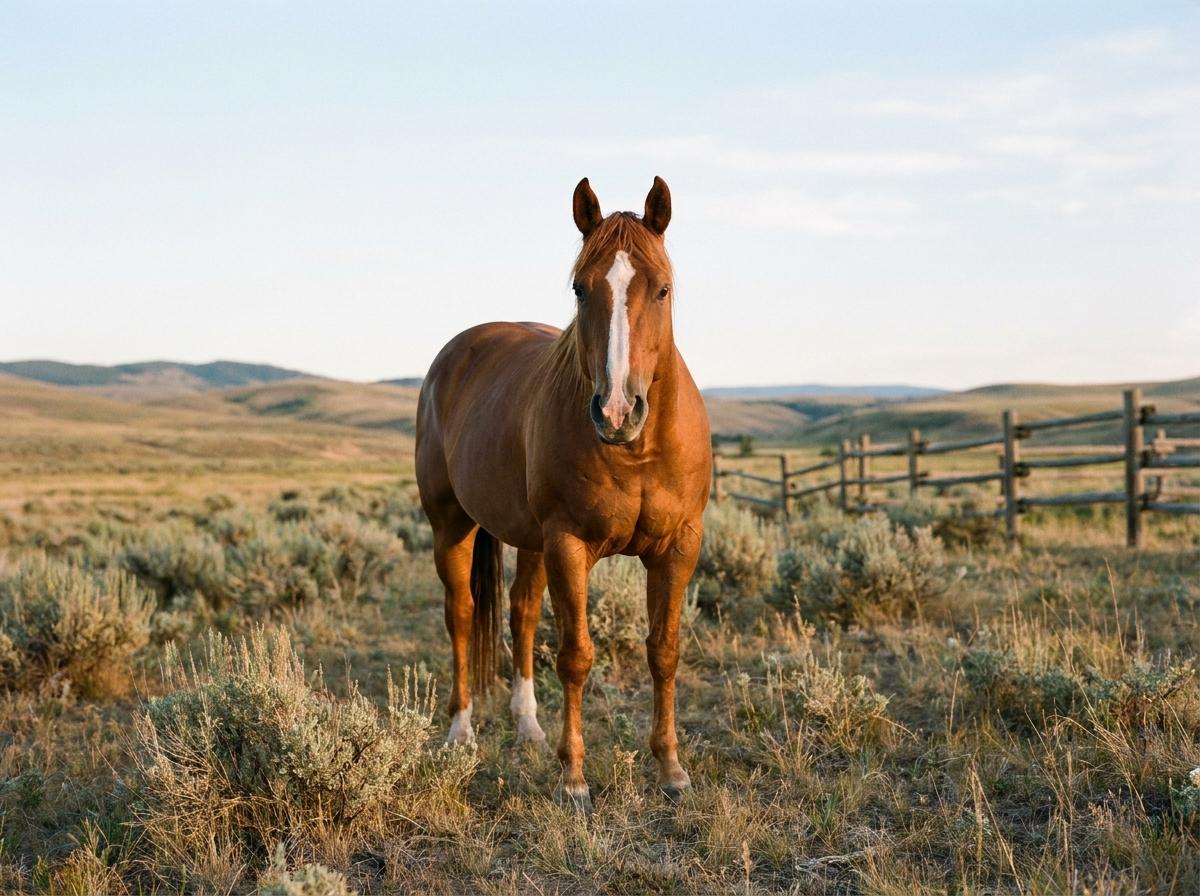
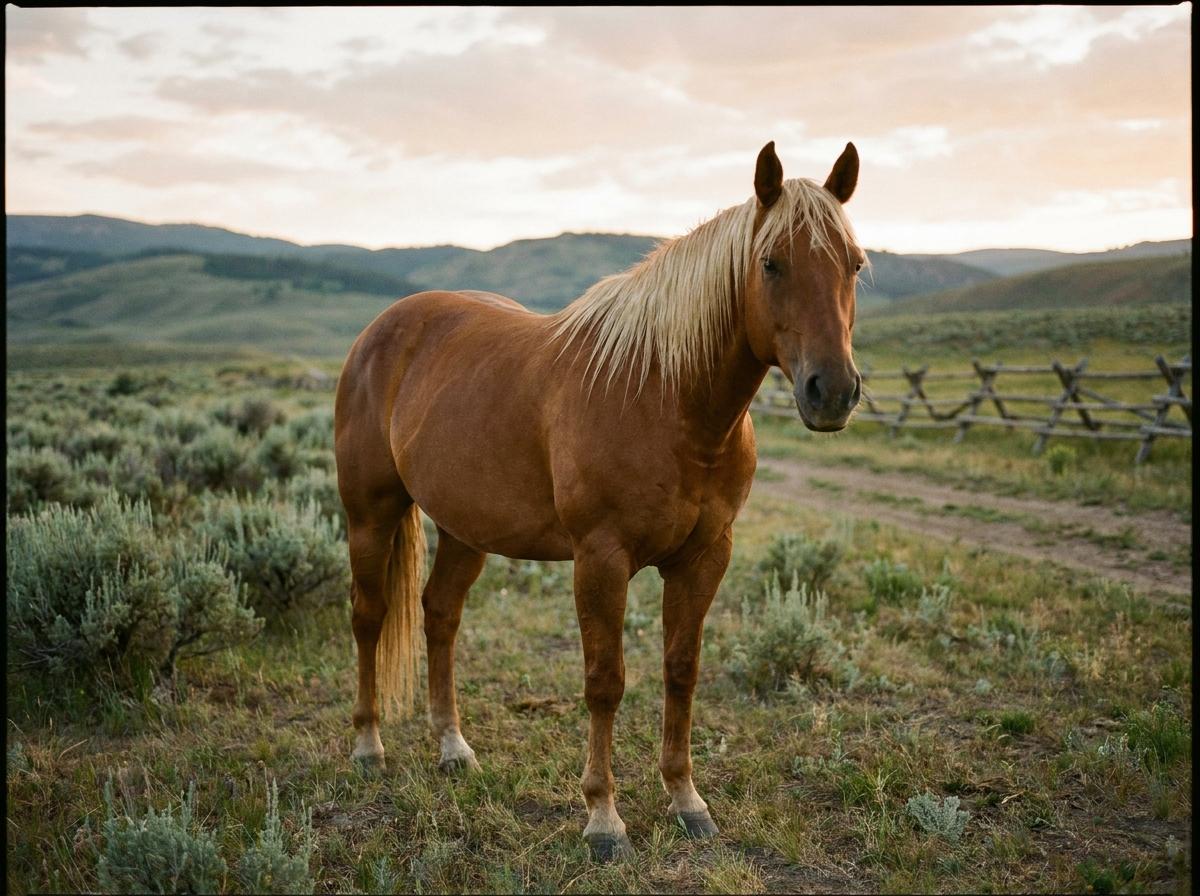
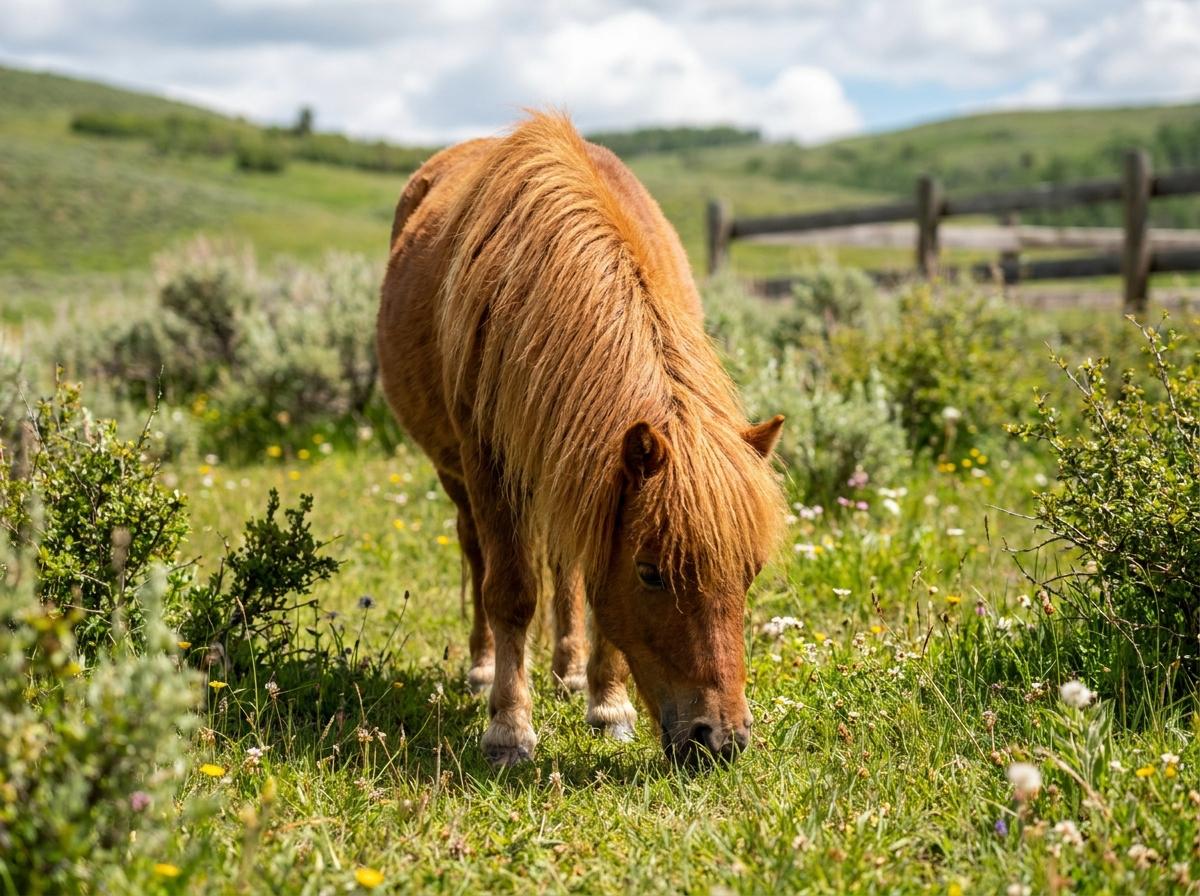
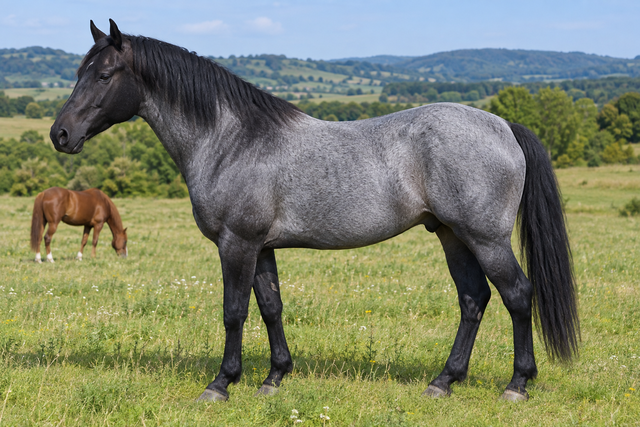
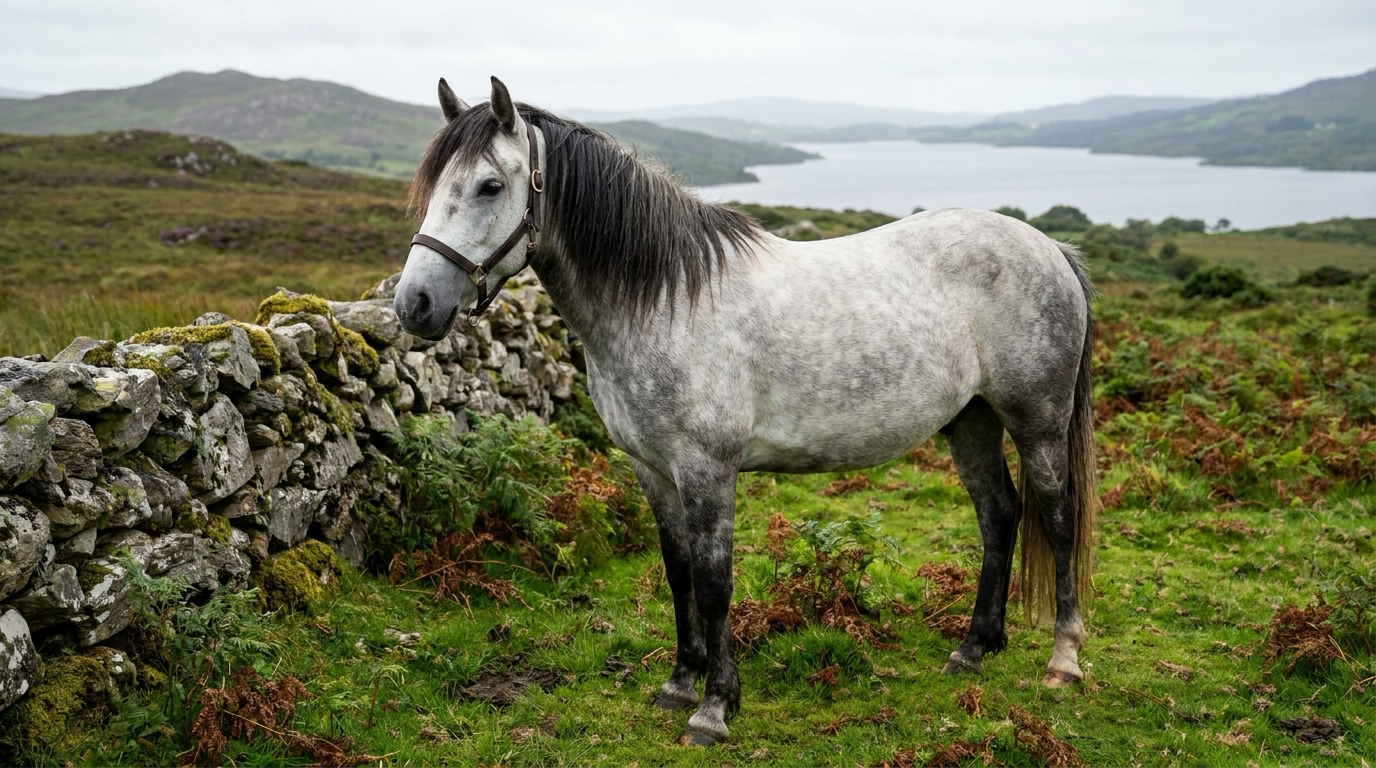
Colors. Gray dominates; US Equestrian calls it “the most common color in modern Connemaras.” The ACPS inspection criteria list grey, black, bay, brown, dun (buckskin), roan, chestnut, blue-eyed cream and palomino, and the BCPS standard adds dark-eyed cream. The ACPS describes gray and dun as the most common colors and notes that “paints are not acceptable.” Many gray Connemaras are born dark and lighten with age, which the gray horse guide explains, and the dun horse guide covers the breed’s traditional dun shades and primitive markings.
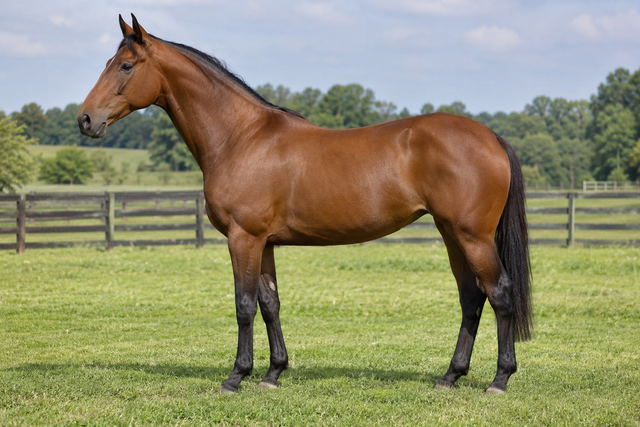
Conformation. The standard describes a pony that “stands on short legs, covering a lot of ground.” In the BCPS wording, that means a well-balanced pony head of medium length with good width between large, kindly eyes; a well laid-back shoulder giving a good length of rein; a deep body with a strong back and strong loins; and good length and strength in the forearm, well-defined knees and short cannons with flat bone. The ACPS inspection criteria measure that bone at 18 cm (about 7 inches) to over 21 cm (about 8.3 inches) below the knee, and want “feet hard, strong and well formed.” The ACPS adds that Connemaras move freely with little knee action, in large strides for their height.
Maturity and lifespan. Connemaras are late to mature. The ACPS says full maturity comes at five years of age, sometimes older, recommends inspecting a pony at three or older, and notes that the breed can live well into its thirties.
Temperament and what Connemaras do
Breed people describe the Connemara’s disposition first. The ACPS calls a gentle disposition the breed’s most outstanding characteristic, followed by its ability to adapt to almost any job. US Equestrian credits the breed’s “temperament, intelligence, and sensible nature,” and notes that purebreds and part-breds compete up to the top levels of eventing, dressage, jumping and combined driving.
That combination explains the breed’s place in the market. A Connemara is big and strong enough to carry a small adult, small enough to suit a teenager, and athletic enough to be competitive against horses. Common jobs include:
- Jumping and eventing. The breed’s jumping ability is its reputation; the ACPS describes ponies that “often beat horses 16 hands and over.”
- Dressage. Its rectangular build and free movement suit it.
- Pony Club and family riding. A sensible, sure-footed pony that can be shared between family members.
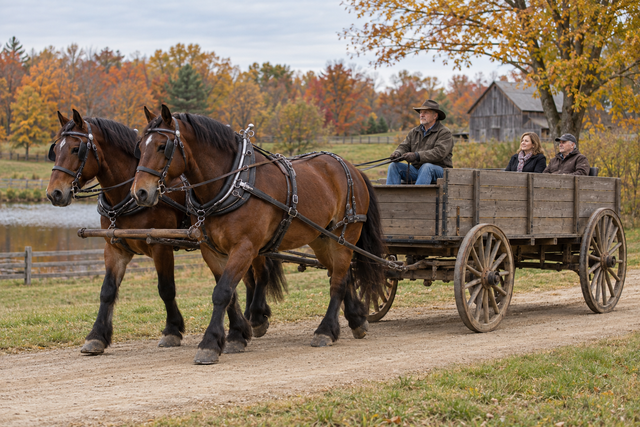
- Driving and trail. Hardy, sound feet and stamina from its upland origins.
Sensible is not the same as dull. A Connemara that is clever and under-worked will find its own entertainment, so regular work and clear, consistent handling suit the breed better than treating it as a large child’s pet.
Registration and inspection in the United States
The ACPS registration page explains a system with three books:
- Purebred: both parents registered purebred Connemaras.
- Halfbred: at least one parent a registered purebred.
- Connemara Sport Horse: no less than one-quarter Connemara, from registered halfbred parentage.
Every animal is DNA sampled, and stallions need a veterinary certificate and a hoof wall separation disease result on file before their offspring can be registered.
Two-step registration for purebreds. A foal gets a Temporary Foal Certificate (TFC) after birth, which includes a DNA test, a microchip and a US Equestrian lifetime number. At rising three, the TFC goes back to the registrar with updated color, height and markings, and the pony receives its permanent certificate for life, with transfers recorded on the back. When we checked on October 31, 2026, the ACPS listed member fees of $125 for a TFC within six months of foaling ($150 after), $30 for permanent registration with a TFC ($185 without), $250 for a two-year-old stallion and $500 for a stallion three or older, with fees doubled for non-members. Transfers cost $30 within 30 days of a sale.
Inspection is voluntary but valuable. The ACPS inspection FAQ explains that inspectors evaluate type, temperament and conformation at a stand, walk and trot, and that approved ponies receive a gold seal on their permanent papers; the society keeps a public list of inspected and approved ponies. All purebreds born in the US can be registered whether or not their parents passed inspection, and geldings can be inspected as an educational service. For a buyer, an inspected and approved mare or stallion is an independent opinion on conformation.
A horse pedigree chart is a free, quick way to lay out a Connemara’s lines from its papers, and the guide to checking horse pedigree papers covers what to look for on any registration certificate.
Health: hoof wall separation disease and the easy keeper’s risks
Connemaras are generally hardy, sound ponies. The health issues worth understanding before you buy are one inherited disease and the problems that come with an easy keeper’s appetite.
Hoof wall separation disease (HWSD)
HWSD is an inherited defect of the hoof wall. In the ACPS’s HWSD FAQ, it is described as a hoof wall that “easily breaks and cracks,” beginning in young ponies, while the coronary band looks normal; in severe cases the pony bears weight on its soles and becomes badly lame. It is present from birth, cannot be cured and is notoriously difficult to manage.
Researchers at the University of California, Davis identified the cause in 2015. In PLoS Genetics, Carrie Finno and colleagues linked the disease to a variant in the SERPINB11 gene, described signs that begin in the first year of life, and found that parents of affected ponies were normal, consistent with recessive inheritance. They genotyped 369 Connemara ponies, and in a subset of 324 ponies unrelated to the affected animals they estimated a 14.8 percent carrier frequency.
What that means in practice:
- N/N ponies carry no copy and cannot pass it on.
- N/HWSD ponies are healthy carriers and pass the variant to about half their foals.
- HWSD/HWSD ponies are affected.
The ACPS’s guidance on safe matings is simple: N/N to N/N is always safe, and N/N to N/HWSD produces no affected foals (though about half will be carriers). The risk is breeding two carriers together. The ACPS now requires HWSD status for registration of purebreds, halfbreds and Connemara Sport Horses, so ask any seller for the result and check it against the papers. If either parent’s status is unknown, a test is a small cost (the ACPS lists the DNA test at $40) next to a lame pony.
Weight, laminitis and hyperlipaemia
The ACPS calls Connemaras easy keepers that “do not require a rich diet to stay healthy and fit.” That is a virtue on a Galway hillside and a risk on rich pasture. University of Minnesota Extension found ponies in its bodyweight study carrying more condition than Thoroughbreds and warmbloods, and lists insulin resistance, equine metabolic syndrome and laminitis among the consequences of excess weight; the laminitis guide covers the warning signs. The Donkey Sanctuary’s hyperlipaemia guidance names some native pony breeds as particularly susceptible to that dangerous fat-in-the-blood condition, which is why a pony on a diet must lose weight slowly and a pony that stops eating needs a vet the same day.
The cheapest prevention is measuring. The free pony weight calculator turns a heart girth and body length into an estimate, and the pony weight guide explains how accurate that is and how to pair it with a body condition score.
Caring for a Connemara
Connemara care is ordinary good horse care, adjusted for a thrifty pony.
Forage first, and not too much of it. Most Connemaras do well on hay or grazing with limited rich grass. A grazing muzzle or a dry lot in spring, weighed hay, and regular work keep weight in check. Your veterinarian can tell you whether yours needs anything beyond forage and a basic mineral source.
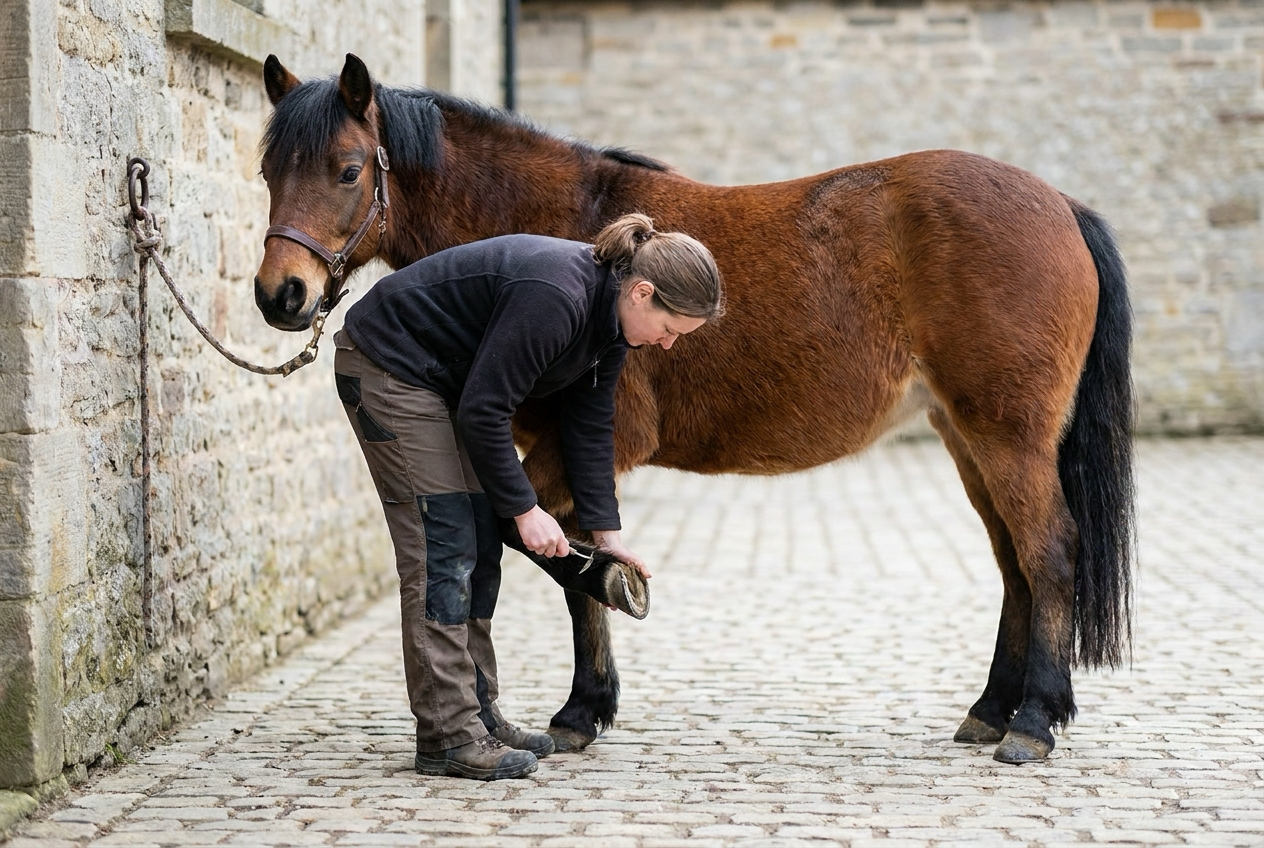
Hooves. Good Connemara feet are a breed trait, but they still need a farrier every few weeks for life, and any cracking or breaking in a young pony should be checked with HWSD in mind. The horse hoof care guide covers the schedule, and farrier records keep each visit and photo on the pony’s profile.
Company. Penn State Extension’s fence planning guide reminds owners that “horses are herd animals, usually desiring other equine companions.” A Connemara needs a friend in the field.
Routine health. Vaccines, dental care, deworming by fecal egg count and a Coggins test when required for travel or sale follow the same plan as any horse; the core horse vaccine guide and Coggins test guide cover them, and your veterinarian sets the schedule for your area.
Breeding Connemaras
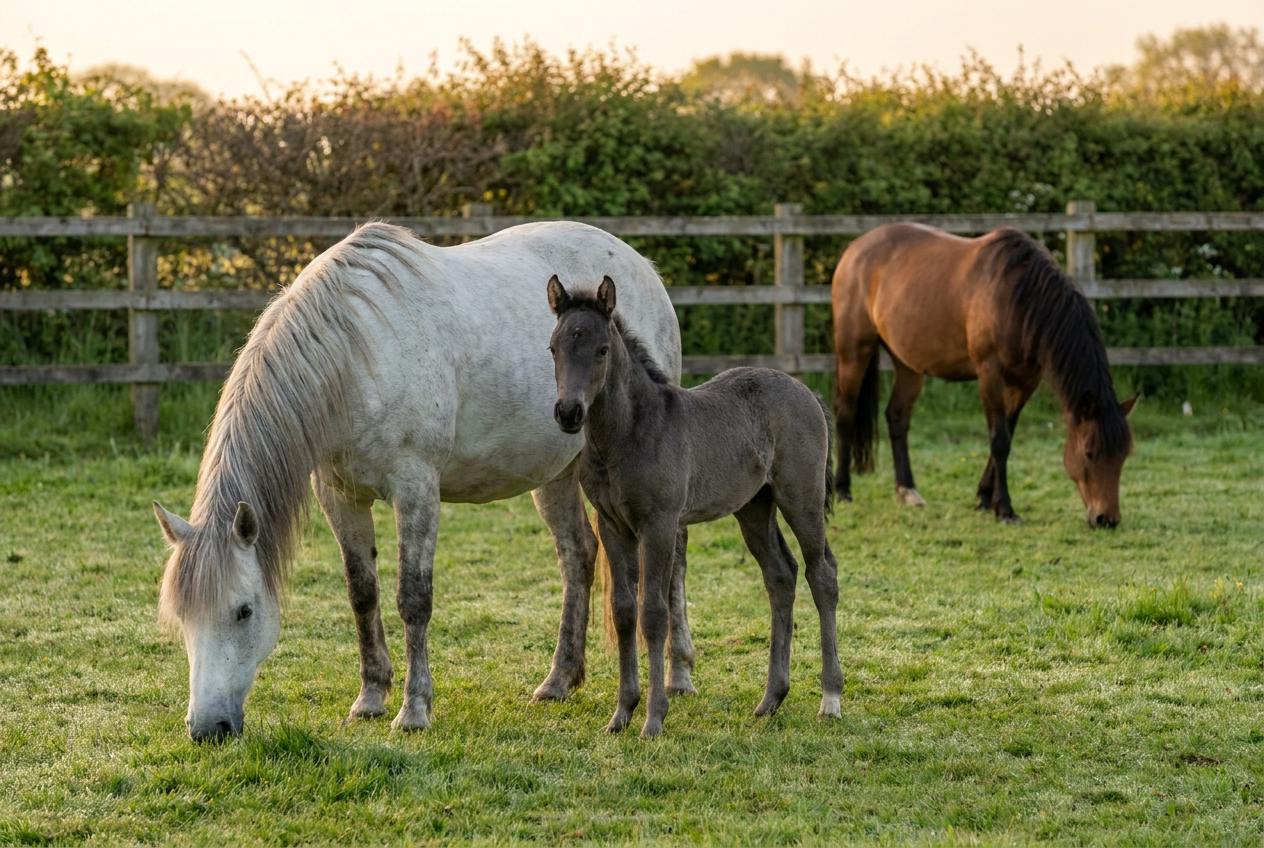
If you plan to breed, three things come first: both parents’ HWSD status, the registry’s paperwork, and realistic expectations for a late-maturing breed.
- Test before you breed. The ACPS says you must know the HWSD status of any mare or stallion with Connemara in its pedigree before breeding. Never breed two carriers.
- Follow the registry’s rules. The ACPS requires a signed stallion service certificate or AI certificate, one stallion per season unless the mare has a vet exam and ultrasound on file, and registration of stallions and mares before their foals can be registered.
- Plan the dates. The free pony gestation calculator projects a foaling date and planning window from the breeding date. The mare heat cycle guide covers timing, and the foaling guide covers the birth. Your veterinarian should be part of the plan from the first breeding.
On Creatures, recording the breeding on the mare’s profile gives you the projected foaling date and milestones on her Breeding tab, and the foal’s profile links to both parents’ pedigrees; recording a breeding shows how.
Buying a Connemara
What they cost. There is no published price series for Connemaras. The Creatures Livestock Value Calculator, checked on October 31, 2026, found fewer than 25 auction sales matching Connemara Pony, so it falls back to all horse sales: $4,200 to $16,500, median $7,500, from 2,735 sales that are mostly Quarter Horses. That range is context, not a Connemara price. Training, age, papers, inspection status, HWSD status and competition record set the price of a real pony, and our guide to how much a pony costs covers the purchase and the yearly budget that follows.
What to check.
- Papers and registry. Ask which book the pony is in (purebred, halfbred or Connemara Sport Horse) and see the certificate. Check for a gold inspection seal or look the pony up on the ACPS list of inspected ponies.
- HWSD status. Ask for the result, or confirm both parents are N/N. For a breeding prospect this is not optional.
- Height. If you want to show in pony classes, have the pony measured; a Connemara over 14.2 hands shows as a horse in the US hunter and jumper ring.
- Feet, weight and soundness. Pay for your own veterinarian’s pre-purchase exam, with attention to the hooves and to signs of metabolic disease. The guide to where to buy a horse explains what the exam covers.
- Temperament in practice. See the pony caught, tacked up, ridden and handled for the farrier.
Where to find one. Creatures lists 15 Connemara breeders in the breeder directory, and there are no Connemaras for sale on the marketplace right now, so a free listing alert is the way to hear about the next one. When you find a pony, ask the seller to share its Creatures profile so you can see its records before you travel.
Frequently asked questions
How tall is a Connemara pony?
The breed standard of the Connemara Pony Breeders’ Society, also used by the British Connemara Pony Society, gives 128 to 148 cm (about 12.2 to 14.2 hands); taller ponies go in the CPBS Over Height class. American Connemaras range from 13 to 15 hands, according to the ACPS and US Equestrian, with 14 to 14.2 hands as the ACPS average.
Is a Connemara a pony or a horse?
A pony breed, and the largest of them. Some American Connemaras mature over 14.2 hands and then show as horses in US hunter and jumper classes, but they are still registered Connemara ponies.
Can adults ride Connemara ponies?
Yes. US Equestrian describes them as suitable mounts for children and adults alike, and many small and medium-sized adults ride and compete them. Match the individual pony’s size and strength to the rider.
What colors are Connemara ponies?
Gray is the most common, followed by dun. Black, bay, brown, roan, chestnut, palomino and cream also occur. Pinto patterns are not accepted.
What is HWSD in Connemaras?
Hoof wall separation disease, an inherited recessive condition that makes the hoof wall break and crack from a young age. A DNA test identifies carriers, and the ACPS requires HWSD status for registration. In a 2015 study, about 15 percent of the unrelated ponies sampled were carriers.
How long do Connemara ponies live?
The ACPS says Connemaras can live well into their thirties, and they are not fully mature until about five.
How much does a Connemara pony cost?
We found no published price series for the breed. Prices depend on training, papers, inspection, HWSD status and competition record. See our pony cost guide for dated figures and the yearly cost of keeping one.
Do this next on Creatures
Whether you own a Connemara, breed them, or are waiting for the right one, here is where to go next.
Get told when a Connemara is listed. There are none for sale on Creatures right now, so set a free Connemara pony listing alert and Creatures emails you when one is posted. No account needed to start; see saving searches and using your watchlist.
Find breeders. Search trusted Connemara breeders in the Creatures breeder directory, and check Connemara ponies on the marketplace now and then.
Add your Connemara. Create a free Connemara pony profile with its papers, HWSD result and pedigree. No account needed to start; see adding an animal to Creatures.
Keep the records that sell a pony. Add a record for each test result, farrier visit, vaccine and weight. The record sheet opens for any visitor, and a free account saves it. See adding a record and health and medical records.
Breed Connemaras? Create a breeder profile so buyers searching for a Connemara can find your ponies and their records. No account needed to start; getting listed in the breeder directory explains how.