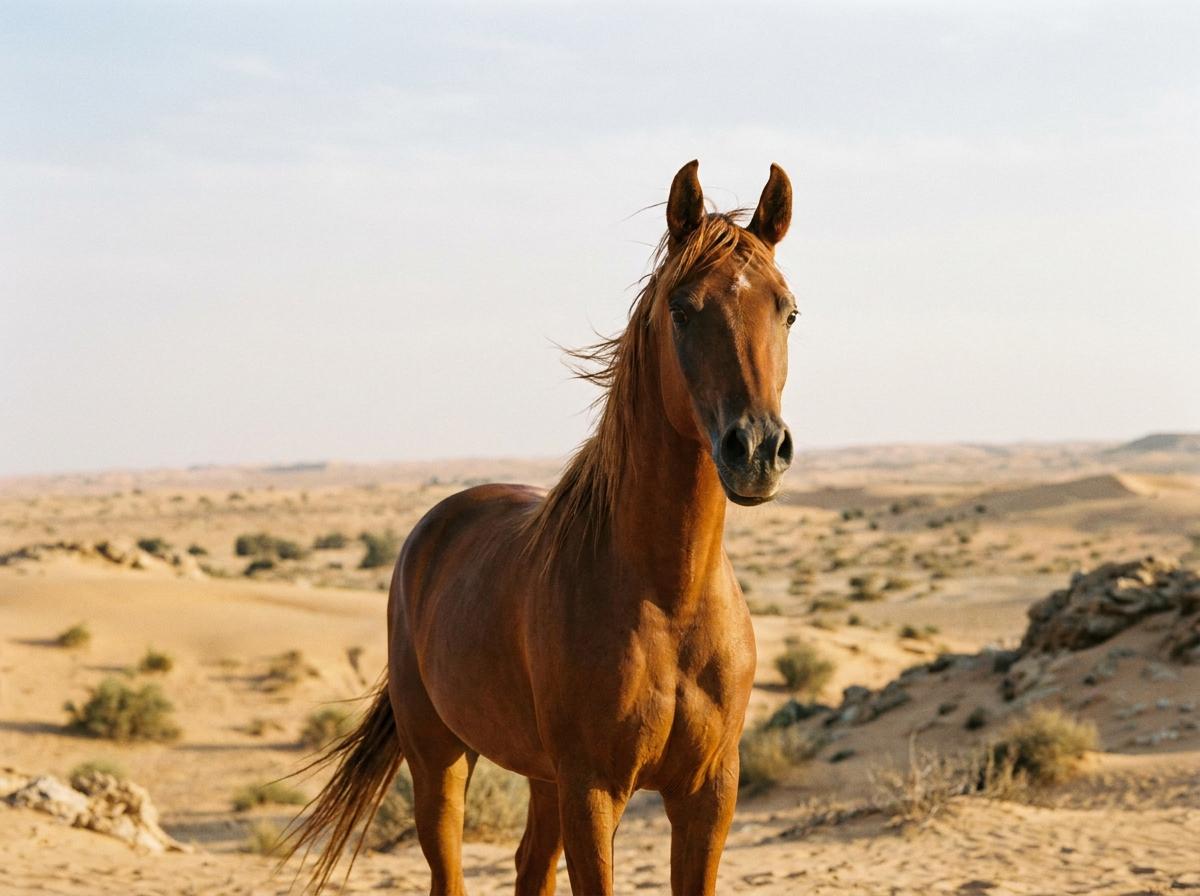
Arabian
An Arabian horse is a riding horse with a recognizable profile, an expressive way of moving and a long association with endurance riding. Its refined head and high tail carriage catch attention, but neither tells you whether a particular horse suits your riding. Training, soundness and the horse’s response to your handling matter more than an impressive photograph.
Start with the free horse pedigree chart maker to organize the ancestry supplied by the seller. A chart makes the relationships easier to discuss; it does not verify a pedigree or genetic-health result.
Set an Arabian search alert for new matching listings. Current supply may be empty; the Arabian breeder directory is another route to contact sources and ask about availability.

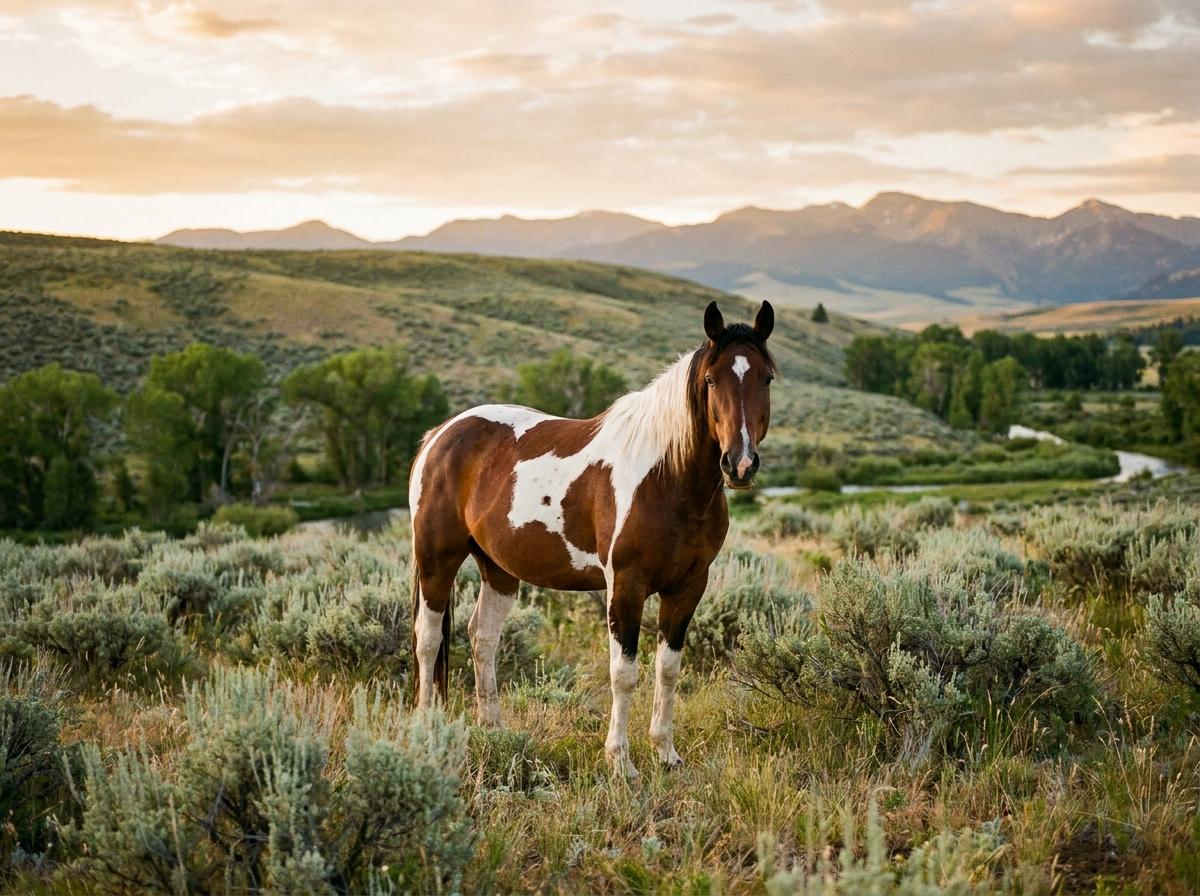
AI-generated illustration.
| Origin | Arabian Peninsula; Bedouin breeding |
|---|---|
| Typical height | 14.1 to 15.1 hands, with exceptions |
| Colors | Bay, chestnut, gray and black |
| Registry | AHA Purebred, Half-Arabian or Anglo-Arabian |
| Health records | SCID, CA, LFS and OAAM1 reports |
| Buying priority | Training, soundness and documented identity |
Browse listings, public profiles, breeders, or add your animal.
Desert ancestry, size and Arabian type
Arabian horses developed among Bedouin breeders of the Arabian Peninsula, where endurance and close partnership with people shaped their history. The Arabian Horse Association’s breed overview describes that background and later uses in riding and competition. It does not mean every modern Arabian has the same temperament or experience.
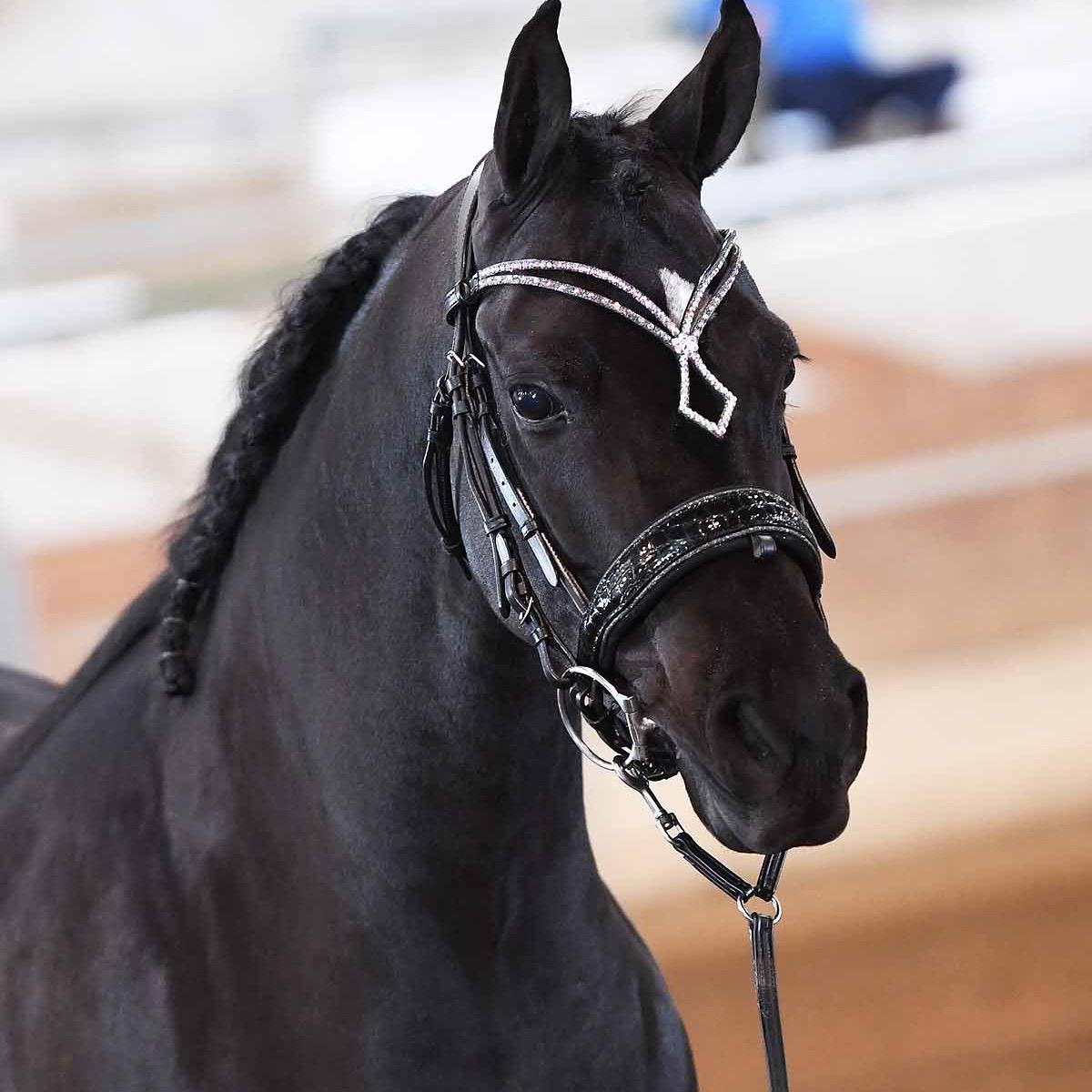
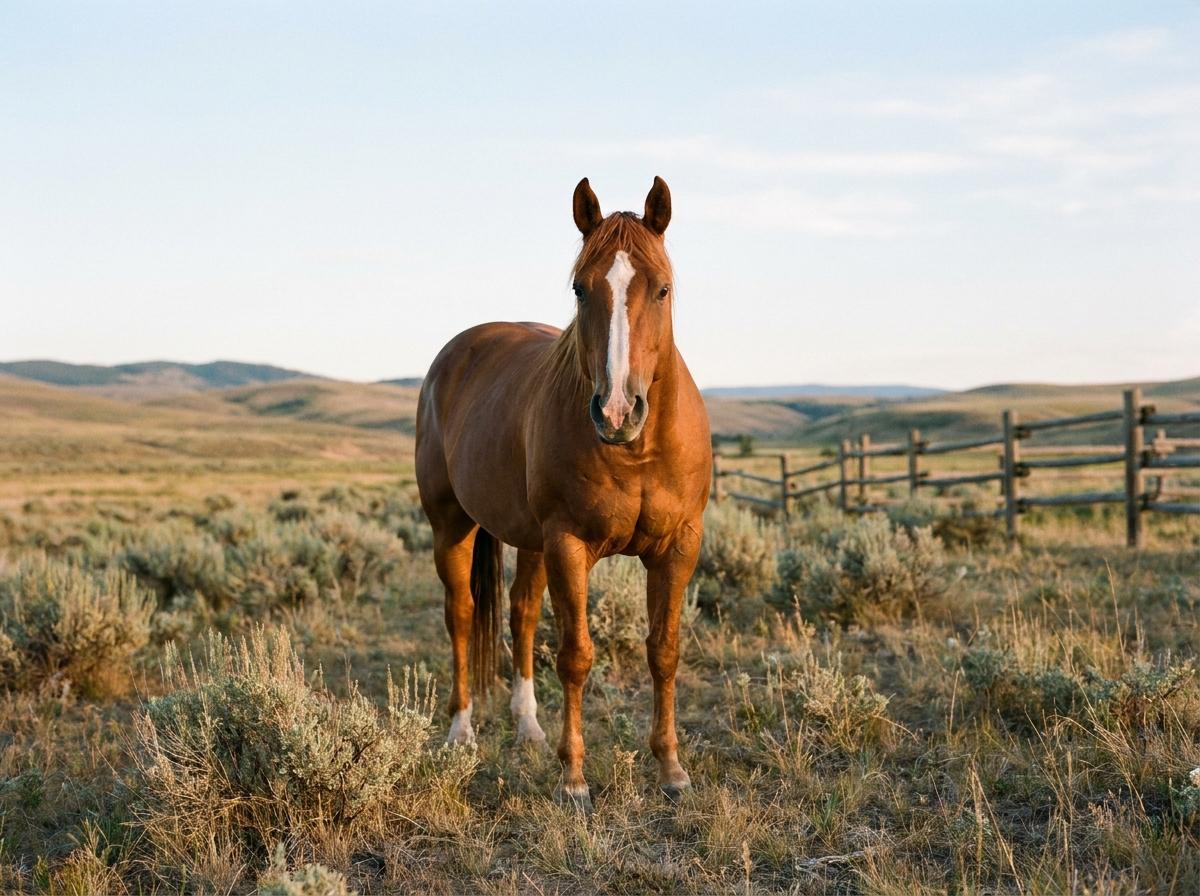
The AHA conformation reference gives typical height as 14.1 to 15.1 hands, with occasional individuals outside that range, and bay, chestnut, gray and black as breed colors. A hand is four inches; 14.1 means 14 hands and one inch. A refined head with a straight to slightly concave profile, arched neck, compact body and elevated tail carriage should remain functional, without an exaggerated face being treated as a buying goal.
Purebred, Half-Arabian and Anglo-Arabian papers
AHA records distinct ancestry categories. Its Handbook, Chapter 10 normally requires a registered purebred Arabian parent for Half-Arabian registration. Anglo-Arabians have 25% to 75% Arabian ancestry from qualifying Arabian, Thoroughbred and Anglo-Arabian parent combinations. Horses that otherwise qualify as Anglo-Arabians but exceed 75% Arabian ancestry can enter the Half-Arabian register. Neither label is interchangeable with purebred Arabian.
From January 1, 2026, new Half-Arabian registrations require DNA testing against the purebred Arabian parent. The requirement also applies to new Anglo-Arabian registrations with a purebred Arabian parent. AHA’s registration guidance announces the change; Chapter 10 gives the requirements for each category. Ask for the existing certificate, identity and transfer requirements. Eligibility discussed in an advertisement is not completed registration, and a health panel is not a parentage record.
Temperament: evaluate the horse in front of you
Breed descriptions often praise Arabian intelligence and responsiveness. Those words do not mean every Arabian is excitable, and they do not make every Arabian appropriate for a beginner. Ask what the horse does when separated from companions, led past activity, loaded, handled by the farrier and ridden after a break.
At a viewing, watch the owner catch and prepare the horse. Ask to see an ordinary session rather than only a polished performance. If you are buying a trail horse, a video of an arena pattern does not answer your questions about passing other horses or standing at a mounting block away from home. Arrange a suitable trial with your instructor and the owner’s agreement.

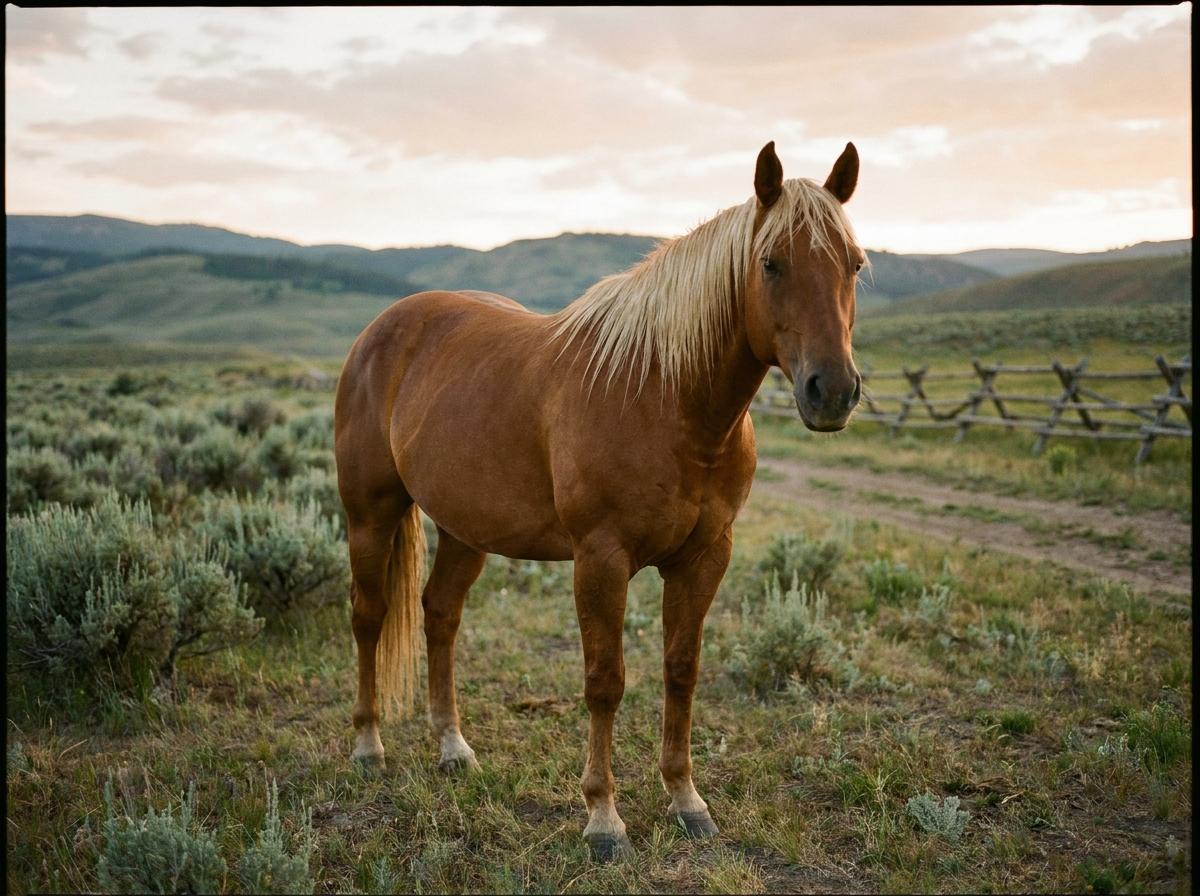
AI-generated illustration.
Daily care begins with the same essentials as other horses
Arabian ancestry does not replace a feeding plan. Base the ration on the individual horse’s condition, workload and forage. Avoid copying the seller’s feed volume without recording the actual product, its weight and the horse’s recent workload. Changes in turnout or training may change the plan your veterinarian or equine nutritionist recommends.
Horses need room to move, suitable companionship and safe access to forage and water. The Merck Veterinary Manual’s pasture guidance emphasizes grazing opportunities and enough feeding space for subordinate animals. A small paddock with a single contested feeder is not equivalent to a workable herd arrangement.
A free horse weight estimate can be a starting point for a size discussion. Record it as an estimate and use an actual scale weight when accuracy is needed; it should not determine a medication dose or replace a feeding assessment.
Genetic records and veterinary decisions
An Arabian registration DNA record is not the same as a genetic health panel. The Arabian Horse Association lists tests for severe combined immunodeficiency, cerebellar abiotrophy, lavender foal syndrome and OAAM1 in its DNA and genetic health guidance. Ask which tests were performed, for which horse, by which laboratory, and obtain the actual reports.
A recessive-condition carrier can look completely healthy. For breeding, obtain both proposed parents’ actual reports and discuss them with a veterinarian or qualified genetics adviser. Do not infer a horse’s status from its appearance, a relative’s result or the phrase “tested lines.” A laboratory result addresses the variants included in that test; it is not a lifetime guarantee of health.
A purchase examination should reflect your intended use. The American Association of Equine Practitioners recommends a tailored purchase exam, with the buyer and veterinarian agreeing on its scope. Give the veterinarian the records you have and ask what additional investigation is justified. A breeding prospect and a lightly ridden companion may call for different questions.
If breeding is part of your plan, the horse stud-fee guide separates the service price from the paperwork and other costs to clarify before signing.
For a planned breeding, record the service date and use the horse gestation calculator as a timing estimate alongside veterinary pregnancy checks.
What should an Arabian cost?
The horse cost guide separates the purchase price from continuing care, training and equipment costs.
There is no useful single price for every Arabian. Compare horses with similar ages, training, soundness histories and documented performance. A show result, an attractive pedigree and a seller’s future hopes are different forms of information. Ask what the asking price includes, particularly tack, transport, registration transfer and any agreed trial.
Build a first-year budget before negotiating. Include board or property costs, forage, routine veterinary care, farrier visits, dental care, lessons, transport and an emergency reserve. University of Minnesota Extension’s cost guidance stresses prevention, safe facilities and reducing waste. Saving money by postponing essential care is not a sustainable ownership plan.
A useful viewing and handover checklist
Bring a short list that is specific to your intended riding:
- Confirm the registered identity, date of birth and ownership paperwork.
- Ask about current workload and the longest recent break from riding.
- See catching, leading, foot handling and mounting, where appropriate.
- Request dated medical, dental, farrier and genetic reports rather than verbal summaries alone.
- Discuss the horse’s current feed, turnout companions and known behavior concerns.
- Agree on transport, transfer paperwork and the documents supplied at handover.
Keep original documents. On Creatures, the guide to adding a record explains how to attach information to an animal’s history. Your practical care record can bring documents together, but it does not replace the breed association’s registration process.

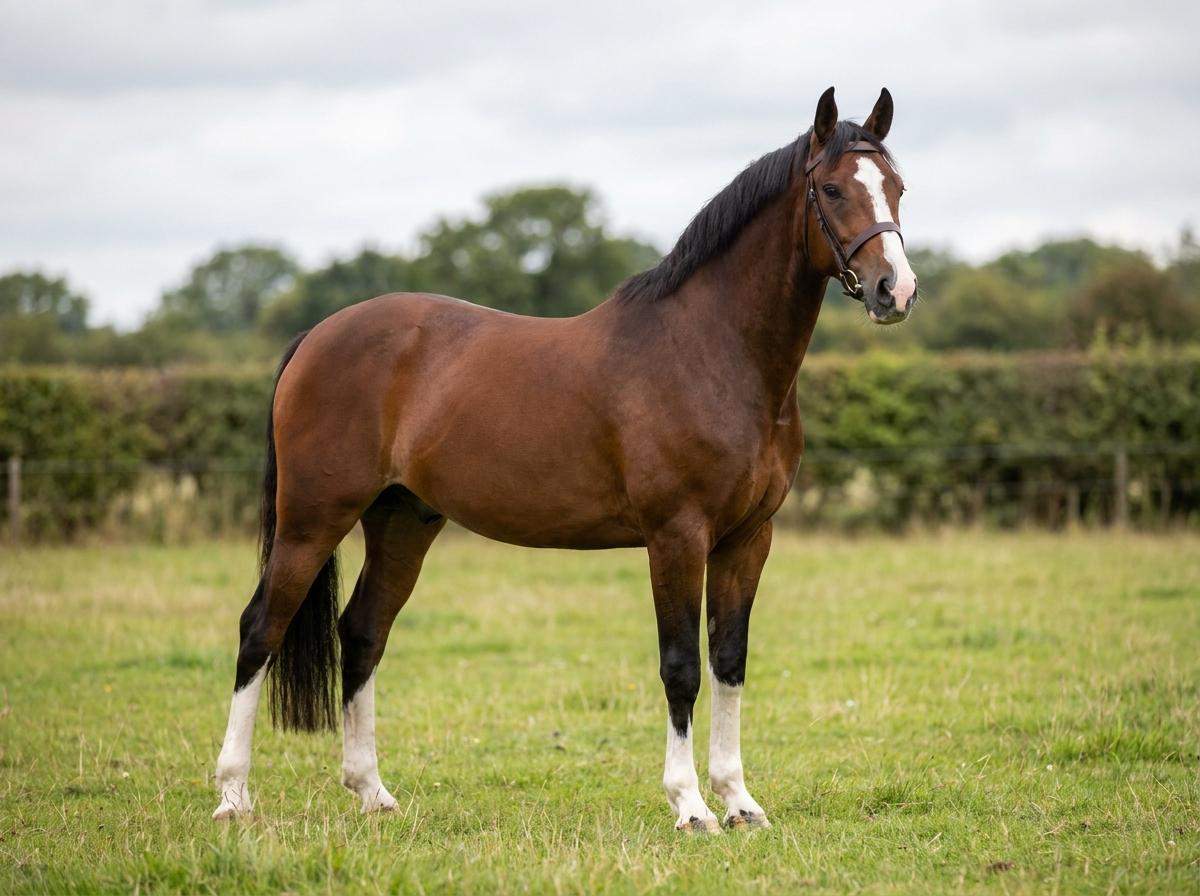
AI-generated illustration.
Use the where-to-buy-a-horse guide to compare seller types and organize the questions for that first visit.
Arabian, Thoroughbred or another riding horse?
Read the broader horse guide before choosing solely on breed. The Thoroughbred guide is useful if you are also considering a horse with a racing or retraining history. For a smaller heritage riding horse, compare the Florida Cracker horse.
Questions Arabian buyers often ask
Are Arabians suitable for beginners?
Some individual Arabians can be, especially experienced horses with the right training and support around the rider. Do not use the breed label as a substitute for a supervised assessment. A beginner should not have to provide the education the horse still needs.
Does an Arabian need special feed?
It needs a ration matched to its own body condition, health and work. Ask your veterinarian or nutritionist to review the forage and feed rather than assuming an Arabian requires either extra grain or a restricted diet.
Does a DNA test prove that an unregistered horse is purebred?
Not every DNA test answers that question. Parentage verification and disease testing serve different purposes. Ask the relevant registry what evidence it requires for that particular horse and application.
Do this next on Creatures
Keep the animal’s identity, original documents and your dated observations together. Choose the next step that matches where you are in the process.
- Set up an Arabian search alert. Get notified when new listings match, with help from the saved-search guide.
- Check current Arabian listings; supply may be empty or change. Ask for the evidence relevant to your intended purchase.
- Start an Arabian profile. No account is needed to start. The animal-profile guide explains the details.
- Add a care or breeding record. The form opens for visitors; a free account saves the record. Read the record guide before adding documents.
- Start a breeder or farm profile. The directory guide explains how a breeder listing works.
- Explore Arabian breeders to compare sources and prepare a careful introduction to the seller.