Dong Tao
Author: Elliott Garber, DVM · Published
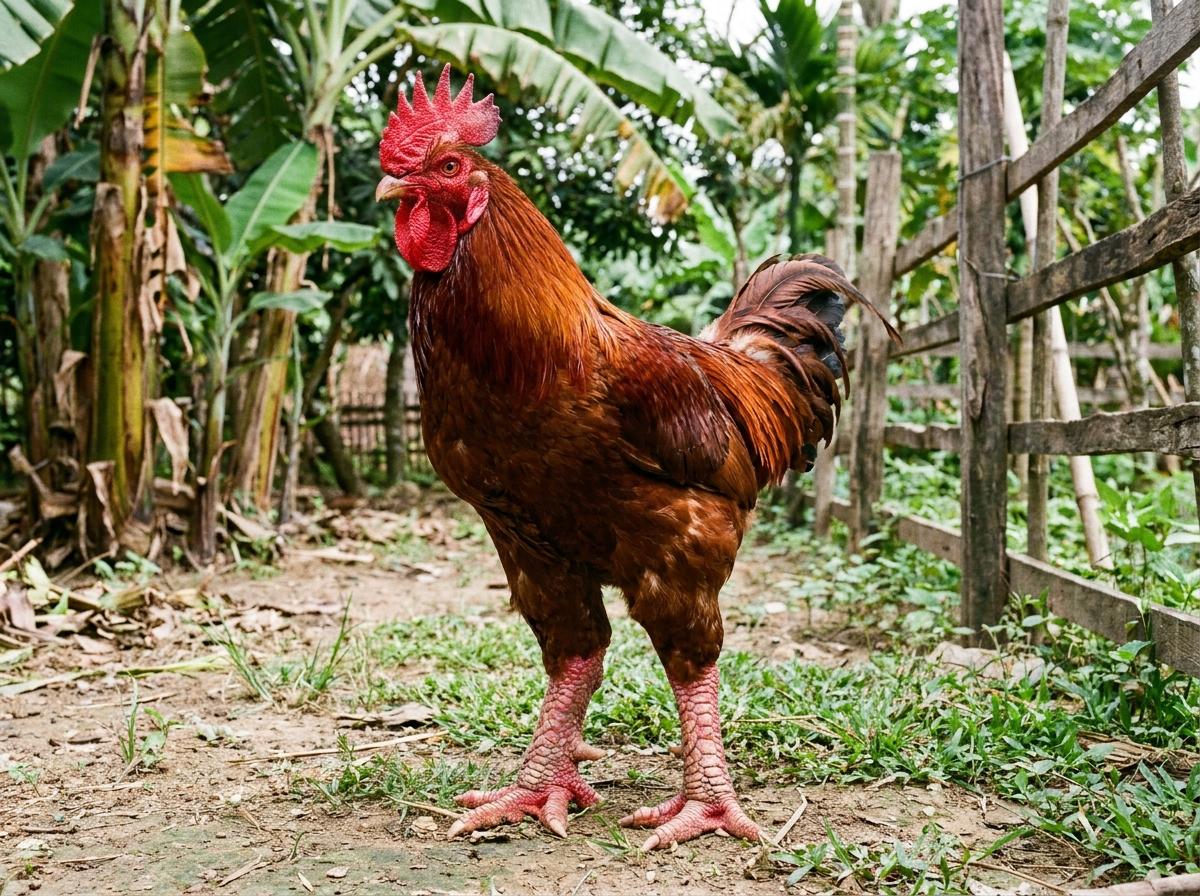
The Dong Tao (Đông Tảo) is a rare Vietnamese chicken from Đông Tảo commune in Hưng Yên province, and it is known above all for its legs: mature birds carry shanks so thick and so coarsely scaled that a good one looks closer to a small reptile than to a farmyard hen. It is a heavy, slow-growing, poor-laying meat breed that Vietnam treats as a delicacy and a status gift, and in June 2025 the government added the folk knowledge of raising and preparing it to the national list of intangible cultural heritage. The trait that made the breed famous also carries a documented cost, which most write-ups skip: Dong Tao cocks are poor natural breeders, and Vietnamese researchers have spent years developing artificial insemination to work around it. What follows is what the breed is, where it comes from, what those legs actually are, what the birds weigh and produce, what they sell for in Vietnam, and why there is no easy way to buy one anywhere else. If you are comparing breeds rather than shopping, the Creatures chicken species page is a better starting point.

| Also written | Đông Tảo; called the “dragon chicken” in some English coverage |
|---|---|
| Origin | Đông Tảo commune, Khoái Châu district, Hưng Yên province, Red River Delta, northern Vietnam |
| Primary use | Meat, ceremonial gifting, and festival display; not a production layer |
| Signature trait | Very thick lower legs and broad feet covered in coarse red scales |
| Breeding weight | Cocks selected at roughly 3.5 to 5 kg, hens at roughly 3 to 3.5 kg |
| Eggs | About 95 eggs per hen over 52 weeks, averaging about 52 g |
| Age at first egg | About 168 days |
| Price in Vietnam | Roughly 14 to 20 US dollars per kg, three to four times ordinary Vietnamese chicken |
| Population | Concentrated in Hưng Yên; a 2020 study counted roughly 10,000 birds across more than 1,000 households |
| Availability abroad | An established population in Thailand; effectively unavailable to most Western buyers |
| Browse | Dong Tao listings on Creatures |
Browse listings, public profiles, breeders, or add your animal.
What is a Dong Tao chicken?
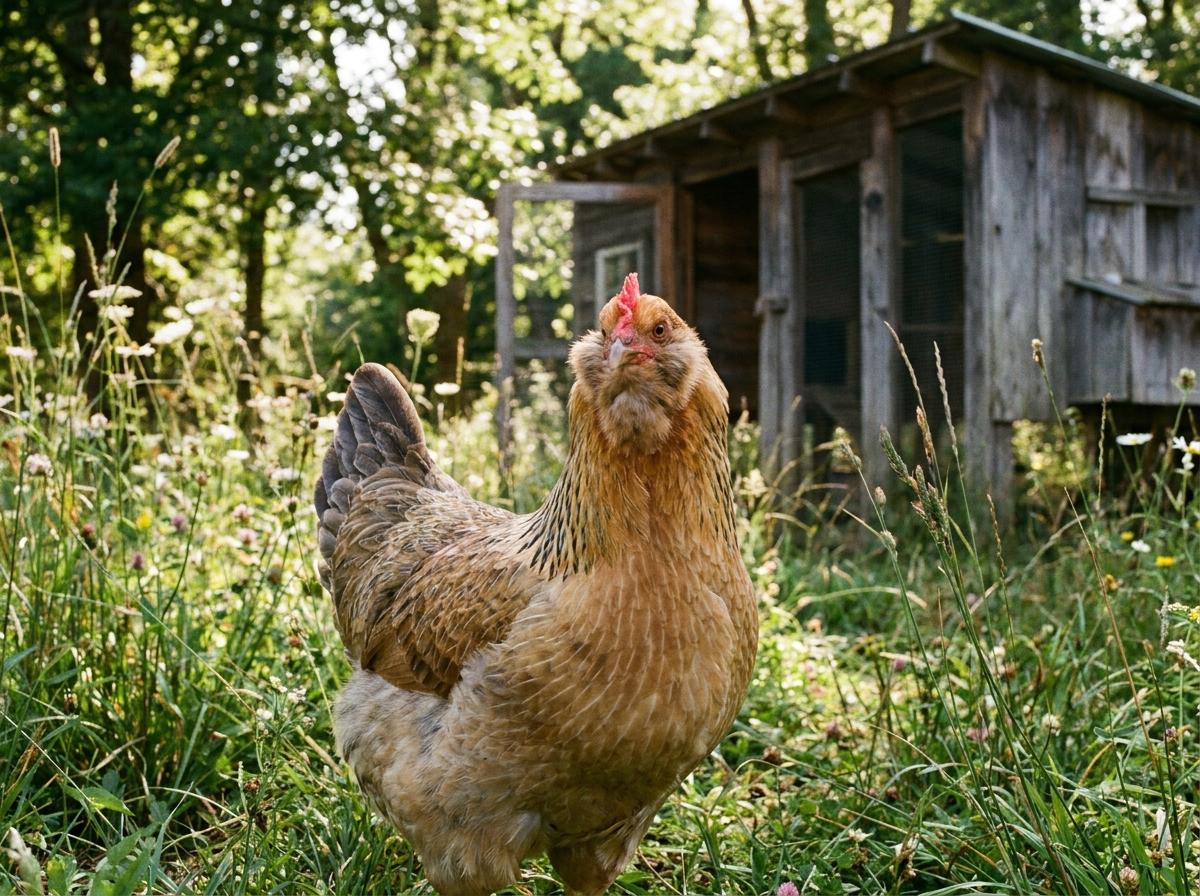
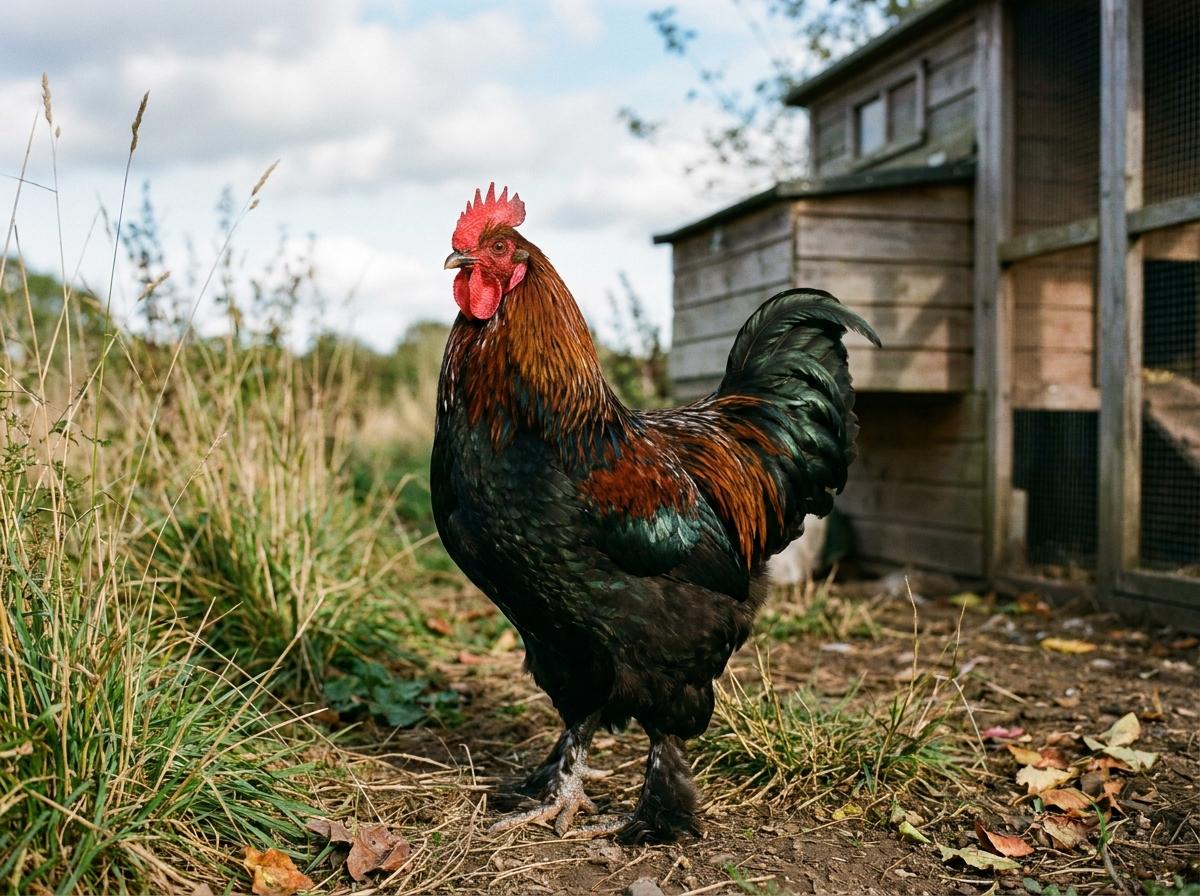
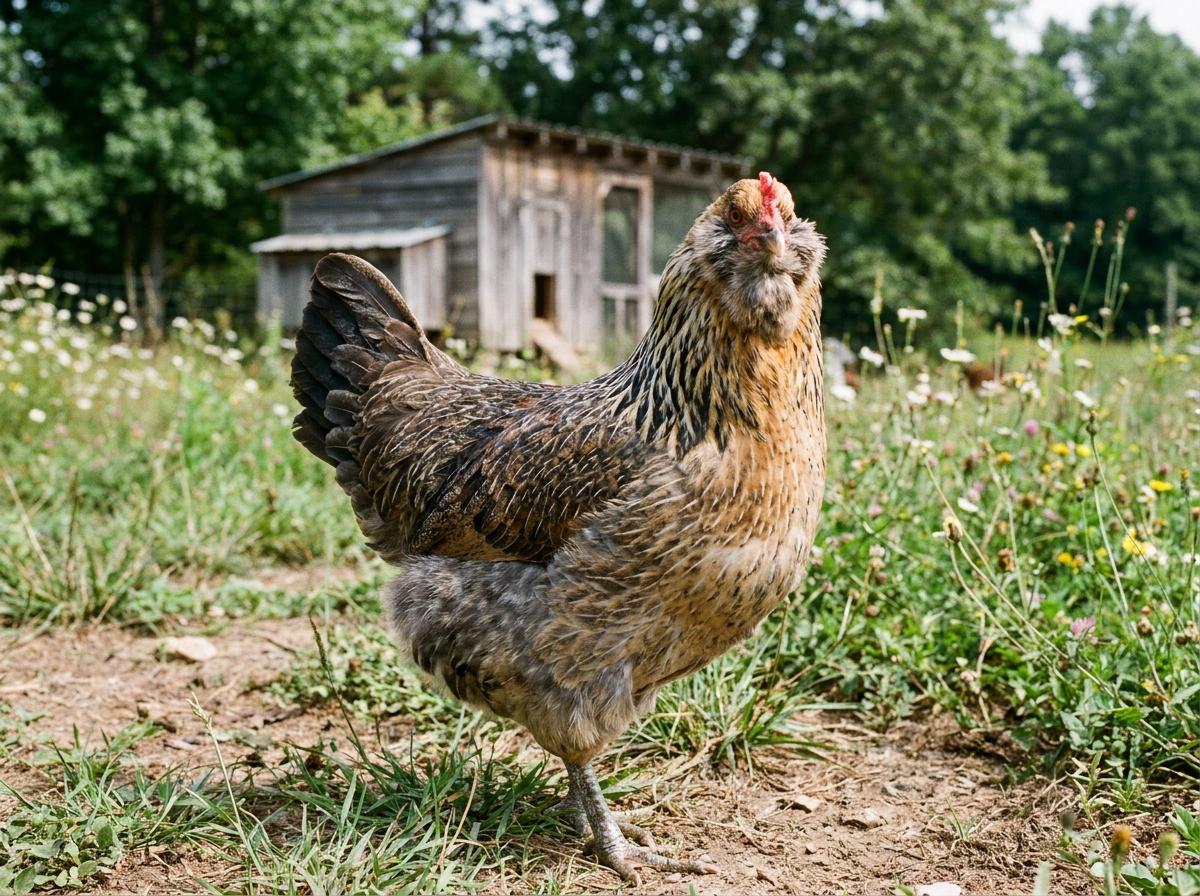
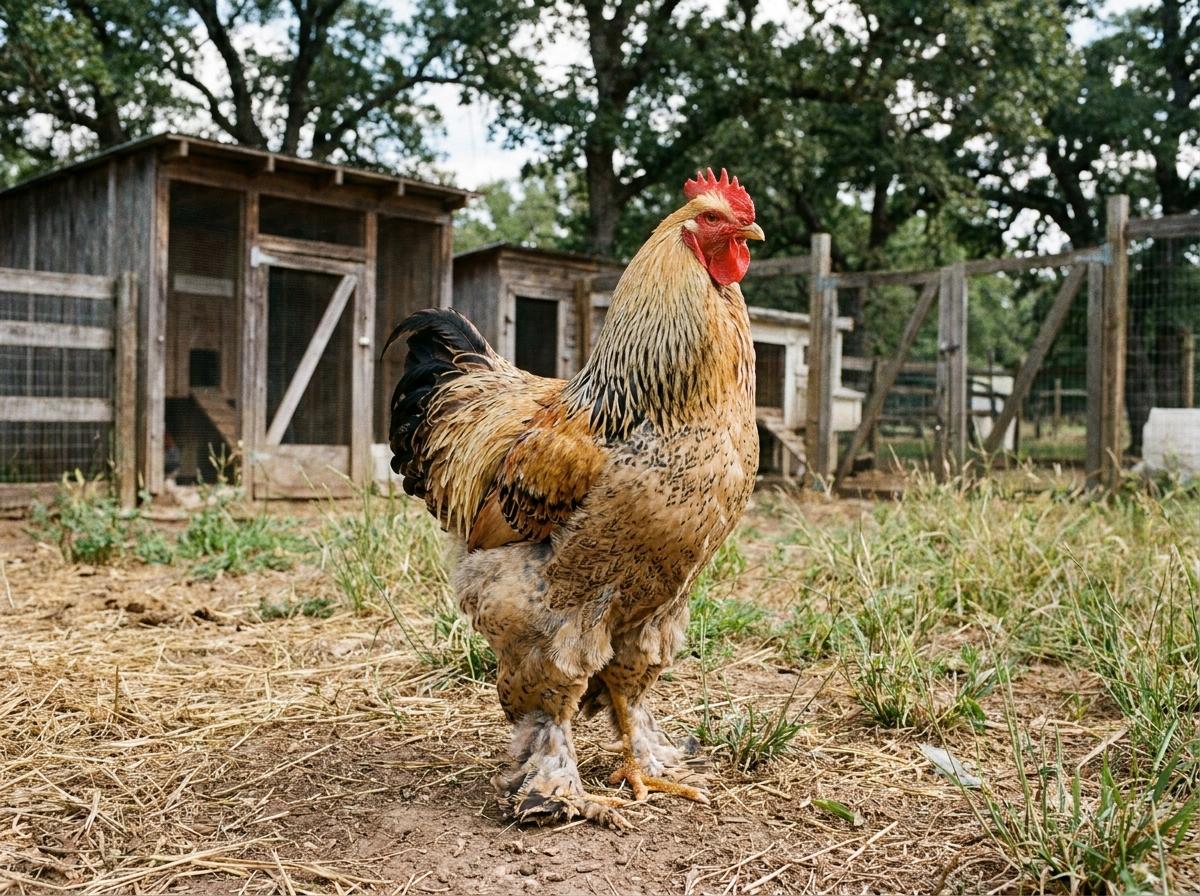
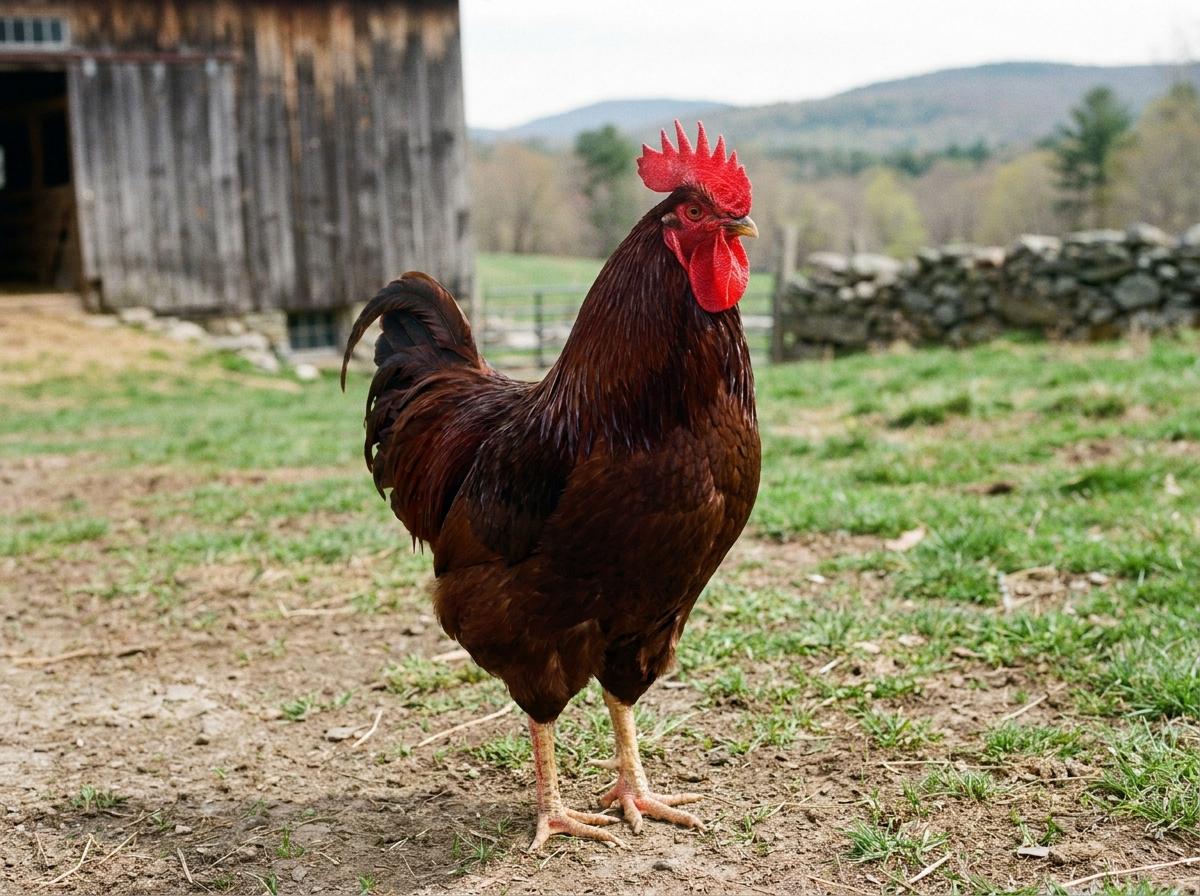
The Dong Tao is a Vietnamese landrace meat chicken, not a production breed and not a bantam curiosity. Its home is Đông Tảo commune in Khoái Châu district, Hưng Yên province, in the Red River Delta east of Hanoi. Adults are large and deep bodied with thick necks, bare red facial skin, and low combs, and cockerels usually carry dark mahogany-red and blackish plumage while hens run lighter, into buff and reddish-brown.
Genetically it stands on its own. When researchers genotyped 29 microsatellite markers across nine Vietnamese local chicken breeds plus two Chinese breeds, the Dong Tao came out as one of only three breeds forming its own clean, homogeneous cluster rather than blending into an admixed group (Cuc and colleagues, Animal Genetics, 2010). That matters for a breed whose name is used loosely in tourist marketing: there is a real, distinguishable population behind the label.
What the breed is not is efficient. A 28-week trial that raised Dong Tao and Ho chicks on commercial feed concluded that the production performance of both breeds was low even under good nutrition, and that their feed conversion showed the low efficiency of these breeds compared with commercial broilers (Nguyen Van and colleagues, Animals, 2020). Nobody keeps Dong Tao chickens for output. They are kept for meat quality, for the legs, and for what the bird means locally.
Origin, and why the legs are worth money
Đông Tảo village raised these birds long before anyone genotyped them, and the birds were traditionally presented at festivals and offered in royal ceremonies. That history is now formally recognised: on 10 June 2025, Vietnam’s Ministry of Culture, Sports and Tourism issued Decision 1743/QĐ-BVHTTDL adding the folk knowledge of raising and preparing Dong Tao chicken, attached to Hoàn Long commune in Hưng Yên, to the national list of intangible cultural heritage (Vietnam Department of Cultural Heritage). The listing covers the whole practice: choosing breeding stock, rearing, disease prevention, and preparation.
The economics follow the culture. The heritage record describes the bird’s place in local festivals and in chicken beauty contests as well as on the table, and the feet themselves are the prized part. A bird with exceptionally large, well-formed feet is a gift rather than a dinner, and Vietnamese reporting puts the peak of that trade around Tết, the lunar new year. That is the whole reason a slow-growing, low-laying chicken survived: its value was never measured in kilograms of meat per bag of feed.
The legs: what they are, and what they cost the bird

The trait is real, it is heritable, and it is the point of the breed. Researchers describe the birds as having “enormously enlarged feet with reddish scales” (Luu and colleagues, Genes & Genomics, 2025), and the 2020 production study simply notes that the Dong Tao “has big sized legs” and a higher body weight than other Vietnamese indigenous chickens. It is not only skin deep either: the one genomics study aimed squarely at the legs frames its question around Dong Tao tibia morphology, so the bone is involved as well as the tissue and heavy scale over it. Assessment is done on grown birds, and Vietnamese breeding work selects its cocks at 10 to 18 months old, so a photograph of a juvenile tells you very little about what that bird will become.
The genetics are still being mapped
Two genomic studies published in 2026 went looking for the cause and both stopped at candidates. One is titled, in full, “Breed-Based Genome-Wide CNV Analysis in Dong Tao Chickens Identifies Candidate Regions Potentially Related to Robust Tibia Morphology” (Agriculture, 2026), and the hedging in that title is the finding. A separate study sequenced 24 birds from Dong Tao and two other Vietnamese breeds to produce the first genome-wide copy number profile of the country’s indigenous chickens, and listed the genes sitting inside Dong Tao variants as candidates for adaptation and development rather than as an explanation (Nguyen and colleagues, Animals, 2026). Neither identifies a causal variant. If you read a confident single-gene explanation for Dong Tao legs, it is ahead of the evidence.
The documented cost: the cocks cannot breed well
Here is the part that gets left out of the viral write-ups, and it comes from the breed’s own home province.
A survey of 105 Dong Tao keeping households in Đông Tảo commune found keepers running a strikingly generous sex ratio of one cock to 1.87 hens, against roughly one cock to eight or ten hens for ordinary meat-type chickens. Even with that many males, only 75.15 percent of eggs were fertile. The researchers attribute this directly to the birds’ build: the heavy body and the large legs make Dong Tao cocks slow, and their ability to tread hens is poor (Lê Thị Thắm and colleagues, Vietnam Journal of Agricultural Science, 2017).
The same team’s answer was artificial insemination, and it worked. Collecting from 62 cocks and inseminating 420 hens, a 0.12 mL dose carrying 150 million sperm at a three-day interval produced fertile-egg rates above 84 percent, better than the natural-mating figure from the household survey. Insemination in the evening beat insemination in the morning, at 84.0 percent against 78.0 percent. The paper’s conclusion is that artificial insemination is a promising route for the breed.
Read that plainly. A serious Dong Tao operation in Vietnam keeps roughly one cock for every two hens, or else inseminates by hand, because the conformation the breed is prized for gets in the way of the birds doing it themselves.
What is not documented
Popular articles about the breed also claim that Dong Tao hens crush their own eggs, that the birds break their legs easily, that leg growth eventually outruns the skeleton, and that they live only six or seven years. Those claims circulate widely. We could not find any of them supported by a published study, a veterinary source, or a Vietnamese government source, so this page does not assert them.
Saying so plainly is more useful than either repeating the claims or quietly omitting them. The honest position is that the breed’s reproductive difficulty is documented and the rest of its welfare picture is not: there is no published lameness survey, gait scoring, leg-pathology work, or lifespan data for Dong Tao chickens that we could locate. For a breed selected hard for one exaggerated structure, that is a real gap, and anyone keeping them should watch gait, foot pads, and leg condition closely rather than assume the trait is cost-free.
Size and appearance
Published weights vary with what is being measured, so treat any single number carefully.
The 2017 insemination study selected breeding cocks at 10 to 18 months old weighing 3.5 to 5 kg, and hens at 6 to 10 months weighing 3 to 3.5 kg, which is a good picture of adult breeding stock. Vietnam’s heritage listing describes qualifying birds from about 4.5 kg for cocks and about 3.5 kg for hens, which reflects the premium end of the market rather than an average flock. Popular claims of 6 kg birds describe exceptional individuals, not the breed.
Beyond the legs, the diagnostic points are:
- Heavy, deep body with a broad breast and a short, carried tail rather than a long flowing one.
- Thick neck and bare red facial skin, with a low comb rather than a tall upright or floppy single comb.
- Coarse, deeply folded red shank scales that form irregular plates instead of the neat rows on a normal chicken shank.
- Broad, fleshy feet with four thick, well-spread toes and short blunt nails.
- Plumage that runs dark mahogany-red and blackish in cocks and lighter buff or reddish-brown in hens. There is no single breed colour.

Eggs, growth, and meat
The production picture is well documented and consistently modest.
Eggs. In the Animals trial, Dong Tao hens laid 94.92 eggs per hen over 52 weeks, averaging 51.69 g each, and came into lay at 168.36 days. For comparison within the same trial, the Ho breed laid 88.47 eggs and started at 196.47 days, so the Dong Tao is the earlier and slightly more productive of the two. Against a commercial layer, both are far behind.
Growth and slaughter age. The same study found that slaughter age affected several carcass yield traits and concluded that slaughtering between 16 and 20 weeks might be better than at the usual age of 28 weeks. In practice Vietnamese keepers commonly grow birds well past that, because size and leg development are what the market pays for.
Feed efficiency. Low. Laying-hen feed conversion in the trial ran around 8.6 g of feed per gram of output for Dong Tao, and the authors are explicit that both indigenous breeds are inefficient next to commercial broilers.
Meat. The reason the breed persists commercially is eating quality and the feet, not yield. Carcass composition and meat quality differed between Dong Tao and Ho in the trial, and the breed’s meat is described in Vietnam’s heritage listing as lean with a distinctive flavour.
What it costs
Two things are true at once here, and they get conflated constantly.
The first is an ordinary market price, and it is sourced. A peer-reviewed study puts Dong Tao and Ho chickens at 14 to 20 US dollars per kg, more than three to four times the price of other Vietnamese chickens (Animals, 2020). For a bird in the 3.5 to 5 kg range that is a meaningful sum in Vietnam and a straightforward premium for a slow-grown speciality meat.
The second is the gift market, and it is not a market price at all. Around Tết, individual birds with the largest and best-formed legs are sold as presentation animals at figures far above the per-kilogram rate. Numbers in the thousands of US dollars for a single bird circulate widely in English-language coverage. We could not verify any specific figure against a Vietnamese government, academic, or primary trade source, so this page does not repeat one. Treat viral price claims about this breed the way you would treat auction anecdotes about any status animal: they describe a handful of exceptional transactions, not what a bird is worth.
If you are researching prices seriously, note that Vietnamese sellers price a Dong Tao on leg size, symmetry, scale quality, and age, not on carcass weight alone. Two birds of identical weight are not worth the same money.
Keeping Dong Tao chickens well

Nothing here replaces advice from a veterinarian who can see your birds, and the specific literature on this breed is thin, so the sensible approach is careful general poultry husbandry with extra attention to the one structure the breed is selected for.
Space and footing
Give them room and keep the ground dry. These are heavy birds carrying an unusual amount of weight on their legs and feet, so deep, clean, dry litter and well-drained outdoor footing matter more than they would for a light breed. Wet, packed, or fouled ground is the wrong surface for any chicken and a worse one for this one.
Perches
Keep perches low and wide. A heavy bird landing repeatedly from height is taking an avoidable risk, and a broad flat perch spreads load across the foot instead of concentrating it. The same logic applies to nest box height and to any step up into the coop.
Leg and foot inspection
Make a habit of handling the legs. The deep, irregular scale folds that make the breed distinctive also make it harder to spot trouble early, so check for crusting, lifted scales, swelling, heat, cuts, and foot-pad damage on a routine schedule rather than only when a bird goes lame. Scaly leg mite is a common poultry parasite that burrows under shank scales, and on a bird with this much scale surface it is worth actively looking for. Anything that changes gait is a reason to call your vet, not to wait.
Breeding
Plan for the fertility problem rather than discovering it. If you breed naturally, expect to need far more cocks per hen than a normal flock and to still see fertility well short of what an ordinary breed delivers. Artificial insemination is the documented workaround in Vietnam and is a genuine skill to learn properly, not something to improvise.
Records
Because so little is published about this breed, individual keepers’ records are unusually valuable. Track hatch dates, weights, leg measurements, fertility and hatch rates per pairing, and every leg or foot problem you treat. You can keep those records against each bird’s profile on Creatures and build the kind of longitudinal picture the published literature does not yet have.
Availability outside Vietnam
Be realistic about this. The breed is concentrated in one province of one country.
There is one well-documented population outside Vietnam: Thailand, where Dong Tao chickens were introduced roughly 30 years ago and where two separate populations were included in the 2025 genetic comparison alongside a native Vietnamese population (Genes & Genomics, 2025). Beyond that, birds appear occasionally in Western collections, but there is no routine supply chain and no reliable pipeline of fresh genetics.
Importing live poultry into the United States is not a matter of paying for shipping. Under federal regulation, birds may be brought in only under an import permit issued in advance, and imported birds are held in quarantine for a minimum of 30 days at a USDA quarantine facility (USDA APHIS live poultry import requirements). Poultry from regions the authorities consider affected by highly pathogenic avian influenza or exotic Newcastle disease face further restriction. Other countries run their own equivalents. Whatever you read about buying a Dong Tao, the constraint is animal-health law, not availability of sellers.
The practical consequence: if you are outside Vietnam and Thailand, treat “Dong Tao” offered locally with real scepticism, verify what the bird actually is before paying a premium, and expect any legitimate stock to be scarce and expensive.
Rarity, conservation, and buying with your eyes open
The population is small and localised. The 2020 study counted more than 1,000 Dong Tao households totalling nearly 10,000 birds, and noted that conservation of the breed is carried mainly by the private sector, in farmers’ households, rather than by a state flock. A breed held that way is only ever as secure as its market.
Vietnamese conservation planning has taken the breed seriously for years. A study modelling conservation priorities across Vietnamese local chicken breeds estimated an average extinction probability of 48.5 percent across the group and identified Dong Tao, alongside Te and Ac, as one of the three breeds with the highest conservation potential, with funds allocated to those same three under every model tested (Cuc and colleagues, Journal of Animal Breeding and Genetics, 2011).
The genetic health picture is genuinely mixed, and it is worth reporting both halves. A 2022 high-density genotyping study of four Vietnamese local breeds including Dong Tao found genomic inbreeding coefficients of 10 to 20 percent, plus crossbred birds sitting inside a sample everyone had assumed was purebred, and concluded that genomic tools are needed to assign birds to a breed reliably (Journal of Animal Breeding and Genetics, 2022). The 2025 microsatellite comparison of Vietnamese and Thai populations reported the opposite tone: high genetic variability and low inbreeding, suggesting effective management despite historical bottlenecks. Different populations, different marker systems, different years. The safe reading is that management quality varies a great deal by flock.
For a buyer, the crossbreeding finding is the operative one. A bird sold as a Dong Tao may not be one, and appearance alone is a weak test in a young bird whose legs have not developed. Ask about parentage, hatch records, and what the seller does to keep the line separate. The same gap between name and bird shows up across Asia’s other regional chicken breeds. Japan’s Mikawa shares its name with branded supermarket chicken built on modern crossbreds, so the word on the package says nothing about the blood in the bird. India’s Giriraja has no breed standard and no herdbook behind the name at all, which is why two flocks sold as Giriraja can differ. In each case the label travels faster than the genetics, and what you are buying is a specific population rather than a look.
Frequently asked questions
Why do Dong Tao chickens have such thick legs?
It is an inherited trait selected for over generations in Đông Tảo commune, involving both leg bone and surrounding tissue, and it develops as the bird matures. The genetic basis has not been pinned down. Two 2026 copy number variation studies proposed candidate regions and candidate genes for the breed’s robust leg morphology, but neither identified a causal variant.
Are Dong Tao chickens good layers?
No. In a controlled trial they laid about 95 eggs per hen over 52 weeks at about 52 g per egg, starting to lay at about 168 days. That is far below a commercial layer, and the breed is not kept for eggs.
Do the thick legs harm the birds?
One consequence is documented: cocks are slow and poor at treading hens, which is why keepers in Hưng Yên run roughly one cock to two hens and why artificial insemination has been developed for the breed. Beyond that, there is no published research on lameness, leg pathology, or lifespan in Dong Tao chickens that we could find, so claims that they routinely break their legs or die young are unverified. Watch gait and foot condition closely and involve a veterinarian early.
How much does a Dong Tao chicken cost?
In Vietnam, roughly 14 to 20 US dollars per kg live weight, three to four times ordinary Vietnamese chicken, according to a peer-reviewed study. Individual show-quality birds sold as Tết gifts go for far more, but the widely circulated per-bird figures are not traceable to a primary source, so treat them as anecdotes.
Can I buy Dong Tao chickens in the United States or Europe?
Not easily, and not routinely. The breed is concentrated in Hưng Yên province with a documented population in Thailand. Importing live poultry requires an import permit and a minimum 30-day quarantine at a government facility in the United States, with further restrictions tied to avian influenza and Newcastle disease status, and other countries have comparable rules.
Is the Dong Tao endangered?
It is small and localised rather than formally listed here. A 2020 study counted nearly 10,000 birds across more than 1,000 households, and Vietnamese conservation modelling has ranked it among the top three local chicken breeds for conservation priority. Its survival is tied to a premium market rather than to a state conservation flock.
Are Dong Tao chickens the same as “dragon chickens”?
“Dragon chicken” is an English nickname coined for the scaled legs. It is not a Vietnamese breed name and not a separate breed.
Do this next on Creatures
Whether you keep Dong Tao chickens, breed heavy Asian landraces, or are simply trying to work out what is real about this breed, Creatures is the records, marketplace, and directory layer to do it in.
Add your bird. Keeping Dong Tao chickens, or any chicken? Create a free animal profile in a couple of minutes. No account needed to start. The walkthrough is in adding an animal to Creatures.
Record the things nobody has published. Weights, leg measurements, fertility per pairing, hatch rates, and every foot or leg problem you treat. Add a record to see how it works. The sheet opens for any visitor to look around, and a free account saves what you enter. See adding a record and health and medical records for the full how-to.
Get told if one is ever listed. Genuine stock is scarce outside Vietnam, so rather than checking, set a free Dong Tao listing alert and Creatures will email you if one is posted. No account needed to start, and we will not pretend one will turn up soon.
Look at what is actually available. Browse Dong Tao chickens on the marketplace, widen out to all chicken breeds, and search trusted breeders and farms in the Creatures directory. New to searching? See saving searches and using your watchlist.
Run a flock or a farm? Create a free breeder or farm profile so buyers looking for rare poultry can find you, then read getting listed in the breeder directory and creating an organization and adding your team if you manage your operation with other people.