


Where to Buy Chickens: Chicks, Pullets, Hatching Eggs, and How to Check the Source
Author: Elliott Garber, DVM · Updated
Where to buy chickens splits into two questions that usually get tangled together. The first is what form you buy: hatching eggs, day-old chicks, started pullets, or grown hens. The second is who you buy them from, and that one matters more. A healthy pullet from someone who answers your questions plainly is a better purchase than a rare breed from a seller who will not let you see the pen.
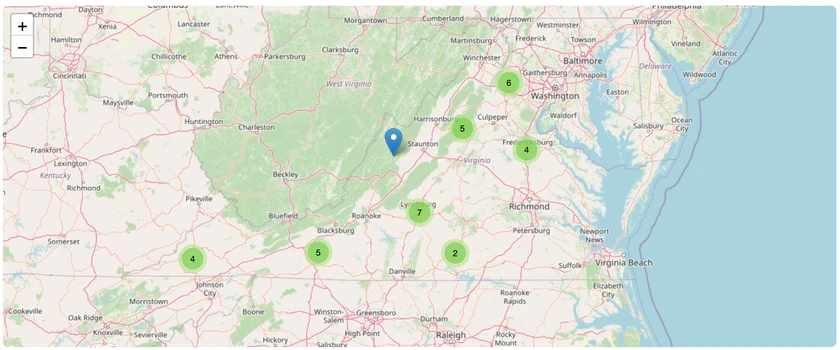
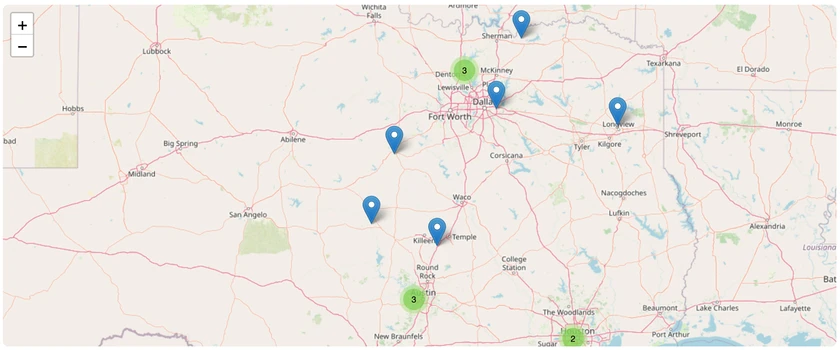
For most people the answer is day-old chicks or started pullets from a source you can talk to and, ideally, visit. Hatching eggs are a project rather than a shortcut. Adult birds from an unknown flock carry the highest disease risk of anything on this list. You can see what is listed near you on the Creatures marketplace, search people who keep and sell birds in the Creatures breeder directory, and set a free alert if the breed you want is not around this season.
Below: what each form of purchase actually costs you in time, money, and risk; the channels birds come through and how they differ; what the USDA National Poultry Improvement Plan does and does not certify; the local rules that catch people out after the chicks are already home; and the scam patterns worth recognizing before you send anyone a deposit.
| What you can buy | Hatching eggs, day-old chicks, started pullets, laying hens, breeding or exhibition stock |
|---|---|
| Time to the first egg | Around 20 weeks from hatch for common layer breeds (University of Minnesota Extension) |
| Sex certainty | Sexed pullets are hand sexed and accurate but not perfect; straight run is roughly half cockerels |
| Health framework | Ask whether the flock or hatchery participates in the USDA National Poultry Improvement Plan |
| Quarantine | Keep new birds separated two to four weeks before they meet your flock (Virginia Cooperative Extension) |
| Legal check first | Many cities cap flock size and prohibit roosters; confirm your own ordinance and any HOA rule in writing |
| Human health | Chickens can carry Salmonella while looking clean and healthy; wash hands, keep birds out of the house |
| Where to search | Creatures marketplace and breeder directory, plus a free save-search alert for a breed nobody has listed yet |
The four things you can actually buy
Every chicken purchase is one of four transactions, and they are not interchangeable. The cheapest one on paper is usually the most expensive in effort.
Hatching eggs
Fertile eggs are the cheapest route per bird and give you the widest access to uncommon breeds, because eggs travel where live birds cannot and a small breeder can post a dozen without a shipping crate. That is the whole of the good news.
You supply the incubator, the 21 days of temperature and humidity control, and the hatch itself. Shipped eggs hatch at noticeably lower rates than eggs set on site, because transit rattles the air cell and exposes eggs to temperature swings before you ever plug the incubator in. Nobody publishes a reliable industry figure for this, and any seller who guarantees a hatch percentage on shipped eggs is guaranteeing something they do not control. Plan for a disappointing first hatch and treat a good one as a bonus.
Two further points to be clear about. Hatching eggs are always straight run, so expect roughly half cockerels and decide in advance what happens to them. And a hatch gives you no vaccination history at all, since Marek’s disease vaccine is given at the hatchery either at hatch or in ovo on the 18th day of incubation, per the Merck Veterinary Manual. Home hatchers who want that protection have to arrange it themselves.
If this route appeals, the Creatures guide to hatching eggs in an incubator covers temperature, turning, and candling, and the broody hen guide covers the low-equipment version where a hen does the work.
Day-old chicks
Chicks are the standard entry point and the reason feed stores fill with peeping tubs every spring. They are cheap, they arrive at the age where they imprint on the routine you set, and they can be bought sexed so you are not gambling on cockerels.
The cost is six weeks of brooding. Chicks need a heat source they can move toward and away from, dry clean bedding, chick crumble, and clean water from the first hour. The University of Minnesota Extension puts the starting brooder temperature at 90 to 95 degrees Fahrenheit, reduced by 5 degrees a week until the birds no longer need supplemental heat. That is not difficult, but it is daily, and it is the step people underestimate when they buy chicks on impulse in March. The Creatures guide to raising baby chicks walks through the brooder, the heat schedule, and the first six weeks, and it is worth reading before you order rather than after the box arrives.
Chicks bought as pullets are sexed by hand, usually by vent sexing. The University of Arkansas Cooperative Extension Service puts numbers on it: people trained at chick sexing schools can consistently attain greater than 95 percent accuracy, while people taught the basics informally would be doing well to reach 60 to 70 percent. Buy sexed pullets from a source that sexes professionally, and still accept that a cockerel occasionally slips through a batch. Ask the seller what they do when that happens before you need the answer.
There is one category with no ambiguity. Sex-linked and autosexing crosses can be told apart by down color or feather pattern at hatch, and Arkansas describes color sexing as always accurate from a genetic standpoint, excluding mutations. If a guaranteed hen matters more than a specific heritage breed, a sex-link hybrid like the Black Star removes the problem entirely.

Started pullets
A started pullet is a young female already past the brooder, sold anywhere from about six weeks up to point of lay; the near-lay birds at 15 to 22 weeks are the ones the cost guide prices. You skip the heat lamp, the daily temperature step-down, and the six weeks of watching for pasty vents. You also skip most of the uncertainty about sex, which gets easier to read the closer a bird is to laying age.
You pay for all of it. A started pullet costs several times what a day-old chick does, because you are buying weeks or months of someone else’s feed and labor along with the bird. For a household that wants four hens and eggs this year rather than next, that premium is often the right trade. For anyone building a larger flock it stops making sense quickly. Current figures are in the companion Creatures cost guide.
The trade-off nobody mentions at the sale is that a started pullet arrives with a history you did not write. It was raised somewhere else, exposed to whatever that flock carries, and moved at an age when stress suppresses immunity. Started birds are exactly the purchase that makes quarantine non-negotiable.
Laying hens, breeding stock, and exhibition birds
Grown birds give you eggs immediately, which is the entire appeal. They also carry the most unknown history, and they are the category where you are most dependent on what the seller tells you. A hen sold as a two-year-old may be four, and production drops sharply with age. Ask when she hatched, ask to see her laying, and treat a vague answer as an answer.
Breeding and exhibition stock is a different market again. Rare and heritage breeds move through small breeders and breed clubs rather than through volume channels, and buying well there means buying from someone who can describe their line. A breed like the Russian Orloff is not something a feed store stocks, and finding good stock means finding the handful of people keeping it. The same shape holds across poultry generally, which is why the companion guide on where to buy pigeons lands on the same advice about clubs and small keepers.
Where chickens come from: the channels compared
The form you buy and the channel you buy through are separate choices. A given breed may be available through three of these at once.
Small breeders and breed clubs. The best information per bird. A breeder who keeps one or two breeds can tell you the line’s laying record, temperament, and any health trouble they have seen, and you can usually visit. This is the only realistic route for rare breeds and for anyone who cares about breed standard quality. The limits are availability and season, which is what a save-search alert is for.
Hatcheries shipping by mail. Day-old chicks travel by post because they absorb their yolk sac before hatching and can go without food and water for the first stretch of life. The system works at scale and it is how most backyard flocks in the United States begin. It also has real costs: minimum order sizes exist because chicks keep each other warm in transit, shipping stresses the birds, and delays kill. A United States Postal Service Office of Inspector General audit of day-old poultry shipping found gaps in acceptance, handling, and delivery procedures and noted plainly that failed shipments can result in the death of the birds. Order early in the week, arrange to collect from the post office rather than waiting for a delivery run, and have the brooder warm before the box arrives. We describe this channel generically on purpose and do not endorse or link any hatchery.
Feed stores in chick season. Convenient, local, and no shipping stress, and the chicks are usually the same hatchery stock arriving one step later. The tubs are stocked with what sells, so expect production hybrids and the popular dual-purpose layers, breeds like the Plymouth Rock and the Rhode Island Red, rather than anything uncommon. The trade is information: staff turnover is high, breed labels on the tubs are sometimes approximate, and you cannot ask about the parent flock. Feed store chicks also sit in an environment where many hands have touched many tubs, which matters for the Salmonella section below.
Poultry swaps, sales, and livestock auctions. These are the highest-risk purchase in poultry and worth naming as such. Birds from many unrelated flocks are brought into one space, mixed, handled, and dispersed within a day, which is exactly the pattern disease control exists to prevent. Extension’s biosecurity guidance for small poultry flocks treats live bird markets and swap meets as a contact risk serious enough that anyone who visits one should stay away from their own birds for at least 24 hours afterward. State agriculture departments also shut these events down first during an avian influenza outbreak: Iowa’s order during one such outbreak halted live bird exhibitions and prohibited live birds from being sold or transferred at livestock auction markets, swap meets and exotic sales. Swaps are a legitimate way to meet local keepers. They are a poor way to acquire birds you intend to put in with a flock you already have.
Rescues and rehoming. Ex-commercial hens, flock reductions after a move, and birds surrendered when someone’s ordinance caught up with them all circulate locally. The birds are often middle-aged and past peak lay, and their history is sometimes thin, but the price is low and the need is real. Rehoming is also where surplus cockerels end up, and Cornell Cooperative Extension is blunt that rescues frequently have no room to take more of them. That is worth knowing before you buy straight run.

NPIP: the health framework, and what it does not cover
The one piece of vocabulary worth learning before you buy is NPIP, the National Poultry Improvement Plan. USDA APHIS describes it as a voluntary federal-state cooperative testing and certification program for poultry breeding flocks, baby chicks, poults, hatching eggs, hatcheries, and dealers. It has run since 1935 and it is the reason poultry sold across state lines has any consistent health floor at all.
What it actually tests for
The foundation is pullorum-typhoid. APHIS notes that the vast majority of states prohibit the entry of poultry shipments except those designated pullorum-typhoid clean, and that birds moving interstate should either participate in the U.S. Pullorum-Typhoid Clean program or test negative before leaving their home state. That single classification covers two bacterial diseases, Salmonella pullorum and Salmonella gallinarum.
Beyond that foundation, the plan offers additional voluntary classifications, and this is where sellers differ from each other. The program has been extended over time to cover avian influenza, Salmonella enteritidis, and the mycoplasma organisms M. gallisepticum, M. synoviae, and M. meleagridis. A flock can be pullorum-typhoid clean and enrolled in none of the rest. Virginia Cooperative Extension’s biosecurity guidance simply advises buyers to purchase poultry from reliable hatcheries certified by NPIP, which is sound, and the useful follow-up question is which classifications.
What it does not tell you
NPIP is a flock and hatchery program, not a health certificate for the individual bird in your hands. Participation tells you the source flock has tested clean for specific listed diseases on a defined schedule. It does not tell you the bird is free of Marek’s disease, coccidiosis, infectious bronchitis, lice, or mites. It does not tell you the bird was vaccinated. Where it does touch how birds are kept, it does so narrowly: APHIS describes the U.S. Salmonella Monitored and U.S. Sanitation Monitored classifications as aiming to reduce salmonella in hatching eggs, chicks, and poults through sanitation procedures at the breeder farm and in the hatchery. Those are sanitation and biosecurity requirements attached to particular classifications, not a welfare standard covering space, enrichment, or daily care, so ask a seller which classifications they actually hold rather than assuming the label covers all of it. It is also a point-in-time result, so a clean test in spring is not a promise about the flock in autumn.
None of that makes it less useful. It means the right way to use it is as an opening question rather than a conclusion. Ask whether the seller participates, which classifications they hold, when the flock was last tested, and what the birds have been vaccinated for. A serious seller has all four answers ready. Someone selling twenty birds out of a truck at a swap has none of them, which is itself information.
Check your local rules before you buy anything
This is the step that produces the most regret, because it is discovered after the chicks are home and named. Chicken rules stack: state, county, city ordinance, and any homeowners association covenant, and each can restrict birds independently of the others.
Two restrictions are common enough to plan around. Many municipalities cap the number of birds a residential property may keep, and many prohibit roosters outright on noise grounds. Cornell Cooperative Extension states that most backyard chicken-keeping regulations do not allow roosters on residential properties, and notes that roosters crow well before sunrise and through the day, that rescues are frequently full, and that processors are often booked months ahead. Straight-run chicks and a rooster ban are a bad combination, and the time to notice that is before the order.
Rules vary too much between neighboring towns for any article to tell you yours. Read your own city or county code, confirm it in writing rather than relying on what a neighbor or a store clerk says, and check your HOA covenant if you have one. If the answer is hens only, buy sexed pullets or started pullets and skip the straight-run gamble entirely. The Creatures guide to how many chickens to get is a useful companion once you know your legal ceiling, and the coop guide covers the setback and space questions ordinances tend to care about.
What to check on the bird, and on the seller
Bring this to the pickup. It takes a few minutes per bird and it is the difference between a good year and a veterinary bill.
- Eyes, nostrils, and beak. Bright and clear. Any discharge, bubbling at the eye, crusting, or open-mouth breathing means walk away and do not carry the bird past your own flock afterward.
- Feathers and skin. Full clean plumage. Part the feathers around the vent and under the wings and look at the skin: lice cluster at the feather base and mites leave gray specks and irritation. Bare patches and scabbing near the vent deserve an explanation.
- Legs, feet, and scales. Smooth flat scales, clean footpads, no swelling or heat. Raised crusty scales suggest scaly leg mite; a swollen pad suggests bumblefoot.
- Vent and droppings. Clean and dry around the vent. Look at the ground in the pen, not just the bird: loose or bloody droppings are a reason to pause on the whole group.
- Weight and posture. Pick the bird up if the seller allows it. A hen should feel solid, with a keel bone you can feel but not a sharp ridge. A hunched, puffed, still bird at the back of the group is a sick bird.
- The pen tells you the rest. Dry bedding, clean water, room to move, no ammonia smell. Housing is the one thing a seller cannot stage in the ten minutes before you arrive.
The seller matters as much as the bird. A good one lets you see where the birds live, gives an age rather than an estimate, states vaccination and NPIP status without being pushed, and will take a bird back or make it right if something surfaces in the first week. Get the important parts in writing. If you found the seller through Creatures, the help article on making an offer on a listing covers how to message, agree terms, and keep the conversation in one place instead of in scattered texts. And the common chicken illnesses guide is worth reading before the visit so you know what you are looking at. None of this replaces a veterinarian: if a bird looks unwell after purchase, that is a call to a vet, not to a forum.
The Aseel chicken guide explains mature-male separation and young-stock fighting risk to plan before purchase.
Quarantine, then introduction
Every new bird goes into quarantine. This is not optional and it is not paranoia. Extension’s small-flock guidance is direct that new birds can carry disease into a flock even when they show no outward sign of being sick, and recommends quarantining new arrivals for at least two weeks before introduction. Virginia Cooperative Extension asks for two to four weeks separated from the existing flock, and many state veterinarians recommend 30 days for birds that came through a swap or auction, on the reasoning that a longer window gives more time for something latent to show itself.
Quarantine that works means real separation: a different building or a well-separated pen, separate feeders and waterers, and doing your existing flock’s chores before the new birds rather than after. Change footwear between the two. Watch for respiratory noise, discharge, weight loss, and any change in droppings.
Only then do you introduce. Integration is its own skill, and dropping strangers into an established flock at dusk and hoping is how birds get hurt. The Creatures guide to adding new chickens to a flock covers see-but-not-touch introductions and the pecking-order period that follows.
Avian influenza and everyday biosecurity
Highly pathogenic avian influenza has reshaped what buying birds means, and it is the reason your purchase decisions have consequences beyond your own yard. USDA APHIS’s Defend the Flock guidance on protecting a flock from avian influenza reduces to four habits: clean and disinfect equipment, footwear, and clothing used around the birds; keep dedicated boots and a footbath for the poultry area and limit visitors; separate species and use covered enclosures and netting so domestic poultry do not mix with wild birds; and learn the signs of illness, which include trouble breathing, loss of appetite, nasal discharge, dropping egg production, and sudden unexplained death. Isolate sick birds and report unusual illness or death to your veterinarian or a state or federal animal health official.
For a buyer, three things follow. Prefer sources that can describe their own biosecurity rather than being annoyed by the question. Understand that during an active outbreak your state may suspend the sales and exhibitions you were planning to buy through, so an alert on a marketplace listing is more reliable than a swap date. And build the covered run before the birds arrive rather than after, because contact with wild birds is the route this disease travels.
The part nobody mentions at the feed store: Salmonella
Backyard poultry is a recurring source of human Salmonella illness in the United States, and the numbers are not small. CDC’s investigation of Salmonella outbreaks linked to backyard poultry, updated August 27, 2026, counted 1,061 illnesses across 46 states and Puerto Rico, with 234 hospitalizations and two deaths, and reported that 23 percent of the people who got sick were children under five. Most of those interviewed had bought their birds from agricultural retail stores, some directly from hatcheries or local farms, and the outbreak strains were linked to seven hatcheries.
The relevant sentence for a buyer is CDC’s own: backyard poultry can carry Salmonella germs even when they look healthy and clean. Nothing about the source proves otherwise, NPIP included, since the pullorum-typhoid program covers different organisms than the ones that make people ill.
So handle the purchase accordingly. Wash hands with soap and water immediately after touching birds, their eggs, or anything in the area where they live and roam. Keep the flock and everything you use to care for them outside the house, brooder, feed containers and coop shoes included. Do not kiss or snuggle poultry, and do not eat or drink around them. Supervise older children around the birds and make sure they wash their hands properly afterward. The age-specific rule is wider than most buyers expect: CDC says children younger than five should not handle chicks, ducklings or other backyard poultry at all, and should not spend time in the areas where those birds live and roam. If you are buying chicks in spring specifically because a small child wants them, that is the guidance to plan around rather than skip.
What you should expect to pay
Purchase price is the smallest number in the first year, which is why this guide treats it last. The Creatures chicken cost guide carries current figures and the working it shows; the shape is what matters here.
Day-old chicks of common production breeds are a few dollars each, with sexed pullets running a little above straight run. Exhibition and rare breeds run several times higher, and the scarcest breeds higher still. Started pullets sat around 35 to 46 dollars each before shipping in that guide’s July 2026 check. Hatching eggs are cheapest per unit and the least certain per bird. Adult hens vary too much locally to generalize.
Then there is everything that is not the bird. A coop and run, feeders, drinkers, and brooding equipment are usually the largest first-year expense by a wide margin, and feed is a permanent monthly line. Three hens and a coop is not a 60 dollar decision, so read the cost guide before you commit and treat the price of the birds as a rounding error in it.
One warning on price signals in both directions. A bird priced far under the market for a breed that is normally scarce is either not that breed or not healthy, and an unexplained rare-breed premium is worth challenging: ask what the parent stock is, where it came from, and whether the seller can show you the parents. Provenance is what the premium is supposed to buy, so ask to see it.
How to spot a chicken buying scam
Poultry attracts the same online scams as every other animal sale, and the pattern is consistent enough to recognize. The Federal Trade Commission’s consumer advice on avoiding pet sale scams is short and applies exactly: only scammers say you must pay with gift cards, a payment app, cryptocurrency, or a wire transfer service, because those are hard to reverse.
The rest of the pattern:
- The seller will not meet, video call, or talk by phone. FTC guidance is that legitimate sellers want to make sure you and the animal are a good match and will encourage a meeting. Refusal is the strongest single signal.
- The photos are not theirs. Stock images and pictures lifted from other listings are standard. Reverse image search the photos before you send anything.
- A deposit is demanded before you have seen anything. Deposits are normal for a future hatch from a real breeder you have spoken to. A deposit to a stranger who only communicates by message is not.
- The price is far below the market and the urgency is high. Pressure to decide today is a manipulation technique, not a real constraint. Birds that are genuinely scarce do not get discounted to move quickly.
- Shipping is offered for adult birds by someone with no shipping history. Day-old chicks ship routinely. Grown birds mostly do not, and an offer to ship an adult hen from far away to a stranger deserves skepticism.
- The story does not survive specific questions. Ask the hatch date, the parent stock, the NPIP status, and what the birds have been vaccinated for. Scammers improvise; breeders answer.
Keeping the search, the messages, and the agreement in one place helps here more than any single check. Finding chickens through the Creatures marketplace means you can message the seller, ask these questions in writing, and use the built-in offer flow rather than sending money to an account you cannot trace.
Frequently asked questions
Is it better to buy chicks or started pullets?
Chicks if you want the lowest price per bird, the widest breed choice, and you are set up to brood them for six weeks. Started pullets if you want eggs this season, want far less doubt about sex, and would rather pay for the weeks or months someone else has already spent. Neither is wrong. For most first-time keepers with a rooster ban to respect, started pullets are the lower-stress start.
What does NPIP certification actually guarantee?
That the source flock or hatchery has tested clean for specific listed diseases under a USDA cooperative program, starting with pullorum-typhoid and optionally extending to avian influenza, Salmonella enteritidis, and mycoplasma. It is not a health certificate for the individual bird and not proof of vaccination. Some classifications, U.S. Salmonella Monitored and U.S. Sanitation Monitored among them, do carry sanitation requirements at the breeder farm and hatchery, but that is narrower than a welfare standard, so ask which classifications the seller holds. Treat it as the first question you ask a seller, not the last.
How old are chickens when they start laying?
University of Minnesota Extension puts the start of lay at about 20 weeks for common layer breeds, with breed and season shifting it either way. Heritage and heavier breeds often take longer, and birds reaching maturity in short winter days may wait for the light. The Creatures guide to when hens start laying goes deeper, and the best egg laying chickens comparison is a good place to pick a breed on output rather than looks.
Are poultry swaps a bad place to buy chickens?
They are the highest-risk channel, because birds from many flocks mix in one place and go home the same day. If you buy at a swap, buy from someone you can identify and contact afterward, quarantine for a full 30 days, and change clothes and footwear before you go near your own birds. During an avian influenza outbreak, expect these events to be suspended.
Can I buy just one or two chickens?
You can, but you should not keep one alone. Chickens are a flock species and a solitary bird is a stressed bird. Three is a sensible practical minimum so that losing one does not leave a single bird by itself, and local flock limits usually leave room for that. Minimum order sizes on shipped chicks exist for warmth in transit, so buying small usually means buying locally.
Do I need a rooster to get eggs?
No. Hens lay without a rooster. You need one only to produce fertile eggs for hatching. Given that many ordinances prohibit roosters and rehoming a surplus cockerel is hard, do not acquire one by accident through straight-run chicks.
Do this next on Creatures
Whether you are waiting on a breed nobody local has, comparing a breeder against a feed store, or bringing your first four pullets home this weekend, Creatures is the marketplace, directory, and records layer that keeps the search, the seller conversation, and the flock’s history in one place.
Get told when the breed you want is listed. Chicks are seasonal and rare breeds sell out in weeks, so waiting is normal. Set a free chicken listing alert and Creatures will tell you when a matching bird is posted. No account needed to start, and saving searches and using your watchlist explains how alerts and the watchlist work together.
See what is available now. Browse current chickens on the marketplace and search trusted breeders and keepers in the Creatures breeder directory. When you find a bird, making an offer on a listing shows how to message the seller and agree terms in writing before money moves.
Add your birds when they arrive. Create a free profile for a hen in a couple of minutes, including her hatch date, breed, and where she came from. No account needed to start, and adding an animal to Creatures walks through it.
Record the quarantine, the vaccinations, and the first vet visit. Source, hatch date, NPIP status, and treatment history are exactly what you will wish you had written down a year later. Add a health record. The record sheet opens for any visitor to look around, and a free account saves what you enter. See adding a record and health and medical records for what to capture.
Selling chicks, hatching eggs, or started pullets? Create a breeder or farm profile so buyers searching your breed can find you, list your NPIP status where people can read it, and see getting listed in the breeder directory. No account needed to start.