

Chicken Flock Counts: Track a Flock Without Naming Every Bird
Author: Elliott Garber, DVM · Published
A chicken flock count record keeps a shared history when birds are managed together and do not yet need individual profiles. Creatures calls this a Count group. It suits a batch or flock tracked by number, provided you do not present the group history as proof that every bird received the same individual care.
The goal is to answer what the group represented on a given date, why its count changed, and when a bird began needing a separate history. For breed and keeping context, start with the chicken guide. Egg production is a related but different job, covered in egg production records.
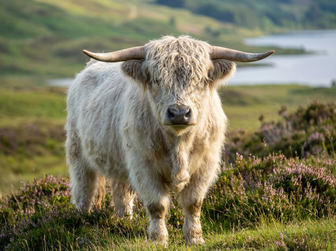
AI-generated illustration.
| Best fit | Birds managed together before individual identification |
|---|---|
| Starting point | Current observed count and a clear group name |
| Shared history | Group events and records |
| Individual history | Create a profile when one bird needs it |
| Display labels | Species and breed labels do not change membership |
| Main check | Explain changes instead of silently replacing totals |
Define the group before entering a number
Choose a name with a useful boundary: a hatch batch, a flock kept together, or another cohort you can recognize later. “Chickens” may work on day one but becomes ambiguous after you add another coop or hatch. Add a location note and a brief explanation of which birds the group includes.
Count the birds you actually have. Do not use eggs set, birds ordered, birds expected, or a remembered total as the current living count. When a count is uncertain, resolve the physical inventory safely and note the uncertainty rather than presenting an estimate as exact.
Open Dashboard, Animals & Groups, then Groups. Choose Create group and Count group, set the owner, current count, and name, and save. The count-group instructions explain the available notes and display labels.
Keep count changes explainable
A current total is useful only when you can explain how it got there. Keep a dated note for arrivals, departures, deaths, and corrections, distinguishing each kind of change. Record what actually happened; a correction to a mistaken count is not an arrival of new birds. For additions, the integrating chickens guide explains quarantine and introductions; a new arrival should not be treated as already sharing every flock event.
An illustrative reconciliation starts with 12 birds, adds two documented arrivals, and records one departure, giving 13. If the physical count is then 12, do not invent another departure to make the arithmetic fit. Recheck the birds and the entries, then record an identified correction or an unresolved discrepancy honestly. These example numbers illustrate arithmetic, not a flock recommendation.

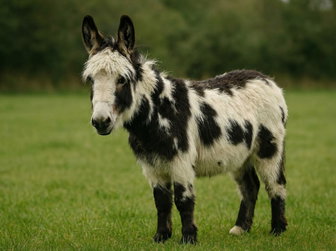
AI-generated illustration.
When using the group’s available count or event controls, read the confirmation and check the resulting number. Do not assume a free-text note changes the numerical count. Equally, changing a species or breed display label does not add or remove birds.
Use shared records only for genuinely shared events
A cleaning event, a whole-group observation, or other shared work can belong on the group. Add enough context that a later reader knows the scope. If only some birds were involved, name that subset in the record and use the appropriate individual or separate-group route.
The group-record guide explains the distinction between a group of individual profiles and a group tracked by count. A count group cannot provide an individual bird’s treatment history when you never identified which bird received it.
- A shared event involving the full count group: Group record with date and scope.
- One bird has a different health history: Individual profile and record.
- You observed only part of the flock: State the limited observation.
- A planned job has not happened: Care task or reminder, not a completed record.
- A hatch is still in progress: Hatch outcome record with known counts.
Create individual profiles when the distinction matters
A bird needs an individual profile when its identity, ownership, breeding, health, or show history must be followed separately. On a count group’s Animals tab, use Promote to individual profiles when offered. Enter each bird’s own details and review the information carried over from the group. A call name from the chicken name generator can make that profile easier to recognize, but add a photo or reliable identifier too. If one bird becomes ill, its individual observations and veterinary records should not be inferred from the flock total. The chicken illness guide explains signs to discuss with a veterinarian.
The group remains as the shared history, and the new profiles retain their connection to it. Creating a profile is not evidence of another bird arriving. Review the remaining capacity shown by the workflow before preparing a batch of profiles.
For a newly hatched batch, use the connected outcome workflow described in chicken hatch records. It can avoid building a second, disconnected group for the same chicks.
Check the group at each management change
When birds move, are split, or begin receiving different care, decide whether the original group still represents a useful unit. Do not keep a single shared routine merely because that was convenient at setup. Use group care plans for planned work and keep completed events in history.

AI-generated illustration.
At a handoff, review the current physical count, the group’s definition, recent changes, and any birds with separate profiles. If the count appears wrong, check whether you are looking at a current total, a historical event snapshot, or profile-promotion capacity. Those numbers can describe different things without contradicting one another.
A useful flock record can be simple. What matters is that another keeper can tell which birds the record covers and where individual exceptions are documented.
Keep the animal total separate from egg production records: birds in the flock and eggs collected are different counts. When planning additions, use the how many chickens guide to consider the practical capacity of the setup before changing the roster.
Do this next on Creatures
Start with the information and responsibility you already have. Choose the action that fits your role today.
- Keep an animal’s history together: Add your chicken with the identity details you know. You can start while signed out and complete the free account steps in the flow.
- Record a real event: Add a record, choose the correct animal and check visibility. The form opens for visitors; a free account is needed to save.
- Follow availability: Save a chicken listing alert. Visitors can enter an email and complete signup; an alert does not guarantee a match.
- Represent your work: If you manage a farm or poultry organization, create its organization profile. Guest signup is available in that flow.
- Compare current listings: Browse chickens on the marketplace, then confirm the individual animal’s identity, history and suitability with the seller.
- Find organizations to contact: Explore the breeder directory and discuss records and ongoing support directly with the relevant organization.







