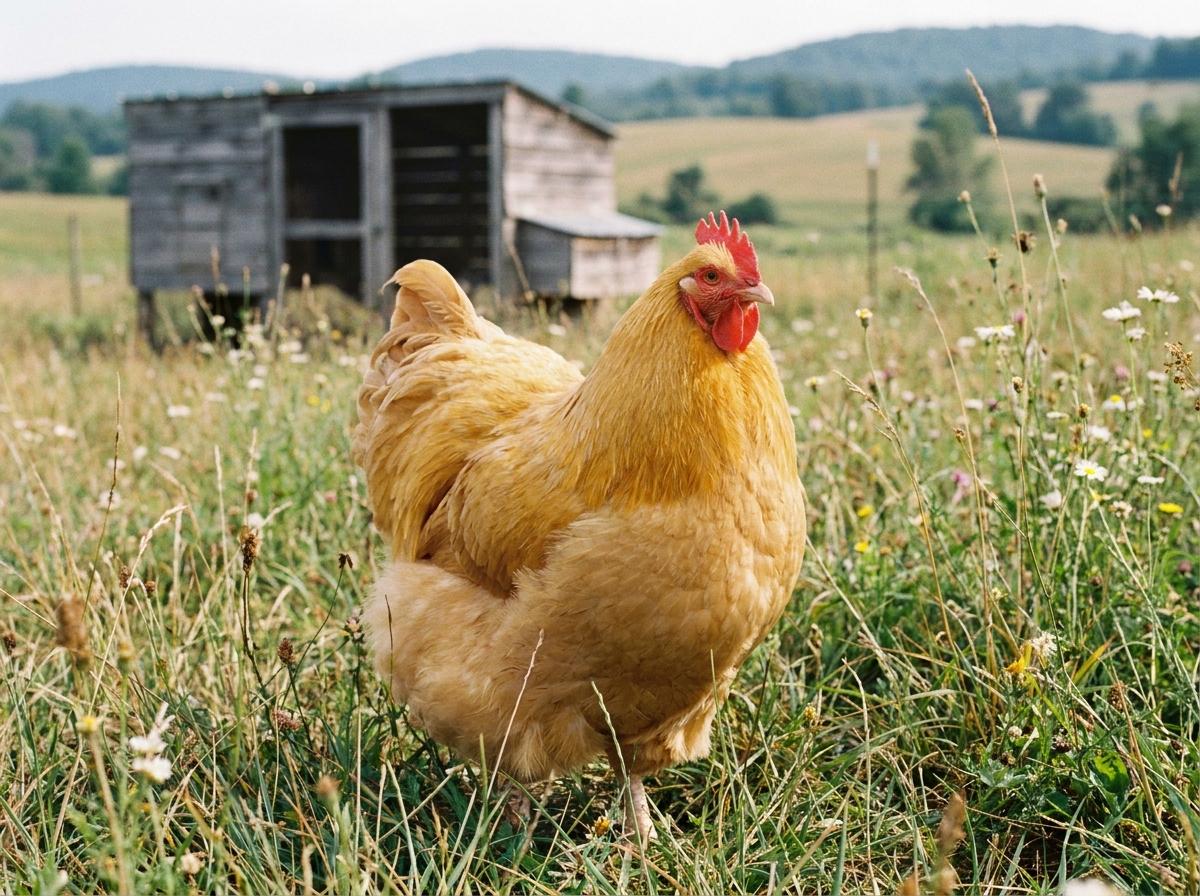
Buff Orpington
Author: Elliott Garber, DVM · Published
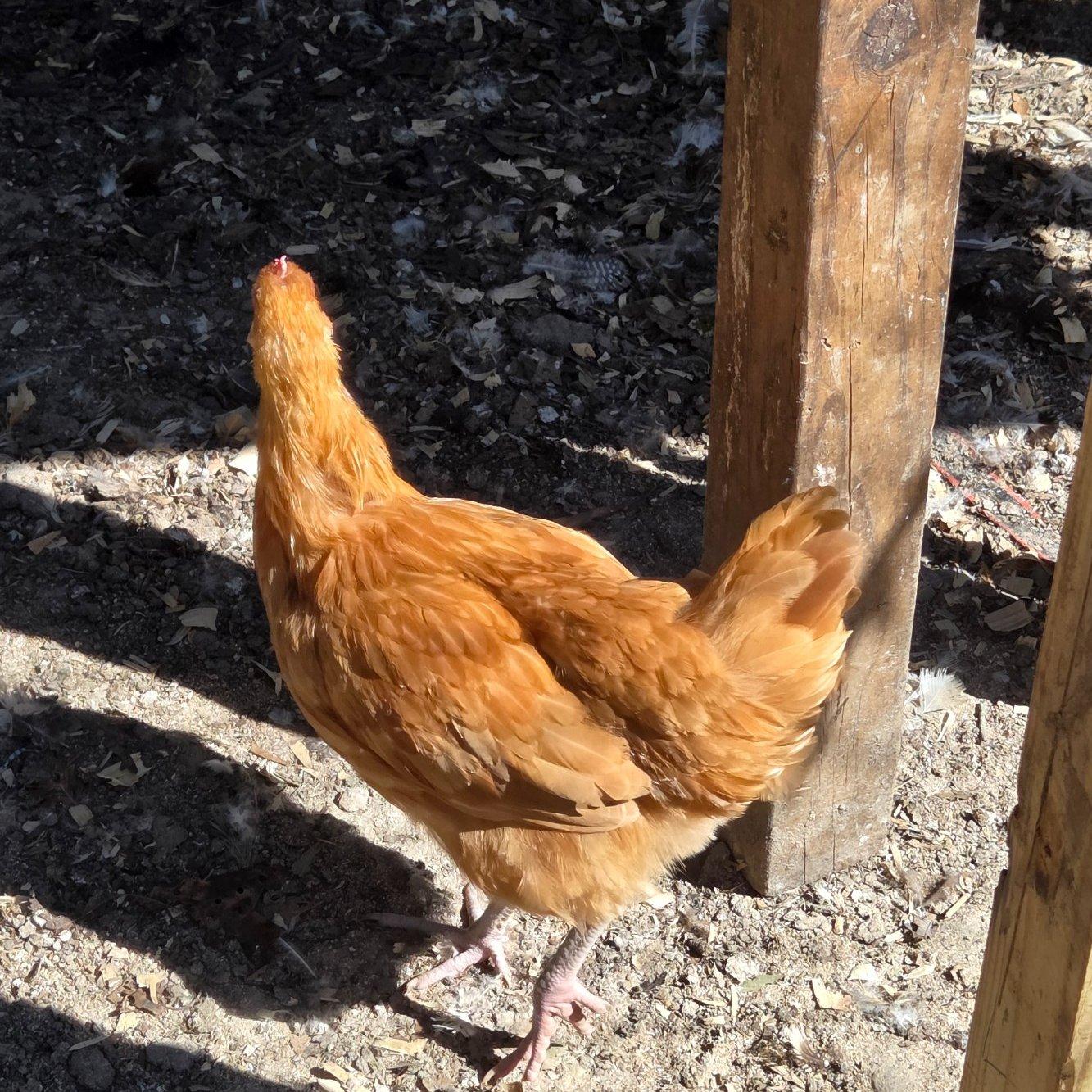
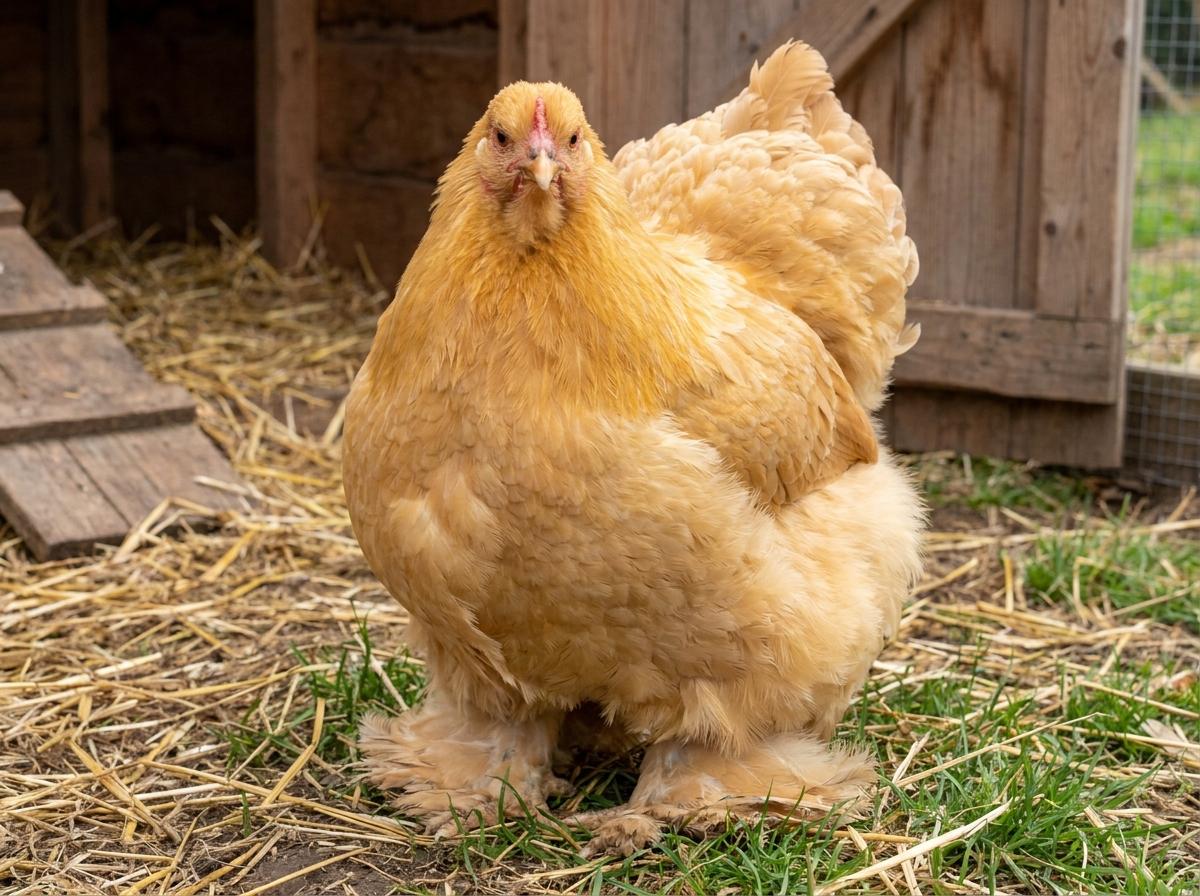
Buff Orpington chickens are large, golden buff, brown egg layers with a reputation for a calm disposition. They suit a keeper who wants a substantial backyard bird and is willing to choose for temperament, housing and the breeder’s actual flock performance. Their soft outline is attractive, but an exhibition silhouette tells you little about how many eggs a particular hen will lay.
Start with the chicken species guide if you are comparing flock options. Already choosing a source? The breeder directory gives you a place to investigate farms before arranging a purchase. Ask which line the birds come from and what the seller actually records.
| Type | Large dual-purpose chicken; buff is a color variety of Orpington |
|---|---|
| Adult standard weight | US large fowl: cock 10 lb; hen 8 lb |
| Younger standard classes | US large fowl: cockerel 8.5 lb; pullet 7 lb |
| Egg shell | Brown; production depends on the line and management |
| Buying priority | Known hatch date, source flock and clear sexing terms |
| Housing priority | Dry bedding, ventilation, predator protection and usable roosts |
The weight figures are US breed-standard class weights, not a promise of an individual bird’s weight. Source: United Orpington Club, Breed Standard, undated page, checked October 16, 2026. The club identifies these as APA standard weights. The Livestock Conservancy’s Orpington profile, source effective date not stated, checked October 16, 2026, also describes males at 10 lb and females at 8 lb.
Browse listings, public profiles, breeders, or add your animal.
Recognizing a Buff Orpington
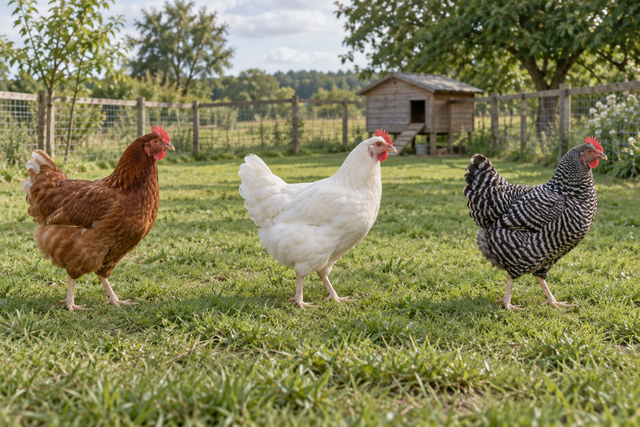
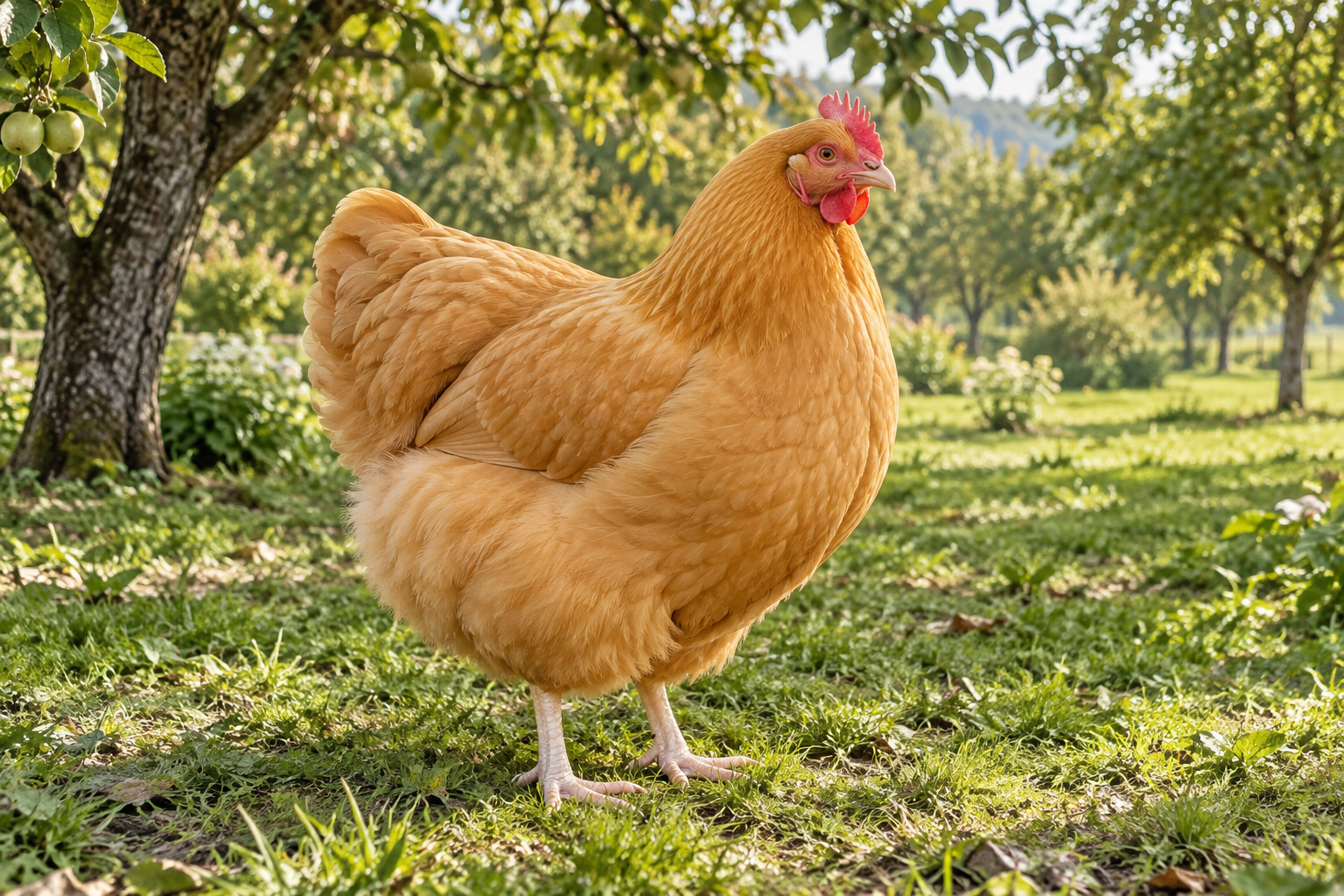
Look for a deep, broad body, a rounded breast, soft abundant plumage, a single comb and clean legs. Buff birds have the warm golden color that gives the variety its name. A heavily feathered leg belongs in a different identification conversation; neither a fluffy outline nor a yellow chick alone establishes Orpington ancestry.
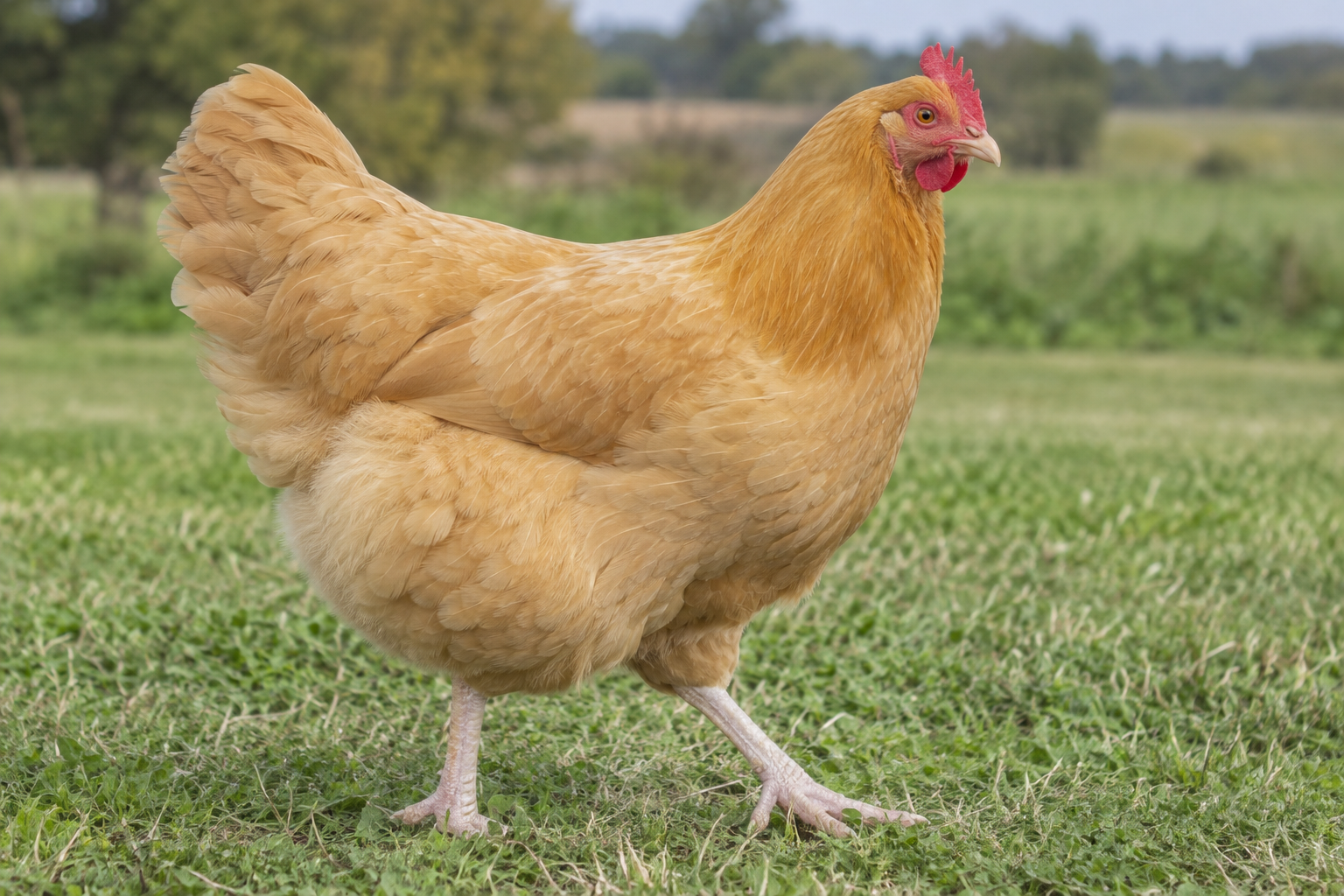
The United Orpington Club’s published standard, undated, checked October 16, 2026, describes broad, deep type and lists feathered shanks, yellow skin and yellow shanks among serious problems or disqualifications in its standard material. Use a show standard to assess breeding goals, while remembering that a comfortable, useful laying hen need not be a show winner.
Ask whether the seller selects primarily for exhibition or utility. Request photographs of mature breeding birds from the actual flock. A hatchery chick photograph cannot show the eventual adult’s body type, and a breeder’s best exhibition photograph cannot establish the performance of every bird being sold.
Eggs, laying records and temperament
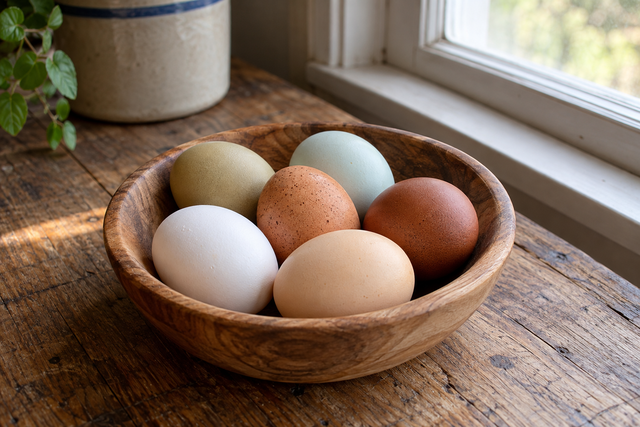
Buff Orpingtons are brown egg layers, rather than a route to blue eggs. The Livestock Conservancy describes the breed’s calm, friendly disposition and brown eggs in its breed profile, source effective date not stated, checked October 16, 2026. Treat that as a breed tendency. Meet the flock when possible, and assess the individual bird’s response to ordinary handling.
There is no universal annual egg count on this page. For a flock bought primarily for eggs, ask the source for its own laying records: the hens’ ages, observation period, feeding and lighting conditions, and whether the count excludes broody or molting periods. A range copied across breed guides is a weak basis for budgeting eggs from your future flock.
Record the hatch date and first egg when they are known. University of Minnesota Extension, reviewed in 2025 and checked October 16, 2026, explains that laying changes with age, molt and daylight. Those are general chicken factors, not Buff Orpington performance guarantees. For comparison, explore the Brahma guide and Easter Egger guide, then ask each source the same practical questions.
Housing a heavy, soft-feathered chicken
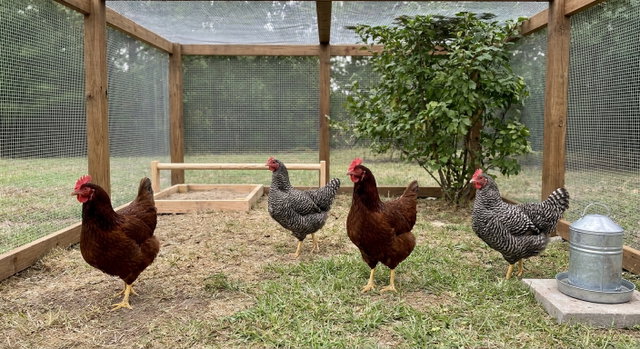
Prepare the accommodation before the birds arrive. A secure coop should protect against weather and predators, provide roosts and nest space, and let you clean and inspect the flock without a struggle. Keep feed and water accessible to the birds that are actually using the space. These are general backyard poultry requirements supported by Minnesota Extension’s egg-flock guide, reviewed in 2025, checked October 16, 2026.
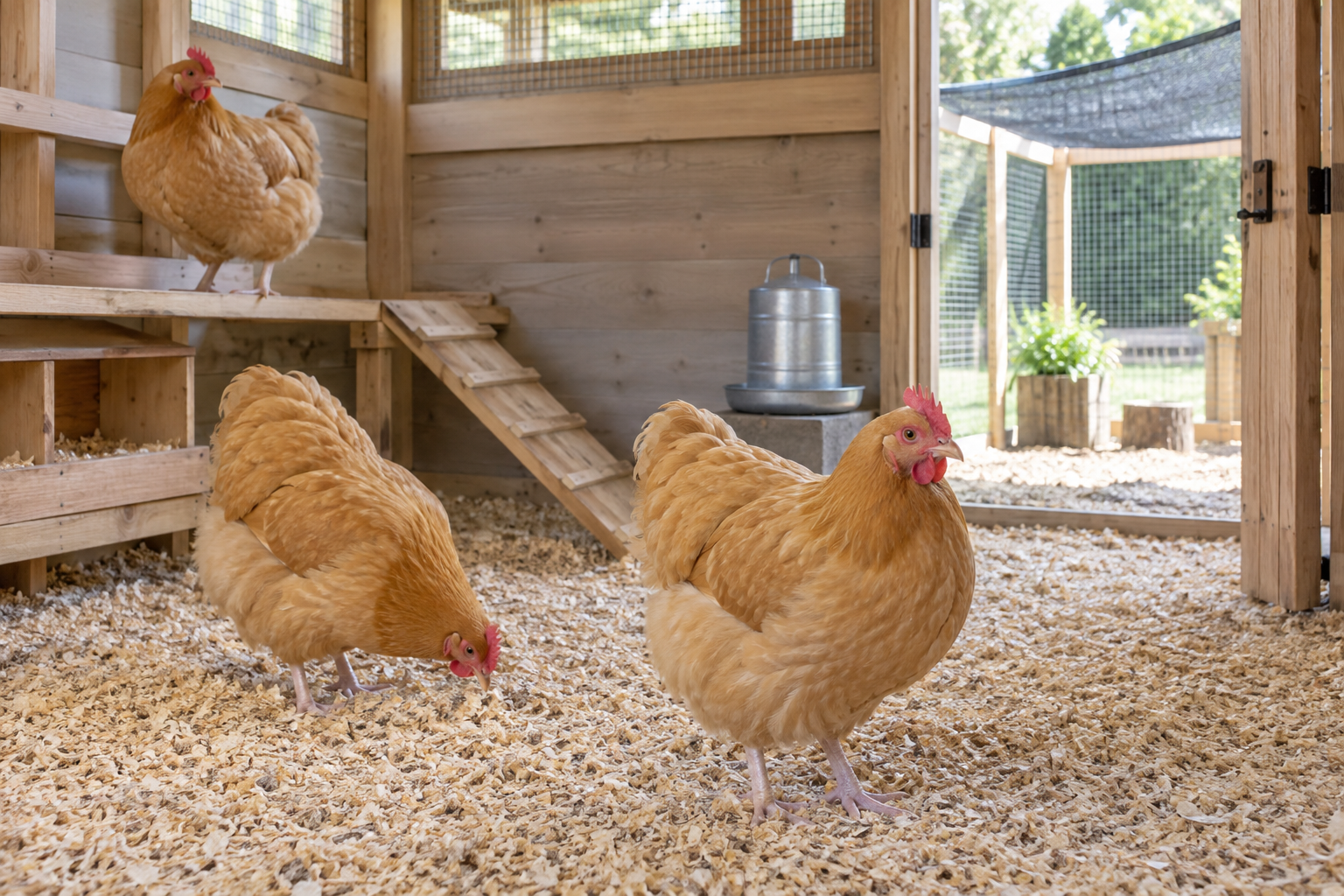
Cold tolerance does not make damp, stale housing acceptable. Manage wet bedding and manure, and retain ventilation while preventing cold drafts directly on resting birds. Minnesota Extension’s cold-weather guidance, reviewed in 2026, checked October 16, 2026, specifically includes Orpington among heavier breeds that overwinter well and explains why moisture control matters.
Plan for summer too. Shade, cool clean water and effective airflow belong in the setup before hot weather arrives. Minnesota Extension’s heat-stress guidance, reviewed in 2026, checked October 16, 2026, identifies panting and increased drinking as heat-stress signs. A bird in distress needs prompt attention and veterinary advice; a breed’s reputation for hardiness is no substitute for watching the flock.
Buying without a misleading price range
Compare like with like: hatching eggs, day-old chicks, started pullets and mature breeding birds are different purchases. Ask what sexing assurance applies, whether a bird’s age is documented, and which vaccinations or other services are included. Get the total with shipping, pickup terms and fees before committing.
No current numeric seller offer is reproduced here. The seller page checked during preparation did not establish an available hatch to purchase, so its displayed price is not presented as a current offer. This also avoids implying that an unavailable chick price values an older pullet or a show breeding bird. Check the source’s current availability directly and compare the complete transaction.
Do this next on Creatures
Looking for birds? Check the Buff Orpington marketplace filter, research farms in the breeder directory, or save a Buff Orpington listing alert if nothing fits. The saved-search guide explains the workflow. A directory profile does not promise current stock.
Already own birds? Add a chicken profile, then add a record for a known hatch date, source, weight or care event. The record form opens for visitors; saving requires a free account. See adding an animal and adding a record.
Breeding or supplying birds? Create your farm or breeder profile and read getting listed in the breeder directory. Describe your own flock and current availability plainly.
Facts checked October 16, 2026. The Creatures content routine, with Elliott’s review, rechecks stable breed facts yearly or on reported change. Any future seller-price lines are checked monthly in season and quarterly otherwise; overdue price lines are removed.