Brahma
Author: Elliott Garber, DVM · Published
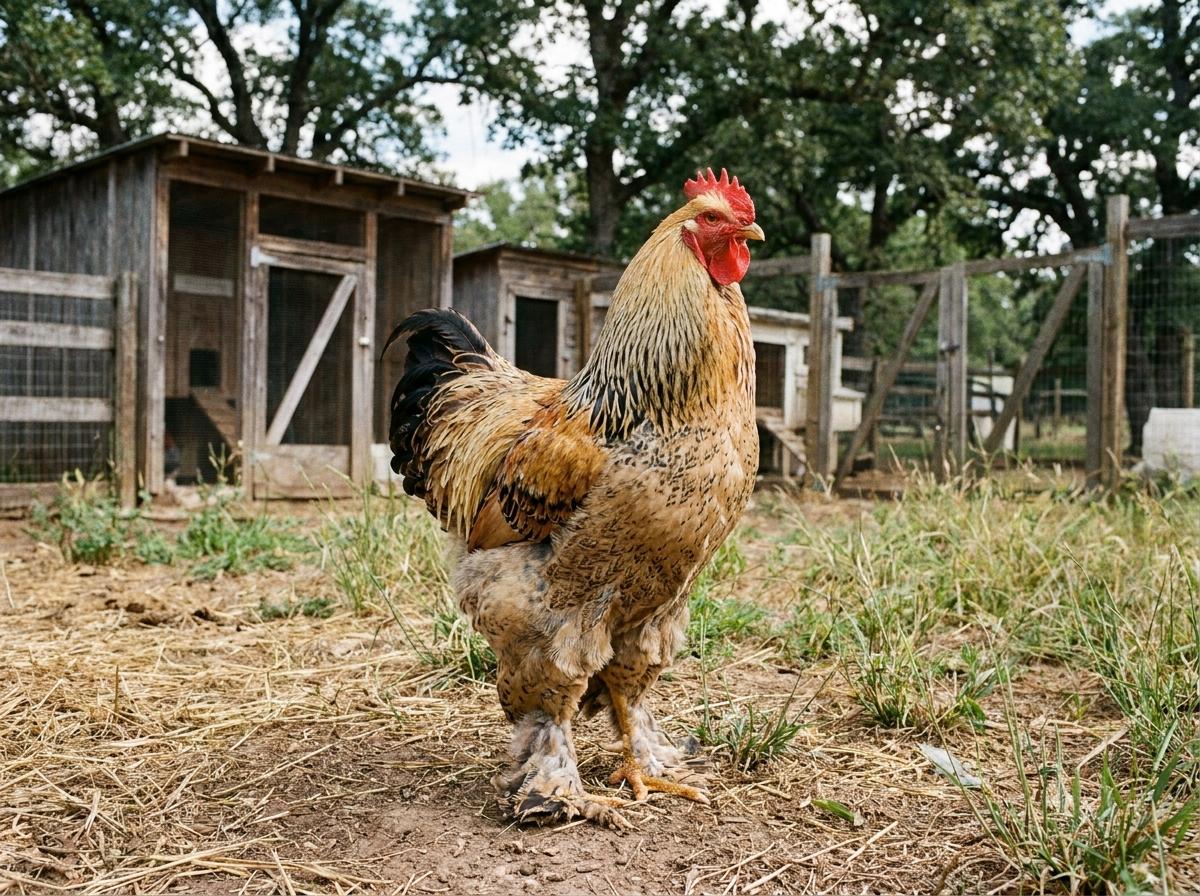
Brahma chickens are substantial, feather-legged, brown egg chickens recognized by their broad bodies and small pea combs. They are a practical choice only when the keeper can accommodate the adult bird, not just the appealing chick. Give extra thought to access, dry ground and handling before deciding that a large chicken belongs in your flock.
Compare options in the chicken species guide and research sources through the breeder directory. Ask to see the seller’s mature birds and the conditions they live in. A dramatic photograph is less useful than a clear view of ordinary movement and the actual breeding flock.
| Type | Large dual-purpose chicken; bantams are a separate size category |
|---|---|
| Identification | Pea comb, broad body, feathered shanks and toes |
| US recognized colors | Light, Dark and Buff |
| Egg shell | Brown |
| Buying priority | Confirm variety, size category, hatch date and source flock |
| Housing priority | Dry footing and usable access for a heavy feather-legged bird |
The American Poultry Association’s accepted list, undated, checked October 16, 2026, lists Light, Dark and Buff Brahmas in large fowl and bantams. The Livestock Conservancy’s Brahma profile, source effective date not stated, checked October 16, 2026, supports the brown-egg, calm-disposition breed description. Neither source makes every individual a predictable layer or pet.
Browse listings, public profiles, breeders, or add your animal.
Recognizing the breed and variety
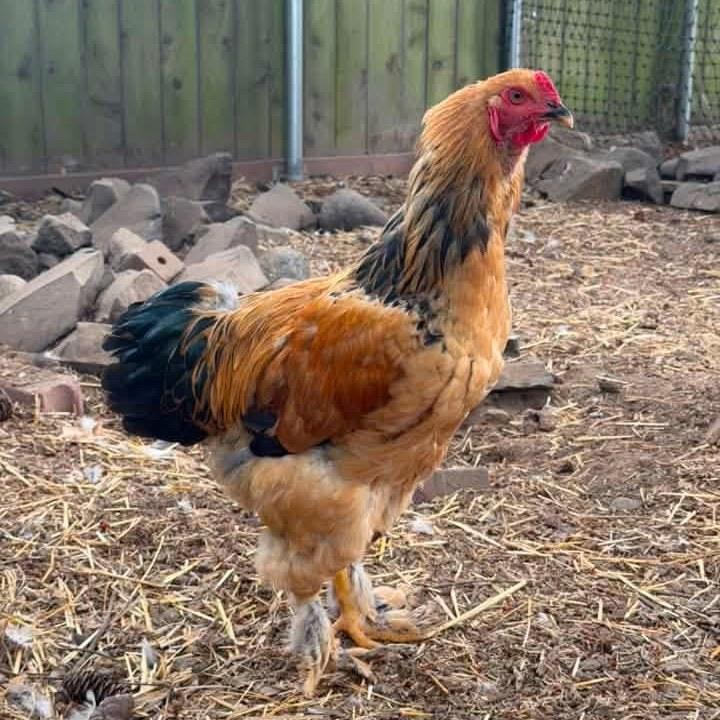
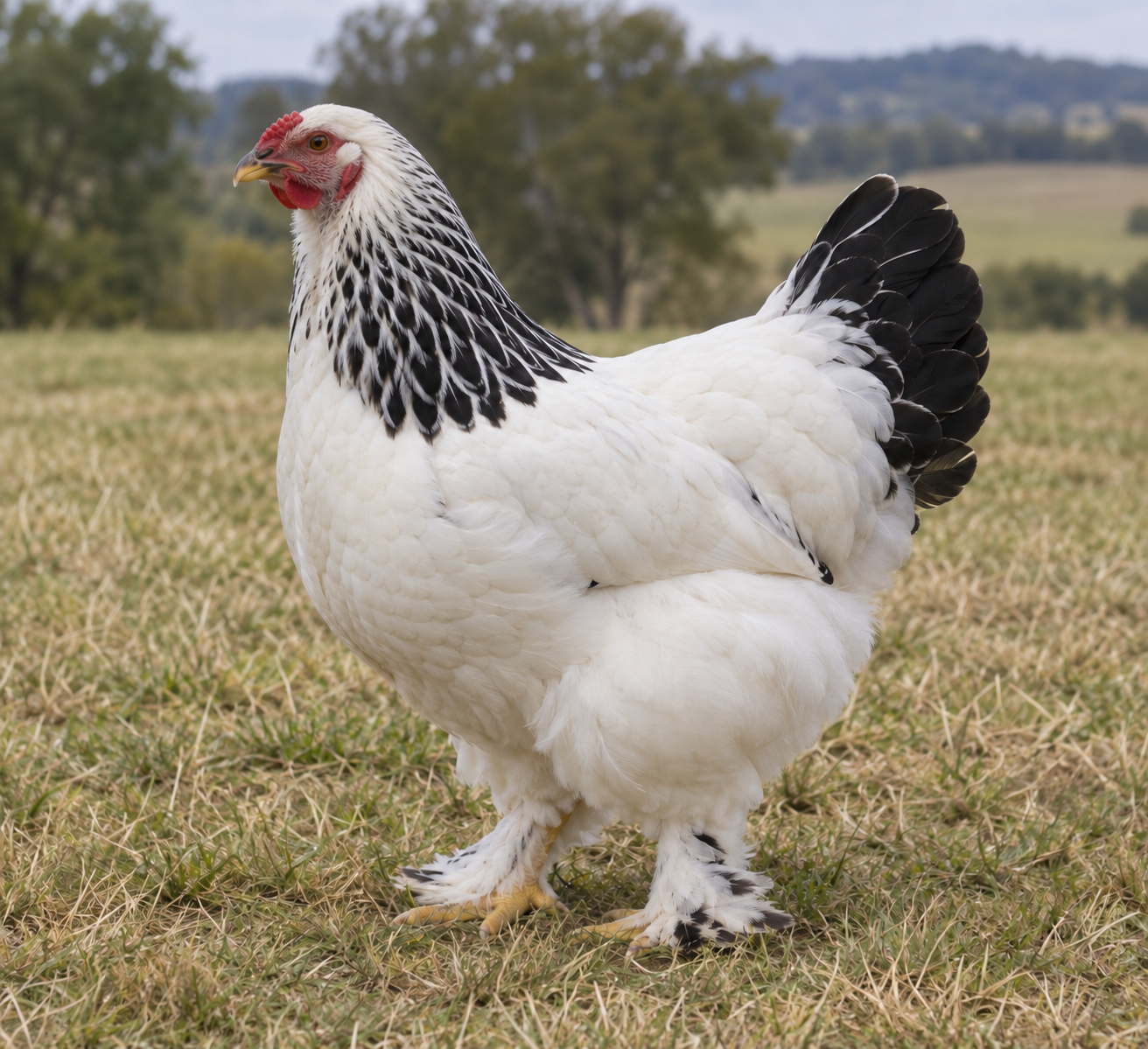
Feathers on the shanks and toes are a Brahma feature. Look above them too: the small pea comb and broad head help distinguish a Brahma from another large feather-legged chicken. The Brahma Club de France standard, undated, checked October 16, 2026, describes the broad, deep form and small pea comb with parallel rows. Its standard is a French context, not a substitute for a US exhibitor’s current APA standard.
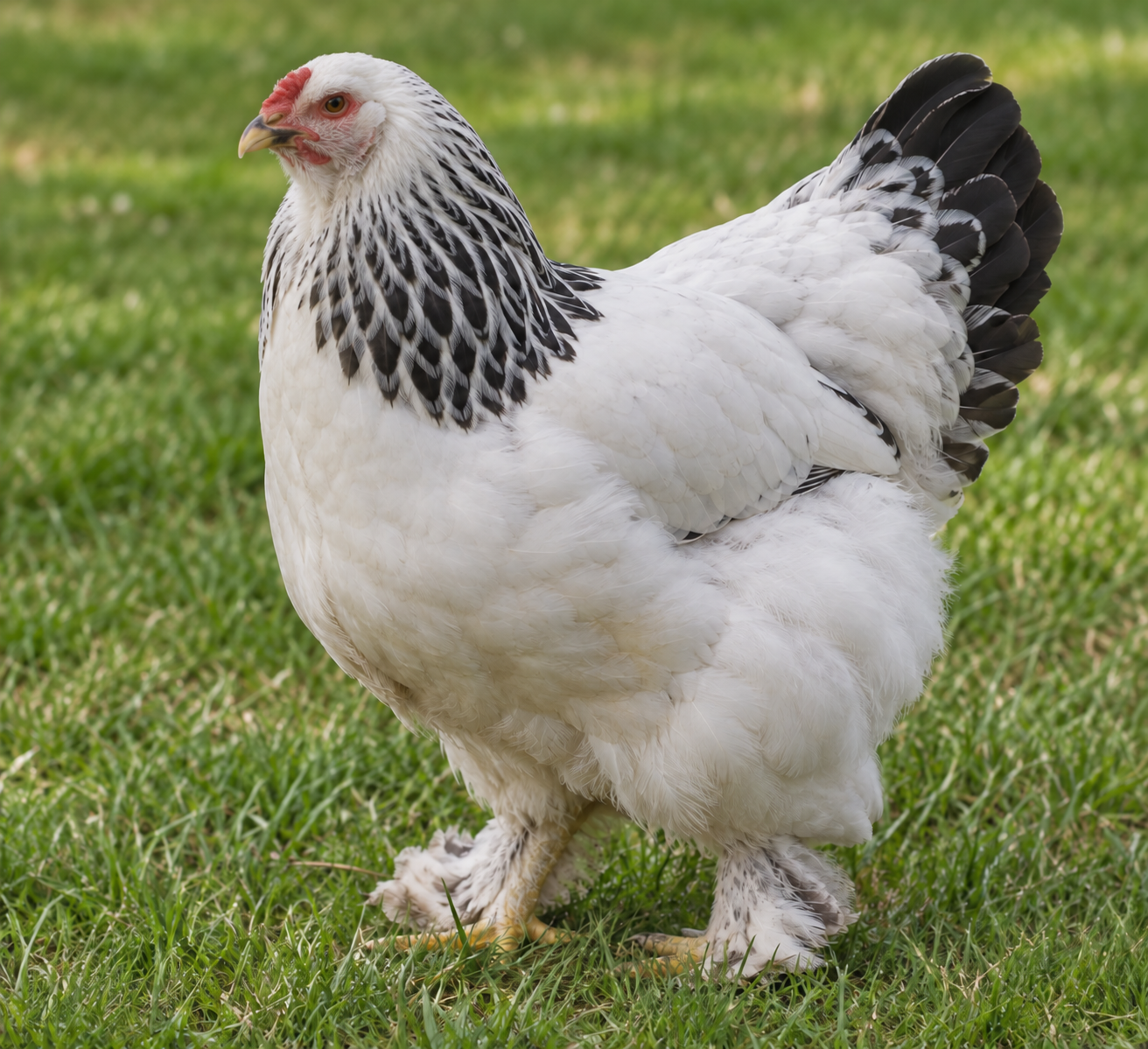
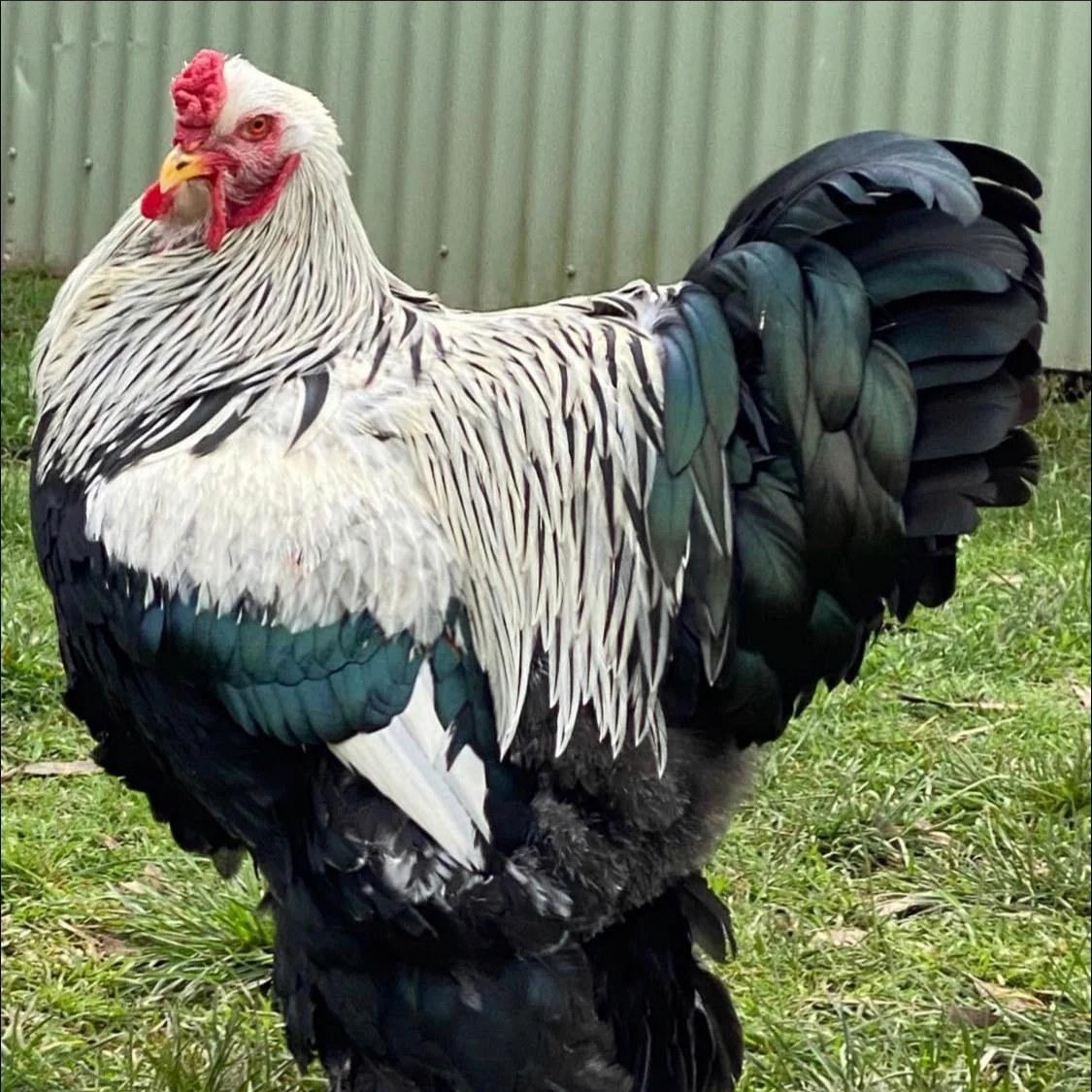
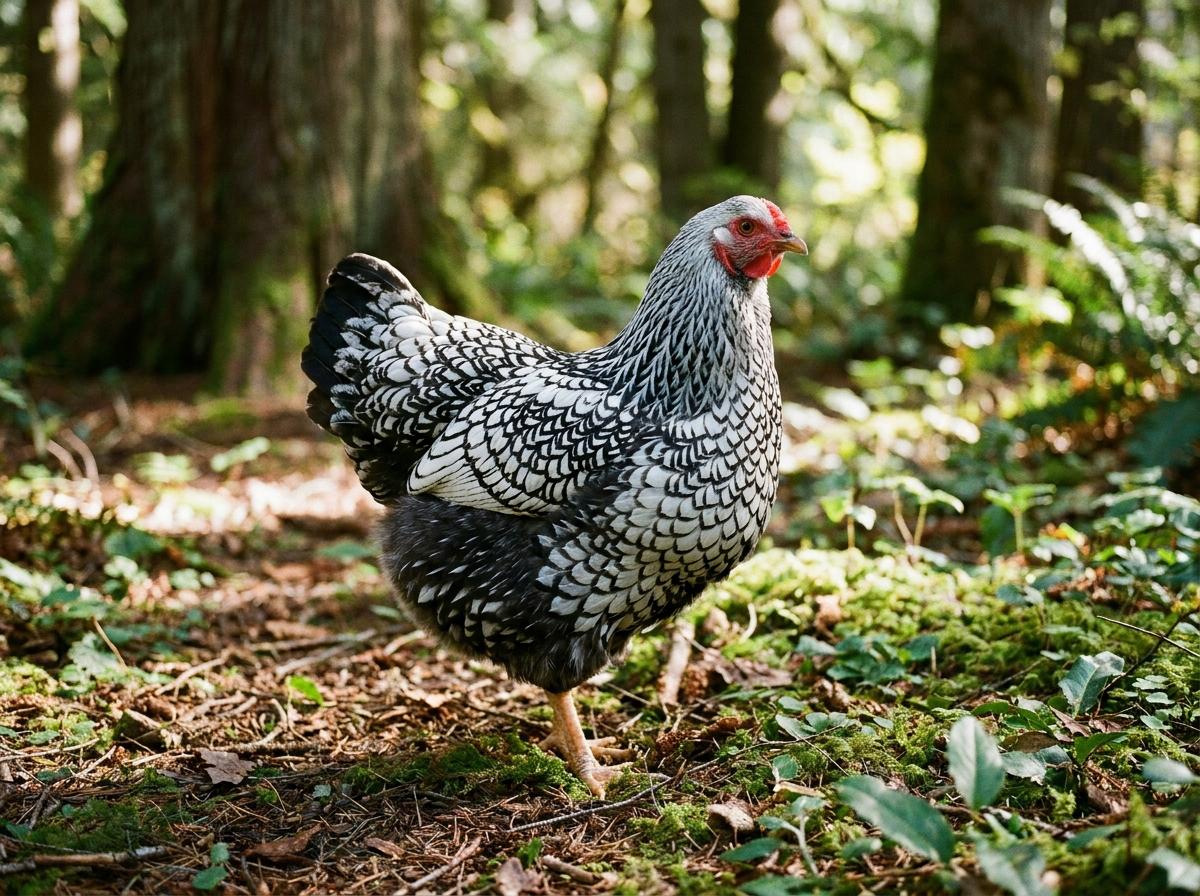
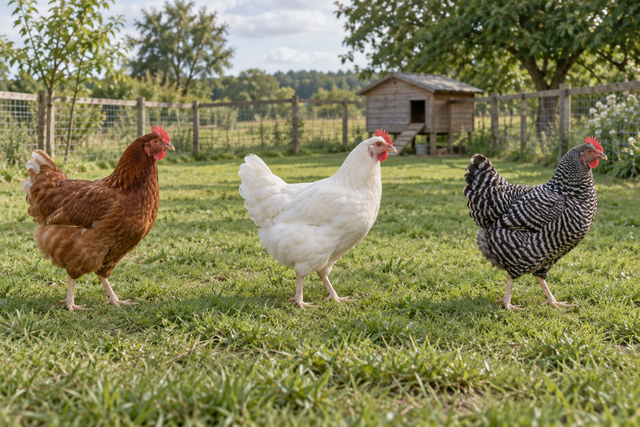
The Light variety has a largely white body with black markings concentrated in the neck and tail. Other varieties have different patterns, so confirm what the seller is offering rather than treating every Brahma as the white bird pictured here. The Oklahoma State University breed profile, undated, checked October 16, 2026, describes the feathered legs, pea comb and recognized varieties.
Full-size birds and bantams should not be combined in one shopping comparison. Ask which is being sold and request the mature flock’s actual measurements if the fit of your housing matters. A breed weight is not an estimate of the load on a particular perch or the weight of a bird you have not yet seen.
How big does a Brahma get?
The Livestock Conservancy profile, source effective date not stated, checked October 16, 2026, publishes male 12 lb and female 10 lb in its profile. These are descriptive large-breed reference figures, not an APA class-weight table, a maximum, a bantam weight or a guarantee for a hatchery line.
For exhibition, use the current standard for the variety and age class. Do not turn historical accounts of unusually heavy birds into a target for feeding your own flock. Evaluate normal movement and body condition with appropriate professional advice if you are unsure. The aim is a sound, comfortable bird, rather than the heaviest possible bird.
Eggs and flock temperament
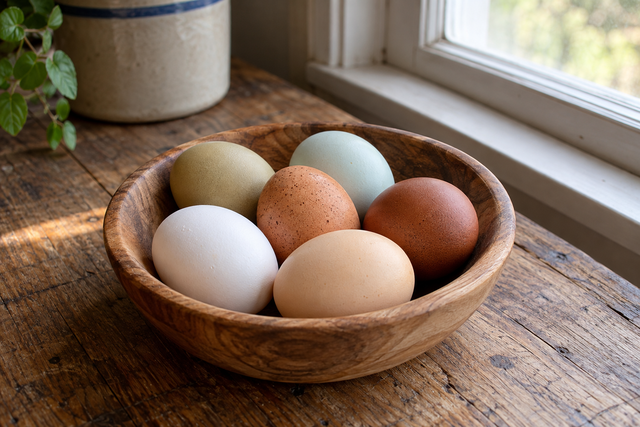
Brahmas lay brown eggs. The Livestock Conservancy describes their calm disposition and reputation for winter laying in its breed profile, source effective date not stated, checked October 16, 2026. That reputation is a starting point for questions, not a winter egg guarantee.
Ask the breeder what its own hens produced, at what age and under which lighting and feeding conditions. Find out whether the figures describe the whole flock or a selected group. This guide gives no universal annual egg count because a generic number would conceal the differences that matter to a buyer.
Minnesota Extension’s general laying guide, reviewed in 2025, checked October 16, 2026, explains that laying changes with age, molt and daylight. Use your flock’s own records to establish its normal pattern. Compare Buff Orpington if you prefer a substantial clean-legged bird, or Easter Egger if colored eggs are the main interest.
Housing that works for the adult bird
Check doorways, roost access, nest access and the route between the coop and run with the eventual adult in mind. Keep the floor dry and inspect feathered feet during routine care. The Livestock Conservancy, source effective date not stated, checked October 16, 2026, cautions about mud and the breed’s feathered feet. A dry-looking nest area does not solve a muddy doorway every bird must cross.
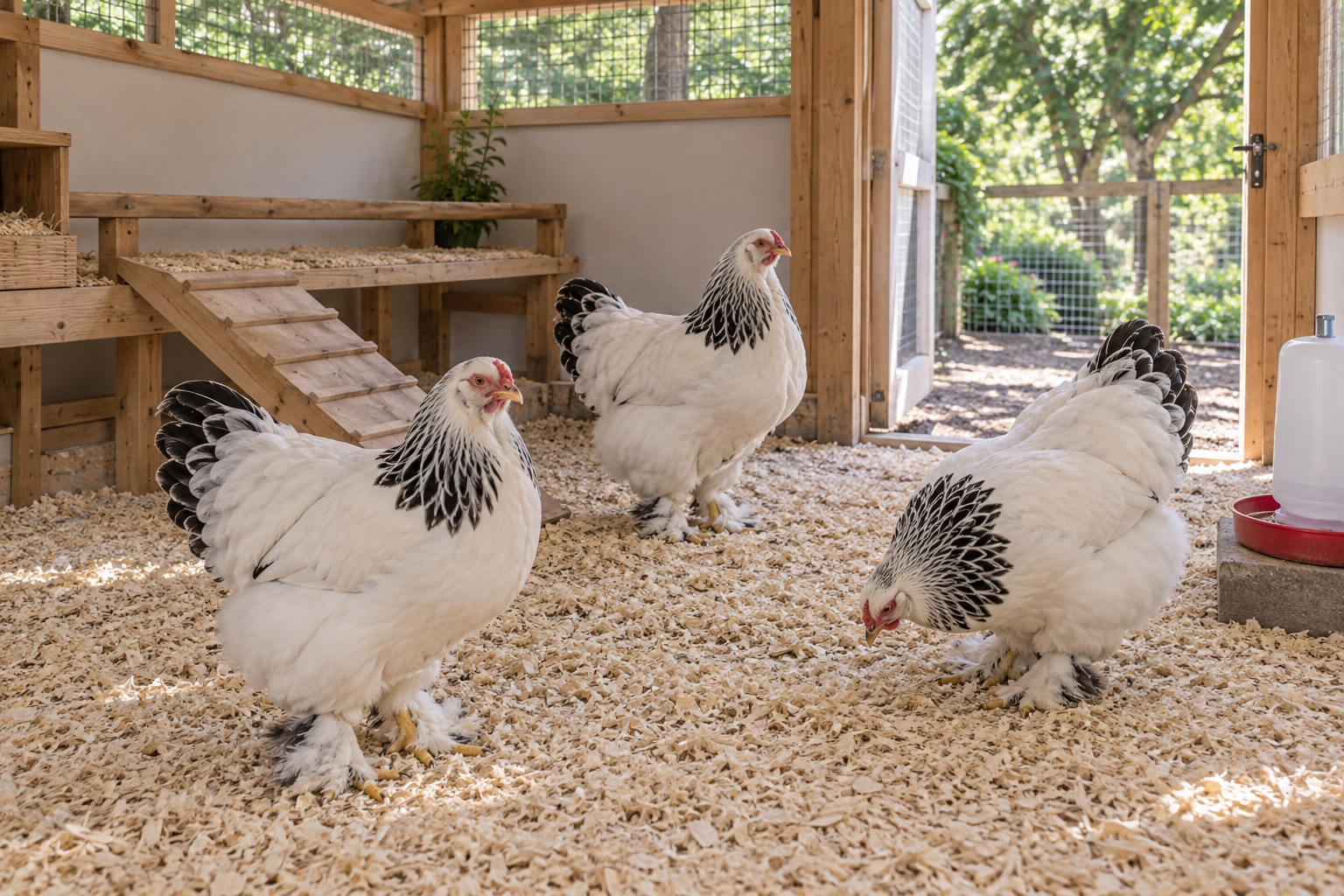
Use a predator-secure coop with clean water, appropriate feed, roosts and nest space. Minnesota Extension’s flock guidance, reviewed in 2025, checked October 16, 2026, supports these general chicken requirements. Choose a layout you can clean and a roost arrangement the individual birds actually use comfortably.
Cold-weather suitability does not excuse wet litter or poor ventilation. Minnesota Extension’s winter guide, reviewed in 2026, checked October 16, 2026, explains the importance of moisture control and air exchange. Plan shade, airflow and drinking water in summer too, following its heat-stress guidance, reviewed in 2026 and checked the same date.
Buying questions and price context
Ask whether the offer is for hatching eggs, day-old chicks, started pullets or mature breeding stock. Request the variety, size category, hatch date, sexing terms, flock source and known care history. Make sure a photograph represents the actual birds or breeding flock, rather than an unrelated exhibition winner.
This article does not give a typical price or a pooled hatchery range. For a useful offer comparison, obtain a dated seller price with sex, age or stage, quantity, currency, shipping, fees and current availability. Put the complete quote beside the records and care information you are receiving.
Do this next on Creatures
Research farms in the breeder directory, browse the Brahma marketplace filter, or save a Brahma listing alert. The saved-search guide explains alerts. A directory entry does not promise current stock.
Add a chicken profile and add a record for its source, hatch date, weight or care event. Visitors can open the form; a free account saves the record. Read adding an animal and adding a record.
If you supply birds, create a farm or breeder profile and review getting listed. State the variety and size category clearly.
Checked October 16, 2026. The content routine, with Elliott’s review, rechecks stable facts yearly or on reported change. Any future seller-price lines are checked monthly in season and quarterly otherwise; overdue lines are removed.