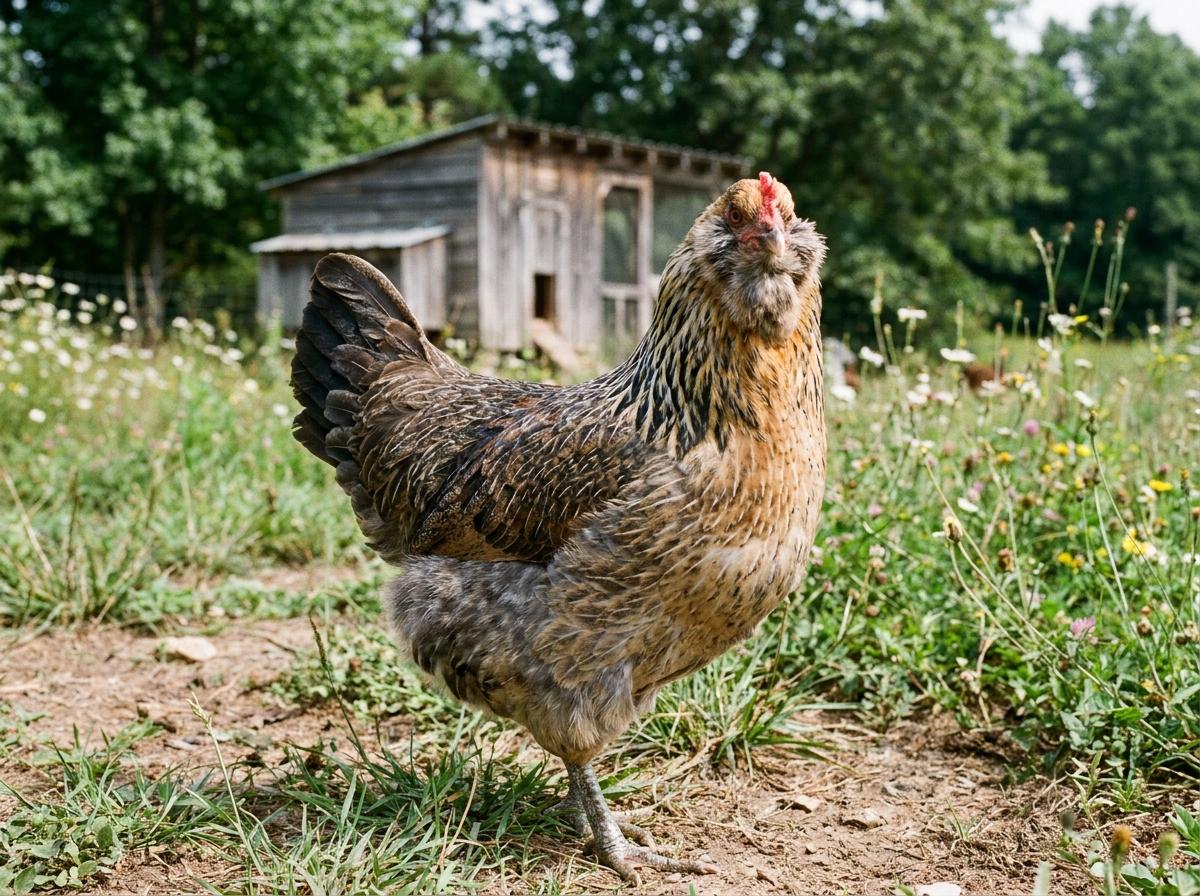
Easter Egger
Author: Elliott Garber, DVM · Published
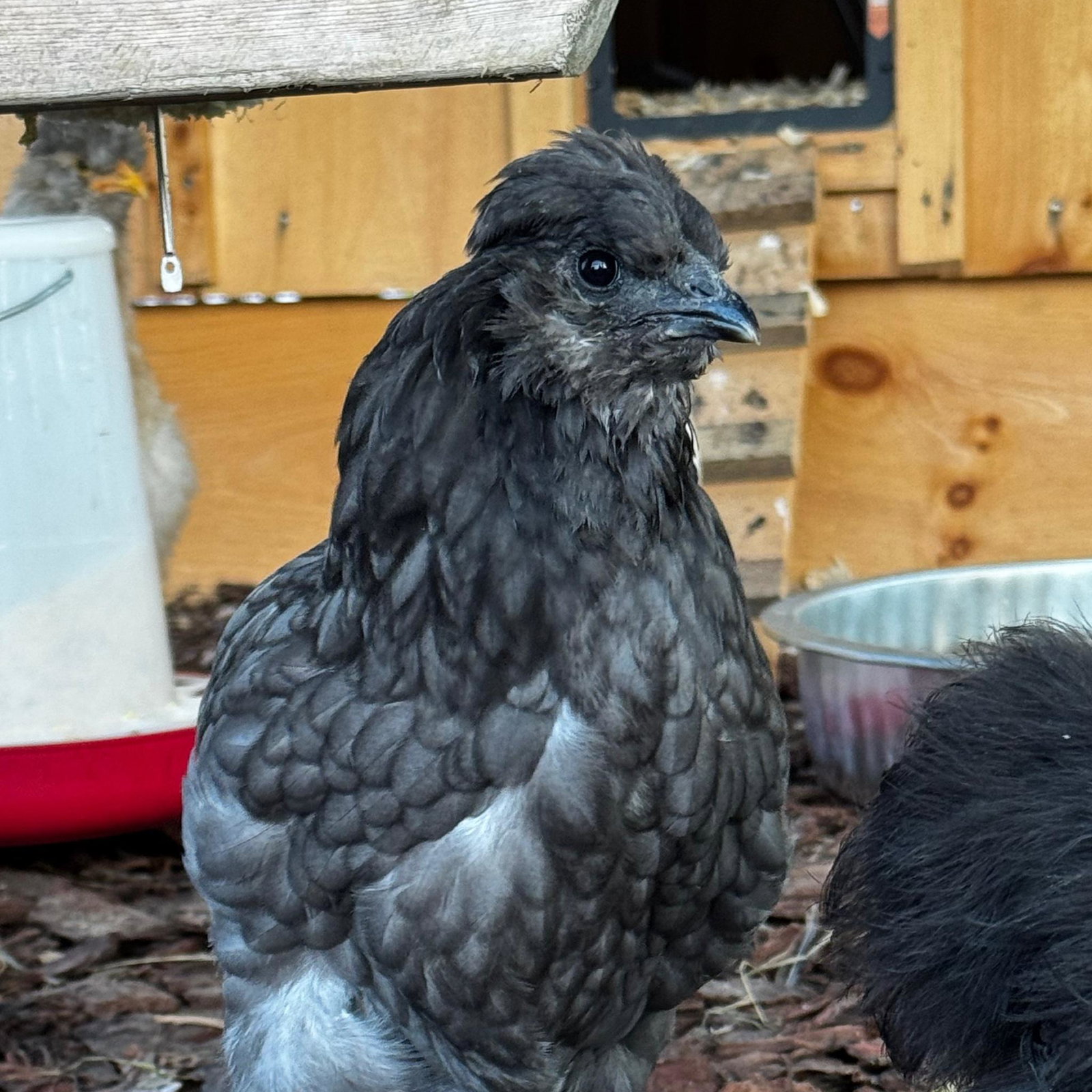
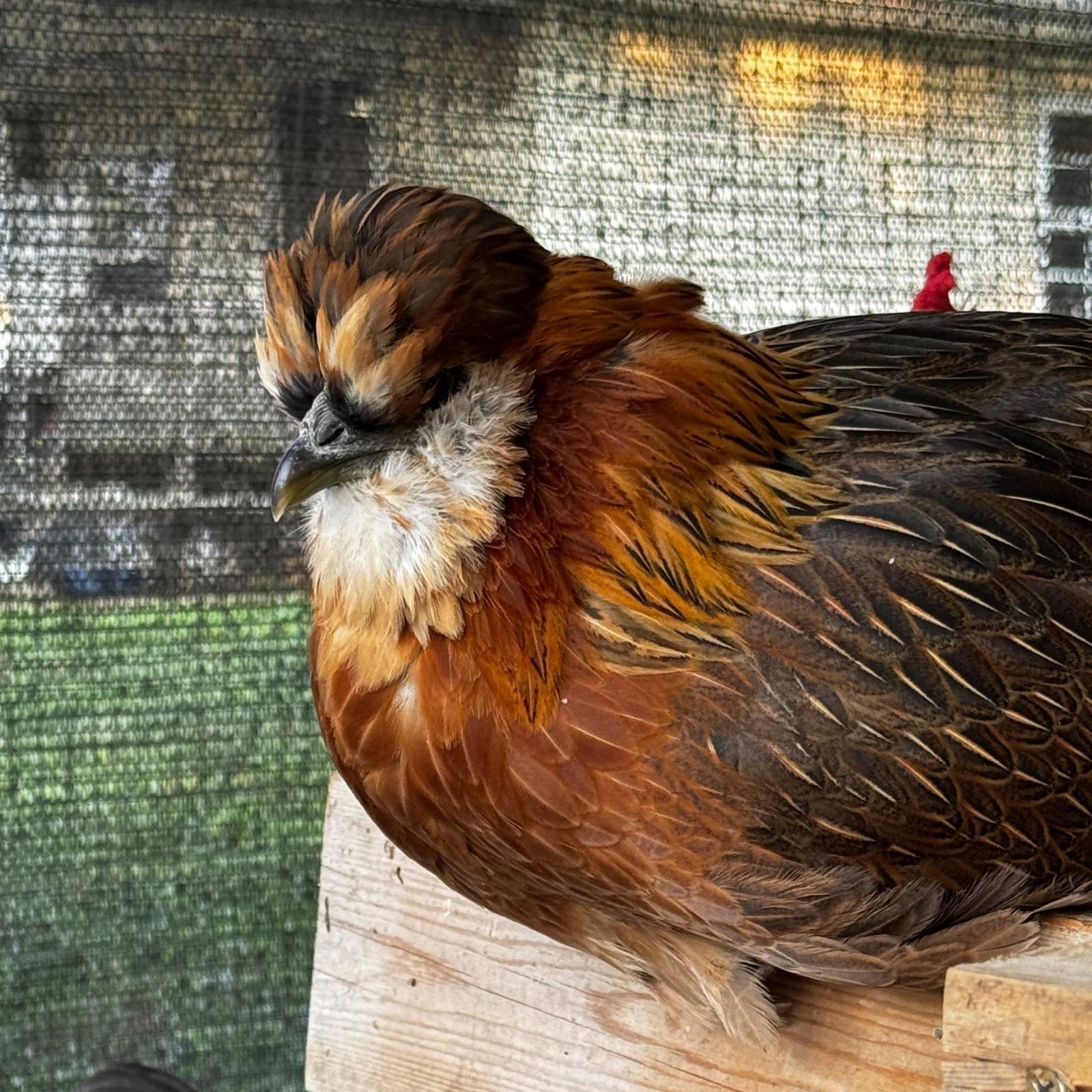
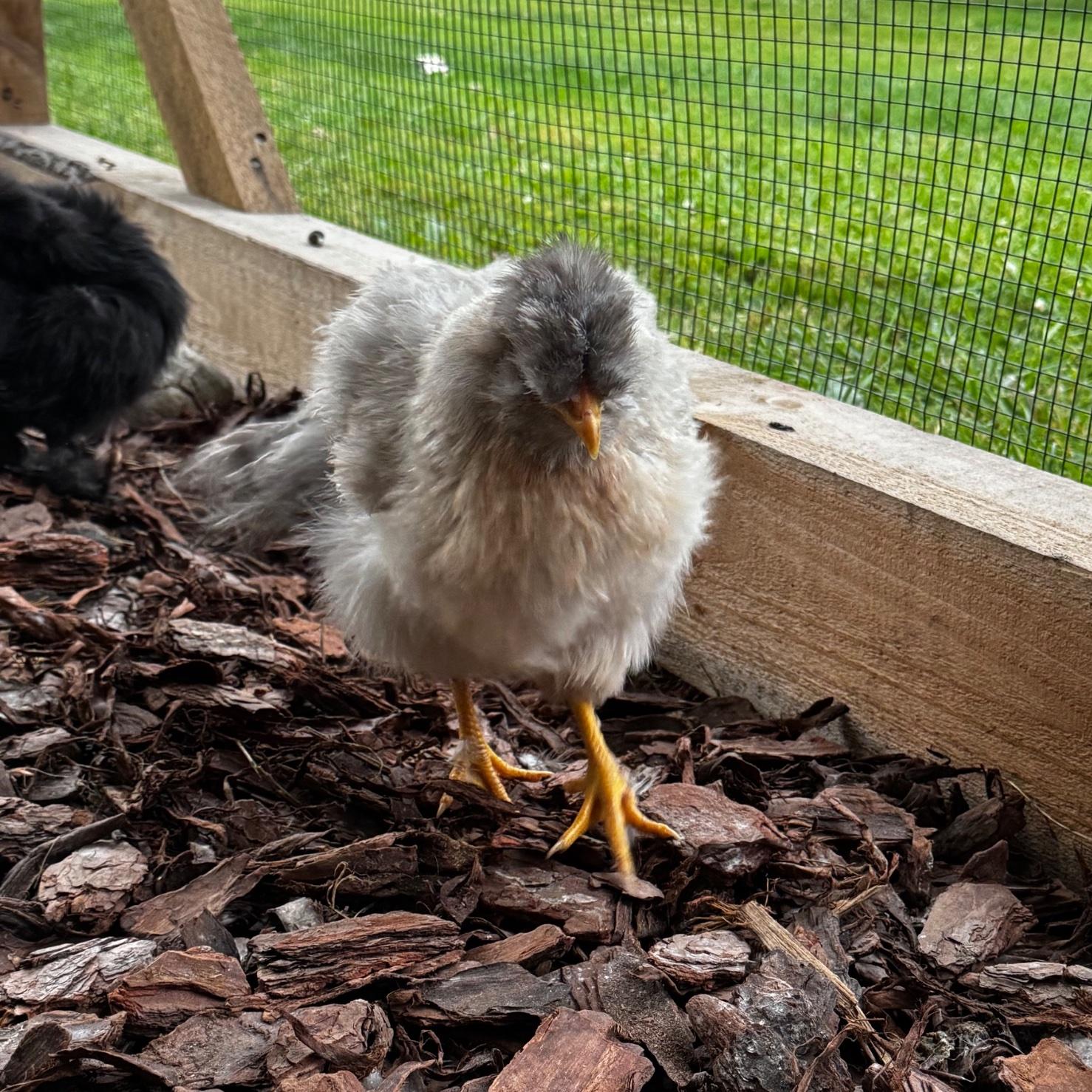
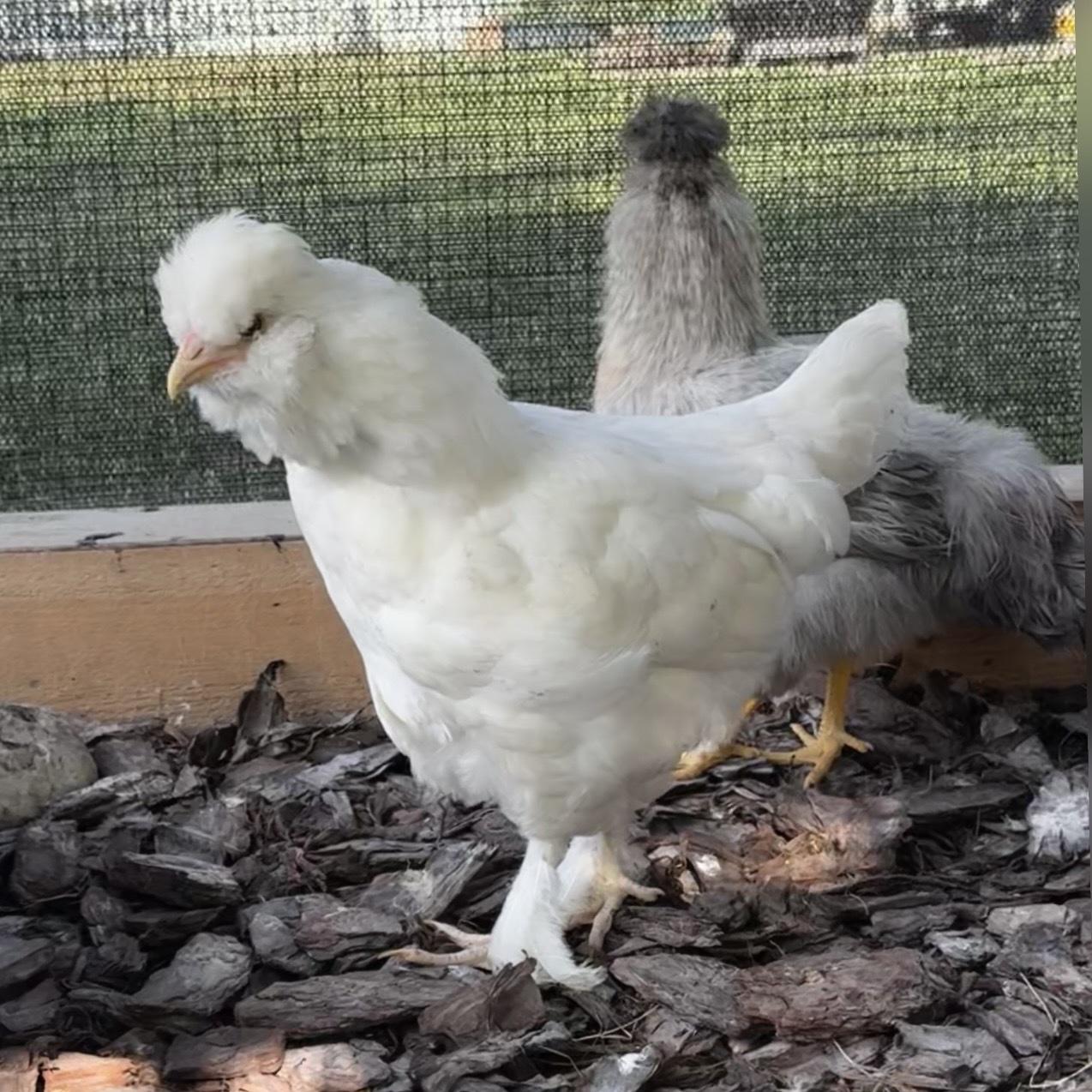
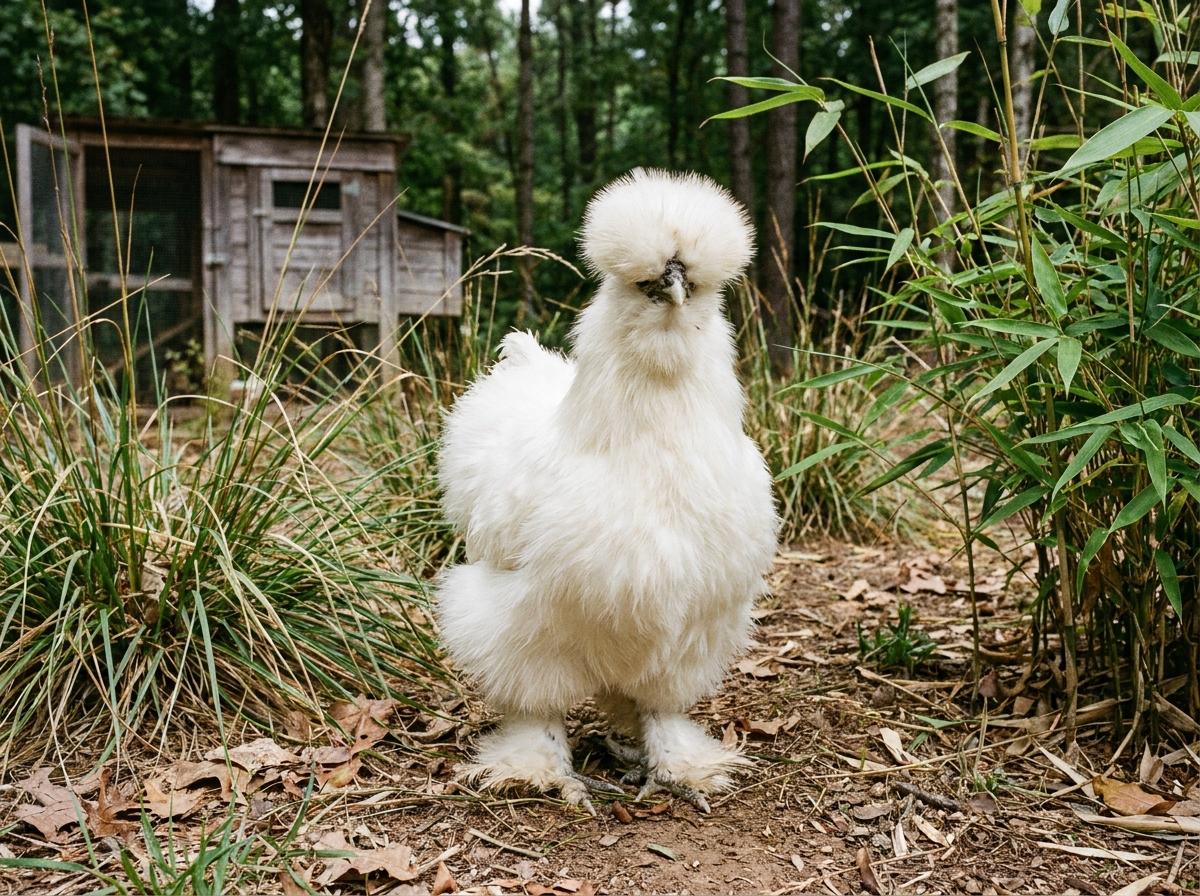
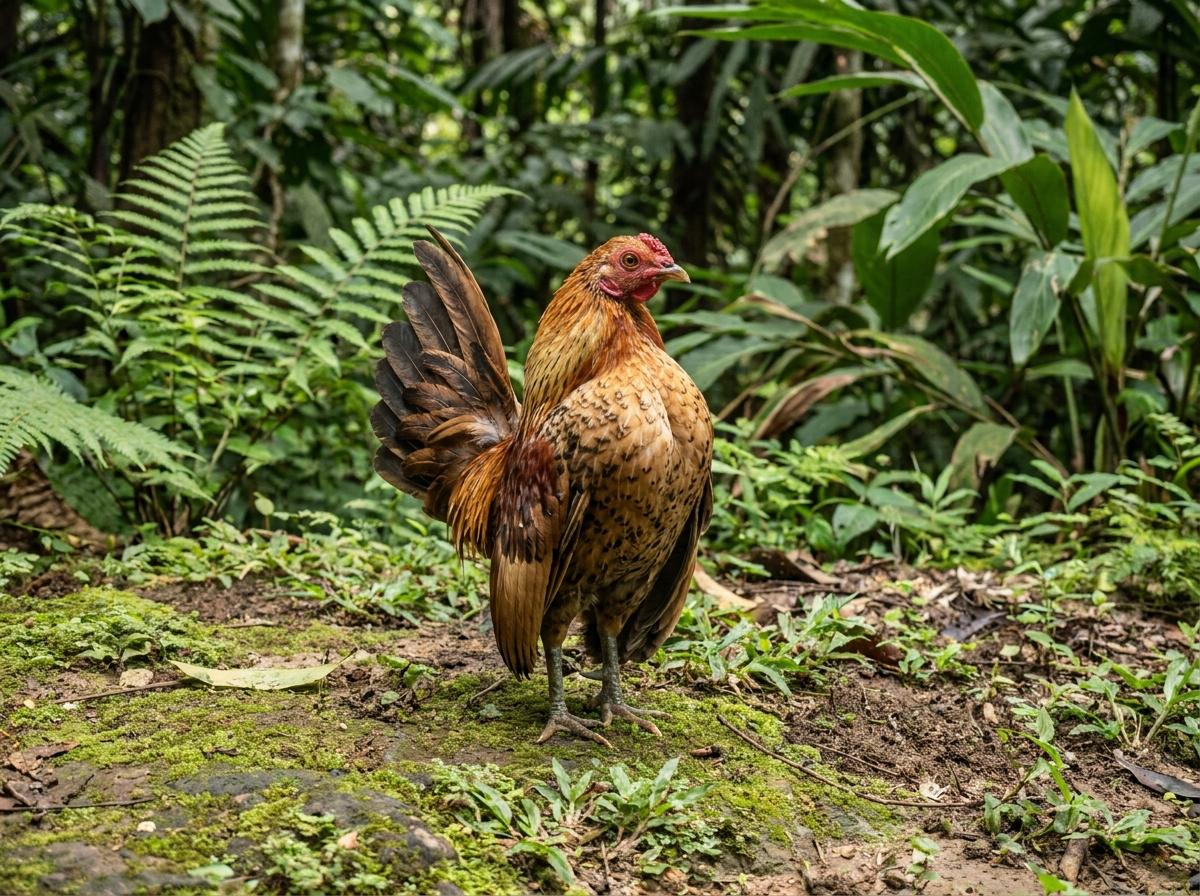
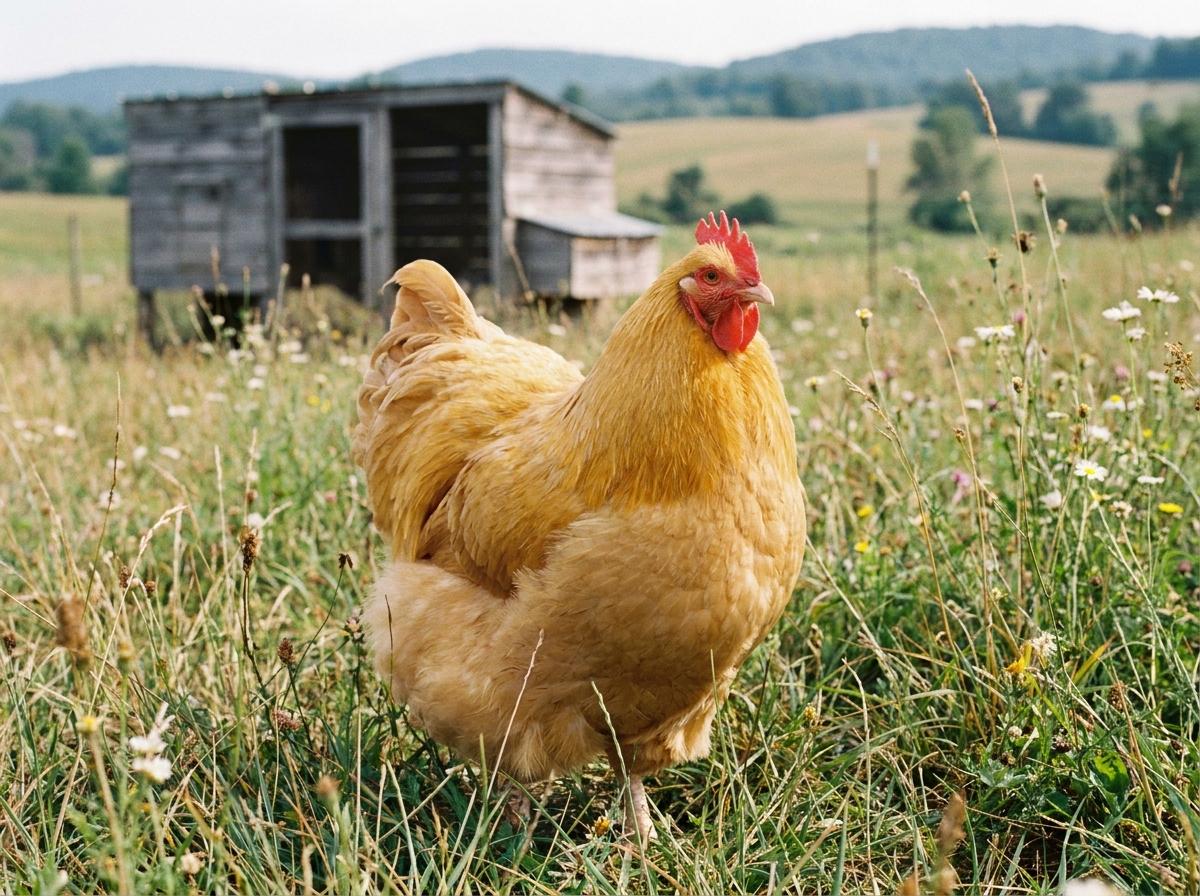
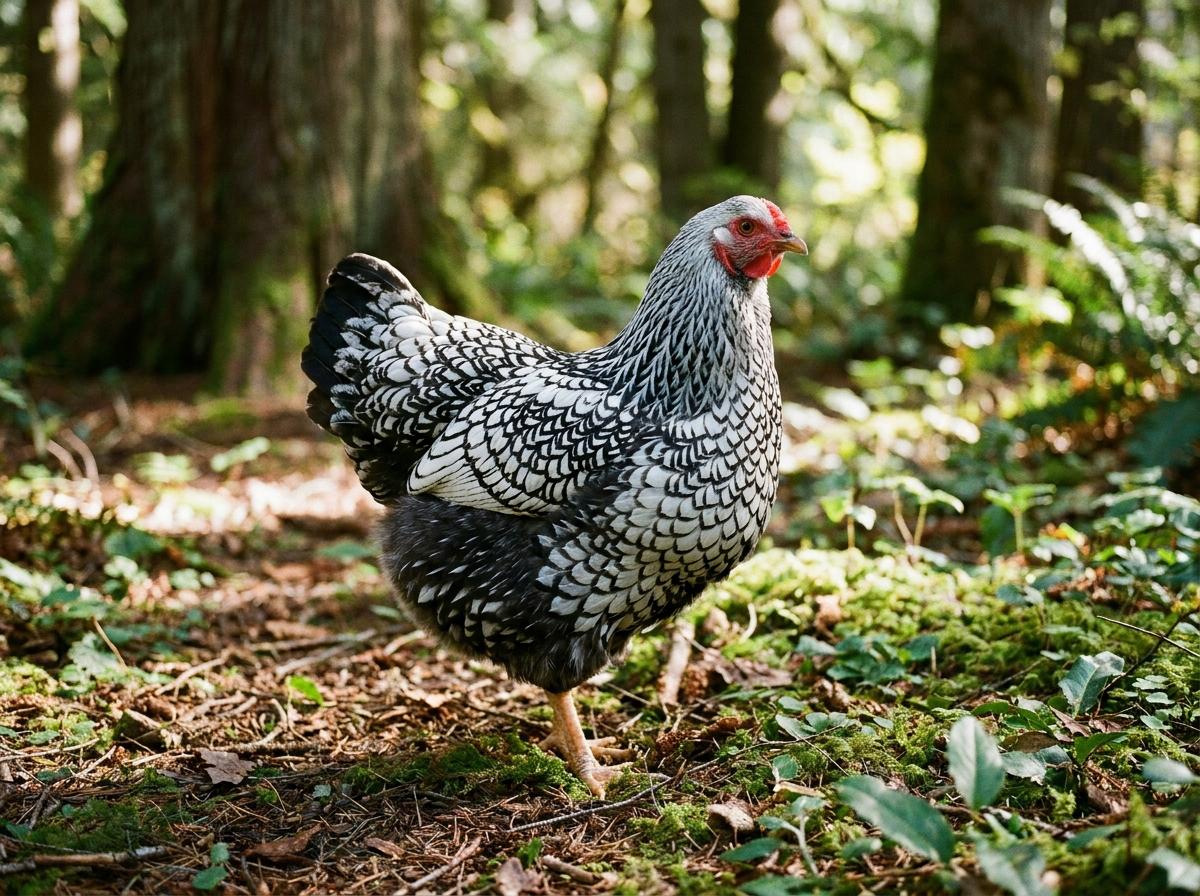
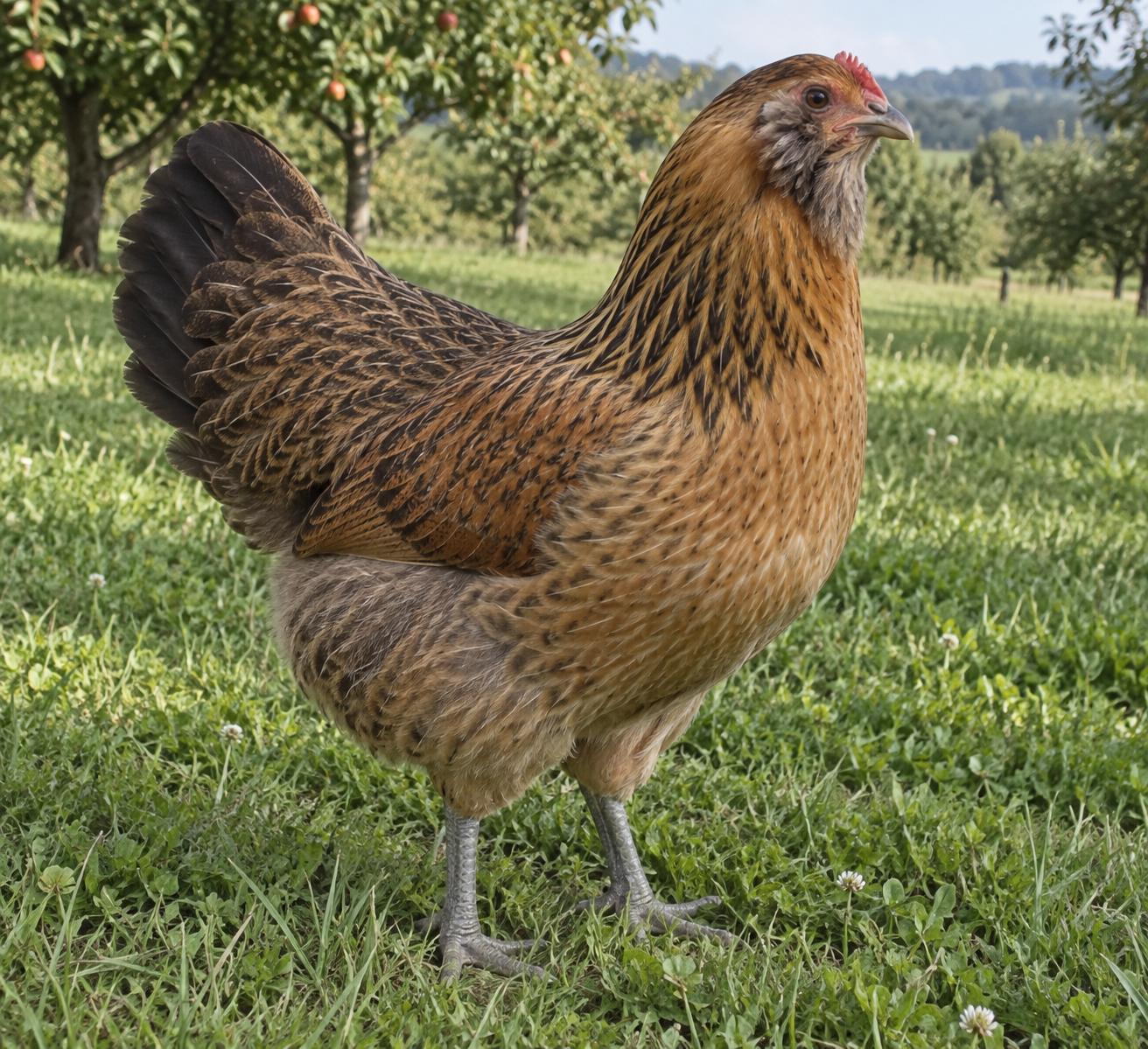
Easter Egger chickens are variable colored-egg chickens, not a single standardized breed with one required color, adult weight or body type. That distinction is useful when you buy: the seller’s breeding flock and the individual hen’s recorded eggs tell you more than a generic Easter Egger photograph.
Use the chicken species guide to compare flock options and the breeder directory to research sources. If your priority is a particular egg color, ask what the seller can document for the actual bird or cross before reserving chicks.
| Identity | A variable type associated with blue-egg genetics, not a standardized breed |
|---|---|
| Appearance | Depends on the cross; a beard or leg color does not prove identity |
| Egg question | Ask for the actual hen’s egg color or the source flock’s documented results |
| Weight | No universal Easter Egger standard weight |
| Production | Source and management matter; no universal annual count promised |
| Best buying evidence | Known parentage, hatch date, sexing terms and flock records |
The Ameraucana Alliance FAQ, undated, checked October 16, 2026, defines an Easter Egger as a chicken with the blue-egg gene that does not fully meet a standardized breed description. Sellers use the name broadly, so confirm what it means in that particular flock. The American Poultry Association’s accepted list, undated, checked October 16, 2026, lists Ameraucana and Araucana separately; it does not list Easter Egger as a recognized breed.
Browse listings, public profiles, breeders, or add your animal.
Easter Egger, Ameraucana and Araucana
A colored egg alone does not make a chicken an Ameraucana or Araucana. Those breed names refer to defined standards. Ask which breed and variety the seller claims, and what records support that description. A casual label, a beard or a photograph cannot settle the question.
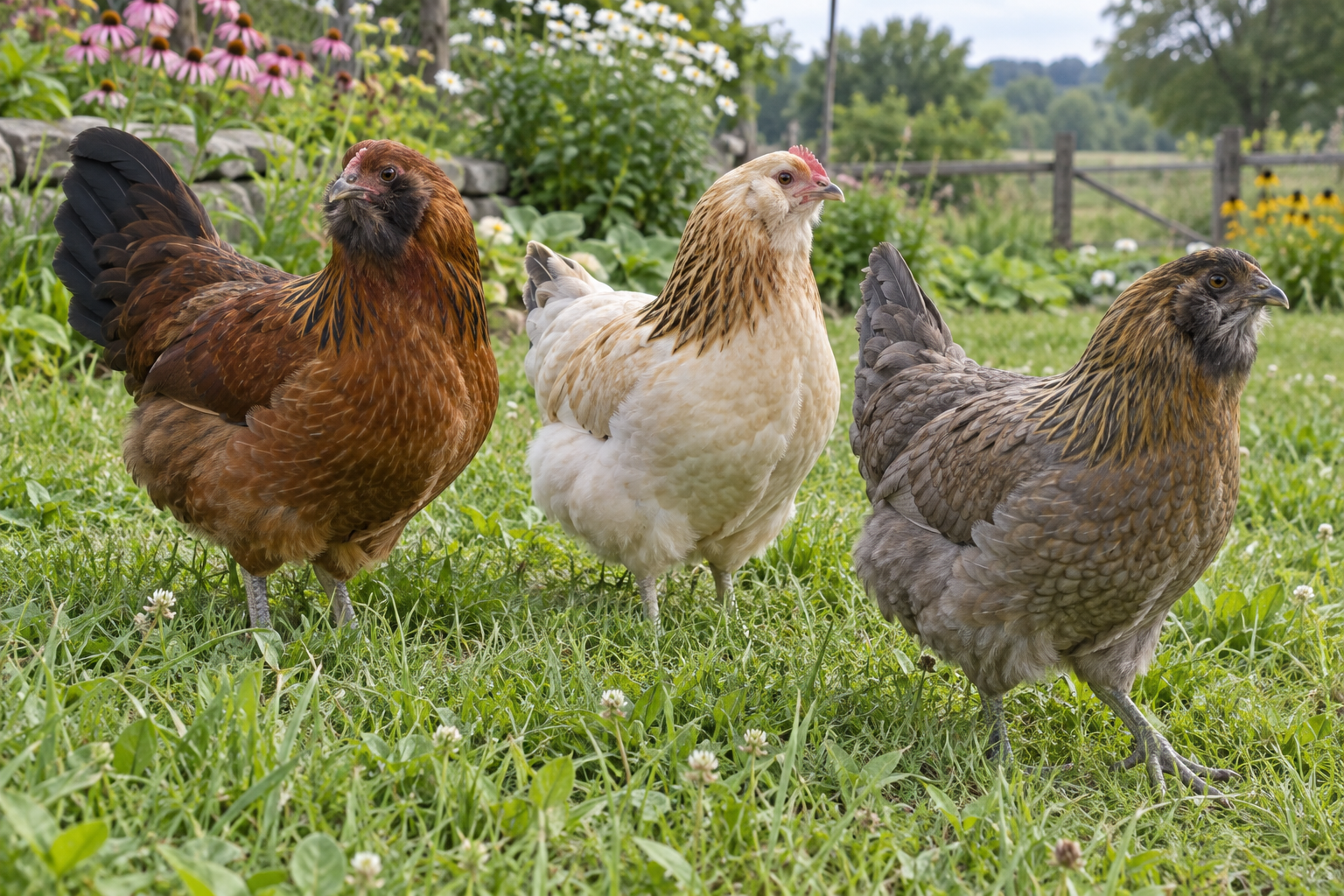
The Ameraucana Alliance FAQ, undated, checked October 16, 2026, explains the distinction between the standardized breeds and Easter Eggers. This is why the article does not prescribe one feather pattern, comb, leg color or size for every Easter Egger. It also avoids treating every unrecognized Ameraucana color as automatically proving mixed ancestry.
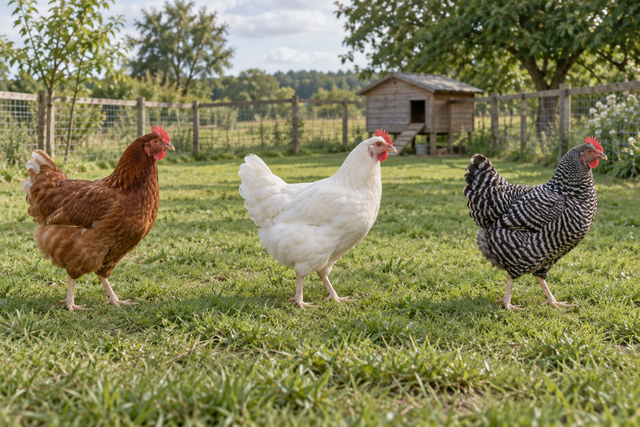
That variability can be part of the appeal in a backyard flock. It becomes a problem only when a buyer is promised a specific breed, predictable offspring or a guaranteed egg color without supporting evidence. If showing or maintaining a named breed is the objective, start with its actual standard and an appropriately documented source flock.
What egg colors should you expect?
Ask the seller to describe its own cross. Blue-egg genetics can contribute to blue or green shell colors, but an appealing basket of eggs does not prove that every chick offered will produce those colors. For a mature laying hen, a record connecting the hen to her own eggs is stronger evidence than the eggs produced by an unrelated bird.

Extension’s colored-eggs guidance, undated, checked October 16, 2026, identifies genetics as the basis of blue and green shell colors. Shell color is an appearance trait, rather than proof of superior food safety. Use ordinary safe egg collection, handling and storage practices whatever the shell looks like.
Do not budget around an unsourced annual egg count. Request records for the seller’s line and ask which ages and seasons the observations cover. Keep the original claim with your notes so you can distinguish a breeder’s estimate from your own flock’s later performance. Minnesota Extension’s general egg-flock guide, reviewed in 2025, checked October 16, 2026, explains that age, molt and daylight affect laying. It does not establish an Easter Egger production average.
Care follows the chicken, not the egg color
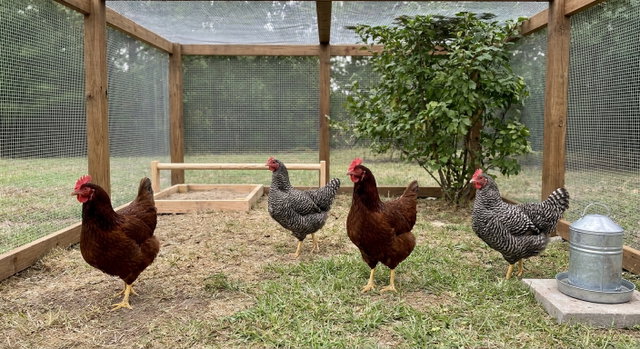
Provide a secure coop, weather protection, roosts, nest space and clean water. Use an appropriate complete poultry feed for the birds’ life stage, rather than treating scratch grain or kitchen leftovers as the whole diet. Minnesota Extension’s guide, reviewed in 2025, checked October 16, 2026, covers these general backyard-flock needs.
Watch how the actual birds use the setup. Can a smaller or less assertive hen reach feed and water? Can each bird move and roost comfortably? Look at ordinary daily behavior before adding new flock members, and arrange a poultry veterinarian or local extension contact before a care problem becomes urgent.
Summer housing needs shade and airflow as well as water. Minnesota Extension’s heat-stress guidance, reviewed in 2026, checked October 16, 2026, describes panting and increased drinking as warning signs. A label such as hardy or beginner-friendly should never override distress in the bird in front of you.
For a comparison with a standardized golden brown-egg variety, read the Buff Orpington guide. For a larger feather-legged option, explore Brahma. Compare the practical flock you can house and source, rather than choosing only by a photograph.
Buying and keeping useful records
Compare the same stage of bird: hatching eggs, day-old chicks, started pullets and proven laying hens involve different work and uncertainty. Request the hatch date, stated sex and sexing policy, source flock, known care history, and any transport or pickup requirements. For a specific egg-color goal, keep the seller’s written description of the cross and what is guaranteed.
This guide carries no synthesized typical price. A seller’s current dated offer must identify the birds, sex, age or stage, quantity terms, currency, fees and availability before it can support a useful numeric comparison. A chick price without those details does not value a mature laying hen.
Do this next on Creatures
Browse the Easter Egger marketplace filter, investigate sources in the breeder directory, or save an Easter Egger listing alert. See saving searches for how alerts work. Listings and directory entries do not certify a genetic claim.
Add your chicken’s profile and add a record for its source, known hatch date and observed egg color. Visitors can open the record form; a free account saves the record. Read adding an animal and adding a record.
If you breed birds, create a farm or breeder profile and read getting listed. Describe the cross honestly, including what remains unknown.
Checked October 16, 2026. The content routine, with Elliott’s review, rechecks stable facts yearly or on reported change. Any future seller-price lines are checked monthly in season and quarterly otherwise; overdue lines are removed.