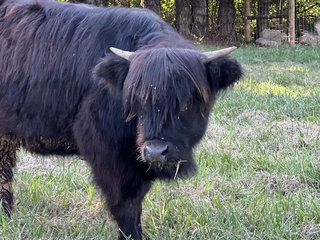
Charolais
Author: Elliott Garber, DVM · Published
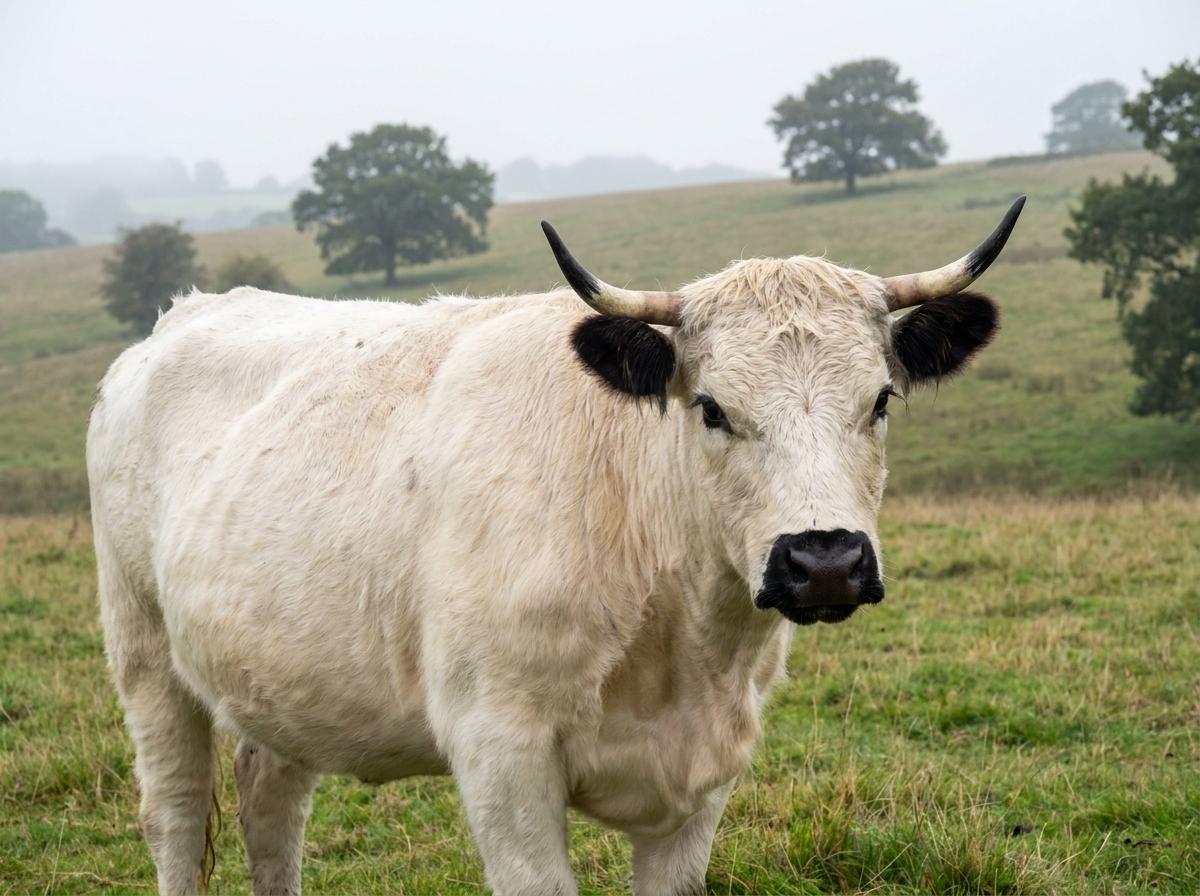
Charolais are a beef cattle breed associated with a white or cream coat and substantial muscling. Their value to a particular farm depends on the animals selected, the cows they will be bred to and the market for their calves. A striking sale photograph cannot answer those questions.
The free cattle pedigree chart maker can help organize the supplied ancestry before you discuss breeding candidates. Keep original registry and evaluation documents beside that working chart.
Set a Charolais search alert for new matching listings. Current supply may be empty; the Charolais breeder directory is another route to contact sources and ask about availability.

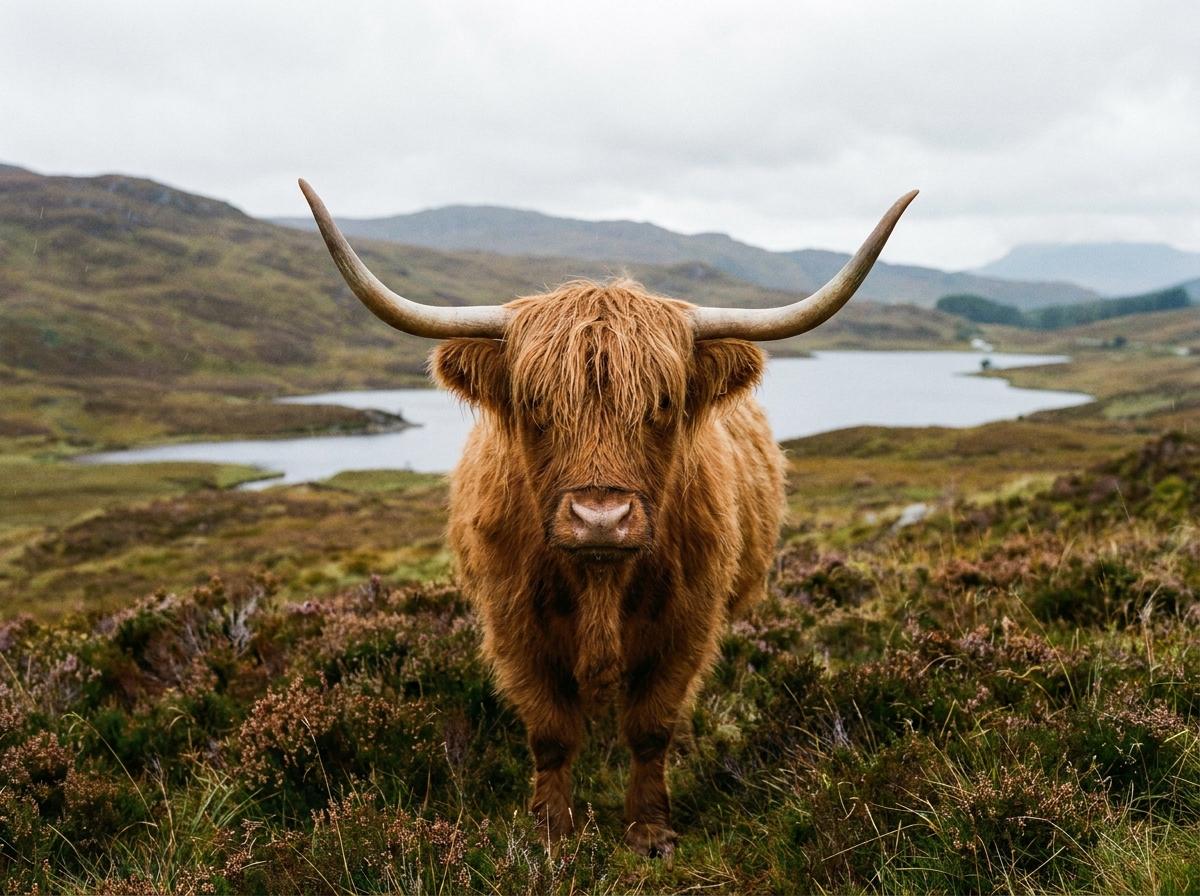
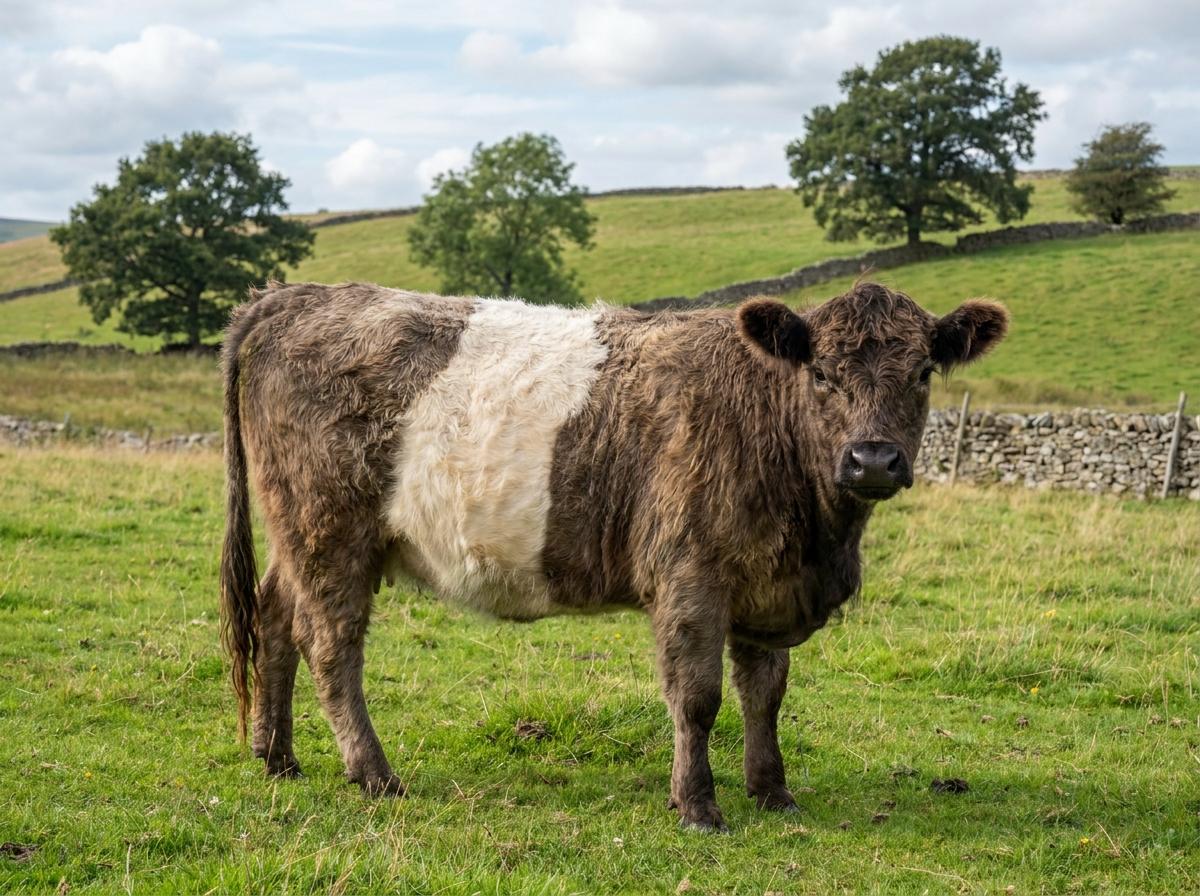
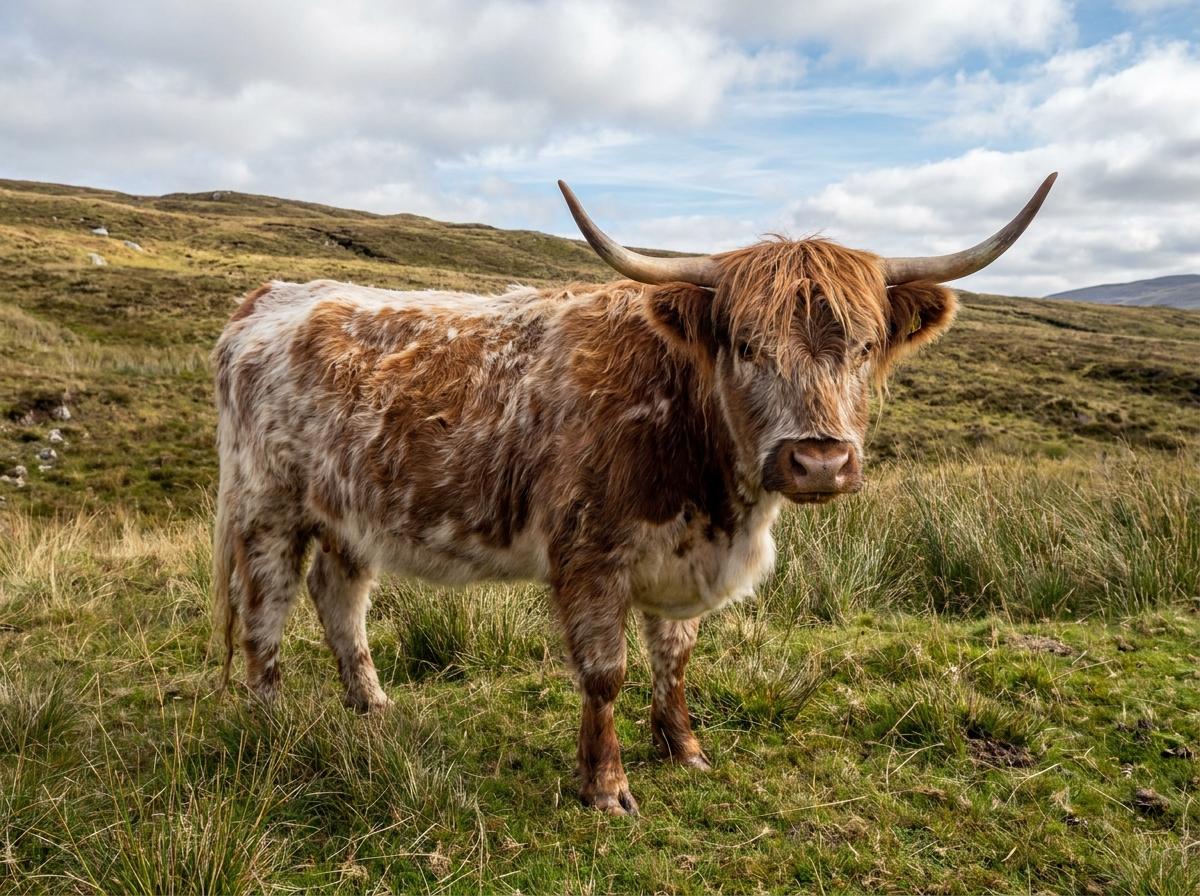
AI-generated illustration.
| Origin | Charolles area of Burgundy, France |
|---|---|
| Appearance | Large white to cream beef cattle |
| Common role | Growth and muscling; terminal-sire crosses |
| Purebred papers | AICA: at least 31/32 Charolais |
| Other categories | Recorded, Percentage, Cross and Charbray |
| Buying priority | Herdbook category, calving ease and growth EPDs |
Browse listings, public profiles, breeders, or add your animal.
French origins and a growth-oriented beef role
Charolais developed around Charolles in Burgundy, France. The large white to cream cattle became known for growth and muscling; imports through Mexico helped establish the North American population. Oklahoma State’s Charolais history describes that route and the upgrading used to expand the US herd.
A common commercial role is the terminal sire: calves are marketed for beef rather than daughters being kept as herd replacements. That makes growth and carcass traits relevant, but does not remove the need to match the sire to the cows’ size, age and calving history. Large mature animals also need gates, restraint and transport sized for them. Ask for measured weights of the herd’s mature cows rather than assuming one breed-wide weight fits every line.
Purebred, Recorded and percentage papers
The American-International Charolais Association (AICA) herdbook definitions distinguish Purebred cattle with at least 31/32 Charolais breeding from Recorded females with 1/2 through 15/16 and Recorded males with 3/4 through 15/16 Charolais breeding. Purebred certificates use F or M prefixes and blue papers; Recorded certificates use RF or RM and yellow papers. Percentage and Cross Charolais categories also exist, and AICA maintains Charbray records.
The color of a cow cannot establish its herdbook category. Match identification, certificate and ownership transfer, then ask which category future calves would enter under the proposed mating. An advertisement saying simply “registered Charolais” leaves a question worth resolving.
AICA’s genetic evaluation information defines calving ease, growth and maternal traits. Compare animals within the applicable evaluation and pay attention to accuracy. Horn status needs its own evidence: a smooth head may reflect natural polling or dehorning, while a breeding claim about inheritance may require a genetic report.
Choose a role before choosing a bull
Calving ease deserves specific attention when buying a sire for heifers. In the AICA evaluation, direct and maternal calving ease describe different things. Ask the breeder to show you the current definitions and evaluation for the bull, then discuss the proposed mating with your adviser. Do not substitute a small actual birth weight for a complete assessment.
Illinois Extension’s bull-selection guidance emphasizes functional soundness, herd goals and a breeding soundness examination. Get the examination report and its date. Neither an impressive pedigree nor a recent test excuses unsafe behavior or unsound feet.

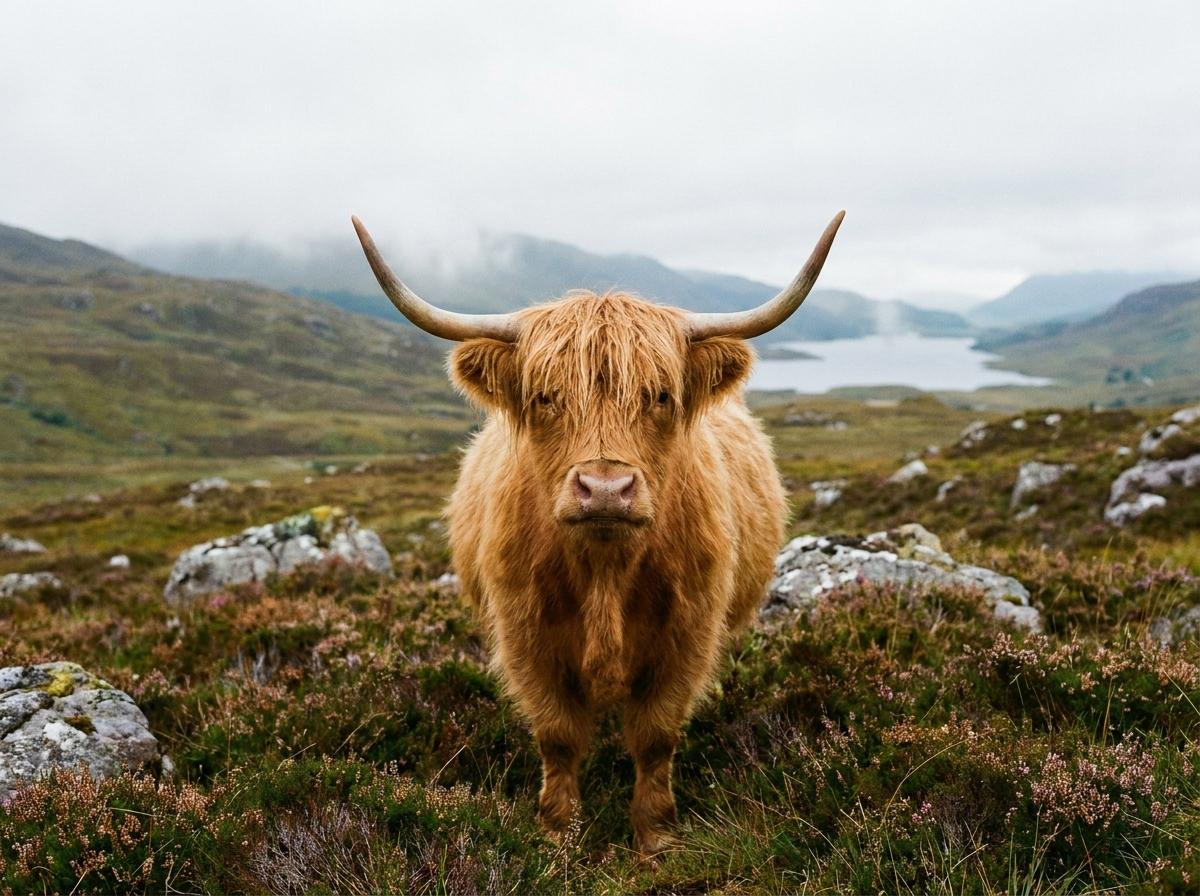
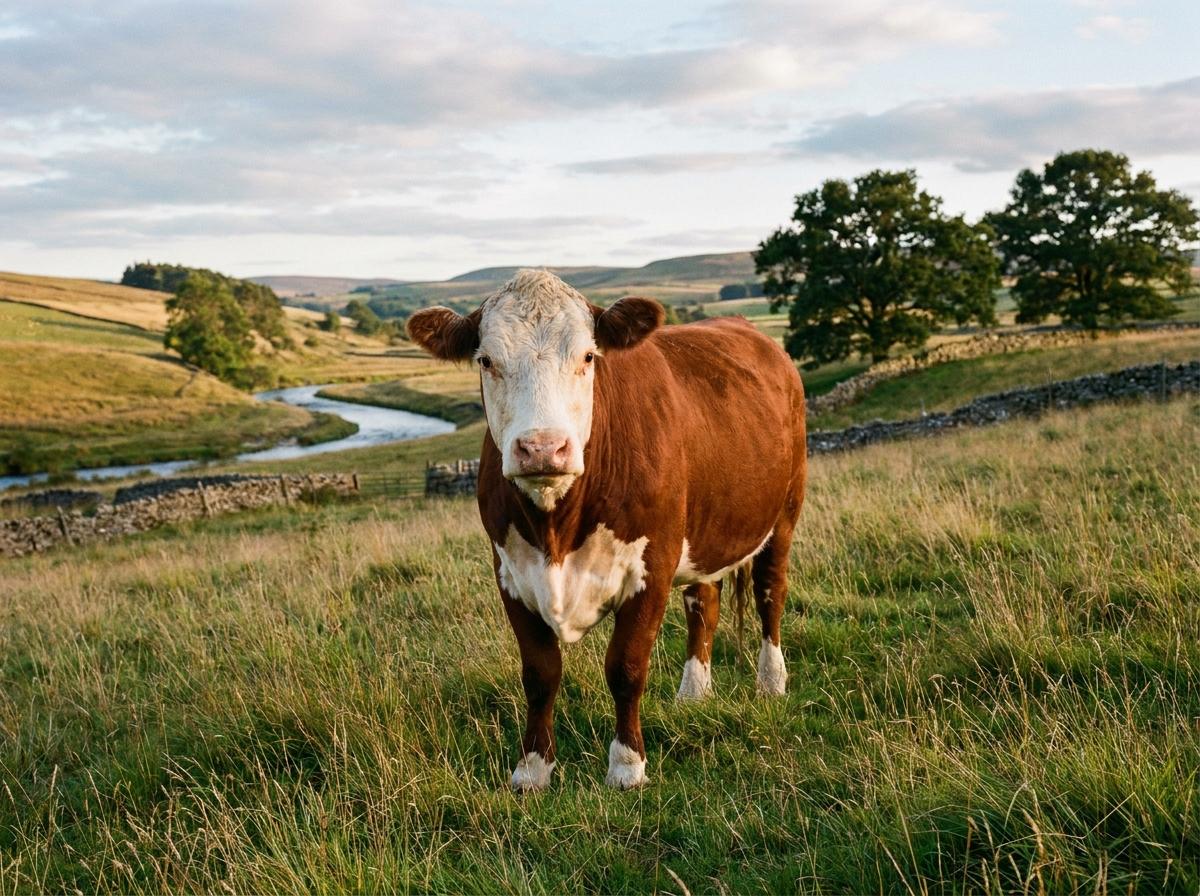
AI-generated illustration.
The Maine-Anjou guide provides another beef-breed example of why calving ease, growth and the intended breeding role must be considered together.
Handling and facilities come before arrival
Plan the route from trailer to receiving area before collection. Gates, corners, fences and working facilities should accommodate the actual cattle, including mature animals if you are buying youngsters. A facility that contains calves may not suit the same animals later.
Observe cattle being moved by their regular handler. Ask which facilities and methods they know, whether they have been loaded recently and what happens when they are separated from the herd. “Quiet” is useful only when it describes observable behavior. A seller who explains an animal’s limits gives you more to work with than a blanket temperament claim.
Arrange veterinary support and an introduction plan before bringing animals into an existing herd. Discuss separation, testing and vaccinations with the veterinarian who knows your region and cattle. The correct plan depends on origin, previous exposure and the receiving herd, so a generic number of days is not a complete biosecurity program.
Use the cattle-chute guide to review restraint, access and the wider handling layout before new cattle arrive.
Feeding and health: match the cattle to the farm
Start with a realistic forage inventory. Include the season when grass growth slows, storage losses, access to water and the cost of purchased feed. Ask for the seller’s current ration and recent body-condition history so your nutrition adviser can plan the transition. Do not assume a beef breed can maintain breeding condition on any available pasture.
The cattle vaccination guide explains the records to request. Health records should name the animal, procedure or product, date and person responsible. If treatment has been given, ask your veterinarian about follow-up and any applicable withdrawal requirements. Avoid treating a seller’s verbal “all up to date” as a complete handover.
Plan weighing equipment for the mature cattle using the cattle scale guide. The cattle weight calculator gives an estimate, which is unsuitable for setting medication doses.
What does a Charolais purchase really cost?
Use the cow cost guide to compare breeding-stock and feeder prices before assessing local offers.
There is no universal Charolais price. A registered breeding bull, a pregnant cow and a feeder calf are different purchases. Compare animals of a similar class and ask what is included: registration transfer, pregnancy information, breeding guarantees, transport and any return conditions.
A bull’s purchase price is only part of the breeding budget. Include feed outside the breeding season, fencing, handling equipment, veterinary work, transport and a contingency if he cannot work when needed. For a small herd, discuss alternative breeding arrangements with a qualified adviser before committing to year-round bull ownership.
For females, ask whether the quoted price depends on pregnancy status and who has confirmed it. Request the service sire’s identity and relevant dates. A claim that a cow is “bred” should come with enough detail to plan her arrival and calving supervision.
For a pregnant Charolais purchase, compare the seller’s expected date with the service record using the cattle gestation calculator, then budget the supervision and backup described in the calving guide.
Questions to take to the seller
- Which identification matches this animal’s papers and test results?
- What job has it already done under ordinary farm conditions?
- Can I see current breeding evaluations with their dates and accuracy information?
- What health, calving or temperament issues should the next keeper know?
- What feed and handling system is the animal accustomed to?
- Which transfer documents and written sale terms come with it?
Keep the original reports alongside your own dated notes. Creatures’ record guide can help you organize that history. Recording a document does not verify its contents or replace the issuing registry.

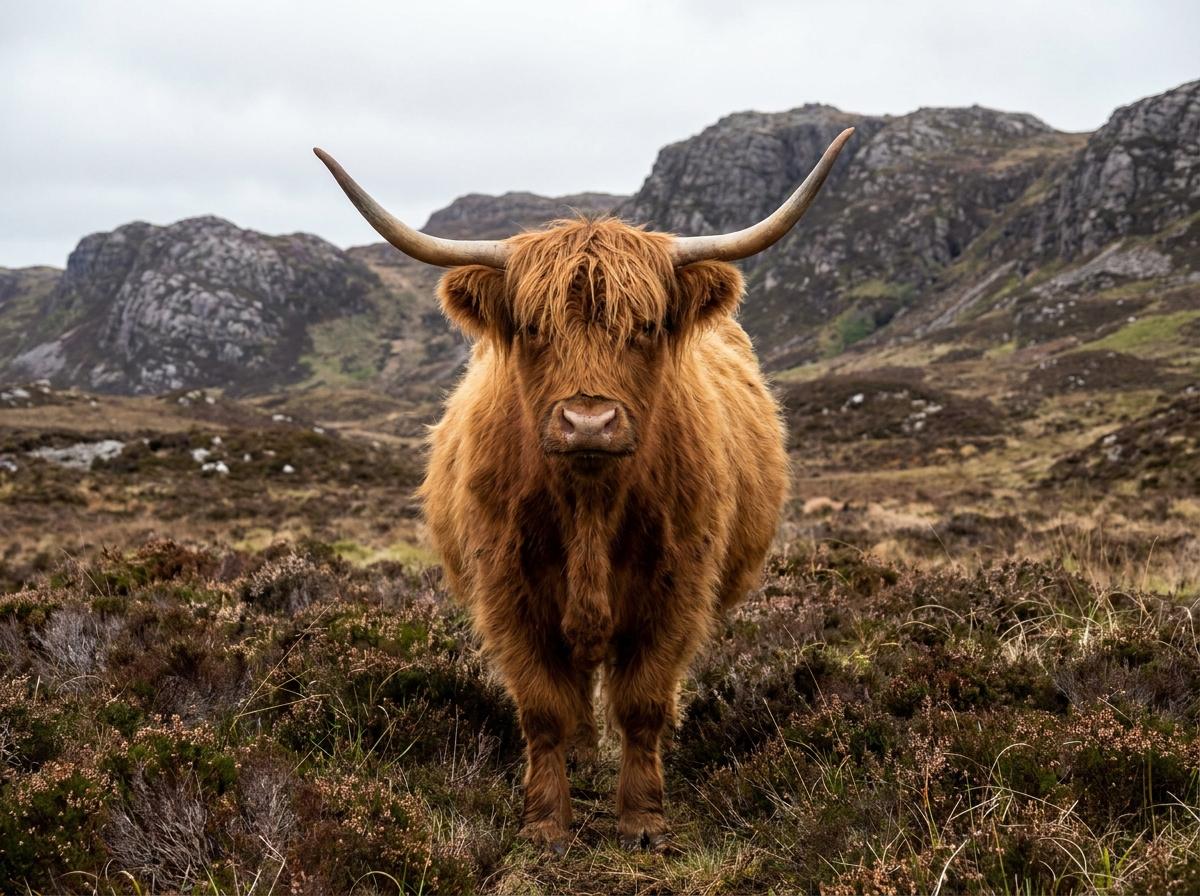
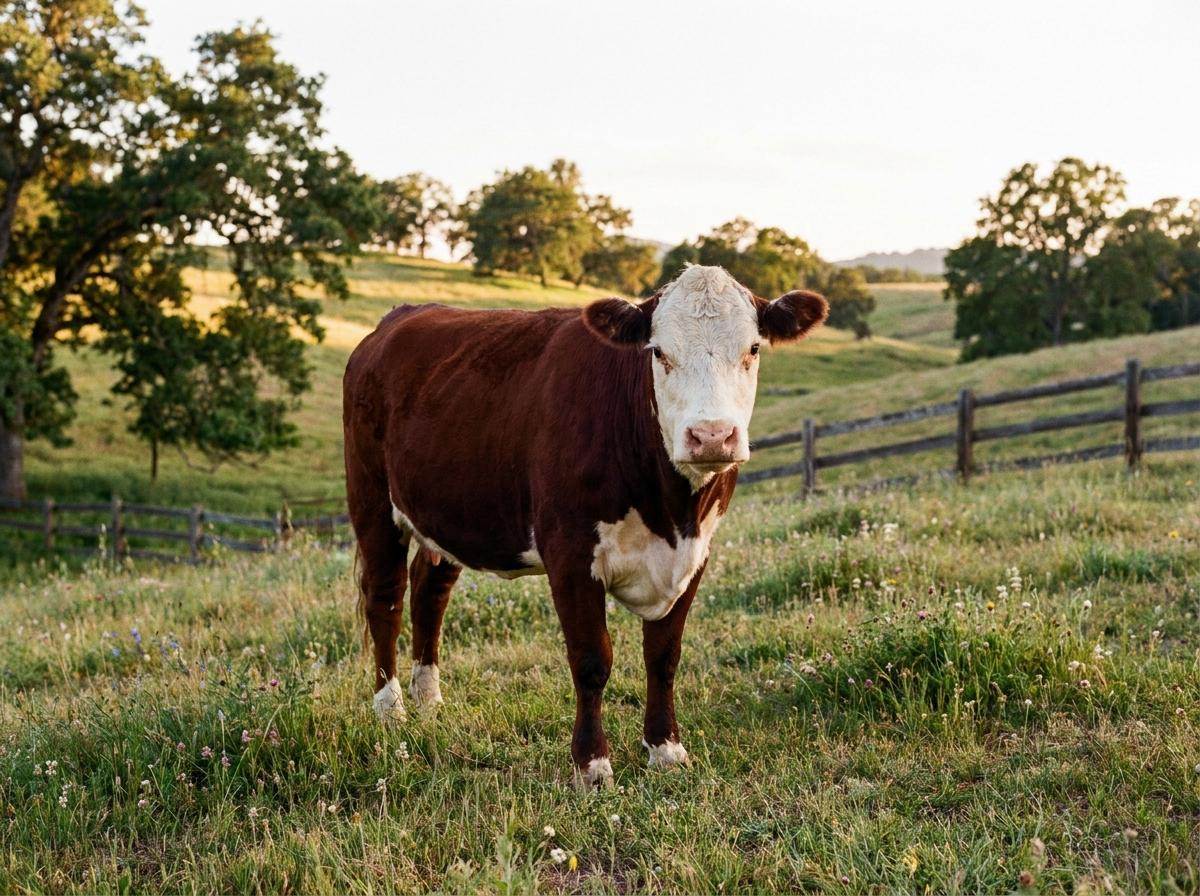
AI-generated illustration.
Compare cattle by purpose
The cattle guide gives the broader starting point. Compare Limousin for another beef-breed selection process, and Black Angus if you are weighing a different breeding or marketing program. Compare actual animals and compatible evaluation systems, rather than treating breed names as a performance table.
Charolais questions
Are Charolais automatically difficult to calve?
A breed label does not settle the risk of a particular mating. Consider the sire’s relevant evaluation, the female’s age and development, and your veterinarian’s advice. Plan supervision and help before calving starts.
Can a small farm keep Charolais?
The relevant limits are feed, facilities, handling skill and ongoing support. Count those resources before counting acres or choosing a breed. Small acreage alone does not describe carrying capacity.
Does a high growth figure mean the best bull?
Only if that trait fits your goals without creating unacceptable costs or other trade-offs. Ask what the complete set of information says about the proposed breeding role.
Do this next on Creatures
Keep the animal’s identity, original documents and your dated observations together. Choose the next step that matches where you are in the process.
- Set up a Charolais search alert. Get notified when new listings match, with help from the saved-search guide.
- Contact Charolais breeders about availability and the papers for the cattle they offer.
- Start a Charolais profile. No account is needed to start. The animal-profile guide explains the details.
- Add a care or breeding record. The form opens for visitors; a free account saves the record. Read the record guide before adding documents.
- Start a breeder or farm profile. The directory guide explains how a breeder listing works.