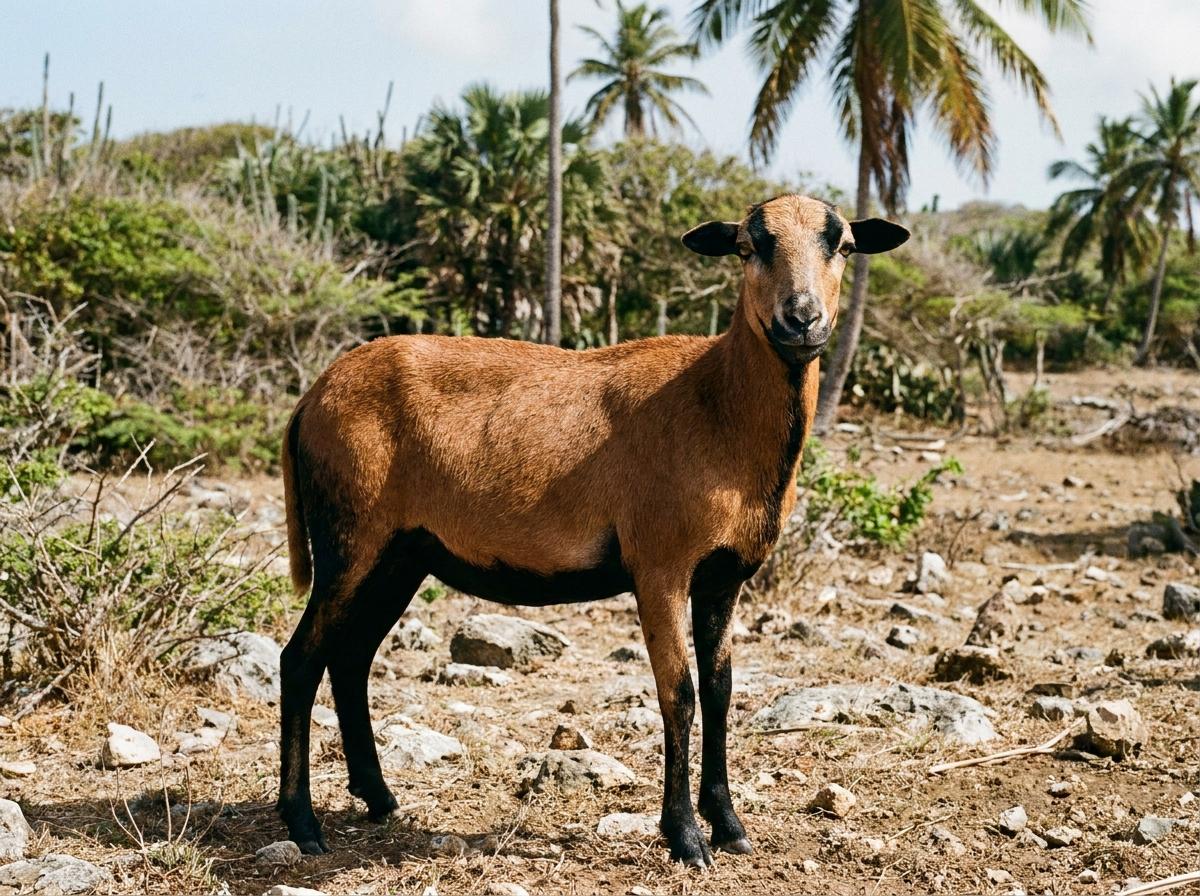
Barbados Blackbelly
Author: Elliott Garber, DVM · Published
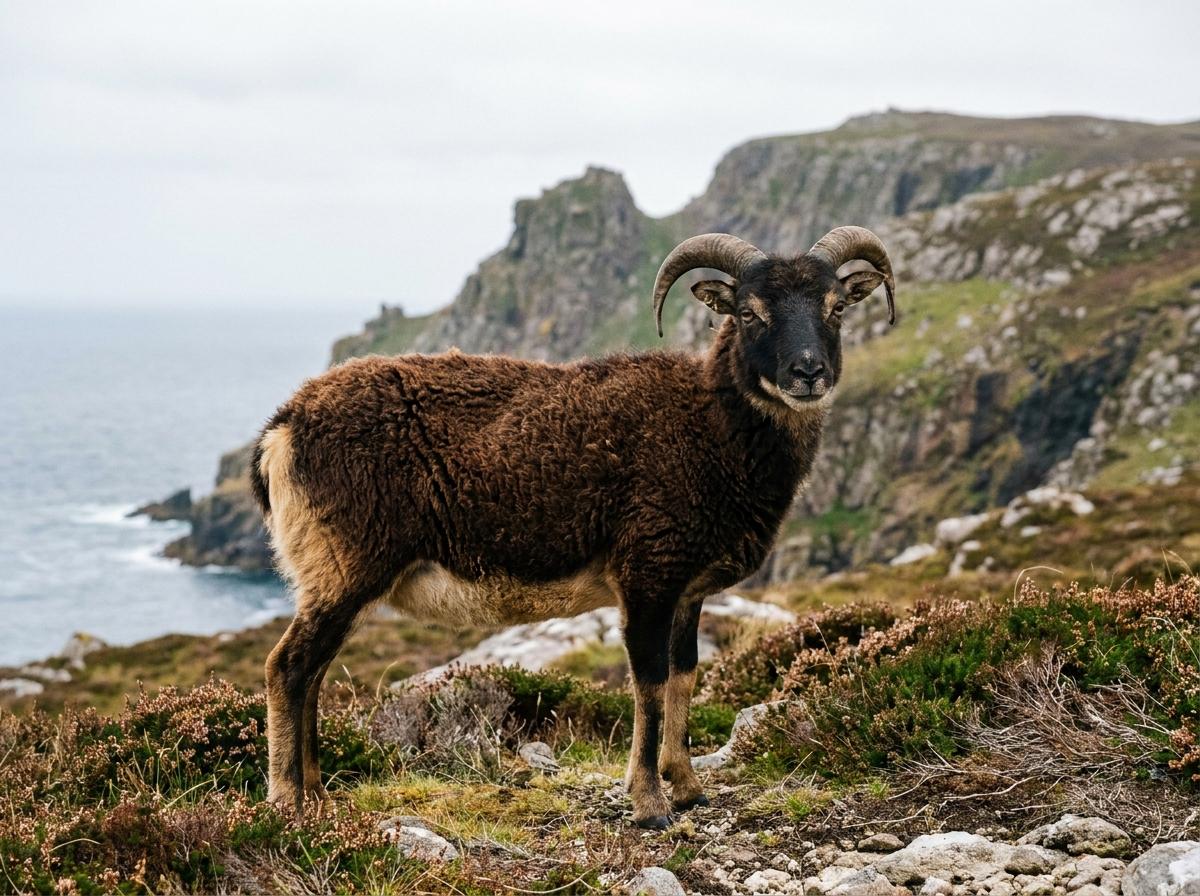
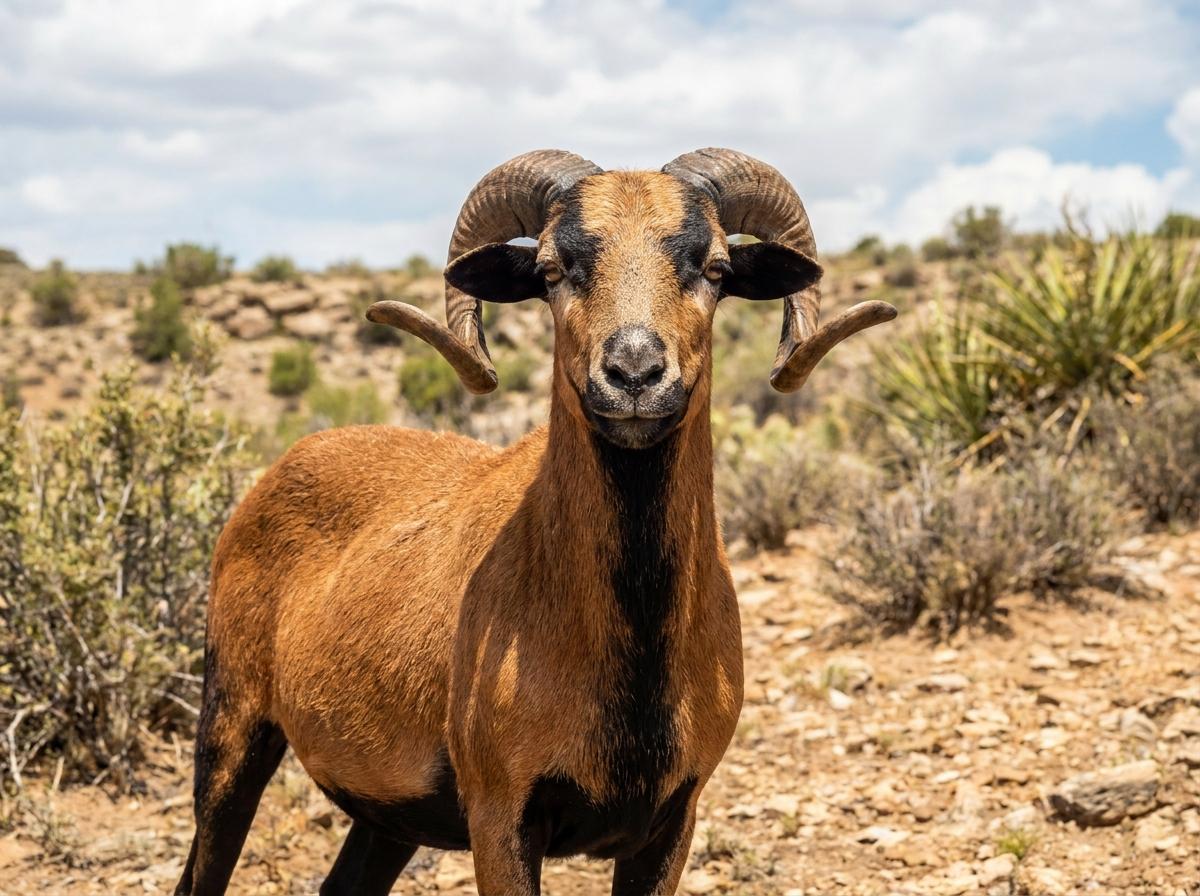
Barbados Blackbelly are hair sheep with a brown-toned body, contrasting black belly and dark facial bars. Under the Barbados Blackbelly Sheep Association International standard, they are a polled breed. Large horns on a blackbelly ram should prompt a closer look at the name and ancestry rather than an assumption that it is Barbados Blackbelly.
The Barbados Blackbelly directory contains directory listings compiled from public sources. Confirm each contact’s current breed focus before arranging travel or payment. These entries do not confirm current stock.
| Type | Hair sheep |
|---|---|
| Body color | Fawn to brown or dark red |
| Key markings | Black belly and facial bars |
| Horns | Polled breed under BBSAI standard |
| Related name | American Blackbelly is distinct |
| Directory | Public-source listings, not confirmed stock |

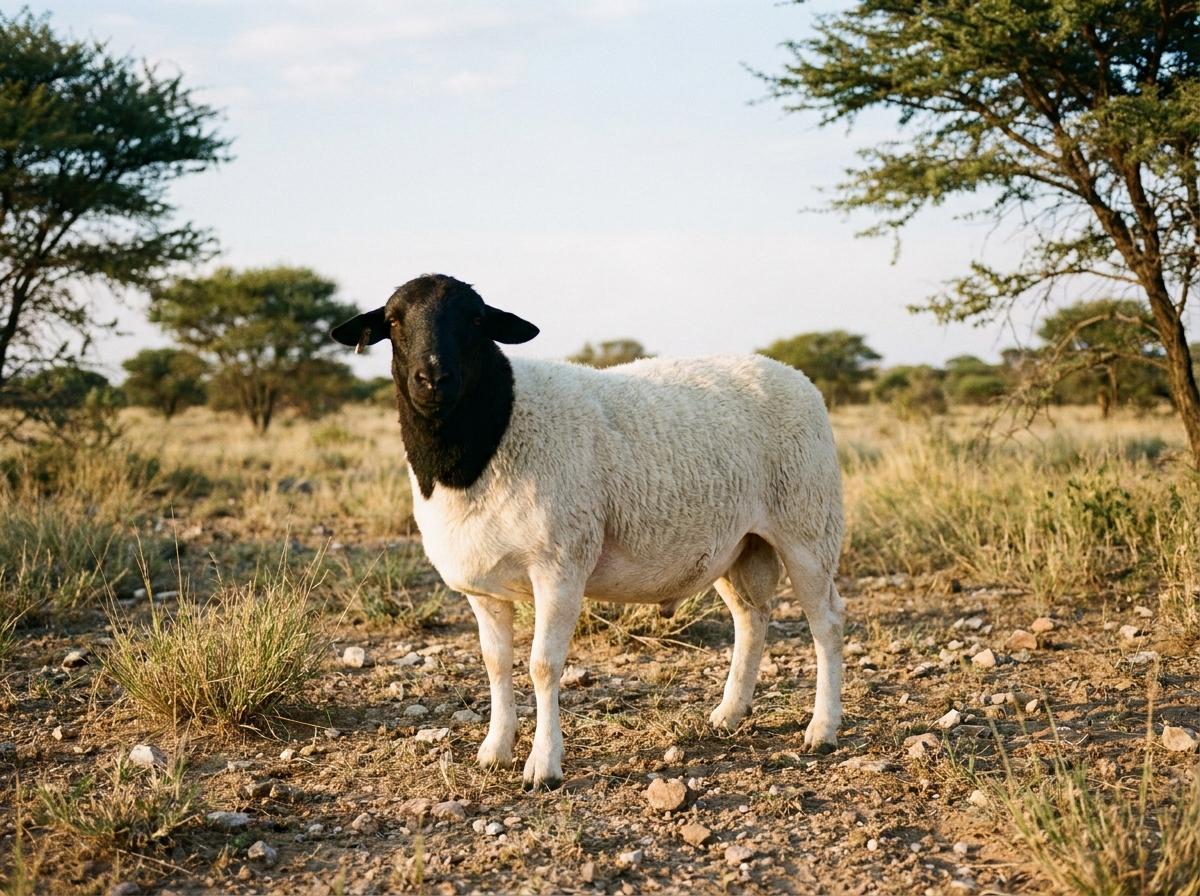
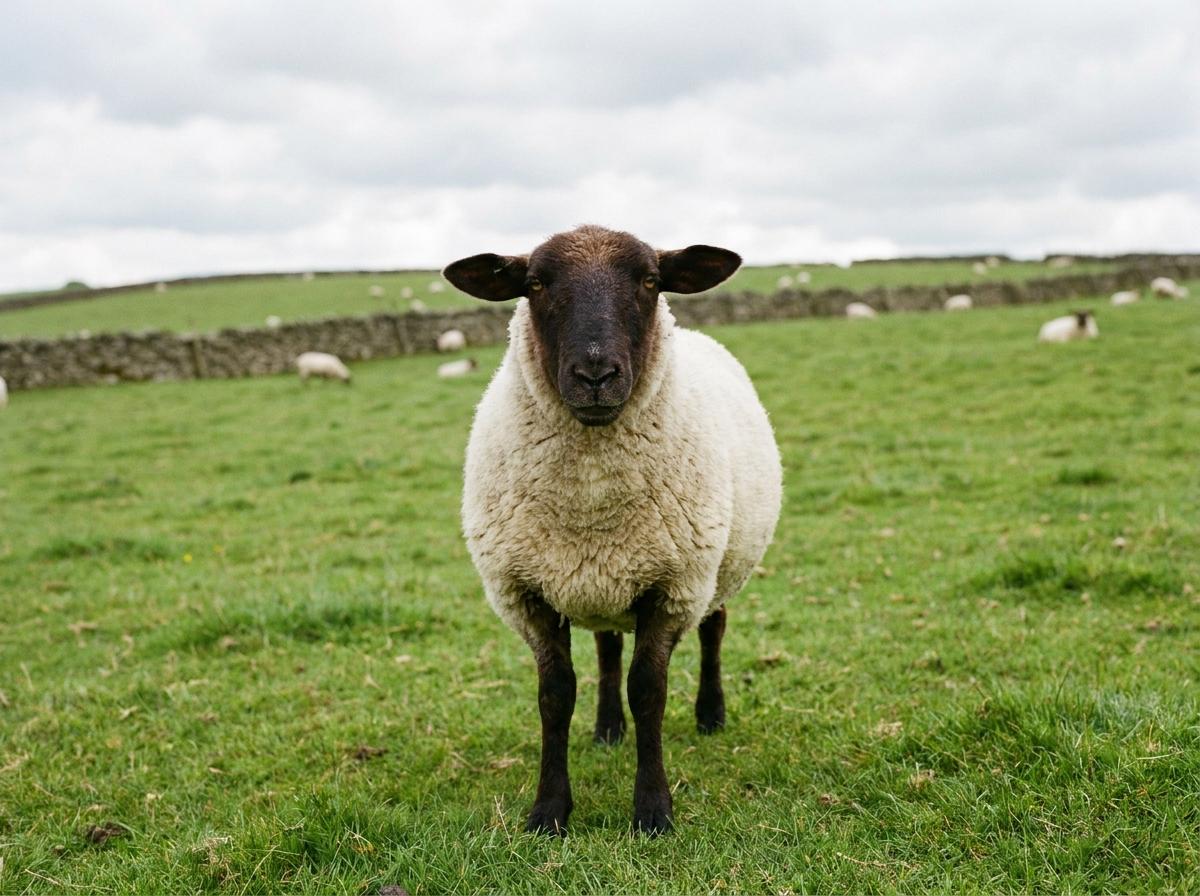
AI-generated illustration. An educational reconstruction, not actual stock.
Browse listings, public profiles, breeders, or add your animal.
Barbados Blackbelly versus American Blackbelly
The distinction matters most when starting a breeding flock. American Blackbelly is a separate breed, familiar for horned rams. The BBSAI FAQ explains the difference; the names should not be shortened to an interchangeable “blackbelly” on purchase documents.
Barbados Blackbelly ewes should have no horns or scurs. The association permits limited scurs in rams, with detailed size categories in its standard. That allowance does not turn a ram with substantial horns into a Barbados Blackbelly. Ask which breed is written on the certificate and check that it matches the animal’s identification.
A polled ewe does not settle the breed: the American Blackbelly standard also calls for polled ewes. Horn status is therefore a more useful distinction in mature rams than in ewes, and pedigree still matters.
“Barbado” needs a separate check. The BBSAI FAQ uses that word for crossbred sheep showing some Blackbelly traits, not for a recognized breed. If it appears in an advertisement or older directory description, ask for the actual ancestry instead of expanding it to Barbados Blackbelly.
For an unregistered animal, record the description honestly. Attractive coloring is not proof of a purebred pedigree. If the seller cannot establish the breeding history, do not build a preservation or registered breeding plan around an assumption.

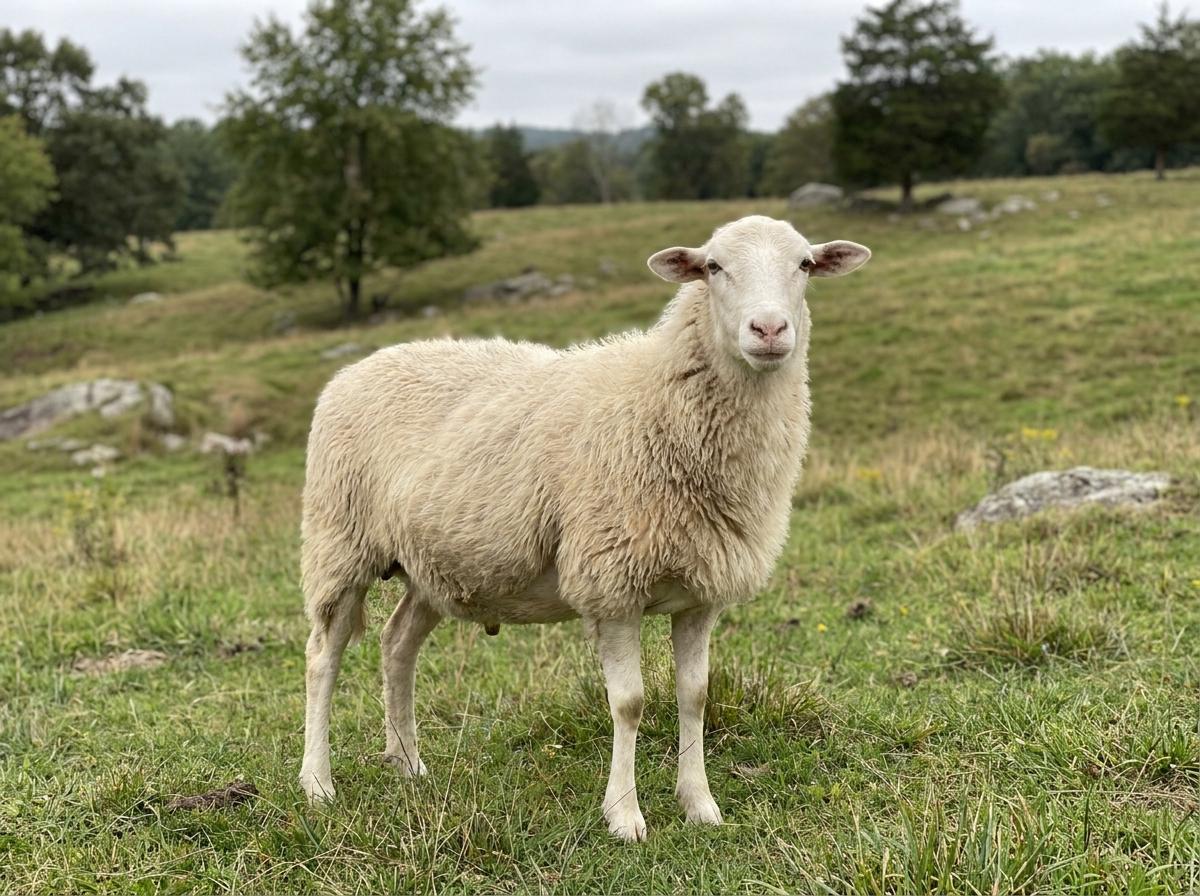
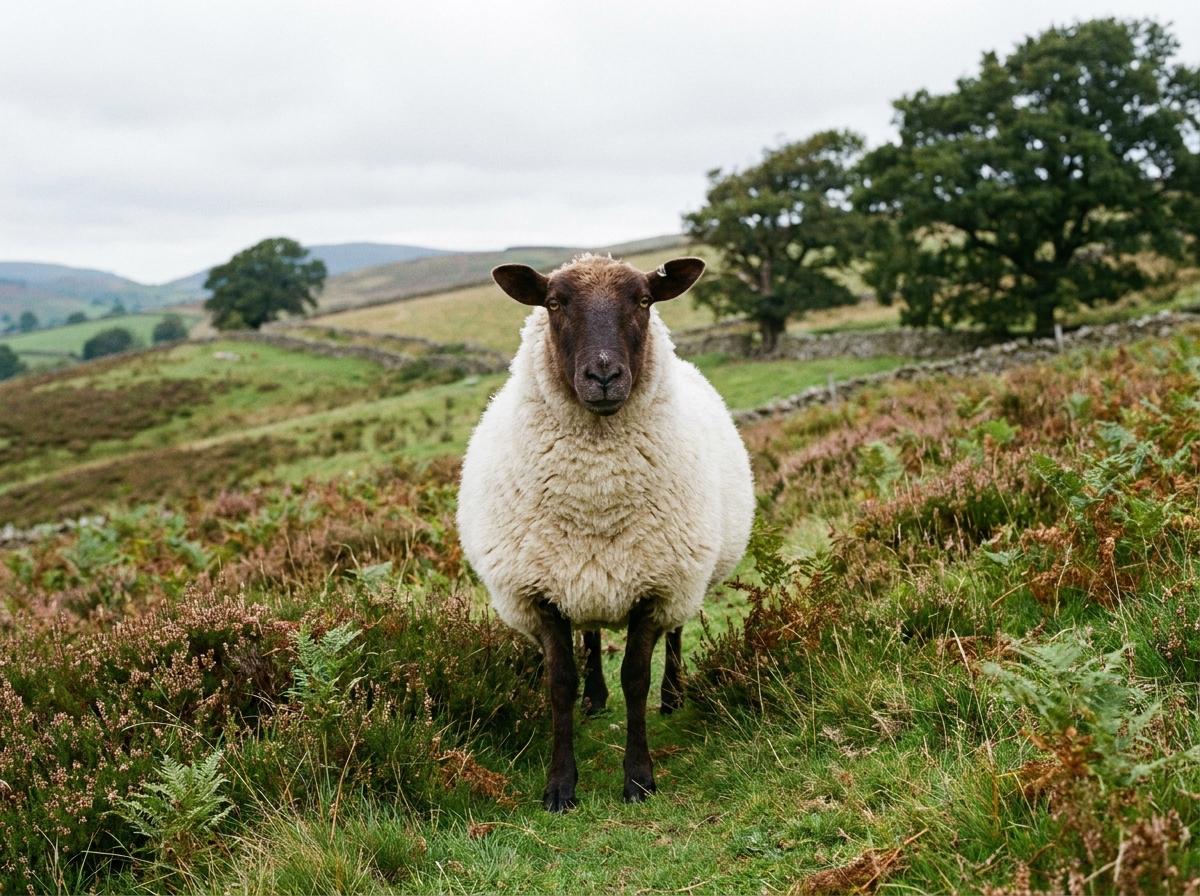
AI-generated illustration. A portrait crop, not a complete husbandry setup.
Markings and coat
The breed standard describes a fawn through brown to dark-red body, a contrasting black underside and black facial bars. The ears point outward. The tail is long and undocked. A mature ram may carry a neck mane; the ewe illustrations here show animals without the adult ram’s mane.
These are hair sheep. A seasonal undercoat may occur, but a persistent fleece requiring shearing does not fit the BBSAI standard. If shedding is a main reason for choosing the breed, ask about the actual parents and the animal’s coat through the seasons.
Compared with a wool breed such as Awassi, the coat-management question differs. The need for observation and flock health planning does not.
What lower fleece maintenance does not tell you
A shedding coat does not establish parasite resistance, fertility, easy handling or suitability for your climate in an individual sheep. Ask what the breeder measures. For parasite-related claims, request treatment and monitoring records and involve your veterinarian in interpreting them. Never treat a breed reputation as permission to ignore an unwell animal.
Plan sheep company, secure grazing, water, appropriate feed and weather protection. The sheep welfare code is a useful general husbandry reference. Have a place and plan for examining sheep and introducing newcomers rather than relying on an open field alone.
In US summer conditions, University of Maryland Extension recommends adequate shade and cool clean water even when keeping heat-adapted breeds. Avoid adding handling stress during severe hot spells.

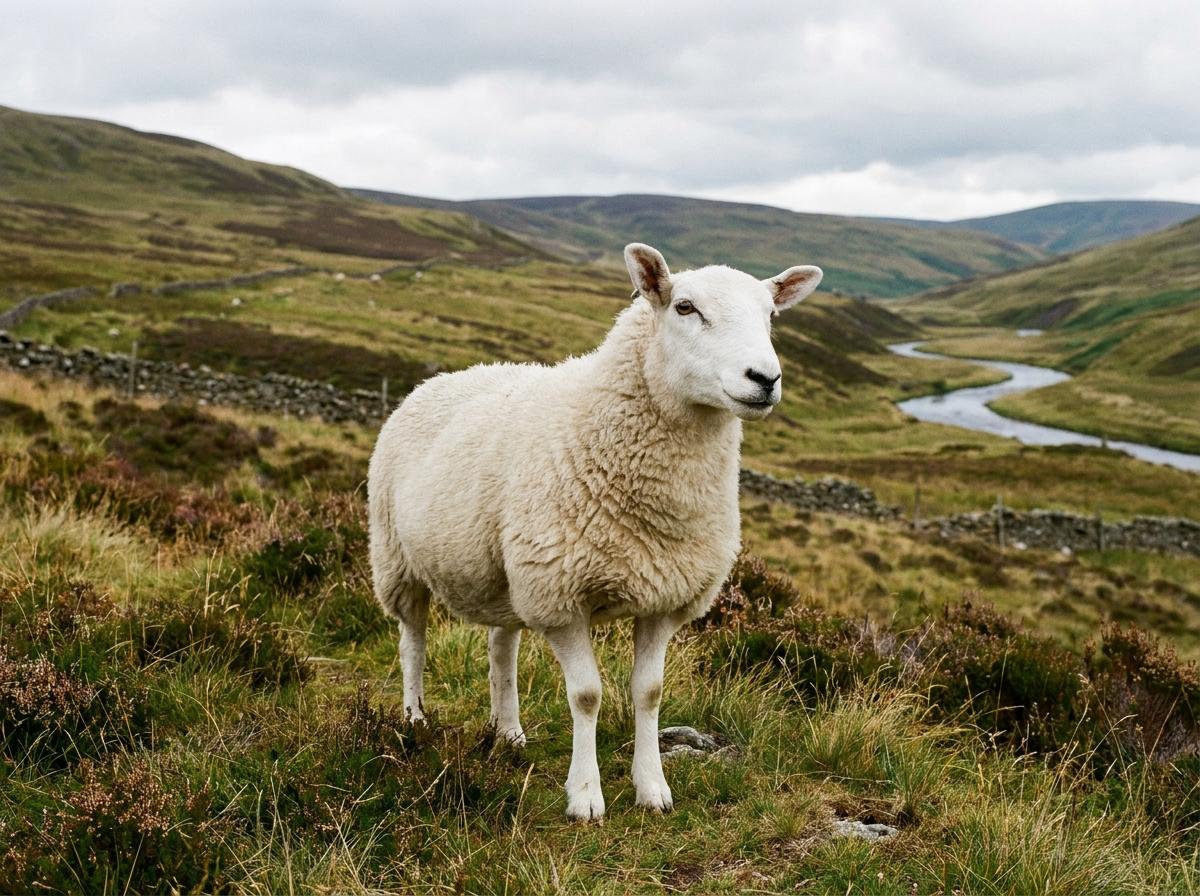
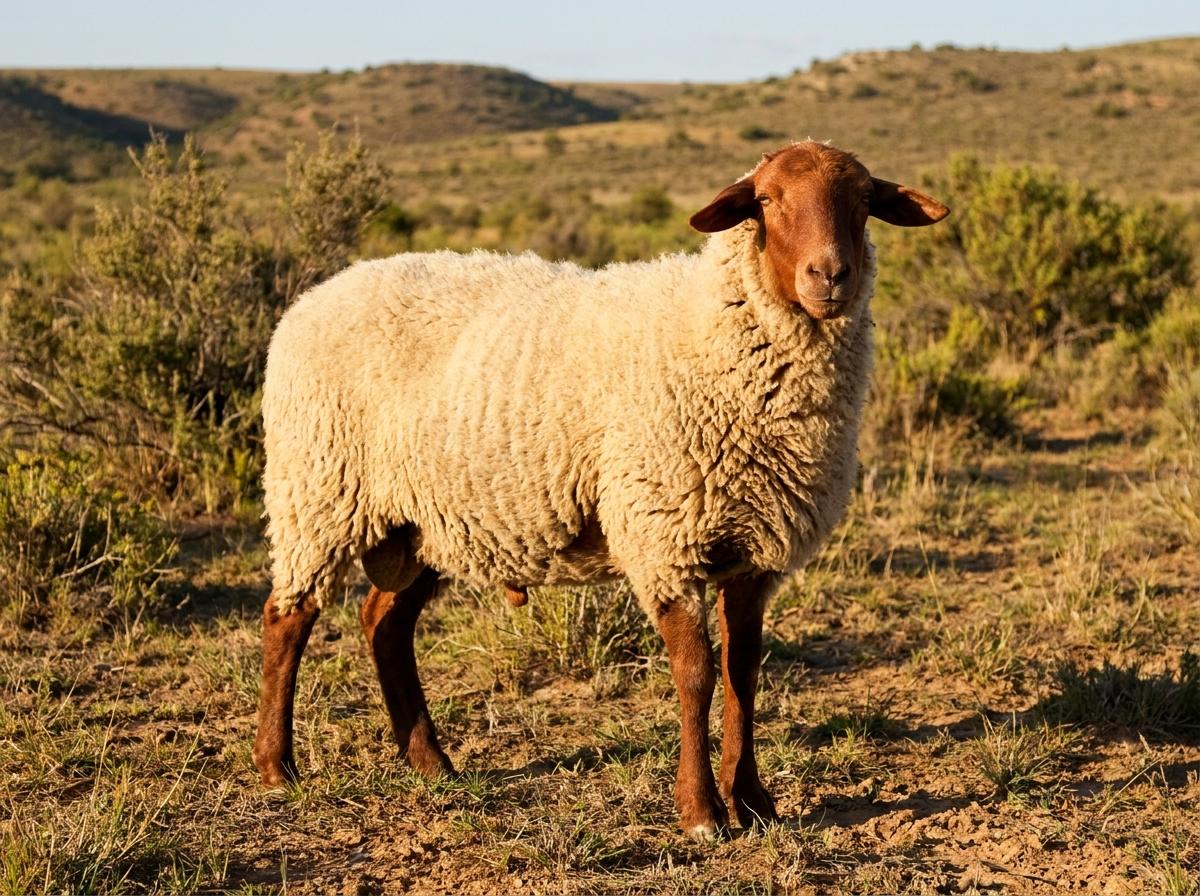
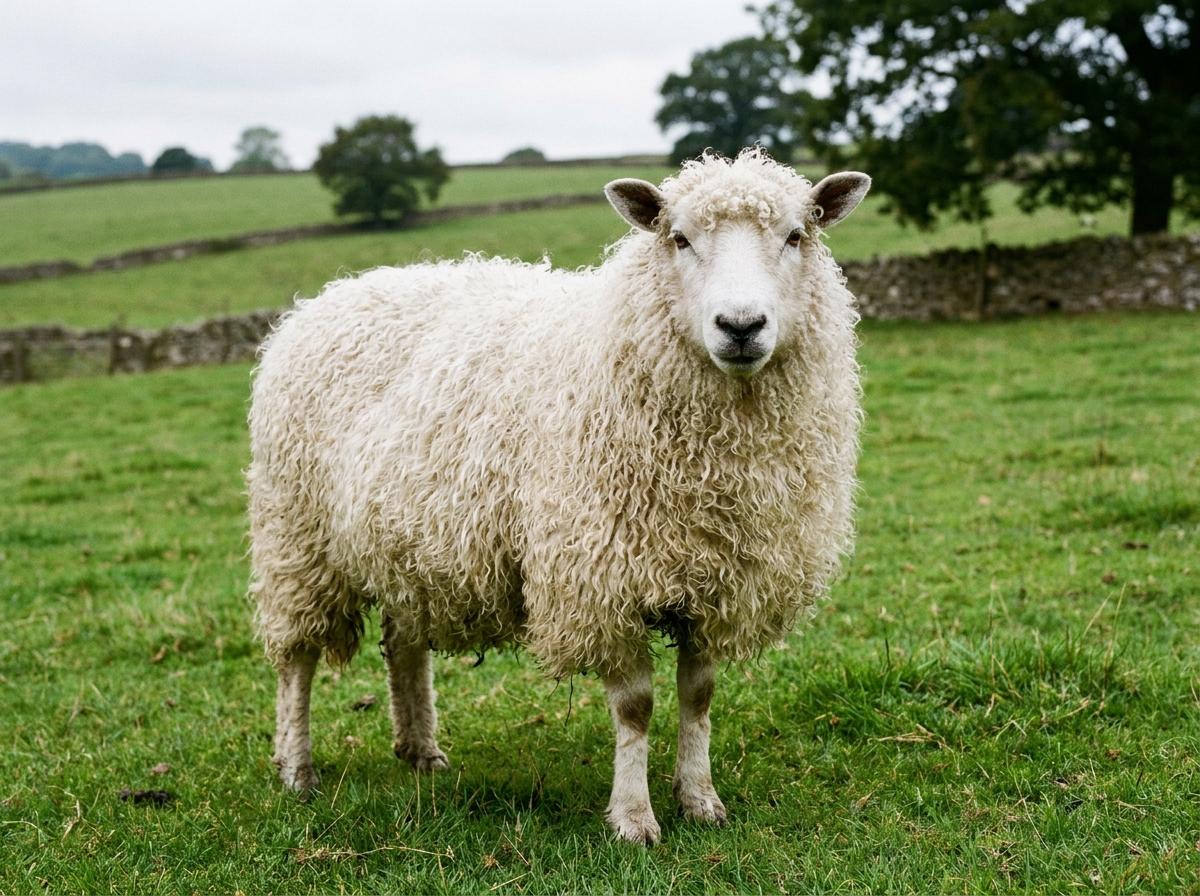
AI-generated illustration. An educational reconstruction, not actual stock.
When visiting a flock, ask to see a normal gathering routine. How are animals moved into a small group for inspection? What handling has this particular sheep experienced? An animal that follows its current keeper may behave differently with you, so discuss transition arrangements as well as temperament descriptions.
Buying a useful breeding group
Make a short list of what you are trying to achieve. A registered conservation flock needs documented parentage and suitable mating options. A nonbreeding group needs a clear plan that avoids accidental reproduction. A lamb-production flock needs relevant rearing records.
For each candidate, ask for identification, birth date, sex, parentage, reproductive history and health records. Request the actual registration number when registration is claimed. Match the animal, certificate and transfer terms before committing.
A whole group can still have gaps. Ask how closely related its members are and where a future unrelated ram would come from. That question may change which animals you choose now.
Price and directory expectations
Seek current, individual quotes rather than a universal online price. Registry status, age, sex, breeding history, transport and local demand make unlike offers difficult to compare. Ask for a written description of exactly what is included.
Directory listings compiled from public sources are a starting point for research. A name, breed tag or older website does not confirm that the operation still keeps Barbados Blackbelly. Verify a working contact, current focus and the identity of any proposed sheep before travel or payment.
Barbados Blackbelly questions
Is a horned blackbelly ram automatically American Blackbelly?
No. It may be American Blackbelly, another population or a cross. Horns help identify a mismatch with the Barbados standard, but they do not establish the alternative pedigree.
Does registration guarantee quality?
No. BBSAI expressly separates pedigree tracking from a guarantee of animal quality. Assess the animal and records as well as its certificate.
Are they sheep or goats?
They are sheep. A short hair coat and brown-and-black pattern can confuse a casual observer; appearance should not replace a reliable identification.
Do this next on Creatures
Find Barbados Blackbelly breeders, using the directory as public-source research and checking current breed focus directly. The sheep hub provides broader breed context.