

How Much Does a Sheep Cost? Commercial, Registered, Wool, and Hair Sheep Prices
Author: Elliott Garber, DVM · Updated
A single sheep usually costs somewhere between $200 and $500 to buy as commercial stock, meaning a young crossbred ewe or a wether without registration papers. Registered breeding animals are a different market: a purebred ewe or ram with a documented pedigree commonly runs from several hundred dollars into the low thousands, driven almost entirely by genetics and show record rather than the animal’s weight. Feeder lambs, the young animals people buy to raise for meat, are priced by the pound instead of per head, and they were trading around $3.60 per pound at a USDA-reported Upper Midwest auction in mid-July 2026.
That purchase price, though, is the smallest number in the whole budget. Feed, fencing, a ram, hoof care, deworming, and either shearing or the decision to skip it by keeping hair sheep are the recurring costs that actually decide whether a flock pays for itself. This guide walks through each of those, where the figures come from, and how the wool-versus-hair choice changes the math for years.
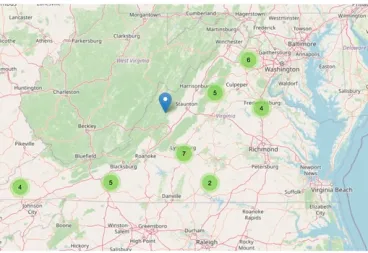
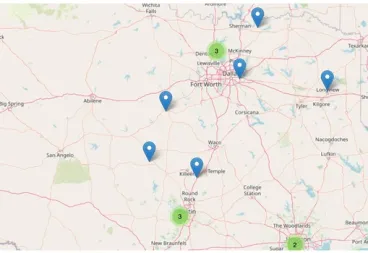
To see current availability and asking prices, you can browse the sheep marketplace on Creatures.
| Commercial ewe or wether | Roughly $200 to $500 per head |
|---|---|
| Registered breeding stock | Several hundred to about $2,600 per head, set by genetics (2025 breed-association sale) |
| Breeding ram | At least $500 for a sound commercial ram, more if registered (Penn State Extension) |
| Feeder lamb | Priced by weight, about $3.60 per pound at an Upper Midwest auction (Sioux Falls, SD), week ending July 10, 2026 (USDA AMS) |
| Shearing (wool breeds) | About $18 to $40 per head for a small flock across seven contractors’ published lists (most $20 to $30), plus a per-farm minimum near $110 to $250 and travel. Only one of the seven publishes a large-flock tier at all: $8 to $10 per head at 50 to 100 sheep, $6 to $7 above 100 |
| Wool income | A 7 lb fleece often nets only a few dollars, frequently less than shearing costs (Maryland Small Ruminant Page) |
| Hay | About 846 lb per ewe per year, roughly $33 at budget hay prices (Missouri Extension 2026) |
| Sensible starting flock | About 30 to 35 ewes to one ram for a commercial unit (Penn State Extension) |
How these prices were checked (method, 2026). Feeder-lamb, slaughter-lamb, and breeding-ewe figures are anchored to USDA AMS sheep reports for the week ending July 10, 2026 (ams.usda.gov), the reproducible live benchmark for market classes. Registered-stock figures draw on published 2025 breed-association sale averages plus breeder listings, and shearing rates are current contractor listings recorded on July 16, 2026, not an extension survey. Private-treaty breeding stock has no central price index, so verify locally.
How much does a sheep cost to buy?
The buying price depends on three things above all: whether the animal is registered, its age and reproductive status, and the breed. A weaned commercial ewe lamb from a working farm sits at the bottom of the range. A proven, registered ewe from a show flock, or a breeding ram with a strong maternal pedigree, sits near the top.
Commercial versus registered stock
Most people getting into sheep start with commercial animals, which are unregistered crossbreds selected for how they perform rather than for papers. Penn State Extension puts a serviceable breeding ewe at a minimum of around $200 and a good ram at a minimum of about $500, and those are floors rather than averages. In practice a healthy young commercial ewe often lands in the low hundreds, and a wether kept as a pet or a lawn-mower is usually the cheapest sheep you can buy.
Registered breeding stock is a separate world. A purebred with a recorded pedigree can run from several hundred dollars into the low thousands, set by genetics and show record rather than by the animal’s weight. At the 2025 Katahdin Hair Sheep International Expo sale, for example, registered ewes averaged about $673 and the dearest ewe in the report’s itemized list of lots was $1,750, while rams averaged about $1,040 with the top ram bringing $2,600, across 117 head. (The $1,750 is the highest ewe lot the report actually prints, not a proven ceiling for the sale: its itemized ewe lots do not quite reconcile with its own ewe total, so a few head are unaccounted for. The ram side reconciles exactly.) There is no central price index for these private-treaty sales the way there is for market lambs, so treat any single figure as an example, not a quote. What you are paying for is documented genetics, a breeder who stands behind the animal, and, if you plan to sell registered offspring yourself, the ability to register the lambs. If your goal is meat, brush, or fiber for your own use, that premium usually is not worth it. If your goal is to build a seedstock flock, it often is.
The Suffolk sheep guide explains the breed’s meat-focused role and the records to request when buying stock.
One honest shortcut worth knowing: Oklahoma State University Extension notes that older ewes can cost less than half what young ewes do, and breeding sound older ewes to a good ram is a low-investment way to get started while you learn. You give up some productive years, but you get into the business for far less money.
Feeder lambs and market lambs
If you are buying lambs to raise for meat rather than to breed, you are shopping a commodity market, and the price moves week to week. The USDA Agricultural Marketing Service National Sheep Summary for the week ending July 10, 2026 showed feeder lambs (the 40 to 90 pound animals sold to be grown out) trading from about $330 to $390 per hundredweight at the one Upper Midwest auction reporting them that week, Sioux Falls, South Dakota, which works out to roughly $3.30 to $3.90 per pound. A 60 pound feeder lamb near the middle of that range is about $215. Finished slaughter lambs ran roughly $280 to $410 per hundredweight at the common lighter weights across the reporting auctions, easing for heavy lambs and varying by region and grade. These numbers move fast: USDA’s July 16 daily summary had lambs in the 50 to 100 pound range selling $15 to $25 per hundredweight lower than the previous report. They rise and fall with feed costs, drought, and seasonal demand around holidays, so check a current report before you budget rather than trusting a figure from last year.
Wool sheep versus hair sheep: the cost that comes back every year
No single choice shapes your ongoing budget more, and it is the one new buyers most often overlook.

Wool breeds such as Merino, Corriedale, Suffolk, and Rambouillet grow a fleece that has to be sheared, normally once a year. Shearing is a real and recurring line in the budget. Rates fall as flock size rises, but small-flock owners pay the most per animal. Current contractor price lists put small-flock shearing at roughly $18 to $40 per head, with most in the $20 to $30 range. Per-head rates do drop at large-flock scale, though it is worth being precise about how thin the evidence for that is: of the seven contractors whose price lists we read, exactly one publishes a schedule that reaches those flock sizes. We Love Sheep lists $8 to $10 per head for 50 to 100 sheep and $6 to $7 per head above 100. That is one company’s published list rather than a going rate, and the other six do not quote the tier at all. Shearers commonly add a per-farm or minimum charge of about $110 to $250 plus a travel fee, so the effective cost for a handful of animals climbs fast. Finding a shearer willing to come out for a small flock is itself a growing challenge.
The Merino ownership guide shows why fleece income should be checked against real shearing, preparation and care costs.
Here is the part that surprises people: for most producers, the wool does not pay for the shearing. The Maryland Small Ruminant Page works a plain example. A typical sheep yields around 7 pounds of raw (grease) wool, and at the $0.50 per pound it uses as a wool-pool price, that fleece brings roughly $3.50, less than it costs to have the sheep sheared. The wider market has been more brutal still. Harvest Public Media reporting in 2024 found Midwest producers getting just 2 to 5 cents a pound for their coarser, shorter wool, and the national average wool price was about $1.53 per pound in 2022, down from $1.89 in 2019. Fine wool from well-managed Merino-type flocks still earns real money, but for the average farm-flock owner, wool is a cost and a chore, not a profit center.

That math is exactly why hair sheep have taken off. Breeds like Katahdin, Dorper, and St. Croix shed their coats naturally and never need shearing, crutching, or (in most cases) tail docking, and the Maryland Small Ruminant Page notes they tend to need deworming less often than wool sheep too. Rarer all-hair breeds such as the Royal White follow the same logic, though registered stock is hard to find. The Maryland Small Ruminant Page has described hair sheep as a fast-growing segment of the American sheep industry, though note that claim rests on a 2001 survey and a 2006 comparison on a page written around 2009, so treat it as a historical trend rather than a current-year statistic.
What it costs to keep a sheep
Once the animals are home, feed is the largest single input, though it is not the whole story. The University of Missouri Extension sheep planning budget for 2026 allows about $102 per ewe per year for pasture, hay, supplement, and mineral combined, while labor and ownership costs such as depreciation and interest account for much of the rest of the roughly $417 per ewe it puts against total costs. Sheep on good pasture through the growing season are inexpensive to feed. Winter is when the bills arrive. That same budget allows roughly 846 pounds of hay per ewe a year, about $33 per ewe at the modest hay price it assumes and a good deal more where hay is expensive. A ewe carrying twins or triplets eats more still, her needs climbing through late gestation.
Beyond feed, plan for the costs that do not show up on the price tag:
- Fencing and shelter. Good perimeter fencing is the single biggest one-time setup cost for most new flocks, and it is not the place to economize, since loose sheep and predators are how flocks get lost. A simple three-sided shelter is usually enough for the animals themselves.
- A ram, or the alternative. If you are breeding, you need a ram (at least $500 for a sound commercial one) or access to one. For a very small flock, some owners lease a ram or buy in bred ewes to avoid keeping an intact male year-round.
- Routine health care. Hoof trimming, deworming based on fecal testing rather than a fixed calendar, and vaccinations such as the standard CDT (clostridial) vaccine are ordinary annual costs. Ask a veterinarian to build a parasite and vaccination plan for your region and flock, and defer any medication and dosing decisions to them, since sheep are sensitive to some products and dewormer resistance is a serious and local problem.
- Lambing. Ewes typically produce one to three lambs a year after a roughly five-month gestation, per Penn State Extension, which is how a flock grows and eventually pays back the initial investment. Budget for the occasional assisted birth and vet call.
Buying well, and starting at the right size
The cheapest sheep is rarely the best value. A sound, healthy, correctly built animal from a breeder who will answer the phone six months later is worth more than a bargain ewe with bad feet or a hidden health problem. When you go to look at sheep, check feet, teeth, udder, body condition, and general soundness, and ask about the flock’s health history and parasite management.
A sheep tape-measure guide can support repeat monitoring, but body condition and a veterinarian’s advice still matter.
Scale matters too. Penn State Extension suggests that the smallest sensible commercial unit is around 30 to 35 ewes to one ram, because fixed costs like fencing, a ram, and your time spread across more animals. That does not mean you cannot keep three sheep in a backyard, plenty of people happily do, only that the per-animal economics improve as the flock grows. For pets or vegetation control, a few wethers are the simplest and cheapest way in.
If you are weighing sheep against other livestock, it helps to compare the full picture. Our guides on how much a goat costs and how much a cow costs break down the same buy-plus-upkeep math for those species, and the Creatures sheep species page covers breeds, care, and management in more depth.
Frequently asked questions
How much does one sheep cost?
A commercial (unregistered) ewe or wether commonly runs about $200 to $500, and a wether kept as a pet is usually the cheapest. Registered breeding stock ranges from several hundred dollars into the low thousands depending on genetics.
Are hair sheep more expensive than wool sheep?
Good hair-sheep breeding stock can cost a little more up front because demand is high, but hair sheep never need shearing, which removes a recurring annual cost. Over several years they are often cheaper to keep than wool breeds.
Does wool pay for the sheep?
Usually not for small flocks. A typical fleece of around 7 pounds may bring only a few dollars at common wool-pool prices, often less than the cost of shearing, according to the Maryland Small Ruminant Page. Fine wool from specialized flocks is the exception.
What is the cheapest way to start a flock?
Buying sound older ewes, which Oklahoma State University Extension notes can cost less than half what young ewes do, and breeding them to a good ram is a low-investment way to learn the business. Wethers are the cheapest option for pets or brush control.
What is the biggest ongoing cost of keeping sheep?
Feed. The University of Missouri Extension sheep planning budget for 2026 allows about $102 per ewe a year for pasture, hay, supplement, and mineral together, the largest of the operating inputs, with hay alone around $33 per ewe at the hay price that budget assumes and more where hay costs more. Labor and ownership costs such as depreciation and interest are the other big pieces.
Do this next on Creatures
Whether you are pricing your first few ewes, comparing wool breeds against hair sheep, or already running a flock, Creatures is the marketplace, directory, and records layer to keep it all in one place.
See what sheep are selling for near you. Browse current sheep on the marketplace and search trusted sheep breeders and farms in the Creatures directory.
Get alerted when the right sheep is listed. Waiting on registered ewes or a particular hair-sheep breed? Set a free sheep listing alert and we will tell you when a match is posted. No account needed to start, and there is more in saving searches and using your watchlist.
Add your sheep. Already have a flock? Create a free animal profile for each animal in a few minutes. No account needed to start, and the walkthrough is in adding an animal to Creatures.
Keep the records a flock needs. Lambing dates, deworming, hoof trimming, shearing, and vaccinations add up fast. Add a record on Creatures. The record sheet opens for any visitor to look around, and a free account saves what you enter. See adding a record for the how-to.
Sell or breed sheep? Create a farm or breeder profile so buyers searching for sheep can find you, and get listed with the steps in getting listed in the breeder directory and creating an organization. No account needed to start.







