


Zangersheide
The Zangersheide is a Belgian sport horse bred for one job: show jumping. Strictly speaking it is not a breed at all but a studbook, founded in 1992 by Leon Melchior at his Zangersheide stud in Lanaken, Belgium, which registers jumping horses on pedigree quality and proven performance rather than on membership of a single closed bloodline. Horses registered with Studbook Zangersheide carry a “Z” at the end of their names, and the suffix has been worn by some of the best jumpers ever foaled, from the double Olympic team gold medalist Ratina Z to Legacy, the highest scoring horse of any studbook in the final 2024 WBFSH world jumping ranking. This page explains what the Zangersheide actually is, how Z registration and approval work, how the book compares with BWP, sBs, and the Holsteiner studbook, what these horses cost, and what to verify before you buy one. Still weighing types and breeds? The broader Creatures horse hub is the place to compare.

| Type | Warmblood sport horse; an open, performance-based studbook rather than a closed breed |
|---|---|
| Registry | Studbook Zangersheide vzw, Lanaken, Belgium (WBFSH member) |
| Founded | Stud active from the 1970s; the studbook itself in 1992, by Leon Melchior |
| Primary use | Show jumping, from national classes to Olympic and World Championship level |
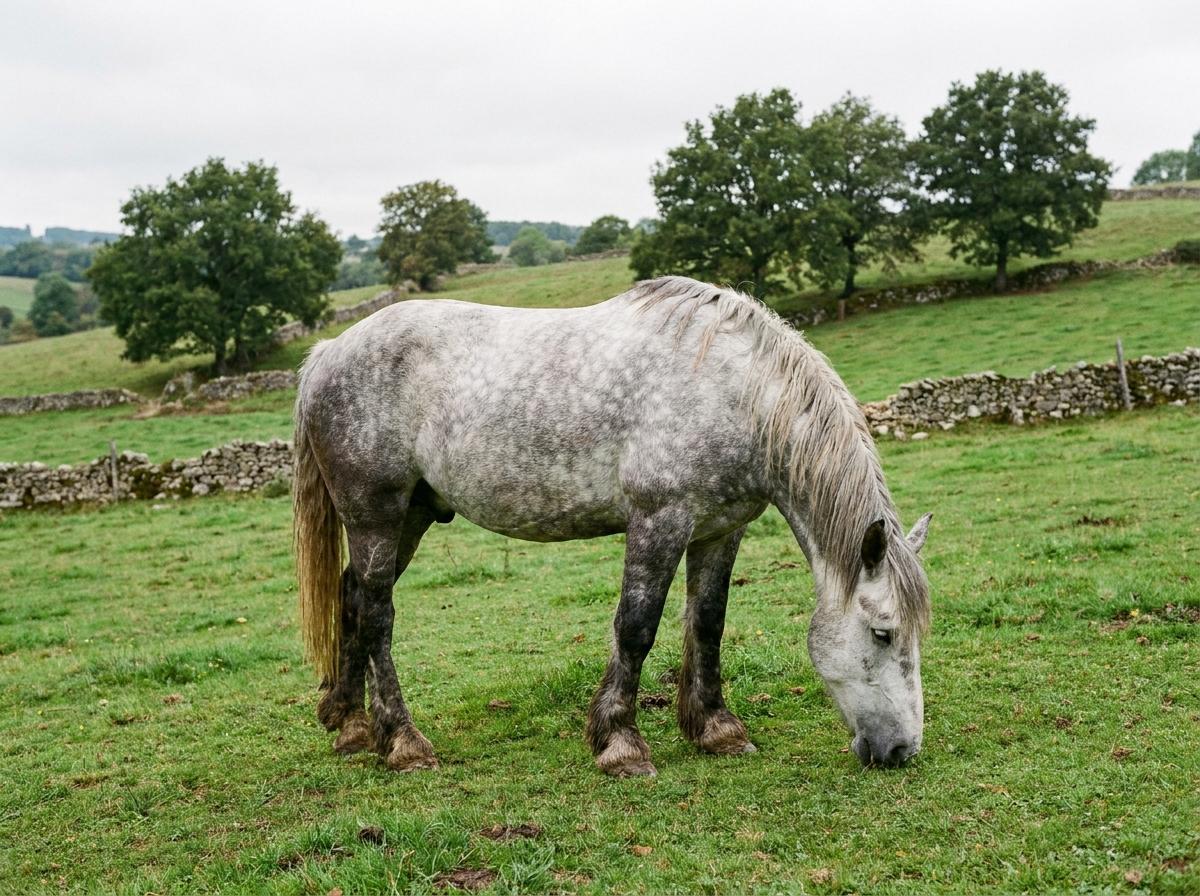
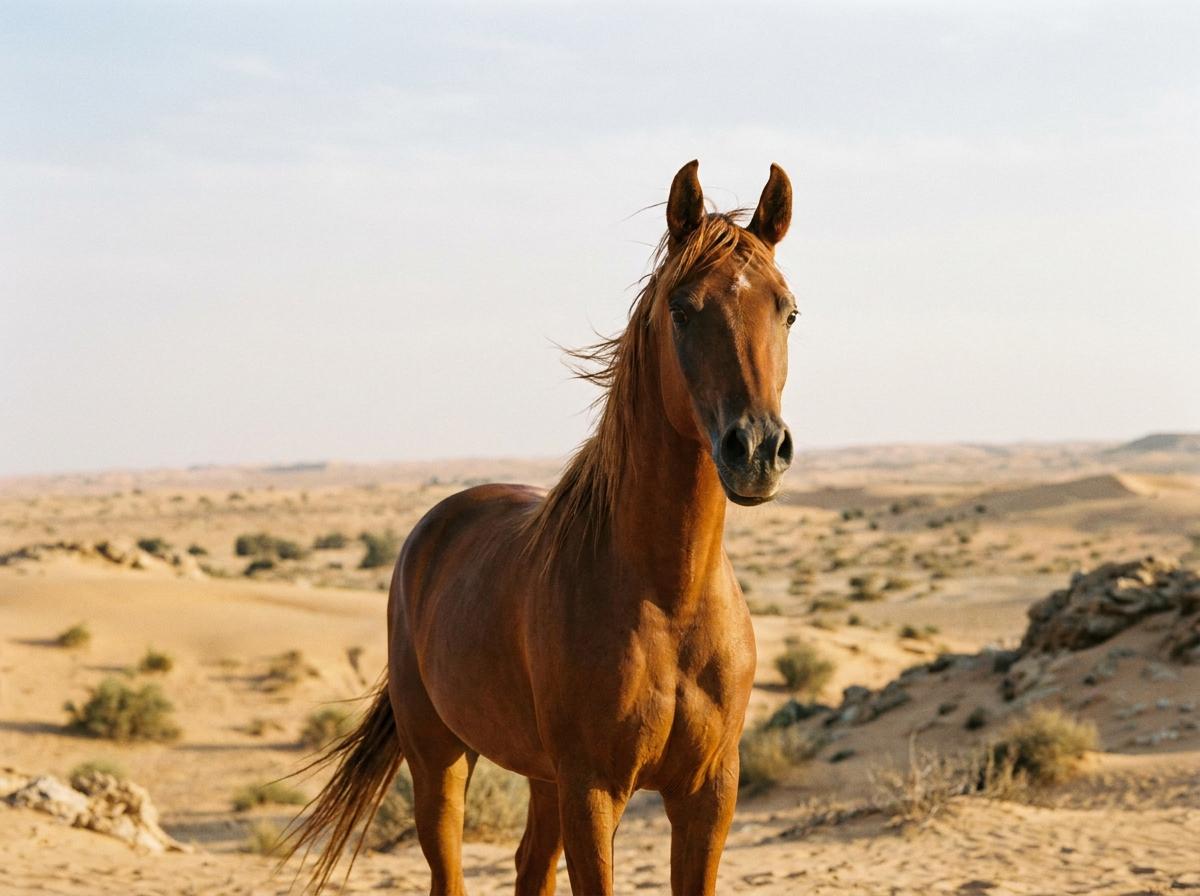
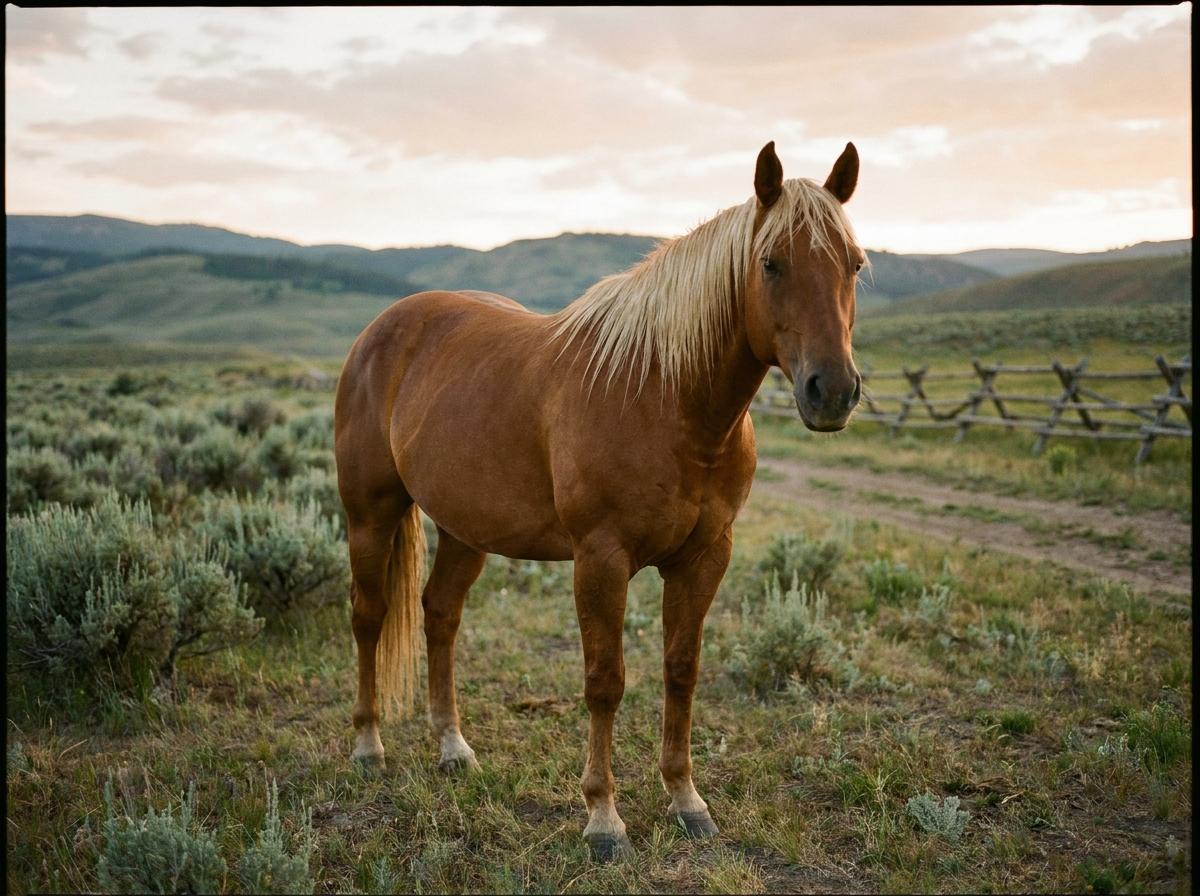
| Height and color | Typically about 16 to 17 hands (163 to 173 cm); grey, or any of the usual dark colors including bay, black, and chestnut. Neither is a selection criterion |
| Naming | Registered horses carry a “Z” suffix on the name (Ratina Z, Chellano Z) |
| Registrations | More than 10,000 foals per year worldwide, per the studbook |
| World ranking | Second in the final 2024 WBFSH jumping studbook ranking; sixth in 2025 |
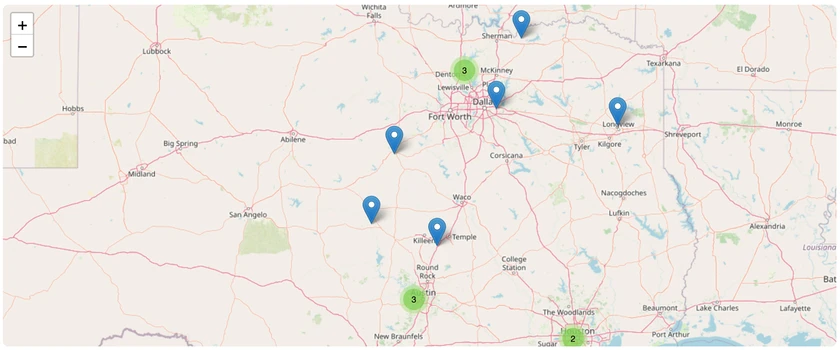
Browse listings, public profiles, breeders, or add your animal.
What is a Zangersheide horse?
A Zangersheide (often shortened to “Zang,” with Z as the studbook abbreviation) is a warmblood show jumping horse registered with Studbook Zangersheide, the private Belgian registry headquartered on the Zangersheide estate in Lanaken, in Belgium’s Limburg province. The thing that trips up most people meeting the name for the first time: Zangersheide is a registry built around a selection standard, not a closed breed built around a fixed founding population.
Traditional European warmblood books historically registered horses born within a region and a pedigree tradition. Zangersheide is open to jumping horses of any recognized warmblood origin, and its pedigrees mix Hanoverian, Holsteiner, Selle Francais, BWP, and other blood freely; registration turns on pedigree quality and sport merit, not birthplace. In practice that makes the Z suffix less like a breed label and more like a performance brand: it tells you the horse comes out of a program selected hard, for decades, for the show ring.
None of this makes the paperwork less real: a Z horse has a passport, a microchip, DNA-verified parentage, and a registration you can confirm with the studbook, and the buying section below covers how to use that paper trail.
Origin and history
The story of Zangersheide is largely the story of one determined breeder. Leon Melchior (1926 to 2015), a Dutch-born building contractor, only started riding at 37, then set out to breed jumpers on the Zangersheide estate near Lanaken with an engineer’s appetite for system and data. By the early 1970s the stud was running with a goal he repeated for the rest of his life: breed only jumping horses.
His foundation mare was Heureka, a top international jumper who won the Grand Prix of Aachen under Germany’s Hermann Schridde. Around her, Melchior built a deliberate outcrossing program that combined three streams of blood: the Hanoverian base typified by Gotthard, the French brilliance of the Anglo-Norman stallion Alme (standing at Zangersheide as Alme Z), and the Holsteiner power of Ramiro Z, a proven international jumper Melchior acquired once the stallion’s competition career ended. Heureka’s daughter Argentina Z, by Alme, never competed, yet she became the central pillar of the whole program as the dam of Ratina Z. Melchior’s view, borrowed openly from modern livestock breeding, where planned crossing built dual-purpose cattle like the Maine-Anjou, was that crossing carefully chosen lines produces stronger, sounder, more athletic animals than a closed population can.
The breeding worked, but the paperwork fought him. Traditional studbooks of the era restricted practices Melchior considered essential, from free choice of stallions across borders to reproductive technology such as artificial insemination and embryo transfer. In 1992 he resolved the conflict by founding his own registry, Studbook Zangersheide vzw, launching it with 22 approved stallions, mainly Holsteiner-bred with a few Hanoverians and one Trakehner, and a selection committee of genuine heavyweights: Alwin Schockemohle, Alain Navet, and Reiner Klimke, as recounted in The Horse Magazine’s history of the studbook. Performance-first, internationally open, and technology-friendly, the new book was radical for its time, and it helped push the whole European warmblood world toward the sport-driven breeding culture that is normal today.
Melchior handed day-to-day management to his daughter, the international show jumper Judy-Ann Melchior, in late 2014, and died at Lanaken in November 2015 at 88. The FEI’s tribute credited him as a pioneer who turned jumping-horse breeding into a science.
What a Zangersheide looks like
Because Zangersheide selects for performance rather than for a narrow visual standard, the “look” is modern jumping warmblood rather than a rigid breed silhouette.

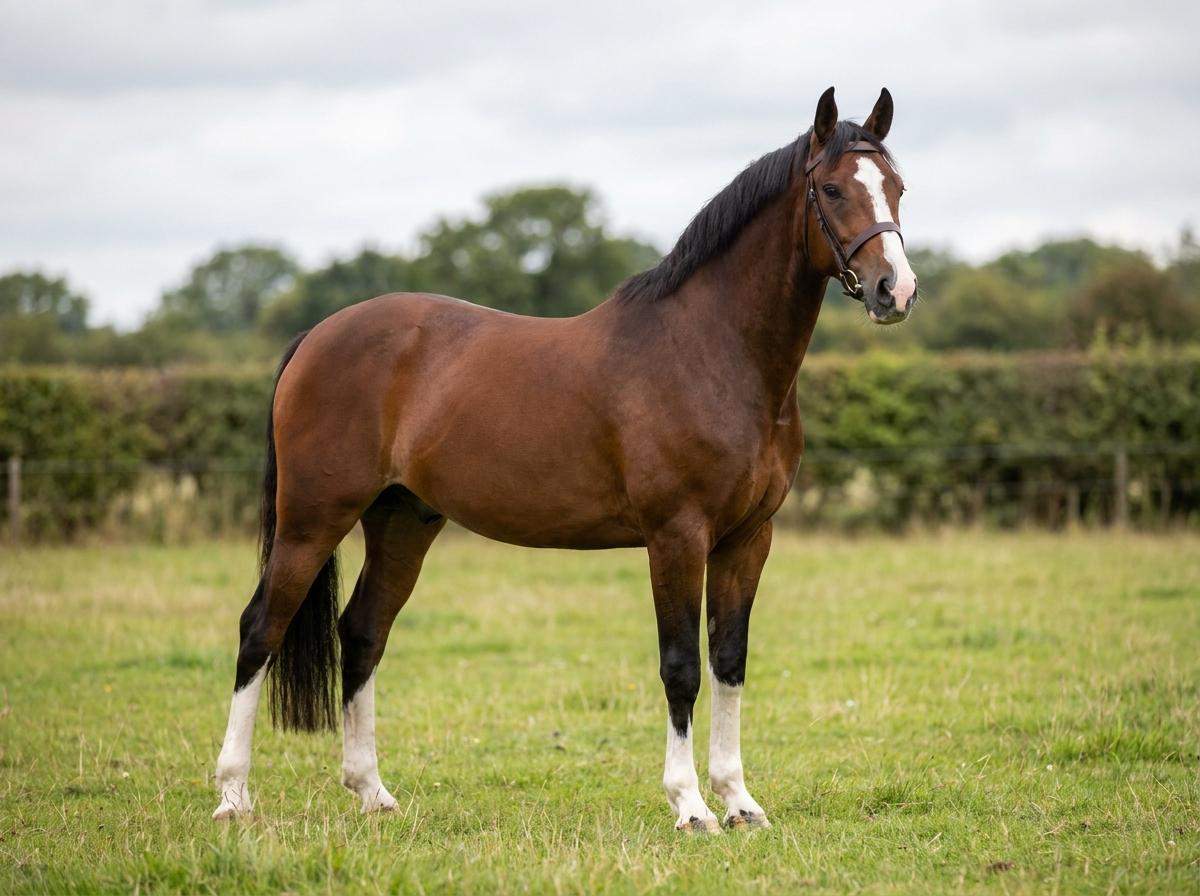
- Size. Most registered horses stand about 16 to 17 hands (roughly 163 to 173 cm). There is no height standard, and individuals fall outside that band in both directions.
- Build. An athletic, well-muscled frame with a strong back, powerful hindquarters, long legs, and the uphill balance a jumper needs. Type varies more than in a closed breed because the book draws on several warmblood populations.
- Color. Grey and the usual dark colors all occur, bay, black, and chestnut among them. Color plays no role in selection.
- Movement and jump. Selection favors a powerful, elastic canter, quick reflexes off the ground, and scope and carefulness over a fence. These are the traits the inspections actually score.
- Temperament. Riders and breeders generally describe Z horses as intelligent, rideable, and trainable, which follows from selecting for sport usability. Treat that as a well-founded generalization, not a guarantee; a talented young jumper is still a strong, sensitive athlete that needs competent handling.
How Z registration and selection work
Here is what a Z on the papers actually certifies, from the studbook’s own published guidance.
- Who can be registered. As a rule, any foal whose parents are registered with a studbook recognized by the World Breeding Federation for Sport Horses (WBFSH) can be registered with Zangersheide, with the sire also approved by such a book, provided both parents were bred for the sport or can show sport results. Prior Z registration of the parents is not required: a Holsteiner sire over a Selle Francais mare can produce a fully registered Z foal.
- DNA comes standard. Zangersheide verifies the parentage of every foal by DNA analysis, which is why it no longer requires a stud service certificate. Each foal is microchipped, sketched by an identifier or veterinarian, and issued a passport once the file is complete.
- Inspections score the young stock. Under the studbook’s published Z-Festival conditions, foals are judged on five criteria scored out of ten each: type, correctness, movement, general impression, and dam line. Three-year-olds return for a free-jumping championship judged on technique, power, and general impression, and auction selection runs alongside, so the inspection ladder feeds directly into the market.
- Stallions earn approval. Breeding stallions pass the studbook’s stallion inspection, and Zangersheide also recognizes quality proven elsewhere, which is how established sires from other books join its roster. Approved-stallion status is the meaningful credential on a Z pedigree, so check for it when you read one.
- Technology is embraced, not resisted. Artificial insemination, frozen semen, embryo transfer, and ICSI are all standard tools here, and the studbook made history by licensing a clone, Chellano Alpha Z, whose story is in the bloodlines section below.
What the Z suffix does not certify is talent in the individual. The papers tell you the horse comes from performance-selected parents with a DNA-checked pedigree; the horse in front of you still has to prove its own scope, technique, and temperament.
Zangersheide, BWP, and sBs: Belgium’s three studbooks
Buyers meeting Belgian sport horses for the first time often mix up the country’s three warmblood registries, so here is the practical distinction.
- BWP (Belgisch Warmbloedpaard, the Belgian Warmblood) is the large studbook traditionally serving Flanders in the north. It breeds principally for show jumping and finished fourth in the final 2025 WBFSH world jumping ranking.
- sBs (Studbook sBs, the Belgian Sport Horse) is rooted in the French-speaking south, based at Namur. By its own history it began as a society for breeding horses for the Belgian army, turned toward a lighter, more elegant riding horse from 1930 as the army mechanized, rebuilt after the Second World War on imported French, German, Irish, and English blood, and has been known as Stud-Book sBs since 1991. It is smaller, ranking eleventh in the world in 2025.
- Zangersheide (Z) is the private, performance-based studbook at Lanaken in the east, founded by Melchior in 1992 and open to jumping horses of any recognized warmblood origin. It finished second in the world in 2024 and sixth in 2025.
The comparison searchers ask about most, though, is with the Holsteiner studbook in Germany, because it shows the two philosophies side by side. The Holsteiner Verband is built on its own mare lines, traced to the start of the nineteenth century and tracked by stem number since its first studbook of 1897, with a strict annual mare inspection alongside stallion licensing. That is a regional base cultivated for generations, not a closed attitude to outside blood: the Verband’s own breeding concept says its breeders pushed the use of Thoroughbreds from early on. Zangersheide inverts that model: no regional mare base, no closed population, entry for any WBFSH-recognized jumping pedigree that meets its standard. Both approaches produce elite jumpers, and the two books are intertwined anyway; Holsteiner blood has run through Zangersheide since Ramiro Z. For any single horse, the studbook matters most as a record-keeping and quality-signal system, which is why the papers, not the brand, deserve your attention when you shop.
Famous Zangersheide horses and bloodlines
The Z suffix has been carried around the biggest arenas in the sport, and a handful of names explain most of the studbook’s reputation.
Ratina Z is the flagship, widely called one of the greatest jumping mares ever to compete. Foaled at Zangersheide in 1982, by Ramiro Z out of the Alme Z daughter Argentina Z, she won individual silver and team gold at the 1992 Barcelona Olympics with the Netherlands’ Piet Raijmakers, then moved to Germany’s Ludger Beerbaum and kept winning: the FEI World Cup Final in 1993, team gold at the 1994 World Equestrian Games, team gold at the 1996 Atlanta Olympics, and individual and team titles at the 1997 European Championships. She returned to Zangersheide as a broodmare after her career.
Ramiro Z, her sire, was by Raimond and a grandson of the influential Ramzes: conceived in Holstein, foaled in 1965 at Clemens von Nagel’s stud in Westphalia, and licensed at Neumunster as a Holsteiner, so his papers and his birthplace point to different regions. He jumped internationally under Germany’s Fritz Ligges, and when that career ended in 1974 he passed briefly to Ligges’s sponsor Rudolf Hirschmann before Melchior brought him to Zangersheide, where he became one of the most influential jumping sires of the modern era.
Chellano Z, a grey Holsteiner-bred stallion by Contender who competed internationally under Jos Lansink, died in 2006, and Zangersheide made history with him twice: first as a sire, then in 2008 when his clone, Chellano Alpha Z, was born, went on to be licensed as the studbook’s first cloned and approved stallion, and took over his donor’s stud duties. Whatever one thinks of cloning in horse breeding, it is a fair snapshot of the studbook’s character.
Aganix du Seigneur Z, foaled in 2006 by Ogano Sitte out of a Chellano Z daughter, jumped at 1.60m with Jos Lansink and now ranks among the most sought-after sires in modern jumping breeding, with offspring such as Agana van het Gerendal Z, a World Cup qualifier winner in Las Vegas under the United States’ Lillie Keenan, at the top of the sport.
Legacy, a mare by the Zangersheide-registered stallion Chippendale Z, shows what the book’s selection standard turns up today: ridden by Ireland’s Daniel Coyle, she was the highest-pointed horse of any studbook in the final 2024 WBFSH jumping ranking. Chippendale Z himself makes the studbook’s own point, since he was bred elsewhere in Belgium and bought by Melchior at auction; the Z on his name records where he is registered, not where he was born.
Behind the individual names sits the ranking evidence. In the WBFSH world studbook rankings for jumping, which score each registry by its six best horses in international sport, Zangersheide finished second in the world in 2024, behind only Selle Francais, and sixth in 2025 with all six counting horses inside the world’s top 50. For a registry barely three decades old, competing against national books with centuries of history, that record is the strongest argument the Z brand makes.
The studbook today

From a one-man project, Studbook Zangersheide has grown into one of the largest sport horse registries in the world; the studbook itself reports more than 10,000 foals registered per year, each carrying the Z suffix, from breeders far beyond Belgium.
Two fixtures anchor the studbook’s calendar in Lanaken. The first is the FEI WBFSH Jumping World Breeding Championship for Young Horses, the world championship for five, six, and seven year old jumpers, which Zangersheide has hosted each September since the event began in 1995, apart from the 2020 edition, called off under Belgium’s COVID-19 restrictions; the 2025 edition marked its 30th anniversary and drew 674 young horses, per the FEI, with spectator entry free. The second is the auction program: embryos, foals, young horses, broodmares, and approved stallions sell through live and online auctions, including the flagship Quality Auction for foals and the year-round 365 Auctions platform, giving the studbook’s breeding a public price signal every season. Stallion inspections, the Z-Festival championships, a breeding station offering fresh and frozen semen, and the quarterly Z-Magazine round out the program.
For a breeder, the practical takeaways: Zangersheide registers performance-bred jumping foals without generations of prior Z registration, its inspection system centers on jumping talent, and the championships and auctions give Z-registered stock unusually visible international benchmarks.
What does a Zangersheide horse cost?
There is no single market price for a Zangersheide, because the Z suffix spans everything from a newborn foal to a Grand Prix winner. A few honest anchors help.
At the studbook’s own foal auctions, averages have historically run in the low five figures in euros; The Horse Magazine reported average foal prices of roughly 11,000 to 13,000 euros across the two 2008 Quality Auction evenings, and the studbook reported a top price of 25,000 euros in its first online foal auction of 2025, with foals from fashionable damlines selling for several times an auction average. Young horses trade higher than foals, price rising with age, training, and free-jumping or early competition results. Proven horses jumping at national level cost more again, and international Grand Prix horses are a different market entirely, changing hands privately at prices that routinely reach six and sometimes seven figures. Treat any precise “average Zangersheide price” you see online with skepticism; the honest answer is a range driven by pedigree, age, soundness, and record.
The purchase is also only the entry fee. Board, farrier, veterinary care, insurance, and training on a sport horse add up quickly, and within a few years they dwarf the purchase price of a cheap horse. Before you commit, work through the full cost of owning a horse so the ongoing numbers are as clear as the sticker price.

Buying a Zangersheide: what to verify
Because the Z brand carries real market value, verify substance rather than buying the suffix.
- Read the papers, not just the name. Ask to see the passport and confirm the horse’s registration with Studbook Zangersheide before money moves. A Z passport documents identity and DNA-verified parentage, and ownership changes are recorded through the studbook office in Lanaken with a sale statement from the last-known owner. Even lost passports have a formal replacement procedure that includes a DNA identity check, so “the papers are missing” is a solvable problem, not an excuse to skip verification.
- Treat the brand as a prompt, not proof. Some Z horses carry the studbook’s brand on the hindquarter, but brands are tradition, not identification. The microchip, the passport, and the pedigree behind them are what count.
- Judge the individual. An open performance studbook produces a range of types and talents. Free-jumping or competition video, a trial ride, and the horse’s own conformation and canter tell you more than any logo.
- Insist on a pre-purchase veterinary exam. For any sport horse, and especially one you plan to jump, an independent exam with imaging appropriate to the price and intended use is standard practice. Defer soundness judgments to your veterinarian, not the seller.
- Ask for records. Breeding, competition, and health records are how serious sellers demonstrate what a horse is. A documented history of vaccinations, dental care, and treatments is worth paying for, and on the selling side, keeping those records current is what earns buyer trust.
- Match the horse to the rider. A carefully produced amateur’s jumper and a hot young stallion prospect can both carry a Z. Be honest about the rider’s level and buy the temperament and education, not the ceiling.
You can browse current Zangersheide listings on the Creatures marketplace and find sport horse breeders and studs in the Creatures directory. Purpose-bred jumpers sell fast, so a saved search alert (below) is the practical way to catch the right horse when it appears.
Is a Zangersheide right for you?
If your goal is show jumping, or an athletic all-round English sport horse with jumping blood, the Zangersheide belongs on your shortlist: the studbook’s openness means you are choosing from a deep, international gene pool selected for exactly that job. Riders headed for other disciplines should weigh the whole horse world first; a purpose-bred jumper is not automatically the best trail partner, and other breeds specialize in dressage, driving, or ranch work.
Day to day, a Zangersheide needs what any large warmblood athlete needs: forage-based feeding matched to workload, consistent farrier care, dental and veterinary maintenance, adequate turnout, and a workload that builds rather than breaks the body. Sport horses in regular jumping work carry higher soundness stakes than pasture companions, so a close relationship with a veterinarian and disciplined record keeping pay for themselves. For medical decisions, from joint care to lameness workups, always defer to a veterinarian who can examine the horse.
Frequently asked questions
Is Zangersheide a breed or a studbook?
A studbook. Zangersheide registers and approves jumping horses of warmblood origin against a performance standard rather than maintaining one closed population. In everyday speech people call the horses a breed; for a buyer the distinction matters mainly when reading pedigrees, which often combine Holsteiner, Hanoverian, Selle Francais, and other blood.
What does the Z at the end of a horse’s name mean?
It marks a horse registered with Studbook Zangersheide. The convention goes back to Leon Melchior’s stud, where stallions standing at Zangersheide, such as Alme Z and Ramiro Z, carried the estate’s initial.
Can any horse be registered with Zangersheide?
Not quite any. Both parents must be registered with a WBFSH-recognized studbook, the sire approved, and both bred for sport or holding sport results. Within those limits the book is open: the foal of a Holsteiner sire and a BWP mare can be a fully registered Z horse, with parentage confirmed by DNA.
What are Zangersheide horses used for?
Show jumping, first and last; that is the selection goal of the entire program. Individuals also make excellent eventers, jumper-derby horses, and all-round English sport horses.
How big is a Zangersheide horse?
Typically about 16 to 17 hands (163 to 173 cm), with athletic warmblood conformation. There is no height requirement, so size varies by individual.
How much does a Zangersheide cost?
Anywhere from the low five figures in euros for an auction foal to six or seven figures for a proven international jumper. Pedigree, age, training, soundness, and competition record drive the price. Budget for ongoing costs too; see the full horse cost guide.
How is Zangersheide different from BWP?
Both are Belgian and both breed top jumpers. BWP is the traditional studbook of northern Belgium, while Zangersheide is the private, Lanaken-based book founded in 1992 that registers performance-bred jumpers regardless of origin. For any single horse, judge the pedigree and the individual rather than the brand alone.
Do this next on Creatures
Whether you are researching the studbook, hunting for a jumping prospect, or breeding Z-registered foals, Creatures is the records, marketplace, and directory layer to run it all in one place.
Find a horse. Browse Zangersheide horses on the marketplace and search trusted sport horse breeders and studs in the Creatures directory. New to the marketplace? See saving searches and using your watchlist.
Get alerted. The right jumper rarely waits around, so set a free Zangersheide listing alert and we will tell you the moment one is posted. No account needed to start.
Add your horse. Already have a Z-registered horse in the barn? Create a free animal profile in a few minutes, no account needed to start. The walkthrough is in adding an animal to Creatures.
Track health and training. Add health, farrier, and competition records on Creatures. The record sheet opens for any visitor to look around, and you will need a free account to save what you enter. See adding a record and health and medical records for the full how-to.
List your stud or barn. Breed or sell sport horses? Create a free breeder or stud profile, then get listed in the breeder directory so buyers searching for jumping horses can reach you. If you run the operation with a team, read creating an organization and adding your team.
Sell with confidence. Planning to sell a prospect or a proven horse? Learn how seller payout works before you list.
If you stand stallions or produce young jumpers, you can also list your stud or sales barn in the Creatures directory so buyers searching for performance-bred horses can find you.