Boulonnais
Author: Elliott Garber, DVM · Published
The Boulonnais is a living French draft horse breed from the Boulogne region, recognized for a powerful body, an expressive head and a predominantly gray coat. Its polished appearance can make it look almost sculptural, but choosing one is a working-horse decision: training, soundness, facilities and documented identity matter more than how white its coat has become.
This guide explains the breed and the questions to take to an owner or breeder. The broader horse hub provides the starting point for comparing other breeds.
| Identity | French draft horse breed |
|---|---|
| Origin | Boulonnais region of northern France |
| Appearance | Powerful build, refined head, usually gray |
| Reference | French breed selection program and studbook |
| Buying priority | Identity, training and suitability for the intended job |

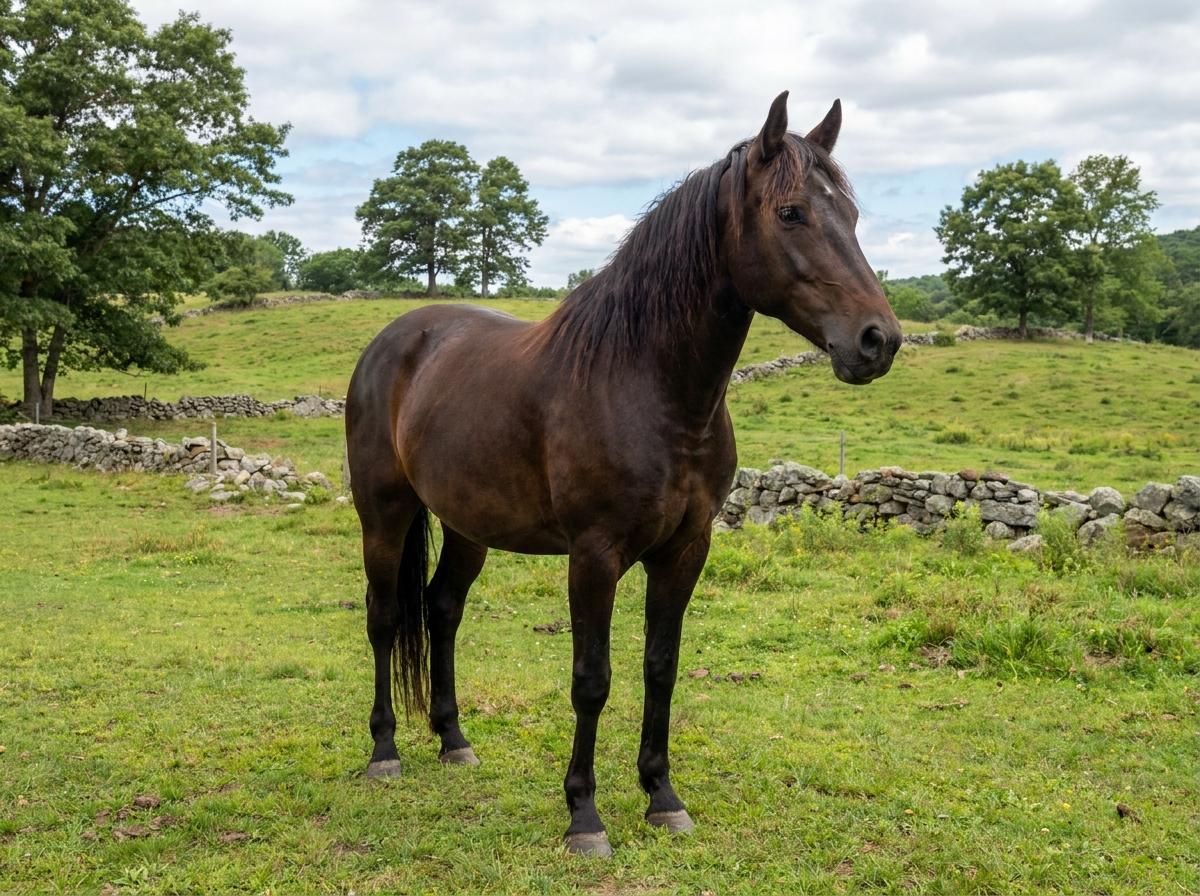
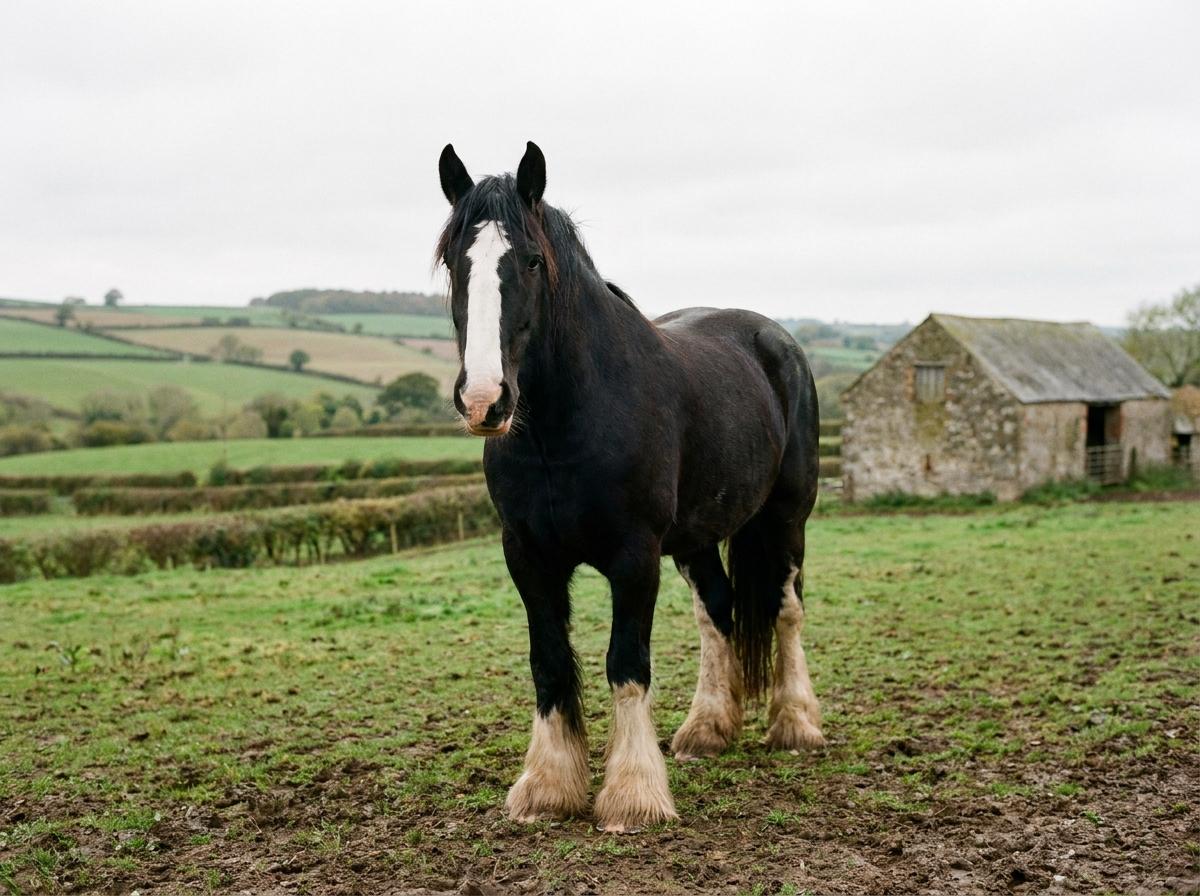
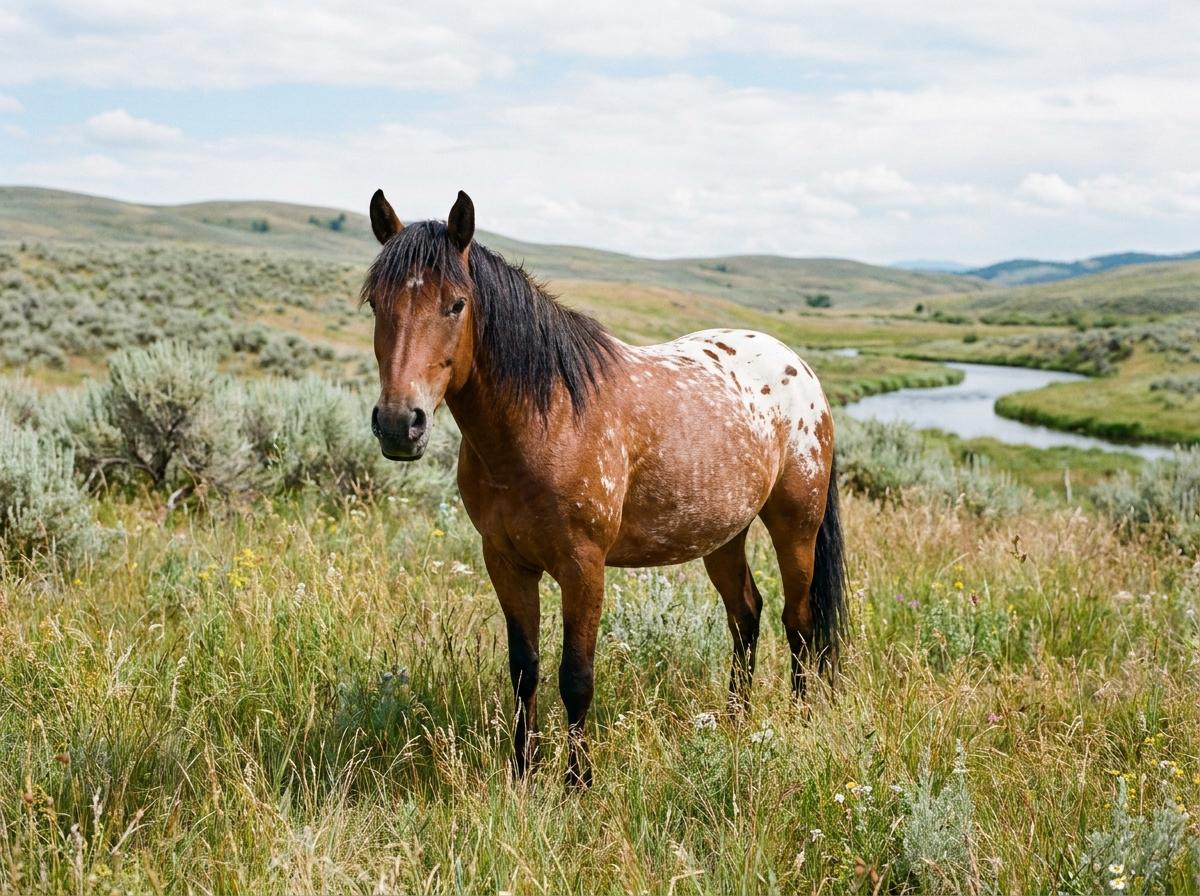
AI-generated illustration of Boulonnais type, not a photograph or proof of registration.
Browse listings, public profiles, breeders, or add your animal.
What makes a Boulonnais recognizable?
The Syndicat Hippique Boulonnais is the breed’s studbook authority. Its October 2025 selection program, hosted by IFCE, contains the formal standard: an expressive head with fine, mobile ears, a broad chest and muscular hindquarters. The formal standard penalizes a Roman nose.
Gray is familiar, but the standard also admits chestnut, red roan, bay, roan and black. Piebald coats and their variations are disqualifying. Color alone cannot establish ancestry.
For scale, the program gives roughly 15.3 to 17.2 hands at the withers (160 to 178 cm) and 1,430 to 1,980 lb (650 to 900 kg). Those figures describe variation in the breed; they are not a target weight for your horse. Obtain its measured height and current weight estimate before planning transport, equipment or feeding.
A photograph can help you understand that combination. It cannot confirm that a horse is registered, correctly identified or suitable for breeding. Ask for the document that names the registry and identifies the individual, then reconcile its markings and permanent identification with the horse in front of you.

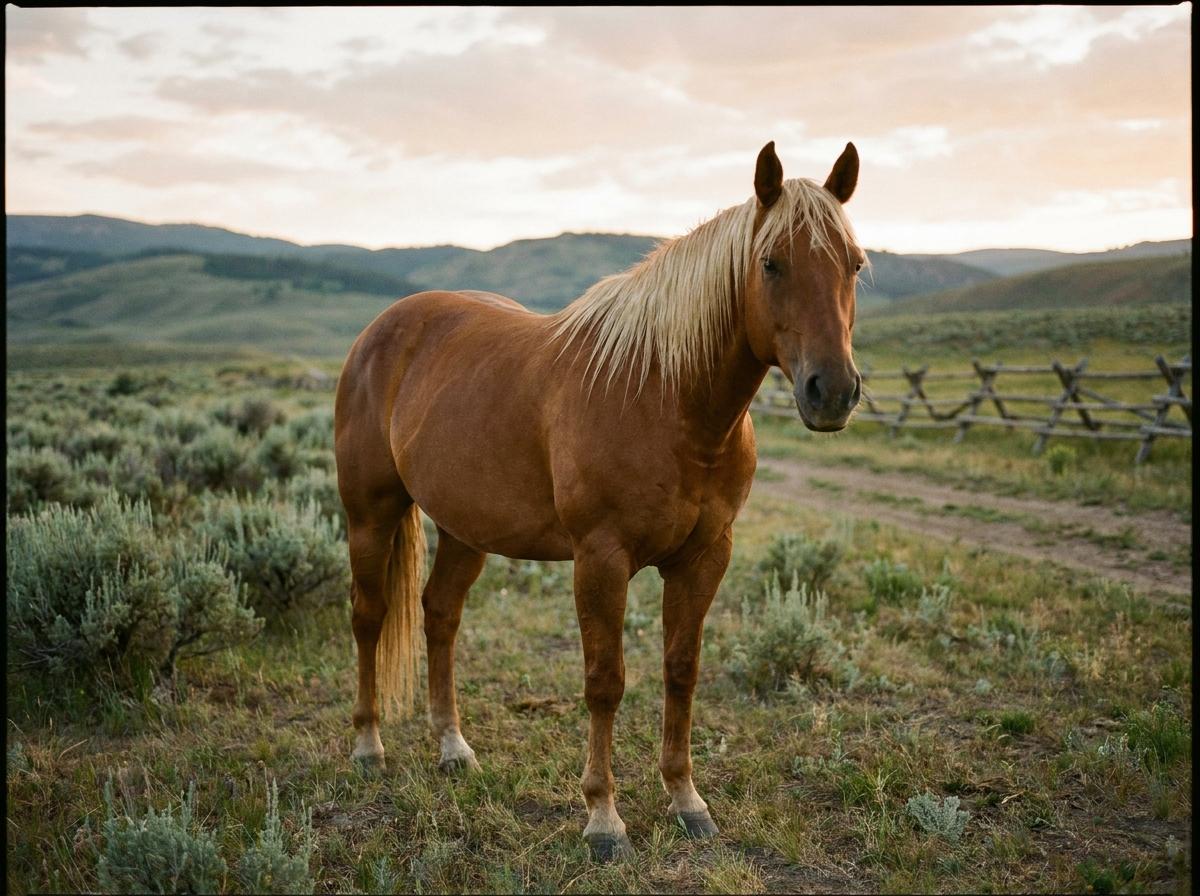
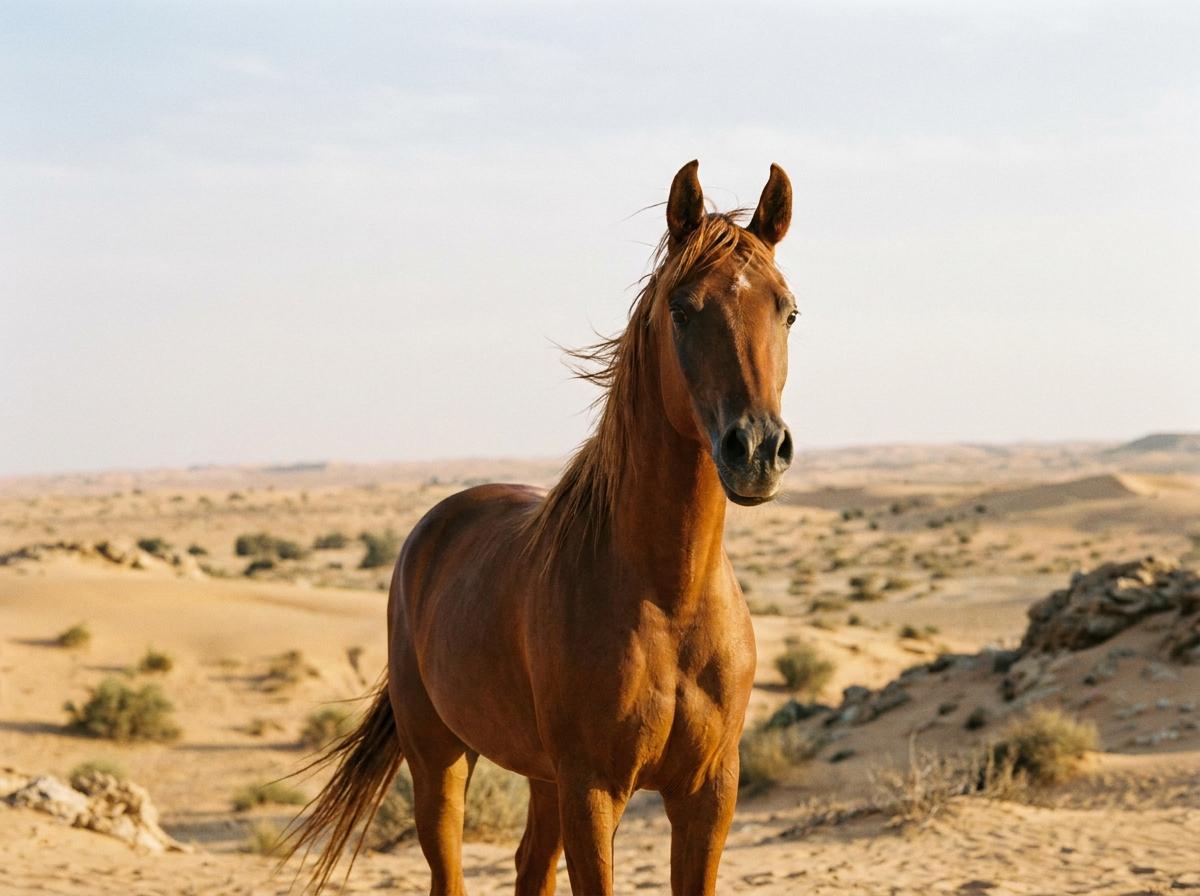
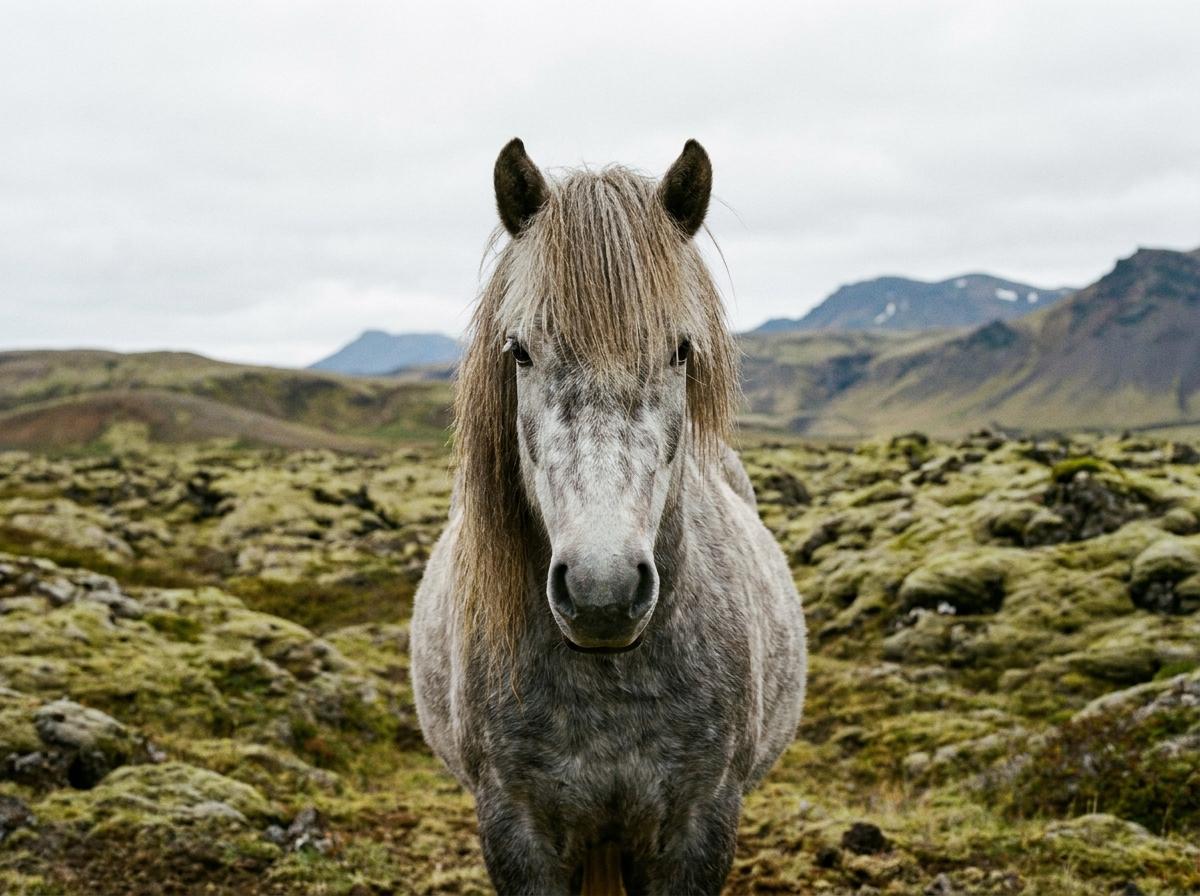
AI-generated illustration showing a head-and-neck portrait, not a conformation assessment.
A current breed with a working history
The Boulonnais belongs in a present-day breed guide, not only in a history of vanished horses. Its selection program describes both the lighter tradition associated with transporting fish and a more substantial agricultural type. That history helps explain variation within the breed. It does not make every modern individual an experienced carriage horse.
The Breton is another French draft breed. Its Trait-versus-Postier type classification does not transfer to the Boulonnais. However, Trait itself means draft and belongs in the official name Trait Boulonnais. When an advertisement mixes names, ask which appears on the registration papers and whether the seller is describing ancestry, appearance or the horse’s previous work.
Would this horse fit your plans?
Start with the actual job. A horse intended for occasional trail riding, a commercial carriage route and regular farm work will face different demands. Ask to see the animal perform the relevant ordinary tasks, rather than relying on an attractive video of a single trot across a field.
For driving, distinguish a horse that has worn harness from one that reliably starts, stops, stands and works in the arrangement you intend to use. Single, pair and team experience are separate questions. For riding, ask about the rider’s experience, the setting, recent workload and how the horse behaves away from familiar companions. A draft pedigree is not a substitute for training.
Make the practical checks before arranging transport:
- Will the trailer, partitions and loading ramp safely accommodate this individual?
- Can your farrier work comfortably with its size and handling habits?
- Have you measured the stable entrances and checked access to turnout and shelter?
- Is suitable harness or tack included, and has its fit been assessed?
- Who can help if the horse needs additional training after arrival?
These are reasons to request measurements and demonstrations, not reasons to assume a large horse is unsuitable. The answer depends on your facilities and the animal.

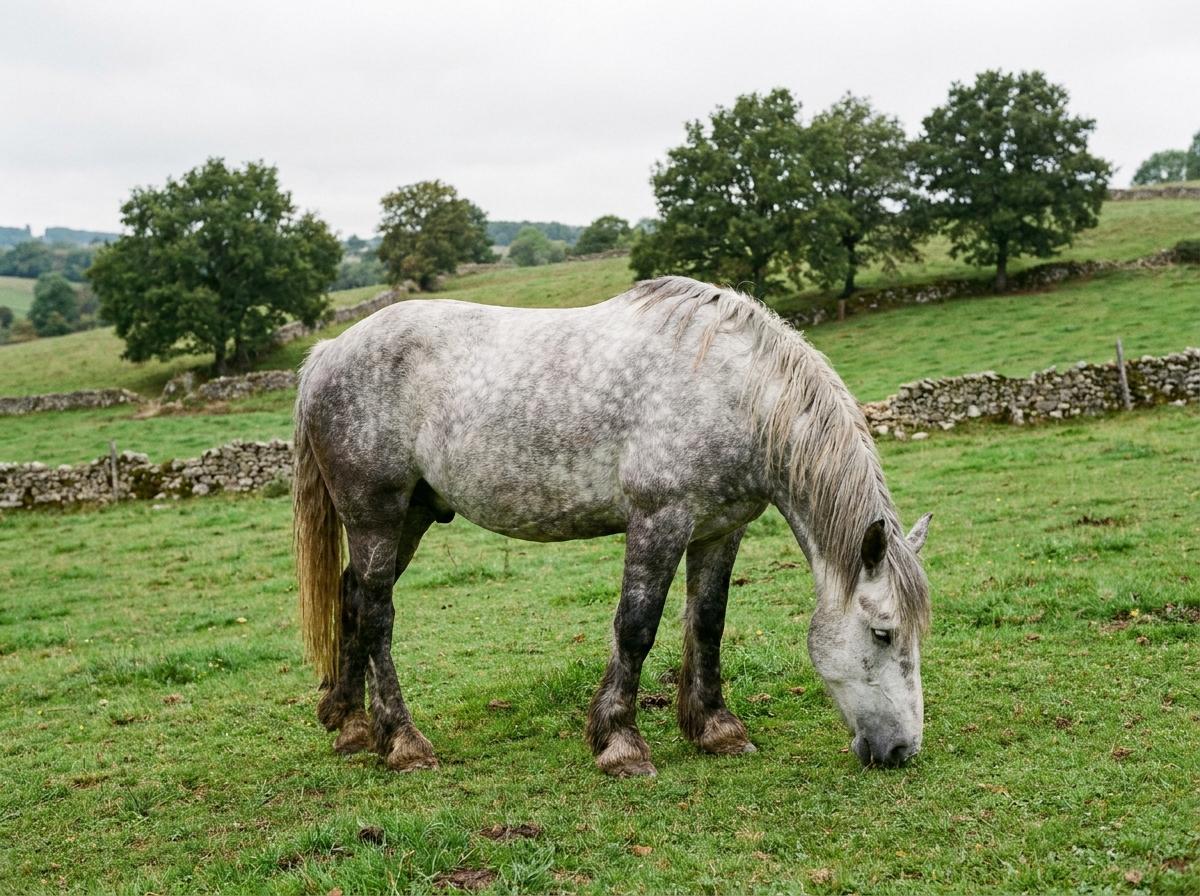
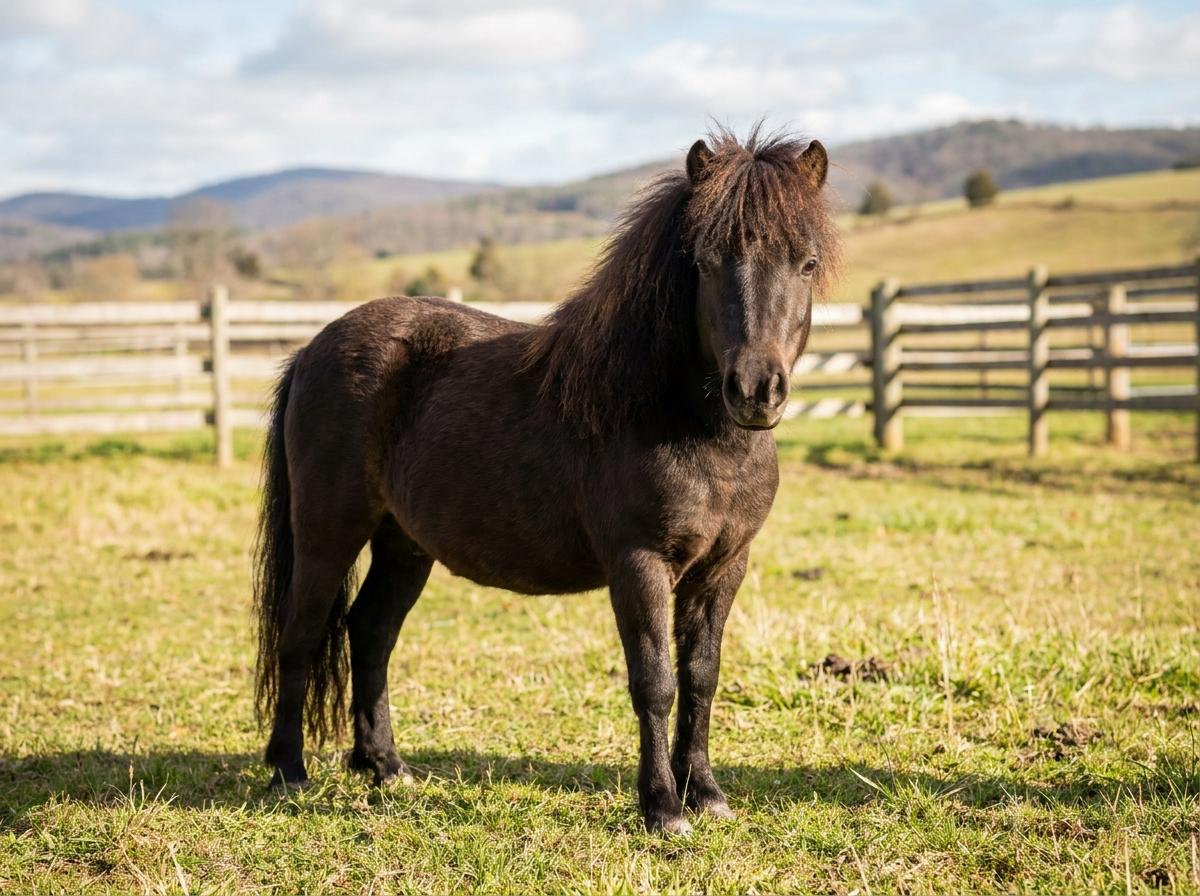
AI-generated illustration of a walking horse. It does not demonstrate training, soundness or a complete keeping arrangement.
Price, paperwork and the purchase examination
There is no defensible single international Boulonnais price. A young unstarted horse and a mature, documented driving horse are different purchases, and an overseas quote can exclude major transport and import costs. Request an itemized written quote for the actual horse, with currency, registration transfer, transport responsibilities and any conditions stated clearly.
Use an independent equine veterinarian for a purchase examination tailored to the work you intend. The American Association of Equine Practitioners stresses communication between buyer and veterinarian when deciding the scope. Tell the vet about the intended workload, not simply that you want a Boulonnais. A purchase exam informs your decision; it cannot promise future soundness.
For a breeding prospect, confirm the relevant studbook section and any breeding approval separately. A passport, an ancestry record and approval to produce registered offspring answer different questions. The breed authority should resolve unclear paperwork before money changes hands.
Common questions
Are all Boulonnais horses white?
No. Gray horses may become very pale with age, but the admitted colors also include non-gray adults. A dark adult is not automatically a mislabeled youngster or a different breed. Check its identification and registration.
Can a Boulonnais be ridden?
An appropriately trained and suitable individual may be ridden. Ask about that horse’s ridden history, fit of tack and soundness rather than treating the breed name as a riding qualification.
Is the Boulonnais a good first horse?
Make that decision with an experienced instructor who understands your abilities and the individual horse. Size, training and daily handling deserve a realistic trial. No breed label can guarantee beginner safety.
Do this next on Creatures
Use the Boulonnais hub as the breed reference, and compare the documents and experience of any individual you consider. This guide does not establish current local stock or sellers.