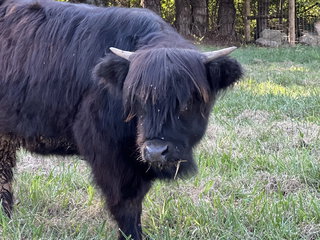
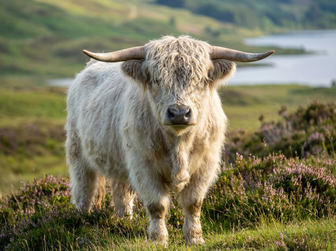




How to Care for Your Baby Highland Cow
Author: Elliott Garber, DVM · Updated
The First 24 Hours: Colostrum Is Non-Negotiable
A highland calf’s life starts with a biological countdown. Within the first 12 to 24 hours after birth, a calf must receive colostrum, the thick, yellowish first milk the dam produces. Colostrum contains concentrated antibodies (immunoglobulins) that the calf cannot produce on its own. A newborn calf’s gut is uniquely permeable during this brief window, allowing those large antibody molecules to pass directly into the bloodstream. After roughly 24 hours, the gut closes and the calf can no longer absorb these critical immune proteins.
A highland calf should consume colostrum equal to roughly 10% of its body weight within the first six hours. For a 60-pound calf, that’s about three quarts. If the dam isn’t producing enough, is rejecting the calf, or has difficulty nursing, you need a backup plan. Frozen colostrum from another cow on your farm is the best alternative. Commercial colostrum replacers (not supplements, which contain far fewer antibodies) are the next option. Failure of passive transfer, the term for calves that don’t receive adequate colostrum, is the single biggest risk factor for calf mortality in the first weeks of life.
Highland cows are known for excellent maternal instincts and calving ease, but you should still monitor every birth. Make sure the calf stands and nurses within two hours. If it hasn’t latched by the three-hour mark, intervene with a bottle.

The First Week: Monitoring and Bonding
Highland calves are born weighing 40 to 70 pounds, with miniature highland calves at the lower end of that range. Healthy calves are alert, active, and nursing vigorously within hours of birth. During the first week, watch for these indicators of good health:
- Nursing frequency: A healthy calf nurses 4 to 6 times per day in the first week.
- Navel condition: The umbilical stump should dry within 24 to 48 hours. Treat it with a 7% iodine solution at birth to prevent navel ill (omphalitis), a bacterial infection that can become systemic.
- Stool: The first stool (meconium) is dark and tar-like. Within 24 hours, it should transition to a yellow, pasty consistency if the calf is nursing well.
- Activity level: Calves should be standing, walking, and showing curiosity. A calf that is lethargic, hunched, or reluctant to rise needs immediate veterinary attention.
Resist the urge to handle the calf excessively in the first few days. Let the dam bond with her calf. Highland cows are attentive mothers and the maternal bond is important for the calf’s long-term social development. You can observe from a distance and intervene only if something looks wrong.
Nutrition from Birth Through Weaning
Dam’s Milk (Birth to 2 Months)
Dam-raised calves are the standard for highland cattle, and it produces the best outcomes for both health and temperament. Highland cows produce relatively low volumes of milk (roughly 1 to 1.5 gallons per day) compared to dairy breeds, but it’s exceptionally rich, with butterfat content reaching up to 10%. This concentrated nutrition supports steady growth without the rapid weight gain that can cause developmental problems in slow-maturing breeds.
If you’re bottle-raising an orphan or rejected calf, use a high-quality milk replacer formulated for beef calves (at least 20% protein, 20% fat). Feed at body temperature (101 to 102 degrees Fahrenheit) and maintain a consistent schedule: every 4 hours for the first two weeks, then every 6 to 8 hours through eight weeks. Consistency in feeding times, temperature, and volume matters more than most new owners realize. Irregular feeding is a common cause of scours (diarrhea) in young calves.
Introducing Forage (2 to 4 Months)
By two to three weeks of age, calves will begin mouthing hay and grass out of curiosity. This is the start of rumen development, a process that takes months. Provide access to high-quality grass hay and fresh pasture. The calf won’t eat much at first, but the physical act of chewing and fermenting small amounts of forage stimulates the rumen papillae to develop.
A calf-specific mineral supplement should be available free-choice by one month of age. Copper is particularly important for highland cattle, which are susceptible to copper deficiency. Work with your veterinarian to select a mineral program appropriate for your region’s soil and forage conditions.
Weaning (5 to 8 Months)
Highland calves are typically weaned between five and eight months of age. Unlike dairy breeds where early weaning is common, highland calves benefit from a longer nursing period. The dam’s milk continues to provide significant nutrition and immune support, and the gradual transition reduces stress on both cow and calf.
Signs that a calf is ready for weaning include consistent consumption of hay and forage, a body weight roughly four to five times birth weight, and a well-developed rumen (evidenced by cud-chewing behavior). At weaning, the calf’s diet should be primarily hay and pasture with free-choice minerals. Grain is generally unnecessary for highland cattle and can cause digestive upset if introduced too quickly. Our highland cattle breed guide covers adult nutrition in more detail.

Growth Milestones to Track
Highland cattle are slow-maturing compared to commercial beef breeds. They don’t reach full adult size until five to six years of age. This extended growth period is part of what makes the breed so long-lived (18 to 20 years), but it also means you can’t judge an animal’s final size based on its growth rate in the first year. Here are approximate weight milestones for standard highland calves:
- Birth: 40 to 70 lbs
- 1 month: 80 to 120 lbs (roughly double birth weight)
- 3 months: 150 to 250 lbs
- 6 months: 300 to 400 lbs
- 12 months: 500 to 700 lbs
Miniature highland calves will be at the lower end of these ranges or below. Weigh calves monthly if possible. A calf that isn’t gaining weight steadily needs veterinary evaluation for parasites, nutritional deficiencies, or underlying illness.
Handling and Socialization
This is where highland calf care diverges most from other beef breeds, and where many new owners get it wrong. The temperament of an adult highland cow is largely determined by how it was handled as a calf. A well-socialized highland is calm, approachable, and safe to work around. A poorly socialized one is flighty, difficult to handle, and potentially dangerous (remember, even miniature highlands have horns and weigh several hundred pounds).
Start handling within the first week, but keep sessions short (5 to 10 minutes). Focus on touch: stroke the face, neck, shoulders, and legs. Teach the calf to accept a halter by four to six weeks. Use positive reinforcement (feed treats, calm voice, scratching their favorite spots) rather than force. Highland cattle have long memories. A single traumatic handling experience can create a permanently wary animal.
Key socialization goals by age:
- 1 to 2 weeks: Comfortable with human presence and touch.
- 1 month: Accepting a halter. Tolerating hoof handling.
- 2 to 3 months: Leading on a halter. Standing tied for short periods.
- 4 to 6 months: Comfortable with hoof trimming, veterinary examination, and trailer loading.
If you’re raising a bottle calf, be deliberate about boundaries. Bottle calves bond intensely with their human caretakers, which is wonderful for handling but can create problems. A 600-pound yearling that thinks it’s a lap dog is a safety hazard. Teach respect for personal space from the beginning.
The Horn Question: Dehorn or Keep Them?
Highland cattle are defined by their horns, and this is one of the most debated topics in the highland community. Here are the practical considerations:
Arguments for keeping horns: Horns are a breed characteristic and required for showing. They serve as thermoregulation tools (blood circulates through the horn core, helping dissipate heat). Many highland owners consider them integral to the breed’s identity. Horned cattle can be managed safely with proper handling training.
Arguments for disbudding/dehorning: Horns increase risk of injury to handlers, other animals, and the animal itself (getting stuck in fences or feeders). Some municipalities or insurance policies require dehorning. Animals destined for pet or companion roles may be safer without horns.
If you choose to disbud, it must be done early, ideally between two and four weeks of age, before horn buds attach to the skull. After that point, dehorning becomes a surgical procedure requiring sedation and pain management. In either case, work with your veterinarian and ensure proper anesthesia and analgesia. This is not a DIY procedure.
Health Monitoring: What to Watch For
Highland calves are hardy, but they’re not invincible. The most common health issues in the first six months:
- Scours (diarrhea): The leading cause of calf mortality. Can be caused by bacteria (E. coli, Salmonella), viruses (rotavirus, coronavirus), or protozoa (coccidia, cryptosporidium). Dehydration kills faster than the infection itself, so oral or IV electrolyte therapy is critical. Call your vet at the first sign of watery stool.
- Pneumonia: Especially in calves under three months. Signs include cough, nasal discharge, rapid breathing, elevated temperature (normal for calves is 101 to 102.5 degrees Fahrenheit), and reluctance to nurse. Early antibiotic treatment dramatically improves outcomes.
- Parasites: Internal parasites (especially coccidia in young calves) can cause diarrhea, poor growth, and rough coat. Fecal egg counts starting at two months of age help guide deworming protocols. Avoid blanket deworming without diagnostics, as parasite resistance is a growing concern.
- Navel ill: Bacterial infection of the umbilical stump that can spread to joints and internal organs. Prevention (iodine dipping at birth, clean calving environment) is far more effective than treatment.
Establish a relationship with a large-animal veterinarian before your calf arrives. Discuss a vaccination schedule (typically starting at 2 to 4 months with a clostridial vaccine and respiratory vaccine series), parasite management, and emergency protocols.
Setting Your Calf Up for a Good Life
Raising a highland calf well requires attention to detail in the first six months that pays dividends for the next 15 to 20 years. Get the colostrum right, provide consistent nutrition, invest time in socialization, and stay ahead of health issues. Be wary of sellers using terms like “teacup” or “micro mini” to describe calves that are simply young and small. A well-started highland calf grows into one of the most rewarding animals you can own.
If you’re looking for your first highland calf, our guide on where to find highland cattle for sale covers what to look for. Browse highland cattle for sale on Creatures, or connect with experienced highland cattle breeders who can help you find the right animal. Already have a name picked out? If not, try our highland cow name generator for inspiration.