
What Are Highland Cows Used For?
Author: Elliott Garber, DVM · Updated
More Than a Pretty Face
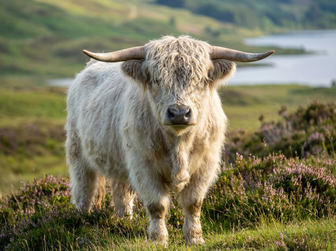
Highland cattle attract attention wherever they go. The shaggy coat, sweeping horns, and calm demeanor make them one of the most photographed cattle breeds on earth. But highlands are not just ornamental animals. They are working cattle with a range of practical applications, from premium beef production to ecological land management. Whether you are evaluating highlands for a commercial operation, a small homestead, or a multifaceted farm business, understanding their uses helps you match the breed to your goals.

Beef Production
Beef is the highland’s primary agricultural purpose, and the product they deliver is genuinely distinctive. Highland beef is lean, well-marbled, and flavorful, with a texture that reflects the breed’s slow growth rate and forage-based diet. Highland beef is often described as leaner than beef from mainstream commercial breeds, with less fat and cholesterol and more protein and iron, though published figures vary. The flavor profile tends toward rich and slightly sweet, a quality that chefs and direct-market consumers value.
The economic case for highland beef differs from conventional beef production. Highlands grow more slowly than Angus, Hereford, or Continental breeds, so they take longer to reach market weight. This is a disadvantage in a commodity system built on speed and volume. However, the math changes when you factor in feed costs. Highlands are remarkably efficient converters of rough forage. They thrive on grass, hay, and browse that would not sustain faster-growing breeds without expensive supplementation. For producers selling direct-to-consumer (farm gate, farmers markets, online sales, or CSA-style beef boxes), the premium pricing that highland beef commands more than offsets the slower growth rate.
Highland beef is a natural fit for the growing grass-fed and pasture-raised market. Because highlands perform well on forage alone, producers can market genuinely grass-finished beef without the management gymnastics that some other breeds require to reach acceptable finish on grass. The breed’s story, its Scottish heritage, striking appearance, and sustainable production model, gives direct-market producers a powerful narrative that resonates with quality-conscious consumers.
Conservation Grazing
Conservation grazing may be the highland’s most underappreciated use. Across the UK, Europe, and increasingly in North America, highland cattle are deployed on nature reserves, rewilding projects, and ecologically sensitive landscapes to manage vegetation without machinery or chemicals.
What makes highlands particularly effective as conservation grazers is their foraging behavior. Unlike most cattle breeds that are primarily grazers (eating grasses), highlands are both browsers and grazers. They will eat coarse grasses, sedges, rushes, brambles, gorse, heather, thistles, and woody brush that other cattle ignore. This versatility allows them to control invasive plant species and manage successional scrub that would otherwise shade out the wildflowers, ground-nesting bird habitat, and grassland ecosystems that conservation managers are trying to protect.
Their physical traits support this work. Hard, wide hooves handle boggy and uneven terrain without the soil compaction caused by heavier breeds. Their light frame relative to body size reduces ground pressure. Their ability to maintain body condition on low-quality forage means they can work rough ground for extended periods without supplemental feeding, reducing both cost and the ecological disruption of bringing feed onto sensitive sites.
In practice, conservation grazing with highlands looks like seasonal or rotational grazing on sites where mechanical mowing or herbicide application is undesirable or impractical. Wetlands, heathlands, chalk grasslands, upland moors, and riparian corridors are all environments where highland cattle are actively used in managed conservation programs.

Small Farm and Homestead Suitability
Highland cattle have become one of the most popular breeds for small-acreage farms and homesteads, and this popularity is grounded in practical reality rather than social media hype. Several characteristics make highlands an unusually good fit for operations with limited land, labor, and infrastructure.
- Lower feed costs: Their efficient forage conversion and willingness to eat rough browse reduce purchased feed expenses significantly compared to breeds that require higher-quality pasture or grain supplementation.
- Minimal shelter needs: The double coat eliminates the need for enclosed barns. A basic three-sided windbreak or tree line is sufficient in most climates.
- Moderate size: Standard highland cows at 900 to 1,300 pounds and miniature highlands at even lighter weights are manageable on properties where a 1,400-pound commercial cow would be impractical. Their lighter weight also means less pasture damage, especially on wet ground.
- Calving ease: Small calves and wide pelvic structure mean unassisted births are the norm. This is critical for small-farm owners who cannot be present for every calving.
- Docile temperament: For owners who handle their own cattle (rather than hiring help), the highland’s cooperative nature makes routine management tasks, from moving between pastures to loading for veterinary visits, considerably less stressful.
- Brush control: Highlands eat the plants other cattle leave behind. On a property with fence lines to clear, overgrown corners, or invasive species pressure, highlands do double duty as both livestock and land management tools.
For a detailed look at what highland cattle eat and how to manage their nutrition on a small property, check our feeding guide.
Breeding Stock
Breeding registered highland cattle is a viable and often lucrative enterprise. Demand for quality highland breeding stock, particularly in the miniature segment, has risen sharply over the past several years. Miniature highland calves routinely sell for $3,000 to $8,000, with exceptional animals or proven breeding cows reaching $10,000 to $15,000 or more.
Successful breeding operations focus on maintaining breed standards, selecting for desirable traits (correct conformation, good temperament, proven maternal lines), and building a reputation for quality through registration with the American Highland Cattle Association (AHCA) or other recognized registries. Crossbreeding highland bulls onto commercial cow herds is another established use. Highland bulls contribute calving ease, cold tolerance, foraging ability, and the double coat to crossbred progeny, which can improve herd performance in harsh environments without sacrificing too much growth rate.
If you are building a breeding program, start with the best genetics you can afford from established highland cattle breeders. The upfront investment in quality foundation animals pays dividends through every generation that follows.
Agritourism and Farm Experiences
Highland cattle are a proven agritourism asset. Their photogenic appearance draws visitors, and their calm temperament makes close-up interactions safe and enjoyable. Farms across the U.S. and UK generate meaningful supplemental income through highland-centered offerings: meet-and-greet experiences, photography sessions, educational farm tours, and seasonal events.
Miniature highlands are especially popular for visitor-facing operations because their smaller size feels less intimidating, particularly for children and people unfamiliar with cattle. Well-socialized miniature highlands that are halter-trained and accustomed to strangers can be the centerpiece of a farm experience business that generates consistent revenue throughout the year.
The economics can be significant. A farm charging $25 to $50 per person for a highland cow experience, operating weekends during peak season, can bring in thousands of dollars annually from an activity that requires minimal additional infrastructure beyond good fencing, a safe viewing area, and animals that are comfortable around people.
Farms offering meet-and-greets or photo sessions can use the farm tour booking guide to plan capacity, visitor instructions and animal-area boundaries.
Fiber and Hair Products
This is a niche use, but one worth mentioning. When highlands shed their soft undercoat in spring, some producers collect and process the fiber. Highland undercoat can be spun into yarn, felted, or blended with other fibers for textile products. The resulting material is warm, soft, and naturally water-resistant. A small but growing number of artisan fiber producers market highland cow fiber as a specialty product, adding another modest revenue stream to a highland operation.
Show Animals
Highland cattle have an active show circuit through the AHCA and state and regional highland cattle associations. Showing highland cattle builds breed reputation, establishes the value of your breeding program, and connects you with other breeders and potential buyers. Show-quality highlands are evaluated on breed-standard conformation, coat quality, horn shape, and temperament. Animals that perform well in the show ring command premium prices as breeding stock.
For newcomers, local and regional shows are an accessible entry point. The highland show community tends to be welcoming and supportive, and you will learn more about evaluating cattle in a single show season than in years of reading.
Matching the Breed to Your Goals
The versatility of highland cattle is real. Few breeds can credibly serve as beef producers, conservation grazers, breeding stock, agritourism attractions, and companion animals on the same property. The key is matching your management approach to the use case that matters most to you. A beef-focused operation will select and manage differently than an agritourism farm, even though both start with the same breed.
Whatever your goals, browse highland cattle for sale on Creatures to find animals suited to your plans. For a complete overview of the breed, visit our highland cattle breed guide, and use our highland cow name generator when it is time to name your newest addition. For the latest auction data and market trends, follow our Small Cows, Big News newsletter.