

Can You Milk a Mini Highland Cow?
Author: Elliott Garber, DVM · Updated
The Short Answer: Yes, But With Realistic Expectations
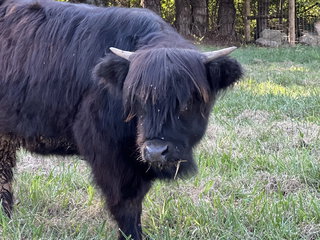
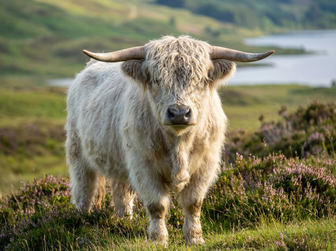
Highland cattle are a beef breed. That single fact shapes everything about milking them. A miniature highland cow can be milked, and some homesteaders do exactly that with good results. But if you’re expecting dairy-breed production from a highland, you’ll be disappointed. If you’re still learning the basics of the breed, our highland cattle breed guide covers the full picture.
A typical mini highland cow in peak lactation produces roughly 1 to 1.5 gallons of milk per day. Compare that to a Jersey at 6 to 8 gallons or even a Dexter at 1.5 to 3 gallons. The highland was never selected for milk volume. She was selected to survive Scottish winters, raise a calf on rough forage, and put on lean beef. Milk production is a byproduct, not the purpose.
That said, what highland cattle lack in volume, they partially make up for in quality. And for the right homestead setup, a highland “house cow” can work.

Milk Quality: Where Highlands Actually Shine
Highland milk is exceptionally rich. Butterfat content ranges from roughly 4% to 8%, depending on genetics, stage of lactation, and diet. For context, commercial whole milk averages 3.5% butterfat. Jersey milk, considered the gold standard for cream, runs 4.5% to 6%.
That high butterfat makes highland milk excellent for:
- Butter (you’ll get a surprising amount of cream from even a small volume of milk)
- Soft cheeses like ricotta, fromage blanc, and paneer
- Cream-top yogurt
- Rich, dense drinking milk for household use
The milk tends to be yellow-hued from beta-carotene (especially on grass-fed cows) and has a mild, clean flavor. Per ounce, you’re getting significantly more nutritional density than standard grocery store milk. A single gallon of highland milk will yield more butter and cream than a gallon from a Holstein.
Realistic Production Numbers
Here’s what to actually expect from a miniature highland cow used for household milking:
- Daily volume: 0.75 to 1.5 gallons per day at peak (typically weeks 4 through 12 post-calving)
- Lactation length: 5 to 8 months if milked consistently. Highland cows are not bred for lactation persistence. Miss a few days of milking and she may start drying off.
- Annual yield: Roughly 150 to 300 gallons total per lactation, depending on the individual cow and management
- Calving interval: Highland cows typically calve every 12 to 14 months with excellent calving ease, so you can maintain a fairly regular milk supply if you plan your breeding schedule
If you’re sharing milk with the calf (which most highland owners do), your take drops to roughly half of the daily output. That might mean a half-gallon a day for your household. For a family of two or three, that’s actually enough for daily coffee, cooking, and an occasional batch of butter. For a family of five trying to replace grocery store dairy entirely, it’s not.

Calf Sharing: The Most Common Setup
Most people who milk highland cattle use a calf-sharing arrangement rather than fully separating the calf. Here’s how it works:
- Separate the calf overnight (after about 2 to 4 weeks of age)
- Milk the cow in the morning, taking what she’s built up overnight
- Reunite cow and calf for the rest of the day
- The calf nurses freely during the day and keeps the cow stimulated
This approach has several advantages with highland cattle specifically. It keeps the cow calm (highlands are attentive mothers and can become stressed when fully separated from calves). It ensures the calf gets adequate nutrition. And it means you can skip milking on days when you’re busy or traveling without worrying about mastitis, since the calf handles demand.
The tradeoff is lower volume for you. If you need every drop, full separation and twice-daily milking will produce more, but it requires more commitment and a cow with the temperament for it. Either way, expect to invest in a quality animal. Our highland cattle pricing guide breaks down what you should budget.
The Practical Challenges of Milking a Horned Beef Cow
Even a gentle, well-trained highland cow presents some physical challenges at milking time that dairy breeds don’t.
Teat Size and Udder Structure
Highland cattle have small, compact udders designed to tuck close to the body (an adaptation that prevents frostbite in cold climates). Teats tend to be shorter than dairy breeds, which makes hand milking more difficult and can make standard dairy milking machines a poor fit. Many highland owners use goat milking equipment with smaller inflations that better match the teat size.
Hair Management
That famous long coat extends to the belly and udder area. You’ll need to clip the udder and inner thighs regularly to maintain hygiene and access. Keep clippers, scissors, and antiseptic spray as part of your milking kit. Unclipped udder hair is a mastitis risk because it traps dirt and moisture.
Horns
Highland cattle have horns. Beautiful, sweeping horns that can inadvertently catch you during milking if the cow shifts or turns her head. A proper milking stanchion with a head catch is not optional. Standard dairy stanchions are often too large for miniature highlands, so plan on building or modifying a low-profile stand. Some owners use a modified goat milking stand with reinforced sides.
Height
Miniature highlands stand under 42 inches at the hip. You’ll be milking close to the ground. A low stool or kneeling pad, combined with a raised milking platform, makes this sustainable long-term. Without ergonomic setup, twice-daily milking will take a toll on your back and knees.
Training a Highland Cow for Milking
The good news: highland cattle are known for their docile, calm temperament. A well-socialized highland cow that trusts her handler can be trained to stand for milking without much drama. The key is starting early.
- Before calving: Get the heifer comfortable with udder contact. Touch her belly, flanks, and teats regularly during routine handling. Feed her on the milking stand so she associates the space with positive experiences.
- First week after calving: Begin gentle, short milking sessions. Don’t try to fully milk her out. Just get her used to the routine, the equipment sounds, and the sensation. Pair every session with grain or a treat.
- Consistency matters: Same handler, same time, same location. Highland cattle are creatures of routine. A cow that’s milked erratically will resist. One that’s milked on a reliable schedule will walk to the stanchion on her own.
If you’re buying a cow specifically to milk, look for one that’s already halter-trained and comfortable with human handling. A bottle-raised heifer can work, but dam-raised heifers that have been handled daily are often better, since they’re socialized to both humans and other cattle. Check our highland cattle breeders directory for breeders who focus on temperament and handling.
Is a Highland House Cow Right for You?
A miniature highland cow makes sense as a household dairy animal if:
- You want a small amount of very rich milk for personal use, not commercial production
- You value a multi-purpose animal (milk, beef, land management, breeding stock) over single-purpose production
- You already plan to keep highland cattle and view milking as a bonus, not the primary purpose
- You have the patience for a forage-based feeding program and don’t mind lower output
- You’re comfortable working around horns, small teats, and long hair
A highland cow is probably not the right choice if:
- You need more than 2 gallons per day
- You plan to sell milk or dairy products commercially
- You want a plug-and-play dairy setup with standard equipment
- You’ve never owned cattle before and milking is your primary goal (start with a Jersey or Dexter instead)
Breeds to Consider If Milk Is the Priority
If you’re drawn to the highland look but dairy production is a higher priority, consider these alternatives or crosses:
- Dexter cattle: Similar size range (36 to 42 inches), true dual-purpose breed, 1.5 to 3 gallons per day, hardy grazers
- Mini Jersey: Comparable frame size, 2 to 4 gallons per day, 5 to 6% butterfat, purpose-bred for small-farm dairy
- Highland x Dexter cross: Some breeders cross these to get a shaggier, hardier animal with improved milking characteristics. You sacrifice breed purity but gain function.
For those committed to purebred highlands, select for maternal traits when choosing your cow. A dam from a line known for strong milk production and good udder attachment will outperform a cow from beef-only genetics. Talk to breeders about their cows’ mothering ability and milk production history. Browse highland cattle for sale to find breeders who track and disclose these traits.
Highland cattle can absolutely be milked, and the milk they produce is among the richest you’ll find from any breed. The question is whether the volume and logistics fit your situation. For the right homestead, a highland house cow is a genuinely rewarding animal. She’ll graze your roughest pasture, raise a calf every year with minimal intervention, give you a quart or two of extraordinary milk each morning, and outlive most other breeds on your farm. That’s a pretty compelling package if you go in with clear expectations. Ready to find your highland house cow? Our guide to buying miniature highland cattle covers where to look and what to ask.